

Ever felt stuck with pain or muscle tension that won’t go away? We’ve all been there, dealing with discomfort that messes with our daily lives. Cupping therapy, an old healing method, shines a light of hope for those seeking relief. It uses suction to boost blood flow and aid in healing1.
By tapping into our body’s healing powers, cupping helps us feel better. It improves circulation, reduces pain, and boosts our overall health. In a world of quick fixes, cupping reminds us that sometimes, going back to basics is the best way forward.
Key Takeaways
- Cupping therapy offers a natural approach to relieving pain and improving circulation.
- It enhances blood flow and fosters healing through suction.
- The therapy helps in reducing muscle tension and inflammation.
- Cupping therapy has shown effectiveness in managing chronic pain conditions.
- This age-old technique reconnects us with our body’s healing processes.
Understanding Cupping Therapy
Cupping therapy is an ancient healing method. Cups are placed on the skin to create suction. This improves blood flow and reduces swelling.
It helps with muscle tension, pain, stiffness, and breathing issues2. The suction effect helps move stagnant fluids. This boosts circulation and starts the body’s healing process3.
This treatment works well with acupuncture for better results. People can get cupping therapy several times a week. It might leave marks but doesn’t cause lasting pain2.
The therapy helps absorb fluids and reduce swelling. This makes it a good choice for those looking for natural pain relief.
History and Origins of Cupping Therapy
The history of cupping is a rich mix of cultures and times. It goes back thousands of years. The Ebers Papyrus from ancient Egypt, dating to 1550 B.C., shows cupping used for fever and pain4. In ancient China, it started around 3000 B.C., with herbalist Ge Hong using it in the Han Dynasty4.
In Greece, Hippocrates, known as the father of medicine, used cupping for internal diseases and muscle issues5. Islamic teachings made it popular as “Al-hijamah,” backed by Prophet Muhammad and Islamic doctors like Al-Zahrawi5. When it came to Europe in the Renaissance, it was used for chronic conditions like arthritis and gout6
Over time, cupping therapy has changed, moving from animal horns to glass and silicone cups. Despite ups and downs, it remains a key part of traditional healing6. Its varied history has made it the holistic practice we know today.
How Cupping Therapy Works
Cupping therapy uses a vacuum force to improve blood flow and ease pain7. It involves placing glass cups on the skin to boost circulation8. The suction effect stretches the skin and muscles, bringing fresh blood to the area9.
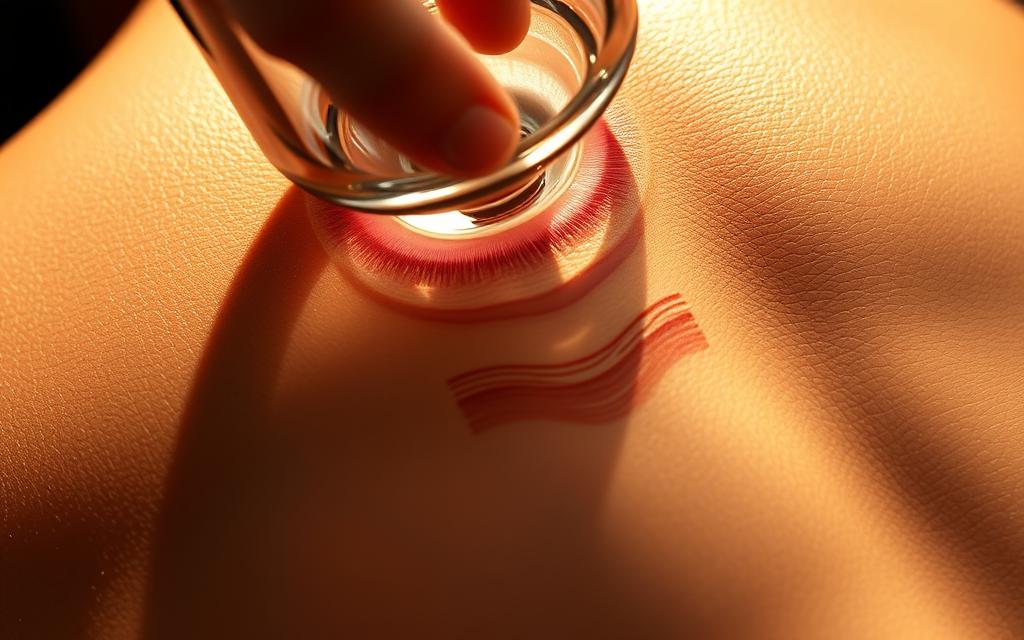
There are different materials used, like glass, plastic, or bamboo, to create suction7. It can be dry, without breaking the skin, or wet, with small cuts to draw blood7. Both methods help with pain and improve blood flow7.
Studies show cupping can boost the immune system and improve blood chemistry7. It also helps release nitric oxide, which is good for blood flow7. It’s used for poor circulation, chronic pain, and more8.
Cupping is a safe, natural treatment with few side effects8. But, it’s not for everyone, like seniors or pregnant women8.
Benefits of Cupping Therapy
Cupping therapy offers many benefits that boost our health. It improves blood flow and reduces swelling. This ancient method uses suction to stimulate the body, leading to amazing changes in our lives.
Improving Blood Circulation
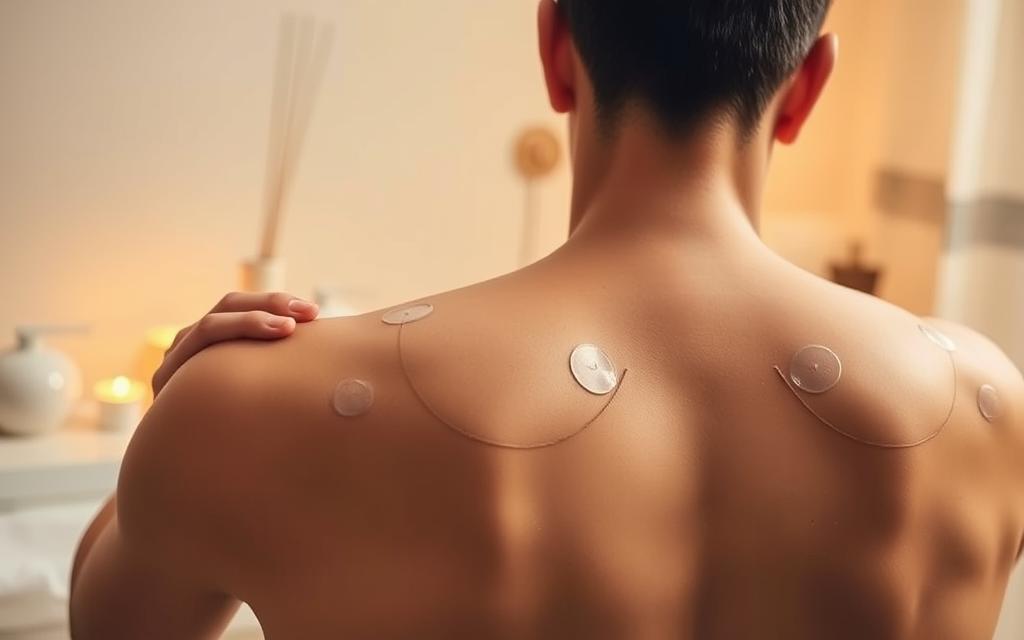
Cupping therapy is great for improving blood flow. It creates a vacuum that pulls blood to specific spots, boosting circulation10. This helps tissues get the nutrients and oxygen they need and removes waste11.
It’s also good for athletes because it helps muscles recover and improves performance10. Wet cupping, which involves letting blood, cleanses the body by removing toxins11.
Reducing Inflammation
Cupping also helps reduce swelling. It releases nitric oxide, a natural substance that widens blood vessels11. This helps ease pain and swelling12.
Many people have seen a big drop in their pain levels after treatment10. It’s effective for different pains like neck, shoulder, and lower back pain12.
Cupping Therapy Techniques
Cupping therapy uses different methods to help heal and relax. Knowing these techniques helps us choose the best one for our health goals. The main methods include dry cupping, wet cupping, running cupping, and flash cupping.
Types of Cupping: Dry vs. Wet
Dry cupping and wet cupping are the two main types. Dry cupping uses cups to create suction without cutting the skin. It boosts blood flow and relieves muscle pain. Wet cupping makes small cuts to draw blood, aiming to detoxify and reduce pain and swelling.
Running and Flash Cupping
Running cupping mixes cupping with massage, using oil to move cups over the skin. It increases blood flow and relaxes muscles. Flash cupping uses quick suction and release to boost circulation and energize the body. By picking the right method, we can target specific areas for better wellness.
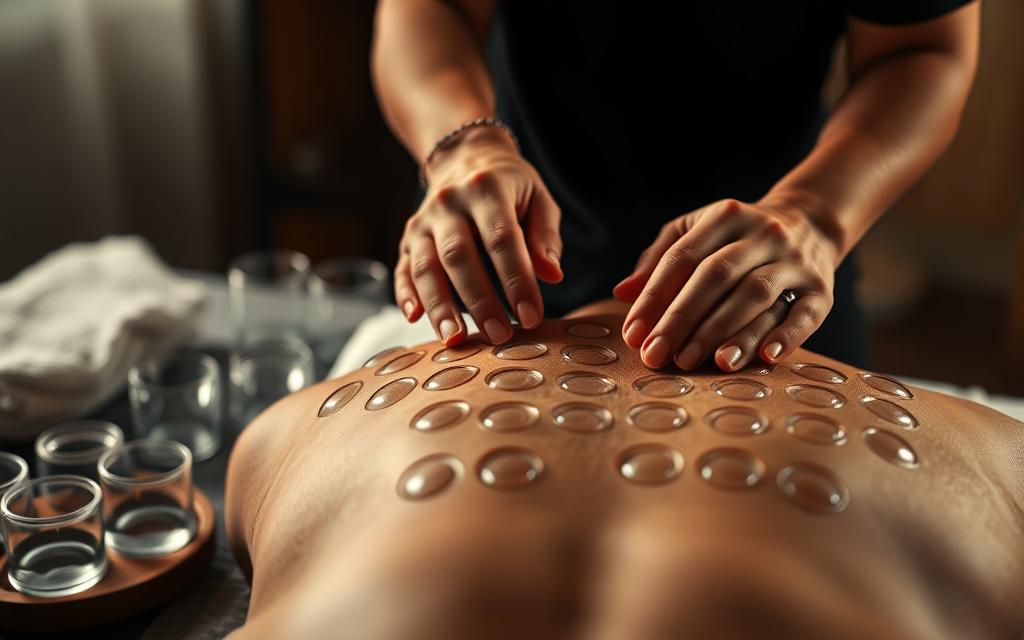
These cupping techniques can greatly improve circulation and pain relief. They offer different ways to enhance our health. By exploring these cupping therapy techniques, we learn how to tailor them to our needs. Each method has its own benefits, helping us get the most from our therapy13.
What to Expect During a Cupping Session
When we start a cupping session, a practitioner will first assess us. They will look at our symptoms and place the cups on our body. The cups create negative pressure, focusing on areas of pain or tension14.
The cups stay on for 5 to 20 minutes, giving the therapy time to work1514.
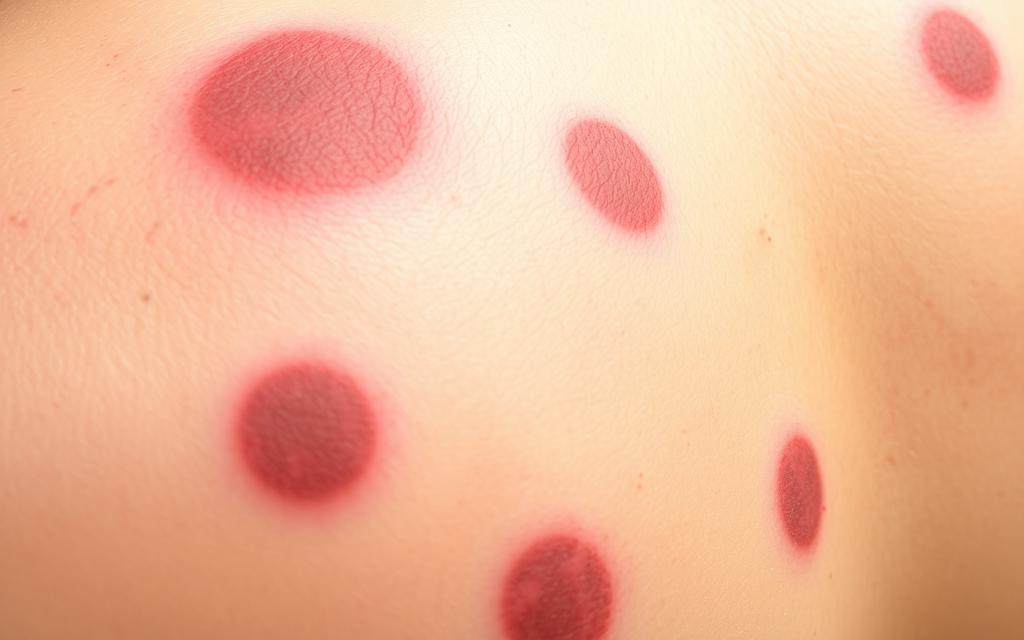
While the cups are on, we might feel a suction sensation. Many find this relaxing. Afterward, circular bruises might appear, lasting a few hours to weeks1514.
Talking openly with our practitioner is key. They can address any concerns, making our experience better.
After the session, we should avoid certain things for 4 to 6 hours. This includes caffeine, alcohol, sugar, meat, dairy, extreme temperatures, and intense exercise15. This helps our body recover well.
Cupping Therapy for Pain Relief
Cupping therapy is a promising method for pain relief. It targets areas like the back, neck, and shoulders. It boosts blood flow, easing muscle soreness and stiffness.
Studies show it helps with neck and low back pain. It uses Visual Analog Scale (VAS) scores to measure its success16. Athletes and fitness lovers use it to recover faster and perform better.
Targeting Specific Pain Areas
Cupping therapy is great for focusing on pain spots. It uses small cups to create suction on the skin. This draws attention to the pain and improves blood and lymph flow17.
Different cup sizes are used for various muscle groups. This ensures the best results for each area.
Cupping for Muscle Recovery
This therapy is key for muscle recovery after hard workouts. It reduces muscle tension and helps with scar tissue from injuries or surgeries17. It promotes fluid flow and joint mobility, keeping us functional.
There are static and dynamic cupping techniques. Each offers a different intensity for better recovery18.
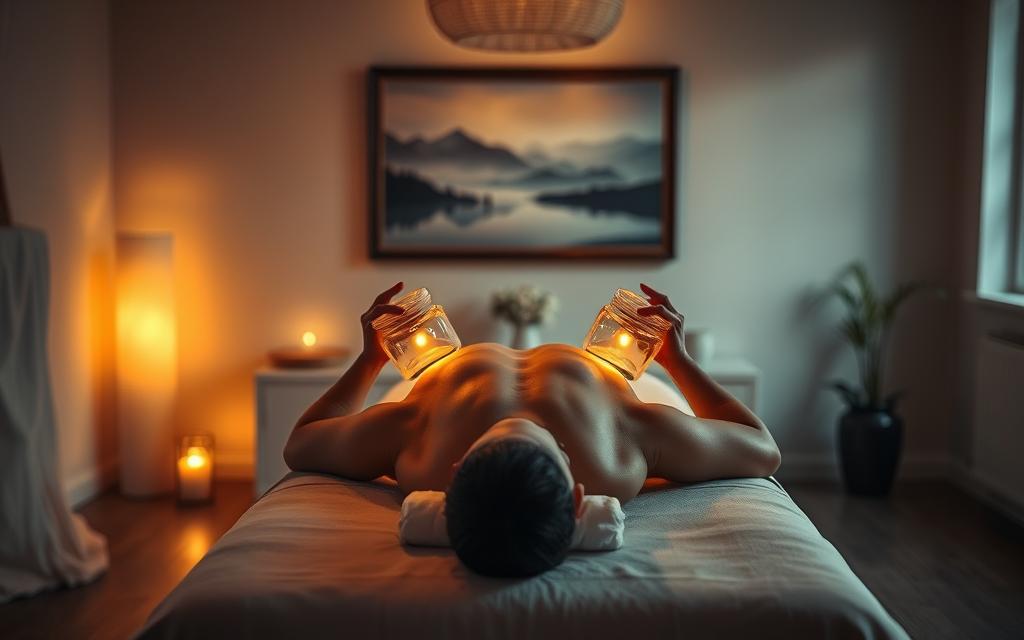
In short, adding cupping therapy to our wellness routine helps with pain and muscle recovery. It’s a vital part of holistic healing strategies161718.
Cupping Therapy for Athletes
Cupping therapy has become popular among athletes for its benefits in recovery and performance. It boosts blood flow, bringing oxygen and nutrients to muscles. This helps reduce soreness and speeds up recovery19.
The suction from the cups relaxes muscles and eases pain. It stretches and loosens muscle fibers, improving function19. It also makes muscles and tissues less stiff, enhancing flexibility and mobility. These are key for top athletic performance19.
In the 2016 Olympics, athletes like Michael Phelps used cupping therapy to get an edge. The circular bruises on Phelps’ shoulders were from this treatment. It’s not painful and heals fast20.
There are different ways to use cupping therapy, like heated cups and electrical vacuum cups. These meet various athletic needs and preferences20.
This therapy helps get rid of waste from muscles, reducing inflammation and speeding up recovery. Athletes can get back to training faster19. It also breaks down scar tissue, improves blood flow, and stretches muscles. This reduces the chance of getting hurt again19.
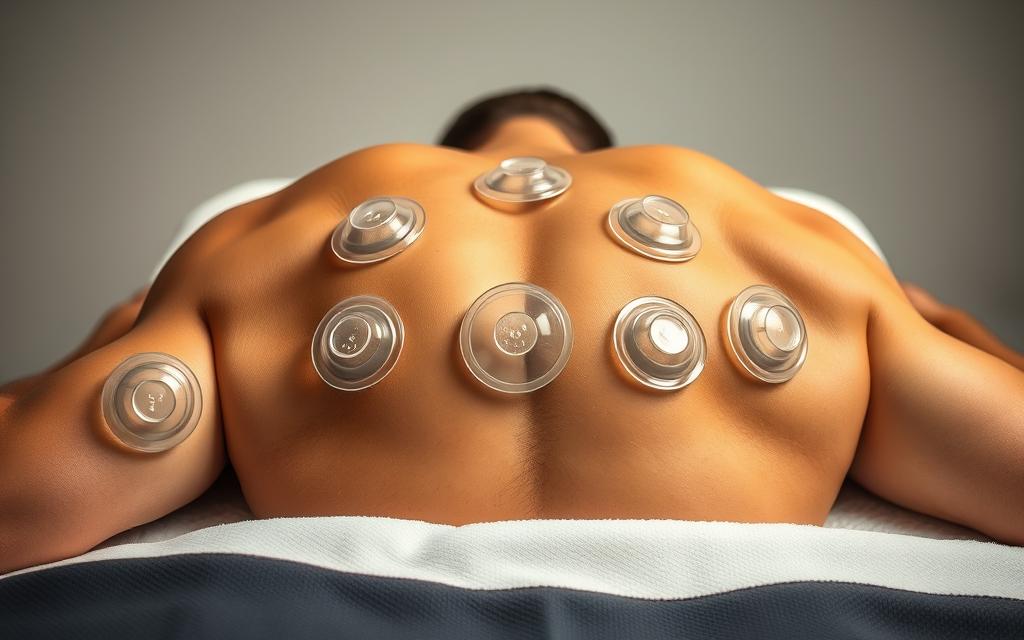
We see the value of cupping therapy in helping athletes recover from injuries and improve their performance. Its many benefits make it a valuable tool.
Potential Side Effects of Cupping Therapy
Cupping therapy can be good for many, but we should know the cupping therapy side effects first. Knowing the risks helps us make smart health choices. Most people face little trouble, but some might see bruising, redness, or skin irritation where the cups are placed. Others might feel sore or have mild pain from the suction2122.
What to Keep in Mind Before Trying Cupping
Before trying cupping, it’s key to check our health. Some health issues, like bleeding problems, skin infections, or open wounds, might raise potential risks. People on blood thinners could face more dangers2322. Pregnant women and kids should talk to doctors before trying it. Wet cupping, which cuts the skin, might be riskier than dry cupping23.
Also, safety considerations include knowing reactions can differ. Some might feel nausea, sweat, dizzy, or even burns if the cups are not used right2123. Rarely, cupping might be mistaken for child abuse because of bruises22. Talking to a healthcare provider before starting can help us understand these potential risks and stay safe.
Finding Cupping Therapy Near You
Finding cupping therapy near us is easy. We can use platforms like Booksy to find skilled practitioners in cities like Los Angeles, San Diego, and Chicago2425. Just enter our location and preferences, and we’ll see many options for different techniques, like fire and silicone cupping24. This makes it simple to find a qualified provider based on technique, reviews, and availability24.
- Look for places like Downtown LA, Santa Monica, or Koreatown if we’re in Los Angeles24.
- In other states, we can check cities like Dallas, Miami, and San Antonio for cupping therapy25.
- Reviews often show positive experiences, with many people feeling relief from shoulder injuries25.
By contacting local practitioners, we can get safe and effective treatment. It’s wise to check their credentials and discuss treatment plans. This way, we can get the most from cupping therapy.

Preparing for Your Cupping Appointment
Getting ready for a cupping appointment is important. Drinking at least 8 glasses of water a day helps. It makes our skin soft and improves blood flow2627. Avoid heavy meals and caffeine to prevent discomfort during the session2827. A light meal or snack a couple of hours before is best.
What we wear is also key. Choose loose, comfy clothes for easy access2827. Don’t wear jewelry or accessories that could get in the way. Arriving early to fill out paperwork and get ready is a good idea28.
Talk to your cupping therapist about any health concerns or preferences before the session. This ensures the treatment is tailored just for you28. Don’t shave the treatment area at least four hours before to avoid sensitivity and bruising26. Also, avoid sunburned skin as it can affect the therapy26.
Conclusion
Cupping therapy is a holistic way to improve blood flow and reduce pain. It comes from ancient times but is still useful today. Studies show it helps with chronic pain, knee issues, and back pain by improving blood flow and reducing inflammation2930.
Even though the evidence is mostly low to moderate, many people find it helpful. Practitioners and patients agree it’s a valuable part of alternative therapies30. It’s important to use cupping therapy with medical advice and other treatments for the best results.
Cupping therapy could be a big help for those looking for relief and wellness. It’s safe and rarely causes problems31. By studying it more, we can see how it fits into our healthcare today.
FAQ
What is cupping therapy?
Cupping therapy is an ancient healing method. It uses glass, silicone, or plastic cups on the skin to create suction. This improves blood flow, reduces inflammation, and relaxes the body. It’s great for chronic pain and muscle tension.
What are the benefits of cupping therapy?
Cupping therapy boosts blood circulation and reduces inflammation. It also relieves pain and aids in muscle recovery. It helps athletes recover faster by easing soreness and stiffness.
How does cupping therapy work?
Cupping therapy creates suction on the skin, boosting blood flow. This helps ease muscle tension and soreness. It also supports the body’s healing and may activate the immune system and release endorphins for pain relief.
What are the different techniques used in cupping therapy?
Cupping therapy uses several techniques. These include dry cupping, wet cupping, running cupping, and flash cupping. Each method targets different therapeutic goals based on individual needs.
Is cupping therapy safe and are there any side effects?
Cupping therapy is generally safe. But, it can cause skin discoloration, bruising, and discomfort. Always consult a healthcare practitioner before starting treatment to ensure it’s safe for you.
Can I find cupping therapy near me?
Yes, you can find cupping therapy near you. Look for licensed practitioners in your area. Check reviews, certifications, and ask for recommendations to find a qualified professional.
How should I prepare for my cupping therapy appointment?
To prepare for your appointment, arrive hydrated and wear loose clothing. Discuss any health concerns with your practitioner. This helps tailor the session for maximum benefits.
Is cupping therapy beneficial for athletes?
Yes, cupping therapy is great for athletes. It improves blood flow, eases muscle tension, and enhances recovery. Many athletes use it to improve performance and aid in rehabilitation.
Source Links
- What Is Cupping Therapy? Uses, Benefits, Side Effects, and More – https://www.webmd.com/balance/cupping-therapy
- Learn All About Cupping Therapy And The Many Health Benefits – https://web-ih-sc-prd-hdl-wus2.azurewebsites.net/blogs/learn-all-about-cupping-therapy-and-the-many-health-benefits
- What Is Cupping Therapy? – https://www.healthline.com/health/cupping-therapy
- The Surprising History of Cupping – Ackerman Acupuncture & Massage – Blaine MN – https://ackermanacupuncture.com/the-surprising-history-of-cupping/
- Cupping therapy – https://en.wikipedia.org/wiki/Cupping_therapy
- The History Of Cupping Therapy Treatment – https://melbournenaturaltherapies.com.au/the-history-of-cupping/
- Cupping Therapy – StatPearls – NCBI Bookshelf – https://www.ncbi.nlm.nih.gov/books/NBK538253/
- Blog | Cupping Therapy: What Is It and How Does it Work? – https://www.reidhealth.org/blog/cupping-therapy-what-is-it-and-how-does-it-work
- Unveiling the Mysteries of Cupping Therapy: How Does Cupping Work? — Chipperfield Mobile Physio & Wellness – https://www.chipperfieldphysio.ca/blog-1/unveiling-the-mysteries-of-cupping-therapy-how-does-cupping-work
- What Is Cupping Therapy? Benefits and Applications | USAHS – https://www.usa.edu/blog/what-is-cupping-therapy/
- The medical perspective of cupping therapy: Effects and mechanisms of action – https://pmc.ncbi.nlm.nih.gov/articles/PMC6435947/
- Cupping Therapy: The Pros, Cons and How It Works | Banner – https://www.bannerhealth.com/healthcareblog/teach-me/does-cupping-therapy-really-work
- Cupping Therapy – PubMed – https://pubmed.ncbi.nlm.nih.gov/30855841/
- What To Expect with Cupping Therapy? – https://lifeline-therapy.com/blog/cupping-therapy/
- Before and After Cupping Therapy | IMPACT Physical Therapy & Sports Recovery – https://www.impactphysicaltherapy.com/before-and-after-cupping-therapy/
- Efficacy of cupping therapy on pain outcomes: an evidence-mapping study – https://pmc.ncbi.nlm.nih.gov/articles/PMC10640990/
- Cupping Therapy for Pain Relief: Uses, Benefits and Treatment | ProActive Physical Therapy Clinics | Tucson, AZ – https://proactivept.com/blog/cupping-therapy-for-pain-relief-uses-benefits-and-treatment/
- The Role of Cupping Therapy in Pain Management: A Literature Review – https://www.intechopen.com/chapters/73348
- Rise of Cupping: A Game-Changer for Athletes – https://dentonsportschiropractic.com/2024/08/25/rise-of-cupping-a-game-changer-for-athletes/
- Cupping Treatment for Athletes – Cupping Therapy | USAHS – https://www.usa.edu/blog/the-use-of-cupping-as-a-treatment-in-athletes/
- Cupping Therapy: Side Effects & Benefits | Banner Health – https://www.bannerhealth.com/services/physical-therapy/specialized-services/cupping
- Cupping Therapy: Types, Benefits, Process & Side Effects – https://www.medicinenet.com/cupping/article.htm
- Cupping therapy: Benefits, how to do it, and side effects – https://www.medicalnewstoday.com/articles/324817
- TOP 11 Cupping Therapy places near you in Los Angeles, CA – March, 2025 – https://booksy.com/en-us/s/cupping-therapy/134655_los-angeles
- Cupping Therapy Near Me – Find Cupping Therapy Places on Booksy.com! [US] – https://booksy.com/en-us/s/cupping-therapy
- How to Prepare for Your Cupping Therapy Session – https://impacktpt.com/how-to-prepare-for-your-cupping-therapy-session/
- Beginner’s Guide To Cupping Therapy: What First-Time Users Should Expect – https://www.pleasanthillsanctuary.com/cupping-therapy/beginner’s-guide-to-cupping-therapy:-what-first-time-users-should-expect
- Preparing for Your Cupping Therapy Session: What You Need to Know — Afterglow Acupuncture – https://www.afterglowacupuncture.com/blog/prepare-for-my-cupping-therapy-session
- Analytical Approach to the Literature of Cupping Therapy – http://www.jkspm.org/journal/view.html?doi=10.13066/kspm.2021.16.3.1
- Frontiers | Efficacy of cupping therapy on pain outcomes: an evidence-mapping study – https://www.frontiersin.org/journals/neurology/articles/10.3389/fneur.2023.1266712/full
- What is Modern Cupping Therapy? – https://www.advancedptsm.com/blog/2023/4/3/what-is-modern-cupping-therapy