

Understanding mental health is key in today’s fast world. Mental health issues can hit anyone, no matter their background or situation.
Mental disorders cover a wide range of conditions. They affect mood, thinking, and behavior. These issues can change daily life, relationships, and overall happiness.
The complexity of mental disorders means we need to understand their many types. Knowing the different kinds helps find the right support and treatment.
Key Takeaways
- Understanding mental health is vital for overall well-being.
- Mental disorders can affect anyone, regardless of background.
- There are various types of mental disorders, each with distinct characteristics.
- Recognizing the different categories can aid in seeking support.
- A comprehensive understanding is crucial for effective treatment.
Understanding Mental Disorders and Their Impact
It’s important to understand mental disorders to tackle their effects. These disorders affect mood, thinking, and behavior. They can greatly reduce a person’s quality of life.
Definition and Global Prevalence
Mental disorders cause big problems with thinking, feeling, and acting. Mental disorders are common worldwide. Anxiety disorders, for example, affect many people, causing a lot of pain and trouble.
How Mental Disorders Affect Daily Functioning
Mental disorders can really mess up daily life. They can make it hard to work, keep friends, and do simple things. For example, anxiety disorders can make people avoid social situations and work. Knowing this helps us create better support and treatments.
The Classification System of Mental Disorders
Mental health experts use standardized systems to diagnose and treat mental disorders. These systems offer a common language and criteria for diagnosing mental health conditions. This is key for both clinical work and research.
Diagnostic and Statistical Manual (DSM-5)
The Diagnostic and Statistical Manual of Mental Disorders, Fifth Edition (DSM-5), is widely used in the United States. It outlines detailed criteria for diagnosing mental disorders, like depression and bipolar disorder. The DSM-5 is published by the American Psychiatric Association and is a vital tool for psychiatric diagnosis.
Key features of the DSM-5 include:
- Standardized criteria for diagnosing mental disorders
- Detailed descriptions of mental health conditions
- Classification of disorders into various categories
International Classification of Diseases (ICD-11)
The International Classification of Diseases, Eleventh Revision (ICD-11), is another important system, published by the World Health Organization (WHO). It has a chapter on mental, behavioral, and neurodevelopmental disorders. This gives a global view on classifying mental health conditions.
| Classification System | Publisher | Key Features |
|---|---|---|
| DSM-5 | American Psychiatric Association | Detailed diagnostic criteria, classification of disorders |
| ICD-11 | World Health Organization | Global perspective, classification of mental, behavioral, and neurodevelopmental disorders |
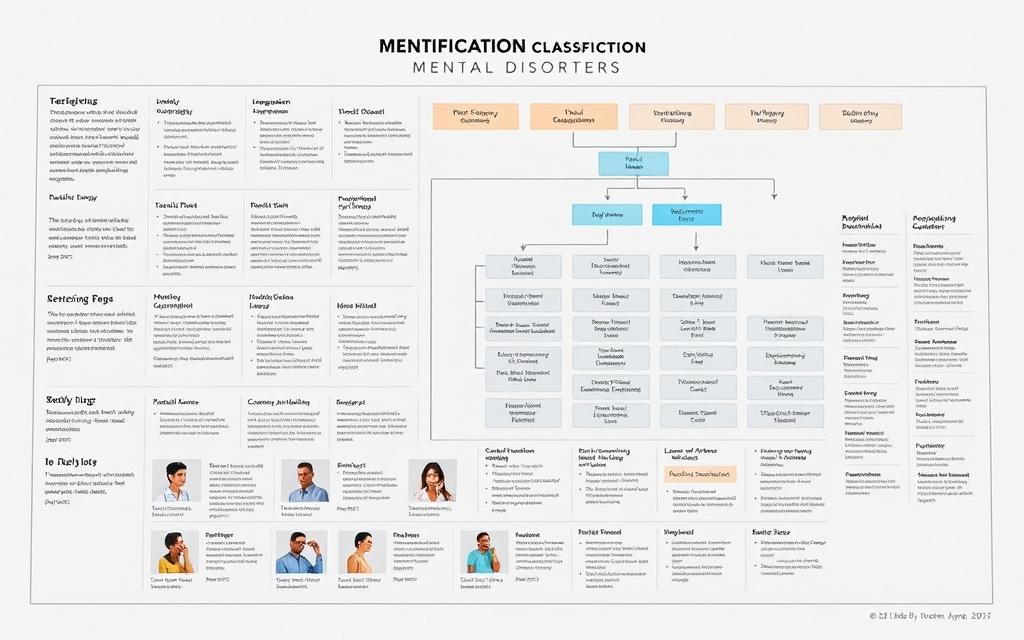
Both the DSM-5 and ICD-11 are crucial for diagnosing and treating mental disorders, including mood disorders. It’s vital for mental health professionals to know these systems. This helps them give accurate diagnoses and effective treatment plans.
Anxiety Disorders: Types and Characteristics
Anxiety disorders are a group of conditions that can really affect your daily life. They are more than just feeling stressed or worried. They are serious mental health issues that need the right treatment.
Common Types of Anxiety Disorders
There are several common types of anxiety disorders, each with its own set of characteristics.
Generalized Anxiety Disorder
Generalized Anxiety Disorder (GAD) is marked by constant and excessive worry about everyday things, even when there’s no reason to worry.
Social Anxiety Disorder
Social Anxiety Disorder makes you fear being judged or seen negatively by others in social situations. This fear can lead to avoiding such situations.
Panic Disorder
Panic Disorder is characterized by recurring panic attacks. These are intense episodes of fear or discomfort that reach their peak within minutes.
Recognizing Anxiety Symptoms
It’s important to recognize the symptoms of anxiety disorders early. Common signs include constant worry, fear, or anxiety that gets in the way of daily activities. Other symptoms include restlessness, feeling on edge, trouble concentrating, and sleep problems.
Evidence-Based Treatment Options
Treatment for anxiety disorders often combines psychotherapy, medication, and lifestyle changes. Cognitive-behavioral therapy (CBT) is a very effective form of psychotherapy for anxiety disorders.

- Cognitive-behavioral therapy (CBT)
- Medications such as SSRIs and SNRIs
- Lifestyle changes including regular exercise and stress management techniques
Mood Disorders: Depression and Bipolar Conditions
Understanding mood disorders is key to tackling mental health issues. Mood disorders affect how we feel and manage our emotions.
Major Depressive Disorder
Major Depressive Disorder (MDD) is a mood disorder. It’s marked by constant sadness and a lack of interest in things.
Symptoms and Warning Signs
Symptoms include persistent sadness, changes in appetite, and sleep issues. Warning signs might be social withdrawal and feeling very tired.
Risk Factors
Risk factors for MDD include genetics, traumatic life events, and certain personality traits.
Bipolar Disorder
Bipolar Disorder is a mood disorder with extreme mood swings. It includes emotional highs (mania or hypomania) and lows (depression).
Manic and Depressive Episodes
Manic episodes are when you feel very happy and active. Depressive episodes are when you feel sad and lose interest in things.
Diagnosis Challenges
Diagnosing bipolar disorder is hard. It’s because of its complex nature and the need to tell it apart from other mood disorders.
Effective Treatment Approaches
Good treatment for mood disorders combines medication, psychotherapy, and lifestyle changes.
| Treatment Approach | Description | Benefits |
|---|---|---|
| Medication | Pharmacological interventions to stabilize mood | Reduces symptoms, stabilizes mood |
| Psychotherapy | Therapeutic techniques to address underlying issues | Improves coping mechanisms, enhances well-being |
| Lifestyle Changes | Adjustments in daily habits and routines | Promotes overall mental health, reduces relapse risk |

Psychotic Disorders: When Reality Perception Changes
Psychotic disorders are severe mental illnesses that make it hard for people to see reality. These conditions can really affect how someone lives their daily life. They can change how someone thinks, feels, and acts.
The symptoms of these disorders can vary a lot. But they often include seeing or hearing things that aren’t there, believing things that aren’t true, and having trouble organizing thoughts. It’s important to understand these disorders to help people get the right support and treatment.

Schizophrenia: Symptoms and Subtypes
Schizophrenia is a well-known psychotic disorder. It is marked by a pattern of symptoms that can last a long time. Symptoms can include hearing or seeing things that aren’t there, believing things that aren’t true, and having trouble speaking or moving.
Schizophrenia is divided into several subtypes. These subtypes are based on the main symptoms someone has. For example, paranoid schizophrenia is when someone mostly has hallucinations or delusions.
Other Psychotic Disorders
There are other psychotic disorders besides schizophrenia. These include schizoaffective disorder and brief psychotic disorder. They share some symptoms but have their own unique features.
Schizoaffective Disorder
Schizoaffective disorder combines symptoms of schizophrenia with mood disorder symptoms. This can include feeling very sad or feeling overly happy. Treating this condition requires a plan that addresses both the psychotic and mood symptoms.
Brief Psychotic Disorder
Brief psychotic disorder is when someone suddenly starts having psychotic symptoms for a short time. This usually lasts less than a month. It can be triggered by a lot of stress or trauma.
Management Strategies and Medications
Managing psychotic disorders often involves a few things. These include antipsychotic medications, therapy, and support from others. Antipsychotic medications are key in reducing the severity of symptoms.
| Treatment Approach | Description | Benefits |
|---|---|---|
| Antipsychotic Medications | Used to reduce the severity of psychotic symptoms such as hallucinations and delusions. | Effective in managing symptoms, improving quality of life. |
| Psychotherapy | Includes cognitive-behavioral therapy (CBT) and family therapy to support recovery. | Helps individuals cope with the disorder, improves social functioning. |
| Social Support | Provides a network of support through family, friends, and support groups. | Enhances recovery, reduces feelings of isolation. |
Personality Disorders: Patterns of Behavior and Thinking
Personality disorders are deep-seated patterns that cause a lot of distress or trouble. They affect many areas of life, like personal relationships and work. These disorders are complex and touch on many aspects of a person’s life.
The DSM-5 groups personality disorders into three clusters: A, B, and C. Each group has its own set of traits and symptoms.
Cluster A: Odd or Eccentric Disorders
Cluster A includes disorders like Paranoid Personality Disorder, Schizoid Personality Disorder, and Schizotypal Personality Disorder. People with these disorders often seem distant or suspicious.
Cluster B: Dramatic or Emotional Disorders
Cluster B disorders are known for their dramatic or erratic behavior. This group includes Borderline Personality Disorder, Histrionic Personality Disorder, Narcissistic Personality Disorder, and Antisocial Personality Disorder. These individuals often have intense mood swings and may act impulsively or manipulatively.
Cluster C: Anxious or Fearful Disorders
Cluster C disorders are marked by anxiety or fear. This group includes Avoidant Personality Disorder, Dependent Personality Disorder, and Obsessive-Compulsive Personality Disorder. People with these disorders often feel anxious or fearful, which affects their daily life.
Therapeutic Approaches and Challenges
Treating personality disorders often involves psychotherapy and sometimes medication. Cognitive-behavioral therapy (CBT) and dialectical behavior therapy (DBT) are common methods. But, treating these disorders is hard because of their deep roots and the difficulty in changing.
| Cluster | Disorders | Characteristics |
|---|---|---|
| A | Paranoid, Schizoid, Schizotypal | Odd or eccentric behavior |
| B | Borderline, Histrionic, Narcissistic, Antisocial | Dramatic, emotional, or erratic behavior |
| C | Avoidant, Dependent, Obsessive-Compulsive | Anxious or fearful behavior |

Eating Disorders: Beyond Food and Weight
Eating disorders are more than just about food and weight. They are a deep struggle with the mind and body. These conditions affect people in many ways, not just physically.

Anorexia Nervosa
Anorexia nervosa makes people see themselves as fat, even when they’re very thin. It leads to extreme weight loss because they don’t eat enough.
Warning Signs and Health Consequences
Signs include losing a lot of weight and being afraid of gaining more. Eating very little is another sign. The health risks are serious, like osteoporosis and heart problems.
Treatment Approaches
Treatment for anorexia includes therapy, nutrition advice, and medical care. Cognitive-behavioral therapy (CBT) helps change harmful thinking patterns.
Bulimia Nervosa
Bulimia nervosa is about eating a lot and then trying to get rid of it. This can cause a lot of physical and emotional pain.
Binge-Purge Cycle
The binge-purge cycle is a key part of bulimia. It makes people feel guilty and ashamed. It’s often triggered by stress and pressure from others.
Recovery Strategies
Getting better from bulimia needs therapy like CBT or IPT. Sometimes, medicine is used to help with feelings of sadness.
Binge Eating Disorder
Binge eating disorder means eating a lot of food quickly, without trying to get rid of it. It can cause obesity and other health problems.
Support Systems and Recovery
Having support from loved ones and groups is key to getting better. A treatment plan that covers medical, nutritional, and mental health is important for recovery.
Important steps for recovery include:
- Early intervention
- Comprehensive treatment plans
- Ongoing support
Substance Use Disorders: Addiction and Dependency
Substance use disorders are a big problem in public health. They need a full approach to stop and treat them. These disorders happen when people misuse things like alcohol, opioids, and other drugs. This misuse causes a lot of trouble and makes daily life hard.

Understanding Addiction Mechanisms
Addiction is a complex issue. It makes people keep using drugs even when it hurts them. It changes the brain, especially parts that deal with rewards, stress, and control. Knowing how it works helps us find better ways to treat it.
Common Substance Dependencies
Substance dependencies can be different based on the drug. Some common ones are related to alcohol, opioids, and stimulants.
Alcohol Use Disorder
Alcohol use disorder means someone can’t stop drinking alcohol, even when it causes problems. It’s a big issue with serious health effects.
Opioid Use Disorder
Opioid use disorder happens when people misuse opioid drugs. This leads to dependence and can cause severe withdrawal symptoms. Treatment usually includes medicine and behavioral help.
Treatment Programs and Recovery Paths
Good treatment for substance use disorders combines medicine and therapy. Important parts are:
- Detox to handle withdrawal symptoms
- Medicine to cut down cravings
- Therapies like cognitive-behavioral therapy (CBT)
- Support groups for community and support
Recovering from substance use disorders takes a long time. It needs constant support and care. By knowing about these disorders and treatment, people and families can find their way to recovery.
Neurodevelopmental Disorders: Lifelong Conditions
Neurodevelopmental disorders are a group of conditions that affect brain development. They often start early in life and impact many areas of a person’s life.
These disorders can greatly affect a person’s quality of life. They need comprehensive management and support.
Attention-Deficit/Hyperactivity Disorder (ADHD)
ADHD is marked by symptoms of inattention, hyperactivity, and impulsivity. These symptoms can vary in severity and impact daily life.
Symptoms Across Lifespan
Symptoms of ADHD change across different life stages. From childhood to adulthood, management strategies need to adapt.
Management Strategies
Managing ADHD often involves behavioral therapy, lifestyle changes, and medication. These help address symptoms and improve daily functioning.
Autism Spectrum Disorder
Autism spectrum disorder is a neurodevelopmental disorder. It affects social communication and interaction, and includes restricted and repetitive behaviors.
Signs and Diagnosis
Early signs of autism spectrum disorder appear in early childhood. Diagnosis comes from comprehensive assessments by multidisciplinary teams.
Support Approaches
Support for individuals with autism spectrum disorder includes behavioral therapies and educational support. These are tailored to their needs.
Educational and Social Interventions
Educational and social interventions are key for individuals with neurodevelopmental disorders. They help improve functioning and participation in society.
Interventions include individualized education plans, social skills training, and family support services.
| Disorder | Primary Symptoms | Management Strategies |
|---|---|---|
| ADHD | Inattention, Hyperactivity, Impulsivity | Behavioral Therapy, Medication, Lifestyle Changes |
| Autism Spectrum Disorder | Social Communication Challenges, Repetitive Behaviors | Behavioral Therapies, Educational Support |
Trauma and Stressor-Related Disorders: After Difficult Events
After tough times, people might face mental health issues. These problems fall under trauma and stressor-related disorders. They happen when someone goes through or sees a very stressful or scary event.
Post-Traumatic Stress Disorder (PTSD)
Post-Traumatic Stress Disorder (PTSD) is a common issue in this group. It shows up after someone has been through a very bad event.
Symptoms and Triggers
PTSD symptoms include flashbacks, feeling very anxious, and thinking a lot about the bad event. Things that remind them of the event can be triggers.
Coping Mechanisms
Dealing with PTSD needs different strategies. These include talking therapy, medicine, and joining support groups. These help people handle their symptoms and live better lives.
Adjustment Disorders
Adjustment disorders happen when someone finds it hard to deal with a stressful situation. They might feel very upset and have trouble doing everyday things.
Evidence-Based Therapeutic Approaches
There are proven ways to help with trauma and stressor-related disorders. These include trauma-focused CBT and EMDR. Studies show these methods really help people feel better.
The American Psychological Association says, “Trauma-focused CBT is a proven treatment for PTSD and other trauma-related issues.” This shows how important it is to use proven treatments for these problems.
| Therapeutic Approach | Description | Benefits |
|---|---|---|
| Trauma-Focused CBT | A type of therapy that focuses on the traumatic event | Reduces symptoms of PTSD, improves coping mechanisms |
| EMDR | A therapy approach that involves eye movement or other forms of stimulation | Helps process traumatic memories, reduces distress |

Obsessive-Compulsive Disorders: Beyond Stereotypes
Obsessive-compulsive disorders are more than what people often think. They are complex mental health issues that affect many. These disorders include recurring thoughts and urges to do certain things over and over.
OCD: Obsessions and Compulsions
Obsessive-Compulsive Disorder (OCD) has two main parts: obsessions and compulsions. Obsessions are unwanted thoughts or images that cause worry. Compulsions are actions done to try and reduce that worry. For example, some people might clean too much or check things repeatedly.
Those with OCD know their thoughts and actions don’t make sense. Yet, they can’t stop them.
Related Conditions
There are other conditions like OCD, but they have their own special traits.
Body Dysmorphic Disorder
Body Dysmorphic Disorder (BDD) makes people worry too much about how they look. They might spend a lot of time checking themselves or trying to hide flaws. These flaws are usually not seen by others or are very small.
Hoarding Disorder
Hoarding Disorder makes it hard for people to get rid of things. They feel they need to keep everything. This leads to messy homes and a lot of clutter.
Treatment Strategies and Self-Help
Treatment for these disorders often includes therapy and medicine. CBT, especially Exposure and Response Prevention (ERP), works well. Keeping a diary, practicing relaxation, and joining support groups are also helpful.
Learning about these disorders and the treatments available helps people deal with them better. It’s a step towards recovery.
Dissociative Disorders: Disconnection and Identity
Dissociative disorders are a group of mental disorders that cause a break in identity, memory, or consciousness. These conditions can make it hard for people to live their daily lives. They can affect relationships, work, and overall happiness. Treating dissociative disorders needs a detailed and careful approach.
Types of Dissociative Disorders
Dissociative disorders include several specific conditions, each with its own traits.
Dissociative Identity Disorder
Dissociative Identity Disorder (DID) is when a person has two or more different identities. These identities control their behavior at different times. It was once called Multiple Personality Disorder.
Depersonalization/Derealization Disorder
Depersonalization/Derealization Disorder makes people feel detached from themselves or the world. They might feel like they are outside their body or that everything around them is not real.
Therapeutic Interventions and Support
Therapy for dissociative disorders combines psychotherapy, counseling, and education. The aim is to help people bring together their split parts and better handle life.
Support from family and friends is key for recovery. It helps create a stable place for healing. Treatment plans are made to fit each person’s needs. They might include ways to manage symptoms and improve daily life.
The Importance of Mental Health Awareness
Mental health awareness is more crucial today than ever. Mental health issues, like mental disorders and mood disorders, touch millions globally. They affect not just individuals but also communities and societies.
It’s vital to raise awareness about mental health. This helps create a space where people can talk openly about their struggles. Early intervention is key in managing and treating these conditions.
Combating Stigma and Misconceptions
Stigma and misconceptions are big barriers to seeking mental health help. Many see mental disorders as weakness, not health issues. We must share accurate info and personal stories to change this view.
“The stigma attached to mental illness is a major barrier to people seeking help. We need to create a culture where talking about mental health is as normal as talking about physical health.”
Education and open talks are essential. They help normalize mental health discussions and fight harmful stereotypes.
Promoting Early Intervention and Support
Early intervention is crucial in tackling mental health issues. Awareness and understanding encourage people to seek help early. Support from family, friends, and professionals is vital for recovery.
| Strategies for Promoting Mental Health Awareness | Description | Impact |
|---|---|---|
| Education and Workshops | Organizing educational programs to inform about mental health | Increased understanding and empathy |
| Public Campaigns | Using media to raise awareness and reduce stigma | Broader reach and community engagement |
| Support Groups | Creating safe spaces for individuals to share experiences | Enhanced support networks |
By using these strategies, we can build a more supportive society. This will greatly improve the lives of those with mental disorders.
How to Recognize Warning Signs of Mental Disorders
It’s important to spot the early signs of mental disorders to get help quickly. Mental health issues can happen to anyone, no matter their background. Knowing the common signs can help people get help sooner.
Common Red Flags Across Disorders
Many mental disorders share common warning signs. Look out for big mood swings, like feeling sad or angry all the time. Also, watch for changes in how you act, like pulling away from friends or mood swings.
Other signs include changes in sleep, eating, or energy. Paying attention to these changes is the first step to getting help.
People might also struggle to focus, make decisions, or remember things. A drop in personal care or an increase in substance use is another sign. Recognizing these signs early can greatly improve treatment outcomes.
When and How to Seek Professional Help
If you see several warning signs, it’s time to get professional help. Start by talking to a doctor or a mental health expert. They can help figure out what’s going on and suggest the best course of action.
Seeking help is a sign of strength, not weakness. Mental health professionals can offer treatments like therapy and medication. Support from loved ones is also key during this time.
By knowing the warning signs and acting early, people can get the help they need to manage their mental health.
Conclusion
Mental disorders cover many conditions that impact daily life and well-being. This article looked at different types, like psychotic and eating disorders. It also covered substance use, neurodevelopmental, and trauma-related disorders.
It’s key to understand these conditions to improve mental health awareness. Knowing the signs helps people get help and find effective treatments.
Improving mental health needs a broad approach. This includes education, support, and proven treatments. Together, we can create a society that cares about mental health and helps those affected.
FAQ
What are the main categories of mental disorders?
Mental disorders fall into several categories. These include anxiety, mood, and personality disorders. There are also psychotic, eating, and substance use disorders. Additionally, there are neurodevelopmental, trauma, obsessive-compulsive, and dissociative disorders.
How do mental disorders affect daily functioning?
Mental disorders can really disrupt daily life. They can make it hard to do everyday tasks. They also affect relationships and work or school activities.
What is the Diagnostic and Statistical Manual (DSM-5)?
The DSM-5 is a guide for diagnosing and treating mental disorders. It sets clear criteria for diagnosis and treatment.
What are the common symptoms of anxiety disorders?
Anxiety disorders show through excessive worry and fear. They also cause physical symptoms like a fast heartbeat and sweating. These symptoms can really interfere with daily life.
How are mood disorders diagnosed and treated?
Mood disorders, like depression and bipolar disorder, are diagnosed based on symptoms and medical history. Treatment includes medications, therapy, and lifestyle changes.
What are the characteristics of psychotic disorders?
Psychotic disorders, like schizophrenia, involve a disconnection from reality. They include hallucinations and delusions. These disorders can greatly affect daily functioning.
How can eating disorders be treated?
Eating disorders, such as anorexia and bulimia, are treated with therapy, nutrition counseling, and medical monitoring. This combination helps manage symptoms.
What are the signs and symptoms of substance use disorders?
Substance use disorders show through increased tolerance and withdrawal symptoms. They also involve compulsive use despite negative effects.
How can neurodevelopmental disorders be supported?
Neurodevelopmental disorders, like ADHD and autism, are supported with therapy, educational interventions, and accommodations. These help manage symptoms and improve functioning.
What are the effects of trauma and stressor-related disorders?
Disorders like PTSD can significantly impact daily life. They cause symptoms like flashbacks, avoidance, and hypervigilance. These symptoms can be very challenging.
How can mental health awareness be promoted?
Promoting mental health awareness involves reducing stigma and increasing education. It also means encouraging early intervention and support. This helps create a more understanding environment.