

As the sun sets, your head hits the pillow, and the day’s weight feels like a heavy blanket. You’re not alone; over 60 million Americans struggle with poor sleep quality. This can harm your emotional and physical health1.
Getting quality sleep is crucial. It affects your memory, focus, mood, and even your risk for diseases like depression and heart disease1. Luckily, natural remedies for better sleep offer hope. They help many find relief without the side effects of drugs. This article explores holistic strategies for a better night’s sleep.
Key Takeaways
- Over 60 million Americans experience poor sleep quality.
- Quality sleep is essential for mental and physical health.
- Natural remedies may alleviate sleep issues without side effects.
- Holistic strategies often incorporate lifestyle and dietary changes.
- Effective sleep aids include herbs, supplements, and relaxation techniques.
Understanding the Importance of Quality Sleep
Quality sleep is key to staying healthy and feeling good. Adults need at least seven hours of sleep2. Not getting enough sleep can cause big health problems like obesity, diabetes, and heart disease2.
Good sleep helps our brains work better. It improves memory, decision-making, and creativity. This shows how sleep is crucial for our brain health.
Adults need 7-9 hours of sleep each night3. Teenagers need about 9.5 hours to grow well3. Stress can make it hard to sleep, but a good sleep environment helps2.
Some people struggle to sleep well. Around 30% of adults have trouble sleeping2. This shows how common sleep problems are.
Knowing how much sleep we need helps us value it more. Even things like evening light can mess with our sleep. This shows how important it is to have a good bedtime routine2.
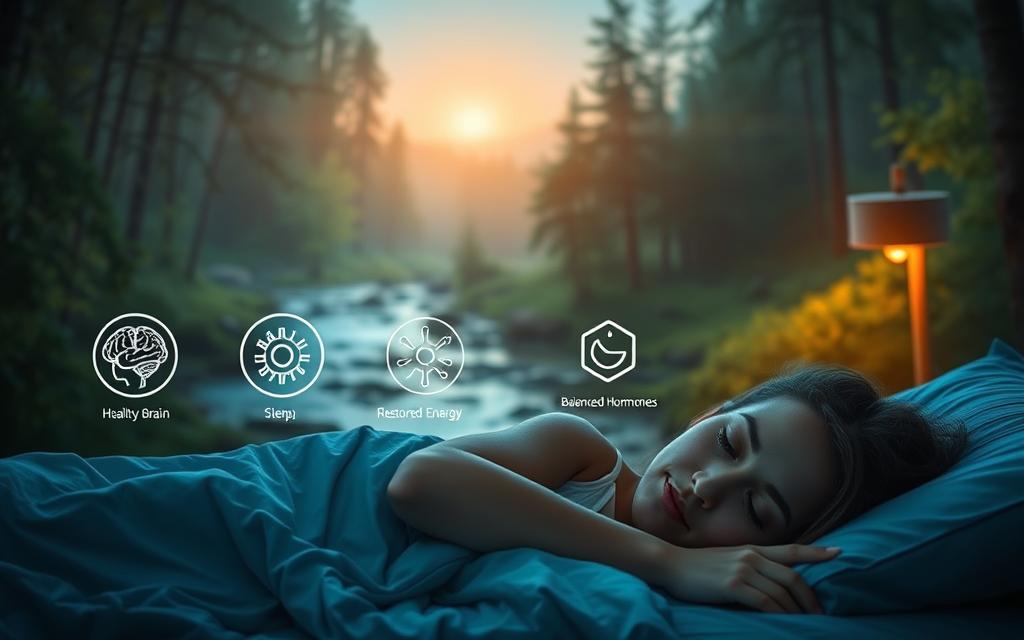
Common Causes of Sleep Disturbances
It’s important to know the causes of insomnia to tackle sleep disorders. About one-third of people struggle with sleep at some point4. Stressful events can cause short-term insomnia, while long-term stress can lead to chronic insomnia5.
Hormonal changes in women, like during the menstrual cycle and menopause, can make it hard to sleep5. People over 60 often face sleep challenges due to natural aging and health changes5.
Poor sleep hygiene is a big factor in sleep problems. Doing stimulating activities before bed and having irregular sleep times are common mistakes5. Caffeine and nicotine in the evening can mess with sleep4. Alcohol can also disrupt sleep, making it less restful6.
Medical issues like sleep apnea, restless legs syndrome, and chronic pain can also cause insomnia5.
Good habits can help with sleep. Practicing good sleep hygiene can cut down insomnia symptoms by about 30%6. Regular exercise also improves sleep quality a lot6. Knowing these factors helps us spot our own habits and areas for betterment.
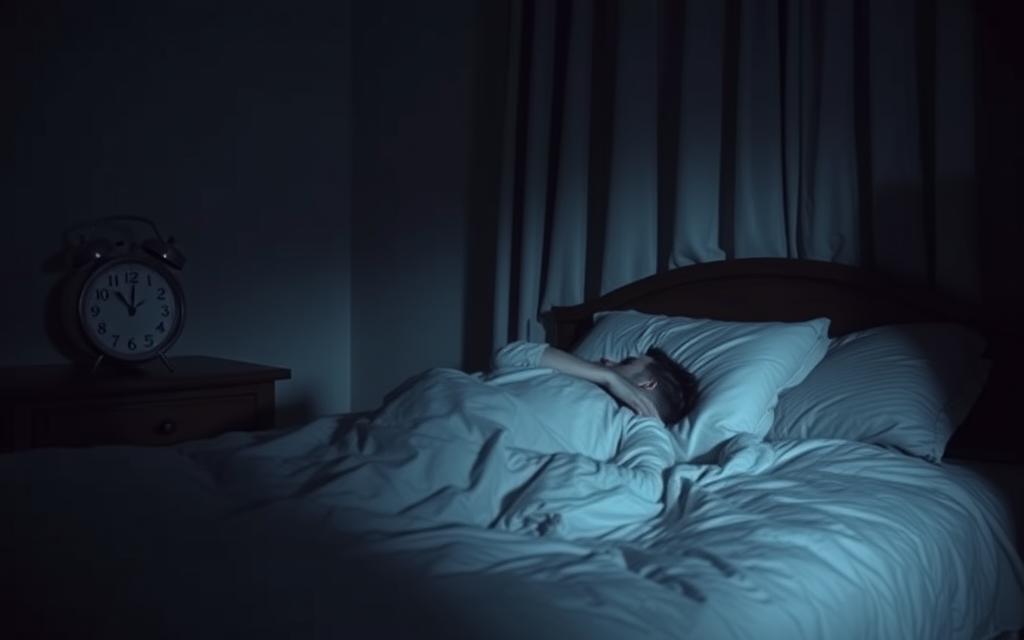
Natural Remedies for Better Sleep
Looking for ways to improve sleep can greatly benefit your health. Melatonin, valerian root, and chamomile are popular for helping with insomnia. Each has unique benefits for better sleep.
Melatonin: The Sleep Hormone
Melatonin is a hormone our bodies make to help us sleep. It helps our bodies know when it’s time to sleep and wake up. Studies show melatonin can help people fall asleep faster and sleep longer7. It’s also good for jet lag8.
Valerian Root: A Traditional Herbal Aid
Valerian root has been used for centuries to help with sleep. It’s known for its calming effects, which can help you fall asleep quicker. But, how well it works can vary, and more research is needed7. It’s also important to be careful because it can have side effects8.
Chamomile: The Calming Tea
Chamomile is a calming tea that many people drink before bed. It’s thought to help relax and improve sleep. People often use it as a natural way to sleep better, finding it gentle and safe. While many swear by its benefits, more scientific studies are needed to fully understand its effects7.
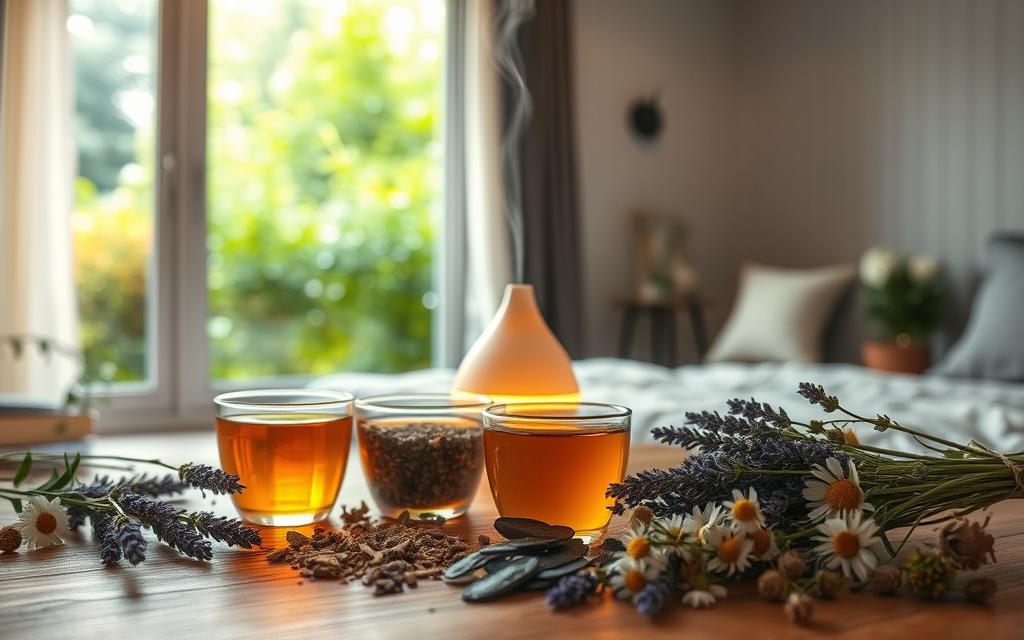
Herbal Remedies for Insomnia
Looking for natural ways to sleep better? Passionflower and lavender are great options. They have special properties that help you sleep well.
Passionflower: Calming the Mind
Passionflower helps calm your mind and body. It can increase GABA levels in your brain, making you feel relaxed. Studies show valerian, like passionflower, can help you fall asleep faster and sleep better9.
But, valerian’s benefits aren’t the same for everyone. Some studies found it doesn’t really help9.
Lavender: Aromatherapy Benefits
Lavender is a favorite for improving sleep. Its scent can make you sleep longer and wake up less at night. It’s great for those who want natural sleep help10.
Lavender comes in many forms, like essential oils and dried flowers. This makes it easy to find a way to use it that you like10.
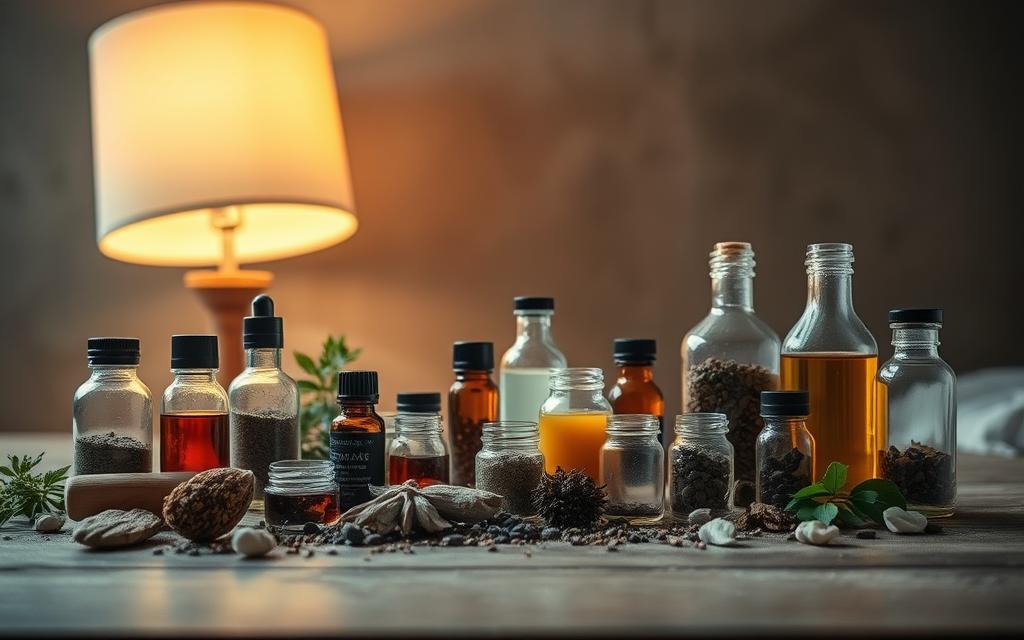
| Herb | Potential Benefits | Recommended Use |
|---|---|---|
| Passionflower | Enhances relaxation, may increase GABA levels | Tea or tincture before bedtime |
| Lavender | Improves sleep quality, reduces awakenings | Aromatherapy or teas |
Adding these herbs to your bedtime routine can make you sleep better. You’ll wake up feeling refreshed and ready for the day.
Sleep Improvement Techniques
Improving your sleep is key to feeling rested. Going to bed and waking up at the same time every day helps a lot. This includes weekends, to keep your sleep patterns regular11. Also, cut down on caffeine and alcohol before bed to sleep better1213.
Don’t eat big meals or smoke before bedtime. These habits can make it harder to sleep well11.
Make your bedroom a sleep haven. It should be quiet, dark, and cool for the best sleep. Some people use earplugs or blackout curtains to help11. The right mattress, like a medium-firm one, can also reduce back pain12. Plus, wool or linen bedding can make your sleep even better12.
Try relaxation techniques like guided meditation to relax before bed. It helps calm your mind and makes falling asleep easier11. Regular exercise is good for sleep, but avoid intense workouts close to bedtime1211.
Keeping a sleep diary can help you spot problems with your sleep. It lets you track your sleep and make changes if needed13. Using these tips can greatly improve your sleep and overall health.
Bedtime Rituals for Better Sleep
Creating effective bedtime rituals is key to better sleep. A pre-sleep routine that includes relaxation techniques tells your body it’s time to relax. Adults usually spend 30 minutes to 1 hour on these rituals. Kids need about 20 to 45 minutes14.
By sticking to these rituals, you can train your brain to feel sleepy at night. This improves your sleep hygiene15.
Creating a Relaxing Pre-Sleep Routine
Activities like reading, gentle yoga, or meditation can lower bedtime anxiety14. A warm bath an hour before bed helps your body feel sleepy15. Herbal teas, like chamomile or lavender, also help relax you15.
Avoid eating heavy meals or drinking alcohol before bed to keep your sleep quality good15. Keep your bedroom cool, between 65 to 68 degrees Fahrenheit, for better sleep15. A consistent sleep routine reduces anxiety and helps you sleep better14.
Sleep Hygiene Tips for a Restful Night
Good sleep hygiene is key for a great night’s sleep. Adults need 7–9 hours of sleep each night for health16. Regular exercise can cut sleep problems by 30%, helping you sleep better16.
A cool bedroom, around 65°F, improves sleep16. Avoid caffeine and alcohol in the evening to keep sleep smooth17. Caffeine can mess with sleep for 3–7 hours after drinking17.
Start a calming bedtime routine 30–60 minutes before bed to relax17. For anxiety, a weighted blanket can offer comfort and better sleep17. A dark, quiet bedroom is essential; heavy curtains or eye masks can block 70% of light16.
Short naps, under 20 minutes, won’t ruin your night sleep17. Good sleep habits boost health and satisfaction16. Adjusting your daily routine can greatly improve your sleep and mornings.
Stress-Relief Techniques for Better Sleep
Managing stress is key to getting good sleep. Stress can lead to insomnia, with 44 percent of adults saying it has kept them awake at least once a month18. Mindfulness and meditation can help reduce anxiety and make it easier to fall asleep. These practices have been shown to improve emotional health and lower stress19.
Regular use of these techniques can lower stress and improve sleep quality.
Meditation and Mindfulness Practices
Adding mindfulness to your daily routine can help you relax before bed. Yoga and deep breathing can activate your body’s relaxation response, making it easier to sleep20. For example, doing relaxation techniques like gentle breathing and muscle relaxation for 20 to 25 minutes a day can help reduce stress and improve sleep18.
Mindfulness meditation can also improve sleep quality and reduce daytime tiredness, which is good for older adults who struggle with sleep20.
Using these stress-relief techniques can help you relax and prepare for a peaceful night. Keeping a regular sleep schedule and using relaxation practices can improve sleep quality and mental health19. By adopting these methods, you can aim for a restful and refreshing sleep.
Sleep-Promoting Foods to Consider
Adding certain foods to your diet can help you sleep better. Foods like turkey, dairy, and nuts boost serotonin levels, which is key for sleep. A study found that drinking tart cherry juice improved sleep time and quality2122.
Salmon is also good for sleep. Eating it three times a week can lead to better sleep and more energy during the day21. To get the most sleep benefits, eat these foods with carbs. This helps your body absorb tryptophan, making you feel sleepy.
Incorporating Tryptophan-Rich Foods
Dairy products can improve sleep quality, best when paired with light exercise22. Kiwis, rich in serotonin, may also help with sleep, though more research is needed22. Oatmeal, full of carbs, not only makes you tired but also has melatonin to help you fall asleep23.
Insomnia affects about 35% of American adults, showing the importance of diet in sleep21.

Exercise and Sleep: Finding the Right Balance
Regular exercise and sleep are closely linked. Studies show that moderate exercise can improve deep sleep and reduce sleep apnea symptoms24. Adults who exercise for 30 minutes a day sleep 15 minutes longer than those who don’t25. Lack of sleep can also lead to weight gain and obesity, showing the importance of balance26.
Timing and intensity of exercise are key to good sleep. Exercising too close to bedtime can disrupt sleep due to high heart rates and body temperatures. But exercising earlier in the day can improve sleep. Moderate exercise three times a week is best, improving sleep quality, even for older adults2524.
There’s a two-way link between sleep and exercise. Better fitness can lead to better sleep, which helps with exercise. Regular workouts can also reduce anxiety before bed, making it easier to sleep2625. Younger people might need more exercise to see sleep benefits than older adults25. A consistent exercise routine can create a positive cycle, where better sleep means more energy for workouts, improving health24.
Using Supplements Wisely for Sleep
Using sleep supplements can help improve your sleep. In 2012, about 3 million Americans used melatonin sleep aids, a CDC survey found27. Melatonin helps your body get ready for sleep by increasing levels two hours before bedtime27. Experts suggest taking 1 to 3 milligrams two hours before bed for best results27.
Research shows that supplements like GABA can also help. A study found that taking 300 mg of GABA one hour before bed can make falling asleep easier28. While side effects from GABA are rare, it’s important to watch for them. This is because FDA rules for dietary supplements are not strict28.
It’s important to use natural sleep aids safely. About 8% of adults use sleep aids often, and many feel groggy from them29. Always talk to a healthcare provider before starting any new supplement, even if you’re healthy29.
Potential Risks of Natural Sleep Remedies
Natural sleep remedies are popular for those looking for alternatives to prescription drugs. Almost two-thirds of American adults have tried melatonin, showing a big shift in what people prefer30. Melatonin is usually safe for short use, but it can cause headaches, dizziness, nausea, and feeling tired during the day31. It’s important to be careful with sleep supplements because some, like valerian, can cause side effects like irregular heartbeat and stomach upset30
The safety of natural sleep aids is a big concern. The FDA doesn’t check dietary supplements as closely as it does drugs. This means we might not know how safe or effective they are31. Some sleep aids, like cannabinoids, can react badly with other medicines and have different side effects depending on the product and how much you take32. Also, while magnesium supplements are rare in causing side effects, too much can lead to diarrhea30. It’s key to talk to a doctor before using sleep supplements to avoid bad reactions and use them right31.
With sleep disorders affecting 50–70 million adults in the U.S., it’s important to use natural sleep remedies wisely32. Making lifestyle changes and using supplements together might be the best way to get good sleep. It’s important to know the risks of sleep remedies and be careful to get the most benefits while avoiding side effects.
Conclusion
Addressing sleep disturbances offers many natural ways to improve. Options like melatonin, valerian root, and changing what we eat are key. For example, melatonin helps set our body clocks right, which is great for those who can’t sleep at night. Valerian root might take some time to work well33.
Adding stress-reducing activities and good sleep habits is also important. Exercise helps relax muscles and lowers anxiety, making sleep better33. Knowing how sleep and natural remedies help us can lead to better health and happiness.
Remember, always talk to a doctor before trying new supplements or changing your routine. They can give advice that fits your specific needs. This ensures a safe way to get a good night’s sleep34.
FAQ
What are some effective natural remedies for better sleep?
Natural sleep aids include melatonin, valerian root, and chamomile. Passionflower and lavender also help. These herbs relax you and improve sleep without the usual medicine side effects.
How can sleep hygiene practices improve my sleep quality?
Good sleep habits are key. Stick to a sleep schedule and keep your room dark and cool. Avoid caffeine and alcohol before bed to sleep better.
What stress-relief techniques can aid in achieving better sleep?
Meditation, mindfulness, and deep breathing help calm your mind. They make it easier to fall asleep and improve sleep quality.
Are there specific foods that promote better sleep?
Yes, foods like turkey, dairy, nuts, and beans have tryptophan. This makes you feel sleepy. Carbs help your body use tryptophan better for sleep.
How can I create a calming bedtime ritual for better sleep?
Start a calming routine like reading or gentle yoga before bed. This tells your body it’s time to sleep, helping you fall asleep faster.
What role does exercise play in sleep improvement?
Exercise helps you sleep better by making it easier to fall asleep and improving deep sleep. But, finish workouts a few hours before bed.
What should I know about using supplements for sleep?
Supplements like melatonin and valerian root can help sleep. But, talk to a doctor first. They can ensure safety and avoid side effects.
Can natural sleep remedies have side effects?
Yes, natural sleep aids can have side effects. Melatonin might make you dizzy, and valerian could cause headaches. Always check with a doctor before trying them.
Source Links
- Natural Sleep Aids: Home Remedies to Help You Sleep – https://www.hopkinsmedicine.org/health/wellness-and-prevention/natural-sleep-aids-home-remedies-to-help-you-sleep
- 6 steps to better sleep – https://www.mayoclinic.org/healthy-lifestyle/adult-health/in-depth/sleep/art-20048379
- Brain Basics: Understanding Sleep – https://www.ninds.nih.gov/health-information/public-education/brain-basics/brain-basics-understanding-sleep
- Sleep disorders and problems (insomnia): Learn More – What can you do if you have trouble sleeping? – InformedHealth.org – https://www.ncbi.nlm.nih.gov/books/NBK279320/
- Insomnia – Symptoms and causes – https://www.mayoclinic.org/diseases-conditions/insomnia/symptoms-causes/syc-20355167
- Remedies for Insomnia – https://www.webmd.com/sleep-disorders/remedies-for-insomnia
- Natural Cures for Insomnia: From Acupressure to Yoga – https://www.sleepfoundation.org/insomnia/treatment/natural-cures-for-insomnia
- 8 Insomnia Home Remedies: Exercises, Oils, and More – https://www.healthline.com/health/healthy-sleep/insomnia-home-remedies
- Valerian for insomnia? Maybe – https://www.mayoclinic.org/diseases-conditions/insomnia/expert-answers/valerian/faq-20057875
- 10 Herbs for Sleep and Sleep-Related Struggles | Zzzquil – https://www.zzzquil.com/en-us/article/herbs-for-sleep-struggles
- Fall asleep faster and sleep better – Every Mind Matters – https://www.nhs.uk/every-mind-matters/mental-wellbeing-tips/how-to-fall-asleep-faster-and-sleep-better/
- 15 Proven Tips to Sleep Better at Night – https://www.healthline.com/nutrition/17-tips-to-sleep-better
- Insomnia treatment: Cognitive behavioral therapy instead of sleeping pills – https://www.mayoclinic.org/diseases-conditions/insomnia/in-depth/insomnia-treatment/art-20046677
- Bedtime Rituals to Help You Sleep – https://sleepdoctor.com/sleep-hygiene/bedtime-rituals
- Bedtime Routines for Adults – https://www.sleepfoundation.org/sleep-hygiene/bedtime-routine-for-adults
- Mastering Sleep Hygiene: Your Path to Quality Sleep – https://www.sleepfoundation.org/sleep-hygiene
- 12 Tips for Better Sleep Hygiene – https://www.healthline.com/health/sleep-hygiene
- Sleepless Nights? Try Stress Relief Techniques – https://www.hopkinsmedicine.org/health/wellness-and-prevention/sleepless-nights-try-stress-relief-techniques
- 12 tips to tame stress – https://www.mayoclinic.org/healthy-lifestyle/stress-management/in-depth/stress-relievers/art-20047257
- How To Relieve Stress for Bedtime – https://www.sleepfoundation.org/sleep-hygiene/how-to-relieve-stress-for-bedtime
- The Best Foods To Help You Sleep – https://www.sleepfoundation.org/nutrition/food-and-drink-promote-good-nights-sleep
- 9 Foods and Drinks to Promote Better Sleep – https://www.healthline.com/nutrition/9-foods-to-help-you-sleep
- Can’t Sleep? Check What’s on Your Plate – https://health.clevelandclinic.org/foods-that-help-you-sleep
- Exercises for Better Sleep – https://www.webmd.com/sleep-disorders/ss/exercises-better-sleep
- The Effect of Physical Activity on Sleep Quality and Sleep Disorder: A Systematic Review – https://pmc.ncbi.nlm.nih.gov/articles/PMC10503965/
- The Connection Between Diet, Exercise, and Sleep – https://www.sleepfoundation.org/physical-health/diet-exercise-sleep
- Melatonin for Sleep: Does It Work? – https://www.hopkinsmedicine.org/health/wellness-and-prevention/melatonin-for-sleep-does-it-work
- Gaba for Sleep – https://www.sleepfoundation.org/sleep-aids/gaba-for-sleep
- Sleep Aids: Know the Types, Benefits, & Risks – https://www.sleepfoundation.org/sleep-aids
- Natural Sleep Aids: Which Are the Most Effective? – https://www.sleepfoundation.org/sleep-aids/natural-sleep-aids
- Pros and cons of melatonin – https://www.mayoclinic.org/healthy-lifestyle/adult-health/expert-answers/melatonin-side-effects/faq-20057874
- Herbal and Natural Supplements for Improving Sleep: A Literature Review – https://pmc.ncbi.nlm.nih.gov/articles/PMC11321869/
- Health Benefits of Natural Sleep Treatments for Insomnia – https://www.scitechnol.com/peer-review/health-benefits-of-natural-sleep–treatments-for-insomnia-aRqM.php?article_id=22472
- How to Improve Sleep, Based on The Science – Consensus: AI Search Engine for Research – https://consensus.app/home/blog/how-to-improve-sleep-based-on-the-science/