

Ever felt like life’s stress is too much to handle? Maybe it’s the pain in your back, the anxiety, or the constant tiredness. It’s easy to feel overwhelmed. But, there’s a centuries-old practice that offers hope and healing.
Acupuncture, rooted in Traditional Chinese Medicine, brings acupuncture benefits to people worldwide. This guide will show how it can improve our health and well-being. It helps us find balance and vitality in our lives.
Getting a consultation can give you insight into acupuncture’s benefits without any commitment1. Dr. Amy Wolf, with a Doctorate in Acupuncture and Chinese Medicine, combines ancient practices with modern technology for a holistic approach1. Let’s discover how acupuncture treatment can boost your health and well-being, from its origins to its scientific basis. Join us on this journey of discovery.
Key Takeaways
- Acupuncture is a time-honored practice focused on balancing the body’s energy.
- Effective in treating chronic pain, migraines, and other conditions.
- Acupuncture benefits extend to mental health, alleviating anxiety and depression.
- Consulting with a qualified practitioner can provide personalized care.
- Understanding the techniques and safety practices of acupuncture is essential.
Understanding Acupuncture and Its Origins
Acupuncture is a key part of traditional Chinese medicine that has been around for thousands of years. It aims to improve health and well-being. This practice believes in a vital energy called qi flowing through the body through meridians.
When qi flow is blocked, health problems can arise. Acupuncture tries to fix this by using thin needles in specific points23.
Starting in China about 3000 years ago, acupuncture’s history is documented in “The Yellow Emperor’s Classic of Internal Medicine.” This text, from 100 BCE, still guides today’s treatments. Over time, acupuncture has become popular worldwide, gaining scientific interest in the 19th century4.
The philosophy of acupuncture revolves around yin and yang. These forces must be balanced for health. In recent years, acupuncture has been recognized for pain management, gaining acceptance in Western medicine. Today, 3 million adults in the United States use acupuncture for their health needs each year3.
What to Expect During Acupuncture Treatment
Before starting acupuncture, we should get ready for a relaxing and healing experience. The first step is a 60-minute examination. The practitioner will look at our health, lifestyle, and what we’re concerned about5. They might also check our tongue to find any imbalances6.
During the treatment, thin needles are placed in specific body points called meridians6. You might feel a slight ache when the needles hit the right spot5. Some people feel relaxed or energized afterward, and pain is rare. If you do feel pain, the acupuncturist will adjust the needles to make you comfortable6.
The session can last from 20 to 60 minutes, based on what you need7. The needles stay in for 10 to 15 minutes7. The practitioner might move the needles, apply heat, or use a mild electrical impulse to stimulate the points7. You’ll usually have 5 to 20 needles in one session7. No special preparation is needed, making it easy for anyone to try.

Benefits of Acupuncture for Pain Relief
Acupuncture is known for its acupuncture benefits in relieving pain from chronic pain conditions. It’s effective in managing migraines and headaches. It also helps with aching muscles and joints.
How Acupuncture Relieves Chronic Pain
Acupuncture works by stimulating the central nervous system. This releases natural painkillers called endorphins. A 2018 study showed acupuncture’s pain relief is real, not just a placebo effect8.
It’s also more effective than fake treatments for chronic back pain. Studies show a big difference in pain levels9. The therapy also changes the nervous system and boosts blood flow, helping to reduce pain10.
Conditions Treated by Acupuncture
Many conditions can benefit from acupuncture. These include chronic headaches, knee osteoarthritis, and shoulder pain. Some studies show pain relief can last for months or even years10.
For example, acupuncture can cut down on tension headaches. 48% of patients see a big improvement, compared to 19% with usual care9. The National Center for Complementary and Integrative Health says acupuncture helps manage chronic pain well8.

| Condition | Effectiveness | Long-Term Relief |
|---|---|---|
| Chronic Back Pain | Significantly effective | Persistence for months |
| Knee Osteoarthritis | Clinically significant | Considerable long-term relief |
| Tension Headaches | 48% reduction in frequency | Lasting effects post-treatment |
| Chronic Migraines | As effective as drug prophylaxis | 54% experienced reduction |
The Science Behind Acupuncture
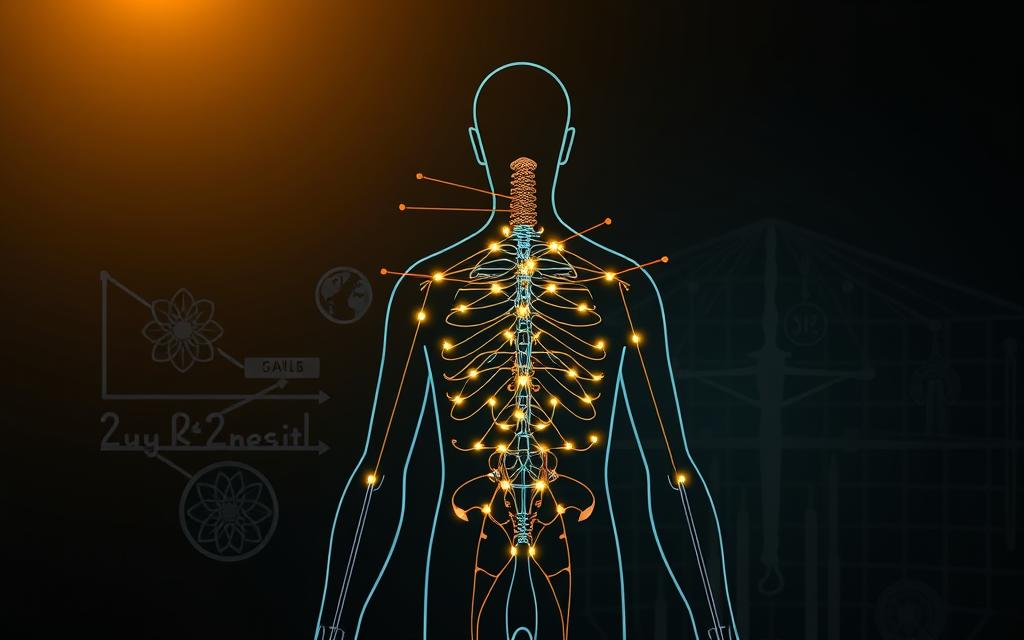
Many people talk about acupuncture’s benefits, but what does science say? Acupuncture is based on the idea of qi, a vital energy flowing through our bodies. It moves through specific paths called meridians. Studies show that these paths are full of nerve fibers and have electrical properties, making them effective for healing11.
When these points are stimulated, they release important chemicals like endorphins and serotonin. These chemicals help with pain, mood, and stress11.
Understanding Qi and Meridians
Traditional Chinese medicine says that qi problems can cause health issues. By stimulating acupuncture points, we can fix this flow and improve health12. Research has found that acupuncture works well for chronic pain and migraines. This shows it’s both old wisdom and new science12.
Acupuncture also boosts blood flow and changes how our nervous system works. This can lower blood pressure and heart rate11. With over 4,000 studies, acupuncture’s health benefits are clear. It’s a topic of interest in both health and science circles12.
Acupuncture Treatment: What Are the Techniques?
There are many acupuncture techniques to fit different needs and health issues. Each method has its own way of using acupuncture points to help treat conditions. We see both old and new techniques being used.
Types of Acupuncture Techniques
Korean Acupuncture is a mix of traditional Chinese and modern methods. It uses fewer needles to find and fix the main causes of illness. It’s great for long-term health problems, breathing issues, and feeling tired13.
Vietnamese Acupuncture blends traditional Chinese and French methods. It focuses on feeling the body and pulse to help with digestion, pain, and mental health13.
French Energetic Acupuncture combines TCM with modern anatomy. It uses touch to find and fix energy imbalances. It’s good for allergies, asthma, and chronic pain13.
Master Tung Acupuncture uses specific points with fewer needles for pain relief. Dr. Tan Acupuncture balances energy using images, perfect for those who are sensitive13. Miriam Lee Acupuncture focuses on balancing energy to help with nervous system, digestion, sleep, and hormones13.
Traditional Needle Acupuncture uses thin needles to help restore energy flow. It’s good for headaches, arthritis, stress, and anxiety14. Tui Na, without needles, uses pressure to help with digestion and belly pain14.
Complementary Techniques Used Alongside Acupuncture
Acupressure uses pressure instead of needles to help with pain and stress13. Electro-Acupuncture adds electricity to needles to help with nerves and muscles14. Cupping and Gua Sha help detoxify and improve blood flow for overall healing14.
By knowing about different acupuncture techniques, we can make treatments better fit each person’s health needs. This way, we can get the best results for our well-being.
Acupuncture for Mental Health and Emotional Well-being
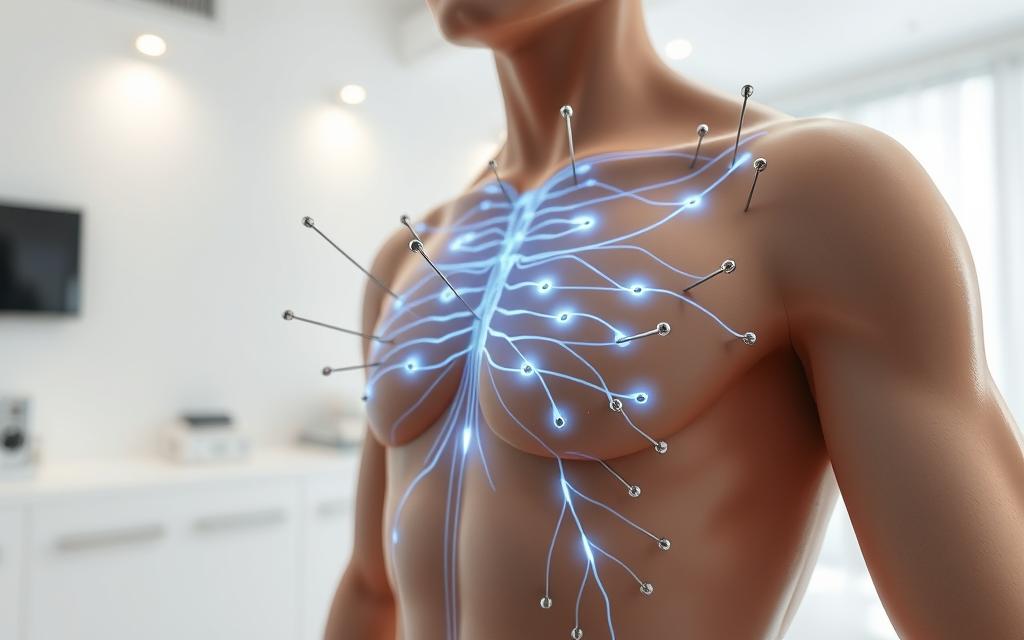
Acupuncture is a key tool for better mental health and emotional well-being. It helps with anxiety and depression by releasing endorphins, our natural painkillers. This leads to relaxation and calm, which are vital for mental stability15.
It also helps regulate our body’s clock, improving sleep. This is crucial for those with insomnia15. A 2021 study in the Annals of General Psychiatry found acupuncture reduces anxiety better than controls16.
The Role of Acupuncture in Managing Anxiety and Depression
Acupuncture boosts serotonin, which improves mood and reduces depression15. A detailed review showed it’s effective for those not helped by antidepressants. It offers a natural way to treat mental health16.
It also lowers inflammation, which helps with depression. This gives quick benefits to some patients16. Acupuncture helps us focus on our bodies, improving mood and emotional health17.
Adding acupuncture to our mental health care is a holistic approach. Its growing popularity shows it’s effective and accepted in mental health. It’s a valuable tool for better emotional well-being17.
Choosing the Right Acupuncturist Near Me
When looking for an acupuncturist, it’s important to make a smart choice. We need to ask the right questions to check if the provider is a good fit. This way, we get care that’s right for us.
Questions to Ask an Acupuncture Provider
Here are key questions to ask:
- What are your practitioner credentials, including training and certifications?
- Do you have insurance coverage to protect both your practice and patients?
- Can you explain your treatment approach and the expected number of sessions?
- Do you specialize in treating specific conditions or acupuncture styles?
- How do you ensure a clean and safe treatment environment?
Asking these questions builds trust in the practitioner’s skills. It also makes sure we feel comfortable during treatment.
Verify Practitioner Credentials
Checking the acupuncturist’s credentials is crucial. They should have a state license and have finished the required education and training. The National Certification Commission for Acupuncture and Oriental Medicine (NCCAOM) helps find certified acupuncturists in our area18.
We should also look at fee schedules from experienced practitioners who are licensed and insured. Reading reviews on Thervo and Google can give us a better idea of their services19.
It’s wise to avoid the cheapest options, as they might not be the best quality19.
Red flags include a messy treatment space and a practitioner who rushes through sessions without listening to us. By being careful, we can find an acupuncturist who meets our needs.
Cost and Insurance Coverage for Acupuncture Treatment
Knowing the cost of acupuncture is key to our choices. The cost for acupuncture visits went up from $593.00 in 2010-2011 to $1021.57 in 2018-201920. More people are using acupuncture, from 0.4% in 2010 to 0.8% in 201920.

Insurance for acupuncture is changing. More visits are covered by insurance, from 41.1% in 2010-2011 to 50.2% in 2018-201920. But, Medicare doesn’t cover it21.
Big private insurers like Aetna cover some, but only for certain conditions21. In California, Medicaid and Blue Shield of California cover it, even if the acupuncturist isn’t a doctor21.
If insurance does cover it, we might have to file claims ourselves for out-of-network providers21. Some plans offer discounts for acupuncture. Using a Health Savings Account (HSA) for acupuncture can also save us money21. We can make better choices about our health by understanding these costs.
Safe Practices in Acupuncture Therapy
We must focus on safety in acupuncture therapy. Practitioners need to follow strict cleanliness and sterilization rules. This is to avoid any infection or complications.
Reports show that organ or tissue injuries happen often. There were a median of 36 cases, with a sad median of 4 deaths22. Infections have also been found, with a median of 17 cases, leading to a median of 0.5 deaths22. These numbers show how crucial a clean environment is.
What to Look for in Cleanliness and Sterilization
Looking for safe acupuncture means checking cleanliness and sterilization. Practitioners should keep their workspace clean and prepare needling sites correctly. They must also use sterile equipment and needles23.
It’s also key to use aseptic techniques during the treatment. Managing complications well is important for patient safety. Complications can include local infections or reactions like fainting or convulsions. This shows the need for quality needles and skilled handling23.

Holistic Healing: Acupuncture and Traditional Chinese Medicine
Holistic healing connects mind, body, and spirit. This idea is central to Traditional Chinese Medicine (TCM). Acupuncture, a key TCM practice, focuses on balancing Qi, the life force. It flows through meridians. When Qi is blocked, it can cause pain, illness, and emotional issues24.
We see acupuncture as a key part of holistic healing. It stimulates the nervous system, helping the body heal. It can reduce stress and anxiety symptoms. It also improves circulation and oxygen flow, helping with pain and inflammation24.
Personalized care is key in TCM. We customize acupuncture treatments with herbal medicine, cupping, and light therapy. This approach helps find and fix health problems naturally. For example, we’ve seen great skin improvements with acupuncture and herbs25.
Acupuncture is safe and natural, with few side effects. It’s a good choice for those looking for natural relief from health issues. It works well with other medical treatments24.
How Acupuncture Can Enhance Overall Wellness
We all want to feel better and live healthier lives. Acupuncture is a great way to do this. It’s safe and effective, as the National Institutes of Health (NIH) has found. It helps our bodies and minds by releasing energy and balancing our systems26.
Studies show acupuncture can make us sleep better, feel happier, and digest food easier. It also helps with pain, making us feel more alive26. It’s good for chronic pain in our necks and backs, improving our physical health27. It even helps with digestive problems like irritable bowel syndrome, making us feel more energetic27.
But acupuncture does more than just make us feel good physically. It also helps with mental health issues like anxiety and depression. It boosts our immune system, helping us stay healthy and fight off sickness27. By trying acupuncture, we can enjoy many health benefits and find balance in our lives.

| Health Benefit | Description |
|---|---|
| Improved Sleep Quality | Enhances restorative sleep patterns, supporting overall wellness. |
| Elevated Mood | Helps alleviate symptoms of anxiety and depression, contributing to emotional well-being. |
| Pain Relief | Reduces pain significantly, which positively affects quality of life and physical comfort. |
| Digestive Health | Improves conditions like IBS, supporting better digestive function. |
| Boosted Immune System | Strengthens immune response, helping fend off illnesses effectively. |
Conclusion
Acupuncture is a valuable tool in holistic and alternative medicine. It comes from Traditional Chinese Medicine and offers many benefits. These include helping with chronic pain, showing effects of 0.2 compared to sham acupuncture and 0.5 compared to usual care28.
Studies also show acupuncture is cost-effective. The cost-effectiveness ratios range from £7,000 to £14,000 per Quality Adjusted Life Year (QALY)28. It’s also promising for mental health, with an ICER of £4,560 per QALY for treating depression28.
We think it’s key for people to talk to their healthcare providers about using acupuncture. It’s shown to be effective for headaches, migraines, and arthritis, making it a good option for many29. While more research is needed, the potential of acupuncture is very encouraging.
Let’s keep an open mind to therapies like acupuncture. They could improve our quality of life and help us on our wellness journey.
FAQ
What is acupuncture?
Acupuncture is an ancient practice from Traditional Chinese Medicine (TCM). It involves putting thin needles into specific points on the body. This helps restore balance to the body’s vital energy, called qi.
What can I expect during an acupuncture session?
During an acupuncture session, you might feel a little pain when the needles go in. Treatments last from 10 to 60 minutes. Practitioners might also use heat or electrical impulses to help.
What are the benefits of acupuncture?
Acupuncture is great for chronic pain like arthritis and migraines. It also boosts energy and helps with mental health issues like anxiety and depression.
How does acupuncture relieve chronic pain?
Acupuncture stimulates the nervous system. This leads to the release of endorphins, which are natural painkillers. This process can help with different pain conditions.
What conditions can be treated with acupuncture?
Acupuncture helps with headaches, menstrual cramps, fibromyalgia, and asthma. It’s good for many chronic ailments.
Is there scientific evidence to support acupuncture’s effectiveness?
Yes, studies show acupuncture can change the body’s chemistry. This supports natural healing and proves its effectiveness for some health issues.
What types of acupuncture techniques are available?
There are many acupuncture techniques. These include manual needling, electro-acupuncture, and moxibustion. Each uses different methods to stimulate points based on the patient’s needs.
Can acupuncture be combined with other treatments?
Absolutely! Acupuncture works well with other treatments like acupressure and herbal medicine. This can improve treatment results and support wellness.
How can I choose the right acupuncturist?
When picking an acupuncturist, ask about their training and experience. It’s also good to ask about their treatment approach. Make a checklist of questions to help you choose.
What should I know about costs and insurance coverage for acupuncture?
Knowing the cost of acupuncture is important. Prices vary, and sometimes insurance covers it. Check with your provider for details.
How can I ensure safety during acupuncture therapy?
Safety is crucial in acupuncture. Look for practitioners who follow strict hygiene and sterilization. This reduces the risk of infection or complications.
What is the relationship between acupuncture and holistic healing?
Acupuncture is a key part of Traditional Chinese Medicine. It focuses on treating the whole person, not just symptoms. It helps with a holistic healing approach by working with other TCM practices.
How can acupuncture enhance my overall wellness?
Regular acupuncture can boost your wellness. It improves energy, mental clarity, and can prevent illness. This enhances your vitality and well-being.
Source Links
- New Year, New Discoveries: How Acupuncture Can Improve Your Health — Herb + Ōhm – https://www.herbandohm.com/blog-posts/new-year-new-discoveries-how-acupuncture-can-improve-your-health
- Acupuncture – https://www.hopkinsmedicine.org/health/wellness-and-prevention/acupuncture
- Understanding Acupuncture – https://newsinhealth.nih.gov/2011/02/understanding-acupuncture
- Acupuncture: Past, Present, and Future – https://pmc.ncbi.nlm.nih.gov/articles/PMC4104560/
- What to Expect During Your Acupuncture Treatment – https://acupuncturistseattle.com/acupuncture-learning-center/what-expect-acupunture-treatment/
- Acupuncture 101: Here’s what you can expect – https://healthy.kaiserpermanente.org/health-wellness/healtharticle.acupuncture-101
- Acupuncture – Mayo Clinic – https://www.mayoclinic.org/tests-procedures/acupuncture/about/pac-20392763
- Acupuncture: How it works, uses, benefits, and risks – https://www.medicalnewstoday.com/articles/156488
- Acupuncture for Pain – https://www.aafp.org/pubs/afp/issues/2019/0715/p89.html
- Acupuncture for Pain Relief – International Association for the Study of Pain (IASP) – https://www.iasp-pain.org/resources/fact-sheets/acupuncture-for-pain-relief/
- How Does Acupuncture Work Scientifically? – https://cam-therapies.co.uk/acupuncture/how-does-acupuncture-work/
- The Science Behind Acupuncture – https://www.pacificcollege.edu/news/blog/2021/08/17/the-science-behind-acupuncture
- The Ultimate List of Acupuncture Styles and Techniques: Which One is Right for You? — Morningside Acupuncture NYC – https://www.morningsideacupuncturenyc.com/blog/ultimate-list-of-acupuncture-styles
- Exploring the 7 Different Types of Acupuncture Techniques – https://www.aiam.edu/acupuncture/types-of-acupuncture-techniques/
- 5 Acupuncture Benefits for Mental Health | Amend Treatment – https://amendtreatment.com/acupuncture-benefits-for-mental-health/
- Why psychiatrists are recommending acupuncture to their patients – National University Of Health Sciences – https://www.nuhs.edu/why-psychiatrists-are-recommending-acupuncture-to-their-patients/
- Acupuncture can be part of good mental healthcare – https://med.umn.edu/psychiatry/news/acupuncture-can-be-part-good-mental-healthcare
- How to Find the Best Acupuncturist for You – https://acupuncturistseattle.com/acupuncture-learning-center/choose-best-acupuncturist/
- The 10 Best Acupuncturists Near Me (with Prices & Reviews) – https://thervo.com/acupuncture
- Trends in Insurance Coverage for Acupuncture, 2010-2019 – https://pmc.ncbi.nlm.nih.gov/articles/PMC8756308/
- How to Pay for Acupuncture – https://resources.healthgrades.com/right-care/acupuncture/how-to-pay-for-acupuncture
- Safety of Acupuncture: Overview of Systematic Reviews – https://pmc.ncbi.nlm.nih.gov/articles/PMC5469776/
- who-edm-trm-99_1.PDF – https://apps.who.int/iris/bitstream/10665/66007/1/WHO_EDM_TRM_99.1.pdf
- Acupuncture and Holistic Healing – Handcrafted Healing – https://www.healingstpete.com/services/acupuncture-and-holistic-healing/
- Light & Dark Acupuncture & Apothecary | Holistic Healing for Kids, Teens and AdultsLight & Dark Acupuncture & Apothecary – https://lightanddarkacu.com/
- How Acupuncture Can Promote Your Overall Health and Wellbeing This Year – National University Of Health Sciences – https://www.nuhs.edu/how-acupuncture-can-promote-your-overall-health-and-wellbeing-this-year/
- Exploring the benefits of acupuncture – https://web-ih-sc-prd-hdl-wus2.azurewebsites.net/blogs/exploring-the-benefits-of-acupuncture
- Conclusions – Acupuncture for chronic pain and depression in primary care: a programme of research – https://www.ncbi.nlm.nih.gov/books/NBK409482/
- 1. What is the context of this report? – https://www.greenfacts.org/en/acupuncture/l-2/index.htm