

In our fast-paced lives, we often overlook the importance of a strong immune system. The change of seasons or the first sniffles of a cold can make us anxious. It shows that our health begins from within, and we can boost our immunity naturally.
By using natural ways to strengthen our immune system, we can fight off illnesses better. This article will share simple, effective methods to improve our immune health. These strategies fit into our everyday lives, helping us stay healthy and strong. Taking care of our immune system is a promise to ourselves and our loved ones1.
Key Takeaways
- Natural approaches can significantly enhance our immune system health.
- Stress management plays an essential role in maintaining our immune function.
- Nutrition is a key factor in boosting our immune system.
- Regular exercise supports our overall well-being and immunity.
- Sleep is vital for optimal immune function and resilience.
Understanding the Immune System
The immune system is a complex network of cells, tissues, and organs. It defends our body against harmful pathogens like bacteria, viruses, and fungi. It has two main parts: the innate and adaptive immune systems.
The innate immune system is our first defense. The adaptive immune system remembers specific pathogens. For example, B cells quickly make antibodies to fight off bacteria. T cells, activated by APCs, target infected cells2.
Knowing how these systems work is key to keeping our immune system healthy.
A strong immune system is vital for our health. Without it, we’re more likely to get sick. Memory T cells can protect us for years against the same pathogens2.
To boost our immune system, we can make healthy lifestyle choices. Eating the Mediterranean diet is good for our immune health. It’s full of antioxidants and anti-inflammatory nutrients like vitamin C and E3.
Managing stress and getting enough sleep also helps. Stress can weaken our immune system. Mindfulness and yoga can lower cortisol levels, improving our immune function3.
Getting enough sleep boosts the circulation of immune cells. It also makes our body respond better to vaccines. Regular exercise, like walking 10,000 steps a day, is also beneficial. It’s linked to lower mortality rates from heart disease and cancer3.
In summary, improving our immune system health requires a holistic approach. This includes a healthy diet, managing stress, and staying active.
The Importance of Immune System Health
Keeping our immune system healthy is key to fighting off diseases like infections and cancer. It guards our body against harmful germs and abnormal cells like cancer cells4. Our immune system has two parts: the innate system, which offers a general defense, and the adaptive system, which targets specific threats4.
Eating a balanced diet full of fruits, veggies, lean proteins, and whole grains helps our immune system work best5. This diet is vital for our immune system support5.
Our immune system remembers past threats, helping us fight infections better4. Regular exercise, following weekly guidelines, can cut the risk of dying from flu or pneumonia by half5. But, not getting enough sleep and bad habits like smoking weaken our immune system5.
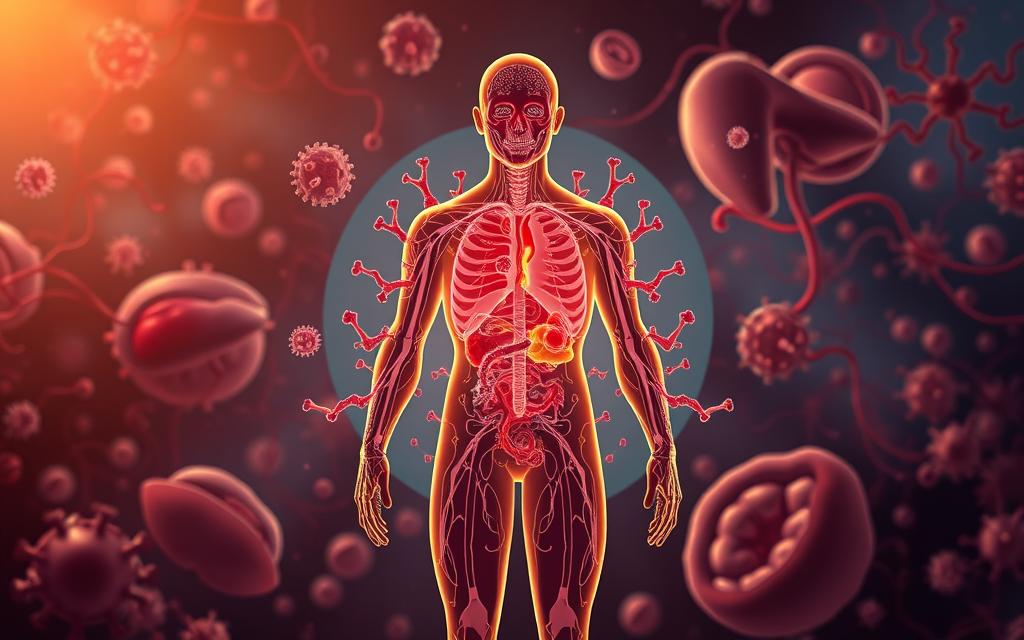
Get Enough Sleep for Optimal Immune Function
We often underestimate the profound effects of sleep on our immune health. Quality sleep is key to a strong immune system. It helps our bodies make vital cytokines and T-cells, which fight off infections6. Not getting enough sleep can make us more likely to get sick.
How Sleep Affects Immunity
The amount and quality of sleep we get is crucial for our immune system. Studies show we need seven to nine hours of sleep each night for our immune system to work best6. Without enough sleep, our body can’t make important cytokines that help fight off infections7.
Sleep also helps our immune system remember past threats. It does this by moving T-cells to lymph nodes and increasing specific T-cells7.
Tips for Improving Sleep Quality
To get the sleep we need for a strong immune system, we must improve our sleep quality. Here are some tips:
- Aim for 7-9 hours of quality sleep each night.
- Maintain a consistent sleep schedule to regulate hormones.
- Create a sleep-friendly environment by keeping the room dark, quiet, and cool, using tools like blackout curtains, earplugs, or a fan.
- Limit exposure to blue light from screens before bedtime, which can disrupt melatonin production.
- Avoid caffeine in the afternoon and evening as it can hinder our ability to feel sleepy.
- Include regular physical activity in our routines, but refrain from strenuous workouts close to bedtime.
- Refrain from eating heavy meals right before bed; opt for light snacks that are high in magnesium or calcium instead.
- Consider aromatherapy with calming scents, such as lavender, to promote relaxation.
- Establish a consistent nighttime routine to signal to our bodies that it’s time to unwind.

By focusing on enhancing our sleep and immunity connection, we can empower our bodies to better defend against illnesses and enhance overall health.
Nutrition’s Role in Boosting Immune System
Nutrition is key to keeping our immune system strong. Eating a balanced diet with whole fruits, vegetables, lean proteins, whole grains, and enough water is crucial8. Foods like fruits and vegetables are full of vitamins and antioxidants that help our immune system.
Whole Plant Foods and Their Benefits
Whole plant foods are not just good for us; they are essential for our health. They have antioxidants and phytonutrients that fight inflammation and boost immunity. Adding foods like garlic, onions, leeks, asparagus, and bananas helps grow good gut microbes, supporting our immune system8.
The Mediterranean diet, rich in fruits, vegetables, healthy fats, and fiber, is linked to less inflammation and better immune function9.
Key Nutrients for Immune Support
Some nutrients are more important for our immune system. Vitamins A, C, and D are key, helping to boost NK cell activity and control immune responses10. Zinc and selenium are also crucial for immune cell growth and function, important for T-cell responses and cytokine production10.
We need proteins every day to make immune cells and stay healthy. Drinking enough water is also important for our immune system’s best performance8.
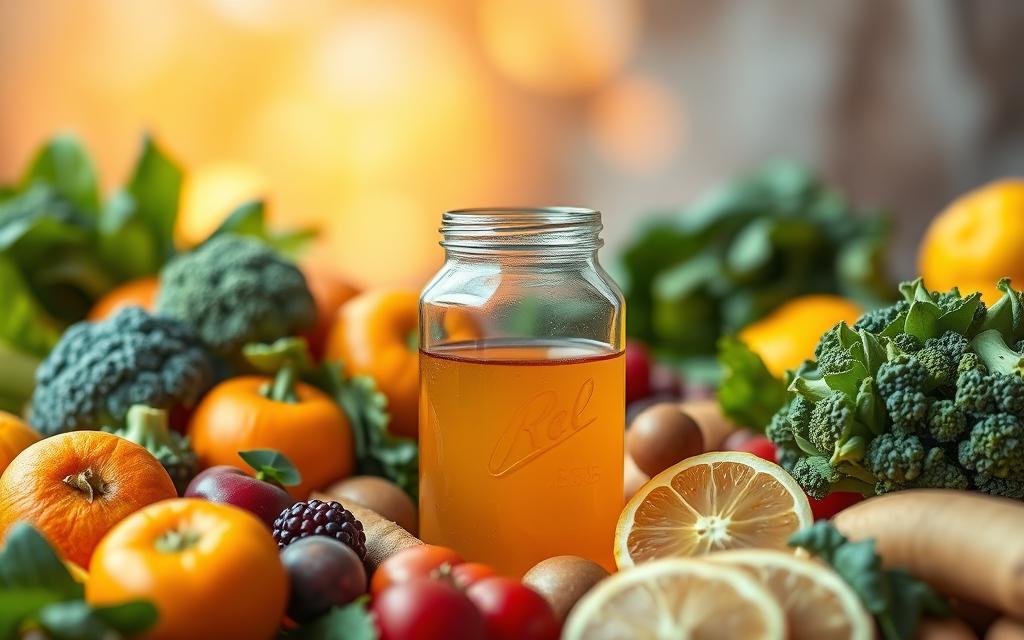
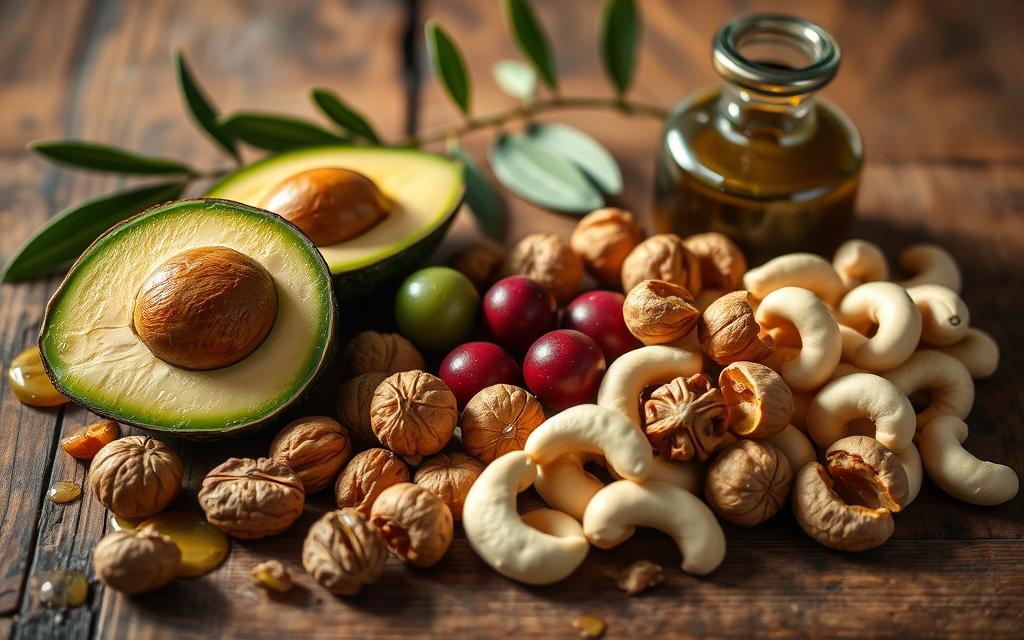
Incorporating Healthy Fats into Your Diet
Adding healthy fats to our diet is key for a strong immune system. Omega-3 fatty acids are important for our immune function and health. Foods like salmon, avocados, and walnuts are full of these nutrients.
Knowing about different healthy fats helps us make better choices. This boosts our overall well-being.
Types of Healthy Fats
- Monounsaturated fats: These are in olive oil, avocados, and nuts like almonds and hazelnuts. They’re good for the heart and keep cholesterol levels balanced.
- Polyunsaturated fats: This group includes omega-3 and omega-6 fatty acids. They’re essential for our bodies. You can find them in fatty fish, flax seeds, and chia seeds. Eating fatty fish two or more times a week can lower heart disease risk11.
- Omega-3 fatty acids: These are in seafood and some plants. They reduce inflammation and boost our immune system12. They’re important because they help control inflammation in our bodies.
We should pick foods rich in healthy fats to improve our blood cholesterol levels. This helps control blood sugar and supports our gut health. A strong immune system depends on it11. But, we should also limit saturated fats for better heart health. Enjoying a mix of healthy fats in moderation is best.
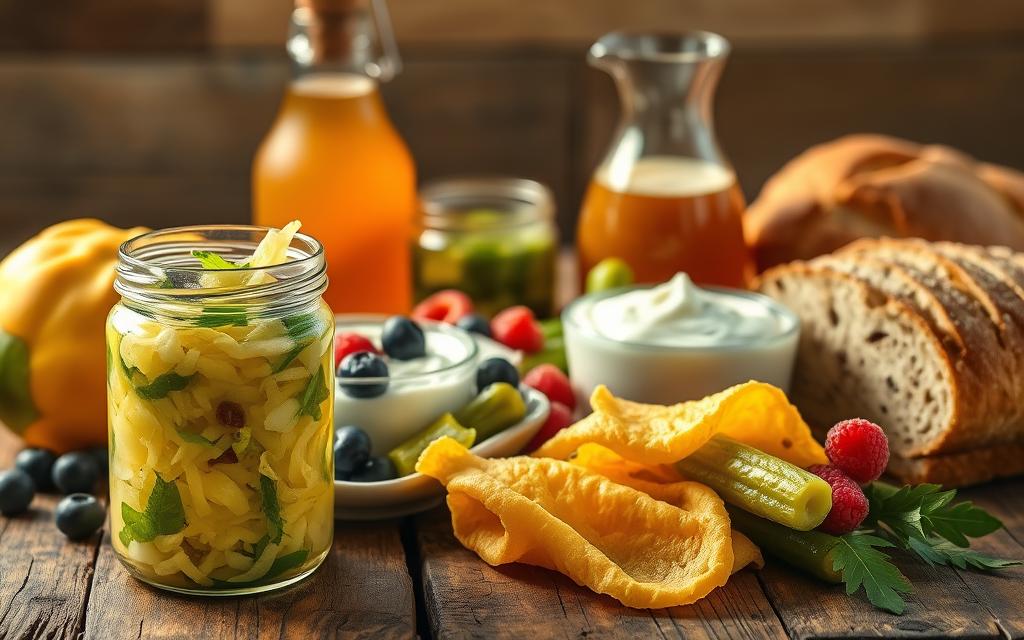
The Power of Fermented Foods
Fermented foods have been part of our diets for about 10,000 years. They are not just tasty; they also boost our immune system. The fermentation process makes these foods more nutritious, adding valuable compounds to our meals.
Eating fermented foods regularly can improve our gut health. This is key for a strong immune system.
Probiotics and Immune System Support
Probiotics, found in fermented foods, are vital for a strong immune system. Foods like yogurt, kimchi, and sauerkraut are full of these beneficial bacteria. They help grow good gut microbes and keep our gut healthy13.
Studies show that eating more fermented foods can make our gut microbiome more diverse. This diversity is linked to a stronger immune system14. It also leads to less inflammation, which is good for our immune health14.
The fermentation process also creates compounds like short-chain fatty acids and vitamins. These compounds make fermented foods even healthier13. By eating these foods, we support our gut microbiome. This helps it fight off harmful pathogens and keeps us healthy.
The Impact of Sugar on Immune System Function
Sugar is key to our health, mainly our immune system. Glucose helps immune cells work right, but too much sugar is bad. Keeping glucose levels balanced is vital for a strong immune system.
How Added Sugars Weaken Immunity
Too much sugar weakens white blood cells. This makes it hard for them to fight off germs for up to 12 hours15. This weakens our immune system, making us more prone to sickness.
Sugar also causes inflammation. This leads to more inflammation, which hurts our immune system15.
Too much sugar messes with our gut health. It lets bad bacteria grow and hurts our immune system15. Foods with added sugars often lack nutrients, making it hard for our body to fight off infections15.
High glucose levels hurt our immune system and increase inflammation. This raises the risk of diseases like obesity and heart disease1615. Eating less sugar can help our immune system stay strong.
Engage in Moderate Exercise
Regular moderate exercise boosts our immune system. It helps clear bacteria from our lungs and airways. This lowers the chance of getting colds and other illnesses.
Activities like brisk walking, cycling, and gym workouts are great. They make our antibodies and white blood cells work better. This lets them find illnesses faster. We should do at least 150 minutes of moderate exercise each week for the best health.

Types of Moderate Exercise
- Bicycling
- Brisk daily walks
- Gym sessions every other day
- Playing golf regularly
Studies show that moderate exercise strengthens our immune defense. It activates natural killer cells and cytotoxic T cells. This leads to a stronger immune response17.
It’s also found that moderate exercise reduces the risk of upper respiratory tract infections. This is true for those who exercise regularly17. Exercise helps control stress hormones, which is good for our immune health18.
Stay Hydrated for Immune System Defense
Hydration is key to our health, including our immune system. Our bodies are about 60% water, and this can change with age and body type19. Water is vital for our cells and helps our body work right20.
When we drink enough water, our blood can carry nutrients and immune cells well19. This helps our body stay healthy and strong.
Dehydration can weaken our immune system. It can make our immune cells less effective and reduce the proteins in our saliva that fight germs19. Drinking enough water helps our kidneys work better, which is good for our health and immune system20.
We need to drink water, more so when we’re active or in hot weather. This helps keep our body temperature in check and keeps our immune system ready20.
It’s important to know if we’re drinking enough water. If our urine is clear or light yellow, we’re good. But if it’s dark yellow, we need to drink more. Drinking enough water helps our body fight off infections and boosts our immunity.

Manage Your Stress Levels
Stress can harm our immune system more than we think. Chronic stress weakens our immune function by reducing white blood cells. These cells are key in fighting off infections21. Stress can also lead to serious health issues, making our immunity worse22.
To keep our immune system strong, we need to manage stress well. Here are some ways to do it:
- Spend quality time with loved ones to foster emotional connections.
- Plan healthy meals to nourish our bodies and minds.
- Stay hydrated, as proper hydration supports our immune function.
- Limit screen time before bed to improve our sleep quality.
- Ensure we get at least 8 hours of restful sleep each night.
- Engage in outdoor activities for fresh air and natural light.
- Exercise regularly to reduce stress and enhance our immune health22.
- Practice self-care techniques, such as mindfulness meditation and journaling, to manage negative emotions and promote relaxation22.
By managing stress, we boost our immune system. This helps us fight off infections and diseases like heart disease and type 2 diabetes21.

Supplement Wisely for Immune Support
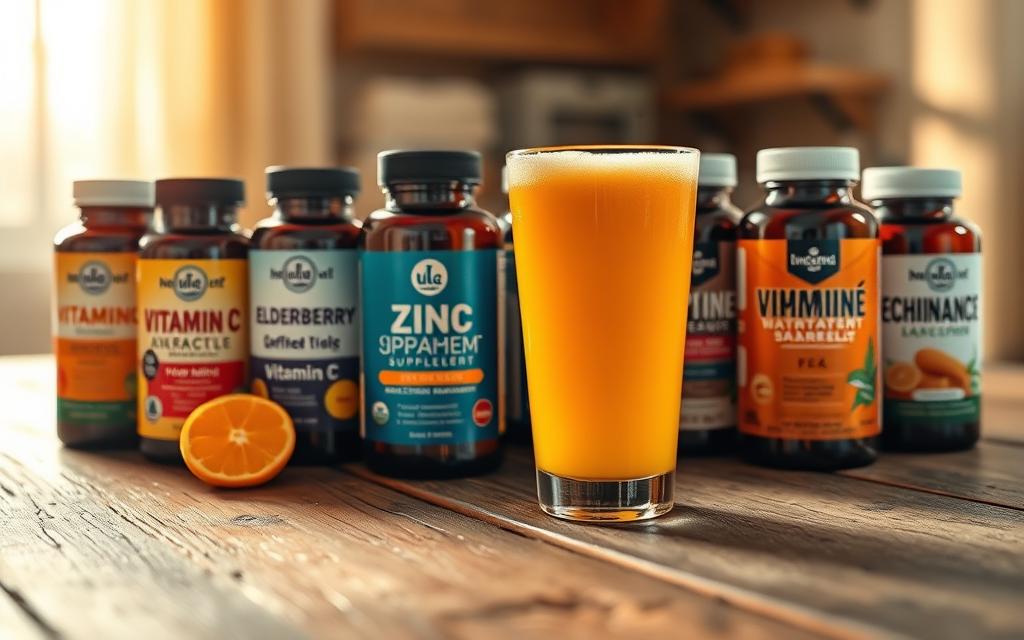
We know a balanced diet is key, but sometimes we need extra help. Supplements like multivitamins with B12 and B9 (folate) can boost our immune health23. Vitamin C is famous for fighting cell damage and strengthening our immune system24. Vitamin D is also vital for our immune system and can fight off infections24.
Zinc is essential for immune cells, and we need up to 30 mg daily2324. N-acetylcysteine (NAC) boosts glutathione, helping our immune system and easing flu symptoms, mainly in the elderly23. Probiotics, with at least 100 billion CFUs from Bifido and Lactobacillus, greatly improve gut health and immune function23.
Don’t forget about herbs. Astragalus, echinacea, Chinese skullcap, and ashwagandha can enhance immune health and balance our immune response23. Adding these supplements to our routine can support our immune system, aiming for a vitamin C boost and overall wellness.
Natural Immune Boosters: Foods to Consider
When we think about boosting our immune system, certain foods come to mind. These foods are powerful immune system boosters. Adding them to our diets can greatly support our health. Let’s look at some of these nutrient-rich options.
Top Immune-Boosting Foods
- Citrus Fruits: High in vitamin C, these fruits help increase white blood cell production. This is crucial in fighting infections25.
- Berries: They are packed with vitamins and antioxidants. These are known for their ability to fight infection and bolster immune function26.
- Leafy Greens: Foods like spinach and kale provide vitamin C, antioxidants, and beta-carotene. These are essential for combatting infections26.
- Nuts and Seeds: These contain vital vitamins such as B-6, magnesium, and selenium. These vitamins play a critical role in regulating and maintaining immune function26.
- Fish Oil: Rich in Omega 3 fatty acids, this oil enhances white blood cell activity. This helps fight infections26.
- Garlic: Its natural compounds stimulate immune cells. This boosts T-cell production to combat viruses27.
- Yogurt: Contains probiotics and vitamin D. These are beneficial for stimulating our immune systems27.
- Turmeric: Known for curcumin, which has antimicrobial and anti-inflammatory properties. This supports immune health25.
- Broccoli: This vegetable is rich in vitamins A, C, and E, along with antioxidants. These help fight infections25.
- Probiotics: Found in foods like kombucha and kimchi, they aid in gut health. They can enhance our immune response27.
Limit Alcohol and Avoid Smoking
Keeping our immune system strong means knowing how alcohol and tobacco affect us. Drinking too much alcohol makes us more likely to get sick with things like pneumonia and sepsis28. It also messes with our gut health, causing inflammation and diseases like liver disease28. Cutting down on alcohol helps our immune system and prevents chronic diseases.
Smoking also harms our immune system. It makes it harder for our body to fight off diseases and can lead to immune problems29. Staying away from smoking and drinking too much is key to a healthy lifestyle29. Changing these habits is essential for better health.
Vaccinations and Preventive Measures
Vaccines are key in keeping us safe from infectious diseases. They work by making our immune system ready to fight off real infections. This is done by making our body produce antibodies30.
Some vaccines, like the MMR, need two doses for lasting protection. Others, like DTaP, require more doses and booster shots30. This helps us stay healthy and avoid diseases.
Getting vaccinated regularly is vital. It takes time for vaccines to build up our immunity30. Vaccines help us avoid the risks of getting sick the natural way. They also make our immune system stronger over time31.
In older adults, vaccines can still boost our immune system’s ability to fight off diseases31.
Vaccines have greatly reduced diseases like measles, mumps, and rubella32. To protect everyone, about 95% of the population needs to be vaccinated32. It’s important to know vaccines are safe and effective after thorough testing32.
Other Lifestyle Choices for Immune Health
Boosting our immune health is easier than you think. Getting enough sleep is key; aim for 7-9 hours each night. This helps our immune system work better and makes more cytokines33.
Being active is also important. Try to do at least 30 minutes of moderate exercise daily. This improves blood flow and helps our immune cells work better33.
Managing stress is crucial too. Chronic stress can weaken our immune system. Mindfulness, deep breathing, and journaling can help lower stress and protect our health33.
Eating a balanced diet is vital. Include lots of veggies, fruits, legumes, and whole grains. These foods give us the nutrients our immune system needs34.
Drinking enough water is also important. It helps our blood and lymph move well, carrying immune cells around the body34.
Getting vaccinated is another key step. It teaches our immune system to fight off harmful germs34.
| Lifestyle Choice | Impact on Immune Health |
|---|---|
| Quality Sleep | Supports immune function and cytokine production |
| Regular Exercise | Improves circulation and immune cell efficiency |
| Stress Management | Reduces the negative impact of chronic stress on immunity |
| Balanced Diet | Provides essential micronutrients for immune homeostasis |
| Hydration | Ensures effective circulation of immune cells |
| Vaccinations | Trains the immune system to fight infections |
Conclusion
Looking at ways to boost our immune system, we find many natural methods help a lot. Eating well and getting enough sleep are key. A diet full of vitamins A, C, D, and zinc, like dark greens and fatty fish, is important35.
Also, regular exercise, like walking, is crucial for a strong immune system35. Managing stress through mindfulness is another important step. It helps our immune system fight off sickness35.
In short, we can control our immune health with smart choices. Knowing about vaccines, the best way to boost immunity36, helps us make better health decisions. By focusing on these steps, we build a strong and resilient body.
FAQ
What are some natural immune system boosters?
Natural boosters include whole plant foods and healthy fats. Foods like citrus fruits, leafy greens, and nuts are great. They help our immune system work better.
How much sleep do we need for optimal immune function?
We need 7-9 hours of sleep each night. Good sleep helps keep our immune system strong. Not enough sleep makes us sick easier.
Can exercise really improve our immune system health?
Yes! Exercise like walking or cycling boosts our immune system. It fights inflammation and helps our immune cells. Aim for 150 minutes a week for best results.
What role does nutrition play in supporting the immune system?
Nutrition is key for a strong immune system. Vitamins C and D, zinc, and folic acid are important. Eating a balanced diet with whole foods is crucial.
How do stress levels affect our immune system?
Stress weakens our immune system and increases inflammation. It makes us more likely to get sick. Stress management, like meditation, helps keep our immune system balanced.
Are there any supplements that can help boost immunity?
Supplements like vitamins C and D, zinc, and elderberry can help. But, make sure they are high quality. Use them to add to a balanced diet.
Why is hydration important for immune function?
Drinking enough water helps our immune system. Dehydration makes it harder to fight off infections. So, drink plenty of water every day.
How does sugar intake affect our immune system?
Too much sugar hurts our immune system by causing inflammation and obesity. Try to limit added sugars to less than 5% of your daily calories.
What are the benefits of fermented foods for immunity?
Foods like yogurt, kimchi, and sauerkraut are full of probiotics. They help our gut health and boost our immune system. A healthy gut is important for a strong immune response.
How can we support our immune system through lifestyle choices?
Keeping a healthy weight, practicing good hygiene, and getting regular check-ups are important. These choices help our immune system fight off threats better.
Source Links
- 9 Tips to Strengthen Your Immunity Naturally – https://www.healthline.com/nutrition/how-to-boost-immune-health
- How Immunotherapy Works to Treat Cancer – https://www.sitcancer.org/connectedold/p/patient/resources/melanoma-guide/immune-system
- PDF – https://www.mayoclinic.org/~/media/80569BAD2DF84A7394895F041D2726C5.pdf
- In brief: How does the immune system work? – InformedHealth.org – https://www.ncbi.nlm.nih.gov/books/NBK279364/
- Healthy Habits: Enhancing Immunity – https://www.cdc.gov/healthy-weight-growth/about/enhancing-immunity.html?os=shmmfp.&ref=app
- Better Sleep Habits to Strengthen Immunity – https://www.uchealth.com/en/media-room/covid-19/better-sleep-habits-to-strengthen-immunity
- Sleep and immune function – PMC – https://pmc.ncbi.nlm.nih.gov/articles/PMC3256323/
- Nutrition and Immunity – The Nutrition Source – https://nutritionsource.hsph.harvard.edu/nutrition-and-immunity/
- Diet and Immune Function – PMC – https://pmc.ncbi.nlm.nih.gov/articles/PMC6723551/
- The relationship between nutrition and the immune system – https://pmc.ncbi.nlm.nih.gov/articles/PMC9772031/
- Eating healthy fats has many benefits – https://www.uclahealth.org/news/article/eating-healthy-fats-has-many-benefits
- How fats we eat modulate our immunity? | OCL – https://www.ocl-journal.org/articles/ocl/full_html/2020/01/ocl200009s/ocl200009s.html
- Fermented Foods, Health and the Gut Microbiome – https://pmc.ncbi.nlm.nih.gov/articles/PMC9003261/
- Fermented-food diet increases microbiome diversity, decreases inflammatory proteins, study finds – https://med.stanford.edu/news/all-news/2021/07/fermented-food-diet-increases-microbiome-diversity-lowers-inflammation
- Sugar’s Sneaky Impact on Your Immune System – https://texstarchiropractic.com/sugars-sneaky-impact-on-your-immune-system/
- Harmful effects of high amounts of glucose on the immune system: An updated review – PubMed – https://pubmed.ncbi.nlm.nih.gov/32395846/
- The compelling link between physical activity and the body’s defense system – https://pmc.ncbi.nlm.nih.gov/articles/PMC6523821/
- Exercise and immunity: MedlinePlus Medical Encyclopedia – https://medlineplus.gov/ency/article/007165.htm
- Why Is Hydration Important For Your Immune System? – https://www.nutriadvanced.co.uk/news/why-is-hydration-important-for-your-immune-system/
- Water, Hydration and Health – PMC – https://pmc.ncbi.nlm.nih.gov/articles/PMC2908954/
- Top tips to manage stress and boost your immunity – https://www.cheshiremed.org/health-wellness/article/top-tips-manage-stress-and-boost-your-immunity
- Stress and Your Immune System: Is There a Link? – https://www.healthline.com/health/stress-and-immune-system
- 6 Supplements to Boost Your Immune System – https://experiencelife.lifetime.life/article/6-supplements-to-boost-your-immune-system/
- Your Guide to Optimal Health| Wild.AI – https://www.wild.ai/blog/best-supplements-for-immune-system-your-guide-to-optimal-health
- What to Eat and Drink to Boost Your Immune System – https://www.healthline.com/health/food-nutrition/foods-that-boost-the-immune-system
- Foods to Boost Your Immune System – https://www.brownhealth.org/be-well/foods-boost-your-immune-system
- Boost Immunity with Food – https://www.uchealth.com/en/media-room/covid-19/boost-immunity-with-food
- Alcohol and the Immune System – https://pmc.ncbi.nlm.nih.gov/articles/PMC4590612/
- Healthy Habits: Enhancing Immunity – https://www.cdc.gov/healthy-weight-growth/about/enhancing-immunity.html
- Explaining How Vaccines Work – https://www.cdc.gov/vaccines/basics/explaining-how-vaccines-work.html
- Vaccination as a preventative measure contributing to immune fitness – https://pmc.ncbi.nlm.nih.gov/articles/PMC8316335/
- Why vaccination is important and the safest way to protect yourself – https://www.nhs.uk/vaccinations/why-vaccination-is-important-and-the-safest-way-to-protect-yourself/
- PDF – https://www.covliving.org/app/uploads/2025/02/Covenant_AL_February_BoostImmunity.pdf
- 6 Ways to Boost Your Immune System – https://www.houstonmethodist.org/blog/articles/2020/mar/5-ways-to-boost-your-immune-system/
- Give Your Immune System a Boost – My HealtheVet – https://www.myhealth.va.gov/mhv-portal-web/ss20220803-your-body-defense-system
- Boosting the Immune System, From Science to Myth: Analysis the Infosphere With Google – https://pmc.ncbi.nlm.nih.gov/articles/PMC6673706/