

Ever hit that wall in the late afternoon, fighting to stay awake? Many of us know the fatigue that comes when we don’t get enough sleep. Sleep is more than just rest; it’s vital for our mental and physical health.
Without enough sleep, we face problems like irritability, poor concentration, and fatigue. These issues affect our mood and energy levels1. Up to one third of people struggle with insomnia, making anxiety and depression worse2. It’s crucial to understand how important sleep is for our well-being and society’s health.
Key Takeaways
- Sleep constitutes roughly one third of our lives.
- Healthy sleep is crucial for emotional balance and cognitive function.
- Insomnia affects up to one third of the population, exacerbating mental health issues.
- Adults generally require 7-9 hours of sleep each night.
- Poor sleep can lead to serious health concerns, including weight gain and increased risk of chronic diseases.
- Understanding sleep benefits is key to improving overall health.
Understanding the Importance of Sleep
Sleep is key for our health, affecting both our minds and bodies. Infants need 14-17 hours of sleep each day. Adults should aim for 7-9 hours for the best health34. Knowing how sleep works can greatly improve our emotional and physical health.
Even one bad night’s sleep can make us feel more tired and grumpy5. Sleep also helps us think clearly. A full sleep cycle lasts 90 to 120 minutes, with different stages like NREM and REM sleep.
Stage 1 NREM sleep is just 5% of our total sleep. Stage 2 NREM sleep is about 45%3. Stage 3 NREM sleep, which is 25% of our sleep, is very important for kids3. REM sleep, which is also 25% of our sleep, helps us learn and remember things3.
Not getting enough sleep can make us more likely to get sick. It can lead to problems like diabetes and heart disease. Good sleep helps us stay healthy and feel better4. It’s crucial for our physical health, and ignoring it can harm us.

How Sleep Affects Mental Health
Sleep has a big impact on our mental health, affecting how we feel and our overall well-being. It helps us manage our mood and emotions. Not getting enough sleep can make us more irritable and increase the chance of mood disorders like depression.
Studies show that over 300 million people worldwide suffer from depression. About 75% of them also have insomnia6. In the U.S., nearly one in five adults have mental illness. Many of them don’t get enough sleep, showing how crucial it is7.
Impact on Mood and Emotion Regulation
There’s a strong link between sleep quality and mood. Not sleeping well can make us feel sad and hopeless, making depression worse. Poor sleep can also make mental health issues worse6.
People who sleep less than six hours a night are 2.5 times more likely to feel mentally distressed7. This highlights the importance of sleep for our emotional health.
Connection Between Sleep and Anxiety
Anxiety disorders affect about 20% of U.S. adults and 25% of teenagers6. Poor sleep can trigger anxiety, mainly in those already prone to it. Many U.S. veterans with PTSD also struggle with insomnia6.
Improving sleep can help reduce anxiety. This shows how vital it is to include sleep health in mental health care plans.

Physical Health: The Role of Sleep
Sleep is key for our physical health, affecting many body functions. It’s not just about resting. Good sleep boosts our immune system. Not getting enough sleep can weaken our immune system, making us more likely to get sick8.
Those who sleep less than six hours a night are more likely to catch a cold than those who sleep seven or more9.
Effects on Immune Function
Not sleeping enough can make us more prone to infections10. Long-term sleep loss can also increase the risk of serious health issues like obesity, heart disease, and diabetes10.
Deep sleep helps repair tissues and produce hormones, which boosts our immune system9.
Sleep’s Influence on Hormonal Balance
Good sleep is crucial for keeping our hormones in balance. Poor sleep can disrupt hormones like cortisol, ghrelin, and leptin9. For example, not sleeping enough can make us hungrier by increasing ghrelin and decreasing leptin9.
This can lead to more cravings and affect our health. Also, quality sleep helps regulate insulin, which is important for managing energy and metabolism10.
Sleep Deprivation: A Growing Concern
Sleep deprivation is a big problem for many people. Almost 40% of adults say they fall asleep during the day at least once a month. This shows how sleep issues affect our society11. Many adults struggle to get enough sleep, which is key for staying healthy12.
Common Symptoms of Sleep Deficiency
Sleep deprivation can cause many symptoms. People often feel tired, have mood swings, and react slower. They also find it hard to focus12. Those who don’t sleep well are more likely to feel anxious or depressed, making life harder12.
About 20% of U.S. adults sleep less than five hours a night. This shows how crucial sleep is for our health12.
Causes of Sleep Deprivation in Modern Society
Today’s fast life makes it hard to sleep well. Using technology too much and stress from work and personal life can mess up our sleep. About 50 to 70 million Americans have chronic sleep disorders, making it even tougher11.
This lack of sleep can cause serious health issues. It can lead to heart disease and weaken our immune system1312.

The Importance for Sleep in Daily Life
Understanding the role of sleep in daily life is key to better well-being. Most adults need at least seven hours of sleep each night for good health14. Not getting enough sleep can harm health and daily activities.
It can also affect relationships and emotional stability. A lack of sleep can cause anxiety, depression, and irritability. This shows how important sleep is for mental health14. Even one night without sleep can reduce brain function, showing sleep’s impact on daily tasks15.
In the U.S., about one in three adults don’t get enough sleep15. This can weaken the immune system and raise the risk of heart disease and diabetes1514. Getting enough sleep helps people do better at work and in social situations.

Sleep Quality vs. Sleep Quantity
It’s important to know the difference between sleep quality and quantity for good sleep. Sleep cycles have stages like REM and deep sleep, which help us rest. Getting enough sleep time and quality is key for our mind and body health.
Understanding Sleep Cycles and Stages
Today, people sleep about 6.8 hours on average, down from 9 hours a century ago16. Babies need 14-17 hours of sleep, and kids aged 6-12 need 9-12 hours17. Good sleep means going through sleep cycles, each lasting 90 minutes. These cycles help us move from light to deep sleep and REM sleep.
Not getting enough deep sleep can hurt our thinking skills. Less REM sleep can also affect how we feel emotionally.
Factors That Affect Sleep Quality
Many things can change how well we sleep. Things like noise and light, and our diet and exercise, can all play a part. About 50 to 70 million Americans have sleep disorders, leading to problems like poor thinking, stress, and health issues17.
Keeping a regular sleep schedule and having a quiet, dark sleep space are key to better sleep.

Common Sleep Disorders
Sleep disorders affect millions, with over 80 types identified. Insomnia is common, impacting one-third of adults. It makes it hard to fall or stay asleep, affecting sleep health and life quality1819.
Insomnia: Symptoms and Treatments
Insomnia symptoms include trouble falling asleep and waking up often. It also causes daytime tiredness20. About 10-15% of people with insomnia struggle during the day19.
Cognitive behavioral therapy helps manage sleep anxiety18. Some use sleeping pills or melatonin, but only after talking to doctors20.
Other Sleep Disorders to Be Aware Of
Other disorders include sleep apnea and restless leg syndrome. Sleep apnea affects 22 million Americans, with many cases undiagnosed1820. It causes breathing stops during sleep.
Restless leg syndrome affects 7-10% of Americans. It causes leg tingling that stops with movement20. Knowing about these disorders helps find the right treatment, as they often link to mental health issues19.

Good Sleep Habits for Better Health
Good sleep habits are key to better sleep and health. A cozy sleep environment is crucial. This section will guide you on how to create such an environment and keep a consistent sleep schedule.
Creating a Sleep-Friendly Environment
For a sleep-friendly room, keep it dark, quiet, and cool. The best temperature is between 65 to 68 degrees Fahrenheit. Light at night can mess with your sleep, making it less deep21.
Comfortable mattresses are vital for a good night’s sleep21. Reducing noise and light helps you fall asleep easier. Calming scents, like lavender, can also help relax you.
Limiting screen time before bed is important. It helps your mind relax and get ready for sleep22. Using your bed only for sleep and intimacy helps your mind associate it with rest23.
Establishing a Consistent Sleep Schedule
Keeping a regular sleep schedule is very effective. Going to bed and waking up at the same time helps your body’s clock21. Adults need at least seven hours of sleep each night for good health23.
Avoid caffeine for 3 to 7 hours before bed to sleep better22. A calming pre-sleep routine, like reading or a warm bath, signals it’s time to sleep22. If you can’t sleep after 20 minutes, try relaxing activities23.
Sleep and Cognitive Function
Sleep is key for our brain’s health, helping with memory and learning. Not getting enough sleep can make us feel like we’ve been awake for days. It affects our ability to focus and pay attention, just like sleep disorders do24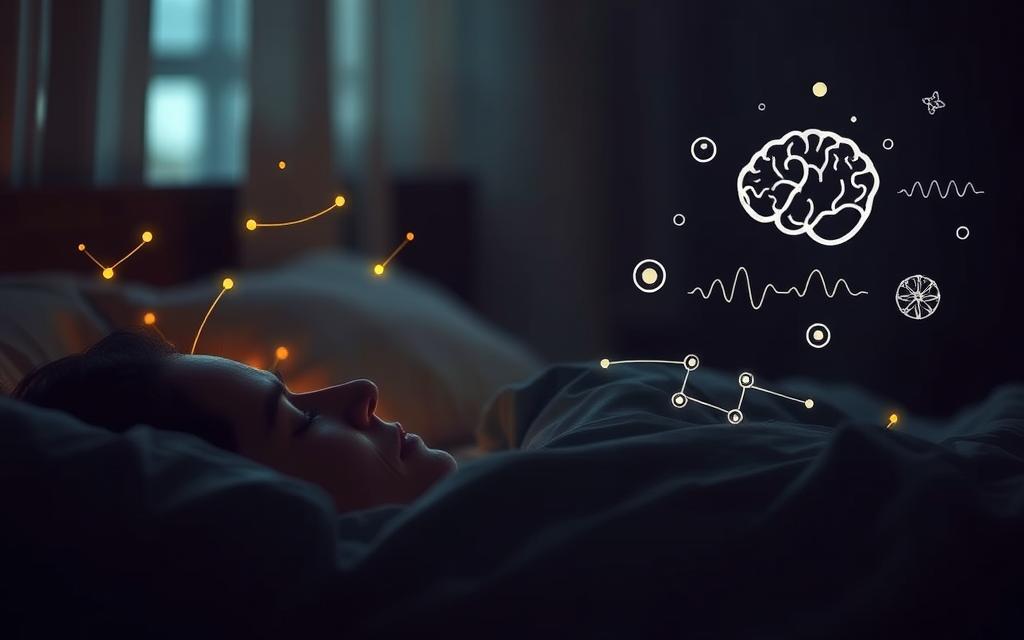
How Sleep Affects Memory and Learning
Both NREM and REM sleep help solidify memories. Sleeping after learning makes us better at remembering things than staying awake. Sleep also helps us recognize emotional pictures better, showing how important it is for our brain2526.
Short naps help us learn new things, and sleep after learning keeps those memories safe for a long time. This shows how sleep is linked to keeping memories strong.
Impact on Attention and Focus
Not sleeping enough makes it hard to focus and think clearly. People who don’t sleep well react slower and make more mistakes. It also hurts their ability to plan and make smart choices242526.
Aging and Sleep: What to Expect
Aging changes sleep patterns, often leading to shorter, lighter sleep. Older adults need 7 to 9 hours of sleep each night, just like younger people. But, they often wake up more during the night27.
Insomnia is common among those aged 60 and older, affecting them at least three nights a week27. Sleep disorders like sleep apnea and restless legs syndrome also increase with age. These can make sleep worse2728.
Changes in Sleep Patterns with Age
As we age, our body clocks change, affecting sleep. About 40% to 70% of older adults face chronic sleep problems, many of which go unnoticed28. They spend more time in light sleep and less in deep, restorative sleep, leading to more night awakenings28.
Also, 20% of older adults feel very sleepy during the day. This could signal a health issue28.
Tips for Maintaining Sleep Health in Older Adults
Older adults can improve their sleep by following a few tips. Keeping a regular sleep schedule helps regulate their body’s clock. A comfortable sleep environment, like soft bedding and quiet, also helps27.
Regular exercise and avoiding caffeine in the afternoon can also help sleep27. Trying cognitive behavioral therapy or keeping a sleep diary can be effective too27.
Strategies for Improving Sleep Health
Getting better sleep is key to feeling good. Using natural remedies and making lifestyle changes can really help. Solving sleep issues often needs quick fixes and long-term plans.
Natural Remedies and Lifestyle Changes
Natural remedies are great for better sleep. Avoiding caffeine and nicotine in the evening helps a lot. Research shows that drinking caffeine late at night cuts sleep time by 45 minutes and makes sleep less efficient by 7%29.
Drinking alcohol can mess with sleep, even if it makes you fall asleep fast. Keeping your bedroom cool, around 65°F, is best for sleep30. Also, making your bedroom calm can help you sleep better30.
The Role of CBT in Enhancing Sleep
Cognitive Behavioral Therapy (CBT) is good for insomnia and sleep problems. It helps change bad sleep thoughts and habits. Studies show CBT can really improve sleep31.
Keeping a sleep diary can help find what’s keeping you awake. It helps make positive changes. Also, regular exercise, 150 minutes a week, can lead to better sleep31.
| Factor | Impact on Sleep |
|---|---|
| Caffeine | Reduces total sleep time and efficiency, particulary when consumed late in the day. |
| Alcohol | Disrupts sleep quality despite initial ease of falling asleep. |
| Tobacco | Associated with various sleep problems, including difficulty in falling asleep. |
| Bedroom Environment | Optimal temperature around 65°F enhances sleep quality. |
| Exercise | Promotes better sleep quality but should be timed appropriately. |
Adding these tips to your daily routine can greatly improve sleep. Every step towards better sleep is important.
The Importance of Rest from a Public Health Perspective
Understanding the value of sleep is key in public health. It affects both physical and mental health, leading to better health outcomes. Many adults face sleep problems, which can cause serious health issues. Teaching the community and healthcare providers about the need for enough sleep is crucial.
Implications for Healthcare Providers
Healthcare providers must focus on teaching patients about sleep. Research shows that over 80% of older adults with sleep issues also have mental or physical health problems32. About 35% of adults don’t get the 7 hours of sleep they need, as the CDC reports32. Not getting enough sleep can make health problems worse, increasing the risk of diseases like obesity and diabetes33.
Healthcare providers need to create sleep wellness programs. These should highlight the importance of both getting enough sleep and sleeping well.
National Recommendations for Sleep Awareness
There’s a need for national efforts to raise sleep awareness. The National Sleep Foundation says teenagers need 8-10 hours of sleep for their health33. Not getting enough sleep can lead to serious health problems, making it important to promote better sleep habits at all ages33.
Between 30% and 35% of adults worldwide have insomnia symptoms, showing the need for strong public health actions32. Governments and health groups should work together. They should aim to improve sleep habits and create sleep-friendly environments for all.
Conclusion
Sleep is key for both mental and physical health. It’s the base for feeling good, thinking clearly, and staying healthy. Adults need at least seven hours of sleep each night for the best health34.
Poor sleep can cause problems like hormonal issues and raise the risk of diseases like diabetes and heart problems35.
Also, sleep issues affect about one-third of adults, and many don’t get help36. Lack of sleep makes it hard to work and can make mental health problems worse. Making small changes, like sleeping at the same time every night, can greatly improve sleep and health35.
Putting sleep first can lead to better health and a better life. It shows how important good sleep is for overall well-being.
FAQ
Why is sleep important for overall health?
Sleep is key for both mental and physical health. It boosts brain function, memory, and mood. It also helps our immune system and hormones. Getting enough sleep is vital for feeling our best.
How does sleep affect mental health?
Poor sleep is linked to mood issues like anxiety and depression. Lack of sleep can make us feel irritable and emotional. Mental health problems can also make it hard to sleep, showing how sleep and mental health are connected.
What are the signs of sleep deprivation?
Symptoms of not getting enough sleep include feeling tired, having trouble focusing, and being easily upset. Spotting these signs is important for fixing sleep problems and getting better sleep.
What factors contribute to poor sleep quality?
Many things can affect how well we sleep. This includes our environment, lifestyle choices, and our emotional state. Changing these can help us sleep better.
What is insomnia, and how can it be treated?
Insomnia makes it hard to fall or stay asleep, affecting our daily life. Treatment includes therapy, lifestyle changes, and sometimes medication. These aim to improve our sleep health.
Can developing good sleep habits improve my sleep?
Yes, good sleep habits can make a big difference. Creating a sleep-friendly environment and sticking to a sleep schedule can improve your sleep. These habits are key to better sleep and fighting sleep deprivation.
How does aging affect sleep patterns?
As we age, our sleep changes. We might sleep less and wake up more. Older adults need strategies to get better sleep.
What role does cognitive behavioral therapy (CBT) play in improving sleep health?
CBT is effective in treating sleep issues. It helps change negative sleep thoughts and behaviors. This can lead to healthier sleep habits and better rest.
Why should public health initiatives focus on sleep awareness?
Understanding the importance of sleep is crucial for health. Healthcare should include sleep education. National efforts can promote better sleep and highlight its importance.
Source Links
- Sleep Matters: The Impact Of Sleep On Health And Wellbeing – https://www.mentalhealth.org.uk/explore-mental-health/publications/sleep-matters-impact-sleep-health-and-wellbeing
- How Sleep Deprivation Impacts Mental Health – https://www.columbiapsychiatry.org/news/how-sleep-deprivation-affects-your-mental-health
- Controlled ZZZs – https://my.clevelandclinic.org/health/body/12148-sleep-basics
- About Sleep – https://www.cdc.gov/sleep/about/index.html
- Sleep 101: Why Sleep Is So Important to Your Health | The Pursuit | University of Michigan School of Public Health | Adolescent Health | Child Health | Chronic Disease | Epidemic | Mental Health | Obesity – https://sph.umich.edu/pursuit/2020posts/why-sleep-is-so-important-to-your-health.html
- Mental Health and Sleep – https://www.sleepfoundation.org/mental-health
- Effect of Inadequate Sleep on Frequent Mental Distress – https://www.cdc.gov/pcd/issues/2021/20_0573.htm
- The Science of Sleep: Understanding What Happens When You Sleep – https://www.hopkinsmedicine.org/health/wellness-and-prevention/the-science-of-sleep-understanding-what-happens-when-you-sleep
- Improve Health with the Psychology of Sleep – https://insightspsychology.org/psychology-of-sleep-mental-and-physical-benefits/
- Importance of Sleep for Physical & Mental Health Sanrai Med – https://sanraimed.com/blog/importance-of-sleep-for-physical-and-mental-health
- What Are Sleep Deprivation and Deficiency? – https://www.nhlbi.nih.gov/health/sleep-deprivation
- Sleep Deprivation: Symptoms, Treatment, & Effects – https://www.sleepfoundation.org/sleep-deprivation
- Sleep Deprivation: What It Is, Symptoms, Treatment & Stages – https://my.clevelandclinic.org/health/diseases/23970-sleep-deprivation
- 8 Health Benefits of Sleep – https://www.sleepfoundation.org/how-sleep-works/benefits-of-sleep
- Why Do We Need Sleep? – https://www.sleepfoundation.org/how-sleep-works/why-do-we-need-sleep
- Which Is More Important for Health: Sleep Quantity or Sleep Quality? – https://pmc.ncbi.nlm.nih.gov/articles/PMC8304732/
- Sleep Quality vs. Sleep Quantity – https://sleepdoctor.com/how-sleep-works/sleep-quality
- Sleep Disorders | MedlinePlus – https://medlineplus.gov/sleepdisorders.html
- What are Sleep Disorders? – https://www.psychiatry.org/patients-families/sleep-disorders/what-are-sleep-disorders
- Sleep disorders – Symptoms and causes – https://www.mayoclinic.org/diseases-conditions/sleep-disorders/symptoms-causes/syc-20354018
- Healthy Sleep Habits – https://www.sleepfoundation.org/sleep-habits
- Sleep Hygiene: Good Sleep Habits – https://www.sleephealthfoundation.org.au/sleep-topics/sleep-hygiene-good-sleep-habits
- 6 steps to better sleep – https://www.mayoclinic.org/healthy-lifestyle/adult-health/in-depth/sleep/art-20048379
- How Lack of Sleep Impacts Cognitive Performance and Focus – https://www.sleepfoundation.org/sleep-deprivation/lack-of-sleep-and-cognitive-impairment
- Sleep and Cognition – PMC – https://pmc.ncbi.nlm.nih.gov/articles/PMC5831725/
- Sleep for cognitive enhancement – PMC – https://pmc.ncbi.nlm.nih.gov/articles/PMC3980112/
- Sleep and Older Adults – https://www.nia.nih.gov/health/sleep/sleep-and-older-adults
- Aging and Sleep – https://www.sleepfoundation.org/aging-and-sleep
- 15 Proven Tips to Sleep Better at Night – https://www.healthline.com/nutrition/17-tips-to-sleep-better
- Mastering Sleep Hygiene: Your Path to Quality Sleep – https://www.sleepfoundation.org/sleep-hygiene
- 20 Tips for How to Sleep Better – https://www.sleepfoundation.org/sleep-hygiene/healthy-sleep-tips
- Sleep Health: An Opportunity for Public Health to Address Health Equity – https://pmc.ncbi.nlm.nih.gov/articles/PMC7944938/
- The Importance of Sleep for Health and Stress – https://aihcp.net/2024/03/20/the-importance-of-sleep-for-health-and-stress/
- The Importance of Sleep – https://www.verywellhealth.com/why-you-should-never-regret-a-good-night-s-sleep-5088198
- Sleep 101: Why Good Sleep Is So Important to Your Health – https://www.brownandtoland.com/blog/sleep-101-why-good-sleep-is-so-important-to-your-health/
- The Extraordinary Importance of Sleep: The Detrimental Effects of Inadequate Sleep on Health and Public Safety Drive an Explosion of Sleep Research – https://pmc.ncbi.nlm.nih.gov/articles/PMC6281147/