

As twilight falls, many of us struggle with restless thoughts and loud notifications. We lie awake, watching the clock, hoping for restful sleep. But, what if small habits could change our nights into peaceful rest?
By adopting sleep hygiene, you can make your bedtime routine calm and restful. This leads to better sleep and a healthier mind for each day. Poor sleep hygiene can harm both body and mind1. Start your journey to better sleep with these simple steps.
Key Takeaways
- Sleep hygiene involves practices that promote consistent, uninterrupted rest to enhance overall well-being.
- A regular sleep schedule can bolster your body’s internal clock and heighten sleep quality.
- Creating a calming bedtime routine can pave the way for easier sleep onset and deeper rest.
- Your sleep environment, including room temperature and lighting, plays a crucial role in achieving restful nights.
- Limiting screen time and managing caffeine intake are essential steps for improving sleep hygiene.
Understanding Sleep Hygiene
Sleep hygiene is about the habits and practices that affect how well and long we sleep. It’s important for people of all ages to have good sleep habits. Adults should aim for 7 to 9 hours of sleep each night for health2.
Newborns need 14 to 17 hours, and teenagers should aim for 8 to 10 hours3. Not getting enough sleep can cause serious health problems like type 2 diabetes and heart disease. So, keeping good sleep hygiene is key3
It’s important to know when your sleep isn’t good. You might find it hard to fall asleep, wake up a lot, or still feel tired even after sleeping enough3. To improve sleep, make your bedroom comfortable and quiet2.
Studies show that what you eat and do can affect your sleep. For example, dairy and caffeine can mess with your sleep. But, regular exercise can help you sleep better2.
Why Is Sleep Hygiene Important?
Good sleep hygiene is key for your health. It helps you fall asleep faster and sleep better. People with good habits sleep more soundly4.
But, many find it hard to stick to a sleep schedule. This is bad because it can make sleep quality suffer4. Studies show that good sleep habits are linked to better health. For example, those who sleep well have fewer sleep issues5.
Exercise and healthy food also help you sleep better4. Your bedroom should be cool, dark, and quiet for good sleep4. Avoiding TV and work in bed helps you fall asleep quicker4. Activities like meditation before bed also improve sleep4.
Most adults need 7 to 8 hours of sleep. But, things like your environment or bedtime habits can mess with that6.
In short, good sleep habits are crucial. They lead to better sleep, less health problems, and a happier life5.
Establishing a Consistent Sleep Schedule
Creating a consistent sleep schedule is key to better sleep and health. A regular routine helps your body’s natural rhythm. This can make you feel more alert and less sleepy during the day. Most adults need 7-9 hours of sleep each night to feel their best.
Benefits of a Fixed Routine
Having a regular sleep schedule brings many health benefits. Studies show it helps keep your body’s sleep cycle in check. This is important for your well-being and mood.
People who stick to a sleep routine often feel less stressed. This makes it easier to handle daily tasks. Also, sleeping a bit more on weekends can help balance out sleep debt from the week7.
Tips for Sticking to Your Schedule
To keep up with a sleep schedule, try these tips:
- See sleep as a vital part of your life.
- Change your bedtime and wake time slowly to avoid disrupting your rhythm.
- Keep daytime naps short, under 1 hour, to avoid affecting your night sleep8.
- Stay away from nicotine and caffeine a few hours before bed to improve sleep.
- Use a calming routine to get ready for sleep.
Creating a Relaxing Bedtime Routine
A good bedtime routine tells your body it’s time to relax. It can make your sleep much better. Try to start your routine 30 to 60 minutes before bed9.
Doing things that calm you down is key. A warm bath can make you feel sleepy because it lowers your body temperature9. Yoga or stretching can relax your muscles. Reading or meditation can reduce stress quickly10.
Activities to Include for Relaxation
- Warm Bath: Taking a warm bath at least an hour before bedtime.
- Yoga: Incorporating daily yoga routines or simple stretches to enhance relaxation.
- Meditation: Practicing mindfulness techniques to manage thoughts and emotions.
- Reading: Choosing calming literature rather than exciting genres to prepare your mind for sleep.
- Listening to Music: Enjoying calming sounds or pink noise to improve sleep quality.
Timing Your Routine for Success
Being consistent with your bedtime routine helps you sleep better. Start your routine at the same time every night9. If you can’t sleep, try meditation or reading for ten minutes to avoid sleepless nights10.
Make your bedroom cool, between 65 to 68 degrees Fahrenheit. Also, keep it dark and quiet for a better night’s sleep9.

Managing Your Sleep Environment
An optimal sleep environment is key for good rest. The room should be around 65 degrees Fahrenheit for most people11. Darkness helps make melatonin, but light can wake you up11 and12.
Keeping noise down is also vital. Loud sounds can disrupt your sleep11. Use curtains to block noise and keep your room dark and quiet.
Your bedding and mattress matter too. New mattresses can improve sleep and reduce back pain11. Wash your sheets every two weeks to keep your sleep area clean11 and12.
Vacuuming carpets can cut down on dust mites, which can cause allergies11. Adding things like lavender essential oil or calming music can help you relax and sleep better11.
Limiting Blue Light Exposure
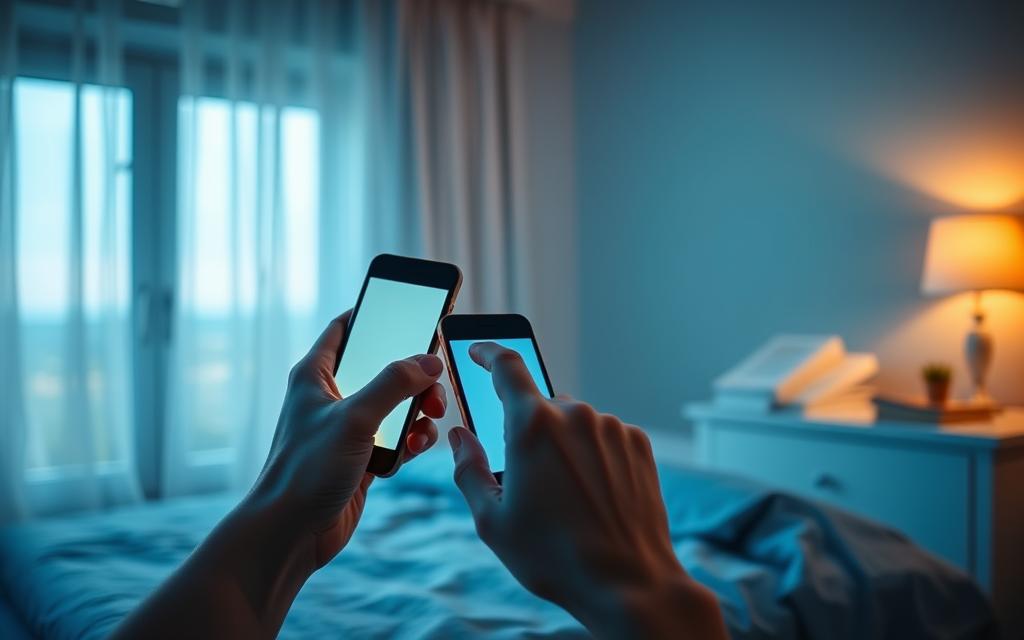
Blue light from electronic devices can mess with our sleep. Many of us use these devices right before bed, which can make it hard to sleep well. Studies show that blue light affects our body clock more than other lights13.
Using devices in the evening can stop our body from making melatonin, the sleep hormone13. This can lead to health problems like metabolic issues and depression13.
Understanding Blue Light and Sleep
About half of people feel less tired from blue light, but 20% sleep worse14. Also, 33% of studies say blue light makes us sleep less, and 50% say it makes sleep less effective14. Almost half of studies found it makes falling asleep harder14.
Steps to Reduce Blue Light Before Bed
To cut down on blue light, turn off devices and other blue light sources at night. Set an alarm to remind you to do this two to three hours before bed13. Blue light-blocking glasses can help, but it works differently for everyone13.
Using lamps that give off red or orange light for reading and adjusting screen brightness can also help13.
Nutrition’s Role in Sleep Quality
Nutrition plays a big role in how well we sleep. The right foods help us sleep better, while others can make it harder. Our bodies need certain nutrients to help us sleep well, so it’s important to think about what we eat.
Best Foods for Better Sleep
Some foods can help us sleep better. For example, bananas, almonds, and turkey are good because they have magnesium and tryptophan. These help us relax at night.
Also, foods like oatmeal and whole-wheat bread are easy to digest before bed. They help us relax and sleep better1516. Eating foods high in fiber, like fruits and veggies, can also improve our sleep. The Mediterranean diet, with its focus on legumes, fruits, and whole grains, is also good for sleep1517.
Foods to Avoid Before Bed
But, some foods can make it hard to sleep. Big or spicy meals and foods high in fat can cause discomfort. This can wake us up in the middle of the night1716.
Drinking caffeine or alcohol close to bedtime can also mess with our sleep. It can make us wake up more during the night1716. Eating too much sugar or carbs can also make our blood sugar go up. This can make it hard to sleep well1716. Knowing what to eat and when can really help us sleep better.

Exercise for Improved Sleep Hygiene
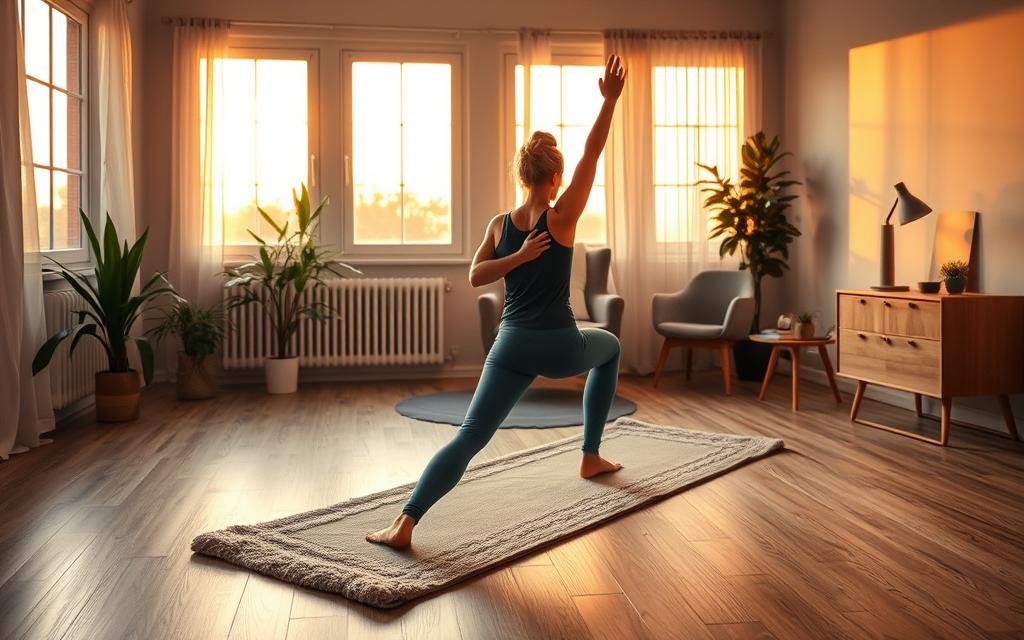
Regular physical activity and sleep are closely linked. Studies show that exercise can make sleep better. Doing at least 30 minutes of moderate aerobic exercise daily can help sleep quality improve that night. It boosts slow wave sleep, which is key for feeling refreshed18.
For many, aerobic activities like swimming, biking, jogging, or brisk walking are best for sleep. They are more effective than intense workouts19. It’s important to wait 1 to 2 hours after exercising to sleep. This helps lower endorphins and body temperature, making sleep better1819.
Some research suggests exercise timing doesn’t greatly affect sleep. Yet, almost one-third of adults suffer from chronic insomnia, often due to stress20. Exercise routines can help physical health and reduce anxiety, which can disrupt sleep. So, combining exercise with sleep hygiene practices might be the best way to manage sleep issues2019.
Making Room for Naps
Napping can boost your energy and alertness during the day. It’s important to follow napping best practices to get the most benefits. The best nap length is 20 to 30 minutes. This length helps you wake up feeling refreshed, not groggy.
Longer naps can make you feel tired for about 35 minutes after waking. It’s best to nap after 3 p.m. to avoid affecting your nighttime sleep. Planning your naps is key to keeping your sleep schedule on track21.
Best Practices for Napping
Here are some tips to make your naps more effective:
- Limit naps to 20-30 minutes to avoid feeling tired after waking.
- Nap in the early afternoon, between 1 p.m. and 3 p.m., to avoid disrupting your nighttime sleep.
- Create a calming environment that is quiet, dark, and comfortable to help you fall asleep fast.
- Consistently practice good sleep hygiene to improve both your naps and nighttime sleep22.
When to Avoid Napping
Naps might not be right for everyone. You might want to skip naps if:
- You struggle with nighttime sleep. Long naps can make sleep problems worse, like insomnia21.
- You feel tired all day but still can’t sleep at night. This could mean there’s a health issue21.
- You notice sudden changes in your napping needs. If you need more naps, it might be a sign of a health problem21.
Stress Management Techniques
Managing stress is key for good sleep. Mental practices like mindfulness meditation and yoga help relax you at night. They reduce stress levels. Studies show 44 percent of adults have trouble sleeping due to stress23.
Adding these practices to your routine can improve your sleep.
Mental Practices for Peace at Night
Mindfulness meditation helps adults sleep better. It’s shown to improve sleep quality and reduce daytime tiredness, mainly in older adults24. Gentle breathing exercises for five minutes can also calm you down.
Progressive muscle relaxation, tensing and relaxing muscles, also helps manage stress for better sleep.
Journaling to Clear Your Mind
Journaling is great for clearing your mind before bed. It helps you release worries and relax. This is because stress can lead to poor sleep24.
By journaling and using stress management techniques, you can sleep better.

Habit for Better Sleep: Forming Sustainable Practices
Creating a habit for better sleep means sticking to practices that fit your life. Getting at least 30 minutes of daylight daily helps your body’s clock stay in sync for better sleep25. Keeping a regular sleep schedule is key; people who wake up and go to bed at the same time sleep better2526. Try to nap for only 20 minutes in the afternoon to avoid messing up your night’s sleep2526.
What you eat affects how well you sleep. Eating foods like fruits, veggies, and whole grains can help you sleep better. But, some nutrients are missing in our diets and can hurt our sleep25. It’s important to get at least seven hours of sleep each night. Sadly, about one-third of adults don’t get enough26. Having a bedtime routine that you follow every night can make falling asleep and sleeping better easier25.
Also, make sure your bedroom is set up for sleep. The best temperature for sleep is between 65 and 68 degrees Fahrenheit25. A quiet room is better for sleep, so try to keep it as quiet as possible25. By following these tips, you can make lasting changes to your health and sleep.
Alcohol and Caffeine: What You Need to Know
Alcohol and caffeine can really mess with your sleep. It’s best to avoid alcohol for at least 3 hours before bedtime. This is because nearly 90% of people who drink in the evening have sleep problems, based on data from about 160,000 Sleep Foundation profiles27.
At first, alcohol might make you sleepy. But it disrupts your sleep later on, making it less quality. For those with alcohol dependence, about 75% experience insomnia when they drink27. This makes it hard to get good sleep, showing how alcohol affects sleep.
Caffeine also impacts sleep. It takes 30-70 minutes for caffeine to peak in your body. Its effects can last from 3 to 7 hours28. It’s advised to limit caffeine to 200 mg a day and avoid it for 3 to 7 hours before bed28.
Not following these guidelines can make you stay awake longer and sleep less efficiently. This worsens sleep hygiene issues.
People with alcohol in their system might find it hard to wake up. This can make it tough to recover from sleep disorders like obstructive sleep apnea27. Binge drinking can also mess with melatonin levels for up to a week, showing the importance of drinking in moderation28.
Having clear rules about alcohol and caffeine intake is key for better sleep and health.
Creating a Comfortable Sleep Space
To make your sleep space comfy, focus on your mattress and bedding. The right mattress affects how firm it is, how it feels on pressure points, and keeps your spine straight. It’s key to pick a mattress that fits your sleep style for better comfort.
According to Sleep Foundation, over two-thirds of people have had bad sleep for a long time. This shows how important a good sleep space is29.
Choosing the Right Mattress and Bedding
Look for mattresses and bedding that breathe well and support you. Memory foam and latex are great for hugging your body while keeping air flowing. Bedding made from cotton or bamboo also helps by keeping you cool.
Keeping your bedroom at 65 to 68 degrees is best for sleep30. With the right bedding, this makes your bedroom perfect for sleeping.
Temperature and Noise Considerations
Temperature and quiet are key for a good sleep space. Sleeping in a room around 65 to 68 degrees is best. A quiet room helps you sleep without being disturbed.
Using earplugs or a white noise machine can block out loud noises. This helps you sleep better and feel good overall30.
Prioritizing Sleep as an Essential Part of Life
Sleep is key to staying healthy and feeling good. Studies show that sleep quality links to our lifestyle, like exercise, diet, and stress31. Most adults need seven hours of sleep each night to be at their best32. Kids and teens need even more, with school-age children needing nine hours and teens needing eight to ten hours32.
Setting sleep boundaries is important in our fast-paced world. Reducing work stress and avoiding screens before bed can help sleep quality31. It’s also good to have tech-free times, like turning off devices from 10 p.m. to 7 a.m31.. Stress-reducing activities, like meditation and being thankful, can also improve sleep31.
Lack of sleep can lead to feeling tired, unfocused, and short-tempered33. Sleep disorders like insomnia and sleep apnea can mess up our sleep patterns and harm our health32. About one third of people deal with insomnia, which can really affect how we feel and think33. It’s vital to make sleep a priority for our own health and for the well-being of our communities.
Monitoring Your Sleepless Nights
It’s key to track your sleep quality to find out what’s causing restlessness. Using good sleep monitoring methods helps you see patterns and disturbances in your sleep. About one-third of people struggle with sleep, showing how vital it is to know your sleep habits34.
Writing down your sleep in a journal or using a phone app can help. This way, you can keep track of nights when you don’t sleep well and what might be affecting your sleep.
Not getting enough sleep can harm your thinking, mood, and health. It can even raise your risk of obesity and diabetes35. By watching your sleep, you can spot lifestyle habits that hurt your rest. Experts say to avoid caffeine and alcohol at least four to six hours before bed34.
Getting regular insights from tracking your sleep can help you change your habits. This can lead to better sleep and overall health.
Conclusion
To get better sleep, it’s key to follow good sleep habits every day. Keeping a regular sleep schedule and a calming bedtime routine helps a lot. It not only makes you sleep better but also keeps you healthy.
One in three adults in the U.S. don’t get enough sleep36. Making your sleep area cool, dark, and quiet can really help your sleep quality36. This can make you feel better overall.
What you eat matters too. Eating foods low in sugar and high in magnesium, like nuts and yogurt, helps your sleep37. Exercise is also important. Doing some physical activity during the day can make your sleep deeper37/38.
Small changes, like not using screens at night and sticking to a sleep schedule, can make a big difference. These habits not only help you sleep better but also improve your health.
By focusing on these habits and making a plan for your sleep, you can create a sleep-friendly environment. With the right habits, you’ll get the restful sleep your body needs36. This is part of living a healthy lifestyle.
FAQ
What is sleep hygiene?
Sleep hygiene is about the habits that help you sleep well. It’s about getting good sleep every night. This improves your sleep quality and habits.
How can I create a healthy bedtime routine?
Start winding down 30 to 60 minutes before bed. Try relaxing activities like reading or yoga. Doing the same things every night helps your body get ready for sleep.
Why is it important to maintain a consistent sleep schedule?
A regular sleep schedule helps your body’s natural rhythm. It reduces daytime tiredness and boosts your mood and productivity.
What impact does blue light have on sleep?
Blue light from screens can stop your body from making melatonin. This makes it hard to fall asleep. Try to avoid screens for at least an hour before bed.
What types of foods should I eat for better sleep?
Eat foods with magnesium, potassium, and tryptophan like bananas and turkey. Avoid big meals, caffeine, and alcohol close to bedtime.
How does exercise influence sleep quality?
Exercise improves sleep and helps your body’s rhythm. Do at least 30 minutes of aerobic exercise daily. But, don’t work out too close to bedtime.
Can napping affect nighttime sleep?
Yes, napping can help, but only for 20-30 minutes in the afternoon. Longer or late naps can mess up your nighttime sleep.
How can I manage stress to promote better sleep?
Use mindfulness, paced breathing, or journaling before bed. These can calm your mind and help you sleep better.
What role does alcohol play in sleep quality?
Alcohol might make you sleepy at first, but it can disrupt your sleep later. Try to limit alcohol, specially before bed.
How do I create a comfortable sleep environment?
Keep your bedroom cool, dark, and quiet. Choose a comfy mattress and good bedding. Use earplugs or a white noise machine if needed.
Why should I prioritize sleep?
Sleep is key for your health and happiness. Treating sleep as important can make you healthier and happier.
How can tracking my sleep patterns help?
Tracking your sleep can show you what’s affecting it. This info helps you make better sleep habits.
Source Links
- Mastering Sleep Hygiene: Your Path to Quality Sleep – https://www.sleepfoundation.org/sleep-hygiene
- Understanding Sleep Hygiene and Mental Health – https://counseling.northwestern.edu/blog/sleep-hygiene-mental-health/
- About Sleep – https://www.cdc.gov/sleep/about/index.html
- Why Is Sleep Hygiene Important? – Baptist Health – https://www.baptisthealth.com/blog/health-and-wellness/why-is-sleep-hygiene-important
- Sleep Hygiene Practices and Its Impact on Mental Health and Functional Performance Among Adults in Tabuk City: A Cross-Sectional Study – https://pmc.ncbi.nlm.nih.gov/articles/PMC10105495/
- Sleep Hygiene: Good Sleep Habits – https://www.sleephealthfoundation.org.au/sleep-topics/sleep-hygiene-good-sleep-habits
- Setting a Regular Sleep Schedule – National Sleep Foundation – https://www.thensf.org/setting-a-regular-sleep-schedule/
- 6 steps to better sleep – https://www.mayoclinic.org/healthy-lifestyle/adult-health/in-depth/sleep/art-20048379
- Bedtime Routines for Adults – https://www.sleepfoundation.org/sleep-hygiene/bedtime-routine-for-adults
- How to Sleep Better with a Bedtime Routine – https://www.heart.org/en/healthy-living/healthy-lifestyle/sleep/how-to-sleep-better-with-a-bedtime-routine
- Bedroom Environment: What Elements Are Important? – https://www.sleepfoundation.org/bedroom-environment
- Sleep Hygiene: Better Sleep Through Healthy Habits – https://www.sleepapnea.org/sleep-health/sleep-hygiene/?srsltid=AfmBOoqKrE7r4cp8R45B0sG8sJnR1yQbdxI8_cUkMuw8QBWsfwjH2_14
- Blue Light: What It Is and How It Affects Sleep – https://www.sleepfoundation.org/bedroom-environment/blue-light
- The influence of blue light on sleep, performance and wellbeing in young adults: A systematic review – https://pmc.ncbi.nlm.nih.gov/articles/PMC9424753/
- Nutritional Elements in Sleep – PMC – https://pmc.ncbi.nlm.nih.gov/articles/PMC9859770/
- The Link Between Nutrition and Sleep – National Sleep Foundation – https://www.thensf.org/the-link-between-nutrition-and-sleep/
- Nutrition and Sleep: Diet’s Effect on Sleep – https://www.sleepfoundation.org/nutrition
- Exercising for Better Sleep – https://www.hopkinsmedicine.org/health/wellness-and-prevention/exercising-for-better-sleep
- Exercises for Better Sleep – https://www.webmd.com/sleep-disorders/ss/exercises-better-sleep
- Relaxation Exercises To Help Fall Asleep – https://www.sleepfoundation.org/sleep-hygiene/relaxation-exercises-to-help-fall-asleep
- How to get a great nap – https://www.mayoclinic.org/healthy-lifestyle/adult-health/in-depth/napping/art-20048319
- Fall asleep faster and sleep better – Every Mind Matters – https://www.nhs.uk/every-mind-matters/mental-wellbeing-tips/how-to-fall-asleep-faster-and-sleep-better/
- Sleepless Nights? Try Stress Relief Techniques – https://www.hopkinsmedicine.org/health/wellness-and-prevention/sleepless-nights-try-stress-relief-techniques
- How To Relieve Stress for Bedtime – https://www.sleepfoundation.org/sleep-hygiene/how-to-relieve-stress-for-bedtime
- Healthy Sleep Habits – https://www.sleepfoundation.org/sleep-habits
- Healthy Sleep Tips – https://sleepdoctor.com/sleep-hygiene/sleep-tips
- Alcohol and Sleep – https://www.sleepfoundation.org/nutrition/alcohol-and-sleep
- Caffeine, Food, Alcohol, Smoking and Sleep – https://www.sleephealthfoundation.org.au/sleep-topics/caffeine-food-alcohol-smoking-and-sleep
- 20 Tips for How to Sleep Better – https://www.sleepfoundation.org/sleep-hygiene/healthy-sleep-tips
- Want to sleep better? These 10 healthy sleep habits can help — Calm Blog – https://www.calm.com/blog/healthy-sleep-habits
- Sleep Better With Healthy Lifestyle Habits – https://www.heart.org/en/healthy-living/healthy-lifestyle/sleep/sleep-better-with-healthy-lifestyle-habits
- Good Sleep for Good Health – https://newsinhealth.nih.gov/2021/04/good-sleep-good-health
- Sleep Matters: The Impact Of Sleep On Health And Wellbeing – https://www.mentalhealth.org.uk/explore-mental-health/publications/sleep-matters-impact-sleep-health-and-wellbeing
- Sleep disorders and problems (insomnia): Learn More – What can you do if you have trouble sleeping? – InformedHealth.org – https://www.ncbi.nlm.nih.gov/books/NBK279320/
- 15 Proven Tips to Sleep Better at Night – https://www.healthline.com/nutrition/17-tips-to-sleep-better
- 5 Simple Habits for Deeper, More Restful Sleep – https://www.news-medical.net/health/5-Simple-Habits-for-Deeper-More-Restful-Sleep.aspx
- Better Sleep Habits to Strengthen Immunity – https://www.uchealth.com/en/media-room/covid-19/better-sleep-habits-to-strengthen-immunity
- The Role of Sleep Hygiene in Promoting Public Health: A Review of Empirical Evidence – https://pmc.ncbi.nlm.nih.gov/articles/PMC4400203/