Monday, June 1, 2026
spot_img
Home Blog Page 5

Top 5 Natural Remedies for Stress Relief

Stress can feel like a constant shadow, making our lives feel tight and overwhelming. In today’s fast-paced world, it’s easy to get lost in the endless demands. But, what if we could find a way to heal and find peace within ourselves? Using natural remedies can help us connect with our bodies and minds, avoiding the negative effects of drugs.

Let’s dive into the top five natural ways to ease stress and improve our well-being. We’ll look at how exercise, meditation, and mindfulness can help us find calm. These practices tap into nature’s power to reduce stress1. It’s time to take back our peace and find what works best for us.

Key Takeaways

  • Natural remedies offer holistic solutions for managing stress.
  • Exercise is proven to significantly reduce anxiety symptoms.
  • Meditation can enhance mental clarity and emotional stability.
  • Aromatherapy with essential oils can promote relaxation.
  • Journaling provides emotional clarity and lessens mental distress.

Understanding Stress and Its Effects

Stress is a natural response to challenges and pressures. It can change our body’s state, triggering the “fight or flight” response. Long-term stress can cause serious health problems like anxiety, heart issues, and a weak immune system. It’s key to understand stress and its wide-ranging effects.

Research shows that about 19% of U.S. adults deal with anxiety each year, often due to stress2. Knowing what causes stress helps us spot it in our lives. This knowledge lets us find ways to manage stress and improve our health.

Exercising is a great way to fight stress. It releases endorphins, boosting our mood3. Eating right, with lots of fruits and veggies, also helps our immune system. Relaxation techniques like meditation and yoga can calm our minds and improve our well-being3.

Our daily choices greatly affect our mental and emotional health. Understanding stress helps us know when we need help and find better ways to cope. By exploring what makes stress worse, we can lead a calmer life.

Common Symptoms of Stress

Stress affects us more than we think. It’s important to know the signs of stress to keep our minds and bodies healthy. Symptoms like headaches, muscle pain, and tiredness can really slow us down4.

Other signs include chest pain, stomach troubles, and trouble sleeping. These show our body is under a lot of stress4.

Feeling too anxious or restless is common. It can make us lose motivation and focus4. Some people might forget things or feel overwhelmed, leading to anger or sadness4.

Others might eat too much or too little as a way to cope4.

When we see these signs, it’s key to talk to others. Getting support from friends or family can help us relax5. Activities like yoga or deep breathing can also improve our mood5.

symptoms of stress

Living a healthy life is crucial. Eating well and sleeping enough can help manage stress5. By recognizing these signs, we can take steps to improve our mental health and find balance in life.

Natural Remedies for Stress Relief

We can find many natural ways to handle stress. Activities like exercise, meditation, and using essential oils are great. They help our minds and bodies relax and feel better. Studies show that exercise can help by releasing happy chemicals and taking our minds off worries6.

Adding these natural stress remedies to our daily lives can greatly improve our well-being.

Overview of Effective Solutions

Good stress relief often involves a mix of practices. For example, herbal teas like chamomile can help with anxiety6. Aromatherapy, with oils like lavender, can also boost our mood and reduce anxiety7. CBD oil might help with anxiety too7.

Mindfulness, including meditation and deep breathing, can calm our minds and improve focus7.

Integrating Natural Remedies into Daily Life

To make natural remedies work, we need to be consistent. Setting regular times for activities like exercise or meditation helps. Small changes, like using essential oils at home, can also help us stay on track.

Eating foods full of magnesium and omega-3s is important for our mental health. These nutrients help with anxiety, making a healthy diet crucial for living well8. It’s important to find what works for us and build lasting habits for better stress management.
natural stress remedies

Exercise as a Stress Reliever

Physical activity is great for reducing stress. It’s a natural way to feel better. Different workouts can help us find what works best for us.

The Benefits of Physical Activity

Exercise makes us feel good by releasing endorphins. These chemicals make us happy and reduce pain9. It also improves our heart, digestion, and immune system9.

Regular exercise is like meditation. It helps us focus on movement and breathing. This reduces daily stress9. It can even help with headaches and stomach problems10.

Types of Exercises to Consider

There are many exercises to choose from. Walking, running, and yoga are popular for their calming effects10. In fact, 14 percent of people exercise to cope with stress, with walking being the top choice for 29 percent11.

Even just five minutes of aerobic exercise can help with anxiety11. Exercise also improves sleep, which reduces stress. It’s good for our overall well-being10.

exercise benefits

Meditation and Mindfulness Practices

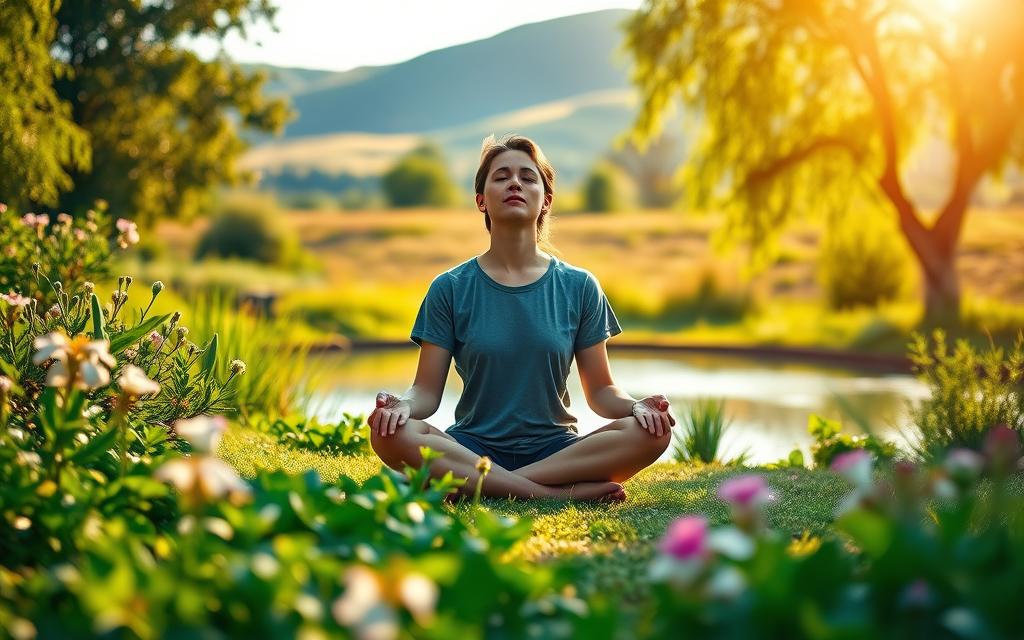
Meditation and mindfulness are key to managing stress well. They help reduce stress, anxiety, and depression. They also improve attention, sleep, and mood12.

There are many meditation techniques to choose from, like guided meditation and focused breathing. Daily mindfulness exercises, like noticing our senses or doing a body scan, help us stay in the moment12. Adding these to our daily routine boosts our emotional strength and makes it easier to handle stress13.
meditation techniques for stress relief

Practicing mindfulness for about six months makes it a regular part of our lives12. Regular meditation clears our minds and brings peace. It lowers our heart rate and blood pressure, showing we’re less stressed13. Mindfulness meditation is easy to do anywhere, making it very appealing13.

Different meditation styles, like Mindfulness-Based Stress Reduction (MBSR) and Transcendental Meditation, offer various benefits14. Combining meditation with a healthy lifestyle improves sleep and overall health14.

The Power of Relaxation Techniques

Relaxation techniques are key for reducing stress. They help us feel better by relaxing our muscles and lowering anxiety. Methods like progressive muscle relaxation and deep breathing help us find peace.

Progressive Muscle Relaxation

Progressive muscle relaxation involves tensing and relaxing muscles step by step. Studies show it can reduce muscle tension and pain, and even improve mood15. It helps us notice when we’re stressed physically. You can do it at home, making it easy for stress relief.

Deep Breathing Exercises

Deep breathing exercises are simple yet effective for stress relief. They involve taking full, deep breaths to calm down. This method activates our calm system16. You can do them anywhere, adding to other relaxation methods like meditation or aromatherapy.

By making deep breathing a part of our day, we can sleep better and feel less angry15. Regular practice builds our ability to face life’s challenges.
relaxation techniques

Aromatherapy for Stress Management

Aromatherapy is a great way to manage stress with plant-based essential oils. These aromatherapy oils can improve our mood and help us relax. Oils like lavender, chamomile, and bergamot are known to reduce anxiety and boost well-being.

Lavender oil, in particular, is known for its mood-boosting effects and anxiety relief17. These oils can turn our homes into peaceful sanctuaries. They offer natural calming techniques that fit easily into our daily lives.

Essential Oils That Help Relieve Stress

Some essential oils are better than others for stress relief. Lavender oil, for example, can reduce workplace stress and improve sleep18. Chamomile oil helps with sleep and relaxation, while bergamot oil reduces stress and promotes calmness, even in mental health settings18.

Lemongrass oil can also help with anxiety17. Sandalwood and frankincense oils are calming and often used in aromatherapy19.

How to Use Aromatherapy at Home

Using aromatherapy at home is easy. We can start by diffusing essential oils to create a welcoming atmosphere. Adding a few drops of our favorite essential oils for stress to bath water can make bath time more relaxing.

Applying diluted oils to pulse points can also affect our mood directly. Trying different scents can help us find what works best for us19. But, it’s crucial to use essential oils safely. They should be diluted with carrier oils, as they can be harmful if used undiluted, even for those with certain health conditions19.
aromatherapy oils

Herbal Remedies for Anxiety and Stress

We can explore various herbal remedies that serve as effective solutions for managing anxiety and stress. Ingredients like chamomile have shown promise; a study found that taking 1,500 mg daily for 12 weeks can reduce anxiety symptoms significantly20. Ashwagandha has also demonstrated noteworthy effects, with a dosage of 600 mg leading to significantly lower stress levels20. Another beneficial option is valerian, known for modulating GABA receptors in the brain, promoting relaxation and calmness despite a lack of long-term safety data for some populations20.

Passionflower has garnered attention in clinical trials for its potential to alleviate anxiety21. This herb, though often combined with others in commercial products, can be taken as a tablet or liquid tincture. It is usually safe for short-term use, but we must be cautious, as some may experience side effects like dizziness or confusion21. During our research, we found that lavender, with its calming compounds like linalool, can be utilized in various forms, including essential oils and teas20. This diversity in applications allows us to tailor our natural anxiety relief strategies.

Overall, using these herbal solutions wisely can enhance our emotional well-being. It is crucial to consult with healthcare professionals before integrating these remedies into our routine, specially for those who may be pregnant or breastfeeding. Engaging with nature’s offerings can contribute positively to our journey toward managing stress and anxiety.
herbal remedies for anxiety and stress

Creating a Journaling Habit for Clarity

Journaling offers many benefits that boost our emotional health and bring clarity. Just 15 minutes of writing three times a week can help us manage stress and anxiety22. Research shows that daily journaling for 15-20 minutes can lower stress and improve our health23.

Starting with journal prompts or templates can make it more fun and help guide our thoughts22. Writing without stopping lets our thoughts flow, clearing our minds and bringing clarity23. Using prompts can help us explore our emotions, leading to better self-awareness and growth23.

To stay motivated, tracking our progress in a journaling app can be helpful22. Celebrating our achievements, like reaching a journaling milestone, boosts our motivation22. Adding creative elements, like art or photos, can make journaling more enjoyable and rewarding22.

Gratitude journaling helps us focus on the good things in life, improving our emotional well-being23. Creating a cozy space and sticking to a routine makes journaling a rewarding habit. It greatly improves our clarity and stress management skills.

journaling benefits

Time Management Techniques to Alleviate Stress

Effective time management strategies are key to feeling less overwhelmed. They help us manage stress better. By prioritizing tasks and organizing our work, we can reduce stress levels. For example, setting goals helps us stay focused and plan better24.

Creating a to-do list helps us keep up with our tasks. We should tackle urgent tasks first. Breaking big projects into smaller steps also helps us avoid feeling overwhelmed25. It’s important not to overcommit ourselves to avoid too much pressure25.

Sorting tasks into urgent and non-urgent categories helps us manage our time better. Taking breaks during the day can refresh our minds and boost productivity24. Also, managing emails wisely can save time and reduce stress.

Using online tools like a color-coded calendar can improve our organization. Combining these methods with stress relief resources can help us manage time and stress better24. Practicing mindfulness and meditation can also help us deal with stress26.
time management strategies

Connecting with Nature as a Stress Reliever

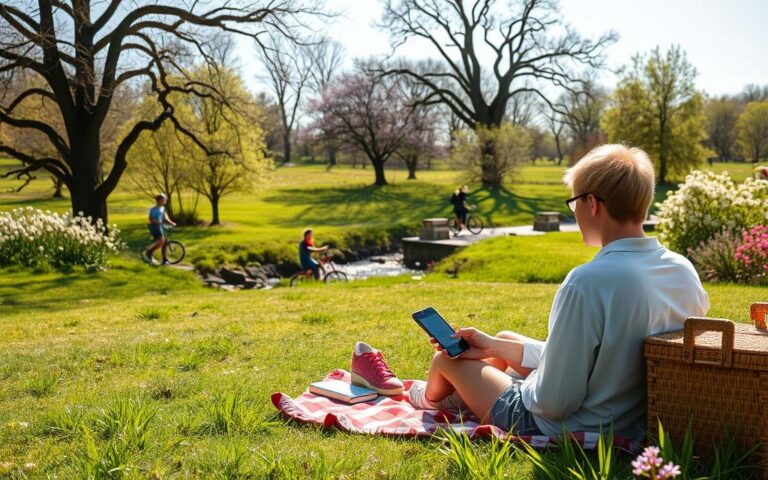
Embracing nature therapy is a great way to find stress relief outdoors. Walking in parks or gardens can lower stress hormones in just twenty minutes27. Activities like identifying plants and wildlife can deepen our connection with nature. Apps and books can help us enjoy this exploration27.

Studies show many benefits from spending time in nature. A walk in the woods can fight depression, and 120 minutes a week can boost our health28. Outdoor workouts also reduce anxiety better than indoor ones. Being active outside improves our mood and reduces negativity28.

Watching animals like birds can bring joy and positivity. Even listening to nature sounds can lift our mood and reduce anger27. If we can’t go outside, nature videos or audio can still offer comfort.

Time in nature lets us enjoy its beauty and feel connected to the world, which is key for mental health28. It also sharpens our problem-solving skills by 50%, making us feel refreshed and clear-minded28.

The Role of Social Connections

Strong social connections are key in fighting stress. People with good social ties live longer and feel better mentally than those who are alone2930. Being around friends, family, or community members makes us feel connected and supported.

Being alone can harm our health a lot. Loneliness is as bad as smoking 15 cigarettes a day29. It’s not just how many friends we have, but the quality of those relationships that matters. Sharing experiences with others can help us feel lighter and see things from new angles.

Also, social connections can lower body inflammation. For instance, ovarian cancer patients with strong support had less inflammation29. Group therapy and peer support improve mood and well-being30. Building strong social networks is vital for our mental and emotional health, helping us manage stress better.

Conclusion

Natural remedies for stress relief offer a holistic way to improve our well-being. We’ve looked at methods like exercise, meditation, and aromatherapy. These can help reduce stress and enhance our life quality.

About one-third of adults in the U.S. use natural remedies, but many don’t tell their doctors. This shows we need to talk more about these methods for better health31.

By adding these practices to our daily lives, we connect with ourselves and nature more deeply. Using garlic for cholesterol support or green tea for heart health shows natural remedies’ power32. Our dedication to learning about these therapies helps us make smart choices for our lifestyle31.

Overall, natural remedies suggest a balanced way to live healthier and fight stress. We encourage you to try these methods and see how they can make your life better.

FAQ

What are some effective natural remedies for stress relief?

Natural remedies for stress include exercise, meditation, and aromatherapy. Herbal remedies and journaling also help. These methods support well-being and stress management.

How does exercise help in reducing stress?

Exercise boosts mood with endorphins. It also lowers anxiety and improves health. This makes it a natural stress fighter.

What types of meditation practices can I try?

Try guided meditation, focused breathing, and mindfulness. Each can help control thoughts and lower stress.

How can aromatherapy support stress management?

Aromatherapy uses calming essential oils like lavender and chamomile. Diffusing these oils or applying them can make your space peaceful and uplift your mood.

Are there any herbal remedies that can help with anxiety?

Yes, herbs like chamomile and valerian calm the mind. But, talk to a doctor before using them to avoid side effects.

What should I include in my journaling practice for stress relief?

Write down your thoughts and what you’re thankful for. Reflecting on your day can clear your mind and reduce anxiety.

How can time management techniques help alleviate stress?

Good time management reduces stress by organizing tasks. Prioritize and break down big projects. Saying no and setting limits also help keep life balanced.

Why is connecting with nature beneficial for stress relief?

Nature lowers stress and boosts well-being. Activities like hiking or walking in parks help us feel grounded and emotionally balanced.

How do social connections impact stress levels?

Good social connections protect against stress. They offer emotional support and help us share experiences. This keeps us grounded during tough times.

Source Links

  1. 10 natural remedies for reducing anxiety and stress – https://www.medicalnewstoday.com/articles/322396
  2. 12 tips to tame stress – https://www.mayoclinic.org/healthy-lifestyle/stress-management/in-depth/stress-relievers/art-20047257
  3. Stress: Causes, symptoms, and management – https://www.medicalnewstoday.com/articles/145855
  4. How stress affects your body and behavior – https://www.mayoclinic.org/healthy-lifestyle/stress-management/in-depth/stress-symptoms/art-20050987
  5. Stress Symptoms, Signs, and Causes – HelpGuide.org – https://www.helpguide.org/mental-health/stress/stress-symptoms-signs-and-causes
  6. Natural Remedies to Alleviate Anxiety – https://www.webmd.com/anxiety-panic/natural-remedies-for-anxiety
  7. Natural remedies for anxiety – https://www.bbcgoodfood.com/health/wellness/natural-remedies-for-anxiety
  8. 7 Natural Remedies for Stress Relief – Moon Juice – https://moonjuice.com/blogs/tips-and-tricks/7-natural-remedies-for-stress-relief?srsltid=AfmBOop6O5PUj8khGLdRsh9xKIDiJ3XhoaRXqbS1SZZU2bw6pPCgR3OB
  9. Exercise and stress: Get moving to manage stress – https://www.mayoclinic.org/healthy-lifestyle/stress-management/in-depth/exercise-and-stress/art-20044469
  10. Working Out to Relieve Stress – https://www.heart.org/en/healthy-living/healthy-lifestyle/stress-management/working-out-to-relieve-stress
  11. Physical Activity Reduces Stress | Anxiety and Depression Association of America, ADAA – https://adaa.org/understanding-anxiety/related-illnesses/other-related-conditions/stress/physical-activity-reduces-st
  12. Can mindfulness exercises help me? – https://www.mayoclinic.org/healthy-lifestyle/consumer-health/in-depth/mindfulness-exercises/art-20046356
  13. A beginner’s guide to meditation – https://www.mayoclinic.org/tests-procedures/meditation/in-depth/meditation/art-20045858
  14. Meditation to Boost Health and Well-Being – https://www.heart.org/en/healthy-living/healthy-lifestyle/mental-health-and-wellbeing/meditation-to-boost-health-and-wellbeing
  15. Relaxation techniques: Try these steps to lower stress – https://www.mayoclinic.org/healthy-lifestyle/stress-management/in-depth/relaxation-technique/art-20045368
  16. Relaxation Techniques for Stress Relief – HelpGuide.org – https://www.helpguide.org/mental-health/stress/relaxation-techniques-for-stress-relief
  17. The Best Essential Oils for Stress Relief and How to Use Them – https://www.verywellmind.com/essential-oils-for-stress-relief-8740401
  18. Stressed? These 10 Essential Oils Can Help – https://www.healthline.com/health/mental-health/essential-oils-for-stress
  19. Can Aromatherapy With Essential Oils Provide Stress Relief? – https://health.clevelandclinic.org/stressed-out-aromatherapy-can-help-you-to-feel-calmer
  20. Herbs for anxiety: Does it work? Plus 9 calming options – https://www.medicalnewstoday.com/articles/herbs-for-anxiety
  21. Herbal treatment for anxiety: Is it effective? – https://www.mayoclinic.org/diseases-conditions/generalized-anxiety-disorder/expert-answers/herbal-treatment-for-anxiety/faq-20057945
  22. How to Build a Journaling Habit That Lasts – https://dayoneapp.com/blog/journaling-habit/
  23. The Healing Power of Journaling: Techniques for Mental Clarity – https://kcwpsychologicalservices.com/the-healing-power-of-journaling-techniques-for-mental-clarity/
  24. Easy time-management tips – https://www.nhsinform.scot/healthy-living/mental-wellbeing/stress/6-easy-time-management-tips/
  25. Stress Management: Techniques to Deal with Stress – https://www.helpguide.org/mental-health/stress/stress-management
  26. Stress Management: Meditation, Relaxation, Health Benefits – https://my.clevelandclinic.org/health/treatments/6409-stress-management-and-emotional-health
  27. 7 ways to reduce your stress by enjoying nature – https://www.bhf.org.uk/informationsupport/heart-matters-magazine/wellbeing/ways-to-reduce-stress-by-enjoying-nature
  28. Spend Time in Nature to Reduce Stress and Anxiety – https://www.heart.org/en/healthy-living/healthy-lifestyle/stress-management/spend-time-in-nature-to-reduce-stress-and-anxiety
  29. The Connection Prescription: Using the Power of Social Interactions and the Deep Desire for Connectedness to Empower Health and Wellness – https://pmc.ncbi.nlm.nih.gov/articles/PMC6125010/
  30. Connectedness & Health: The Science of Social Connection – The Center for Compassion and Altruism Research and Education – https://ccare.stanford.edu/uncategorized/connectedness-health-the-science-of-social-connection-infographic/
  31. Conclusion – Complementary and Alternative Medicine in the United States – https://www.ncbi.nlm.nih.gov/books/NBK83803/
  32. Home Remedies: What Works? – https://www.webmd.com/balance/ss/slideshow-home-remedies
Essential Oils for Healing: Which Ones Work Best for Your Condition

Have you ever walked into a room and felt instantly calm or happier? Maybe it was the smell of lavender or peppermint that did it. These moments show us how essential oils can heal and uplift us.

These natural remedies offer powerful health benefits. They can improve our physical and emotional health. In this guide, we’ll explore the best essential oils for different needs. We’ll also learn how to use them for a better life1.
Key Takeaways

  • Essential oils are concentrated plant extracts with numerous healing properties.
  • We can use oils like lavender and peppermint for both emotional and physical health benefits.
  • Knowing which essential oils to use for specific conditions can enhance our overall wellbeing.
  • Incorporating essential oils into our daily routine can provide significant therapeutic advantages.
  • Understanding how to use essential oils safely maximizes their health benefits for us.

What Are Essential Oils?

Essential oils are very concentrated extracts from plants. They capture the plant’s scent and flavor through methods like steam distillation and cold pressing. Each essential oil has its own unique chemical compounds. This makes them great for aromatherapy and other uses.

These plant extracts offer many health benefits. For example, lavender and bergamot oils can help you relax and reduce stress23.

In aromatherapy, we usually inhale essential oils or apply them to the skin. But, we must mix them with carrier oils for safe use on the skin. Oils like tea tree and peppermint are known for fighting off germs and aiding digestion42.

Yet, using essential oils the wrong way can cause problems. It might lead to skin irritation or rashes, which is a concern for kids4.

Benefits of Essential Oils

Essential oils offer many benefits for our health. Lavender oil is famous for easing stress, pain, and helping us sleep better5. It’s also been used in hospitals for cleaning5.

Tea tree oil is great for fighting acne and fungal infections5. But, it’s important to keep it away from kids and pets because it can be harmful5 and6.

Frankincense oil helps reduce inflammation and boosts mood5. It also helps us sleep better5. Peppermint oil can ease digestion and improve mood, making it good for stomach problems5.

Eucalyptus oil is great for relieving nasal congestion and pain5.

Lemon and lemongrass oils have antibacterial properties and may help with Alzheimer’s6. Orange oil can also reduce anxiety when inhaled6. These oils show how essential oils can improve our well-being.

advantages of essential oils

How Essential Oils Can Improve Your Health

Essential oils can greatly improve your health if used wisely. They help with headaches, sleep problems, and sore throats7. Lavender oil is great for calming and helping with sleep7. Tea tree oil is good for skin issues like acne and bug bites7.

Peppermint oil is a strong ally for digestive health, helping with IBS and headaches7. Lemon oil lifts our mood and improves emotional health7. Johns Hopkins research shows some oils, like oregano, can fight Lyme bacteria better than antibiotics7.

Cinnamon and cumin oils have big health benefits too. Cinnamon oil might protect against colitis, and cumin oil can lower blood pressure in people with metabolic syndrome8. Coriander and parsley oils boost antioxidants and fight inflammation, showing their wide-ranging benefits8. Essential oils offer a global arsenal for better health and wellbeing.

health improvements with essential oils

Essential Oils for Emotional Wellbeing

Aromatherapy is key for our emotional health. The right essential oils can greatly improve our mood. For example, lavender oil helps us relax, fight anxiety, and sleep better9. Frankincense oil also boosts our mood and helps us feel more at peace9.

Chamomile oil is great for those feeling anxious or depressed. It helps us relax and can even ease stomach problems9. Grapefruit oil is perfect for a mood lift, helping us feel more energetic, even when stressed or recovering from addiction9. Bergamot oil is also good for reducing anxiety and improving our emotional state9.

Ylang ylang oil is amazing for keeping our emotions stable and reducing stress9. Roman chamomile oil helps with depression and promotes relaxation9. Cedarwood oil helps us focus and reduces stress, which is good for our mental health9. Essential oils can affect our emotions, stress levels, and hormone balance by interacting with the limbic system9emotional health

Other oils like peppermint and citrus fruits can also improve our mood and reduce anxiety10. Rosemary oil can make us sharper and improve our focus, helping us do better in school or work10. By using these essential oils, we can improve our emotional health and overall well-being.

Common Essential Oils and Their Uses

We have a wide range of popular essential oils, each with its own benefits. For example, Lavender is known for helping us relax and soothing skin problems11. Tea Tree oil is great for keeping the skin clean because of its antiseptic properties12. Peppermint oil is excellent for easing headaches and helping with breathing11. On the other hand, Eucalyptus oil is a top choice for breathing issues, like during colds13.

Let’s take a closer look at some common essential oils and what they can do:

Essential Oil Description Specific Benefits
Lavender Floral and herbaceous aroma Promotes relaxation, aids in restful sleep, soothes skin irritations13.
Tea Tree Sharp, camphor-like aroma Antiseptic properties, skin cleansing, supports immune health12.
Peppermint Fresh and invigorating Helps with headaches, digestive comfort, and respiratory support11.
Eucalyptus Fresh, camphoraceous aroma Aids respiratory health, reduces tension, supports the immune system13.
Geranium Floral, sweet, minty aroma Balances skin moisture, supports emotional well-being12.
Ylang Ylang Floral and exotic aroma Promotes hair health, reduces tension, supports emotional wellness11.

Using these oils can really improve our health and wellbeing. Each oil is good for different things, so we can pick the right one for our needs and goals.

Common essential oils and their uses

Essential Oils for Skin and Beauty

Adding essential oils to our skincare with essential oils routine brings many beauty benefits. Lavender oil calms the skin and keeps it hydrated, reducing irritation14. Frankincense oil helps fight aging signs, making the skin look younger14. Tea tree oil is great for acne-prone skin, acting as a natural antiseptic14.

Using essential oils safely means mixing them with carrier oils for topical use15. We can mix these oils into homemade skincare items like masks and scrubs15. This way, the oils work better together15. There are also special blends for different skin types, with carrier oil suggestions15.

Helichrysum italicum oil helps with skin healing and scar reduction14. Geranium oil balances oily skin and makes it look younger14. Neroli oil fights aging, boosts mood, and improves skin tone14.

skincare with essential oils

How to Use Essential Oils Safely

Using essential oils can be a delightful experience, but it’s important to use them safely. These oils are very concentrated, being 50-100 times stronger than the plant they come from16. To avoid skin reactions, it’s key to dilute them properly before applying16. A good rule of thumb is to mix 1% to 5% essential oil with a carrier oil like coconut or jojoba17. Always do a patch test on a small area first17.

Some essential oils are not safe for young children, like birch and wintergreen, because they contain methyl salicylate17. Keeping these oils out of children’s reach is crucial to prevent accidents17. It’s also wise to talk to a healthcare professional before using them, if you have health issues or are on medication17. Also, never apply undiluted essential oils to damaged skin, as it can make irritation worse17.

It’s also important to check the essential oils regularly for any changes in appearance, smell, or texture17. Certain oils, like tea tree oil, can be good for treating infections if used correctly17. When adding essential oils to baths, make sure they are fully mixed in to avoid irritation16.

safe application of essential oils

Essential Oil Recommended Dilution Precaution
Tea Tree Oil 1% – 5% Avoid contact with eyes
Lemongrass 1% – 3% Patch test recommended
Cinnamon Bark 1% – 5% Can cause skin irritation
Birch Avoid for children under 6 Contains methyl salicylate

By following these essential oil safety tips, we can enjoy their benefits while staying safe.

Creating Your Own Essential Oil Blends

Making your own essential oil blends is a fun way to create scents you love. First, pick essential oils with different smells like flowers, woods, and citrus. You’ll also need small glass bottles and droppers18.

Start with 10 drops of oil. This makes it easy to figure out the right mix19. A good blend has 30% top notes, 50% middle notes, and 20% base notes. This mix can really improve how your blend smells19.

Choose oils you know well. Lavender and chamomile are calming, while eucalyptus and lemon are refreshing and good for breathing20. Try your blend on perfume blotters or cotton balls to see how it smells. Let it sit for a day to blend the scents better19.

Think about what you want your blend to do before mixing oils. This helps you pick the right oils for your needs. This way, your blend will not only smell great but also work well20.

DIY essential oil blends

Top Essential Oils for Specific Conditions

Some essential oils are better than others for certain health issues. For example, lavender oil is great for skin problems, stress, and better sleep. It also helps with inflammation and healing wounds21. Eucalyptus oil is good for colds, flu, and breathing issues21. It also cuts down on mucus, perfect for cold season21.

Peppermint oil is great for stomach problems. It relieves bloating and headaches, and feels cool21. It’s also good for breathing and bad breath22. Tea tree oil is excellent for skin issues like infections21.

Bergamot oil is great for stress and mental health. It’s an antidepressant and helps with digestion22. Clary sage is also good for stress and sadness22. Knowing how to use these oils can really help us.

best essential oils for health conditions

Using an Essential Oil Diffuser

An essential oil diffuser spreads the scents of oils like lavender and peppermint into the air. This makes our space smell better and can help us feel less stressed23. The oils interact with our brain, affecting our mood and emotions23.

There are many ways to use a diffuser. Some use fans, while others heat up the oils to release their smell24. There are also diffusers that make a mist without heat, keeping the oils’ benefits24. Another type uses sound waves to create a mist, which is good for the environment24.

To get the most out of our diffuser, we should choose high-quality oils. Look for ones that are cold-pressed or steam-distilled23. We should follow the instructions for how much oil to use and keep our diffuser clean23. It’s also important to be careful, like talking to a doctor before using it if we have allergies or are pregnant23.

Organic Essential Oils: Are They Worth It?

Exploring organic essential oils, we often talk about their purity and benefits. These oils come from plants grown without harmful chemicals. This might make them more effective for health25. Choosing organic helps us avoid harmful substances, fitting our health goals26.

Organic essential oils cost more, 20-70% than regular ones. But, is it worth it? Many believe yes, because organic farming is better for the earth. It keeps soil healthy and uses fewer chemicals26. Also, good certifications like QAI ensure quality and honesty in making these oils26.

Even though organic oils have less pesticide, some might still be present26. Companies like ACHS and The Apothecary Shoppe promise no pesticides in their products. This makes us trust the purity of what we buy25. So, choosing organic oils supports our health and the planet.

organic essential oils

Essential Oil Recipes for Everyday Use

Adding essential oils to our daily lives can boost our wellness. We can make simple DIY blends for different needs. For example, a mix of 4 drops of lavender oil, 3 drops of bergamot oil, and 2 drops of cedarwood oil can create a calming atmosphere for bedtime27.

For better digestion, try mixing 3 drops of peppermint oil with 2 drops of lemon essential oil28. Making lavender bath salts can turn our baths into a relaxing escape.

Essential oils can help with many everyday issues. For better breathing, blend 2 drops each of peppermint, lavender, and lemon essential oils. This is great for refreshing our space in spring and summer28.

In winter, a respiratory boost can be made with 2 drops of peppermint oil and one drop each of lemon, eucalyptus, and rosemary oils28.

We can also use oils to get rid of bad smells at home. A nice blend could be 2 drops of grapefruit oil, 2 drops of cedarwood oil, and 2 drops of lavender essential oil. This mix creates a fresh scent28.

These essential oil recipes are not only fun to make but also practical. They offer natural solutions to our daily problems.

Conclusion

Essential oils are a treasure trove of health benefits, going beyond just smell. They contain powerful compounds like Monoterpenes and Phenols. These make them more effective than the plants they come from29.

Choosing high-quality essential oils is key. Look for ones with “Canada Organic” or “USDA Certified” labels. This ensures they are safe and effective for our health29.

Storing essential oils correctly is also important. Keep them in cool, dry places to keep their benefits strong29. Using essential oils daily can improve our mood and health. Lavender calms us, while tea tree fights germs30.

But safety comes first. Always dilute them correctly and do patch tests to avoid any issues30.

Essential oils have a long history of use in health and spirituality. They offer a promising way to heal holistically in today’s world29. By using them wisely, we can greatly improve our lives. They truly belong in the world of health and wellness31.

FAQ

What are the best essential oils for stress relief?

Lavender, chamomile, and sweet orange are top picks for stress relief. They calm the mind and body. Use them in aromatherapy or mix into skincare for relaxation.

How can we safely use essential oils on our skin?

Mix essential oils with a carrier oil like coconut or jojoba. This prevents skin irritation. Just a few drops are enough for good results.

Can essential oils really help with sleep?

Yes, lavender oil is great for sleep. It creates a calm atmosphere. This helps your body relax and sleep better.

What are some easy essential oil recipes for home use?

Try lavender bath salts for relaxation, peppermint oil for stomach issues, and lemon sprays for cleaning. These recipes boost health and make home feel cozy.

Are there specific essential oils we can use for respiratory issues?

Eucalyptus oil is excellent for breathing, helping with colds. Mix it with peppermint for even better results.

What makes organic essential oils different from conventional ones?

Organic oils come from plants grown without harmful chemicals. They are purer and may work better, making them a top choice.

How do essential oil diffusers work?

Diffusers spread essential oils through the air. Enjoy their scents and benefits everywhere. Always follow the diffuser’s oil-to-water ratio for best results.

Source Links

  1. The 15 Best Essential Oils for Total Healing – https://www.herbcottage.com.au/blogs/aromatherapy/most-popular-essential-oils?srsltid=AfmBOopV4B28IAOP5X1CO0tztchVwAJG9b8X7W83TUfTEBwQOoHA9BHG
  2. What Are Essential Oils, and Do They Work? – https://www.healthline.com/nutrition/what-are-essential-oils
  3. Essential Oils Benefits and Uses Chart – https://www.performancehealth.com/articles/essential-oils-benefits-and-uses-chart?srsltid=AfmBOormKbIgYOjPDf22TpO7z0o4_M3vYMBMLb8ffaDCy0hzlarmopDO
  4. Essential oil – https://en.wikipedia.org/wiki/Essential_oil
  5. 11 Essential Oils: Their Benefits and How To Use Them – https://health.clevelandclinic.org/essential-oils-101-do-they-work-how-do-you-use-them
  6. Health Benefits of Essential Oils – https://www.webmd.com/diet/health-benefits-essential-oils
  7. Aromatherapy: Do Essential Oils Really Work? – https://www.hopkinsmedicine.org/health/wellness-and-prevention/aromatherapy-do-essential-oils-really-work
  8. Essential oils: a systematic review on revolutionizing health, nutrition, and omics for optimal well-being – https://pmc.ncbi.nlm.nih.gov/articles/PMC10905622/
  9. Essential Oils for Mental Health | Solara Mental Health – https://solaramentalhealth.com/in-residence-care/holistic-therapy/essential-oils/
  10. Essential Oils for Emotional Wellbeing – https://nikura.com/blogs/living-well/essential-oils-for-emotional-wellbeing
  11. The Master List of Essential Oils | doTERRA Essential Oils – https://www.doterra.com/US/en/blog/spotlight-master-list-of-essential-oils
  12. Essential Oils List – Benefits and Uses Chart – Range Products – https://www.rangeproducts.com.au/resources/essential-oils/benefits-and-uses-chart/?srsltid=AfmBOoppcJKPif-pCfk4KPVMbJ0UB3-WAeIhKTlufDi688AdlU0nFaw0
  13. Essential Oils Benefits and Uses Chart – https://www.performancehealth.com/articles/essential-oils-benefits-and-uses-chart?srsltid=AfmBOor_LzXyzcRHxj6HCIiA4PrE2-xQ201kpnLm0fK3cnyUExXU7hFL
  14. Essential Oils for Skin Care | Natural Way To Promote Healthy Skin | Essential Skin Care – https://www.rockymountainoils.com/collections/skin-care?srsltid=AfmBOopQZyVr3vSjCXVY03_TGFksKj_yY0gLqY-zh8kWCX9qzak7RL1b
  15. A COMPLETE GUIDE TO ESSENTIAL OILS FOR SKIN – https://www.newdirectionsaromatics.com/blog/a-complete-guide-to-essential-oils-for-skin/
  16. Safety Guidelines – Tisserand Institute – https://tisserandinstitute.org/safety-guidelines/
  17. Dos and Don’ts of Essential Oils – https://www.webmd.com/skin-problems-and-treatments/ss/slideshow-essential-oils
  18. The Art and Science of Blending Essential Oils – https://blog.mountainroseherbs.com/how-to-blend-essential-oils
  19. How to create your own essential oil blend – https://www.natio.com.au/blogs/discoveries/how-to-create-your-own-essential-oil-blend
  20. Blending Essential Oils For Beginners | Growing Up Herbal – https://growingupherbal.com/blending-essential-oils-for-beginners/
  21. The 15 Best Essential Oils for Total Healing – https://www.herbcottage.com.au/blogs/aromatherapy/most-popular-essential-oils?srsltid=AfmBOoo3-vw3wnCERRNyIfEJ7saKZ_9Jvd6FlK67uaDab_XrEQR21vLN
  22. Top 10 Essential Oils and How to use them – https://www.revive-eo.com/top-10-starter-essential-oils/?srsltid=AfmBOoo0eE4gacsjLX-S5XAoTRZjnMbUIfDPFlSqdjoK5A2T8Gkl0aL1
  23. What To Know About How To Use an Essential Oil Diffuser – https://www.health.com/condition/stress/essential-oil-mistakes
  24. How Do Essential Oil Diffusers Work? – https://volantaroma.com/blogs/guides/how-do-essential-oil-diffusers-work
  25. Are Pesticide-Free Organic Essential Oils Truly Worth the Splurge? | American College of Healthcare Sciences – https://achs.edu/blog/are-organic-essential-oils-worth-the-splurge/
  26. ORGANIC VS. NON-ORGANIC ESSENTIAL OILS: A DETAILED BREAKDOWN – https://www.newdirectionsaromatics.com/blog/organic-vs-non-organic-essential-oils-a-detailed-breakdown/
  27. Essential oil diffuser recipes—for every mood – https://www.youngliving.com/blog/essential-oil-diffuser-recipe-blends/?srsltid=AfmBOoq6jaiS1xWC7-ohkNkNOu7U66-eAtat-QBJUJV4t5H_7GBQc_4T
  28. Essential Oil Recipes for Diffuser – Blends for Every Occasion – https://www.smellacloud.co.uk/blogs/news/essential-oil-recipes-for-diffuser-blends-for-every-occasion
  29. ABOUT ESSENTIAL OILS – https://www.newdirectionsaromatics.com/blog/about-essential-oils/
  30. Conclusion on essential oils – https://punchng.com/conclusion-on-essential-oils/
  31. Essential Oils – https://www.niehs.nih.gov/health/topics/agents/essential-oils

how does depression cause disability

Life can throw us challenges that test our strength and resilience. Depression can sneak up on us, casting a shadow over our days. It changes how we see our world. For many, it’s not just emotional pain but also affects how we function daily.

The World Health Organization says about 5% of adults worldwide deal with depression. In the U.S., 21 million adults had a major depressive episode in 20201. Understanding depression is key for those affected to get help and make changes in their lives.

Depression is the top cause of disability for those 15 to 442. This shows how urgent it is to tackle this issue. Behind the numbers are real people fighting to find balance in their lives.

Key Takeaways

  • Depression significantly affects individuals’ quality of life.
  • It is the leading cause of disability for individuals aged 15 to 44.
  • Approximately 5% of adults worldwide experience depression.
  • Understanding depression is crucial for seeking help.
  • Major Depressive Disorder (MDD) can greatly impact daily functionality.

Understanding Depression as a Mental Health Condition

Depression is a serious mental health condition that affects mood, behavior, and thoughts. It’s not just feeling sad for a while. It’s a long-term illness that needs care and attention. Around the world, about 5% of adults have depression, showing how common it is3.

About 3.8% of people have depression, with some groups more affected than others3. Women are usually 1.5 to 3 times more likely to get depression than men4.

In the U.S., nearly 29% of adults have been diagnosed with depression at some point5. Around 18% are currently dealing with it5. Depression often starts in late teens to mid-20s, making early help key5.

The cost of depression is huge, with the U.S. economy losing about $210 billion a year4. But, there are good treatments, with 70% to 90% of people getting better with therapy5.

Major Depressive Disorder: An Overview

Major Depressive Disorder (MDD) is a common mental health issue affecting millions in the U.S. In 2020, about 21 million adults had at least one major depressive episode. This is 8.4% of all adults6. It makes everyday tasks hard because of low mood, tiredness, and thinking problems7.

Almost one in five adults will face MDD at some point in their lives. This is based on a 20.6% lifetime prevalence6.

MDD was the third biggest disease burden worldwide in 2008. It’s expected to become the number one cause by 20308. Depression symptoms can be mild or severe, affecting daily life6.

It doesn’t matter if you’re young, old, male, female, or from any background. MDD can affect anyone7. Changes in brain chemistry, like serotonin levels, are key in causing and keeping MDD7.

Knowing about MDD is important. There are treatments like lifestyle changes, medicines, and therapy. These can greatly improve life quality and function for many8Major Depressive Disorder Overview

Symptoms of Depression and Their Impact on Daily Life

It’s important to know the signs of depression. They can really change how we live every day. Common symptoms include feeling sad all the time, having little energy, and changes in how much we eat. These can make it hard to think clearly and make decisions.

Common Symptoms of Depression

Depression shows up in different ways, so it’s key to recognize them. Many people feel:

  • Low energy
  • Persistent sadness
  • Changes in sleep
  • Changes in appetite
  • Irritability and anxiety

About 7% of adults in the U.S. deal with major depression each year9. Depression can really affect how we live, with 50% of people facing big challenges in daily life9. It affects our mental, physical, and social health.

How Symptoms Affect Functionality

Depression makes everyday tasks hard. For example, it can be tough to focus at work or connect with others. A depressive episode can last months, making it hard to keep up with daily tasks9.

Feeling worthless is a big part of depression10. This makes it even harder to deal with everyday problems. The mental strain can lead to serious issues, like a higher risk of suicide, with 15% of untreated cases considering it9.

Symptoms of Depression and Their Impact on Daily Life

How Depression Leads to Disability

Depression is a serious mental health issue that can change our daily lives a lot. It shows how depression and disability are linked, mainly when symptoms get really bad. The World Health Organization says about 5% of adults worldwide deal with depression1.

In the United States, around 21 million adults had a major depressive episode in 2020. This is about 8.4% of all adults1.

To be diagnosed with major depressive disorder (MDD), symptoms must last two weeks or more. They must also make daily life very hard. The Americans With Disabilities Act (ADA) sees MDD as a mental issue that could be a disability if it really limits life activities1.

About 30% to 59% of women with disabilities also have depression11. This shows that people with physical disabilities are at least three times more likely to have depression than those without disabilities11.

Understanding how depression can lead to long-term disability is key. Recognizing the link between depression and disability is vital. It helps us create better support for those affected.

depression and disability

Understanding the Relationship Between Depression and Employment

Depression and work are closely linked. Mental health greatly affects how well we do at our jobs. Depression is the top reason for disability worldwide, causing many to lose their jobs12.

Studies show that people with depression often miss a lot of work. They might miss up to 73 days in a year because of health issues13. About 77% of workers with depression say they’ve lost time at work, showing how mental health affects jobs13.

Impact on Work Performance

Depression can hurt work performance in many ways. It can lead to less money and more unemployment14. At work, depression makes it hard to focus, make decisions, and finish tasks. This can make it hard to meet job demands.

For example, 22% of people struggle with their bosses at work. This could be because of mental health problems13.

Inability to Maintain Employment

Keeping a job is tough for those with depression. Work that’s too demanding can make mental health worse14. Studies show that only 55% of people with depression can keep their jobs over time13.

As depression gets worse, people often change jobs a lot. This can lead to losing jobs, showing how depression affects keeping a job13.

depression and employment

Legal Definitions of Disability Under the ADA

The Americans with Disabilities Act (ADA) is key in protecting people with various conditions, like depression. It says any condition that limits major life activities is covered. This means people with major depressive disorders need to know their rights under this law.

About 44 million adults in the U.S. have had a mental health issue in the past year. This is about 18.5% of the population. It shows how common mental health issues are, affecting many people’s lives15.

Recent numbers show 18% of U.S. workers have a mental health condition each month. This highlights how common mental disabilities are under the ADA15. The Equal Employment Opportunity Commission (EEOC) has seen over 20,000 mental health discrimination cases. This shows the big challenges people with mental health issues face at work16.

Also, about 50% of people with mental health issues say they face discrimination at work. This makes it hard for them to get the help they need16.

Workplace adjustments for mental disabilities are often very affordable, costing less than $500. Yet, they are crucial for helping people work better. In fact, studies show these adjustments can boost productivity by up to 30%16.

The ADA Amendments Act of 2008 has helped more people with mental impairments. It makes sure their rights are protected and promoted15.

ADA disability definition

Social Security Administration Criteria for Disability

The Social Security Administration (SSA) has clear disability criteria for those seeking disability benefits. People with depression must go through a detailed evaluation. The SSA looks at how depression affects daily life.

Criteria for Major Depressive Disorder

To get benefits for Major Depressive Disorder (MDD), you must show symptoms like a depressed mood and loss of interest. The SSA needs a 12-month history of these symptoms. They check mental health in four main areas: understanding, interacting, concentrating, and managing oneself17.

It’s also key to have medical proof to back up your claim17.

Financial Assistance Options Available

If you meet the SSA’s MDD criteria, you might get financial assistance. This includes Social Security Disability Insurance (SSDI) and Supplemental Security Income (SSI). SSDI pays about $1,362 a month, and SSI around $91418.

But, only about 30.4% of disability claims were approved in 2018. This shows how tough it is to get SSA support18. To succeed, you need to document your condition well. The SSA might not approve you if you earn over $1,350 a month18.

Accommodations for Individuals with Depression in the Workplace

We know that making the workplace better for those with depression is key. The Americans with Disabilities Act says employers must make adjustments to help people do their jobs well. These workplace accommodations should fit each person’s needs.

Examples of Reasonable Accommodations

There are many examples of accommodations to help those with depression. Working from home or having flexible hours can help. It lets people adjust to their personal needs while still doing their job.

Other options include part-time work, job sharing, or flexible start and end times. There are also leave options for mental health or flexible vacation time. Breaks, like more frequent ones or choosing when to take them, can also help manage mental health.

Benefits of Workplace Support

Good workplace support for mental health brings big benefits. Studies show it can make employees more productive and happier. It also cuts down on missed work days.

By supporting employees, companies create a better work environment. People feel valued and respected. This leads to a more engaged and happy team. Employers who make these changes meet legal requirements and see happier, more committed staff1920.

workplace accommodations for mental health

Importance of Treatment for Depression

Getting the right treatment for depression is key. It helps ease symptoms and stops them from getting worse. We have many treatment options to choose from, each playing a big role in managing depression.

Types of Treatment Options Available

There are many ways to treat depression. Cognitive Behavioral Therapy (CBT) is known to be very effective. It helps change negative thoughts and behaviors, focusing on the present, not the past21.

Other therapies include analytical and depth psychotherapy. These look into past experiences and current conflicts21.

Medication is also important. Antidepressants are often used for more serious cases of depression. They work best when used with therapy, helping to manage side effects like dry mouth and fatigue22.

Combining Medication and Therapy

Using both medication and therapy together is usually the best approach. This combination tackles depression from all angles, improving outcomes for those with chronic or severe depression22.

In short, seeking comprehensive mental health care is crucial. By using both psychotherapy and medication, we can improve our mental health and quality of life212223.

treatment for depression

Managing Depression to Improve Functionality

Managing depression is key to living a better life. We can use many strategies to tackle daily challenges. By tackling our symptoms, we aim to live better and feel less depressed.

Coping Strategies for Everyday Challenges

Effective strategies like daily routines and physical activities help a lot. They make us stronger and help us recover. Mindfulness, journaling, and managing time also reduce stress and frustration.

The Role of Support Groups

Support groups are very important. They give us resources and a sense of community. Sharing our stories with others helps us cope better. These groups boost our mood and support our mental health journey.

coping strategies for managing depression

There are also community resources for extra help. These can connect us with local groups that understand our needs. Using these resources helps us recover and live better2425.

Understanding the Psychological Aspects of Depression

Depression is more than just feeling sad. It involves certain thought patterns that make it worse. It’s the leading cause of disability worldwide, affecting over 300 million people26. In the U.S., about 15 million people are fighting depression26.

Maladaptive thinking, anxiety, and stress are key signs of depression. They can make mental health problems worse. This creates a cycle that’s hard to break.

Depression is becoming more common, hitting young people hard26. It comes in different forms, like major depression and seasonal affective disorder26. It often goes hand in hand with anxiety, making it harder to manage26.

What we eat can also play a role. Not getting enough omega-3 fats might make us more prone to depression26.

Early treatment is key to stopping depression from coming back26. Cognitive behavioral therapy is a top treatment, working well alone or with meds26. Mindfulness meditation can also help prevent depression by making us less reactive26.

psychological aspects of depression

Understanding depression’s psychological side helps us see the full picture of mental health. We must watch how these factors impact mental health. Working together, we can find better ways to help.

Role of Brain Chemistry and Genetics in Depression

Depression is greatly affected by brain chemistry and genetics. It’s key to grasp these biological aspects. Studies show that low levels of neurotransmitters like serotonin and norepinephrine are linked to depression. This points to a biochemical reason for mood disorders27.

This chemical imbalance often shows genetic vulnerabilities. About 40-50% of depression risk comes from genetics2827. People with a family history of major depression are two to three times more likely to experience it themselves28.

Women are more likely to get major depressive disorder, possibly due to biological and genetic reasons29. While there’s no single “depression gene,” many genetic changes can make someone more susceptible28. The classic twin design shows that both genetics and environment affect mood disorders27.

Chronic stress and environmental factors can change gene expression, linking brain chemistry to genetics27

Knowing how brain chemistry, genetics, and environment interact can help in treating depression. It offers insights for those dealing with it.

Environmental Factors Contributing to Depression

Many environmental factors can lead to depression. Things like trauma, economic struggles, and bad social interactions can make it worse. Studies show that these factors might cause more than half of depression cases, showing how important they are for our mental health30.

Childhood experiences, like breathing in pollutants, can hurt our brain’s ability to change. This makes us more likely to get depression30.

Big life events, like losing a family member, can make kids more likely to get depression30. Being born early can also raise the risk of depression by 2.75 times, showing how early life can affect us later30.

By 2020, depression is expected to be the second biggest disease causing early death. This shows it’s a big problem for society31.

Knowing about these factors helps us see when we might be at risk. It lets us take steps to prevent depression by improving mental health support. Fighting common stressors like noise and money problems can really help lower depression rates32.

Environmental Factors Impact on Depression
Trauma Increases vulnerability and can trigger depressive episodes.
Economic Hardship Contributes to overall stress, leading to higher depression risks.
Negative Social Interactions Can exacerbate feelings of isolation and sadness.
Pollution and Noise Negatively impacts mental health, causing symptoms like sleep disruption.
Adverse Childhood Experiences Can lead to adult-onset neuropsychiatric disorders.

Seeking Help: Recognizing the Signs of Depression

It’s important to know when someone might be depressed. This mental health issue can show up in many ways. Signs include feeling sad all the time, getting easily upset, and losing interest in things you used to love. Teenagers might act out more, showing anger or agitation as they deal with their feelings33.

Depression can really change how we live our day-to-day lives. Adults might feel tired, have unexplained pains, or struggle with memory and weight changes33. Women often feel guilty and might gain weight, while men might get angry or aggressive33. Knowing these signs helps us find support for those who need it.

Depression can also lead to a higher risk of suicide, making awareness key. Look out for signs like talking about harming oneself or feeling hopeless, even if they seem calm after being upset34. Since about half of those with major depression also have anxiety, it’s clear we need to offer help and support33.

The Path to Recovery: Navigating Treatment Options

Recovering from depression means understanding the many treatment options available. The World Health Organization says over 264 million people worldwide suffer from depression35. Major depressive disorder (MDD) is a common form of depression that lasts for at least two weeks35. By finding the right treatment, we can tailor our recovery to fit our unique mental health journey.

We have many ways to improve our recovery from depression. Cognitive therapy can be effective, but it depends on our personality and coping style36. Mindfulness meditation, yoga, and acupuncture can also help manage symptoms36. Plus, making healthy lifestyle choices like regular exercise and good nutrition can greatly improve our mental health36.

Working together with healthcare professionals is key, as they can help manage medication36. It’s important to make our treatment plans personal, as depression often happens with other mental health issues36. Joining community activities and building support networks can also help us feel less alone and support our recovery36.

Exploring different therapies is crucial in our mental health journey. About 70% of people who try psychotherapy see a big improvement in their symptoms35. By taking charge of our treatment and making self-care personal, we can meet our specific recovery needs36.

Conclusion

It’s key to understand how depression and disability are linked. Major depression is the top cause of disability globally, hitting millions of people. With a 20% chance of getting major depression at some point, we must tackle this issue head-on3738.

This high number shows we need good treatments and support. This way, people with depression can live happy, fulfilling lives.

Legal help and treatment options are crucial for dealing with depression. About 30.9% of people don’t get better or get worse with treatment38. This means we need ongoing support, including different therapies and help at work, for them to do well39.

Supporting people at work and understanding depression is vital. We must all help to remove stigma. This way, everyone can get the help and chances they need, improving their lives37.

FAQ

What are the common symptoms of depression?

Depression symptoms include feeling sad all the time and losing interest in things you used to enjoy. You might also notice changes in your appetite, feel really tired, or have trouble sleeping. Feeling irritable and having trouble focusing are other signs. It’s key to notice these symptoms and get help.

How does depression affect daily functioning?

Depression can make it hard to do everyday things. It might affect your relationships, work, and daily tasks. You might feel unmotivated, struggle with thinking clearly, and want to be alone more often.

What is Major Depressive Disorder (MDD)?

Major Depressive Disorder (MDD) is a serious depression that lasts more than two weeks. It makes it hard to feel emotions and do daily tasks. It can really impact your life and work.

Can depression lead to disability?

Yes, depression can make it hard to do basic things. It might cause you to miss work and struggle to keep a job. This is because depression can really affect your daily life.

What accommodations are available for employees with depression?

Employees with depression might get help like flexible work hours or working from home. Changing job tasks can also help. These changes can help their mental health and work better.

What treatment options are available for managing depression?

There are many ways to treat depression. Medications like antidepressants and therapy like cognitive behavioral therapy (CBT) are common. Using both together often works best for many people.

What role do support groups play in managing depression?

Support groups offer a community and shared experiences. They help with coping and recovery. Meeting others who understand can be really helpful.

How does brain chemistry relate to depression?

Depression is linked to imbalances in brain chemicals like serotonin and dopamine. These changes can cause depression symptoms. Each person’s brain chemistry is different.

How do environmental factors influence depression?

Things like trauma, money problems, and negative social interactions can trigger or make depression worse. Knowing these factors can help find the right support and help.

What should I do if I recognize signs of depression in myself or others?

If you see depression signs, get help from experts like psychologists or psychiatrists. Early help can lead to better treatment and a better life.

Source Links

  1. What to Know About Depression and Disability – https://www.webmd.com/depression/what-to-know-about-depression-and-disability
  2. Depression and Disability: Eligibility, Applying, and More – https://www.healthline.com/health/depression/does-depression-make-you-eligible-for-disability
  3. Depressive disorder (depression) – https://www.who.int/news-room/fact-sheets/detail/depression
  4. Overview – Depression in adults – https://www.nhs.uk/mental-health/conditions/depression-in-adults/overview/
  5. What Is Depression? – https://www.psychiatry.org/patients-families/depression/what-is-depression
  6. Depression – https://www.nimh.nih.gov/health/topics/depression
  7. Depression (major depressive disorder) – Symptoms and causes – https://www.mayoclinic.org/diseases-conditions/depression/symptoms-causes/syc-20356007
  8. Major Depressive Disorder – StatPearls – https://www.ncbi.nlm.nih.gov/books/NBK559078/
  9. Symptoms – Depression in adults – https://www.nhs.uk/mental-health/conditions/depression-in-adults/symptoms/
  10. Persistent depressive disorder – Symptoms and causes – https://www.mayoclinic.org/diseases-conditions/persistent-depressive-disorder/symptoms-causes/syc-20350929
  11. Relationship between Physical Disability and Depression by Gender: A Panel Regression Model – https://pmc.ncbi.nlm.nih.gov/articles/PMC5130183/
  12. Frontiers | The protective role of employment in depression: insights from 2005 to 2018 NHANES information – https://www.frontiersin.org/journals/psychiatry/articles/10.3389/fpsyt.2024.1455122/full
  13. Employment characteristics, work environment, and the course of depression over 23 years: Does employment help foster resilience? – https://pmc.ncbi.nlm.nih.gov/articles/PMC6123281/
  14. Impact of Long-Term Depression on Employment Outcomes: A Systematic Review and Case Series From Iraq on Career Trajectory and Job Stability – https://pmc.ncbi.nlm.nih.gov/articles/PMC11531199/
  15. Mental Health Conditions in the Workplace and the ADA – https://adata.org/factsheet/health
  16. Depression, PTSD, & Other Mental Health Conditions in the Workplace: Your Legal Rights – https://www.eeoc.gov/laws/guidance/depression-ptsd-other-mental-health-conditions-workplace-your-legal-rights
  17. 12.00 Mental Disorders – Adult | Disability – https://www.ssa.gov/disability/professionals/bluebook/12.00-MentalDisorders-Adult.htm
  18. Depression and disability: Eligibility and how to apply – https://www.medicalnewstoday.com/articles/is-depression-a-disability
  19. Accommodations for Employees with Mental Health Conditions – https://www.dol.gov/agencies/odep/program-areas/mental-health/maximizing-productivity-accommodations-for-employees-with-psychiatric-disabilities
  20. A Look at Workplace Accommodations for Employees with Depression and Anxiety  – https://absencesoft.com/resources/how-to-support-and-accommodate-employees-struggling-with-depression-and-anxiety/
  21. Depression: Learn More – How effective is psychological treatment for depression? – InformedHealth.org – https://www.ncbi.nlm.nih.gov/books/NBK430661/
  22. Depression: Learn More – How is depression treated? – InformedHealth.org – https://www.ncbi.nlm.nih.gov/books/NBK279282/
  23. Patient education: Depression treatment options for adults (Beyond the Basics) – https://www.uptodate.com/contents/depression-treatment-options-for-adults-beyond-the-basics/print
  24. Depression – https://www.nimh.nih.gov/health/publications/depression
  25. Depression (major depressive disorder) – Diagnosis and treatment – https://www.mayoclinic.org/diseases-conditions/depression/diagnosis-treatment/drc-20356013
  26. Depression – https://www.psychologytoday.com/us/basics/depression
  27. Genetic and epigenetic factors associated with depression: An updated overview – https://pmc.ncbi.nlm.nih.gov/articles/PMC9232544/
  28. Major Depression and Genetics – https://med.stanford.edu/depressiongenetics/mddandgenes.html
  29. Brain changes in depression – PMC – https://pmc.ncbi.nlm.nih.gov/articles/PMC7864313/
  30. Environmental Depression Risk Factors and Impacts – https://www.brainsway.com/knowledge-center/environmental-factors-and-depression/
  31. Involvement of Genetic and Environmental Factors in the Onset of Depression – https://pmc.ncbi.nlm.nih.gov/articles/PMC3897684/
  32. The Etiology of Depression – Depression in Parents, Parenting, and Children – https://www.ncbi.nlm.nih.gov/books/NBK215119/
  33. Depression Symptoms: Spot the Warning Signs of Depression – https://www.helpguide.org/mental-health/depression/depression-symptoms-and-warning-signs
  34. Depression: Supporting a family member or friend – https://www.mayoclinic.org/diseases-conditions/depression/in-depth/depression/art-20045943
  35. Diving Deep into Depression: Insights, Support & Path to Recovery – https://www.medanta.org/patient-education-blog/diving-deep-into-depression-insights-support-path-to-recovery
  36. Personalized Depression Treatments: Navigating Your Recovery Road – https://www.insightchoices.com/blog/navigating-the-road-to-recovery-personalized-depression-treatments/
  37. Awareness, Diagnosis, and Treatment of Depression – https://pmc.ncbi.nlm.nih.gov/articles/PMC1496741/
  38. Depression: Causes, symptoms, treatment, and more – https://www.medicalnewstoday.com/articles/8933
  39. Preventing clinical depression: Early therapeutic interventions offer protection – https://www.sciencedaily.com/releases/2025/01/250108144158.htm

Best Fruits that help you to sleep

0

We’ve all been there, lying awake with thoughts racing. The moon casts shadows across the walls. For many, getting a good night’s sleep feels like a dream. Recent stats show that 1 in 3 adults don’t get enough sleep1.

In our fast-paced world, finding natural sleep remedies is key. Fruits for sleep are a tasty and healthy option. From bananas to tart cherries, these fruits have nutrients that help us sleep better. Adding these fruits to our evening routines can help us sleep better.
Key Takeaways

  • 1 in 3 adults do not meet the sleep guidelines, highlighting the need for effective strategies.
  • Certain fruits, such as bananas and tart cherries, contain melatonin, which regulates sleep.
  • Potassium and magnesium found in fruits like avocados promote muscle relaxation and restful sleep.
  • Research suggests a positive link between magnesium intake and improved sleep quality.
  • Incorporating sleep-friendly fruits into your diet can significantly enhance your overall sleep experience.
  • A balanced evening diet should include fruits to help you sleep while avoiding heavy meals before bedtime.

Understanding the Link Between Diet and Sleep

A lot of people in the U.S. struggle with poor sleep. This includes issues like insomnia and sleep apnea2. Studies show that eating well can help improve sleep2. The Mediterranean diet, in particular, is good for sleep because of its nutrients2.

Not following dietary guidelines can lead to shorter sleep times2. Some nutrients, like magnesium and omega-3 fatty acids, help with sleep2. Foods like poultry and dairy also improve sleep2. Plus, eating fatty fish and tart cherries can help too2.

Diets low in fiber or high in unhealthy fats and sugars can hurt sleep3. Eating at regular times is better for sleep than snacking late2. Avoiding caffeine and alcohol before bed is also key3.

diet and sleep

The Mediterranean Diet and Its Benefits for Sleep

The Mediterranean diet is known for its health benefits, including better sleep. It’s rich in fruits, vegetables, whole grains, and healthy fats. These foods help improve sleep quality4. Eating this way boosts nutrient intake, which is key for a good night’s sleep5.

This diet suggests eating more than two servings of vegetables and one to two servings of fruits at each meal. It also includes healthy fats from olive oil, fish, and poultry4. This balanced diet can lead to better sleep, including less time falling asleep and better sleep quality4.

Mediterranean diet for better sleep

Research also shows that people on this diet sleep more efficiently and feel less tired during the day4. This makes the Mediterranean diet not just good for health but also for sleep. It adds to its many benefits.

How Fruits Impact Sleep Quality

The link between fruits and sleep is becoming more important in nutrition studies. Fruits like kiwi and tart cherries have compounds that might help sleep better. For example, eating two kiwis before bed for four weeks helped adults with sleep issues sleep more and better6.

Tart cherries are full of melatonin, which helps improve sleep6. But, not all fruits have the same effect. Pineapple, apples, grapes, and bananas have melatonin too, but research on their sleep benefits is not as strong as it is for kiwi and tart cherries6.

Women who ate more fruits and veggies saw big improvements in sleep7. Young adults often struggle with sleep, showing they might also benefit from eating more fruits7.

The Mediterranean Diet, rich in fruits and veggies, is linked to better sleep6. This diet shows that eating fruits can be part of a bigger plan to improve sleep.

fruits and sleep quality

Kiwi: A Natural Sleep Aid

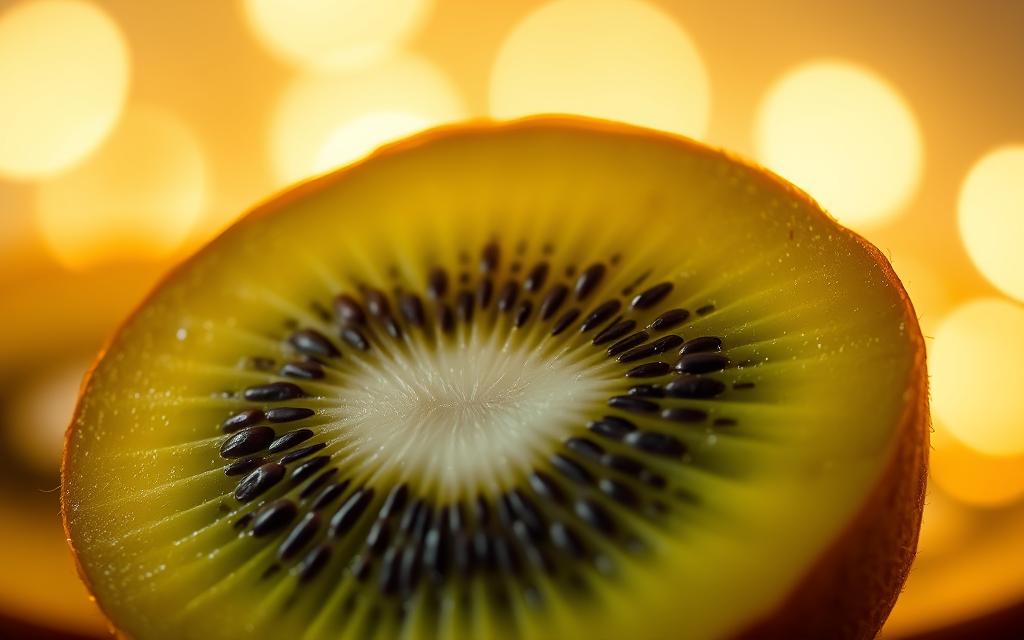
Kiwi is becoming a popular natural sleep aid. It’s packed with serotonin, which helps control sleep cycles. This makes kiwi a great choice for those looking for natural sleep solutions.

Benefits of Serotonin in Kiwi

Kiwi has a lot of serotonin, about 5.8 µg/g. This serotonin is key for making melatonin, the sleep hormone. Low folate levels, found in kiwis, can disrupt sleep. Eating kiwis helps keep folate levels healthy, which can improve sleep.

Kiwi also has lots of antioxidants, like vitamins C and E. These help fight oxidative stress, which can cause sleep issues8.

Study Results on Kiwi Consumption Before Bed

Many studies show kiwi’s sleep benefits. For example, eating two kiwis before bed helped people fall asleep faster. They also slept for 16.9% more over four weeks9.

These studies also found that sleep quality improved by 5.41%. The number of times people woke up at night went down by 28.9%10. This shows kiwi is a natural way to better sleep.

kiwi for sleep

Tart Cherries: Nature’s Melatonin Source

Tart cherries are becoming a popular choice for better sleep. They have lots of melatonin, which helps control our sleep-wake cycle. Studies show that tart cherries improve sleep quality thanks to their antioxidants.

It’s important to know about the antioxidants in tart cherries. Also, how tart cherry juice can help you sleep better.

Antioxidants and Sleep Quality

The antioxidants in tart cherries, like anthocyanins, boost sleep quality11. These compounds reduce inflammation and stress, which can mess with sleep. This makes tart cherries a top snack for better sleep.

They also have vitamins A and C, which are good for health11.

How Tart Cherry Juice Can Enhance Sleep

Research shows tart cherry juice boosts melatonin levels12. A study found that drinking tart cherry juice for a week added 38 minutes to sleep time12. It’s suggested to drink 2-8 ounces a day12.

But, tart cherry juice is sweet and can upset your stomach if you drink too much11. Drinking a bit before bed can help you sleep faster and better12.

tart cherries for sleep

Pineapple: A Fruit with Sleep-Promoting Properties

Pineapple is a tropical fruit known for its sleep benefits. It’s not just tasty but also full of nutrients for better sleep. Its melatonin content is key to better sleep quality.

Melatonin Content in Pineapple

Pineapple has melatonin, a hormone that helps control sleep. Eating pineapple can boost melatonin levels by 266%13. This makes it a great natural sleep aid.

Nutrients That Support Sleep in Pineapple

Pineapple is rich in nutrients that help sleep. One cup of pineapple chunks has 78.9 milligrams of Vitamin C, which is 88% of the daily value (DV)14. It also has 0.185 milligrams of Vitamin B6, or 11% of the DV14.

Pineapple is also a good source of Potassium and Magnesium. These minerals help relax muscles14. Each of these nutrients makes pineapple a top sleep-friendly fruit.

pineapple for sleep

Pineapple’s 2 grams of fiber per cup helps with digestion, leading to better sleep15. Its bromelain, an anti-inflammatory, makes it a great choice for a bedtime snack15.

Bananas: The Perfect Bedtime Snack

Bananas are great for a good night’s sleep because they’re full of nutrients that help you relax. They have magnesium and potassium, which relax muscles and can stop cramps that might keep you awake. A medium banana has about 450 mg of potassium and 34 mg of magnesium, helping your muscles relax and improving sleep1617.

Eating bananas before bed can also boost serotonin levels. This helps you fall asleep faster and feel better17.

bananas for sleep

Magnesium and Potassium for Muscle Relaxation

Bananas have magnesium and potassium, which are key for relaxing muscles. One medium banana gives you about 8% of the daily magnesium you need. This is important for fighting sleep problems caused by low magnesium18.

More potassium can stop muscle cramps, which is good for people with Restless Legs Syndrome (RLS)16. Adding bananas to your bedtime routine can help you sleep better.

Tryptophan: The Sleep-Inducing Amino Acid

Bananas are also good for sleep because they have tryptophan. This amino acid is important for making serotonin and melatonin in the brain. Eating bananas can increase serotonin levels, making it easier to fall asleep and sleep better1618.

Bananas also have pectin, a fiber that keeps you feeling full. This can stop midnight hunger from waking you up17. So, bananas are a tasty way to help you relax and sleep well.

Sleep-Friendly Fruits: A Short List

A variety of fruits can help improve sleep quality. This list of sleep-inducing fruits includes oranges, papaya, and apples. Each fruit offers unique benefits for better sleep.

Oranges have natural sugars and vitamin C. They help stabilize blood sugar and reduce night awakenings19. Papaya is packed with choline, potassium, folate, and vitamins C and E. These nutrients support muscle function and the nervous system19. Apples are high in fiber, which keeps blood sugar stable at night. This reduces sleep disturbances19.

Adding these sleep-friendly fruits to your evening routine can enrich your diet and improve sleep. Adopting such healthy habits is key in fighting sleep disorders. These disorders affect over 50 million people in the U.S19..

sleep-friendly fruits

Other Foods That Enhance Sleep Quality

Many foods help improve sleep, not just fruits. Dairy like milk and yogurt has tryptophan, which boosts serotonin for better sleep. Milk from nighttime has more melatonin, helping you sleep20. Almonds are great because a study showed rats with almond extract slept longer and deeper21. Salmon, rich in healthy fats, also improves sleep, with those eating it three times a week sleeping better22.

High-fiber, low-fat meals help you sleep well. Eating these foods in the evening is best20. White rice, a high-glycemic food, can help you fall asleep faster if eaten four hours before bed22.

Adding certain foods to your diet can also help sleep. A banana with yogurt is a snack full of magnesium and tryptophan, great for sleep. Nuts, seeds, and herbs like basil can also improve your bedtime routine. These foods are key to better sleep, offering a natural way to improve your sleep quality.

Food Sleep-Promoting Benefits
Dairy (Milk, Yogurt) Contains tryptophan; higher melatonin at night
Almonds May promote longer, deeper sleep
Salmon Improves sleep and daytime function
White Rice Shortens sleep onset if consumed pre-bedtime
Bananas Rich in magnesium; supports relaxation
Nuts and Seeds Provide healthy fats and magnesium
Fresh Herbs Promote calm and relaxation

Adding these foods to your evening routine can improve your sleep. They are crucial for better sleep quality.

Fruits for Sleep: Combining Them with Other Sleep Aids

Looking for ways to sleep better? Mixing fruits with sleep aids like dairy, nuts, or grains can help. For example, eating two kiwis before bed can make falling asleep easier and improve sleep quality23. Adding whole grain crackers and cheese to this mix boosts the benefits of tryptophan, a key sleep helper23.

Milk, with its melatonin, pairs well with fruits like strawberries, which also have melatonin. This combo helps promote good sleep. Spinach, rich in magnesium and potassium, can also help relax and boost melatonin when mixed with fruits or in smoothies23.

For those who love nuts, try pistachios with sleep-promoting fruits. This mix not only tastes good but also increases melatonin, helping you sleep better24. A snack of cottage cheese and fruit also supports serotonin production, aiding sleep23.

In short, mixing fruits with other sleep aids is a smart way to improve sleep. These snacks not only taste great but also help you sleep better, making bedtime more relaxing.

combining fruits with sleep aids

Morning vs. Night: When to Consume Sleep-Inducing Fruits

The time you eat fruits can really help you sleep better. Eating fruits before bed can make you feel sleepy. But, eating them in the morning might not have the same effect.

Foods like cherries and bananas have melatonin, which helps you sleep. They relax your muscles, too, which can stop cramps at night2526.

To get the best sleep, eat fruits like kiwi and tart cherries an hour before bed. They can make your sleep better and help you fall asleep quicker27. Even though fruits don’t raise blood sugar much, adding healthy fats or proteins can help even more26.

It’s smart to avoid foods with processed sugars and simple carbs before bed. They can make you feel too awake and then crash, which can mess up your sleep26. So, when you eat fruits is really important for better sleep and health.

Precautions When Consuming Fruits Before Bed

When thinking about eating fruits before bed, it’s important to know some precautions for eating fruits. People with diabetes or acid reflux should be extra careful. Eating fruits high in sugar before bed can cause blood sugar levels to rise, which might affect sleep28.

It’s best to wait at least two hours after eating before having fruits at night. This helps avoid stomach discomfort and keeps energy levels down, which can help you sleep better28.

Choosing fruits like apples, pears, and grapes is a good idea. They help with weight management and are low in calories28. But, eating calorie-rich fruits like bananas too close to bedtime can lead to weight gain and poor sleep28.

It’s also good to avoid foods high in saturated fat and protein before bed. They can disrupt your sleep29.

Also, eating fruits in a balanced way can help avoid insomnia, even with sweet fruits. Talking to a health advisor about the right fruits can greatly improve your sleep quality and reduce negative effects from eating fruits at night.

Tips for Incorporating Fruits into Your Evening Routine

Adding fruits to your evening can boost your sleep. Try making fruit-infused water with melatonin-rich fruits like cherries and bananas. This not only tastes better but also helps you sleep naturally. Drinking tart cherry juice before bed can also up your melatonin levels, helping you sleep better30.

Make a soothing bedtime smoothie with bananas, yogurt, and almond milk. The tryptophan, magnesium, and serotonin in these ingredients relax your muscles31. Adding oats to your recipes can also help, as they naturally increase melatonin levels for better sleep32.

Watch your portion sizes. A small bowl of berries is great for an evening snack because of their antioxidants. A small amount of almonds or pistachios can also help with sleep due to their melatonin31.

Set up a calming routine with these fruits to signal bedtime. Stay away from heavy meals and caffeine close to bed to avoid sleep disruptions. Enjoy the benefits of fruits for sleep in your evening routine for a better night’s rest.

Conclusion

Fruits offer many benefits for sleep. Eating sleep-friendly fruits can improve your sleep quality. They provide nutrients that help make sleep hormones like melatonin and serotonin.

Research shows that eating enough fruits and veggies can lead to better sleep. People who sleep well eat about 463.1 grams of these foods daily. Those who sleep less eat only 426.1 grams33.

Fruits like bananas and avocados are also good. They have potassium and magnesium. These help reduce muscle cramps and make you relax better for sleep34.

Adding more fruits to your diet can help you sleep better. For example, people who sleep well eat more fruits and veggies than those who don’t35. A bedtime routine with sleep-promoting fruits can help you sleep better.

Trying these fruits in your evening routine can help fight sleep problems. You might find a way to sleep better and feel better overall.

FAQ

What are some of the best fruits for sleep?

Kiwi, tart cherries, pineapple, and bananas are great for sleep. They have nutrients like melatonin and serotonin. These help you sleep better.

How do sleep-inducing fruits affect sleep quality?

These fruits improve sleep by offering nutrients that help regulate sleep cycles. They also promote relaxation with melatonin, serotonin, and antioxidants.

Is there a specific time to eat fruits before bed?

Eat sleep-friendly fruits 30-60 minutes before bed. This avoids digestive issues or sugar spikes that can disrupt sleep.

Are there fruits to help you sleep that may cause digestive issues?

Yes, some fruits can upset your stomach, like those high in sugar or fiber. Choose fruits that you know you can digest well before bed.

Can fruits be combined with other foods to enhance their sleep-promoting effects?

Definitely! Mixing fruits with dairy, nuts, or smoothies makes great snacks. They boost sleep benefits and offer more nutrients.

What other foods, aside from fruits, can aid sleep?

Foods like dairy, nuts, fatty fish, and whole grains also help sleep. They’re full of tryptophan, omega-3s, and antioxidants, all good for sleep.

Are there any precautions to consider when eating fruits before bed?

Yes, people with diabetes or acid reflux should talk to health advisors. Some fruits might worsen their conditions and affect sleep.

How can I incorporate sleep-friendly fruits into my evening routine?

Add these fruits to your routine with fruit-infused drinks or bedtime smoothies. Enjoying them as snacks also works. Mindful eating can help relax you before bed.

Source Links

  1. The trick to a better night’s sleep could be hiding in your kitchen – https://healthy.kaiserpermanente.org/health-wellness/healtharticle.foods-to-help-you-sleep
  2. What’s the best diet for healthy sleep? A nutritional epidemiologist explains what food choices will help you get more restful Z’s | University of Michigan School of Public Health | The Conversation | Sleep | Nutrition | Sleep Health | Diet | Healthy Food – https://sph.umich.edu/pursuit/2024posts/best-diet-for-healthy-sleep.html
  3. Nutrition and Sleep: Diet’s Effect on Sleep – https://www.sleepfoundation.org/nutrition
  4. Mediterranean Diet on Sleep: A Health Alliance – https://pmc.ncbi.nlm.nih.gov/articles/PMC9318336/
  5. A Mediterranean Dietary Pattern Predicts Better Sleep Quality in US Women from the American Heart Association Go Red for Women Strategically Focused Research Network – https://pmc.ncbi.nlm.nih.gov/articles/PMC7551612/
  6. These 3 Fruits May Help You Sleep Better – https://stvincents.org/about-us/news-press/news-detail?articleId=46505&publicid=745
  7. Study Finds Consuming More Fruits and Vegetables Can Improve Sleep | News | University of Michigan School of Public Health | Nutrition | Sleep | Fruits and Vegetables | Research | Faculty | – https://sph.umich.edu/news/2021posts/consuming-more-fruits-vegetables-can-improve-sleep.html
  8. Can Eating 2 Kiwis Before Bed Really Improve Your Sleep? – https://www.verywellhealth.com/kiwi-before-bed-for-sleep-11695315
  9. The Impact of Kiwifruit Consumption on the Sleep and Recovery of Elite Athletes – https://pmc.ncbi.nlm.nih.gov/articles/PMC10220871/
  10. Does Kiwi Help You Sleep? – https://sleepdoctor.com/nutrition/does-kiwi-help-you-sleep
  11. Tart cherry juice benefits: Do they live up to the hype? – https://www.osfhealthcare.org/blog/tart-cherry-juice-benefits-do-they-live-up-to-the-hype/
  12. Tart Cherry Juice Benefits and Effects On Sleep – https://www.turmerry.com/blogs/dreamerry/add-tart-cherries-to-diet-for-better-sleep?srsltid=AfmBOorUeBmiy1lrHhjZjrC6t7DPWUMNiIjlxr1aUelvmEovQsPn2MaQ
  13. Fruits that help you sleep – https://www.ajc.com/lifestyles/health/fruits-that-can-help-you-eat-your-way-sleep/mAHORGP4SiCVeAI1TFrAFL/
  14. Pineapple: Nutrition, Benefits, and Risks – https://www.healthline.com/nutrition/benefits-of-pineapple
  15. What are the health benefits of pineapple? How the fruit boosts skin, gut health, sleep – https://www.today.com/health/diet-fitness/pineapple-benefits-rcna152025
  16. How A Banana Before Bed Can Help You Sleep Better – Amerisleep – https://amerisleep.com/blog/banana-before-bed/
  17. Do Bananas Help You Sleep, and What Is the Best Time Eat One Before Bed? – https://www.medicinenet.com/do_bananas_help_you_sleep_best_time_eat_one/article.htm
  18. Does Eating a Banana Before Bed Help You Sleep? – https://www.healthline.com/nutrition/banana-before-bed
  19. 7 Fruits for a Better Night’s Sleep – https://www.sleepbetterny.com/blog/7-fruits-for-a-better-nights-sleep/
  20. Can’t Sleep? Check What’s on Your Plate – https://health.clevelandclinic.org/foods-that-help-you-sleep
  21. 9 Foods and Drinks to Promote Better Sleep – https://www.healthline.com/nutrition/9-foods-to-help-you-sleep
  22. The Best Foods To Help You Sleep – https://www.sleepfoundation.org/nutrition/food-and-drink-promote-good-nights-sleep
  23. 5 Foods That Help You Sleep Better | Ochsner Health – https://blog.ochsner.org/articles/5-foods-that-help-you-get-a-better-nights-sleep
  24. 14 Melatonin-Rich Foods to Eat for Better Sleep – Moon Juice – https://moonjuice.com/blogs/tips-and-tricks/foods-with-melatonin?srsltid=AfmBOoqnpEUyPdQ9dtUOmDFfJcHfqqlAgnpecI9igQSWjtROmc9fCMTR
  25. Eats to Help You Sleep – https://www.nm.org/healthbeat/healthy-tips/nutrition/eats-to-help-you-sleep
  26. Is there a best time to eat fruit? Facts and myths – https://www.medicalnewstoday.com/articles/325253
  27. Healthy Bedtime Snacks To Eat Before Sleep – https://www.sleepfoundation.org/nutrition/healthy-bedtime-snacks
  28. Eating Fruits at Night: Is It Good or Bad? – https://parenting.firstcry.com/articles/eating-fruits-at-night-is-it-healthy-for-you/
  29. Eating for a Good Night’s Sleep – https://extension.psu.edu/eating-for-a-good-nights-sleep
  30. 7 Foods to Help You Get a Great Night’s Sleep – https://www.verywellmind.com/foods-that-can-help-you-sleep-8744286
  31. The Top 11 Foods Promoting A Good Night’s Sleep – https://www.fccmg.com/blog/top-foods-promoting-good-night-sleep
  32. 14 Melatonin-Rich Foods to Eat for Better Sleep – Moon Juice – https://moonjuice.com/blogs/tips-and-tricks/foods-with-melatonin?srsltid=AfmBOoqGug-vzXOSFGN4QYxZK8i_PRasZ2hfbud4EHFygYCbb53NUNnL
  33. Sleep: Eating more fruits and vegetables may improve duration – https://www.medicalnewstoday.com/articles/eating-more-fruits-and-vegetables-may-lead-to-optimal-sleep-duration
  34. Best Fruits and Vegetables to Help You Sleep – eachnight – https://eachnight.com/sleep/best-fruits-and-vegetables-for-sleep/
  35. The relationship between sleep duration and fruit/vegetable intakes in UK adults: a cross-sectional study from the National Diet and Nutrition Survey – https://pmc.ncbi.nlm.nih.gov/articles/PMC5922510/

Best Food for Insomnia and Anxiety

How many nights have you spent tossing and turning, wishing for a peaceful slumber? Many people struggle with insomnia and anxiety, feeling drained and overwhelmed. They’re desperate for a solution. What if the answer lies in the foods we eat?

Studies show that one-third of adults in the U.S. don’t get enough sleep. This lack of sleep affects daily life and raises anxiety levels12. Changing your diet could transform your nights. You’ll learn how certain foods can help you sleep better and feel more relaxed.

From magnesium to melatonin-rich foods, your diet can help you relax and sleep better. Let’s look at how you can add these natural sleep aids to your meals. This way, your body and mind get the nourishment they need.

Key Takeaways

  • One in three adults struggle with sleep issues, emphasizing the importance of addressing insomnia.
  • Dietary choices can significantly impact sleep quality and overall well-being.
  • Incorporating magnesium-rich foods can enhance relaxation and sleep.
  • Foods high in tryptophan can aid in producing sleep hormones like serotonin and melatonin.
  • Healthy eating habits can serve as effective natural remedies for sleep-related disorders.
Understanding the Connection Between Food and Sleep

The connection between food and sleep is often ignored in sleep health talks. About one-third of U.S. adults don’t get enough sleep. Many don’t know that what they eat affects their sleep3.

Diets low in fiber and high in saturated fat lead to less restful sleep. Not getting enough fat, carbs, or protein also means poorer sleep quality34. Drinking caffeine or alcohol close to bedtime also hurts sleep quality a lot3.

Poor nutrition can make insomnia worse and might make sleep apnea symptoms worse too. This shows we need to know more about the nutrients for sleep34.

Eating foods rich in B vitamins, like fish and legumes, helps with melatonin. This is key for good sleep4. But, eating too much sugar and carbs can mess with sleep patterns. It affects both REM and slow-wave sleep, making it harder to sleep well54.

connection between food and sleep

Why Diet Matters for Insomnia and Anxiety

Eating well is key for both body and mind, helping to manage stress and anxiety that can cause insomnia. Studies show that what we eat affects our mood and sleep. For example, insomnia affects 30 to 35 percent of adults, leading to heart problems, depression, and anxiety6.

Foods like whole grains boost serotonin, helping us relax and sleep better7. Eating protein for breakfast keeps blood sugar stable, giving us energy and reducing anxiety7. Not drinking enough water can also make us feel anxious7.

Drinking alcohol might seem to calm us down, but it actually increases anxiety as it breaks down7. Some foods can make us feel anxious or irritable, showing how diet affects insomnia7. Eating a balanced diet with fruits, veggies, and omega-3s is essential for better health and less anxiety7.

Making dietary changes takes time to help with anxiety, making slow changes important7. Managing what we eat is crucial, as it deeply affects our mood and sleep quality.

Food for Insomnia: Key Nutrients to Consider

Understanding the role of specific nutrients can significantly enhance nutrition for sleep. Key nutrients for insomnia include serotonin, magnesium, and tryptophan. These nutrients can influence sleep quality and duration.

Serotonin and Melatonin: The Sleep Hormones

Serotonin levels can impact mood and sleep cycles. Foods rich in carbohydrates can help produce serotonin. This hormone promotes feelings of well-being and relaxation. Higher serotonin levels are linked to better sleep quality8.

Melatonin, known as the sleep hormone, tells the body it’s time to sleep. Foods like tart cherries boost melatonin levels. This can help establish better sleep patterns8.

Magnesium: The Relaxation Mineral

Magnesium is key for calming the nervous system. It helps with muscle relaxation and stress reduction. These are crucial for a restful night’s sleep. Foods like spinach, nuts, and seeds are rich in magnesium and improve sleep quality8.

Lack of magnesium can make it hard to fall or stay asleep. This shows its importance in nutrition for sleep.

Tryptophan: The Sleep-Inducing Amino Acid

Tryptophan is an amino acid found in foods like turkey and low-fat cheese. It helps produce serotonin, enhancing sleep quality. Diets rich in tryptophan promote relaxation and better sleep patterns8.

key nutrients for insomnia

Best Foods for Insomnia

Adding certain foods to your diet can help with insomnia. Research shows some foods improve sleep quality. These foods help you fall asleep faster and sleep better.

Kiwi: A Sleep-Inducing Fruit

Kiwi is known for helping you sleep. Studies say eating two kiwis before bed improves sleep. Adding kiwi to your evening routine is a simple way to fight insomnia.

Fatty Fish: Omega-3 Rich Choices

Fatty fish like salmon are great for sleep. They have omega-3s and vitamin D, which help with serotonin. Eating fatty fish regularly can make your sleep better.

Nuts: A Natural Snack for Better Sleep

Nuts, like walnuts and almonds, are good for relaxation. They have melatonin and magnesium for better sleep. Eating nuts before bed is a tasty way to fight insomnia.

best foods for insomnia

Sleep-Inducing Foods to Add to Your Diet

Adding sleep-inducing foods to your meals can improve your sleep quality. Research shows many foods that help you sleep better. They also boost your overall health.

Tart Cherries: A Natural Source of Melatonin

Tart cherries are full of melatonin, a hormone that helps control sleep. Drinking two cups of tart cherry juice a day can help you sleep longer and better. This is good news for those with insomnia9.

They are a natural way to increase melatonin levels. This makes them a great choice for your bedtime routine.

Malted Milk: Calming Bedtime Beverage

Malted milk is a calming drink to have before bed. Studies suggest it can reduce sleep breaks. This helps you sleep more soundly9.

The carbs and vitamins in malted milk relax you. This makes it a good choice for a restful night’s sleep.

sleep-inducing foods

Foods to Avoid for Better Sleep

Knowing how certain foods affect sleep is key for a good night’s rest. Some foods can really mess with your sleep, making it hard to fall and stay asleep.

Caffeine: The Sleep Disruptor

Caffeine is in coffee and tea and stays in your system for hours. It keeps you awake because it’s so stimulating. As you get older, you might feel caffeine’s effects more, which is why it’s best to have it in the morning or early afternoon10.

Drinking caffeine too close to bedtime can make it hard to fall asleep. It might even keep you awake all night.

High-Sugar Foods: Energy Boosts at Night

High-sugar foods give you energy, but then crash it. This can wake you up in the middle of the night and ruin your sleep. It’s important to skip sugary snacks before bed1110.

High sugar levels can also make you uncomfortable. This makes it even harder to sleep well.

foods to avoid for sleep

Bedtime Snacks for Insomnia Relief

Adding soothing foods to your evening can boost sleep quality. The right snacks can relax you and get your body ready for sleep. Here are two great options for a restful night.

Low-Fat Yogurt with Fruits

Low-fat yogurt is packed with protein and calcium, key for better sleep. A 100-gram serving has 121 milligrams of calcium, helping you fall asleep faster12. Adding fruits like bananas boosts its benefits. A banana has lots of magnesium, which relaxes muscles12.

These snacks not only taste good but also help your body sleep better.

Whole Grain Crackers with Nut Butter

Whole grain crackers with nut butter mix complex carbs with protein. This combo keeps blood sugar stable, preventing sleep breaks. Nuts like almonds or pistachios add melatonin, making it a perfect snack13.

bedtime snacks for insomnia

Timing Your Meals for Optimal Sleep

Knowing how meal timing affects sleep is key to a good night’s rest. Studies show that eating at the same times each day improves sleep. About 59 percent of Americans eat at the same times every day. On the other hand, 4 in 10 do not, which can disrupt sleep14. Eating at regular times helps your body’s internal clock stay in sync with natural rhythms.

Eating a light dinner 2-3 hours before bed is best. It helps your body relax and get ready for sleep14. People who eat at the same times each day are 14 percent less stressed14. Lower stress levels can also improve sleep quality, making it crucial to eat well before bed.

The Impact of Meal Timing on Sleep Quality

Adding meals to your daily routine can greatly improve sleep. For instance, eating a big meal late at night can raise blood sugar levels more than eating a regular dinner15. Those who eat large dinners often have trouble digesting, making it hard to fall asleep16. It’s recommended to keep evening meals under 500 calories to avoid sleep disruptions16.

Creating a proper eating window can improve both meal timing and sleep quality. Our bodies use about 60% of energy for basic functions, showing the importance of when and what we eat15. By avoiding caffeine and alcohol before bed and choosing healthier foods, you can greatly improve your sleep and health.

optimal eating for sleep

Natural Remedies for Sleep Improvement
Looking into natural remedies can really help you sleep better. Using herbal sleep aids like chamomile and valerian root can work well with what you eat. These herbs are calming, helping you relax and sleep better.

Herbal Teas: Chamomile and Valerian Root

Drinking chamomile tea can make sleep much better, even for older adults with insomnia17. Valerian root is also great for unwinding before bed. Research shows it can help sleep, but results vary17. Drinking these teas often can make your sleep longer and better.

Living a Sleep-Conducive Lifestyle

Living a lifestyle that supports sleep is key. Following good sleep habits, like a regular bedtime routine and less screen time before bed, helps17. Keeping your room cool, between 65 and 72 degrees, is also important for good sleep18. These steps can make natural sleep remedies even more effective.
natural sleep remedies

Practical Tips to Incorporate Sleep-Inducing Foods
To add sleep-friendly foods to your diet, you need to plan well. Focus on making food choices that help you sleep better. Foods rich in magnesium, tryptophan, and vitamin B6 are great for this.

Creating a Sleep-Friendly Meal Plan

Creating a meal plan for better sleep means picking foods that relax you. Foods like bananas and almonds are full of magnesium. They help relax muscles and improve sleep. Eating these foods regularly can help you sleep better, which is important for those with sleep problems.

At least 10% of adults have chronic insomnia, and what they eat can help19.

Combining Foods for Maximum Effectiveness

Food combinations are key in sleep meal planning. Mixing complex carbs with proteins high in tryptophan boosts tryptophan use. A banana and yogurt snack before bed is a good example. It combines magnesium and tryptophan for relaxation and muscle recovery20.

It’s important to avoid big meals or spicy foods before bed. They can cause discomfort and mess with your sleep.

incorporating sleep-friendly foods

Conclusion

Diet is key in fighting insomnia and anxiety. Eating foods that help sleep can improve your rest. Avoiding caffeine and sugar is also important.

Adding foods rich in magnesium and tryptophan can boost sleep quality. This can lead to better health overall.

Studies show that short sleepers eat less varied diets. They also feel hungrier, leading to more calories21. Diets like the Mediterranean and DASH can help sleep better22.

So, it’s crucial to plan meals and snacks with sleep in mind. This helps in achieving better sleep through diet.

Starting with the right foods can lead to better sleep. Our diet greatly affects our sleep and overall health.

FAQ

What are some natural remedies for sleep that can help with insomnia?

Herbal teas like chamomile and valerian root can help you relax. A calming bedtime routine also helps improve sleep quality.

Which foods for insomnia should I include in my bedtime snacks?

Try low-fat yogurt with fruits or whole grain crackers with nut butter. They offer nutrients like tryptophan and magnesium for better sleep.

How does diet influence insomnia and anxiety?

What you eat affects your mood and sleep. Foods that boost serotonin and melatonin can help fight insomnia and anxiety.

What are the best foods for insomnia?

Kiwi, fatty fish like salmon, and nuts like walnuts and almonds are great. They’re full of nutrients that help you sleep better.

What role does magnesium play in improving sleep?

Magnesium relaxes muscles and calms the mind, making it easier to sleep. Eating foods rich in magnesium can help with insomnia.

Why is the timing of meals important for sleep quality?

Eating dinner four hours before bed lets your body digest. This prevents discomfort or acid reflux during sleep.

Which foods should be avoided to enhance sleep quality?

Avoid foods with caffeine and high sugar, like those eaten in the evening. They can make it hard to fall asleep.

Can I combine foods to create an effective bedtime snack for insomnia?

Yes, mixing complex carbs with tryptophan-rich proteins, like bananas with yogurt, can help you sleep better.

How do serotonin and melatonin influence sleep?

Serotonin helps regulate mood and sleep, while melatonin tells your body it’s time to sleep. Foods that increase these hormones can improve sleep.

What are some insomnia-fighting foods I can incorporate into my diet?

Tart cherries are high in melatonin, and fatty fish have omega-3s. Both can help fight insomnia and improve sleep.

Source Links

  1. What should I eat for a good night’s sleep? – https://www.bbc.co.uk/food/articles/eat_for_good_sleep
  2. Foods That Cause Insomnia: 10 Foods to Avoid – https://www.verywellhealth.com/foods-that-cause-insomnia-5219097
  3. Nutrition and Sleep: Diet’s Effect on Sleep – https://www.sleepfoundation.org/nutrition
  4. The Link Between Nutrition and Sleep – National Sleep Foundation – https://www.thensf.org/the-link-between-nutrition-and-sleep/
  5. Effects of Diet on Sleep Quality – https://pmc.ncbi.nlm.nih.gov/articles/PMC5015038/
  6. Insomnia and your diet – https://sleepeducation.org/insomnia-your-diet/
  7. Find out how food and anxiety are linked – https://www.mayoclinic.org/diseases-conditions/generalized-anxiety-disorder/expert-answers/coping-with-anxiety/faq-20057987
  8. Can’t Sleep? Check What’s on Your Plate – https://health.clevelandclinic.org/foods-that-help-you-sleep
  9. The Best Foods To Help You Sleep – https://www.sleepfoundation.org/nutrition/food-and-drink-promote-good-nights-sleep
  10. Top Ten Foods to Avoid for a Good Night’s Sleep – https://comprehensivesleepcare.com/2023/10/18/top-ten-foods-to-avoid-for-a-good-nights-sleep/
  11. The Best and Worst Foods for Better Sleep, According to a Doctor – https://www.eatingwell.com/article/8036808/the-best-and-worst-foods-for-better-sleep-according-to-a-doctor/
  12. Healthy Bedtime Snacks To Eat Before Sleep – https://www.sleepfoundation.org/nutrition/healthy-bedtime-snacks
  13. Try These 15 Pre-Bedtime Snacks for Deeper, Sounder Sleep – https://www.healthline.com/health/sleep/bedtime-snacks-to-help-you-sleep-through-the-night
  14. Get Healthy Sleep by Eating Right on Schedule – National Sleep Foundation – https://www.thensf.org/get-healthy-sleep-by-eating-right-on-schedule/
  15. Meal Timing and Sleeping Energy Metabolism – https://pmc.ncbi.nlm.nih.gov/articles/PMC9919906/
  16. Doze Control: Eat Right and You’ll Sleep Like a Baby – https://www.webmd.com/sleep-disorders/features/doze-control-eat-right-youll-sleep-like-baby
  17. Home remedies for insomnia: 9 options – https://www.medicalnewstoday.com/articles/home-remedies-for-insomnia
  18. Natural Sleep Aids: Home Remedies to Help You Sleep – https://www.hopkinsmedicine.org/health/wellness-and-prevention/natural-sleep-aids-home-remedies-to-help-you-sleep
  19. 15 Proven Tips to Sleep Better at Night – https://www.healthline.com/nutrition/17-tips-to-sleep-better
  20. Foods that help you sleep – The Sleep Charity – https://thesleepcharity.org.uk/information-support/adults/sleep-hub/foods-that-help-you-sleep/
  21. Nutritional Elements in Sleep – PMC – https://pmc.ncbi.nlm.nih.gov/articles/PMC9859770/
  22. Influence of nutrition and food on sleep—is there evidence? – Sleep and Breathing – https://link.springer.com/article/10.1007/s11325-023-02921-1

HOW DEMENTIA IS LINKED TO BATTLED WATER IN 2025

Imagine holding a glass of water, thinking it’s pure and good for you. But in 2025, this water, like bottled water, might hide dangers. These dangers could harm your health and brain function.

As we face a growing crisis, a link between dementia and bottled water is becoming clear. Microplastics are getting into our brains in ways we can’t imagine. Studies show our brains have about a spoonful of microplastics. People with dementia may have even more, up to three to five times more than healthy people12.

Over the last eight years, microplastic levels in brain samples have increased by 50%. This is a scary fact that we must face. It shows how important it is to choose the water we drink carefully. The water we drink affects our future and the health of future generations more than we think.

Key Takeaways

  • Dementia may be linked to the consumption of bottled water due to microplastics.
  • Human brains hold about a spoonful of microplastics, with higher levels in dementia patients.
  • Microplastic concentration has risen significantly in just eight years.
  • Switching from bottled to tap water can greatly reduce microplastic intake.
  • Bottled water is a major source of microplastics, second only to air pollutants.

Understanding Dementia: An Overview

Dementia is a group of symptoms caused by brain disorders. It affects memory, thinking, and social skills. Alzheimer’s disease is the most common type, changing family lives worldwide.

Knowing about dementia’s types and how they progress is crucial. This knowledge helps in finding ways to prevent and treat it. Recent studies show a rise in dementia cases, making research and awareness more important than ever. A study with over 73,000 patients with dementia shows how big a health issue it is3.

As people get older, they face more cognitive problems. Research into what causes these issues is key. Studies have found that even small amounts of lithium in water might help prevent dementia4. This could lead to big improvements in fighting dementia.

What is Battled Water?

Battled water is water sold in plastic bottles for easy drinking. Every year, about 600 billion plastic bottles are made. This makes bottled water a common choice for many looking for convenience5. But, it also raises big concerns about plastic pollution.

Research shows that plastic can leak from these bottles. A 2023 study by Columbia University found that a liter of bottled water can have around 240,000 tiny pieces of plastic5. These tiny plastics, smaller than a human hair, can be harmful if we eat them6.

Studies found many nanoparticles in bottled water, from 110,000 to 370,000 per liter. Most of these are tiny plastics6. The harm they can cause is still not fully understood but is a worry.

Drinking bottled water can have long-term effects, as these plastics don’t break down easily. They add to the plastic pollution in our environment6. Knowing about battled water helps us make better choices about our water and health.

The Rise of Microplastics in Our Lives

Microplastics are tiny pieces of plastic, smaller than five millimeters. They come from breaking down larger plastic items. These particles are found in air, water, and food, causing a lot of pollution and harm to our environment.

Studies show that people with dementia have much more microplastics in their brains. They have three to five times more than those without dementia7. In fact, brain samples from dementia patients have up to ten times more microplastics than those without the disease8.

Over eight years, the amount of microplastics in our brains has grown by over 50%9. This rise is linked to more plastic waste in our environment. Microplastics are found in many everyday items, like water bottles and food products8.

Research suggests that microplastics might block blood flow in the brain, like strokes9. They are also small enough to cross the placenta, posing risks to unborn babies9.

microplastics

The Alarming Connection: Microplastics and Brain Health

Recent studies have found a link between microplastics and brain health, including dementia. Microplastics have been found in human brains, with high levels in dementia patients.

Microplastics Found in Human Brains

Research shows microplastics are more common in brain tissue than in other organs like the liver or kidneys10. Brains of people with dementia had up to ten times more microplastics than those without10. The most common type of microplastic found was polyethylene10.

This raises questions about how these particles get into brain tissues, possibly in fat cells within the myelin sheath10.

Study Findings on Dementia and Microplastics

Studies have found a worrying link between microplastics in brains and dementia1110. Over the last eight years, microplastic levels in brain tissue have increased by 50%10. This suggests a growing threat.

The connection between microplastics and neurodegenerative diseases is still being studied. Some research suggests they might be linked to memory loss and other cognitive problems11.

microplastics and brain health

How Bottled Water Contributes to Microplastic Consumption

Bottled water is a big problem for microplastic consumption. Many people don’t know the dangers it poses. Switching to tap water can greatly reduce microplastic intake.

Studies show a big drop from 90,000 particles a year to just 4,00012. Bottled water contains a lot of microplastics, with 240,000 tiny plastic pieces in just one liter13. Most of these are nanoplastics, which are very small and dangerous13.

The Hidden Dangers of Bottled Water

Many think bottled water is safer than tap water. But, it can actually be more dangerous. Bottled water can pick up microplastics from the container itself.

Seven common plastics are found in bottled water, with nylon and PET being the most common13. Bottled water is now a major source of microplastics, second only to air pollution14. This makes it important to think about the health risks of drinking bottled water.

Comparative Analysis of Tap Water vs. Bottled Water

Tap water and bottled water have different levels of microplastic exposure. People who drink bottled water face levels of microplastics almost as high as all other sources combined12. Research also shows that people with dementia have microplastics in their brains at levels three to five times higher than those without14.

This shows why it’s crucial to consider switching to tap water for drinking.

bottled water and microplastic consumption

Dementia and Battled Water: What Research Reveals

Recent studies show a worrying link between dementia and microplastics in bottled water. People with dementia have up to 10 times more microplastics in their brains than those without15. This finding is alarming, as bottled water often contains harmful microplastic particles.

It’s important to understand how these particles affect our brains. This is because we all consume a lot of microplastics every year. On average, we take in 78,000 to 211,000 particles annually15. This is a big concern, as microplastics are everywhere in our environment.

Research shows that our brains have much higher levels of microplastics than other organs. This is a worrying trend that needs more study15. We must look into how bottled water affects our health, and the risks it poses, specially for those at risk of dementia.

Hydration’s Role in Cognitive Function

Keeping your body hydrated is key for better brain function and health. Water makes up about 50-70% of our body weight. It helps our brain work by delivering nutrients and removing waste.

The Importance of Staying Hydrated

Even a small amount of dehydration can hurt our thinking skills. Most people drink about 1L of water a day, but we need more, around 2L. A study with 1957 adults aged 55–75 found that 56% were dehydrated. This linked to a drop in brain function over two years1617.

Those who drank more water, from less than 1.2L to 2.5L, felt better and thought clearer.

How Hydration Affects Mental Health

Drinking enough water is linked to better mental health. Dehydration can lead to poor mood, tiredness, and trouble focusing. A study showed that people who drank less water believed it affected their thinking1617.

hydration and cognitive function

The Consequences of Microplastic Consumption

Microplastic consumption is becoming a big health concern. It’s linked to neurodegenerative diseases like Alzheimer’s. These tiny particles might even get into our brains, affecting our thinking abilities.

Implications for Neurodegenerative Diseases

Studies reveal that our brains can hold about a spoonful of microplastics and nanoplastics (MNPs)18. People with dementia have 3-5 times more MNPs in their brains18. Brain tissues have more MNPs than other organs, like the liver or kidney18.

From 2016 to 2024, research found a big jump in microplastics in brain tissues. Those with dementia had up to 10 times more microplastics than others19. In 2024, brain tissue samples had 4917 micrograms of microplastics per gram, a big increase from 3345 micrograms per gram in 201619.

Switching to filtered tap water can cut down microplastic intake a lot. It goes from 90,000 particles a year to just 4,00018. Bottled water can expose us to almost as many microplastic particles as all other sources combined19. Even heating food in plastic containers can release billions of plastic particles into our meals19. We need to find out how much microplastic is safe and what long-term effects it has on our bodies18.

microplastic consumption

Environmental Impact of Plastic Pollution

Plastic pollution is a big problem that affects our planet in many ways. It can be found everywhere, from the highest mountains to the deepest oceans. This pollution harms both public health and ecosystems.

Microplastics, tiny pieces of plastic, have even entered human bodies. This shows how widespread the problem is20. These tiny plastics can cause long-term inflammation in our bodies, leading to various health issues20.

In nature, plastic pollution has severe effects. Animals can eat microplastics, which disrupts food chains and threatens biodiversity. This also means contaminated animals can end up in our food, posing health risks. People living in cities are more likely to get diseases like Alzheimer’s, linked to pollution21.

Even small particles, like metal debris in cities, have not been fully studied. Yet, they might be linked to serious diseases21.

plastic pollution effects on ecosystems and public health

To fight microplastic pollution in water, we need better filters. Regular water treatment might not remove all harmful particles safely21. We must also educate people and improve environmental laws to protect our health and nature2021.

Strategies to Reduce Microplastic Exposure

It’s important to cut down on microplastic exposure for our health. One good move is to switch from bottled water to tap water. Studies show this change can cut down microplastic intake from 90,000 particles a year to 4,00022. Bottled water is a big source of microplastics, making tap water a better choice.

Switching from Bottled Water to Tap Water

Drinking tap water not only lowers microplastic intake but also boosts health. Tap water is safer than bottled water when it comes to microplastics. It’s also cheaper and more convenient, making it a smart choice for many.

Choosing tap water is key since microplastic emissions to the environment are huge, estimated at 10 to 40 million tonnes a year22.

Choosing Plastic-Free Solutions in Daily Life

Using plastic-free items in our daily lives can greatly reduce microplastic exposure. We can use reusable bags, glass containers, and products from natural materials. It’s important to know where microplastics come from, like in processed foods and disposable items.

By picking products without plastic, we help the environment and lower our microplastic footprint.

reduce microplastic exposure

Choosing plastic-free options leads to a healthier lifestyle and less harm from microplastics.

Strategy Benefit Example
Switch to Tap Water Reduces microplastic intake by up to 86% Use home filtration systems
Adopt Reusable Products Cuts down on plastic waste and microplastic production Reusable shopping bags, glass containers
Avoid Processed Foods Minimizes exposure to microplastics in food Choose fresh produce over packaged items

These steps are crucial for reducing microplastic exposure and making healthier choices.

The Future of Water Safety and Health

Innovations aimed at improving water safety are key in fighting plastic pollution and boosting public health. New technologies are being developed to replace old plastics with ones that last longer and break down faster. These advancements also make water filtration systems better.

Getting safe drinking water is a big issue worldwide. About 785 million people lack access to clean water, which is about 1 in 10 people globally23. Investing in better water systems is crucial. For example, the American Jobs Plan puts $111 billion into improving water infrastructure23.

Innovations to Combat Plastic Pollution

New water treatment technologies offer big chances for improvement. For instance, reverse osmosis systems can remove harmful substances like aluminum from water. This makes the water safer to drink24.

These innovations help not just by making water safer but also by cutting down on microplastics. This is a big step in solving the plastic pollution problem.

water safety innovations

Communities need to support these new technologies and push for stronger water safety laws. Working together, we can lower the risks of unsafe water and spread the word about living sustainably.

Innovation Function Impact on Water Quality
Reverse Osmosis Systems Removes contaminants including aluminum Reduces health risks associated with waterborne diseases
Biodegradable Plastics Substitutes for traditional plastics Minimizes plastic pollution in water sources
Advanced Filtration Methods Enhanced water purification Improves safety and taste of drinking water

As we keep working on solving plastic pollution, keeping water safety in focus is essential. These creative solutions can lead to a future where everyone has access to clean water. This will greatly reduce water-related health problems25.

Personal Action: Empowering Change

Personal action is key in fighting the growing problem of plastic use and its health risks. People can make a big difference by joining local and national advocacy efforts. Getting involved in community projects helps us feel united and strengthens our voices in talks about sustainability and health.

Advocating for Better Policies

To make real change, we need informed citizens who are ready to challenge old ways and push for better ones. This means supporting laws that cut down on plastic and backing companies that care for the planet. By spreading the word and pushing for laws that reduce plastic, we can help make our world a healthier place.

Personal action advocacy policy change

Conclusion

The link between dementia and battled water is alarming. Studies show microplastics in human brains are 50% higher in dementia patients than in healthy people26. With 10 million new dementia cases yearly, it’s crucial to understand plastic’s impact27.

Research highlights the dangers of microplastics and their effect on our brains. We need to take action to reduce exposure. This means choosing safer drinking options and pushing for cleaner water policies. The cost of dementia is expected to hit $2.6 trillion by 2030, making action urgent27.

Creating awareness about battled water and microplastics is key to better health. We must keep researching and push for policy changes. This will help protect our future generations from these threats28.

FAQ

What is dementia, and how does it affect cognitive function?

Dementia is a term for brain disorders that affect memory and thinking. It leads to confusion and memory loss. Alzheimer’s disease is the most common type.

How does bottled water relate to microplastic consumption?

Bottled water can contain microplastics from plastic containers. This poses health risks, mainly for those at risk for neurodegenerative diseases.

What are microplastics, and how do they impact health?

Microplastics are small plastic pieces from broken-down items. They are found in air, water, and food. Research suggests they might harm health, including diseases like dementia and Alzheimer’s.

What does research say about the levels of microplastics in individuals with dementia?

Studies show people with dementia have more microplastics in their brains. Their brain tissues have 7 to 30 times more microplastics than other organs. This is a big concern for brain health.

How important is hydration for cognitive function and brain health?

Drinking enough water is crucial for brain health. It helps with brain functions and nutrient delivery. Even a little dehydration can harm mood and thinking skills.

What steps can I take to reduce my exposure to microplastics?

To reduce microplastic exposure, use tap water instead of bottled. Choose plastic-free options like reusable containers. Knowing where microplastics come from helps make better choices for health.

What future innovations are being explored to combat plastic pollution?

Scientists are working on biodegradable plastics and better water filters. These efforts aim to cut down microplastics in our water, improving health and safety.

How does plastic pollution affect ecosystems and human health?

Plastic pollution harms ecosystems and wildlife. It contaminates food and water, affecting human health. We need sustainable practices and policies to fight this.

Source Links

  1. Dementia-link to bottled water as brains contain spoon of plastic – https://www.getsurrey.co.uk/news/health/dementia-link-bottled-water-human-31202457
  2. Bottled water dementia link as teaspoon of plastic found in brain – https://www.mirror.co.uk/news/health/bottled-water-dementia-link-humans-34870229
  3. Association of Lithium in Drinking Water With the Incidence of Dementia – https://pmc.ncbi.nlm.nih.gov/articles/PMC5710473/
  4. Trace lithium levels in drinking water and risk of dementia: a systematic review – International Journal of Bipolar Disorders – https://journalbipolardisorders.springeropen.com/articles/10.1186/s40345-024-00348-5
  5. Research links plastic bottles to raised blood pressure, increasing risk of heart attacks, strokes, dementia, and cancer – https://www.bluewatergroup.com/en-us/blog/research-links-plastic-bottles-to-raised-blood-pressure-increasing-risk-of-heart-attacks-strokes-dementia-and-cancer-3336851?srsltid=AfmBOoo8j78REyBvOQegxwSIl-NsI50Ewo46lJ85116GJ5VODUW-ZGIc
  6. Bottled water contains alarming amount of nanoplastics: What to know – https://www.medicalnewstoday.com/articles/are-plastic-particles-in-bottled-water-harmful-to-health
  7. Scientists detect higher microplastic levels in brains linked to dementia – https://www.tucsonsentinel.com/nationworld/report/030625_human_microplastics/
  8. Microplastics May Increase Your Chance Of Dementia. Experts Say You Can Stay Safe With These Tips. – https://www.womenshealthmag.com/health/a64146986/dementia-microplastics-brain-study/
  9. Study suggests high levels of microplastics in the human brain from everyday items – https://www.fox13news.com/news/study-suggests-high-levels-microplastics-human-brain-from-everyday-items
  10. UNM Researchers Find Alarmingly High Levels of Microplastics in Human Brains – and Concentrations are Growing Over Time – https://hscnews.unm.edu/news/hsc-newsroom-post-microplastics-human-brains
  11. Scientists make stunning discovery about health impacts of quitting drinking bottled water — here’s what they found – https://www.yahoo.com/news/scientists-stunning-discovery-health-impacts-104539483.html
  12. This is Your Brain on Microplastics: Scientists Warn of Alarming Rise in Brain Microplastic Levels – https://thedebrief.org/this-is-your-brain-on-microplastics-scientists-warn-of-alarming-rise-in-brain-microplastic-levels/
  13. Plastic particles in bottled water – https://www.nih.gov/news-events/nih-research-matters/plastic-particles-bottled-water
  14. Bottled water dementia link as brains contain spoon of plastic – https://www.gloucestershirelive.co.uk/news/health/dementia-link-bottled-water-human-10025605?int_source=mantis_rec_top&int_medium=web&int_campaign=more_like_this_top
  15. More microplastics in brain than other organs: What does it mean? – https://www.medicalnewstoday.com/articles/dementia-are-microplastics-accumulating-in-our-brains-a-risk-factor
  16. Levels of Hydration and Cognitive Function – https://www.news-medical.net/health/Levels-of-Hydration-and-Cognitive-Function.aspx
  17. Water intake, hydration status and 2-year changes in cognitive performance: a prospective cohort study – https://pmc.ncbi.nlm.nih.gov/articles/PMC9993798/
  18. Alarming levels of microplastics discovered in human brain tissue, linked to dementia – https://www.eurekalert.org/news-releases/1074296
  19. Scientists issue dire warning: Microplastic accumulation in human brains escalating – https://www.psypost.org/scientists-issue-dire-warning-microplastic-accumulation-in-human-brains-escalating/
  20. Can plastic harm the brain? | Cognitive Vitality – https://www.alzdiscovery.org/cognitive-vitality/blog/can-plastic-harm-the-brain
  21. Brain Toxins, Dementia and the Tap Water Dilemma- Neurological Associates – https://www.neurologysantamonica.com/brain-toxins-dementia-and-the-tap-water-dilemma/
  22. Microplastics: 5 ways to reduce exposure – https://www.medicalnewstoday.com/articles/microplastics-in-the-brain-how-can-we-avoid-exposure
  23. The impact of water poverty in the United States – https://www.medicalnewstoday.com/articles/how-water-poverty-impacts-public-health-in-the-us
  24. The Risks of Aluminum and Silica in Drinking Water | Atlantic Blue Water Center – https://atlanticbluewatercenter.com/the-risks-of-aluminum-and-silica-in-drinking-water/
  25. Over 50% of the world fears drinking water harm – https://www.news-medical.net/news/20240829/Over-5025-of-the-world-fears-drinking-water-harm.aspx
  26. Is this proof that plastic bottles could trigger dementia? – https://www.dailymail.co.uk/health/article-14355261/Plastic-water-bottles-INSIDE-human-brains-dementia.html
  27. Association between the Composition of Drinking Water and Cognitive Function in the Elderly: A Systematic Review – https://pmc.ncbi.nlm.nih.gov/articles/PMC10969896/
  28. Water and Alzheimer’s disease and other aging effects – https://www.freedrinkingwater.com/blogs/water-health/26-water-alzheimers-disease-age-effects

how to spend less time on social media during spring season

Spring is here, and with it, a chance to take a break from screens. Too much time on social media can harm our mental health, making it crucial to rethink our online habits. Instead, let’s enjoy the outdoors and connect with people face-to-face.

Studies show that 60% of people spend less time online as they explore nature. Taking a digital detox can greatly improve our mental health, with 70% seeing the benefits. This article will guide you on how to cut down on social media and boost your well-being as spring arrives.

Key Takeaways

  • Spring offers an opportunity to refresh your social media habits.
  • Only 15 minutes spent on social media, once or twice a day, is recommended.
  • Engaging in outdoor activities can significantly reduce time spent on social networking.
  • Taking breaks from social media can enhance mental well-being.
  • Many people have considered reducing their social media presence for mental health reasons.

Understanding the Impact of Social Media on Mental Health

Social media can really affect our mental health. A study found that using social media can lead to depression, mainly in kids and teens. With billions of people using social media, this is something we should think about.

Platforms like Facebook, Instagram, and TikTok show us perfect lives. This can make us feel bad about ourselves. Cyberbullying can also hurt our mental health, making us feel more anxious and depressed.

People with serious mental health issues use social media just as much as others. About 70% of them use it to connect. But, this can also mess with our sleep, making our mental health worse.

How we interact on social media matters a lot. Good interactions can help us feel supported. But too much can make us feel lonely and unhappy. Knowing this can help us use social media in a healthier way.

Impact of Social Media Use Associated Mental Health Outcomes
Increased time spent on social media Higher levels of anxiety and depression
Exposure to curated content Body image concerns and lower self-esteem
Cyberbullying incidents Increased risk of depression and anxiety
Sleep disruption from media use Poor mental health outcomes
Social support through digital channels Variable impact depending on quality of interaction

Identifying Your Social Media Triggers

It’s key to know what triggers negative feelings from social media. Think about how you feel after using it. Do you feel good or bad? Knowing this helps us all be more aware of our mental health.

Think about why you use social media. What do you want to get out of it? Figuring this out helps you use it better.

Social media can make us feel many things. It can even make us feel addicted. The likes and comments we get can make us want to post more. This shows how important it is to know what triggers us.

Trigger Common Emotional Reaction Advice
Receiving fewer likes than expected Feelings of inadequacy Limit comparison with others
Seeing idealized lifestyles Envy or jealousy Curate your feed to include positivity
Engaging in trending discussions Connection or anxiety to fit in Participate mindfully
Negative comments on posts Discouragement or anger Consider disabling comments or unfollowing negative accounts

Understanding social media triggers can help us feel better. Knowing how it affects our mood helps us make better choices online.

social media triggers

Spring Cleaning: Refreshing Your Social Media Feed

Spring is the perfect time for a social media cleanup. It’s a chance to look at your online presence. People spend about 2 hours and 31 minutes daily on social media. Yet, 60% feel overwhelmed by all the content.

Think about the accounts you follow and how they affect your mental wellness. It’s important to choose wisely. Accounts that make you feel good are best.

Unfollowing accounts that make you feel bad can make your feed better. Research shows 80% of users like seeing positive content. This includes good reviews and success stories from brands they like.

If you can’t unfollow, try muting. It’s a softer way to avoid negative content. Following joyful accounts makes social media better. It shows how important it is to have content that matches your values.

social media cleanup

Setting Screen Time Limits

Setting screen time limits can greatly help manage social media use, which is more common in the spring. Smartphones have built-in settings to track app use and set time limits. These tools help users control their social media use, leading to better habits.

Creating a schedule for social media use can boost productivity and mindfulness. Studies show that college students with a 30-minute daily limit on social media felt less depressed. This shows that limiting screen time can improve mental health.

Families should talk about their technology use to set screen time limits. A Family Media Plan helps everyone agree on a schedule. For example, extra screen time can be a reward for good behavior, making it easier to stick to the limits.

To show how setting screen time limits works, here’s a table with some strategies and their benefits:

Strategy Benefits Considerations
Daily Limit for Apps Reduces symptoms of depression May be challenging to enforce consistently
Engaging in Family Discussions Promotes understanding and cooperation Requires open communication and trust
Structured Evening Routine Improves sleep and academic performance Initial pushback might occur (extinction burst)
Offering Extra Screen Time as Reward Encourages positive behavior Needs to be implemented fairly

It’s key for families to stick to their screen time limits. Experts say it’s important not to make exceptions in the first weeks. This helps build healthy screen habits and encourages independence in social media use.

screen time limits

The Importance of Mindful Social Media Engagement

Mindful engagement on social media means being aware of our actions and why we’re doing them. This approach can greatly enhance our online presence. It’s about choosing to interact with content that uplifts us, not just mindlessly scrolling through negative feeds.

Too much social media can raise our stress levels, leading to anxiety and depression. The term “doomscrolling” became popular in 2020, showing how many get caught in endless negative news loops. People might spend two to three hours daily on social media when they’re stressed.

Limiting social media time to 30 minutes during tough times can help. Studies show a 20-30% drop in anxiety and depression when users set these limits. Many use social media to find support, feeling empowered to act on social issues after seeing relevant content. About 75% of users believe social media helps them connect and cope with personal or global challenges.

Mindful engagement also boosts emotional well-being. Those who practice mindfulness see a 40% improvement in mental health after digital detoxes. Setting boundaries around social media use is key for mental clarity. By engaging with supportive groups and unfollowing triggers, we can create a healthier online space. This leads to a more positive and uplifting social media experience.

mindful engagement

Creating Healthy Boundaries with Social Networks

It’s important to set limits with social media to keep a healthy balance in life. Make your home tech-free zones, like bedrooms or dining areas. This helps you focus on real-life connections and reduces stress from too much screen time.

healthy boundaries

Being mindful of how you use social media is key. Studies show that setting rules for social media use can improve your mental health. Limiting your time on these platforms can make you happier and more relaxed.

Finding a balance between online and offline life is crucial. Set daily limits for social media and avoid it before bed to sleep better. Try activities like walking, reading, or meditation to deal with loneliness or anxiety.

Activity Suggested Duration Impact on Well-being
Social Media Use Max 2 hours daily Can lead to anxiety if unchecked
Offline Activities At least 4 hours Promotes mental health
Tech-Free Zones All day Enhances personal relationships
Digital Detox 1 day/week Boosts overall mental health

Understanding how social media affects you helps set better boundaries. Regular breaks and real-world interactions lead to a more satisfying life.

Finding Meaningful Alternatives to Social Media

Doing things that bring joy outside of screens is key for our happiness. Hobbies like painting, gardening, or exercise are great. They offer real benefits and help us connect with others in the real world.

People who step away from social media often notice better communication with loved ones. Hobbies create shared moments that make our relationships stronger. They also help us meet new people who like the same things.

Switching to offline activities can also lower anxiety from too much online time. Joining local clubs or helping out in the community fills our time with meaning. It makes us feel part of something bigger. Studies show that being with people face-to-face makes us happier and less lonely.

Activity Type Benefits Impact on Real-world Connections
Art and Crafts Stimulates creativity and mental wellness Encourages sharing and community engagement
Physical Activities Improves physical health and reduces stress Fosters teamwork and camaraderie
Volunteer Work Provides a sense of purpose and fulfillment Builds connections within the community
Outdoor Adventures Enhances mood and mental clarity Builds lasting friendships through shared experiences

alternatives to social media

Practicing Digital Detox During Spring

Spring brings a strong urge to scroll through social media. Taking a digital detox can be a great way to live healthier. It means stepping away from screens to improve your mind and body.

Outdoor activities like hiking or biking are great replacements. They offer real-life experiences instead of endless scrolling.

digital detox during spring

Many feel overwhelmed by social media, with 70% of users feeling this way. A digital detox can help, with 54% wanting to take a break. People find time for card games, yoga, and cooking, boosting creativity and family ties.

Starting a detox can be tough, but it’s worth it. Studies show a 25% boost in well-being from outdoor activities. Being in nature reduces the need to check phones.

Creating screen-free weekends can help keep this balance. It’s called #scrollfreeweekend.

Activity Improvement in Well-Being (%) Time Freed Up (Hours/Day)
Yoga 25% 1
Cooking 30% 1.5
Hiking 20% 2
Card Games 15% 0.5

Mindful practices can cut down on social media use. Recognizing its negative effects on work life helps set better tech boundaries. As spring arrives, spending time outdoors can make digital detox more rewarding.

Prioritizing Real-Life Connections Over Online Presence

Making real-life connections is key to emotional health. Social media helps us stay in touch, but nothing beats face-to-face talks. Focusing on in-person relationships makes life richer and builds stronger community bonds.

Studies show that talking to people face-to-face cuts down loneliness and boosts happiness. People who choose real-life talks over online ones see a 20% jump in relationship happiness. Meaningful talks can even lift mental health by 30% more than just scrolling through feeds.

Too much social media can make us feel like we’re not really connecting. It’s easy to get lost in endless notifications. By setting limits, like meeting people in person and making phone-free areas, we can improve our relationships. About 70% of people who cut down on social media feel less anxious and more focused.

Limit Unnecessary Notifications

Notifications can be a big distraction, making it hard to focus and leading to less productive social media use. It’s important to manage notifications well by turning off alerts from apps you don’t need. This helps cut down on social media alerts that can cause stress and unnecessary engagement.

Too much internet use can hurt productivity. Workers who check social networks a lot during work hours have trouble focusing. This can make them less effective at their jobs. Companies might set rules for internet use to help everyone stay focused.

It’s a good idea to only check social media at set times, like during breaks. This helps avoid acting on impulse because of constant alerts. Also, keeping phones away can help you stay focused on what you need to do.

Tools for managing social media can make it easier to keep up with different accounts without getting overwhelmed by alerts. Apps like Offtime and Freedom are becoming more popular, showing the need for good ways to handle notifications.

The line between online and offline life can get fuzzy, affecting our mental health. Setting boundaries, like having “screen-free” hours, can make us happier and more connected to the world around us.

Using Social Media Strategically for Self-Promotion

Using social media well means having a plan for self-promotion. Small businesses and brands can really benefit from posts that match their goals. Content that grabs attention helps build strong connections with people.

Studies show that growing companies are better at social media. They get more positive feedback than companies that don’t grow. In today’s competitive world, marketing your brand well is key.

Social media plays five main roles in professional services: networking, promoting content, SEO, research, and finding new talent. Half of these firms now prefer social media for networking over email. A smart strategy helps brands overcome social media’s challenges.

To do well on social media, you need clear goals. These goals are about doing, reaching, and getting results. By setting targets, you can see if your marketing is working.

Social media is great because it lets you reach many people at once. Creating content that people care about is crucial. Executives use social media to boost their personal brand, showing self-promotion is more than just old ways.

Video content is a big hit, getting shared way more than text or images. This shows its power for self-promotion. Keeping your brand consistent can increase recognition by 80%. Talking to followers can make them 20% more loyal, showing the value of interaction.

Recognizing When to Take a Break from Social Media

People spend an average of 2 hours and 27 minutes daily on social media. Knowing when to take a social media break is key for digital wellness. Seeing perfect images and updates can make us feel not good enough. In fact, 62% of Facebook and Twitter users feel their achievements are less than others’ posts.

This comparison can hurt our mental health awareness. It can make us feel lonely and lower our self-esteem.

Spotting burnout signs is vital. Many scroll through feeds before bed, which can mess up sleep. Thirty percent of users say they feel more isolated because of social media. Despite its aim to connect, it can make us feel overwhelmed and unhappy.

A break can help us clear our minds and find balance again.

Social media is made to keep us hooked, with features like endless scrolling. Taking a break can improve our mental health. Studies show it can reduce depression and loneliness.

By paying attention to our feelings, we can set healthy limits. This leads to better habits and a happier life.

How Digital Marketing Can Ease Your Social Media Burden

Managing social media can be overwhelming for many companies. It often slows down their work. About 70% of marketers struggle to handle their digital marketing and other tasks. A good content strategy can help a lot.

Automation tools are key in easing social media management. For example, Socedo can help businesses grow their followers by up to 30%. These tools make routine tasks easier, letting marketers focus on important work.

Using the right tools can make social media work more efficient. SecureMySocial helps reduce risks from social media policy mistakes. Oktopost improves ROI tracking by up to 50%, which is great for B2B companies.

Digital Marketing Tool Benefit Statistical Improvement
Socedo Follower Growth Up to 30%
SecureMySocial Policy Violation Mitigation 30% of employees impacted
Oktopost ROI Measurement Accuracy Up to 50%
BuzzSumo Website Traffic Increase 200%

Training programs, like those from the British Academy for Training and Development, show the value of learning. People spend 25% less time on social media after training. Workshops also help teams work better together, boosting social media success by up to 40%.

With almost 5 billion social media users worldwide, a solid digital marketing plan is crucial. Using features like ‘Buy Now’ buttons can increase engagement. Also, using popular content types like Instagram Reels and live videos can really boost interaction.

Conclusion

As spring arrives, it’s key to balance our social media use for our mental health. Social networks are great for staying connected and sharing info. But, too much screen time can be bad. Taking a digital detox helps us step back and focus on real-life connections.

By setting limits, managing alerts, and making real friends, we can cut down on social media. This way, we avoid misunderstandings that come from text alone. Learning to communicate better online makes our interactions more meaningful.

Adopting a balanced approach to social media can make our lives more fulfilling. Mixing fun social times with personal reflection helps us find a healthy balance. This way, we build strong connections and enjoy the good parts of social networking.

FAQ

How can I reduce my social media usage during spring?

To cut down on social media, set screen time limits. Unfollow accounts that make you feel bad. Try outdoor activities to connect with real people.

What are some of the negative effects of excessive social media engagement?

Too much social media can make you feel anxious, depressed, and not good enough. This is because of constant comparisons on sites like Instagram and TikTok.

How can I identify my social media triggers?

Think about how you feel after using social media. Ask yourself why you use it. Understanding these feelings can help you change your social media habits.

Why is it important to refresh my social media feed in spring?

Refreshing your feed lets you choose content that makes you happy. This improves your online experience.

What strategies can I use to set screen time limits?

Most phones have tools to track and limit social media use. These features help you use your phone more wisely.

How can I practice mindful social media engagement?

Pick the content you want to see. Interact with posts that inspire you. Avoid scrolling without a purpose to improve your mental health.

What are healthy boundaries to establish with social media?

Make tech-free areas like your bedroom or dining room. This encourages more face-to-face time and reduces social media’s impact.

What alternatives to social media can I explore during spring?

Try hobbies like painting, gardening, or exercise. These activities can bring joy and help you connect with others in real life.

How can I perform a digital detox?

A digital detox means taking a break from social media. Use this time for outdoor activities to refresh your mind and body.

Why are real-life connections essential over online presence?

Face-to-face interactions improve your emotional health. They offer support and fulfillment that online interactions can’t match.

How can I limit unnecessary notifications from social media?

Turn off alerts for apps you don’t need. This reduces distractions and helps you focus on what you’re doing.

How can I use social media strategically for self-promotion?

Create posts that match your goals. Use analytics to make your content more engaging. This way, you can be online without feeling overwhelmed.

What signs indicate I should take a break from social media?

If social media makes you feel burned out or negative, it’s time to take a step back. Reassess how you use it.

How can digital marketing ease my social media management?

Good content strategies can help you stay online without spending too much time on it. This makes your social media use healthier.

Source Links

How to Help Elderly Over 80 to Improve Physical Activity

Watching our loved ones age can stir up many feelings. Their stories from youth mix with quiet days, facing aging’s challenges. For those over 80, staying active is more than health; it’s about feeling alive and free. The elderly need our help to stay active and enjoy life, not just watch it pass by.

We can help seniors move more, improving their health and happiness. This article will share important tips to boost physical activity in older adults. We’ll show how to encourage them to get up and explore the world around them.

Key Takeaways

  • Physical activity is vital for elderly individuals, enhancing health and mobility.
  • The CDC recommends 150 minutes of moderate activity weekly for those aged 65 and older.
  • Incorporating strength and balance exercises can significantly reduce fall risks.
  • Regular engagement in physical activity supports cognitive function and improves quality of life.
  • Encouraging gradual physical activity increases can make a substantial difference for seniors.

The Importance of Physical Activity for the Elderly

Regular physical activity is key for older adults, boosting their health and happiness. They face a higher risk of heart disease and stroke. So, moving more is crucial. Aiming for 150 minutes of activity each week can greatly improve their health. This can be done through simple tasks like self-care and household chores.

Many seniors struggle to stay active, with 21.4% globally inactive. Lack of activity increases the risk of chronic diseases and can harm mental health. But, regular exercise can improve mood and even slow dementia.

Exercise helps older adults avoid falls by 21%. It also lowers injury rates and improves life quality. Yet, many face challenges like finding time or dealing with health issues. Support and supervision are vital for consistent exercise.

Physical activity offers more than just physical benefits. It also boosts mental and social health. Creating a community for active living is essential. It helps build stronger connections and better health.

Understanding Physical Activity Guidelines for Older Adults

Physical activity is key for older adults. It greatly affects their health, how long they live, and their quality of life. The guidelines suggest that older adults should do aerobic activities and muscle-strengthening exercises. This helps them stay mobile, lowers the risk of chronic diseases, and delays age-related health problems.

Recommended Intensity Levels for Aerobic Activities

Older adults should do at least 150 minutes of moderate-intensity aerobic activities each week. This can be split into 30-minute sessions on five different days. For those who prefer more intense workouts, 75 minutes of vigorous-intensity aerobics spread over three days is recommended. Doing more than the minimum can improve fitness and health benefits.

Guidelines for Muscle-Strengthening Activities

It’s important for older adults to include muscle-strengthening exercises in their routine. They should do these exercises at least twice weekly, focusing on major muscle groups. This boosts strength and helps prevent falls by improving balance. Activities to improve flexibility should be done at least two days a week, lasting about 10 minutes each.

physical activity guidelines for older adults

Type of Activity Moderate Intensity Vigorous Intensity Frequency
Aerobic Activities 150 minutes/week 75 minutes/week 5 days/week (30 min) or 3 days/week (20 min)
Muscle-Strengthening Exercises Essential Essential At least 2 days/week
Flexibility Activities Essential Essential At least 2 days/week (10 min)

As the number of older adults grows, following these physical activity guidelines is more important than ever. Making sure seniors have access to good aerobic activities and muscle-strengthening exercises can lead to better health and a more active life.

Types of Activities Recommended for Elderly Over 80

For seniors over 80, many activities can boost their health and happiness. Walking, swimming, yoga, and light gardening are great choices. They help keep the heart healthy and improve flexibility.

Joining local classes or groups is also a good idea. It helps seniors stay active and meet new people. This can lower feelings of loneliness and depression.

It’s important to make activities fun and fit for each person. This keeps them interested and active for longer. Adding exercises that improve balance and strength is also key to prevent falls.

Activity Type Recommended Duration Frequency Benefits
Aerobic Activities (Walking, Swimming) 150 minutes of moderate or 75 minutes of vigorous activity 5 days a week Improves cardiovascular health and enhances endurance
Muscle-Strengthening (Yoga, Light Gardening) 8 to 12 repetitions per set At least 2 days a week Increases strength and aids in daily functional activities
Balance Activities (Tai Chi, Stability Exercises) Varied duration Incorporated into weekly routine Reduces fall risk and enhances stability

Trying different activities keeps seniors active and connected. By adding these exercises to their daily routine, they can live a happier, healthier life.

activities for elderly

Light Activities Suitable for the Aging Population

Light activities are key for the elderly, helping them stay mobile and happy. Adding these gentle exercises to daily life boosts health and mood. Simple tasks or hobbies help keep older adults active and engaged.

It’s important for them to enjoy these activities. This way, they feel accomplished and connected.

Examples of Light Activities

  • Leisurely walking around the neighborhood
  • Engaging in household chores like dusting or organizing
  • Gentle stretching exercises at home
  • Participating in group activities such as dance or singing
  • Gardening or light outdoor work
  • Playing board games or completing puzzles

Benefits of Incorporating Light Activity

Regular light activities bring many benefits. These include:

Benefits Description
Improved Cardiovascular Health Light activities enhance heart health by promoting blood circulation.
Reduced Fall Risk Gentle exercises improve balance and strength, lowering the chance of falls.
Elevated Mood Engaging in activities releases endorphins, boosting mental well-being.
Increased Mobility Regular movement maintains joint flexibility and muscle function.
Social Interaction Group activities foster connections, reducing feelings of loneliness.

light activities for the elderly community

Moderate Intensity Activities to Consider

Staying active is key for seniors. Moderate activities raise your heart rate and breathing without too much tiredness. Knowing what you can do and what’s out there can make you feel better.

How to Gauge Moderate Intensity

To check if an activity is moderate, see if you can talk while doing it. If you can, but it’s a bit hard, it’s good. Try to do at least 150 minutes of this each week. Even a little bit of activity helps a lot.

Popular Moderate Intensity Activities

There are many fun activities that are good for seniors. Here are a few:

  • Brisk walking
  • Water aerobics
  • Dancing
  • Gardening
  • Tai Chi

These activities are great for staying fit and having fun. They also help you meet people and feel happy. Doing them regularly can make you healthier and happier.

Activity Duration (minutes/week) Benefits
Brisk Walking 150 Improves cardiovascular health
Water Aerobics 150 Low-impact, joint-friendly
Dancing 150 Boosts mood and social interaction
Gardening 150 Enhances mood, provides gentle movement
Tai Chi 150 Improves balance and flexibility

Vigorous Intensity Activities for Experienced Elders

Vigorous activities are key for boosting fitness in seniors who are used to being active. Running, swimming laps, or cycling fast are great for improving endurance. These activities help seniors stay healthy and feel better overall.

Only about 20% of adults and teens get enough exercise each week. Older adults should aim for 75 minutes of vigorous activity weekly. This means they should be out of breath quickly when trying to speak.

Older adults should mix vigorous and moderate activities. They should also do muscle-strengthening exercises on at least two days. This helps keep bones strong, improves balance, and lowers fall risks.

Adding vigorous activities to a routine for seniors over 65 needs careful planning. It’s best to talk to a doctor first, to make sure it’s safe. Doing so can greatly improve their quality of life, reducing health risks and boosting mental health.

vigorous activities for elderly fitness

Activity Type Example Activities Recommended Duration
Vigorous Aerobic Running, swimming laps, cycling 75+ minutes/week
Muscle-Strengthening Weight lifting, resistance bands 2+ days/week
Balance Activities Tai Chi, yoga 2+ days/week

The Role of Strength and Balance Exercises

Strength training and balance exercises are key for elderly fitness. They help older adults stay physically healthy and lower fall risks. Regular strength training boosts muscle strength and stability.

Benefits of Strength Training

Strength training is great for the elderly. It offers many benefits:

  • It helps keep muscle mass and strength up, fighting off aging’s natural decline.
  • It boosts bone density, helping prevent osteoporosis.
  • It improves daily activity performance, making them more independent.
  • It also reduces symptoms of chronic illnesses like arthritis and diabetes.

Exercises to Enhance Balance

Balance exercises are crucial for staying stable. Certain activities are very helpful:

  • Tai Chi: This ancient martial art enhances coordination and promotes relaxation.
  • Single-leg stands: Standing on one leg improves balance.
  • Heel-to-toe walks: This exercise trains the body to stay stable on a narrow base.
  • The sit-to-stand movement: Doing this 10 times, twice a day, strengthens legs.

Doing these exercises often can greatly improve lower limb strength and balance. This boosts confidence in moving around.

strength training and balance exercises in elderly fitness

Practical Tips for Increasing Physical Activity Levels

Helping the elderly get more active can be very rewarding. It’s all about finding fun ways to do it. Start small and be patient to keep them moving for a long time.

Start Slow and Build Gradually

Older adults should begin with easy steps. Small increases in activity help avoid injuries. A short walk each day can help build up their stamina.

As they get stronger, they can aim for 150 minutes of moderate exercise a week. This goal seems more achievable.

Set Realistic Goals and Monitor Progress

Having clear goals helps keep them motivated. Use a journal or app to track progress. This way, they can see how far they’ve come.

Talking to a doctor or fitness expert is also important. It makes sure the goals are safe and right for them.

increasing activity levels elderly fitness goals

Overcoming Barriers to Physical Activity in Elderly Communities

Many elderly people face barriers to exercise. These can be due to psychological, social, or economic reasons. It’s important to know these obstacles to help seniors stay active and healthy.

By understanding the challenges older adults face, we can find ways to help them. This way, we can make it easier for them to exercise.

Identifying Common Barriers

Some common barriers to exercise include:

  • Lack of access to safe places for exercise, affecting about 30% of older adults.
  • Concerns about injury or falling, which stop 40% of seniors from exercising.
  • Financial issues, with 35% of older adults saying gym memberships or equipment are too expensive.
  • Weather conditions, which keep nearly 50% of seniors from exercising outdoors.
  • Lack of skill or knowledge in exercising, reported by 25% of older adults, which lowers their confidence.
  • Social isolation, where 45% of elderly people feel they lack support from family or friends.

Strategies for Addressing Barriers

To help seniors stay active, we can try several strategies:

  • Community programs and classes offer supported environments for older adults. They promote group-based physical activity that motivates participants.
  • Encouraging at-home workouts, like online fitness classes, ensures exercise access regardless of weather or mobility issues.
  • Creating safe walking paths in neighborhoods provides easy, low-cost exercise options like walking.
  • Providing personal trainers or small group sessions can boost confidence and adherence to exercise routines. It ensures proper technique and support.
  • Setting achievable goals, such as gardening or playing with grandchildren, can motivate seniors to be active.

barriers to exercise

The Importance of Social Support for Physical Activity

Social support is key for older adults to stay active, more so for those over 80. Being part of a group can really boost motivation. Studies show that more social support means more time spent exercising; an extra 11 minutes a week for each unit of support.

Getting seniors involved in community activities helps them stay fit and feel connected. Many seniors struggle to keep up with fitness, but support from friends and family can make a big difference. Activities like classes or walking groups help them stick to their exercise plans.

Also, 57% of older adults meet the World Health Organization’s activity guidelines. This means they do 150 minutes of moderate to vigorous activity each week. Being part of a community can help those who don’t meet these guidelines, making them more likely to exercise regularly.

social support for elderly fitness

To get the most out of social support, we need to make it easy for seniors to join in. Using local resources and building community ties can help seniors exercise more. This improves their health and overall well-being.

Creating a Safe and Accessible Environment for Seniors

A safe living environment is key for older adults to stay active. Making spaces accessible encourages them to exercise outdoors. It also reduces risks in senior living. It’s important to adapt homes and ensure outdoor areas are safe for activities.

Adapting the Home for Safety

Only 10% of homes are ready for older adults. This shows a big need for changes. Most homes lack key features, making falls more common.

Many falls happen in bedrooms, bathrooms, and stairs. These areas need special attention.

  • Ensure doorways and hallways are at least 32 inches wide for wheelchair access.
  • Install grab bars in bathrooms to reduce fall risk by up to 50%.
  • Use non-slip mats to decrease slipping hazards by about 80%.
  • Enhance lighting throughout the home, which can lower fall risk by 40%.
  • Incorporate smart home devices to decrease emergency incidents by 20%.

Finding Safe Outdoor Spaces for Activity

Safe outdoor areas are vital for seniors to stay active. Parks and paths encourage exercise and socializing. These are important for health and happiness.

Creating a safe home and offering outdoor activities helps seniors live better. It supports their independence and improves their life quality.

Engaging in Varied Activities to Maintain Interest

Adding different activities to a senior’s day is key for keeping them engaged and fit. These activities prevent boredom and reduce injury risks from doing the same thing over and over. Walking outdoors, for example, is great for the heart and mood, and it’s a chance to meet new people.

Group exercises like chair yoga and tai chi are perfect for seniors who have trouble moving. They make staying active fun and easy. For those who love to think, games and puzzles can help keep their memory sharp.

Helping out in local charity projects gives seniors a chance to make a difference. It also helps them feel connected and gives them a sense of purpose. Gardening is another great activity that boosts mental health and strengthens bonds with family, like grandchildren.

Virtual fitness classes are a great option for seniors who like to work out at home. They keep fitness a priority, even when getting around is hard. Getting discounts on local attractions makes it easier to stay social and keep connections strong.

Activity Type Benefits
Walking Improves cardiovascular health and provides social interaction
Chair Yoga Enhances flexibility and provides low-impact exercise
Gardening Promotes mental well-being and creativity
Puzzles and Games Stimulates cognitive functions
Volunteering Boosts self-esteem and fosters emotional connections

Seniors can stay physically and mentally sharp by trying new things. These activities help them live a happy, active life. They lead to better health and happiness overall.

Choosing the Right Activewear for Comfort and Safety

Choosing the right activewear is key for older adults who want to stay active. It’s all about comfort and safety. The right clothes help them feel good and move easily.

Footwear Essentials for Older Adults

Shoes are very important for stability and support. They should have:

  • Good arch support to prevent strain
  • Non-slip soles for enhanced traction
  • Comfortable fit to accommodate any foot swelling
  • Lightweight design to reduce fatigue during extended wear

These features help older adults avoid injuries and feel safe while exercising.

Selecting Clothing That Supports Movement

Choosing the right clothes is very important. Activewear should:

  • Moisture-wicking fabrics to keep the body dry
  • Breathability to ensure comfort during movement
  • UV protection, for outdoor activities
  • Temperature regulation to keep the body at a comfortable level

High-waisted leggings and long-sleeved tops are great for support and warmth. They make exercising more comfortable for seniors.

Activewear Feature Importance
Moisture-Wicking Fabrics Keeps skin dry and comfortable
Non-Slip Footwear Reduces risk of falls and enhances stability
Breathability Prevents overheating during activity
High-Waisted Design Offers abdominal support during exercise

The Influence of Technology on Elder Care and Activity

Technology has greatly improved the physical activity of older adults. Online fitness resources make it easy for seniors to find exercise programs that fit their needs. Virtual classes help them stay active and connect with others, which is important since many seniors feel lonely.

More than one in three older adults feel lonely, which is as bad as smoking or obesity for their health. This loneliness can lead to serious health problems.

Exercise apps for seniors offer guidance and motivation. They send reminders to stay active and help with taking medicine. Wearable devices track important health signs like heart rate and blood pressure. This helps seniors stay on top of their health.

Online fitness resources let seniors work out from home, which is great for those with physical limitations. They can join virtual exercise groups, which helps them stay motivated and active.

Voice-activated tech and smart home systems make life easier for seniors. They can control devices with voice commands, making daily tasks simpler. Telehealth services have also become more popular, offering healthcare without the need to travel.

Using technology keeps seniors physically and mentally sharp. Regular internet use can lower the risk of dementia. Technology is key in helping seniors live active and fulfilling lives.

Resources and Programs Available for Elderly Physical Activity

Many resources help older adults stay active and healthy. Community centers and local gyms offer special programs for seniors. Programs like SilverSneakers and YMCA classes are popular, providing a good place to exercise.

Online platforms also help, with videos and tools for tracking fitness. These tools let seniors work out at home. Some top programs include:

Program Name Description Frequency
Active Choices Individualized physical activity support focusing on personal goals. 6 months
Active Living Every Day (ALED) Group-based methods to integrate physical activity into daily life. Ongoing
Geri-Fit® Resistance strength training focused on muscle strength improvement. Twice weekly for 45 minutes
EnhanceFitness Includes stretching, flexibility, balance, low-impact aerobics, and strength training. 1 hour, three times weekly
Walk with Ease Helps develop personalized walking plans for improved mobility. Ongoing

The CDC says older adults should do moderate exercise for 30 minutes, five days a week. But, only about a third of Americans over 65 do this. Programs like Tai Chi for Arthritis and Walk with Ease are designed for seniors. They help meet specific needs and improve health and life quality.

Conclusion

It’s key to keep older adults active for their health and happiness. As more people live longer, it’s important to know how to help them stay fit and feel good. Exercise helps them avoid health problems and feel connected to others.

Helping older adults exercise means giving them the right tools and support. We need to make it easy for them to stay active. This way, families and caregivers can help seniors live better, more active lives.

Looking ahead, making physical activity a priority for seniors is crucial. It’s not just about their health today. It’s about giving them a happy, full life. We need to keep studying and working on ways to help them stay healthy and active.

FAQ

Why is physical activity important for elderly individuals over 80?

Physical activity is key for older adults. It lowers disease risk, boosts mobility, and improves mental health. It also helps them stay independent, leading to a better life.

What types of activities are recommended for seniors?

Seniors can enjoy walking, swimming, yoga, and light gardening. These activities are tailored to fit each person’s abilities, making them fun and sustainable.

How much physical activity should older adults aim for weekly?

Older adults should do at least 150 minutes of moderate or 75 minutes of vigorous activity weekly. They should also do muscle-strengthening exercises twice a week.

What are light activities that older adults can incorporate into their routines?

Light activities include doing household chores, walking, and stretching. These are key for better mobility and should be part of daily life.

What constitutes moderate-intensity physical activity for seniors?

Moderate activities raise heart rates and allow for talking. Examples are brisk walking and water aerobics, which also help with socializing.

Are there any vigorous activities suitable for older adults?

Seasoned seniors without health issues might enjoy vigorous activities like running. But, it’s important to check with a doctor first to ensure safety.

How can strength and balance exercises benefit the elderly?

Strength and balance exercises are crucial for preventing falls and boosting independence. They improve muscle stability, coordination, and confidence in moving around.

What barriers might prevent seniors from engaging in physical activity?

Seniors might face barriers like not knowing how, safety worries, or lack of access to places. Knowing these challenges helps find solutions.

How does social support influence physical activity levels in older adults?

Support from friends, family, or groups makes seniors feel included. This boosts their motivation and commitment to staying active.

What safety adaptations can be made in the home for seniors?

Making homes safe includes using non-slip mats, good lighting, and clearing clutter. This reduces fall risks, encouraging more activity.

Why is variety important in physical activity for older adults?

Variety keeps activities interesting and prevents injuries from doing the same thing too much. It keeps seniors engaged all year.

What should older adults consider when choosing activewear?

Good activewear includes supportive shoes and clothes that let you move easily. It should be comfortable, fit well, and keep you dry.

How can technology assist seniors in maintaining physical activity?

Technology like online classes, fitness trackers, and apps can motivate seniors. It offers virtual support and communities for staying active.

What resources and programs are available for promoting physical activity among the elderly?

Many resources are out there, like community centers, gyms, and programs like SilverSneakers and YMCA classes. There are also online platforms for support.

Which Multivitamins That Help To Prevent Memory Loss

As we get older, our brains can start to slow down. This makes it important to find ways to keep our minds sharp. Taking multivitamins is one way to help, as they can prevent memory loss and improve brain function.

Recent studies show that multivitamins are very helpful, mainly for people over 60. They found that taking a daily multivitamin can make your brain work like it’s two years younger than it would without it. This article will look at the vitamins and nutrients that are good for your brain. We’ll also talk about the best multivitamins and how they can help fight memory loss.

Key Takeaways

  • Multivitamins may significantly contribute to preventing memory loss and enhancing cognitive health.
  • Studies indicate that older adults may benefit from multivitamin supplementation, with observable cognitive improvements.
  • The daily intake of multivitamins can effectively slow cognitive aging.
  • Specific vitamins play essential roles in brain health, including Vitamins B12, D, and E.
  • Ongoing clinical research continues to support the use of multivitamins for cognitive function enhancement.

Understanding Memory Loss and Its Causes

Memory loss can show up in many ways, from simple forgetfulness to serious brain problems. As people get older, they often experience memory loss. Diseases like dementia, including Alzheimer’s, can really mess with how our brains work.

Not getting enough vitamins like B12, A, and E can hurt our brain health. Eating well is key to keeping our brains sharp. Stress, bad eating habits, and feeling lonely can also affect our memory.

It’s important to understand why memory loss happens. Taking care of our health and eating right can help fight brain problems. By being proactive, we can keep our memories strong as we age.

How Nutrients Affect Cognitive Function

Nutrients are key to keeping our brains sharp and healthy. Vitamins and minerals help our brains work at their best. If we don’t get enough, our thinking skills can start to slip.

Antioxidants like vitamins C and E are good for our brains. They might even help a bit with thinking and memory. But, the science is still growing.

Fatty acids, like those in fish and flaxseeds, are also important. They support brain health and thinking skills. Adding these to your diet can boost your mental sharpness.

To keep our brains in top shape, we need a variety of nutrients. Eating foods rich in vitamins, minerals, antioxidants, and healthy fats is essential. It helps our brains stay healthy and sharp as we get older.

nutrients cognitive function brain health

The Role of Vitamins in Brain Health

Vitamins are key to keeping our brains healthy and sharp. Studies show that vitamins B-complex, C, D, and E help with memory and mental clarity. They help brain cells talk to each other by making important chemicals.

Research shows that taking multivitamins daily can slow down brain aging by about two years. Older adults who took multivitamins did better in memory and thinking. They saw big improvements in just one year, showing how important vitamins are for our brains.

For our brains to work best, we need the right mix of vitamins. Experts say we should take products with at least 20 nutrients. While many people take supplements, not all are tested well for memory help.

vitamins and brain health

Getting enough vitamins is linked to better memory and thinking. This shows how important good nutrition is for our brains as we get older. People with heart disease might get even more benefits from vitamins because they might need more. So, focusing on vitamins is a smart way to keep our minds sharp.

Vitamin B12 and Memory Preservation

Vitamin B12 is key for keeping our memory sharp and our brains healthy. It helps make red blood cells and keeps our nerve cells in top shape. Eating foods rich in Vitamin B12 is essential for our brain’s performance.

Sources of Vitamin B12

Eating enough Vitamin B12 can fight off memory loss. Here are some natural sources:

  • Fish, such as salmon and trout
  • Poultry, like chicken and turkey
  • Meat, including beef and lamb
  • Dairy products like milk, yogurt, and cheese
  • Fortified cereals, which are a big source of this vitamin

These foods are crucial for older adults. Studies show that over 20% of people over 65 have a Vitamin B12 deficiency. This can cause memory problems.

Consequences of Vitamin B12 Deficiency

Not getting enough Vitamin B12 can harm our brains. It can cause memory loss and make us feel confused. If not treated, these problems can last forever.

Also, many people in the U.S. have stomach problems. These can make it harder to get enough Vitamin B12. For older people, getting enough Vitamin B12 is very important. It helps keep their brains working well.

Vitamin B12 memory preservation

Vitamin D’s Impact on Cognitive Function

Recent studies show Vitamin D’s big role in improving brain function and memory. Over 65% of older adults lack enough Vitamin D, known as 25(OH)D. This lack harms their brain skills, like solving problems and remembering things.

Research links Vitamin D levels to better brain test scores. People with more than 20 ng/mL of 25(OH)D do better in brain tasks. Studies show small Vitamin D increases can boost memory and focus.

It’s key to keep Vitamin D levels up for brain health. Sunlight and foods like fatty fish help. Without enough, brain skills can decline. So, keeping Vitamin D levels right is crucial for sharp thinking and memory.

Vitamin D cognitive function memory deficiency

Vitamin E and its Potential Benefits for Memory

There’s growing interest in Vitamin E for brain health, focusing on its memory benefits. Studies suggest Vitamin E might slow down brain decline, which is crucial for older adults. This group is at higher risk of dementia and mild cognitive impairment (MCI). While early results are encouraging, more research is needed to fully understand its effects.

Natural Sources of Vitamin E

Eating foods rich in Vitamin E can help your memory. Here are some good options:

  • Nuts, such as almonds and hazelnuts
  • Seeds, like sunflower seeds
  • Green leafy vegetables, including spinach and kale
  • Vegetable oils, like wheat germ oil and sunflower oil
  • Fortified cereals and other fortified foods

Vitamin E and its potential benefits for memory

These foods not only boost Vitamin E levels but also offer other nutrients good for the brain. Adding a mix of these to your diet can help protect your memory as you get older.

Omega-3 Fatty Acids: A Key Nutrient

Omega-3 fatty acids are key for brain health and better thinking. They are in many foods, helping with memory and mental focus. Knowing how important Omega-3 is helps keep our brains working well.

Foods Rich in Omega-3

To get more Omega-3, eat foods full of it. Good choices are:

  • Salmon
  • Walnuts
  • Flaxseeds
  • Chia seeds
  • Hemp seeds

Eating these foods often helps keep your memory sharp.

Research Findings on Omega-3 and Memory

Many studies show Omega-3’s good effects on memory and brain health. People who eat Omega-3s often have less brain decline. Studies also link more Omega-3 to less risk of mental problems as we age.

Omega-3 fatty acids and memory

Multivitamins and Their Efficacy in Preventing Memory Decline

Studies show that multivitamins might help fight memory loss. They have key ingredients that boost brain function. For older adults, they slow down brain aging, which is good news for memory and brain health.

Overview of Key Ingredients in Multivitamins

Multivitamins, like Centrum Silver, have 24 vitamins and minerals. These help keep the brain healthy. Vitamins B12, D, and E are important for memory and brain work.

Clinical Studies Supporting Multivitamin Use

Research backs up the benefits of multivitamins for the brain. The COSMOS study with over 3,500 adults found they did better in memory tests. They seemed to slow down memory loss by two years.

People with heart problems saw the biggest gains. This supports the idea that multivitamins can help as we age.

multivitamins efficacy in preventing memory decline

Best Multivitamins for Memory Support

Looking for the best multivitamins for memory support is key for older adults. A study in the American Journal of Clinical Nutrition found that Centrum Silver improved cognitive skills. This shows that the right multivitamins can boost memory.

It’s important to pick multivitamins based on their nutrients. Vitamin B12 is crucial for brain health, as 6% of older adults lack it. The National Institutes of Health says a good multivitamin can fill common gaps, helping those at risk.

Nature Made® Men’s and Women’s Multivitamin 50+ Tablets have important nutrients like Iodine and Zinc. The FDA also suggests eating fish for brain health. Taking 250 mg of DHA daily can help the brain.

Choosing the right multivitamin means talking to a healthcare professional. They can make sure it fits your health needs. Most people can safely take multivitamins every day. But, it’s important to use them wisely and not overdo it, to avoid harm.

Multivitamins for Women and Their Role in Cognitive Health

Multivitamins for women are packed with nutrients that meet their unique health needs. They are key for cognitive health. As women go through different life stages, their nutritional needs change. This makes certain vitamins crucial for better memory.

Research shows that some vitamin deficiencies can harm cognitive health. Studies found that taking multivitamins can improve memory and brain functions. They can also help slow down memory loss as women get older.

Women’s multivitamins often have B vitamins, omega-3 fatty acids, and vitamin D. These are important for brain health. As women age, getting enough of these nutrients becomes more important for their mental sharpness and memory.

More women are realizing how their multivitamin choices affect their brain health. Multivitamins made for women aim to boost memory and brain function. For those worried about losing mental sharpness, taking multivitamins can be a smart move.

Multivitamins for Men: Enhancing Brain Function

As men get older, keeping their minds sharp is key. Multivitamins can help a lot with this. They have important nutrients that boost brain health, helping men stay alert and focused.

NeuroVite Plus is a great example. It has over 50 nutrients and plant extracts in their best forms. It has more than 1000% of some nutrients than the FDA suggests. It aims to help men reach their best brain health.

Studies show that certain ingredients in multivitamins are good for the brain. Alpha-Lipoic Acid (ALA) helps nerve cells, and PhosphatidylSerine (PS) is good for the brain, as the FDA says. These can make mental tasks easier, even for older adults.

It’s important to take multivitamins every day. Men should take them regularly for their brain health. For example, adults and teens might take four NeuroVite Plus capsules a day. This gives them all the nutrients they need for their brain.

What men put in their daily routine matters a lot for their brain health. Having enough vitamins and minerals, along with a healthy lifestyle, can improve brain function and memory. This supports their mental health over time.

Conventional vs. Natural Methods to Improve Memory

Many people want to improve their memory. They look into both conventional and natural methods. Conventional methods include using supplements and medications to boost memory. These can help but may have side effects and need to be taken regularly.

Natural methods focus on lifestyle changes and diet. Eating foods full of vitamins and omega-3 fatty acids is key for brain health. Studies show that certain diets can greatly improve memory. For example, older adults taking multivitamins like Centrum Silver saw better memory after a year compared to those not taking them.

Both conventional and natural methods have their benefits. The right choice depends on personal preferences and health needs. Knowing the strengths of each helps people make better decisions for their brain health.

Lifestyle Changes to Support Cognitive Health

Making lifestyle changes is key to keeping your brain sharp. Eating a healthy diet, like the Mediterranean one, is a good start. It includes lots of fruits, veggies, whole grains, lean meats, and low-fat dairy. This diet helps prevent heart disease and diabetes, which can harm your brain.

Exercise is also vital. The government says you should move for at least 150 minutes a week. This keeps your body and mind healthy. Studies show that exercise makes your brain better at remembering things and learning new stuff.

Doing mental exercises and staying social are important too. Activities like crossword puzzles and games keep your brain active. Being around people, like volunteering or visiting friends, also helps your brain stay sharp as you get older.

Don’t forget about sleep and managing stress. Not getting enough sleep and too much stress can hurt your brain. Simple changes in your daily life can make a big difference in how well you think.

Engagement in Community and Social Activities

Being active in community engagement and social activities is key for better cognitive health. It helps keep our minds sharp by offering emotional support and a sense of belonging. Group activities also challenge our minds, making them a great way to stay mentally fit.

Research shows that staying connected with others can improve memory and keep our minds sharp for longer. Activities like community events or group classes help us learn and stay mentally agile. They also help us form strong bonds, which are crucial for our emotional well-being.

Adding community engagement to our lives can greatly benefit our minds. For example, volunteering keeps our minds active and gives us a sense of purpose. Talking and discussing in groups also boosts our critical thinking and memory.

Conclusion

The role of multivitamins in memory support is getting more attention. About 50% of American adults take multivitamins regularly. But, research shows they don’t greatly help prevent memory loss.

Even though many people take them, studies say multivitamins don’t lower the risk of memory problems. This makes it clear that other things also matter for our brain health.

For some, taking multivitamins might help, like if they’re missing certain nutrients. But, the big spending on supplements shows we want to keep our brains sharp. It’s key to make healthy lifestyle choices too, for the best results.

Always talk to a doctor before starting any new supplements. They can suggest what’s best for you, based on your health. Using both supplements and healthy habits can really help our brains stay sharp.

FAQ

What are multivitamins and how do they help prevent memory loss?

Multivitamins are supplements with vitamins, minerals, and nutrients. They help keep the body healthy by providing essential nutrients. This supports brain health and prevents memory loss.

What specific vitamins are important for cognitive function?

Vitamins B-complex, C, D, and E are key for the brain. They help make neurotransmitters and keep the brain healthy. This improves mental clarity.

How does Vitamin B12 contribute to memory preservation?

Vitamin B12 is vital for the brain and memory. It helps make myelin, which protects nerves and boosts brain communication. Without enough, memory problems can occur, mainly in older adults.

What are the natural sources of Vitamin D?

Vitamin D comes from sunlight, fatty fish, and fortified foods. It’s also in supplements. It’s linked to better brain function and fighting diseases.

How does Vitamin E benefit memory and cognitive health?

Vitamin E protects brain cells from damage. It’s good for memory and brain health, mainly in older people. More research is needed to fully understand its benefits.

What role do Omega-3 fatty acids play in brain health?

Omega-3s are crucial for brain health. They help brain cells work better. They improve learning and memory and may slow cognitive decline.

Are all multivitamins equally effective in preventing memory decline?

No, not all multivitamins are the same. Their effectiveness depends on the vitamins and minerals they contain. Look for products with key ingredients for brain health.

What are the best multivitamins available for memory support?

The best multivitamins have a mix of vitamins and minerals for the brain. Look for ones with B vitamins, vitamin E, and Omega-3s. Choose products tested by experts or recommended by health professionals.

Do men and women need different multivitamins for cognitive health?

Yes, men and women have different needs as they age. Multivitamins for each gender address their specific health needs. This supports cognitive health and memory.

Can lifestyle changes enhance the benefits of multivitamins?

Absolutely! Taking multivitamins is just part of the solution. Eating well, exercising, managing stress, and staying social also boost brain health and memory.

How can social engagement affect cognitive health?

Being social and active stimulates the brain. It improves mood and helps fight memory loss. Positive interactions and community involvement are key.

How Meditation Improves Your Mental Health In 2025

In today’s world, it’s easy to feel lost in the noise. Meditation acts as a beacon, leading us to peace and self-care. Have you ever felt like anxiety took over, and life’s demands were too much? I found meditation to calm my mind and improve my well-being.

This practice doesn’t just offer a quick calm. It deeply impacts our health, helping us manage stress and face life’s challenges. Studies show meditation lowers anxiety and blood pressure, proving its value for our mental health.

Let’s explore how meditation affects our mental health. We’ll see how this ancient practice has evolved to help us in today’s stressful world.

Key Takeaways

  • Meditation is effective in managing stress and improving mental health.
  • Regular practice can lead to long-term stress relief and emotional resilience.
  • Meditation techniques have roots in history and modern adaptations.
  • Studies show a link between meditation and enhanced cognitive function.
  • Remembering to practice meditation can strengthen your self-care routine.

Understanding the Basics of Meditation

Meditation is a powerful tool for improving mental wellness. It helps us find calm and be more mindful. It’s a practice that focuses on quieting the mind through techniques like deep breathing or repeating a mantra.

Studies show that regular meditation can greatly reduce stress. This makes people feel more relaxed and centered in their daily lives. It also boosts mood and outlook, helping us stay positive and balanced.

What is Meditation?

Meditation uses different techniques to help us focus and control our thoughts. Research finds that just 12 minutes of meditation, five days a week, can improve attention and reduce distractions. Most people see big benefits in 15-30 minutes.

For beginners, guided meditations are a great start. They offer structured support and help ease self-judgment. This makes meditation more accessible for those new to mindfulness4.

Historical Context and Evolution

Meditation has deep roots in religious and spiritual traditions. It has evolved over the centuries, keeping its core focus on awareness and mindfulness. It’s estimated that 95% of our behavior is on autopilot, making mindfulness practices like meditation crucial for intentional living.

As meditation evolved, so did its styles and methods. This shows its growing importance in promoting emotional health and personal growth.

The Science Behind Meditation and Mental Health

Meditation has a deep connection with brain health and mental well-being. Studies show it changes brain activity and structure, helping with stress and emotions. For example, brain activity changes last even after meditation, improving emotional control and decision-making5.

These changes help connect parts of the brain better. This allows people to handle daily stress and emotions more effectively.

How Meditation Affects the Brain

In the last 20 years, scientists have studied mindfulness more. They’ve recognized its value. A 2014 study found small to moderate improvements in anxiety and depression from meditation.

Changes in attention and emotional response can last for years after meditation.

Research Findings on Mental Health Benefits

Mindfulness meditation is effective for mental health issues. It can reduce inflammation from stress. Long-term meditators have higher telomerase activity, which helps with cell longevity.

Even though one study found no big effect on teens, most research supports meditation’s benefits.

science of meditation

Meditation’s Role in Stress Relief

Meditation is a strong tool for stress relief. It helps people deal with daily challenges better. It focuses on relaxation and mindfulness, reducing daily stress and building long-term stress management.

Minimizing Daily Stressors

Even short meditation sessions can bring calm and peace. Many studies show meditation lowers stress and boosts emotional health. It helps shift focus from worries and builds emotional strength, making it easier to bounce back from stress.

Long-term Stress Management Techniques

Meditation lowers heart rates and blood pressure, improving health. Regular meditators are more resilient to stress. They feel better and react less to stress.

It also helps with anxiety, chronic pain, and other stress-related issues and. This shows how important it is for daily stress management.

The Connection Between Meditation and Mindfulness

Mindfulness is key to better meditation. It’s about being fully in the moment and aware without judgment. This helps with emotional control and clear thinking.

Studies show that just four days of mindful meditation can boost focus and memory. This makes mindfulness a must for meditation. It helps accept thoughts and feelings, leading to better mental health.

Defining Mindfulness in Meditation

Mindfulness in meditation means paying attention to the now. It involves noticing thoughts, feelings, and body sensations. Techniques like Mindfulness-Based Stress Reduction (MBSR) combine these for stress relief, created by Jon Kabat-Zinn.

Practicing mindfulness can lower stress and anxiety. It also helps with conditions like irritable bowel syndrome (IBS), improving health. It not only improves emotional control but also strengthens relationships, making it crucial for mental health.

The Importance of Being Present

Being present in meditation helps focus on inner experiences. Regular mindfulness leads to calm, peace, and gratitude, changing daily life. It can also reduce anxiety and depression, building resilience.

Adding mindfulness to daily life brings cognitive benefits. It improves memory and attention.

mindfulness meditation

Enhancing Focus and Concentration Through Meditation

Meditation is a great way to improve focus and concentration. Studies show our minds wander 47% of the time, offering a chance to get better with meditation. By using focused meditation, we can change our brain to work better on tasks.

Regular meditation helps us stay focused longer. It makes it easier to ignore distractions and get work done. Long-term meditators can focus for longer than those who don’t meditate.

Improving Attention Span

Meditation helps us focus better by training our minds. Studies show that meditators do better on tasks that need focus. It also helps reduce stress and anxiety, which hurt our ability to concentrate.

People who meditate often feel less stressed and can handle emotions better. This helps them stay focused.

Effects on Cognitive Function

Meditation boosts our mental skills by making our minds calmer and more focused. It changes our brain to help us control impulses and stay focused. Even practices like Transcendental Meditation can improve school grades in Math and English.

meditation enhancing focus and concentration

Types of Meditation Practices

Meditation comes in many styles, each with its own benefits. Knowing the different types can help you pick the right one for your needs. Here are some common meditation practices:

Mindfulness Meditation

This style focuses on being present in the moment. It helps manage emotions and reduce stress. Studies show it can improve mental health for up to six months or more. It’s very popular in Western cultures.

Guided Meditation

Guided meditation uses a narrator to guide you. It’s great for beginners. It often includes visualizations or themes like stress relief. It helps you focus and find calm, which is good for those new to meditation.

Transcendental Meditation

Transcendental Meditation® (TM®) is practiced for 20 minutes, twice a day. It’s known for promoting relaxation and clear thinking. A study showed it can reduce stress and burnout in teachers.

Loving-Kindness Meditation

Loving-kindness meditation, or *Metta*, teaches you to feel positive towards yourself and others. It builds compassion and warmth. It’s a great addition to other meditation practices, improving emotional well-being.

types of meditation

Meditation can offer general health benefits, including lower blood pressure, reduced stress, and enhanced emotional regulation.

15

Building Self-Awareness and Emotional Balance

Meditation is a strong tool for growing self-awareness and emotional balance. It helps people understand their inner feelings better. A study in Frontiers in Psychology shows meditation boosts self-awareness by helping recognize emotions.

This leads to better emotional control.

Understanding Your Emotions

Meditation teaches people to watch their emotions without judgment. This helps grow self-awareness and personal growth. Regular mindfulness boosts emotional intelligence, which is key for handling relationships and stress.

Techniques like body scan and loving-kindness increase emotional awareness. This way, people can respond thoughtfully instead of acting on impulse.

Fostering Self-Compassion

Self-compassion is crucial for emotional balance, and meditation helps develop it. People learn to be kind to themselves when they’re struggling or failing. Regular meditation lowers stress hormones and builds emotional strength, leading to better mental health and relationships.

This increased self-compassion also helps in being more empathetic and connected with others. It makes social interactions richer.

self-awareness in meditation

Meditation for Anxiety Management

In today’s fast world, many face anxiety disorders. Meditation helps manage anxiety and boosts mental health. Studies show it reduces anxiety and improves emotional control.

Practices for Reducing Anxiety Symptoms

Mindfulness meditation and deep breathing help with anxiety. A study in JAMA Internal Medicine found mindfulness meditation lowers anxiety and depression. A 2021 study showed mindfulness-based stress reduction beats cognitive therapy in accepting anxiety.

Long-term Effects on Anxiety Disorders

Regular meditation offers lasting benefits. Mindfulness-based stress reduction is as effective as drugs for anxiety disorders. A study found daily Isha Kriya meditation greatly improves anxiety and depression in just two weeks. This shows meditation’s power for long-term mental health.

anxiety management through meditation practices

Study/Practice Findings Reference
JAMA Internal Medicine Meta-Analysis Small to moderate reductions in anxiety and depression
Mindfulness-Based Stress Reduction More effective than cognitive behavioral group therapy for anxiety acceptance
Isha Kriya Meditation Significant improvements in anxiety and depression after 2 weeks

The Effects of Meditation on Depression

Meditation is known to greatly help with mental health, including depression. It gives people tools to fight negative thoughts that make depression worse.

Breaking Negative Thought Patterns

Meditation helps people spot and stop negative thoughts, a big problem for those with depression. Mindfulness meditation is very effective. It makes people more aware of their thoughts, leading to better mental health.

Studies show mindfulness-based cognitive therapy can lower the chance of depression coming back. It changes harmful behaviors and thoughts. It also helps people catch early signs of depression, so they can take care of themselves sooner.

Research on Depression Relief

Research shows meditation can help with depression symptoms. Mindfulness training can grow brain areas important for emotions and memory. People who practiced breathing meditation saw big drops in depression after two months.

Studies also say meditation can cut down stress and anxiety, which often lead to depression. So, using meditation with other treatments can make managing depression even better.

meditation and depression

Improving Sleep with Meditation

Meditation helps a lot with sleep. It relaxes the mind and gets it ready for sleep. People with sleep problems, like insomnia, often find relief with meditation.

By using mindfulness and other meditation ways, people can sleep better. This makes their sleep quality go up.

Techniques to Enhance Sleep Quality

There are many meditation ways to help sleep better. Guided imagery and deep breathing are popular. They calm the mind and body before bed.

Studies show mindfulness meditation lowers heart rate and blood pressure. This helps relax and is key for good sleep. A 2018 study found mindfulness meditation improves sleep quality. This effect lasts from 5 to 12 months.

Regular meditation can also boost melatonin and serotonin. These are important for sleep. Many people feel more calm and peaceful after meditating.

Link Between Meditation and Sleep Disorders

Meditation helps with sleep problems like insomnia. About 35% to 50% of adults have insomnia symptoms. Guided meditation can make sleep better, as good as exercise or therapy.

Some meditation, like yoga nidra, also improves sleep. It cuts down on time spent awake at night. Meditation is a good choice for better sleep, but some might feel anxious or sad.

sleep improvement with meditation techniques

Incorporating Deep Breathing Techniques

Deep breathing is key in meditation and relaxation. It helps manage stress and boosts mental clarity. Studies show it reduces anxiety and depression symptoms.

It’s also good for the heart, lowering blood pressure and improving health. Even those with COPD can benefit from it.

The Benefits of Controlled Breathing

Deep breathing exercises calm and relax you. Meditation and mindfulness reduce stress. They also improve heart health and longevity.

Techniques like box breathing calm the mind and improve focus. Diaphragmatic breathing increases lung capacity and relaxes the body.

Deep Breathing Exercises You Can Try

There are many deep breathing exercises for daily use. The 4-7-8 technique relaxes you by inhaling for 4 seconds, holding for 7, and exhaling for 8.

The Buteyko method involves 15 to 20 minutes of practice, three times a day. It improves mood and sleep.

Mindfulness, like outdoor exercises, boosts these benefits. The 5-4-3-2-1 exercise grounds you in the present, enhancing relaxation and focus.

How Meditation Facilitates Relaxation

Meditation is key to feeling relaxed, improving both our minds and bodies. It turns on the body’s relaxation mode, which fights stress. Regular meditation lowers heart rates and muscle tension, bringing deep relaxation.

With about 6,200 thoughts daily, many are worries about the past or future. Meditation helps clear our minds, bringing peace and calm.

Understanding Relaxation Responses

The relaxation response is a deep rest state that benefits our whole body. Meditation boosts this response, leading to better sleep and less stress. It also lowers blood pressure and helps manage stress, making us feel better overall.

Meditation teaches us to handle our emotions better. It helps us accept our feelings without judgment.

Visualization Techniques for Relaxation

Visualization in meditation is a great way to relax. It helps us imagine calm places or positive moments, bringing peace. Using visualization in meditation can make us feel more relaxed, improving our mental health.

With the right approach, visualization can become a lasting habit. It helps us feel clearer and more at peace inside.

Creating a Personal Meditation Routine

Creating a meditation routine is key for personal growth and mental health. Making it your own makes it more enjoyable and fits your life better. Trying out different methods helps you find what works best for you, leading to a deeper sense of mindfulness.

Finding Your Perfect Meditation Style

Try out various meditation types like body scanning, mantra meditation, and guided sessions. This variety helps you find what feels right and works best for you. Starting with just 5 minutes a day can help you build a strong meditation habit in 21 days.

Use apps like Insight Timer and Headspace to guide you. They offer tools and tips to help you on your meditation path.

Tips for Sticking to Your Practice

Keeping mindfulness in your daily life can be tough. So, setting achievable goals is important. Use apps like Streaks or the Seinfeld Strategy to track your progress.

Start small, as BJ Fogg suggests, with habits that take less than 30 seconds. Also, meeting with a friend weekly to talk about your progress can keep you motivated.

FAQ

What is the best time of day to meditate?

The best time to meditate varies by person. Many find morning meditation sets a positive tone for the day. Others prefer evening meditation to unwind. Try different times to see what works best for you.

How long does a meditation session need to be to be effective?

Even a few minutes of meditation can be beneficial. Experts suggest starting with 10-20 minutes. As you get more comfortable, you can increase the time to deepen your relaxation.

Can meditation help with physical health issues as well?

Yes, meditation can improve physical health. It lowers stress, blood pressure, and boosts the immune system. Regular meditation promotes self-care, leading to better physical health.

Do I need any special equipment to meditate?

You don’t need special equipment to meditate. A quiet space and a comfy position are enough. Some people use cushions, mats, or apps to help focus.

How can I incorporate mindfulness into my daily life outside of dedicated meditation sessions?

Mindfulness can be part of daily life. Practice deep breathing and focus on the present moment. This can reduce stress and improve mental clarity.

Is there an age limit for starting meditation?

No, meditation is for all ages. Teaching kids mindfulness can help them develop self-awareness and emotional control.

What if I can’t clear my mind during meditation?

It’s normal for the mind to wander. Focus on observing your thoughts without judgment. Gently bring your attention back to your breath or mantra. This approach helps you accept yourself and find emotional balance.

Can meditation help improve my concentration at work?

Yes, meditation can improve focus and productivity. It helps you manage distractions better. Regular practice enhances mental clarity and concentration.

Are there different types of meditation practices? How do I know which one is for me?

There are many meditation types, like mindfulness and guided meditation. Try different styles to find what suits you. This will help you relax and care for yourself in the best way.

What role does deep breathing play in meditation?

Deep breathing is key in meditation. It activates relaxation, reduces stress, and improves mental clarity. Using controlled breathing can make your meditation more effective.

Source Links

  1. Meditation to Boost Health and Well-Being – https://www.heart.org/en/healthy-living/healthy-lifestyle/mental-health-and-wellbeing/meditation-to-boost-health-and-wellbeing
  2. 12 Benefits of Meditation – https://www.healthline.com/nutrition/12-benefits-of-meditation
  3. How to Meditate – https://www.mindful.org/how-to-meditate/
  4. Beginning Meditation Courses and Videos – https://www.headspace.com/meditation/meditation-for-beginners
  5. Harvard researchers study how mindfulness may change the brain in depressed patients – https://news.harvard.edu/gazette/story/2018/04/harvard-researchers-study-how-mindfulness-may-change-the-brain-in-depressed-patients/
  6. 10 Things We Know About the Science of Meditation – https://www.mindful.org/10-things-we-know-about-the-science-of-meditation/
  7. A beginner’s guide to meditation – https://www.mayoclinic.org/tests-procedures/meditation/in-depth/meditation/art-20045858
  8. The Benefits of Meditation for Stress Management – https://www.verywellmind.com/meditation-4157199
  9. Mindfulness vs Meditation: How Both Can Benefit You – https://www.betterup.com/blog/mindfulness-vs-meditation
  10. Nope, Mindfulness and Meditation Aren’t the Same Thing. We Asked Experts to Break Down the Difference. – https://www.onepeloton.com/blog/mindfulness-vs-meditation/
  11. Mindfulness vs Meditation: What’s the Difference? – https://www.verywellmind.com/mindfulness-vs-meditation-what-s-the-difference-6822721
  12. What to Know About Meditation for Focus – https://www.webmd.com/balance/what-to-know-about-meditation-for-focus
  13. Focus Meditation: How to Improve Your Concentration – https://www.tm.org/en-us/blog/focus-benefits
  14. What science says about meditation: it improves your focus and emotional control – https://www.vox.com/2015/8/27/9214697/meditation-brain-neuroscience
  15. Which Type of Meditation Is Right for You? – https://www.healthline.com/health/mental-health/types-of-meditation
  16. 16 Types of Meditation – Headspace – https://www.headspace.com/meditation/techniques
  17. Eight types of meditation: What type is best for you? – https://www.medicalnewstoday.com/articles/320392
  18. Meditation for Emotional Intelligence: Techniques to Improve Self-Awareness – https://siddhameditate.com/blog/mindfulness/meditation-for-emotional-intelligence/
  19. Therapy Techniques for Self-Awareness and Mindfulness – https://www.achievingstarstherapy.com/blog/therapy-techniques-for-self-awareness-and-mindfulness
  20. Guided Meditation for Self Awareness ~ How To Become Self Aware by Meditation Mountain – https://creators.spotify.com/pod/show/meditation-mountain/episodes/Guided-Meditation-for-Self-Awareness–How-To-Become-Self-Aware-e2ijvlt
  21. Meditation for Anxiety – https://www.mindful.org/mindfulness-meditation-anxiety/
  22. Your Guide to Meditation for Anxiety – https://www.healthline.com/health/anxiety/meditation-for-anxiety
  23. Meditation for Depression: Why It Works and How to Start – https://www.healthline.com/health/meditation-for-depression
  24. What to Know About Meditation and Depression – https://www.webmd.com/depression/what-to-know-about-meditation-and-depression
  25. Meditation for Depression: How It Works and Types to Try – https://psychcentral.com/depression/meditation-for-depression
  26. Meditation for Sleep – https://www.sleepfoundation.org/meditation-for-sleep
  27. How to Use Meditation for Better Sleep – https://www.healthline.com/health/meditation-for-sleep
  28. Breathwork Meditation: Benefits, Exercises, and Tips – https://www.healthline.com/health/breath-work-meditation
  29. Can mindfulness exercises help me? – https://www.mayoclinic.org/healthy-lifestyle/consumer-health/in-depth/mindfulness-exercises/art-20046356
  30. Mindfulness & Breath – https://www.uclahealth.org/simms-mann-center/resources-education/body-well-being-mindfulness-breathwork
  31. 3 Ways Meditation Helps Your Mental Health – https://www.nystromcounseling.com/mental-health/3-ways-meditation-helps-your-mental-health/
  32. Benefits of Mindfulness – HelpGuide.org – https://www.helpguide.org/mental-health/stress/benefits-of-mindfulness
  33. Meditation Balances the Body’s Systems – https://www.webmd.com/balance/features/transcendental-meditation
  34. How to Start a Meditation Practice That Actually Sticks – https://medium.com/thrive-global/how-to-start-a-meditation-practice-that-actually-sticks-78c9c6cd0234
  35. How to Build a Daily Meditation Habit | Healium – https://tryhealium.com/blog/how-i-built-a-daily-meditation-practice-and-how-you-can-too