Monday, June 1, 2026
spot_img
Home Blog

The Rise of Reiki: How Energy Healing Can Enhance Your Well-Being

In today’s fast world, stress often takes over our lives. We long for peace and balance. Reiki healing offers a beacon of hope, leading us to a world of energy healing and holistic well-being.

Imagine a calm space where anxiety fades away. Here, deep breaths fill us with calming energy. This ancient practice shows that healing goes beyond the physical, touching our emotions, mind, and spirit.

As we learn more about Reiki, from its history to practical techniques, we start a journey to better well-being. Studies show Reiki can greatly improve our health. It reduces pain, anxiety, and boosts mood in those facing challenges12. Let’s see how this gentle yet powerful energy can help us find balance and healing.

Key Takeaways

  • Reiki is gaining popularity as a powerful form of energy healing.
  • It promotes overall well-being by addressing physical, emotional, and spiritual health.
  • Research indicates significant benefits for patients experiencing pain and anxiety.
  • Reiki sessions can enhance mood and reduce stress in various populations.
  • Integrating Reiki into our wellness routines can offer profound improvements.
  • The potential costs for private sessions vary, making it accessible for many.

Understanding Reiki: A Brief Overview

Reiki is a way to heal using universal life energy. It was started by Mikao Usui, a Japanese Buddhist monk, in 1922. He developed it after a spiritual experience during a 21-day meditation on Mount Kurama3.

The name “Reiki” comes from “Rei,” meaning universal wisdom, and “Ki,” the life force energy4. Practitioners use this energy to help the body heal itself4. It’s a non-invasive therapy that helps with emotional, physical, and spiritual health5.

Reiki is great for relaxation and balance. Practitioners put their hands on or near the body to help the energy flow5. It’s guided by a higher power, making it good for people of all beliefs4.

Some think Reiki is a religious practice, but it’s not. It’s a healing art without any specific beliefs4. There are different schools of Reiki, like Usui, Karuna, and Holy Fire Reiki. Each has its own way but shares the same core principles3.

The Origins of Reiki and Its Historical Context

The Reiki history goes back about 2,500 years to ancient Eastern practices. It includes qi from Chinese medicine and prana from Indian philosophy. Mikao Usui created Reiki in the early 1900s, aiming for a universal healing method beyond religious beliefs.

Usui was born in 1865 to a wealthy Buddhist family. He wanted a healing practice for everyone, not just those with certain beliefs6. He studied martial arts and Kiko, a Japanese Chi Kung form, to deepen his knowledge of energy healing7.

Usui’s life changed during a 21-day fast on Mount Kurama. There, he got ancient Sanskrit symbols key to the Usui Reiki system6. Afterward, he opened a clinic in Kyoto and started teaching Reiki to others7.

Dr. Chujiro Hayashi later improved the Usui system. He trained Hawayo Takata, a Japanese-American woman. Takata brought Reiki to the United States, making it known worldwide6.

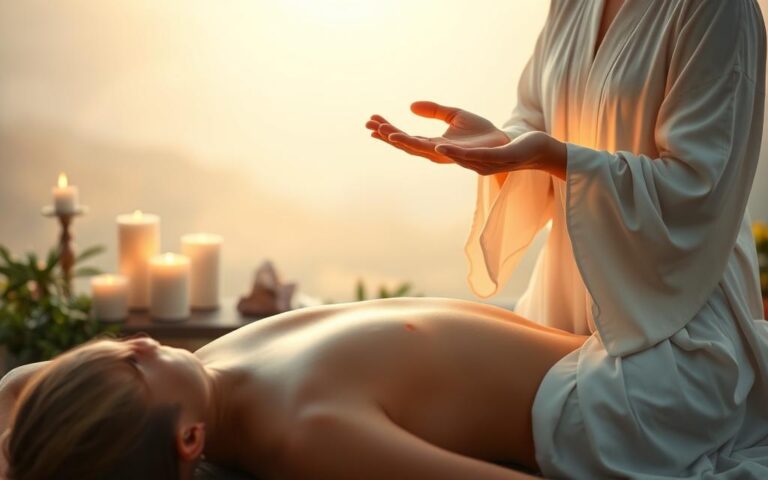
Reiki history

How Reiki Works: The Concept of Universal Life Force Energy

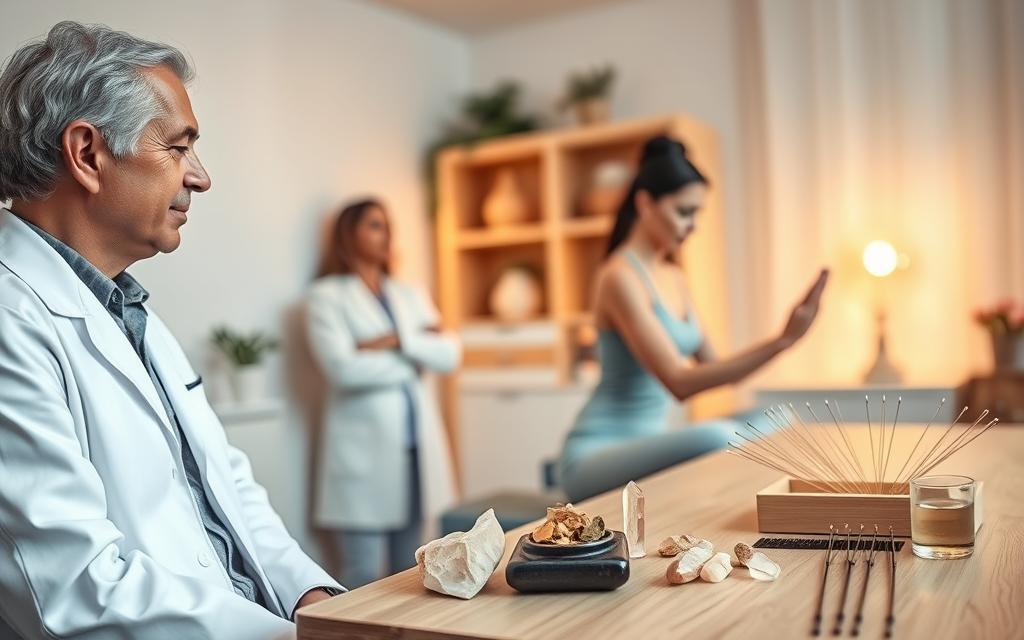
Reiki is a Japanese healing art that believes in a universal life force energy. This energy flows through and around all living beings8. Practitioners use their hands to direct this energy and help balance it in the recipient8.

They place their hands on or just above the person. This helps the energy flow through the practitioner’s crown chakra, down the meridians, and out through the palms9. The energy targets areas of the body that need healing9.

Reiki sessions last 45 to 90 minutes. During this time, the practitioner uses specific hand positions and symbols. These help enhance the energy flow8.

Studies suggest Reiki can reduce pain, anxiety, and stress. It also improves relaxation and well-being8. Practitioners receive initiation and attunement to channel this energy for healing9.

Reiki not only heals individuals but also protects them and their spaces. It cleanses environments and supports animal well-being9. It’s becoming more accepted in hospitals, hospice care, and veterinary medicine. It’s often used alongside other therapies9.
universal life force energy

Reiki Techniques and Practices

Reiki techniques are key to improving energy flow. Practitioners start by centering, stabilizing their energy. This step is crucial for effective energy transfer to the recipient. It prepares the practitioner and boosts the session’s success by clearing energy channels10.

Clearing techniques are also vital. They remove negative energy that hinders healing. This makes way for vitality and health to flow.

Beaming is another common technique. Practitioners send specific energy frequencies to the recipient’s body. This method promotes deep healing and restoration11. The practitioner acts as a bridge, connecting universal energy to the recipient.
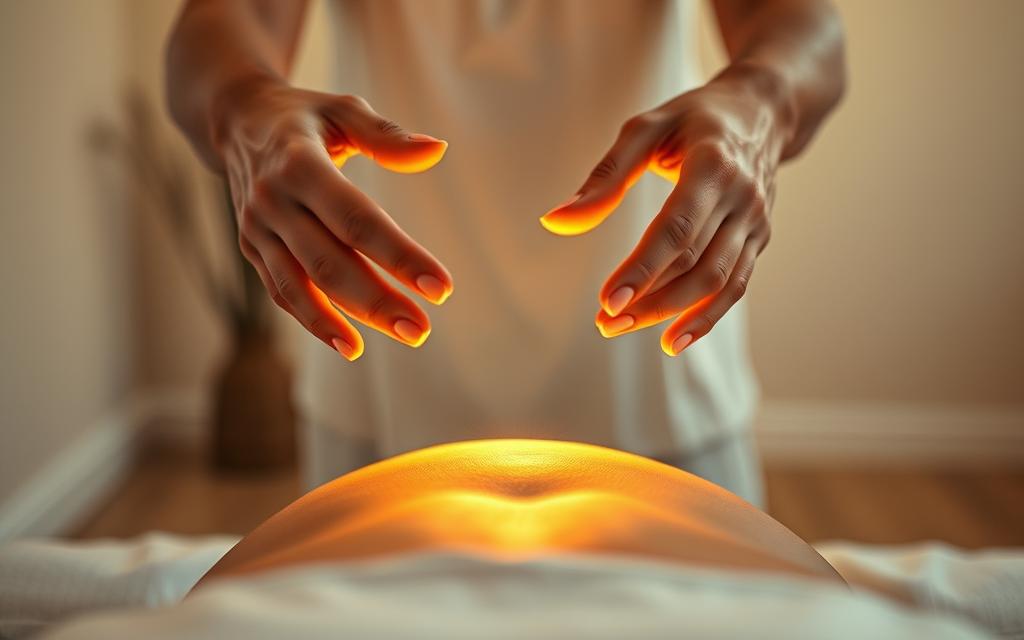
Reiki techniques for energy transfer

Energy Healing: Benefits for Physical Health

Energy healing is based on the idea that imbalanced energy can cause physical problems. This shows it has a solid scientific foundation for its health benefits12. It’s a non-invasive, painless way to help, making it a safe choice for improving sleep, reducing pain, and boosting overall health12.

Studies show that people feel more relaxed after energy healing. They go from feeling an average of M=5.036 before to M=7.86 after, proving its effectiveness with a p-value of .001713.

People also feel more at peace and less anxious after energy healing. This is backed by data showing a rise in well-being from M=5.86 to M=8, with a p-value of .000113. It also helps reduce pain, with people feeling less pain after, going from M=4.0 to M=2.2513.

This shows how energy healing can greatly improve physical health and help people relax. It leads to better health outcomes.

Emotional Benefits of Reiki Healing

Reiki is known for boosting emotional well-being. It uses gentle energy to help people relax deeply. This leads to a calm mind, making it easier to handle tough emotions14.

Many feel calm during Reiki sessions. This calmness helps reduce stress and anxiety14. A 2024 study found Reiki can lessen anxiety, depression, and stress. It supports emotional healing15.

Reiki also helps improve mood. People often feel better emotionally after a session. This shows Reiki’s power in enhancing emotional states.

Reiki goes beyond just relaxing. It helps manage emotional pain from chronic conditions16. A 2024 study with cancer patients showed better sleep and less anxiety before surgery. This highlights Reiki’s holistic benefits15.

In short, Reiki is a safe way to balance emotions. It improves mood and well-being. By adding Reiki to our wellness routine, we gain emotional benefits. This leads to better handling of life’s challenges16.
emotional well-being

Integrating Reiki into Your Wellness Routine

Adding Reiki to our wellness routine can boost our holistic health journey. We can start by doing short Reiki sessions throughout the day. For instance, a few minutes of hands-on Reiki in the morning can help us clear out stagnant energy and set a positive tone for the day17.

As our schedules allow, setting aside time for self-Reiki before bed can help us visualize letting go of stress and negativity. This can lead to better sleep and relaxation17.

We can also use quick Reiki practices during coffee breaks or commutes to tackle specific tension areas. This keeps us in tune with our body’s needs. Combining Reiki with meditation and yoga can greatly boost their effects18.

Using Reiki to charge our food and water with positive energy is a great way to nourish our bodies17.

Studies show that Reiki can reduce pain and anxiety, making it a great addition to traditional medical treatments. It offers comfort without affecting medications19. Regular Reiki practice improves emotional well-being and supports physical health by managing stress18.

Embracing Reiki, we find it works well with other energy healing practices like acupuncture and shiatsu. This allows us to deepen our wellness journey19.
wellness routine

Expectations: What Happens During a Reiki Session

Getting ready for our first Reiki session can be exciting but also a bit nerve-wracking. Knowing what to expect can help ease any worries. A Reiki session usually lasts between 45 minutes to an hour. This gives us plenty of time to relax and let the healing begin20.

The room is set up to help us relax, with soft music and dim lights. We stay in our clothes but take off our shoes, glasses, and big jewelry to feel more comfortable20.

The practitioner makes sure we’re cozy, offering blankets and pillows. We can move around to find the best position for comfort during the session20. We can choose if we want the practitioner to touch us or not, depending on what feels right21.

During the session, we might feel warmth or tingling. These feelings show that the energy is working on us21. The practitioner uses their hands to send energy, helping to clear blockages and bring balance21.

After the session, drinking water is important. It helps our body and mind feel better and supports the healing process20.
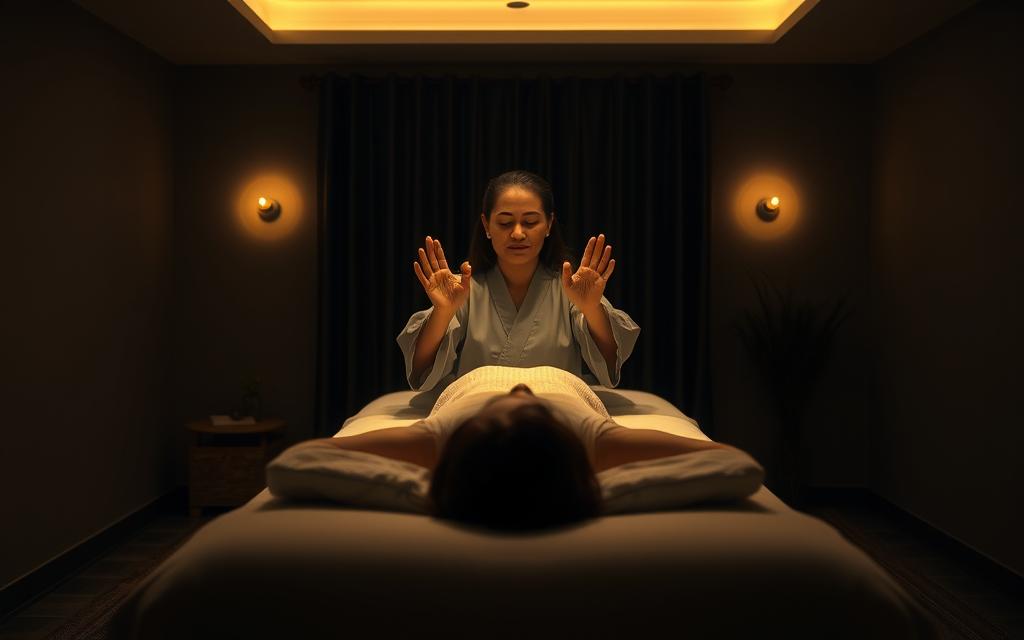
Reiki session experience

Scientific Perspectives on Reiki: Research and Findings

Exploring scientific research on Reiki, we find a mix of curiosity and doubt about its benefits. Recent studies show interesting results on Reiki’s effect on physical relaxation. For example, a study by Witte and Dundes found Reiki better than a placebo in relaxing people. They saw big changes in heart rate and body temperature (n = 25)22.

Another study by Baldwin et al. looked at Reiki’s effects on stressed rats. They found Reiki lowered heart rate and reduced damage in blood vessels. This was seen in multiple trials (n = 4 per group, replicated 3 times)22. These results could help us understand how Reiki might help with stress.

Research by Salles et al. also caught our attention. They found Reiki lowered blood pressure in people. This was compared to sham Reiki and control groups (n = 22 per group)22. These findings add to the growing evidence of Reiki’s health benefits.

Yet, we face big challenges in studying Reiki scientifically. Issues like small sample sizes and inconsistent results make it hard to understand its true effects23. These problems highlight the need for more research to confirm Reiki’s role in therapy.
scientific research Reiki

Reiki in Medical Settings: Acceptance and Application

Reiki is becoming a key part of health care in the U.S. It’s used in over 800 hospitals, with 15% making it a regular service. This shows a big increase in the acceptance of energy healing in medicine24. At Portsmouth Regional Hospital, 20 healthcare workers offer Reiki, giving over 8,000 treatments by 2008. This shows how it’s becoming a routine part of hospital care24.

Hospitals are now mixing Reiki with traditional treatments to improve care. At the California Pacific Medical Center’s Health and Healing Clinic, Reiki helps patients with HIV, pain, and chemotherapy side effects24. Studies have shown Reiki can lower anxiety in patients, which is great for those with chronic illnesses25. A study at Columbia/HCA Portsmouth Regional Hospital found Reiki can also reduce pain and anxiety after surgery. Patients needed less anesthesia and stayed in the hospital less26.

Reiki is also being taught to healthcare workers at places like the University of Michigan. This shows more doctors and nurses are open to energy healing24. By using Reiki in operating rooms and recovery areas, it’s helping to make health care more holistic. This shows that combining traditional and holistic treatments can greatly improve patient care26.
Reiki in medicine

Potential Risks and Ethical Considerations in Reiki

Reiki can be calming, but it’s key to know its risks. Clients might feel emotional or experience physical sensations like tingling during a session27. It’s crucial to remember that Reiki should not replace medical treatments, as it could delay necessary care27.

Practicing Reiki ethically is vital. It’s important for clients and healthcare providers to talk openly, mainly for those with health issues27. Practitioners must follow ethical rules, keep things confidential, and maintain safety27. The lack of standard regulation and certification for Reiki raises concerns about its quality and safety27.

Ethical issues also involve spiritual aspects. The U.S. Conference of Catholic Bishops warns about Reiki, citing its lack of scientific backing and potential conflicts with Christian beliefs28. Some might find Reiki’s spiritual elements clash with their beliefs, causing spiritual distress despite its stress-relieving effects28.

Reiki’s lack of scientific proof means many benefits might be due to the placebo effect29. It’s important to remember that Reiki should not replace medical advice or treatment29. The varying standards for Reiki training and certification also raise ethical concerns about the reliability of treatments29.
Reiki risks and ethical practice

Reiki as a Complementary Therapy

Reiki is a powerful complementary therapy that works well with traditional medicine. It helps us relax and feel better, improving our health. As a form of energy healing, it helps our body heal itself, leading to better physical and emotional health30.

In hospitals and clinics, Reiki is now seen as a valuable addition to medical care. It’s even offered for free or at low cost in places like cancer centers and hospices. This makes it easier for more people to try it out31. Prices for private sessions vary, from £15 to £100 an hour, depending on where you are and who’s doing it31.

The benefits of Reiki go beyond just feeling relaxed. People often say they feel less pain, heal faster, sleep better, and feel clearer emotionally30. It’s open to everyone, no matter their beliefs, as a way to support their healing journey.

Finding a Qualified Reiki Practitioner

Finding the right Reiki practitioner can be tricky. It’s important to know the professional standards in the field. Practitioners can be trained at different levels, with Level II showing they are professionals. Level III means they can teach and offer advanced healing32.

Experience is key, but so is the practitioner’s ability to connect with us. They should understand energy healing well32. Different Reiki types, like Western Usui or Holy Fire, mean we need to find the right match for our needs32.

Looking for a qualified practitioner? Use the IARP (International Association of Reiki Professionals) directories. They list Reiki Practitioners in places like Connecticut and New York33. The IARP follows a Code of Ethics and has strict membership rules33.

When searching, ask about their training and experience. A good practitioner makes you feel at ease32. The IARP Worldwide Reiki Locator can help find a skilled practitioner near you33.

Conclusion

In our journey through energy healing, we’ve seen how Reiki and other methods can boost our health. Reiki helps with physical pain, emotional stress, and spiritual growth34. It shows us that health is more than just the body; it’s about the mind and spirit too.

Studies show Reiki can help with back pain and other long-term issues, making it a good choice alongside regular medicine35. It also improves sleep, helps with emotional issues, and gives us a sense of purpose. This makes it a great option for those looking for a natural healing way.

We encourage you to explore energy healing further. It can work alongside traditional medicine to improve our health. By doing this, we support a more complete view of health, helping us all reach our wellness goals.

FAQ

What is Reiki?

Reiki is a healing method that uses universal energy. It aims to heal the body and mind, remove blockages, and boost well-being.

How does a Reiki session work?

In a Reiki session, the practitioner channels energy through various techniques. The recipient lies down and relaxes. The practitioner moves their hands over the body to help energy flow.

Can anyone benefit from Reiki?

Yes, anyone can benefit from Reiki. It helps with stress, anxiety, pain, and emotional issues. It’s great for anyone looking to improve their health.

Is there scientific evidence supporting Reiki?

Some studies show Reiki can help with pain and stress. But, more research is needed. Many rely on personal experiences to believe in its benefits.

Is Reiki safe?

Reiki is generally safe and has few side effects. But, it shouldn’t replace medical treatments. Always talk to a doctor before trying it.

How do I find a qualified Reiki practitioner?

Look for certified practitioners. Check their experience and read testimonials. This ensures you find a good energy healer.

What can I expect during my first Reiki session?

You’ll talk about your concerns before the session. During it, you might feel warmth or tingling. After, you might feel relaxed and peaceful.

Can Reiki help with emotional issues?

Yes, Reiki can help with stress, anxiety, and emotional healing. It can improve your mood and mental clarity. It’s great for spiritual and holistic healing.

How often should I receive Reiki?

How often depends on your needs. Some get it regularly, while others get it when needed. It’s good for stress or recovery.

What should I do after a Reiki session?

Drink water and rest to enhance the benefits. Mindfulness practices like meditation or yoga can help keep the energy balance.

Source Links

  1. Reiki: How This Energy Healing Works and Its Health Benefits – https://www.everydayhealth.com/reiki/
  2. Reiki: What it is, techniques, benefits, risks, and more – https://www.medicalnewstoday.com/articles/308772
  3. Understanding Reiki: A Comprehensive Exploration of Energy Healing – https://medium.com/@brianchapmanportadown/understanding-reiki-a-comprehensive-exploration-of-energy-healing-911b0966a877
  4. What is Reiki Energy Healing and Do I Need it? — Society Yoga – https://society-yoga.com/blog/what-is-reiki-energy-healing-and-do-i-need-it-f4sew
  5. A skeptic’s guide to understanding Reiki and its benefits – https://www.corrections1.com/health-wellness/a-skeptics-guide-to-understanding-reiki-and-its-benefits
  6. History of Reiki – https://iarp.org/history-of-reiki/
  7. The History of Reiki – https://www.georgianamoncktonreiki.com/the-history-of-reiki.php
  8. Does Reiki Therapy Work? – https://www.verywellhealth.com/reiki-therapy-6362562
  9. Understanding Reiki + Harnessing Life Force Energy | Head + Heart – https://www.headplusheart.com/life-force-energy/
  10. Reiki: Everything You Wanted To Know About Energy Healing – Enlightened Recovery – https://enlightenedrecovery.com/reiki-everything-you-wanted-to-know-about-energy-healing/
  11. Reiki and Energy Healing — Going Beyond the Pink – https://www.goingbeyondthepink.org/blog/reiki-and-energy-healing
  12. 5 Things Everyone Needs to Know About Energy Healing — The Growth and Wellness Therapy Centre | Toronto and Ontario In Person Health and Wellness – https://www.growthwellnesstherapy.com/our-blog/5-things-everyone-needs-to-know-about-energy-healing
  13. Client experiences of virtual energy healing – https://pmc.ncbi.nlm.nih.gov/articles/PMC10212593/
  14. What a Reiki Session Feels Like – https://health.clevelandclinic.org/reiki
  15. What Is Reiki? Benefits and Risks – https://www.healthline.com/health/reiki
  16. Benefits of Reiki: Improving Wellness Through Energy Healing – https://www.massageliabilityinsurancegroup.com/blog/benefits-of-reik/
  17. How to Integrate Reiki into Your Self-Care Routine – https://sherries-holistic-healing.com/blog/how-to-integrate-reiki-into-your-self-care-routine
  18. How to Incorporate Reiki for Stress Reduction in Your Wellness Routine – https://gaea-naturals.com/blogs/news/how-to-incorporate-reiki-for-stress-reduction-in-your-wellness-routine
  19. How to Incorporate Reiki Therapy into Your Holistic Wellness Routine – https://theherbalacademy.com/blog/incorporate-reiki-therapy/?srsltid=AfmBOoqXPZR1yaNjvrlJIVrc6qSNHFQUMueebujXJ2ILFuX5y-Tqik4P
  20. Helene Williams Reiki — What to Expect From Your First Reiki Session – https://www.helenewilliamsreiki.com/blog/2019/3/3/what-to-expect-from-your-first-reiki-session
  21. Reiki Energy Healing, Benefits, What to Expect, How It Works – https://precisionhealing.org/reiki-energy-healing-what-is-it-how-it-works/
  22. Reiki Is Better Than Placebo and Has Broad Potential as a Complementary Health Therapy – https://pmc.ncbi.nlm.nih.gov/articles/PMC5871310/
  23. LWWJ340-01.tex – https://www.uclahealth.org/sites/default/files/documents/Integrative_Review_of_Reiki_Research.pdf
  24. Reiki In Hospitals – https://www.reiki.org/articles/reiki-hospitals
  25. Therapeutic effects of Reiki on interventions for anxiety: a meta-analysis – https://pmc.ncbi.nlm.nih.gov/articles/PMC11170819/
  26. Reiki in the Clinical Setting – https://iarp.org/reiki-clinical-setting/
  27. Is Reiki Safe? Discover Energy Healing Risks & Rewards – https://www.massageliabilityinsurancegroup.com/reiki/safe/
  28. The Dangers of Reiki – https://www.catholic.com/magazine/print-edition/the-dangers-of-reiki
  29. Review of Reiki: The Pros and Cons – Golden Pen Empower Mature Health Blog – https://goldenpenllc.com/review-of-reiki-the-pros-and-cons/
  30. Reiki: Energy Work as Complementary Therapy – Heaven & Health – https://heavenhealthllc.com/news/reiki-energy-work-as-complementary-therapy/
  31. Reiki and cancer – https://www.cancerresearchuk.org/about-cancer/treatment/complementary-alternative-therapies/individual-therapies/reiki
  32. Finding the Right Reiki Master or Reiki Practitioner For You – https://www.starchaser-healingarts.com/finding-the-right-reiki-practitioner-or-reiki-master-for-you/
  33. Regional Reiki Practitioners and Teachers Near You – https://iarp.org/regional-reiki-practitioners-and-teachers-near-you/
  34. What Is Energy Healing? – https://www.quantum.spa/blog/healing-4/what-is-energy-healing-13
  35. Energy therapy: What it is, types, and uses – https://www.medicalnewstoday.com/articles/energy-therapy


what are the 5 most common mental disorders?

Mental health is key to our overall well-being. Yet, it’s often misunderstood and carries a stigma.

Learning about prevalent mental illness can help break down these barriers. It creates a more supportive space for those affected.

Mental disorders affect more people than we think. They touch lives from all backgrounds.

By diving into the most common mental disorder, we gain insight. This insight highlights the need to tackle these issues head-on.

Key Takeaways

  • Understanding prevalent mental illnesses is crucial for fostering a supportive environment.
  • Mental disorders are more prevalent than often realized.
  • Knowledge about common mental disorders can help in addressing them effectively.
  • There’s a significant impact of mental health on overall well-being.
  • Reducing stigma around mental health is essential.

Understanding Mental Health Disorders

It’s key to understand mental health disorders to tackle their complexities. These conditions are a big public health issue in the U.S., affecting many people.

Definition and Prevalence of Mental Disorders

Mental health disorders cause big problems with thoughts, feelings, or actions. They lead to distress or make it hard to function in daily life. These issues can be mild or severe, like anxiety, depression, or bipolar disorder.

How Mental Disorders Are Classified

Mental disorders are sorted using the DSM-5. This guide helps doctors diagnose and treat these conditions well.

Statistical Overview of Mental Health in America

Almost one in five adults in the U.S. has a mental illness each year. This shows we need more awareness and access to mental health care.

Mental Health Disorder Prevalence (%) Impact on Daily Life
Anxiety Disorders 19.1% Significant impairment in social and occupational functioning
Major Depressive Disorder 7.1% Impaired daily functioning, increased risk of suicide
Bipolar Disorder 2.6% Significant mood fluctuations, impacting daily life and relationships

The Impact of Mental Health Conditions on Daily Life

Mental health issues can deeply affect daily life. They can make it hard to work, keep relationships, and do everyday tasks.

Functional Impairments and Quality of Life

Mental health disorders can cause big problems in daily life. They can make it hard to keep a job, hurt personal relationships, and lower overall happiness.

Social and Economic Consequences

The social and economic effects of mental health disorders are huge. They lead to big healthcare costs, lost work time, and hurt families and communities.

The 5 Most Common Mental Disorders in the United States

It’s important to know about common mental health issues. These conditions can really affect someone’s life. They impact how well a person can live and enjoy life.

Overview of Prevalence Statistics

In the U.S., many people deal with mental health problems. About one in five adults face mental illness each year. This shows how widespread these issues are.

Age and Gender Differences in Prevalence

Young adults face mental health issues more than older ones. Women are more likely to have depression and anxiety than men. These differences show how mental health can vary by age and gender.

Changing Trends in Mental Health Diagnoses

Some mental health conditions are becoming more common. Anxiety and depression are on the rise, especially among the young. This change highlights the need for better support and understanding.

Factors Contributing to Mental Health Disorder Development

Many things can lead to mental health problems. Genetics, biology, environment, and social factors all play a part. Understanding these can help us tackle mental health issues more effectively.

Genetic and Biological Factors

Genetics can make some people more prone to mental health issues. Imbalances in brain chemicals also contribute. These biological aspects are key to understanding mental health.

Environmental and Social Determinants

Things like money status and stress can affect mental health. Having a strong support system and access to resources is also important. These social factors greatly influence mental well-being.

Trauma and Adverse Life Events

Going through trauma or hard times can raise the risk of mental health problems. This includes abuse, losing someone close, or facing big stressors. These experiences can have a lasting impact.

prevalent mental health condition

Factor Description Impact
Genetic Predisposition to mental health conditions High
Environmental Exposure to stress and socioeconomic factors Moderate to High
Trauma Experiencing adverse life events High

Anxiety Disorders: The Most Common Mental Disorder Category

Anxiety disorders are very common today. They can make life hard, making simple tasks and socializing tough.

Types of Anxiety Disorders

Anxiety disorders include many conditions, each with its own traits.

Generalized Anxiety Disorder

Generalized Anxiety Disorder (GAD) is about constant worry about everyday things. This worry is not based on real reasons.

Social Anxiety Disorder

Social Anxiety Disorder makes people fear being judged or embarrassed in social settings. This fear often leads to avoiding social situations.

Panic Disorder and Specific Phobias

Panic Disorder causes frequent panic attacks. Specific Phobias are intense fears of certain objects or situations.

Recognizing Anxiety Disorder Symptoms

Anxiety disorder symptoms can affect both the body and mind.

Physical Manifestations of Anxiety

Physical symptoms include a fast heartbeat, sweating, trembling, and shortness of breath. These symptoms can be very distressing and disrupt daily life.

Cognitive and Behavioral Symptoms

Cognitive and behavioral symptoms include constant worry, fear, avoiding certain situations, and trouble concentrating. These symptoms can really interfere with daily life.

anxiety disorders

Treatment Approaches for Anxiety

There are many effective treatments for anxiety disorders.

Cognitive Behavioral Therapy Techniques

Cognitive Behavioral Therapy (CBT) is a very effective treatment. It helps people change negative thought patterns and behaviors.

Medication Options and Effectiveness

Medications like antidepressants and benzodiazepines can also help manage anxiety symptoms. The right medication depends on the person’s specific needs and how severe their condition is.

Treatment Approach Description Effectiveness
Cognitive Behavioral Therapy (CBT) Helps individuals identify and change negative thought patterns and behaviors. Highly effective for many individuals.
Medications (Antidepressants, Benzodiazepines) Can help manage anxiety symptoms. Effective, but choice depends on individual needs and condition severity.

Major Depressive Disorder: Signs and Management

It’s important to know about Major Depressive Disorder (MDD) to spot its signs and manage it well. MDD is a big mental health issue that affects many people worldwide. It causes a lot of distress and makes daily life hard.

Identifying Depression Symptoms

Depression symptoms can differ from person to person. But they often include emotional, cognitive, physical, and behavioral changes.

Emotional and Cognitive Symptoms

Feeling sad, hopeless, and not enjoying things you used to love are common emotional symptoms. You might also find it hard to focus, make decisions, or remember things.

Physical and Behavioral Changes

Physical symptoms can be changes in appetite or sleep, feeling tired, or having headaches. Behavioral symptoms might be pulling back from social activities or doing less than usual.

Risk Factors for Depression

There are several things that can make you more likely to get depression.

Biological Vulnerabilities

Genetics and neurochemical imbalances can increase your risk of depression.

Psychosocial Risk Factors

Stressful events, trauma, and feeling isolated can also lead to depression.

Effective Treatment Strategies

There are many ways to manage depression effectively.

Psychotherapy for Depression

Talk therapy can help you understand and deal with depression. It helps you face underlying issues and find ways to cope.

Antidepressant Medications

Medications can help balance brain chemicals, which can reduce depression symptoms.

Lifestyle Modifications and Support

Changing your lifestyle, like exercising regularly, eating well, and sleeping enough, can help your mental health. Having a supportive family and friends is also key.

Major Depressive Disorder is a common mental illness that needs a full approach to manage. Knowing its symptoms, risk factors, and treatment options helps on the path to recovery.

depression symptoms

Bipolar Disorder: Understanding Mood Fluctuations

Bipolar disorder affects millions worldwide. It’s known for extreme mood swings. These include highs (mania or hypomania) and lows (depression).

bipolar disorder

Types of Bipolar Disorder

Bipolar disorder is not just one condition. It’s a range of disorders with different types.

Bipolar I vs. Bipolar II

Bipolar I disorder has severe manic episodes that might need hospital care. Bipolar II disorder has depressive and hypomanic episodes but no full manic episodes.

Cyclothymia and Other Specified Bipolar Disorders

Cyclothymia, or cyclothymic disorder, has hypomanic and depressive symptoms for two years. Other bipolar disorders are diagnosed when symptoms don’t fit other types.

Recognizing Manic and Depressive Episodes

Knowing the signs of manic and depressive episodes is key to managing bipolar disorder.

Signs of Mania and Hypomania

  • Increased energy and activity levels
  • Reduced need for sleep
  • Poor decision-making and impulsive behavior

Depressive Episode Characteristics

Depressive episodes in bipolar disorder are similar to major depressive disorder. They include:

  1. Persistent feelings of sadness or hopelessness
  2. Loss of interest in activities once enjoyed
  3. Changes in appetite or sleep patterns

Treatment and Stabilization Approaches

Managing bipolar disorder requires medication, psychotherapy, and lifestyle changes.

Mood Stabilizers and Antimanic Medications

Mood stabilizers, like lithium, are used to treat bipolar disorder. Antimanic medications help reduce manic episodes.

Psychotherapy for Bipolar Management

Psychotherapy, including CBT and family-focused therapy, helps manage symptoms. It improves quality of life.

Creating Stability Through Routine

Having a daily routine helps stabilize mood. It includes regular sleep, healthy eating, and exercise.

Post-Traumatic Stress Disorder (PTSD): Beyond Trauma

PTSD is a complex condition that happens after a traumatic event. It affects a person’s daily life a lot. It’s important to know its triggers, symptoms, and how to treat it.

PTSD

PTSD Triggers and Symptoms

PTSD symptoms can vary a lot. They are usually divided into three main types. Knowing these symptoms helps in diagnosing and managing the condition.

Re-experiencing Symptoms

People with PTSD might have flashbacks or nightmares about the traumatic event. It feels like the trauma is happening again.

Avoidance and Numbing Responses

Those with PTSD might avoid things that remind them of the traumatic event. They might also feel emotionally numb, making it hard to connect with others.

Hyperarousal and Reactivity Changes

Hyperarousal symptoms include trouble sleeping, concentrating, and being easily startled. These show the body’s constant alertness.

Risk Factors and Vulnerable Populations

Some factors can make it more likely to develop PTSD. Knowing these can help prevent and treat it early.

Trauma Types and PTSD Development

The type and severity of the traumatic event matter a lot in PTSD development. More disturbing or long-lasting events are more likely to cause PTSD.

Protective Factors Against PTSD

Having strong social support and good coping skills can protect against PTSD after a traumatic event.

Evidence-Based Treatment Options

Effective treatment for PTSD includes therapies and sometimes medication.

Trauma-Focused Psychotherapies

Therapies like Cognitive Behavioral Therapy (CBT) and Eye Movement Desensitization and Reprocessing (EMDR) help process trauma. They are effective in treating PTSD.

Medication and Integrated Approaches

Medications like antidepressants can help manage PTSD symptoms. Using therapy and medication together can work best.

Schizophrenia: Misconceptions and Reality

Schizophrenia is a serious mental health disorder that needs a clear understanding. It affects millions of people worldwide, posing a big challenge for everyone involved.

Early Warning Signs of Schizophrenia

Spotting schizophrenia early is key to helping people. It starts with small changes in how someone acts and thinks.

Prodromal Phase Symptoms

In the early stages, people might notice mild cognitive disturbances. These can include trouble focusing and remembering things. It’s hard to diagnose early because these signs are not always clear.

Cognitive Changes and Social Withdrawal

As schizophrenia gets worse, cognitive changes become more obvious. People might start to pull away from others. This could be a way to cope or because the disorder affects how they see social situations.

Understanding Psychotic Symptoms

Psychotic symptoms are a key part of schizophrenia. They include both positive and negative symptoms.

Positive Symptoms: Hallucinations and Delusions

Hallucinations and delusions are positive symptoms. They add to what someone experiences, making reality seem distorted. These symptoms can be very upsetting and make everyday tasks hard.

Negative Symptoms and Cognitive Impairments

Negative symptoms like feeling disconnected and cognitive problems affect life quality. These include issues with attention and memory.

Treatment and Support Systems

Managing schizophrenia needs a mix of treatments. This includes medicine, therapy, and support from others.

Antipsychotic Medications

Antipsychotic medications are a main treatment. They help control symptoms. They work best when used regularly as part of a complete treatment plan.

Psychosocial Interventions

Psychosocial interventions like therapy and family support are vital. They help with recovery and improve life quality.

Family Education and Support

Teaching families about schizophrenia and offering support is crucial. It helps them understand the condition, manage it, and deal with their own feelings.

schizophrenia awareness

How to Identify Mental Health Disorders in Yourself

Self-assessment is a powerful tool for spotting mental health issues early. By noticing changes in your thoughts, feelings, and actions, you can seek help if needed.

Self-Assessment Techniques

Self-assessment helps you understand your mental health. It means being aware of your emotional and psychological state.

Recognizing Changes in Thoughts and Feelings

Watch for feelings of sadness, anxiety, or hopelessness. Noticing changes in your thought patterns, like more negativity or trouble focusing, is key.

Monitoring Behavioral and Physical Changes

Changes in appetite, sleep, or energy can signal mental health issues. Monitoring your behavior and physical health is vital for self-assessment.

self-assessment techniques

When to Seek Professional Help

Knowing when to seek help is crucial. If you notice big changes in your mental or physical state, get professional advice.

Warning Signs That Require Immediate Attention

Thoughts of self-harm or suicide are serious. Seeking help from a mental health expert or crisis hotline is vital.

“The greatest wealth is health.” – Virgil

Overcoming Barriers to Seeking Help

Fear of stigma or judgment can stop you. Understanding that seeking help is a sign of strength, not weakness, can help you overcome these fears.

By being proactive and aware of your mental health, you can take steps to maintain your well-being.

Recognizing Mental Health Disorders in Loved Ones

The journey to support a loved one with a mental health disorder starts with noticing small changes in their behavior and mood. Spotting these changes early can greatly help their recovery.

Behavioral Changes to Watch For

Mental health disorders show up in different ways. It’s key to know the behavioral signs that a loved one might be struggling.

Changes in Daily Functioning and Habits

Changes in daily habits, like sleep, appetite, or personal hygiene, can hint at mental health issues. Watching for these changes is crucial for early detection.

Social Withdrawal and Relationship Changes

Stepping back from social life, losing interest in activities, or having trouble with relationships are also signs. It’s important to be empathetic when noticing these changes.

Approaching Conversations About Mental Health

When talking about mental health with loved ones, creating a supportive and non-judgmental space is key.

Creating a Safe Space for Discussion

Creating a safe space means being understanding, patient, and open-minded. It lets loved ones share their feelings without fear of being judged.

“The most important thing in communication is to hear what isn’t being said.” – Peter Drucker

Offering Support Without Judgment

Supporting loved ones without judgment means being there for them, listening well, and not criticizing. This support can greatly aid their recovery.

supporting loved ones with mental health disorders

The Diagnosis Process for Mental Health Conditions

Getting a proper diagnosis is key to treating mental health issues. A mental health expert will do a detailed check to figure out the exact condition and how severe it is.

What to Expect During Mental Health Evaluations

When you get checked for mental health, you’ll talk about your symptoms, past health, and life experiences. This helps experts understand your condition and find the best way to help you.

Initial Assessment and Intake Procedures

The first step is a detailed chat with a mental health pro. They want to know about your symptoms, health history, and background. This is important to get a clear picture of your situation.

Follow-up Evaluations and Specialist Referrals

More checks might be needed to see how you’re doing or to change your treatment plan. Sometimes, you might need to see a specialist like a psychiatrist or psychologist for more specific help.

Common Diagnostic Tools and Assessments

Experts use different tools and tests to diagnose mental health issues. These tools help figure out how serious the condition is and create a treatment plan just for you.

Clinical Interviews and Questionnaires

Talking to a professional is a main way to assess your situation. They also use set questionnaires and tests to measure symptom severity and track changes.

Psychological Testing and Differential Diagnosis

Psychological tests might be used to check your thinking, feelings, and actions. Differential diagnosis helps rule out other possible causes to make an accurate diagnosis.

mental health diagnosis process

The diagnosis process is vital for tackling mental health issues. Knowing what to expect and the tools used can help you understand your mental health journey better.

Treatment Options for Common Mental Disorders

Effective treatment options are key for managing common mental disorders. They help improve the quality of life for those affected. Treatment plans are tailored to the individual’s needs and may combine different approaches.

Psychotherapy Approaches

Psychotherapy, or talk therapy, is a mainstay in treating many mental health conditions. It involves working with a trained therapist to explore and understand feelings, thoughts, and behaviors.

Individual Therapy Modalities

Individual therapy modalities, such as Cognitive Behavioral Therapy (CBT) and Psychodynamic Therapy, offer personalized support. CBT focuses on changing negative thought patterns. Psychodynamic Therapy explores the underlying causes of thoughts and behaviors.

Group and Family Therapy Benefits

Group therapy provides a supportive environment where individuals can share experiences and learn from others. Family therapy involves the whole family in the therapeutic process. It helps improve communication and resolve conflicts.

Medication Management

For many mental health conditions, medication is an effective treatment option. Medications can manage symptoms, reduce episode severity, and improve functioning.

Finding the Right Medication

Finding the right medication involves working closely with a healthcare provider. They identify the most appropriate medication and dosage. This process may involve trial and error, along with regular monitoring.

Managing Side Effects and Monitoring Progress

Managing side effects is crucial to ensure medication benefits outweigh drawbacks. Regular check-ins with a healthcare provider help monitor progress and adjust the treatment plan as needed.

“The goal of treatment is to help the individual manage their symptoms, improve their quality of life, and achieve their personal goals.”

— American Psychological Association

Alternative and Complementary Treatments

Alternative and complementary treatments can play a valuable role in mental health care. These approaches can reduce stress, improve mood, and enhance overall well-being.

Mindfulness and Stress Reduction Techniques

Mindfulness practices, such as meditation and deep breathing, can reduce stress and promote relaxation. These techniques can enhance the effectiveness of other treatments.

Lifestyle Interventions and Holistic Approaches

Lifestyle interventions, including regular exercise, a balanced diet, and adequate sleep, are essential for good mental health. Holistic approaches, such as acupuncture and yoga, can also contribute to overall wellness.

Treatment Approach Description Benefits
Psychotherapy Talk therapy with a trained therapist Personalized support, improved coping skills
Medication Management Use of medications to manage symptoms Symptom reduction, improved functioning
Mindfulness and Stress Reduction Practices like meditation and deep breathing Reduced stress, enhanced relaxation

Living Well: Managing Mental Health Long-Term

Long-term mental wellness comes from a mix of professional help, self-care, and a supportive community. It’s about using a variety of methods to manage mental health over time.

Creating a Mental Health Maintenance Plan

Creating a detailed mental health plan is key for lasting well-being. This plan should fit the person’s unique needs and life situation.

Developing Coping Strategies

Good coping strategies are vital for handling stress and keeping mental health strong. Mindfulness, meditation, and cognitive-behavioral therapy are great tools.

Recognizing and Responding to Warning Signs

Knowing the early signs of mental health problems is crucial. It helps in acting fast and stopping symptoms from getting worse.

Lifestyle Factors That Support Mental Wellness

Lifestyle choices greatly help mental wellness. A healthy lifestyle boosts resilience and mental health.

Sleep, Nutrition, and Exercise

Enough sleep, a healthy diet, and regular exercise are basic for mental wellness. They greatly affect mood and mental health.

Keeping social connections and doing meaningful activities is also important. Social support and activities that give a sense of purpose help a lot in long-term mental health.

By adding these strategies to daily life, people can manage their mental health better. This improves their overall life quality.

Mental Health Resources and Support Systems

Having access to good mental health resources and support is key. These help people deal with mental health issues. They offer both quick help and long-term plans for managing mental health.

Professional Mental Health Services

Professional mental health services are vital for good care. They include:

  • Psychotherapy sessions with licensed therapists
  • Psychiatric care for medication management
  • Specialized programs for specific mental health conditions

Finding the Right Mental Health Provider

Finding the right mental health provider is important. Look at:

  • Specialization in your specific mental health condition
  • Therapeutic approach (e.g., CBT, psychodynamic therapy)
  • Insurance coverage and payment options

Navigating Insurance and Payment Options

Knowing your insurance and payment options can help. Many providers offer:

  • Sliding scale fees based on income
  • Payment plans to spread costs over time
  • Acceptance of various insurance plans

Community and Online Support Options

Support groups offer a sense of community and understanding. You can find them:

  • In-person through local mental health organizations
  • Online through forums and social media groups
  • Through peer support programs

Crisis Services and Hotlines

For immediate help in a crisis, there are hotlines and services. For example:

  • National Suicide Prevention Lifeline
  • Crisis text lines
  • Emergency room services for acute mental health needs

These resources are crucial for support during tough times. They make sure people get the help they need.

Conclusion

Mental health is key to our overall well-being. Many people in the U.S. struggle with common mental disorders. These include anxiety, depression, bipolar disorder, PTSD, and schizophrenia.

It’s important to know the signs of these conditions early. This helps in getting the right treatment. There are many ways to manage these disorders, like therapy, medication, and alternative therapies.

Having a plan for mental health is crucial. Lifestyle choices that support mental wellness are also important. Professional help, community support, and online resources are vital for managing mental health.

In summary, dealing with mental health issues needs a full approach. This includes being aware, acting early, and getting ongoing support. By working together, we can create a better environment for those with mental health conditions.

FAQ

What is the most common mental disorder?

Anxiety disorders are the most common mental health issue. They affect many people at some point in their lives.

What are the symptoms of anxiety disorders?

Symptoms include physical signs like a fast heartbeat and sweating. They also include feelings of worry and fear.

How are mental health disorders diagnosed?

Doctors use interviews, questionnaires, and tests to diagnose mental health issues. They aim to find the right treatment.

What are the treatment options for common mental disorders?

Treatments include therapy like cognitive-behavioral therapy and medication. Mindfulness and stress reduction are also helpful.

How can I identify mental health disorders in myself or loved ones?

Look for changes in thoughts, feelings, and actions. Be aware of signs that show you or someone else might need help.

What lifestyle factors support mental wellness?

Good sleep, a healthy diet, and exercise are key. So are social connections and activities that bring joy.

Where can I find mental health resources and support systems?

Look for help through professional services, support groups, and online resources. Crisis services and hotlines are also available.

What is the importance of creating a mental health maintenance plan?

A mental health plan helps manage your well-being. It includes strategies for coping and recognizing early signs of trouble.

The Power of Reflexology: How Foot Massage Can Improve Your Health

In today’s fast-paced world, many of us are looking for ways to relax and connect with our bodies. It’s amazing how a simple foot massage can boost our health and well-being. Reflexology, an ancient practice, is a proven relaxation technique that relieves tension and boosts wellness.

When we treat ourselves to a soothing foot massage, we embrace a holistic approach. This approach can lower stress, manage pain, and improve health conditions. Studies show that reflexology reduces stress and promotes relaxation, helping us stay calm in our busy lives1.

By learning about the health benefits of foot massage, we see its value in self-care. It’s a simple yet powerful act that can make a big difference in our lives.

Key Takeaways

  • Reflexology promotes relaxation and reduces stress effectively.
  • Foot massage can alleviate pain and enhance physical well-being.
  • It serves as a complementary therapy for various health issues.
  • Regular foot massages can improve overall health and wellness.
  • Self-care through foot massage is accessible for everyone.

What is Reflexology?

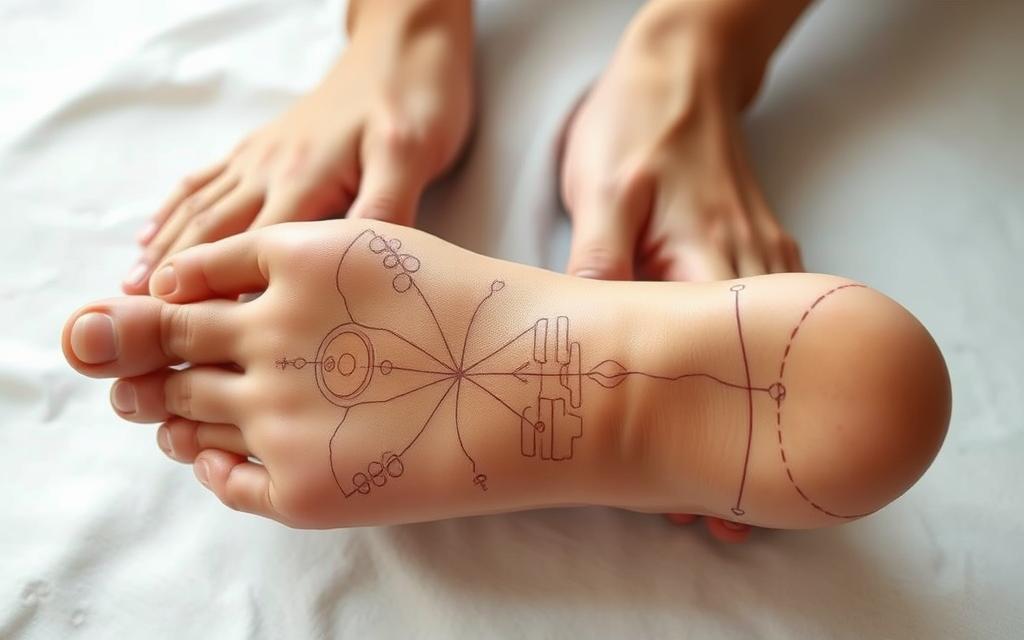
Reflexology is a holistic practice that focuses on applying pressure to certain foot areas. It’s based on the belief that different meridian points in the feet link to various organs and systems in our body2. People who support foot reflexology think that by stimulating these points, it can help heal other body issues, improving our overall health2.

This idea of a deep body connection makes reflexology more than just a treatment. It’s a way to find relaxation and balance.

Even though many find foot reflexology calming, there’s not much scientific proof of its benefits2. Researchers are still studying how reflexology works and its health advantages. They’re finding new things about this interesting field2.

By trying this ancient practice, we can help improve our health and well-being. Foot massage, for example, can ease foot pain and boost foot health. It uses techniques like kneading and rolling to focus on different parts of the foot3.

Doing foot massage often can also improve blood flow and reduce stress. This can make our lives better overall4.

Understanding Foot Reflexology’s History

Foot reflexology has ancient roots, dating back to 2500 BC in Egypt. Wall paintings and papyri show early foot treatments5. Ancient Chinese, Japanese, and Indian practices also highlight the importance of the feet in healing5.

In ancient Greece, reflexology was part of wellness at health spas like “The Delphi”5. It was used alongside massage and hydrotherapy.

During the Middle Ages, foot manipulation became more common. The sculptor Cellini used pressure techniques on hands and feet5. In the early 20th century, Dr. William H. Fitzgerald developed Zone Theory, linking pressure points to organs6.

Dr. Edwin Bowers worked with Fitzgerald, showing how pressure could numb areas6.

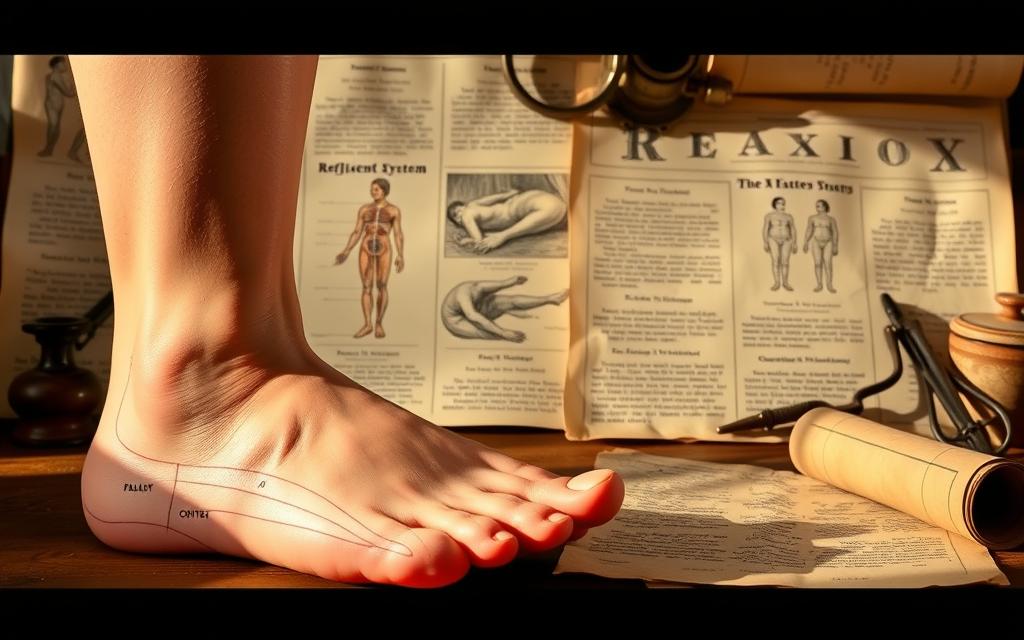
history of foot reflexology

Eunice D. Ingham, with Shelby Riley, mapped reflex points on the feet. She renamed Zone Therapy to Reflexology6. Ingham focused on hands and feet for pressure, shaping modern reflexology6.

By the mid-20th century, reflexology started gaining ground in the U.S. The International Institute of Reflexology supported its education and practice7.

Today, we value reflexology’s rich history and its role in modern healing and alternative therapies.

The Health Benefits of Foot Massage

Foot massage is great for our health. It makes our feet feel better by easing tension and stiffness. This can stop problems like plantar fasciitis and bunions8. It also makes us feel calm and happy, which lowers blood pressure9.

Foot massage can also help with nausea and pain. It targets special spots on our feet to manage pain8.

Getting regular foot massages boosts blood flow. This makes us feel less discomfort and move better8. It also helps get rid of swelling by removing extra fluids8. Plus, it helps heal heel pain and prevents injuries to our feet and ankles8.

Foot massages can also help with PMS and menopause symptoms. They ease headaches and migraines by relaxing tension8. They even boost our immune system by improving lymph fluid flow8.

We should make foot massage a part of our self-care. It helps us sleep better by relaxing us and releasing happy hormones8. It also improves blood flow and nutrient delivery to our body’s cells and organs9. This not only makes us feel better physically but also emotionally by balancing stress hormones9.

health benefits of foot massage

How Foot Massage Promotes Relaxation

Getting a foot massage is a great way to relax and improve our well-being. Studies show that foot massages work on pressure points, calming our nervous system and boosting our mental health10. They target special spots on our feet to ease tension, making us feel calm and reducing anxiety11.

We’ve seen how regular foot massages help us deal with daily stress. They help us stay calm and focused10.

Foot massages do more than just relax us in the moment. They improve blood flow, making our feet feel alive and releasing happy chemicals in our body11. They also help people sleep better, easing insomnia and improving sleep quality10. This simple act can also help manage mood swings and emotional stress, improving our mental health and relaxation10.

foot massage relaxation technique

The Role of Reflexology in Stress Relief

The modern world can be overwhelming, affecting our emotional balance. Reflexology is a powerful tool for stress relief. It targets the feet, which have over 7,200 nerve endings. By applying pressure, we stimulate areas linked to internal organs, like the big toe for the head and neck. This can lead to better relaxation and well-being12.

Studies show reflexology reduces tension and boosts health. Regular sessions can make us feel better and help manage stress-related health issues13. This therapy promotes calm, helping us deal with daily challenges. Through reflexology, we can find emotional balance in our busy lives.

reflexology stress relief

Foot Reflexology Techniques

Adding foot reflexology to our self-care routine can boost our well-being. Whether we do it at home or get a professional session, reflexology has many ways to help. Knowing these methods lets us enjoy the many benefits of this ancient practice.

Basic Techniques for Self-Care

At home, we can use simple foot reflexology techniques to relax and reduce stress. Pressing certain points, like the big toes for headaches or the feet’s balls for chest pain, can help ease tension and pain14. The instep area is good for stomach issues, and the feet’s outer edges help loosen tight muscles14.

To make our self-care better, we can create a calm space with soft lights and soothing music. Remember to drink water after to get rid of toxins and avoid alcohol for best results14.

Professional Reflexology Sessions

Going to a certified reflexologist means getting more advanced techniques. Unlike simple self-care, a pro session uses special methods like thumb-and-finger walking and rotating-on-a-point15. These methods focus on specific areas of the feet and hands15.

Reflexologists get a lot of training, at least 300 hours, to make sure they treat you right15. The American Reflexology Certification Board makes sure they pass a tough exam. This shows they know how to give top-notch care15.

foot reflexology techniques

Foot Massage for Pain Management

Foot massage is a powerful way to manage pain. Studies show it can help with chronic pain from arthritis and fibromyalgia. People have found relief with specific foot massage techniques.

A 2024 study found reflexology can also reduce low back pain. This shows its value in different medical settings16. Techniques like thumb pressure and kneading improve blood flow and relaxation17.

The pressure in foot massage eases pain and releases endorphins, our natural pain relievers18. This helps reduce discomfort and boosts overall health. It also improves circulation, bringing nutrients and aiding in healing18.

foot massage for pain management

Many with chronic conditions have found foot massage helpful. It combines gentle stretching and pressure to ease muscle tension. Regular foot massage can be a great addition to traditional pain management.

Technique Benefits
Thumb Pressure Stimulates blood flow and releases tension.
Kneading Relieves tightness and promotes relaxation.
Arch Massage Alleviates tension, specially for plantar fasciitis.
Toe Massage Promotes relaxation and eases foot pain.

Improving Digestion with Foot Reflexology

Foot reflexology can greatly improve digestion by focusing on reflex points linked to our digestive system. These points cover the stomach, intestines, liver, and diaphragm. This makes reflexology very effective for better stomach health19. By pressing these points, we can reduce pain and swelling, helping our digestion work better19.

Reflexology also boosts blood flow, ensuring nutrients reach our digestive organs efficiently. This helps in healing and improving their function19.

Bloating and indigestion are common digestive issues. Bloating feels like your stomach is full, with discomfort and gas20. Indigestion causes upper stomach pain, often after eating, due to what we eat and how we eat it20. Symptoms include stomach pain, belching, and nausea. If these symptoms last, it’s important to see a doctor20.

In our reflexology sessions, we target the solar plexus reflex point, below the foot’s ball. We use special techniques to relax and boost digestion21. For example, we teach how to place thumbs and breathe to work these points well. Walking on the big toe and pressing other areas can also help with ulcers and bloating21.

digestion reflex points foot reflexology

Foot Reflexology and Sleep Improvement

Improving sleep quality is key for our health. Foot reflexology is a promising way to better sleep, even for those with sleep disorders. A study with 69 elderly men showed that weekly foot massages improved sleep quality. The Pittsburgh Sleep Quality Index (PSQI) showed a P-value of 0.0122.

Reflexology helps with insomnia and restless sleep by promoting relaxation. It can relieve chronic pain like lower back pain and menstrual cramps, which can disrupt sleep23. It also lowers cortisol levels, helping us relax and sleep better24.

Reflexology does more than just massage the feet. It releases endorphins, which are natural painkillers and mood boosters. This makes it a great holistic therapy for sleep disorders24. Adding reflexology to our routine can greatly improve our well-being. It helps us relax and sleep better, leading to a better quality of life.

sleep improvement

Enhancing Circulation through Foot Massage

Foot massage is a great way to improve circulation and boost foot health. We often forget how important blood flow is, even in our feet. Poor circulation can cause serious problems like ulcers and amputations, which is a big risk for people with diabetes25.

Using techniques like the WarmFeet method can really help our blood flow. This means better blood flow to our skin and feet25.

Regular foot massage relaxes our muscles and helps with lymphatic drainage. A 2014 study from the University of Illinois Chicago showed that foot massage boosts blood flow and reduces muscle soreness26. At home, we can massage our feet by rubbing lotion and applying pressure with our knuckles. This helps us take care of our foot health25.

To get the best results, using a good foot massager is key. The MedMassager Foot Massager Classic is a great choice. It uses therapeutic massage techniques and helps improve circulation when used daily26. Foot massage not only relieves tension but also helps avoid problems related to poor blood flow.

circulation improvement

Foot Reflexology as a Complementary Therapy

Foot reflexology is a great way to help traditional medicine. It’s getting more popular as people look for new ways to feel better. It’s a key part of treating the whole body, not just symptoms.

Doctors and therapists see reflexology as a big help. It works by pressing on special spots on the feet. These spots connect to different parts of the body. This can make other treatments work better.

People say they feel more calm and balanced after getting reflexology. It’s a nice addition to their treatment plan. Remember, prices can change based on where you are. Always ask about costs and how many sessions you’ll need27.

It’s important to know who is doing the reflexology. The American Reflexology Certification Board (ARCB) is the top place to check. Reflexologists need to have at least 110 hours of training to be certified28.

In some places, you need a special license to do reflexology. The Reflexology Association of America has a list of certified practitioners. If you’re not sure where to find one, local associations can help28.

Exploring Reflexology Side Effects and Contraindications

Reflexology is generally safe, but it’s not without its side effects and contraindications. For instance, those with circulation problems or gout should be careful. These conditions can increase health risks from foot massage29. Nausea or dizziness might also occur, mainly if too much pressure is used30.

It’s also important to note that reflexology isn’t for everyone. People with open wounds, blood clots, or skin infections should avoid it. Always check with a healthcare professional before starting reflexology29. This step is key to following safety guidelines and avoiding health risks.

Some medical conditions, like thyroid issues or epilepsy, require extra caution. It’s crucial to talk about any health problems with a reflexologist. This way, they can use gentle methods to ensure a safe and beneficial session. Proper hygiene is also essential to avoid infections30.

In conclusion, reflexology can be beneficial, but knowing its side effects and contraindications is important. This knowledge helps us make better choices for our health and wellness.

Comparing Massage Therapy and Reflexology

We often explore the fascinating world of healing therapies. We focus on reflexology compared to traditional massage therapy. Reflexology uses pressure on specific points on the feet, hands, and face. It aims to balance the body’s energy and eliminate blockages or pain31.

It’s based on the belief that specific areas of the feet correspond to other parts of the body. This helps relieve tension and promote healing32.

Foot massage, on the other hand, involves manipulating the soft tissue of the feet. Techniques like rubbing, kneading, and pressing are used to relieve tension and improve circulation31. It’s a favorite for those seeking immediate comfort.

While foot massage uses the entire hand, elbows, and arms for broader relaxation, reflexology employs thumbs and fingers. This allows for targeted pressure32.

Reflexology can help alleviate chronic pain, boost energy levels, improve sleep quality, and increase focus and concentration31. Foot massage can improve circulation, reduce muscle tension, and enhance sleep quality. But it lacks the targeted approach of reflexology31.

This is crucial when deciding which treatment techniques align best with our needs.

While both therapies are non-invasive and can improve overall well-being, they cater to different purposes. Reflexology is often used to address holistic health issues like digestive disorders, stress, and headaches31. Foot massage is typically chosen for relaxation and immediate muscle relief32.

Understanding these differences helps us make informed choices in our therapeutic journeys.

What to Expect from Your First Foot Reflexology Session

Getting ready for our first reflexology session can help us feel more at ease. We start by sharing our medical history with the practitioner. This helps them understand our unique needs and concerns33. It’s best to wear comfy clothes and not eat before, so we can fully enjoy the experience34.

The reflexologist will check our feet for any problems. They might wash and soak them in warm water first35.

During the session, we’ll sit or lie down, keeping our feet and legs exposed33. The reflexologist might use oil or powder to help their hands glide smoothly over our skin34. It’s important to talk openly with them. We can ask about the techniques and what we’re feeling. We might feel tingling, warmth, or lightness, which means energy is flowing34.

The first session lasts about 45 to 60 minutes. The reflexologist will work on different points on our feet. They might also touch our hands and ears35. If they find any pain or blockages, they’ll apply pressure to help us heal. This way, they tailor the treatment to our specific needs33.

At the end, we’ll get some calming techniques and advice. We’ll be told to drink water and rest to help our body recover33.

Conclusion

Reflecting on reflexology and foot massage, we see their huge benefits for health and wellness. Foot massage can lower stress, ease pain, and boost well-being. It’s a key part of self-care36.

These practices help not just with foot pain but also with muscle tension and relaxation. This is why they’re becoming more popular36.

We suggest adding foot massage to your self-care routine. It can improve mental function, mood, sleep, and reduce anxiety3738. It’s also a good option for those with chronic conditions, as it’s easy to start with36.

In summary, reflexology is promising for our health. But, it’s important to talk to health experts, mainly if you have ongoing health issues. Adding reflexology to our wellness journey can bring big changes. Let’s explore its benefits to make our lives better.

FAQ

What is reflexology, and how does it work?

Reflexology is a holistic practice that applies pressure to specific points on the feet. These points correspond to different organs and systems in the body. By stimulating these points, we can promote overall health and well-being.

What are the key health benefits of foot massage?

Foot massage offers many health benefits. It can relieve stress, improve circulation, manage pain, and enhance mental health. Studies show it can lower anxiety, blood pressure, and help with chronic pain.

How can foot massage help with relaxation?

Foot massages increase blood flow and ease muscle tension. They also trigger the release of endorphins, which are natural relaxants. Many find regular foot massages help them cope with stress and achieve calm.

Can reflexology help with stress management?

Yes! Reflexology is great for managing stress. Applying pressure on specific foot areas can help us deal with everyday stressors. Research shows regular reflexology sessions can offer long-term stress relief.

What techniques are used in foot reflexology?

Foot reflexology uses various techniques for self-care and professional sessions. At home, we can use basic pressure points for relaxation. Professional reflexology involves deeper techniques tailored to individual needs.

How does reflexology assist in pain management?

Reflexology can help manage pain. Targeted techniques can reduce acute and chronic pain, including arthritis and fibromyalgia. Many have seen significant pain relief through regular reflexology sessions.

Can reflexology improve digestive health?

Yes! Reflex points on the feet are linked to digestive organs. Stimulating these areas can improve gastrointestinal function. Many report relief from digestive issues after reflexology treatments.

Does foot reflexology affect sleep quality?

Absolutely! Foot massage’s calming effects can improve sleep quality. Studies show regular reflexology sessions lead to better sleep patterns, helping with insomnia.

How does reflexology enhance circulation?

Reflexology stimulates the circulatory system, improving blood flow and foot health. Specific methods promote lymphatic drainage, reducing swelling and discomfort, ideal for those with sedentary lifestyles.

Is reflexology a complementary therapy?

Yes, reflexology is a complementary therapy alongside traditional medicine. It can enhance the effectiveness of conventional treatments, offering relief for those seeking alternative methods for chronic illnesses or stress management.

Are there any side effects or contraindications for reflexology?

While reflexology is generally safe, some may experience mild side effects like nausea or lightheadedness. It’s crucial for those with specific medical conditions to consult a healthcare practitioner before undergoing reflexology.

How does reflexology differ from traditional massage therapy?

Reflexology focuses on specific pressure points linked to organs and systems. Traditional massage therapy involves muscle and soft tissue manipulation. Each has unique benefits, and we can choose based on our health goals.

What should I expect from my first foot reflexology session?

In your first session, expect an initial consultation to assess your needs. Sessions last about an hour and involve targeted techniques. Be open about your preferences and prepare for a deeply relaxing experience.

Source Links

  1. Foot Reflexology Chart: Points, How-To, Benefits, and Risks – https://www.healthline.com/health/foot-reflexology-chart
  2. How to massage feet: 12 techniques for relaxation and pain relief – https://www.medicalnewstoday.com/articles/323790
  3. 8 Plantar Fasciitis Massages You Can Do Yourself – https://www.healthline.com/health/plantar-fasciitis-massage
  4. Health Benefits of a Foot Massage – https://www.webmd.com/balance/foot-massage-health-benefits
  5. History of Reflexology – https://www.theno1painreliefclinic.co.uk/history-reflexology
  6. History of Foot Reflexology by Emerge Medical & Well Spa – https://emergetulsa.com/body-treatments-and-massages/brief-history-of-foot-reflexology/
  7. A Journey through the History and Origins of Reflexology – https://www.thegoodzestcompany.co.uk/blogs/zesty-news/a-journey-through-the-history-and-origins-of-reflexology?srsltid=AfmBOorYHGCzm7yo3BwTIBg7GsbT1QIV4FLIZ25Qe3aJcfQJxobEm5jc
  8. 13 Amazing Health Benefits of Foot Massage – https://www.aiam.edu/massage-therapy/benefits-of-foot-massage/
  9. 7 BENEFITS OF FOOT MASSAGE YOU DIDN’T KNOW – https://berelax.com/news/7-benefits-of-foot-massage-you-didnt-know/
  10. The Top Health Benefits Of A Foot Massage – Learn More – https://utopiaatlanta.com/2023/10/30/health-benefits-of-a-foot-massage/
  11. Unlocking Relaxation: Exploring Foot Reflexology Techniques for Stress – https://renpho.com/blogs/wellness-fitness-blog/unlocking-relaxation-exploring-foot-reflexology-techniques-for-stress-relief?srsltid=AfmBOooxbbVdtmejUEZ5wtHunRMBfGDKF7Z4Bw1Y_TAW-mMEyWzhW-66
  12. Reflexology for stress relief – https://www.piedmont.org/living-real-change/reflexology-for-stress-relief
  13. What Is Reflexology? – https://www.webmd.com/balance/what-is-reflexology
  14. How to Do Reflexology: 13 Steps (with Pictures) – wikiHow – https://www.wikihow.com/Do-Reflexology
  15. Reflexology vs. Foot Massage – https://www.customcraftworks.com/blog/foot-massage-vs-reflexology
  16. 3 Massages for Pressure Points on Feet – https://www.healthline.com/health/pain-relief/massages-for-pressure-points-on-feet
  17. Massage for Foot Pain: Best Techniques — Spa Theory – https://www.spatheory.com/spa-theory-wellness-beauty-blog/massage-for-foot-pain
  18. No title found – https://deintegrativehealthcare.com/massage-therapy-for-plantar-fasciitis/
  19. Reflexology for Stomach Pain: Relief Through Foot Therapy – https://ramadiphysio.com/reflexology-for-stomach-pain/
  20. How to Heal Bloating and Indigestion with Foot Reflexology and Massage – Foot Relief – https://footrelief.in/how-to-heal-bloating-and-indigestion-with-foot-reflexology-and-massage/
  21. How reflexology can aid with digestion – Alive Therapies – https://alivetherapies.com.au/reflexology-can-aid-digestion/
  22. Comparing the Effects of Reflexology and Footbath on Sleep Quality in the Elderly: A Controlled Clinical Trial – https://pmc.ncbi.nlm.nih.gov/articles/PMC4698132/
  23. How a Foot Massage Can Actually Help You Sleep Better – https://www.cnet.com/health/sleep/how-a-foot-massage-can-actually-help-you-sleep-better/
  24. A Guide To Enhancing Sleep Quality with Foot Reflexology – Foot Relief – https://footrelief.in/enhancing-sleep-quality-with-foot-reflexology/
  25. Relax To Improve Poor Circulation In The Feet: Midwest Institute for Non-Surgical Therapy: Vascular and Interventional Radiologists – https://www.mintstl.com/blog/relax-to-improve-poor-circulation-in-the-feet
  26. Do Foot Massagers Improve Circulation? Here’s What You Should Know – https://medmassager.com/blogs/articles/do-foot-massagers-improve-circulation?srsltid=AfmBOorWlCL-rEX_JQiZjHKZQP8AR3-myMYaNb7YqogOMlg44_XXgKEP
  27. Reflexology and cancer – https://www.cancerresearchuk.org/about-cancer/treatment/complementary-alternative-therapies/individual-therapies/reflexology
  28. Reflexology 101: A Complementary Therapy for Pain Relief, Reduced Stress, and More – https://www.everydayhealth.com/integrative-health/reflexology/guide/
  29. What is Reflexology? Benefits and Differences from Massage – Zeel – https://www.zeel.com/blog/massage/types-of-massage/what-is-reflexology/
  30. Are foot massages beneficial for diabetic neuropathy? – https://www.medicalnewstoday.com/articles/are-foot-massages-beneficial-for-diabetic-neuropathy
  31. Foot Massage vs. Reflexology | Swiss Clinique – https://swissclinique.com/blog/foot-massage-vs-reflexology-which-one-is-right-for-you/?srsltid=AfmBOop6h_QSmj-uCZbFdtKC9eQQ31C6La26zs2ZCKHGrP1GEjKcAI0F
  32. How Reflexology Differs From a Foot Massage – Qi Massage & Natural Healing Spa – https://qimassageandnaturalhealingspa.com/how-reflexology-differs-from-a-foot-massage/
  33. What to Expect From Your First Reflexology Appointment – https://www.nhpcanada.org/NHPC-Blog/What-to-Expect-From-Your-First-Reflexology-Appointment
  34. WHAT CAN I EXPECT FROM MY 1ST REFLEXOLOGY TREATMENT? – Beauty Haven Belfast Online – https://beautyhavenbelfast.com/what-can-i-expect-from-my-1st-reflexology-treatment/
  35. Here’s What to Expect from Your Foot Reflexology Visit — Spa 505 – Massage Massapequa & West Nyack (Palisades Mall) – https://www.spa505.com/blog/2021/12/20/heres-what-to-expect-from-your-foot-reflexology-visit
  36. Foot Massage 101: What to Expect & The Surprising Health Benefits – https://heal.me/articles/foot-massage-101-what-to-expect-and-the-surprising-health-benefits
  37. Effects of foot massage on relieving pain, anxiety and improving quality of life of patients undergone a cervical spine surgery – Health and Quality of Life Outcomes – https://hqlo.biomedcentral.com/articles/10.1186/s12955-021-01667-2
  38. What Are the Benefits of Foot Massage – https://cloud9.spa/what-are-the-benefits-of-foot-massage/

What are the deadliest mental illnesses in order?

Mental health is a key part of our well-being. Yet, it’s often misunderstood and stigmatized. Some serious mental health conditions can be very harmful if not treated properly.

These conditions affect not just the person but also their family and community. It’s important to know how severe and risky different mental illnesses can be. This helps us support and care for each other better.

Learning about the deadliest mental disorders helps us understand the need for mental health awareness. This knowledge helps us make better choices for our health and the health of those around us.

Key Takeaways

  • Understanding the severity of mental illnesses is crucial for providing support.
  • Certain serious mental health conditions can have devastating consequences.
  • Mental health awareness is key to making informed health decisions.
  • Exploring the deadliest mental disorders can inform our approach to mental health.
  • Appropriate care and intervention can significantly impact outcomes.

Understanding Mental Illness Mortality

Severe psychiatric disorders can have devastating consequences, including increased mortality rates. It’s crucial to understand their impact. Mental health conditions can affect an individual’s lifespan and quality of life in various ways.

Mental disorders can contribute to mortality through suicide, substance abuse, and neglect of physical health. Understanding these factors is key for effective interventions.

How mental disorders contribute to mortality

Mental disorders can increase the risk of mortality by affecting physical health, leading to risky behaviors, or poor treatment adherence. For example, individuals with harmful mental health disorders may make poor decisions due to cognitive impairment.

Methods of measuring deadliness in psychiatric conditions

Measuring the deadliness of psychiatric conditions involves analyzing mortality rates and statistics. Researchers use various methods to quantify the impact of mental disorders on mortality.

Mortality rates and statistics

Studies show that individuals with deadly psychiatric conditions have higher mortality rates than the general population. For example, a study found that individuals with schizophrenia have a significantly reduced life expectancy.

Quality-adjusted life years (QALYs) lost is a metric used to quantify the impact of mental disorders on an individual’s quality of life and lifespan. Mental health conditions can result in significant QALYs lost due to symptoms, treatment side effects, and related health issues.

Understanding the mortality associated with severe psychiatric disorders is essential for developing targeted interventions and improving patient outcomes.

The Relationship Between Suicide and Mental Disorders

It’s key to understand how mental health issues and suicidal behavior are linked. Many people who take their own lives have a mental health condition. This shows a deep connection between life-threatening mental illnesses and suicide.

Statistics on Suicide and Mental Illness

Studies show that over 90% of those who die by suicide have a mental health disorder. Mood disorders like depression and bipolar are common in these cases. Having a mental health issue makes someone more likely to think about or attempt suicide.

suicide and mental disorders statistics

Risk Assessment Frameworks

Figuring out who might be at risk for suicide involves looking at both immediate danger signs and long-term risk factors.

Immediate Danger Signs

Signs of immediate danger include talking about wanting to die or kill oneself. Also, behaviors like getting ready to take their own life are red flags. Spotting these signs early is vital for helping someone in time.

Long-term Risk Factors

Long-term risks include a history of mental illness, past suicide attempts, and big life stressors. Knowing these helps in creating effective prevention and intervention plans for those at risk.

By understanding the link between serious mental health conditions and suicide, we can work to lower risks. This way, we can help those struggling with these most lethal mental disorders to get better.

Anorexia Nervosa: The Mental Illness with the Highest Mortality Rate

Anorexia Nervosa is the most deadly mental illness. It makes people see their bodies differently and fear weight gain. This leads to eating very little and losing a lot of weight.

deadly psychiatric conditions

Why Anorexia is So Lethal

Anorexia Nervosa harms both body and mind. It can cause malnutrition, organ damage, and increase suicide risk. These dangers make it a serious condition needing quick help.

Malnutrition and Organ Damage: Starving for a long time can hurt vital organs. This can be very dangerous and even life-threatening.

Warning Signs and Early Intervention

Spotting Anorexia early is key to treating it well. Knowing the signs helps in getting help and treatment fast.

Physical Symptoms to Monitor

  • Significant weight loss or low body weight
  • Fainting or dizziness
  • Fatigue or weakness
  • Hair loss or brittle nails

Behavioral Changes to Watch For

  • Avoiding meals or eating very little
  • Excessive exercise or other compensatory behaviors
  • Preoccupation with weight, food, or body shape
  • Withdrawal from social activities

Treatment Approaches

Treatment for Anorexia Nervosa includes therapy, nutrition advice, and medical checks. Family-based therapy and cognitive-behavioral therapy (CBT) help with the mental side of the disorder.

Comprehensive Care: A team of experts is needed for full care. This team includes psychologists, psychiatrists, dietitians, and doctors. They work together to tackle Anorexia Nervosa from all angles.

Substance Use Disorders: A Leading Cause of Preventable Deaths

Substance use disorders are a major cause of preventable deaths worldwide. They are complex and affect many people. We need a wide range of solutions to help prevent, treat, and support those affected.

Mortality statistics for different substances

These disorders involve the misuse of substances like opioids, alcohol, and stimulants. The death rates from these substances differ. For example, opioid overdose has led to a rise in drug-related deaths.

Alcohol misuse also poses a big risk. It can cause liver disease, heart problems, and increase cancer risk. The death rates from alcohol-related disorders are high, showing we need better prevention and help.

substance use disorders mortality statistics

Overdose risk factors

Knowing the overdose risk factors is key to creating effective solutions. People with a history of substance misuse or mental health issues are at higher risk. Social isolation, lack of healthcare access, and the substance’s potency also play a role.

Harm reduction strategies

Harm reduction strategies aim to lessen the harm of substance use without needing to stop using. They include needle exchange programs, supervised consumption sites, and naloxone distribution.

Naloxone and overdose prevention

Naloxone can quickly reverse opioid overdose, making it a vital tool in preventing deaths. Making naloxone more accessible has helped lower opioid-related deaths.

Recovery support resources

Recovery from substance use disorders is aided by many resources. These include medication-assisted treatment, counseling, and peer support groups. These are crucial for helping people stay in recovery and avoid relapse.

By tackling substance use disorders with a comprehensive approach, we can lower the death rates. This includes prevention, treatment, and support.

Major Depressive Disorder and Suicide Risk

The connection between Major Depressive Disorder (MDD) and suicide risk is a big concern. MDD affects millions, causing a lot of pain and trouble in daily life.

Major Depressive Disorder and Suicide Risk

Depression’s role in mortality

Depression is linked to high mortality rates, mainly because of suicidal behavior. People with MDD are more likely to try to kill themselves. The severity of their depression, feeling hopeless, and past attempts are big factors in this risk.

Recognizing suicidal ideation

It’s important to spot people at risk of suicide. Suicidal thoughts can show in many ways, like words, actions, and other signs.

Verbal cues and statements

People thinking about suicide might say things like:

  • “I wish I were dead”
  • “I’m feeling hopeless”
  • “There’s no reason for me to continue”

Behavioral warning signs

Changes in behavior can also hint at suicidal thoughts. These might include:

  • Giving away personal belongings
  • Withdrawing from social activities
  • Engaging in reckless or self-destructive behavior

Evidence-based interventions

There are effective ways to lower suicide risk in MDD. These include:

  • Cognitive-behavioral therapy (CBT): Helps change negative thinking.
  • Medication: Antidepressants can help manage symptoms.
  • Suicide prevention programs: These train healthcare providers and community members to spot and help with suicidal behavior.

By understanding MDD and suicide risk, and using proven methods, we can lower death rates from this condition.

Bipolar Disorder: Cycling Between Life-Threatening States

Bipolar disorder is known for its intense mood swings. It’s a serious mental health issue that affects millions. It causes a lot of distress and makes daily life hard.

Mortality Risks During Manic and Depressive Episodes

People with bipolar disorder are at higher risk of death during manic and depressive episodes. Manic episodes can cause reckless actions, substance abuse, and even psychosis. Depressive episodes can lead to thoughts of suicide and self-harm.

Recognizing Crisis Situations

It’s important to know the signs of a crisis in bipolar disorder. Watch for extreme mood swings and behaviors that could be harmful.

Signs of Dangerous Manic Episodes

  • Increased impulsivity and reckless behavior
  • Reduced need for sleep
  • Grandiose thinking or delusions

Indicators of Suicidal Depression

Experts say it’s key to spot suicidal depression early. Signs include feeling hopeless, changes in appetite or sleep, and talking about suicide.

“The risk of suicide is significantly higher in individuals with bipolar disorder, making timely intervention crucial.”

Stabilization Strategies

Managing bipolar disorder requires medication, therapy, and lifestyle changes. Stabilization strategies include regular sleep, stress reduction, and sticking to treatment plans.

bipolar disorder management

Understanding bipolar disorder’s risks and using the right strategies can help people live better lives.

Schizophrenia and Related Psychotic Disorders

Schizophrenia and related disorders are severe mental health issues. They greatly increase the risk of death. These conditions break down thinking, contact with reality, and social behavior.

Understanding Mortality in Schizophrenia

People with schizophrenia face a higher risk of death than others. Suicide, heart disease, and unhealthy habits like smoking are big factors. Research shows they might die up to 25 years early.

schizophrenia mortality risk factors

Recognizing Psychotic Crises

Psychotic crises can show up in many ways, like hearing voices or believing things that aren’t true. Spotting these crises early is key to helping.

Command Hallucinations

Command hallucinations tell someone to do something specific. These can be very dangerous if they tell someone to harm themselves or others.

Paranoid Delusions

Paranoid delusions make someone feel like they’re being threatened or persecuted. These can cause aggressive behavior or make someone pull away, both of which can be harmful.

Treatment and Support Systems

Good treatment and support are vital for managing schizophrenia and related disorders. This includes medicine, therapy, and social support.

Risk Factor Description Management Strategy
Suicide High risk due to psychotic symptoms and depression Regular mental health assessments, crisis intervention
Cardiovascular Disease Increased risk due to lifestyle factors and medication side effects Monitoring physical health, promoting healthy lifestyle choices
Substance Abuse Common comorbidity that increases mortality risk Substance abuse treatment programs

Borderline Personality Disorder and Self-Harm

Dealing with Borderline Personality Disorder is tough, especially because of the constant risk of suicide and impulsive actions. This condition makes people feel their emotions too much, have unstable relationships, and act on impulse. It’s a dangerous psychological disorder that needs a lot of treatment.

life-threatening mental illnesses

Chronic Suicidality and Impulsivity

People with Borderline Personality Disorder often think about or try to kill themselves. They also do things on impulse that can be very dangerous. This constant risk of suicide is a big problem for both the patients and their doctors.

The impulsivity in BPD can show up in many ways, like hurting oneself, using drugs, or spending money recklessly. These actions are not only risky but also make it harder to manage the disorder.

Dialectical Behavior Therapy Approaches

Dialectical Behavior Therapy (DBT) is a top choice for treating Borderline Personality Disorder. It was created by Marsha Linehan. DBT mixes cognitive-behavioral methods with mindfulness and acceptance.

DBT teaches people how to handle their feelings, stand through hard times, and get better at relationships. It tackles the main problems of BPD, which helps lower the risk of suicide and improves life quality.

Crisis Management Techniques

Managing crises is key in treating Borderline Personality Disorder. It’s about teaching patients distress tolerance skills to deal with strong emotions without harming themselves.

Distress Tolerance Skills

Distress tolerance skills help people with BPD get through tough times without making things worse. These include:

  • Deep breathing exercises
  • Progressive muscle relaxation
  • Mindfulness meditation
  • Physical activity

Safety Planning

Safety planning is a big part of managing crises for those with BPD. It’s about making a plan for what to do in a crisis. This includes:

  • Identifying triggers
  • Listing coping strategies
  • Providing contact information for support networks
  • Outlining professional resources to access during a crisis

By using DBT and crisis management together, people with Borderline Personality Disorder can handle their symptoms better. This reduces the risk of dangerous behaviors.

The Deadliest Mental Disorders: Comorbidity Factors

Having more than one mental health condition can greatly increase the risk of death. When two or more mental health disorders happen together, it makes diagnosis and treatment harder. This often leads to a poorer outcome.

How Multiple Disorders Increase Mortality Risk

Having more than one mental health disorder makes things more complicated. This can lead to a higher risk of death. The reasons include more severe symptoms, less effective treatment, and a greater chance of dangerous behaviors.

Comorbidity can make managing symptoms of each disorder very hard. This creates a cycle where symptoms of one disorder make symptoms of another worse.

Common Deadly Combinations

Some combinations of mental health disorders are especially dangerous. Knowing about these combinations is key to understanding risk and creating effective treatment plans.

Substance Use with Mood Disorders

Substance use disorders combined with mood disorders like depression or bipolar disorder are very deadly. Substance abuse can make mood disorder symptoms worse. This increases the risk of suicide and other dangerous behaviors.

Eating Disorders with Depression

Eating disorders, like anorexia nervosa, combined with depression are very risky. The physical problems from eating disorders, along with the suicidal thoughts from depression, make this a very dangerous situation.

deadly psychiatric conditions

Integrated Treatment Approaches

Treating mental health conditions that happen together needs a special approach. This involves using psychotherapy, medication, and lifestyle changes. These should be tailored to the person’s needs.

Treatment Component Description Benefit
Psychotherapy Therapeutic interventions such as CBT or DBT Addresses underlying psychological issues
Medication Pharmacological treatments for symptom management Reduces symptom severity
Lifestyle Changes Diet, exercise, and stress management techniques Improves overall well-being

Using an integrated treatment approach helps manage complex mental health conditions better. This can reduce the risk of death.

Recognizing Warning Signs of Life-Threatening Mental Health Crises

Knowing the warning signs of serious mental health conditions can save lives. Mental health crises can show up in many ways. It’s key to spot these signs early for timely help.

Universal Danger Signals

There are several danger signs that may mean a mental health crisis is serious. These include:

  • Talking about wanting to die or harm oneself
  • Looking for ways to end one’s life
  • Expressing feelings of hopelessness or being trapped
  • Engaging in reckless or self-destructive behavior
  • Withdrawing from social interactions

Spotting these signs early can help provide the right support and action.

When and How to Intervene

When intervening in a mental health crisis, it’s important to be careful and understanding. Here’s how:

  • Stay calm and listen without judgment
  • Encourage the person to seek professional help
  • Offer to help them find resources

Crisis Hotlines and Resources

Crisis hotlines offer immediate support for those in crisis. The National Suicide Prevention Lifeline (1-800-273-TALK) is available 24/7.

Emergency Services Protocols

If there’s an immediate threat to life, call emergency services. Knowing local emergency numbers and protocols is crucial.

Safety Planning Strategies

Safety planning is about making a plan with the person to help them during a crisis. This includes:

  • Identifying triggers and warning signs
  • Listing coping strategies
  • Providing contact information for supportive people and professionals

By recognizing warning signs and knowing how to act, we can prevent serious outcomes from harmful mental health disorders.

serious mental health conditions

Treatment Approaches for High-Risk Mental Disorders

Managing dangerous psychological disorders needs a mix of therapy, medicine, and sometimes hospital care. A good plan is detailed and made just for the person.

Evidence-based Interventions

Proven treatments are key for severe psychiatric disorders. These include:

  • Cognitive-behavioral therapy (CBT) for many mental health issues
  • Dialectical behavior therapy (DBT) for borderline personality disorder
  • Family therapy to help the patient’s family

Medication Considerations

Medicine is important for controlling symptoms of high-risk mental disorders. Key points include:

Adherence Importance

It’s vital for patients to stick to their medicine plan.

Monitoring for Adverse Effects

Checking for side effects regularly helps adjust treatment as needed.

Hospitalization Criteria

In serious cases, hospital care is needed to keep the patient safe and stable. Reasons for hospitalization include:

  • Imminent risk of harm to self or others
  • Severe psychotic episodes
  • Significant risk of getting worse without intensive care

By using these treatments together, healthcare teams can give full care to those with severe psychiatric disorders.

Supporting Someone with a Potentially Deadly Mental Illness

When someone you care about faces a life-threatening mental illness, it’s tough to know how to help. The goal is to be both empathetic and practical in your support.

Communication Strategies

Good communication is key when supporting someone with a serious mental illness. Make sure they feel safe and judged. This lets them open up more easily.

What to Say and What to Avoid

When talking to someone with a serious mental illness, choose your words carefully. Don’t dismiss their feelings or make them feel less important. Show empathy and understanding instead.

Active Listening Techniques

Active listening means really listening to what they say. Try to see things from their point of view and respond thoughtfully. This builds trust and strengthens your bond.

Setting Boundaries While Providing Support

Being supportive is important, but so is taking care of yourself. Set limits on your time and energy to protect your mental health.

Self-Care for Caregivers

Supporting someone with a serious mental illness can be very draining. Prioritizing self-care is essential to avoid burnout. This way, you can keep supporting your loved one.

By using these strategies, you can offer meaningful support while taking care of yourself too.

Conclusion: Prevention and Hope in Addressing Deadly Mental Disorders

It’s important to understand the deadliest mental disorders to prevent and treat them. Conditions like anorexia nervosa, substance use disorders, and major depressive disorder are very serious. They have high mortality rates.

Spotting warning signs early and acting fast can greatly lower death risks. Using proven treatments and support systems is crucial for managing these disorders.

Spreading awareness and education about mental health helps. It reduces stigma and encourages people to get help. We need to support those with mental illnesses with empathy and a full care plan.

Prevention and hope are essential in tackling these mental health challenges. With the right support and treatment, people can recover and live fulfilling lives.

FAQ

What are the deadliest mental illnesses?

The deadliest mental illnesses include Anorexia Nervosa, Substance Use Disorders, and Major Depressive Disorder. Bipolar Disorder, Schizophrenia, and Borderline Personality Disorder are also on the list. These conditions can lead to high mortality rates, often due to suicide, overdose, or dangerous behaviors.

How do mental disorders contribute to mortality?

Mental disorders can lead to death in several ways. They increase the risk of suicide, substance abuse, and neglect of physical health. For example, Anorexia Nervosa can cause life-threatening physical problems.

What is the role of comorbidity in deadly mental disorders?

Comorbidity, or having multiple mental health conditions, raises the risk of death. For instance, combining Substance Use Disorders with mood disorders is particularly deadly. Eating disorders with depression also pose a high risk.

How can I recognize warning signs of life-threatening mental health crises?

Warning signs include suicidal thoughts, drastic behavior changes, and increased impulsivity. It’s important to recognize these signs and know how to help. This includes using crisis hotlines and emergency services.

What are some effective treatment approaches for high-risk mental disorders?

Effective treatments include Dialectical Behavior Therapy for Borderline Personality Disorder and medication for Major Depressive Disorder. It’s crucial to stick to the treatment plan and watch for any negative effects.

How can I support someone with a potentially deadly mental illness?

Supporting someone with a deadly mental illness requires effective communication and setting boundaries. It’s also important to take care of yourself to avoid burnout.

What is the importance of hospitalization in treating severe mental disorders?

Hospitalization is sometimes needed for severe mental disorders, especially when there’s an immediate danger. It provides a safe place for stabilization and intensive treatment.

Can mental health crises be prevented?

While not all crises can be prevented, early intervention and awareness of warning signs can help. Access to effective treatment also plays a big role in reducing risks.

The Benefits of Aromatherapy: How Scents Can Soothe Your Mind and Body

In today’s busy world, we all look for peace and rejuvenation. Imagine walking into a calm space filled with lavender’s scent. This is what aromatherapy offers—a chance to connect our minds and bodies through scent. It’s not just nice smells; it’s about healing and balance12.

Brands like Juniper Ridge make our aromatherapy journey richer. Each scent can lift our mood, help us sleep, and ease pain. Explore aromatherapy and see how it can make our days more mindful and peaceful.

Key Takeaways

  • Aromatherapy uses essential oils for mental and physical health.
  • Studies show certain scents can lower stress and boost mood.
  • Aromatherapy has roots in ancient cultures, valued for its healing scents.
  • Adding aromatherapy to our lives can improve health and happiness.
  • Essential oils can help with sleep, muscle recovery, and emotional balance.

What is Aromatherapy?

Aromatherapy is a way to heal holistically. It uses essential oils from plants to help us feel better. This practice has been around for thousands of years, with ancient cultures in China, India, and Egypt using scents for health and spirituality3. The term “aromatherapy” was first used by French chemist René-Maurice Gattefossé in 19373.

Now, people use aromatherapy in many ways. They can inhale essential oils or apply them to their skin. You can use diffusers, spritzers, inhalers, or mix essential oils with lotions3. Essential oils are strong extracts from plants, made through distillation or cold press4.

Essential oils like lavender, eucalyptus, and tea tree have many benefits. But, it’s important to remember that essential oils aren’t checked by the FDA3. So, it’s key to buy from trusted sources to avoid harmful additives4.

Aromatherapy connects our mind, body, and spirit4. It teaches us to care for our whole self as we explore the world of scents.

The Science Behind Aromatherapy

The connection between scents and our brain is truly amazing. When we smell essential oils, the molecules reach our nose. They trigger neurons that send signals to the olfactory bulb. This bulb then sends the smell information to the limbic system, which handles emotions and memories5.

The amygdala, a key part of the limbic system, plays a big role in how we feel. It shows how certain smells can make us feel deeply or bring back memories5.

Aromatherapy says that scents can affect us physically and emotionally. For example, lavender can help us relax, while citrus scents can make us feel more awake6. Essential oils can be inhaled or absorbed through the skin. This can change our mood and even our body’s physical responses, like lowering our heart rate or making us feel calm7.

Using these scents can help us understand our feelings better. It’s like exploring our emotions through fragrances.

Even though lab studies look promising, human trials have shown mixed results for essential oils7. Pure essential oils are safe and effective, but we must be careful not to have allergic reactions. They need to be diluted and tested properly7.

As we learn more about the science of aromatherapy, we can better understand how scents affect us. This knowledge can improve our overall well-being.

science of aromatherapy

Benefits of Aromatherapy

Aromatherapy brings many benefits to our wellness practice. It uses essential oils’ natural healing powers. For example, aromatherapy massage boosts our immune system by increasing CD8+ and CD16+ lymphocytes8. This helps keep us healthy and full of energy.

It also calms our minds and lowers anxiety levels8. Plus, it reduces stress by lowering serum cortisol levels8.

We can use essential oils in many ways. We can diffuse them in the air with a diffuser9. This lets us breathe in their healing scents.

Directly inhaling the oils from a bottle or cotton ball also works well9. Steam inhalation is great for our respiratory system, offering relief9.

It’s important to use essential oils safely. Always dilute them with a carrier oil before applying to the skin9. Be careful around children and pets, and some oils can make our skin more sensitive to sunlight9. Knowing these tips helps us enjoy aromatherapy’s many benefits.

benefits of aromatherapy

Stress Relief

Aromatherapy is great for reducing stress. Studies show that lavender and bergamot oils make a calm space. Lavender oil helps improve mood and lessen anxiety10.

Research of 30 studies found aromatherapy lowers stress, pain, and anxiety. It also helps with depression and fatigue, leading to better sleep11.

Using essential oils or incense can help us relax. Lavender and citrus oils are effective in reducing anxiety before surgery, as shown in 27 studies11. Neroli and ylang ylang oils can also ease anxiety and boost mood10.

Recent studies also show aromatherapy massage helps with postpartum blues and menstrual pain. This suggests it can greatly improve mood during these times11. By using these methods, we can create a peaceful space for ourselves after a busy day.

aromatherapy for stress relief

Improved Sleep Quality

Many of us have trouble sleeping well at night. Using aromatherapy for relaxation can really help. Essential oils like lavender can make our sleep better. They increase slow-wave sleep, which is key for restful sleep.

Studies show lavender oil can reduce sleep problems. It helps people sleep better, no matter their age or health. This makes it a great choice for improving sleep12.

Adding essential oils to our bedtime routine can help us sleep better. Lavender oil, in particular, leads to deeper sleep. It’s easy to use by inhaling it, making it a simple part of our evening routine12.

Using lavender-infused body wash or diffusing oils can make our bedtime calm. This creates a peaceful space for better sleep. Aromatherapy lets us use natural scents for better sleep quality.

aromatherapy for relaxation

Enhanced Mood

Aromatherapy uses special essential oils to boost our mood. Lavender oil calms us down and balances our emotions, helping to reduce anxiety13. Sweet orange oil makes us feel more energized and improves our mood and focus1314. Rosemary oil helps us stay alert and focused13.

Using these oils in our daily lives creates a positive atmosphere. Clary sage oil lowers stress and boosts our mood1314. Lemon oil increases serotonin, making us feel happier1314. Bergamot oil is great for reducing anxiety and improving mental health13.

Exploring these scents, we find that peppermint and eucalyptus oils wake us up and reduce stress1314. So, by choosing the right essential oils, we can improve our mood and face challenges with positivity.

aromatherapy for mood

Popular Aromatherapy Methods

Aromatherapy offers many ways to enjoy essential oils. Essential oil candles are a favorite for their ability to fill spaces with lovely scents. They create a peaceful atmosphere by releasing oils into the air.

Diffusers are another popular choice. They spread essential oils around the room, making it easier to relax. You can also inhale oils by using sprays or adding them to hot water for steam inhalation, which makes the scent stronger15.

Topical essential oil applications are also common. Mixing oils with carrier oils for massages can boost mood and help with pain and relaxation16. Using about 10-15 drops of essential oil with a base oil in a massage can be very effective17.

By trying out these wellness practices, we can fully enjoy aromatherapy. It can affect our emotions or help our skin. There are many options, and knowing them helps us pick what’s best for us.

aromatherapy methods

Essential Oil Candles

Essential oil candles are a lovely way to enjoy aromatherapy. They use pure essential oils like lavender, vanilla, and chamomile. These oils create calming scents that help us relax and feel better18.

These candles also have a long-lasting fragrance. This means we can enjoy their scent for hours18.

The candles use lead-free cotton wicks for a cleaner burn. This makes our experience with them healthier18. They come in mood-enhancing blends to help us relax, relieve stress, or boost energy18.

Each collection has different fragrances for various moods. You can find Restful, Peaceful, and Energize blends. They meet our changing emotional needs18.

But, we must be careful with the essential oils in these candles. Essential oils can be very flammable. This limits how much can be safely used in candles19.

This can affect the scent strength. So, it’s important to choose high-quality candles. They should have a strong aroma without being unsafe19.

Using essential oil candles can really improve our senses. They can relax us with scents like lavender and chamomile. They can also help reduce stress and anxiety with fragrances like bergamot and orange20.

For better sleep, try candles with sandalwood and neroli scents. They are perfect for those nights when you need a good rest20. Uplifting scents like sweet orange and lemon can also lift our mood and help us focus during the day20.

Natural Body Wash

Choosing a natural body wash can make our bathing experience better and care for our skin. These products often have essential oils like eucalyptus and mint. They give us a refreshing scent that wakes us up while we clean.

They also have ingredients like coconut oil, olive oil, and jojoba oil. These are good for our skin21. By picking these, we get to enjoy body care that’s good for us and lifts our mood.

For those looking to relax, chamomile and rosehip body washes are great. They help us feel calm and soothe our skin. On the other hand, lemon essential oil makes us feel more energetic, and tea tree oil fights off germs22.

Some body washes even have scents like lavender and vanilla. They make our showers feel like a spa23.

natural body wash

Product Name Key Features Scent Benefits
OSEA Undaria Algae Body Wash Calming properties Lavender Enhances relaxation
Alaffia Shea Body Wash Soothing for sensitive skin Lavender Moisturizing effect
Bathing Culture Mind and Body Wash Refreshing experience Peppery Invigorates senses
Nécessaire Multi-Oil Body Wash Refreshing aroma Eucalyptus Invigorates
Plaine Products Body Wash Calming and refreshing Rosemary Mint Vanilla Enhances shower ritual

Using a natural body wash makes our daily bath a comforting ritual. It not only cleanses our skin but also refreshes our mind. This creates a complete experience that combines the benefits of essential oils with the joy of aromatic scents.

Incorporating Aromatherapy into Your Daily Routine

We can make aromatherapy a part of our daily lives by choosing how we use essential oils. By doing so, we improve our wellness. For example, using an essential oil diffuser spreads the scent in the air. This makes it easy to enjoy aromatherapy anywhere24.

Inhalation is a simple way to feel better fast. We can just breathe in our favorite scents or use a diffuser at work. This helps us relax and feel calm25.

There are many ways to use essential oils every day. We can mix them with carrier oils for massages to ease muscle tension. Adding them to our baths can also make our skin healthier24.

Essential oils are great for our skin care too. They can help with acne, make our skin look younger, and reduce swelling. By making our own blends, we can find scents that make us feel good or help us relax25.

We can also use essential oils for cleaning our homes. Mixing them with water or vinegar makes natural cleaners. Even our clothes can smell nice when we add essential oils to dryer balls.

Using essential oils in different ways can make our lives better. It helps our mood and emotional health. By choosing how we use aromatherapy, we create a space that cares for our mind and body26.

daily aromatherapy routines

Morning Rituals

Starting our day with a purpose can greatly improve our well-being. We can boost our morning by using essential oils for energy and aroma diffusers. These tools help us get ready for the day with a positive mindset.

Essential Oils for Energy

Using essential oils like Bergamot and Eucalyptus can energize us. Bergamot’s citrusy scent lifts our mood27. Eucalyptus adds a refreshing touch, making us feel more awake27. These oils can help us focus and feel more alert in the morning.

Using Aroma Diffusers in the Morning

Aroma diffusers make our morning space feel welcoming. We can mix different oils to create a special blend. For instance, rose geranium and mandarin make a great mix for a morning boost28.

Setting reminders for our morning tasks, like turning on the diffuser, can make our routine smoother29. Adding stretching to our morning routine helps our body and mind get ready for the day.

morning wellness

Evening Rituals

Evenings are a special time for us to focus on evening wellness through rituals. Adding calming scents to our evening routines helps create a peaceful space. This space encourages relaxation and gets us ready for a good night’s sleep. Lighting candles with essential oils and using room sprays tell our bodies it’s time to relax.

Creating a Relaxing Atmosphere with Scents

Essential oils like lavender can improve our sleep and lower anxiety, making them great for the evening30. Ylang-ylang oil has calming effects that help reduce stress, helping us find peace as the day ends30. Bergamot oil also lifts our mood, making it easier to wind down before bed30.

We can use these oils in our evening routines by diffusing them, making a pillow spray, or adding them to a warm bath30. Valerie Ann Worwood suggests lavender and chamomile are great for better sleep31. Dr. Marsha Linehan’s mindfulness practices can be enhanced with aromatherapy, boosting our emotional health before sleep31. Dr. Michael Breus says a consistent bedtime routine, with aromatherapy, helps our body relax and get ready for sleep31.

On-the-Go Aromatherapy

Aromatherapy doesn’t have to stay at home. We can take it with us using portable options. Solid perfumes, essential oil inhalers, and travel-size sprays are perfect for on-the-go. They let us enjoy easy access to essential oils, whether we’re commuting or at work.

Essential oil roll-ons are great for quick use. We can apply them to pulse points like wrists and temples for fast relief. Scents like lavender and peppermint are calming and energizing, perfect for busy days32. These roll-ons are ready to use, so we don’t need to mix anything32.

Inhalers and roll-ons meet different needs. They help with stress, relaxation, and focus, using 100% pure essential oils33. Blends like Lavender and Frankincense offer specific benefits, like easing pain or helping us stay mindful33. They’re a key part of self-care in our fast-paced lives.

These products are also long-lasting, with some lasting up to 30 uses34. By adding them to our daily routines, we can enjoy essential oils all day long.

Choosing Quality Essential Oils

Choosing the right essential oils is key for their effectiveness and safety. We should steer clear of oils labeled as “fragrance” or “natural” since they might contain synthetic additives or be of poor quality35. When buying essential oils, look for labels that include the plant’s Latin name, where it was grown, and proof of purity36. Oils with USDA-certified organic labels or a Certificate of Analysis (COA) are a good sign of quality35.

Keeping essential oils in the right place is important to keep them effective. Store them in a cool, dark spot, and use dark glass containers to block out light36. The life span of these oils varies; citrus oils like bergamot and orange usually last about six months. On the other hand, floral oils like lavender can last longer36.

For more information on quality essential oils, it’s wise to talk to certified aromatherapists, like those who are pregnant or have pets37. Knowing how to use them, like mixing with carrier oils and doing patch tests, is crucial for our safety37. By following these tips, we can make better choices and enjoy aromatherapy safely.

Conclusion

Aromatherapy is a natural way to improve our well-being with scents from nature. It helps with stress and sleep, showing its power. Studies show it’s popular for pain and anxiety relief38.

Adding aromatherapy to our daily life can lead to better health. It’s proven to help with pain and sleep issues39. By trying different oils, we find what works for us, making our wellness journey richer.

Exploring aromatherapy’s potential is exciting. Let’s try new scents and ways to use them. This curiosity can make our lives more fulfilling, bringing us relaxation and wellness. So, let’s dive into the world of aromatherapy and improve our health in a meaningful way.

FAQ

What are the main benefits of aromatherapy?

Aromatherapy helps with stress, improves sleep, and boosts mood. It uses essential oils to improve our mental and physical health.

How can aromatherapy help with stress relief?

It uses calming oils like lavender and bergamot. These scents help us relax and clear our minds, perfect for after a long day.

Which essential oils are best for improving sleep quality?

Chamomile and lavender oils are great for sleep. They help us fall asleep faster and sleep deeper. Using them in the evening can make our sleep better.

What are some popular methods to practice aromatherapy?

You can use diffusers, essential oil candles, or apply oils with carrier oils. These methods let us enjoy essential oils in different ways.

How can I incorporate aromatherapy into my daily routine?

Add essential oils to your daily life. Use them in the morning for energy and at night for calm. This way, you can enjoy their benefits all day.

Are there on-the-go aromatherapy options?

Yes, there are portable options like solid perfumes and inhalers. They’re perfect for keeping your mood balanced on the go.

What should I look for when choosing essential oils?

Choose high-quality oils with Latin plant names. Look for dark glass packaging and check the brand’s transparency about their oils.

Can aromatherapy really enhance my mood?

Yes! Oils like peppermint and citrus can boost energy and creativity. Using them daily can make you feel more positive and clear-minded.

Source Links

  1. The Benefits of Aromatherapy: Holistic Wellness for Mind & Body – https://worldspa.com/benefits-of-aromatherapy/
  2. How Nature’s Scents Can Improve Your Wellbeing – https://juniperridge.com/blogs/trail-notes/benefits-of-aromatherapy?srsltid=AfmBOoqi8hSyu-MHEqsnvio1cx77vg0lbiyVbvRhZCOuWoyjpa2fpHBo
  3. What Is Aromatherapy and How Does It Help Me? – https://www.healthline.com/health/what-is-aromatherapy
  4. Does Aromatherapy Work? – https://my.clevelandclinic.org/health/treatments/aromatherapy
  5. The science behind aromatherapy – https://www.youngliving.com/blog/what-aromatherapy-science-how-works/?srsltid=AfmBOopzWbtY0R00cDYEXAs4PoHrs4QVVFXq3uFrVjz-ZcxtlHxnN09O
  6. The Science Behind Aromatherapy – https://www.burkewilliams.com/blog/2015/07/09/the-science-behind-aromatherapy
  7. Aromatherapy: Do Essential Oils Really Work? – https://www.hopkinsmedicine.org/health/wellness-and-prevention/aromatherapy-do-essential-oils-really-work
  8. Immunological and Psychological Benefits of Aromatherapy Massage – https://pmc.ncbi.nlm.nih.gov/articles/PMC1142199/
  9. 11 Essential Oils: Their Benefits and How To Use Them – https://health.clevelandclinic.org/essential-oils-101-do-they-work-how-do-you-use-them
  10. The Best Essential Oils for Stress Relief and How to Use Them – https://www.verywellmind.com/essential-oils-for-stress-relief-8740401
  11. Can Aromatherapy With Essential Oils Provide Stress Relief? – https://health.clevelandclinic.org/stressed-out-aromatherapy-can-help-you-to-feel-calmer
  12. A pilot study on essential oil aroma stimulation for enhancing slow-wave EEG in sleeping brain – https://pmc.ncbi.nlm.nih.gov/articles/PMC7806966/
  13. 11 Mood-Boosting Essential Oils: ‘Cos You Don’t Want to Feel Down Any Longer – https://www.sonomalavender.com/blogs/news/essential-oils-for-uplifting-mood
  14. Common Mood-Boosting Essential Oils – https://www.everydayhealth.com/wellness/mood-boosting-essential-oils-to-support-everyday-life-challenges/
  15. Aromatherapy: Uses, benefits, oils, and risks – https://www.medicalnewstoday.com/articles/10884
  16. One type of aromatherapy uses massage and is often confused with normal massages, but the two do not necess… – https://shiora.com.sg/blogs/do-you-know/different-types-of-aromatherapy-shiora-singapore?srsltid=AfmBOooC2gMQAglVk3tE7lNl-xQmm1-nIQOUKGKFD9j_Xjpwp4sGJSDp
  17. Methods of Aromatherapy – https://www.goodscentscapemay.com/methods-of-aromatherapy/
  18. Aromatherapy Candles – https://goosecreekcandle.com/collections/aromatherapy-candles?srsltid=AfmBOoqFYeoykpGnYGJ1MV8z-pNI3OakiEh_WbFWSv3ZX_W-XHCCaIT4
  19. Non-Toxic Beeswax Essential Oil Candles | Fontana Candle Co. – https://fontanacandlecompany.com/collections/non-toxic-candles?srsltid=AfmBOoqIpdHTF3kkpLcBScGtwA9BV2ZTfJQzmbfq8BEcelBNZtkSt8M_
  20. 8 Aromatherapy Benefits of Essential Oils – https://www.harlembrands.com/blogs/journal/benefits-of-essential-oil-diffusers?srsltid=AfmBOoo8PzLJebIbhAVRtthr_5WwZ0d7zTBFzKci4PPgBqHe7hoGNV6z
  21. Eucalyptus & Mint Natural Body Wash – https://whisperingwillow.com/products/natural-body-wash-eucalyptus-mint?srsltid=AfmBOopcBsq1GbWiOVABazmt1Eu9AlAUCtaGsw9exfa1E4d0_ArqSpLY
  22. Natural Body Wash 3 Pack (Energize + Calm + Soothe) – https://avaestell.com/products/body-wash-3-pack-all
  23. 9 Best Natural And Organic Body Washes (2025 Review) – https://www.thegoodtrade.com/features/organic-body-wash/
  24. The Benefits of Incorporating Essential Oils into Your Daily Routine – Pure Natural Essential Oil, Manufacturer, Wholesaler & Supplier in India- Kanha Nature Oils – https://kanhanatureoils.com/blog/the-benefits-of-incorporating-essential-oils-into-your-daily-routine/?srsltid=AfmBOopYwwKhv5rvIqXhNrmnjQfjLN9ZyyCOScYQCLCJJsFLh-QbzRkk
  25. 3 Ways to Incorporate Aromatherapy Oils into Your Self-Care Routine | American College of Healthcare Sciences – https://achs.edu/blog/3-ways-to-incorporate-aromatherapy-oils-into-self-care-routine/
  26. Incorporating Aromatherapy 101 – https://www.naturopathica.com/blogs/news/incorporating-aromatherapy-101
  27. A Morning Routine Using Breathing, Meditation, and Essential Oils – https://volantaroma.com/blogs/guides/a-morning-routine-using-breathing-meditation-and-essential-oils
  28. Easy Aromatherapy Tips For Your Daily Rituals – https://us.aroma-works.com/blogs/blog/easy-aromatherapy-tips-for-your-daily-rituals
  29. Transform Your Morning Routine with Aromatherapy – https://volantaroma.com/blogs/guides/transform-your-morning-routine-with-aromatherapy
  30. Aromatherapy for Better Sleep: Essential Oils and Bedtime Rituals | Aldrome Fragrance – https://aldrome.com/blogs/insights/aromatherapy-for-better-sleep-essential-oils-and-bedtime-rituals?srsltid=AfmBOoow61KIS0nlDBdonxmfiAJ98lB5thELx5vEmbRFnVcX9RNvmpb7
  31. Revitalizing Rest: The Art of Perfecting Your Bedtime Ritual for Sound Sleep – Cyti offers online DBT, ADHD and Couples therapy – https://cyticlinics.com/revitalizing-rest-the-art-of-perfecting-your-bedtime-ritual-for-sound-sleep/
  32. Essential Oil Roll Ons | Aromatherapy Oils for Skin – https://rinsesoap.com/collections/roll-ons-essential-oils?srsltid=AfmBOopfu78m-ngB_jV32MLWFNQha-GtsXeHY2ZoDH2bcwyPTPVH6GUy
  33. Essential Oils On-the-Go: Aromatherapy Inhalers & Roll-ons – https://www.sourcevital.com/collections/aromatherapy-on-the-go?srsltid=AfmBOoqqHPwxQGQvilXV0W7D1CAE4JrwpN-PUWKVeglXl2HtG1hk1pWp
  34. Essence Aromatherapy Nasal Diffuser with Essential Oils – https://essencering.com/?srsltid=AfmBOoo3qz_OpWZpkQuxSjxlI8Yke0gwGfBZHZ1I-pReBiU_4IsUrDNE
  35. Your Essential Guide To Essential Oils – https://www.forbes.com/sites/nomanazish/2021/08/31/your-essential-guide-to-essential-oils/
  36. Essential Oil Do’s and Dont’s: Aromatherapy Tips for Beginners – https://www.everydayhealth.com/wellness/essential-oil-dos-and-donts-aromatherapy-tips-for-beginners/
  37. Essential Oils 101: Finding the Right One for You – https://www.healthline.com/health/essential-oils-find-the-right-one-for-you
  38. Effectiveness of aromatherapy for prevention or treatment of disease, medical or preclinical conditions, and injury: protocol for a systematic review and meta-analysis – https://pmc.ncbi.nlm.nih.gov/articles/PMC9317467/
  39. Summary and Discussion – Aromatherapy and Essential Oils: A Map of the Evidence – https://www.ncbi.nlm.nih.gov/books/NBK551018/

How to Use Cupping Therapy to Improve Circulation and Relieve Pain

Ever felt stuck with pain or muscle tension that won’t go away? We’ve all been there, dealing with discomfort that messes with our daily lives. Cupping therapy, an old healing method, shines a light of hope for those seeking relief. It uses suction to boost blood flow and aid in healing1.

By tapping into our body’s healing powers, cupping helps us feel better. It improves circulation, reduces pain, and boosts our overall health. In a world of quick fixes, cupping reminds us that sometimes, going back to basics is the best way forward.

Key Takeaways

  • Cupping therapy offers a natural approach to relieving pain and improving circulation.
  • It enhances blood flow and fosters healing through suction.
  • The therapy helps in reducing muscle tension and inflammation.
  • Cupping therapy has shown effectiveness in managing chronic pain conditions.
  • This age-old technique reconnects us with our body’s healing processes.

Understanding Cupping Therapy

Cupping therapy is an ancient healing method. Cups are placed on the skin to create suction. This improves blood flow and reduces swelling.

It helps with muscle tension, pain, stiffness, and breathing issues2. The suction effect helps move stagnant fluids. This boosts circulation and starts the body’s healing process3.

This treatment works well with acupuncture for better results. People can get cupping therapy several times a week. It might leave marks but doesn’t cause lasting pain2.

The therapy helps absorb fluids and reduce swelling. This makes it a good choice for those looking for natural pain relief.

History and Origins of Cupping Therapy

The history of cupping is a rich mix of cultures and times. It goes back thousands of years. The Ebers Papyrus from ancient Egypt, dating to 1550 B.C., shows cupping used for fever and pain4. In ancient China, it started around 3000 B.C., with herbalist Ge Hong using it in the Han Dynasty4.

In Greece, Hippocrates, known as the father of medicine, used cupping for internal diseases and muscle issues5. Islamic teachings made it popular as “Al-hijamah,” backed by Prophet Muhammad and Islamic doctors like Al-Zahrawi5. When it came to Europe in the Renaissance, it was used for chronic conditions like arthritis and gout6history of cupping therapy

Over time, cupping therapy has changed, moving from animal horns to glass and silicone cups. Despite ups and downs, it remains a key part of traditional healing6. Its varied history has made it the holistic practice we know today.

How Cupping Therapy Works

Cupping therapy uses a vacuum force to improve blood flow and ease pain7. It involves placing glass cups on the skin to boost circulation8. The suction effect stretches the skin and muscles, bringing fresh blood to the area9.

how cupping therapy works

There are different materials used, like glass, plastic, or bamboo, to create suction7. It can be dry, without breaking the skin, or wet, with small cuts to draw blood7. Both methods help with pain and improve blood flow7.

Studies show cupping can boost the immune system and improve blood chemistry7. It also helps release nitric oxide, which is good for blood flow7. It’s used for poor circulation, chronic pain, and more8.

Cupping is a safe, natural treatment with few side effects8. But, it’s not for everyone, like seniors or pregnant women8.

Benefits of Cupping Therapy

Cupping therapy offers many benefits that boost our health. It improves blood flow and reduces swelling. This ancient method uses suction to stimulate the body, leading to amazing changes in our lives.

Improving Blood Circulation

Cupping therapy is great for improving blood flow. It creates a vacuum that pulls blood to specific spots, boosting circulation10. This helps tissues get the nutrients and oxygen they need and removes waste11.

It’s also good for athletes because it helps muscles recover and improves performance10. Wet cupping, which involves letting blood, cleanses the body by removing toxins11.

Reducing Inflammation

Cupping also helps reduce swelling. It releases nitric oxide, a natural substance that widens blood vessels11. This helps ease pain and swelling12.

Many people have seen a big drop in their pain levels after treatment10. It’s effective for different pains like neck, shoulder, and lower back pain12.

Benefits of cupping

Cupping Therapy Techniques

Cupping therapy uses different methods to help heal and relax. Knowing these techniques helps us choose the best one for our health goals. The main methods include dry cupping, wet cupping, running cupping, and flash cupping.

Types of Cupping: Dry vs. Wet

Dry cupping and wet cupping are the two main types. Dry cupping uses cups to create suction without cutting the skin. It boosts blood flow and relieves muscle pain. Wet cupping makes small cuts to draw blood, aiming to detoxify and reduce pain and swelling.

Running and Flash Cupping

Running cupping mixes cupping with massage, using oil to move cups over the skin. It increases blood flow and relaxes muscles. Flash cupping uses quick suction and release to boost circulation and energize the body. By picking the right method, we can target specific areas for better wellness.

cupping therapy techniques

These cupping techniques can greatly improve circulation and pain relief. They offer different ways to enhance our health. By exploring these cupping therapy techniques, we learn how to tailor them to our needs. Each method has its own benefits, helping us get the most from our therapy13.

What to Expect During a Cupping Session

When we start a cupping session, a practitioner will first assess us. They will look at our symptoms and place the cups on our body. The cups create negative pressure, focusing on areas of pain or tension14.

The cups stay on for 5 to 20 minutes, giving the therapy time to work1514.

While the cups are on, we might feel a suction sensation. Many find this relaxing. Afterward, circular bruises might appear, lasting a few hours to weeks1514.

Talking openly with our practitioner is key. They can address any concerns, making our experience better.

After the session, we should avoid certain things for 4 to 6 hours. This includes caffeine, alcohol, sugar, meat, dairy, extreme temperatures, and intense exercise15. This helps our body recover well.

Cupping Therapy for Pain Relief

Cupping therapy is a promising method for pain relief. It targets areas like the back, neck, and shoulders. It boosts blood flow, easing muscle soreness and stiffness.

Studies show it helps with neck and low back pain. It uses Visual Analog Scale (VAS) scores to measure its success16. Athletes and fitness lovers use it to recover faster and perform better.

Targeting Specific Pain Areas

Cupping therapy is great for focusing on pain spots. It uses small cups to create suction on the skin. This draws attention to the pain and improves blood and lymph flow17.

Different cup sizes are used for various muscle groups. This ensures the best results for each area.

Cupping for Muscle Recovery

This therapy is key for muscle recovery after hard workouts. It reduces muscle tension and helps with scar tissue from injuries or surgeries17. It promotes fluid flow and joint mobility, keeping us functional.

There are static and dynamic cupping techniques. Each offers a different intensity for better recovery18.

cupping therapy for pain relief

In short, adding cupping therapy to our wellness routine helps with pain and muscle recovery. It’s a vital part of holistic healing strategies161718.

Cupping Therapy for Athletes

Cupping therapy has become popular among athletes for its benefits in recovery and performance. It boosts blood flow, bringing oxygen and nutrients to muscles. This helps reduce soreness and speeds up recovery19.

The suction from the cups relaxes muscles and eases pain. It stretches and loosens muscle fibers, improving function19. It also makes muscles and tissues less stiff, enhancing flexibility and mobility. These are key for top athletic performance19.

In the 2016 Olympics, athletes like Michael Phelps used cupping therapy to get an edge. The circular bruises on Phelps’ shoulders were from this treatment. It’s not painful and heals fast20.

There are different ways to use cupping therapy, like heated cups and electrical vacuum cups. These meet various athletic needs and preferences20.

This therapy helps get rid of waste from muscles, reducing inflammation and speeding up recovery. Athletes can get back to training faster19. It also breaks down scar tissue, improves blood flow, and stretches muscles. This reduces the chance of getting hurt again19.

cupping therapy for athletes

We see the value of cupping therapy in helping athletes recover from injuries and improve their performance. Its many benefits make it a valuable tool.

Potential Side Effects of Cupping Therapy

Cupping therapy can be good for many, but we should know the cupping therapy side effects first. Knowing the risks helps us make smart health choices. Most people face little trouble, but some might see bruising, redness, or skin irritation where the cups are placed. Others might feel sore or have mild pain from the suction2122.

What to Keep in Mind Before Trying Cupping

Before trying cupping, it’s key to check our health. Some health issues, like bleeding problems, skin infections, or open wounds, might raise potential risks. People on blood thinners could face more dangers2322. Pregnant women and kids should talk to doctors before trying it. Wet cupping, which cuts the skin, might be riskier than dry cupping23.

Also, safety considerations include knowing reactions can differ. Some might feel nausea, sweat, dizzy, or even burns if the cups are not used right2123. Rarely, cupping might be mistaken for child abuse because of bruises22. Talking to a healthcare provider before starting can help us understand these potential risks and stay safe.

cupping therapy side effects

Finding Cupping Therapy Near You

Finding cupping therapy near us is easy. We can use platforms like Booksy to find skilled practitioners in cities like Los Angeles, San Diego, and Chicago2425. Just enter our location and preferences, and we’ll see many options for different techniques, like fire and silicone cupping24. This makes it simple to find a qualified provider based on technique, reviews, and availability24.

  • Look for places like Downtown LA, Santa Monica, or Koreatown if we’re in Los Angeles24.
  • In other states, we can check cities like Dallas, Miami, and San Antonio for cupping therapy25.
  • Reviews often show positive experiences, with many people feeling relief from shoulder injuries25.

By contacting local practitioners, we can get safe and effective treatment. It’s wise to check their credentials and discuss treatment plans. This way, we can get the most from cupping therapy.

cupping therapy near me

Preparing for Your Cupping Appointment

Getting ready for a cupping appointment is important. Drinking at least 8 glasses of water a day helps. It makes our skin soft and improves blood flow2627. Avoid heavy meals and caffeine to prevent discomfort during the session2827. A light meal or snack a couple of hours before is best.

What we wear is also key. Choose loose, comfy clothes for easy access2827. Don’t wear jewelry or accessories that could get in the way. Arriving early to fill out paperwork and get ready is a good idea28.

Talk to your cupping therapist about any health concerns or preferences before the session. This ensures the treatment is tailored just for you28. Don’t shave the treatment area at least four hours before to avoid sensitivity and bruising26. Also, avoid sunburned skin as it can affect the therapy26.

preparing for cupping appointment

Conclusion

Cupping therapy is a holistic way to improve blood flow and reduce pain. It comes from ancient times but is still useful today. Studies show it helps with chronic pain, knee issues, and back pain by improving blood flow and reducing inflammation2930.

Even though the evidence is mostly low to moderate, many people find it helpful. Practitioners and patients agree it’s a valuable part of alternative therapies30. It’s important to use cupping therapy with medical advice and other treatments for the best results.

Cupping therapy could be a big help for those looking for relief and wellness. It’s safe and rarely causes problems31. By studying it more, we can see how it fits into our healthcare today.

FAQ

What is cupping therapy?

Cupping therapy is an ancient healing method. It uses glass, silicone, or plastic cups on the skin to create suction. This improves blood flow, reduces inflammation, and relaxes the body. It’s great for chronic pain and muscle tension.

What are the benefits of cupping therapy?

Cupping therapy boosts blood circulation and reduces inflammation. It also relieves pain and aids in muscle recovery. It helps athletes recover faster by easing soreness and stiffness.

How does cupping therapy work?

Cupping therapy creates suction on the skin, boosting blood flow. This helps ease muscle tension and soreness. It also supports the body’s healing and may activate the immune system and release endorphins for pain relief.

What are the different techniques used in cupping therapy?

Cupping therapy uses several techniques. These include dry cupping, wet cupping, running cupping, and flash cupping. Each method targets different therapeutic goals based on individual needs.

Is cupping therapy safe and are there any side effects?

Cupping therapy is generally safe. But, it can cause skin discoloration, bruising, and discomfort. Always consult a healthcare practitioner before starting treatment to ensure it’s safe for you.

Can I find cupping therapy near me?

Yes, you can find cupping therapy near you. Look for licensed practitioners in your area. Check reviews, certifications, and ask for recommendations to find a qualified professional.

How should I prepare for my cupping therapy appointment?

To prepare for your appointment, arrive hydrated and wear loose clothing. Discuss any health concerns with your practitioner. This helps tailor the session for maximum benefits.

Is cupping therapy beneficial for athletes?

Yes, cupping therapy is great for athletes. It improves blood flow, eases muscle tension, and enhances recovery. Many athletes use it to improve performance and aid in rehabilitation.

Source Links

  1. What Is Cupping Therapy? Uses, Benefits, Side Effects, and More – https://www.webmd.com/balance/cupping-therapy
  2. Learn All About Cupping Therapy And The Many Health Benefits – https://web-ih-sc-prd-hdl-wus2.azurewebsites.net/blogs/learn-all-about-cupping-therapy-and-the-many-health-benefits
  3. What Is Cupping Therapy? – https://www.healthline.com/health/cupping-therapy
  4. The Surprising History of Cupping – Ackerman Acupuncture & Massage – Blaine MN – https://ackermanacupuncture.com/the-surprising-history-of-cupping/
  5. Cupping therapy – https://en.wikipedia.org/wiki/Cupping_therapy
  6. The History Of Cupping Therapy Treatment – https://melbournenaturaltherapies.com.au/the-history-of-cupping/
  7. Cupping Therapy – StatPearls – NCBI Bookshelf – https://www.ncbi.nlm.nih.gov/books/NBK538253/
  8. Blog | Cupping Therapy: What Is It and How Does it Work? – https://www.reidhealth.org/blog/cupping-therapy-what-is-it-and-how-does-it-work
  9. Unveiling the Mysteries of Cupping Therapy: How Does Cupping Work? — Chipperfield Mobile Physio & Wellness – https://www.chipperfieldphysio.ca/blog-1/unveiling-the-mysteries-of-cupping-therapy-how-does-cupping-work
  10. What Is Cupping Therapy? Benefits and Applications | USAHS – https://www.usa.edu/blog/what-is-cupping-therapy/
  11. The medical perspective of cupping therapy: Effects and mechanisms of action – https://pmc.ncbi.nlm.nih.gov/articles/PMC6435947/
  12. Cupping Therapy: The Pros, Cons and How It Works | Banner – https://www.bannerhealth.com/healthcareblog/teach-me/does-cupping-therapy-really-work
  13. Cupping Therapy – PubMed – https://pubmed.ncbi.nlm.nih.gov/30855841/
  14. What To Expect with Cupping Therapy? – https://lifeline-therapy.com/blog/cupping-therapy/
  15. Before and After Cupping Therapy | IMPACT Physical Therapy & Sports Recovery – https://www.impactphysicaltherapy.com/before-and-after-cupping-therapy/
  16. Efficacy of cupping therapy on pain outcomes: an evidence-mapping study – https://pmc.ncbi.nlm.nih.gov/articles/PMC10640990/
  17. Cupping Therapy for Pain Relief: Uses, Benefits and Treatment | ProActive Physical Therapy Clinics | Tucson, AZ – https://proactivept.com/blog/cupping-therapy-for-pain-relief-uses-benefits-and-treatment/
  18. The Role of Cupping Therapy in Pain Management: A Literature Review – https://www.intechopen.com/chapters/73348
  19. Rise of Cupping: A Game-Changer for Athletes – https://dentonsportschiropractic.com/2024/08/25/rise-of-cupping-a-game-changer-for-athletes/
  20. Cupping Treatment for Athletes – Cupping Therapy | USAHS – https://www.usa.edu/blog/the-use-of-cupping-as-a-treatment-in-athletes/
  21. Cupping Therapy: Side Effects & Benefits | Banner Health – https://www.bannerhealth.com/services/physical-therapy/specialized-services/cupping
  22. Cupping Therapy: Types, Benefits, Process & Side Effects – https://www.medicinenet.com/cupping/article.htm
  23. Cupping therapy: Benefits, how to do it, and side effects – https://www.medicalnewstoday.com/articles/324817
  24. TOP 11 Cupping Therapy places near you in Los Angeles, CA – March, 2025 – https://booksy.com/en-us/s/cupping-therapy/134655_los-angeles
  25. Cupping Therapy Near Me – Find Cupping Therapy Places on Booksy.com! [US] – https://booksy.com/en-us/s/cupping-therapy
  26. How to Prepare for Your Cupping Therapy Session – https://impacktpt.com/how-to-prepare-for-your-cupping-therapy-session/
  27. Beginner’s Guide To Cupping Therapy: What First-Time Users Should Expect – https://www.pleasanthillsanctuary.com/cupping-therapy/beginner’s-guide-to-cupping-therapy:-what-first-time-users-should-expect
  28. Preparing for Your Cupping Therapy Session: What You Need to Know — Afterglow Acupuncture – https://www.afterglowacupuncture.com/blog/prepare-for-my-cupping-therapy-session
  29. Analytical Approach to the Literature of Cupping Therapy – http://www.jkspm.org/journal/view.html?doi=10.13066/kspm.2021.16.3.1
  30. Frontiers | Efficacy of cupping therapy on pain outcomes: an evidence-mapping study – https://www.frontiersin.org/journals/neurology/articles/10.3389/fneur.2023.1266712/full
  31. What is Modern Cupping Therapy? – https://www.advancedptsm.com/blog/2023/4/3/what-is-modern-cupping-therapy

What are the serious mental disorders?

Understanding the Complexity of Mental Health is key today. Serious mental health issues, or psychiatric disorders, really change how someone lives. They make it hard to do everyday things and connect with others.

These problems are more than personal struggles. They also affect society, causing economic losses and putting a strain on healthcare. Knowing the signs and symptoms is the first step to help and getting professional advice.

Key Takeaways

  • Serious mental health conditions affect daily functioning and social interactions.
  • These conditions have significant societal and economic impacts.
  • Early recognition of symptoms is crucial for seeking help.
  • Support systems play a vital role in managing psychiatric disorders.
  • Professional help is essential for effective treatment and management.

Serious Mental Disorders: Definition and Overview

“Serious mental disorders” refers to a group of psychiatric conditions that greatly affect daily life. These conditions make it hard for people to do everyday tasks, keep relationships, and enjoy life.

Examples of serious mental disorders include major depressive disorder, bipolar disorder, and schizophrenia. These conditions cause a lot of distress and make it hard for people to function.

Clinical Criteria for Severity

To determine how severe a mental disorder is, doctors look at how much it affects daily life. Guidelines from the DSM-5 help doctors decide based on how bad the symptoms are and how they impact daily activities.

Doctors check if symptoms are present, how long they last, and how they affect a person’s life.

Prevalence and Impact in the United States

In the United States, serious mental illnesses are common. About 1 in 5 adults have mental illness each year. Serious mental illnesses affect about 1 in 25 adults.

Mental Health Condition Prevalence Impact
Major Depressive Disorder Approximately 7% of adults Significant impairment in daily functioning
Bipolar Disorder About 2.8% of adults Affects mood, energy, and ability to function
Schizophrenia Around 1% of the population Severe impact on cognitive and social functioning

severe mental illnesses

These conditions affect not just the person but also their families, communities, and society. This shows the need for better mental health services and support.

Major Depressive Disorder

Major Depressive Disorder, or depression, is a mental illness that makes daily life hard. It’s marked by a constant sadness and a lack of interest in things outside. Knowing about MDD helps in giving the right mental health support.

Symptoms and Diagnostic Criteria

To diagnose Major Depressive Disorder, certain mental illness symptoms must be present. These symptoms fall into physical and emotional/cognitive types.

Physical Symptoms

Physical signs of MDD include changes in appetite, sleep issues, and feeling very tired. These can really affect someone’s daily life and happiness.

Emotional and Cognitive Symptoms

Emotional and cognitive signs include feeling sad all the time, hopeless, and not caring about things you used to enjoy. These can mess with how you think and feel.

Treatment Approaches

Good mental disorders treatment for MDD combines medicine and therapy. The aim is to lessen symptoms and boost life quality.

Medication Options

Medicines like antidepressants can help with depression symptoms. They work by balancing brain chemicals that affect mood and feelings.

Therapy Modalities

Therapies like cognitive-behavioral therapy (CBT) and interpersonal therapy (IPT) are also helpful. They help people find ways to cope and improve their mental health.

Understanding MDD symptoms and treatments helps people find the right mental health support. This way, they can work towards getting better.

Bipolar Disorder

Bipolar Disorder causes big mood swings, changes in energy, and activity levels. It greatly affects daily life. It’s a complex mental health condition needing deep understanding and management.

Knowing the different types of Bipolar Disorder is key for right diagnosis and treatment.

Types of Bipolar Disorder

Bipolar Disorder has several types, each with its own mood episode severity and frequency. The main types are Bipolar I, Bipolar II, and Cyclothymic Disorder. Each needs a specific treatment plan.

Recognizing Manic and Depressive Episodes

It’s important to spot manic and depressive episodes to diagnose and manage Bipolar Disorder. These episodes can really hurt a person’s life quality and happiness.

Manic Episode Indicators

Manic episodes are marked by high moods, lots of energy, and needing less sleep. Signs include talking a lot, making quick decisions, and being very irritable.

Depressive Episode Indicators

Depressive episodes bring sadness, losing interest in things, and changes in appetite or sleep. Spotting these signs is key for the right support and treatment.

Management Strategies

Managing Bipolar Disorder well needs a mix of medicine, therapy, and lifestyle changes. Treatment plans should fit each person’s unique needs.

Management Approach Description Benefits
Medication Mood stabilizers and antipsychotics Helps control mood swings and reduce symptom severity
Psychotherapy Cognitive-behavioral therapy and family therapy Enhances coping skills and improves family dynamics
Lifestyle Changes Regular exercise, balanced diet, and sleep hygiene Supports overall mental health and stability

Bipolar Disorder Management

By grasping the many sides of Bipolar Disorder and using good management strategies, people can live more stable and happy lives.

Schizophrenia Spectrum Disorders

Schizophrenia Spectrum Disorders are complex mental health conditions. They affect how people see things, think, and act. These disorders are very severe and make it hard for people to live their daily lives.

Schizophrenia Spectrum Disorders

Positive and Negative Symptoms

These disorders have different symptoms. Positive symptoms are things like hallucinations and delusions. They are experiences that people don’t normally have.

Negative symptoms are when people don’t do things they normally do. This can include not feeling emotions or not wanting to be around others.

How severe these symptoms are can vary a lot. Knowing about these symptoms helps doctors create better treatment plans.

Early Warning Signs

Spotting early signs of Schizophrenia Spectrum Disorders is very important. Signs can include pulling away from friends, strange thoughts, and not taking care of oneself. Finding these signs early can help get the right mental health services sooner.

  • Social withdrawal
  • Unusual thought patterns
  • Decline in personal hygiene or functioning

Treatment and Long-term Care

Managing Schizophrenia Spectrum Disorders needs a few different things. This includes medicine, talking therapies, and ongoing support.

Antipsychotic Medications

Antipsychotic medications are key in treating these disorders. They help control symptoms like hearing or seeing things that aren’t there. There are two kinds: typical and atypical, each with its own good and bad points.

Psychosocial Interventions

Medicine is not the only thing that helps. Psychosocial interventions are also very important. This includes talking therapies, family therapy, and learning social skills. These help people do better in life and get along with others.

Long-term care is also very important. It means ongoing treatment and support. This helps people with Schizophrenia Spectrum Disorders live happy and fulfilling lives.

Anxiety Disorders as Serious Mental Health Conditions

Anxiety disorders include many conditions that need serious treatment. They can make it hard for people to live their daily lives. Getting help early is very important.

anxiety disorders

Generalized Anxiety Disorder

Generalized Anxiety Disorder (GAD) makes people worry too much about everyday things. Symptoms include feeling restless, on edge, and having trouble concentrating. To manage GAD, a mix of therapy and medicine is often used.

Panic Disorder

Panic Disorder causes sudden, intense fear attacks. These attacks can happen without warning. Treatment usually includes therapy and sometimes medicine to control symptoms.

Post-Traumatic Stress Disorder

Post-Traumatic Stress Disorder (PTSD) happens after a traumatic event. Symptoms include flashbacks and nightmares. Effective treatment involves therapies focused on the trauma.

Trauma-Focused Therapies

Therapies like CBT and EMDR are made for PTSD. They help people deal with their trauma. This can lessen symptoms.

Coping Mechanisms

People with PTSD can also use coping strategies. Mindfulness, support groups, and stress management can help. These methods can improve life quality.

Anxiety disorders are complex and need a detailed treatment plan. Knowing about different anxiety disorders and their treatments helps people get the support they need. This can improve their mental health.

  • Mental health support is crucial for individuals dealing with anxiety disorders.
  • Early intervention can significantly improve treatment outcomes.
  • A combination of psychotherapy and medication is often effective in managing symptoms.

Obsessive-Compulsive and Related Disorders

Obsessive-Compulsive and Related Disorders cover a wide range of mental health issues. These disorders affect a person’s mental health deeply. They often show up as unwanted thoughts or compulsive actions.

OCD Symptoms and Patterns

Obsessive-Compulsive Disorder (OCD) is all about obsessions and compulsions. These can really mess up someone’s daily life. Knowing what OCD symptoms are is key to finding the right treatment.

Obsessions

Obsessions are constant, disturbing thoughts or images. They make people feel anxious or worried. Common worries include contamination, harm to oneself or others, and unwanted thoughts about sex or religion.

These thoughts are not just normal worries. They are not something someone can easily stop thinking about.

Compulsions

Compulsions are actions or thoughts people feel they must do because of their obsessions. They try to avoid feeling anxious or prevent bad things from happening. Examples include cleaning too much, checking things over and over, or counting.

Obsessive-Compulsive Disorder Symptoms

Body Dysmorphic Disorder

Body Dysmorphic Disorder (BDD) is when someone worries a lot about their looks. They might see flaws that others don’t notice. People with BDD often spend a lot of time looking in mirrors or asking others about their appearance.

This worry really gets in the way of their daily life. It affects how they act and feel in important areas.

Dealing with Obsessive-Compulsive and Related Disorders needs a full plan. This includes medicine and talking therapies. By understanding these disorders, mental health experts can help more effectively.

Eating Disorders

Eating disorders are complex mental health issues affecting millions globally. They involve abnormal eating habits and can harm both body and mind.

There are several eating disorders, each with its own set of symptoms and challenges. Knowing these differences is key to proper diagnosis and treatment.

Anorexia Nervosa

Anorexia nervosa is a serious condition where people fear gaining weight and eat very little. It leads to significant weight loss. Those with anorexia need both physical and mental health treatment.

Bulimia Nervosa

Bulimia nervosa involves binge eating followed by behaviors like purging or excessive exercise. This cycle can cause health problems like electrolyte imbalances and stomach issues.

Binge Eating Disorder

Binge eating disorder is when people eat a lot in a short time, feeling guilty and out of control. Unlike bulimia, it doesn’t involve purging.

Medical Complications

Binge eating disorder can cause serious health issues like obesity, diabetes, and heart disease. Not having purging behaviors doesn’t reduce the health risks.

Recovery Approaches

Recovering from binge eating disorder often involves therapy and nutrition counseling. These help develop better eating habits and coping strategies.

Treating eating disorders requires a team effort. This includes medical, nutritional, and psychological support. With the right care, people can recover and improve their health.

eating disorders

Personality Disorders

Understanding personality disorders is complex. They involve deep patterns of behavior and thought that affect a person’s life and how they interact with others.

These disorders show patterns that are far from what’s expected in a culture. They affect how a person thinks, feels, interacts, or controls impulses.

Cluster A: Eccentric Disorders

Cluster A disorders are known as eccentric. They include Paranoid, Schizoid, and Schizotypal Personality Disorders. People with these disorders might seem odd or different to others.

For example, Paranoid Personality Disorder makes people very suspicious of others. Schizoid Personality Disorder means they don’t care about social relationships. Schizotypal Personality Disorder is about odd behavior and strange thoughts and speech.

Cluster B: Dramatic Disorders

Cluster B disorders are all about dramatic, emotional, or erratic behavior. This group includes Borderline, Histrionic, Narcissistic, and Antisocial Personality Disorders.

Borderline Personality Disorder

Borderline Personality Disorder is about unstable relationships, self-image, and feelings. People with this disorder often fear being left alone and might harm themselves.

Narcissistic Personality Disorder

Narcissistic Personality Disorder is about being very grand and needing lots of admiration. People with this disorder struggle with criticism and can get jealous or angry easily.

Cluster C: Anxious Disorders

Cluster C disorders are all about being anxious or fearful. This group includes Avoidant, Dependent, and Obsessive-Compulsive Personality Disorders.

For instance, Avoidant Personality Disorder makes people feel very inadequate and sensitive to criticism. Dependent Personality Disorder is about needing constant care and fearing being left. Obsessive-Compulsive Personality Disorder is about being very orderly and controlling.

personality disorders

How to Recognize Warning Signs of Serious Mental Disorders

Serious mental disorders often show up in small changes in how we act, think, and feel. Spotting these signs early is key to getting help fast. People and their families can help by noticing these changes and getting help.

Behavioral Changes

One big sign is a change in how we act. This might mean staying away from friends, acting strangely, or not taking care of ourselves. These signs can mean we need help for our mental health.

Cognitive Symptoms

Having trouble focusing, remembering things, or making decisions is another warning sign. People might have disorganized thinking or find it hard to keep up in conversations. This can really affect our daily life and how we connect with others.

Physical Manifestations

Physical signs can also show up with serious mental health issues. These might include changes in how we sleep, eat, or feel our energy. These changes might not seem related to our mental health at first.

Sleep Disturbances

Problems with sleep, like not being able to sleep or sleeping too much, are common. These issues can make other symptoms worse and add to our stress.

Changes in Energy and Appetite

Changes in how much energy we have and how much we eat are also important signs. During manic episodes, some people might feel really energetic and not need much sleep. Others might lose their appetite or eat more, leading to weight changes.

mental illness symptoms

Spotting these warning signs early can help us get the support we need. It’s crucial for people and their families to know these signs and seek help when they see them.

Steps to Seek Professional Help

For those dealing with serious mental health issues, getting professional help is a big step towards getting better. Recognizing the need for help is the first step in tackling mental health problems.

When to Consult a Mental Health Professional

It’s important to see a mental health professional when symptoms of a serious mental disorder start to affect your daily life. Warning signs include big changes in mood, behavior, or how you think that last a long time.

  • Persistent feelings of sadness or hopelessness
  • Extreme mood swings
  • Disorganized thinking or behavior

Types of Mental Health Providers

There are many types of mental health providers, each with their own skills and areas of focus. Knowing these differences is key to finding the right professional for you.

Psychiatrists vs. Psychologists

Psychiatrists are doctors who focus on treating mental health issues, often using medication. Psychologists usually offer non-medical therapies like cognitive-behavioral therapy.

Therapists and Counselors

Therapists and counselors offer different types of talk therapy and counseling. They might work under the guidance of a licensed psychologist or psychiatrist.

Preparing for Your First Appointment

Before your first visit, it’s a good idea to prepare a list of questions and concerns. This could include your symptoms, medical history, and any past mental health treatments.

mental health support

Treatment Options for Serious Mental Disorders

There are many ways to treat serious mental disorders. These include medicine, therapy, and special care programs. Each person needs a plan that fits their needs best.

Medication Management

Medicine is key in managing symptoms of serious mental disorders. Doctors use different medicines like antidepressants and mood stabilizers. Proper medication management means checking in often to adjust doses and avoid side effects.

Psychotherapy Approaches

Psychotherapy is a big part of treating serious mental disorders. It helps people learn to deal with their conditions. There are many types of therapy, each with its own benefits.

Cognitive Behavioral Therapy

Cognitive Behavioral Therapy (CBT) helps people change negative thoughts and behaviors. It’s good for treating depression and anxiety.

Dialectical Behavior Therapy

Dialectical Behavior Therapy (DBT) uses CBT and mindfulness. It teaches coping skills and helps with emotional control. It’s especially helpful for those with borderline personality disorder.

Hospitalization and Intensive Treatment Programs

In serious cases, hospital care or intensive programs are needed. These offer constant support and structured treatment. They’re key for those at risk of harming themselves or others.

Treatment Option Description Benefit
Medication Management Use of medications to manage symptoms Reduces symptom severity
Cognitive Behavioral Therapy Focuses on changing negative thought patterns Enhances coping skills
Dialectical Behavior Therapy Combines CBT with mindfulness techniques Improves emotional regulation
Hospitalization/Intensive Programs Provides around-the-clock care and support Ensures safety and intensive treatment

Mental Health Resources and Support Systems in the US

In the US, mental health support comes from many places. There are national groups, hotlines, and online tools. This wide network helps those with serious mental health issues.

National Organizations and Hotlines

Many national groups and hotlines offer help. For instance, the National Alliance on Mental Illness (NAMI) has a helpline. It’s a key resource for those looking for support. The Substance Abuse and Mental Health Services Administration (SAMHSA) also has a national helpline for mental health.

Insurance Coverage and Affordable Care Options

The US has made mental health care easier to get. The Affordable Care Act (ACA) has helped a lot. Now, many insurance plans cover mental health treatments. This makes it cheaper for people to get help.

Online Resources and Support Groups

Online tools and groups are very helpful. Sites like MentalHealth.gov have lots of info on mental health. Online groups let people share their stories and connect with others.

Conclusion

It’s key to understand and tackle serious mental disorders to boost mental health. We’ve looked at major issues like major depressive disorder, bipolar disorder, and schizophrenia spectrum disorders. These problems can really change someone’s life.

It’s vital to know the signs and get help fast. Mental health support is crucial for treating and managing these disorders. It helps a lot.

By spreading awareness and understanding, we can help create a better world for those with mental health issues. Groups like the National Alliance on Mental Illness (NAMI) offer great help and support.

Putting mental health first is important to fight stigma and build a culture of kindness. This can greatly improve the lives of those dealing with serious mental health problems.

FAQ

What are serious mental disorders?

Serious mental disorders, also known as severe mental illnesses, greatly affect a person’s life. They impact daily activities, relationships, and overall happiness. Examples include Major Depressive Disorder, Bipolar Disorder, and Schizophrenia Spectrum Disorders.

What are the symptoms of serious mental disorders?

Symptoms differ by disorder but often include mood, energy, and appetite changes. They can also affect thinking and decision-making. Physical symptoms, like sleep issues, are common too.

How are serious mental disorders treated?

Treatment includes medication, therapy, and sometimes hospital stays. Specific therapies like Cognitive Behavioral Therapy and Dialectical Behavior Therapy help certain disorders.

Where can I find mental health resources and support?

National organizations, hotlines, and online resources offer support. You can also look into insurance and affordable care options for mental health services.

How can I recognize the warning signs of serious mental disorders?

Warning signs include behavioral and cognitive changes. Physical signs like sleep issues and appetite changes are also important. Recognizing these signs helps in getting professional help early.

What steps should I take to seek professional help for a serious mental disorder?

If you’re worried about a serious mental disorder, talk to a mental health professional. Learn about different providers like psychiatrists and psychologists. Prepare for your first appointment to make it useful.

Can serious mental disorders be managed effectively?

Yes, with the right treatment and support, many can manage their symptoms. Ongoing support and awareness are key for effective management.

Are there support groups available for individuals with serious mental disorders?

Yes, online resources and support groups exist. They offer a place for people to share and connect with others facing similar challenges.

How Acupuncture Can Improve Your Health: A Comprehensive Guide

Ever felt like life’s stress is too much to handle? Maybe it’s the pain in your back, the anxiety, or the constant tiredness. It’s easy to feel overwhelmed. But, there’s a centuries-old practice that offers hope and healing.

Acupuncture, rooted in Traditional Chinese Medicine, brings acupuncture benefits to people worldwide. This guide will show how it can improve our health and well-being. It helps us find balance and vitality in our lives.

Getting a consultation can give you insight into acupuncture’s benefits without any commitment1. Dr. Amy Wolf, with a Doctorate in Acupuncture and Chinese Medicine, combines ancient practices with modern technology for a holistic approach1. Let’s discover how acupuncture treatment can boost your health and well-being, from its origins to its scientific basis. Join us on this journey of discovery.

Key Takeaways

  • Acupuncture is a time-honored practice focused on balancing the body’s energy.
  • Effective in treating chronic pain, migraines, and other conditions.
  • Acupuncture benefits extend to mental health, alleviating anxiety and depression.
  • Consulting with a qualified practitioner can provide personalized care.
  • Understanding the techniques and safety practices of acupuncture is essential.

Understanding Acupuncture and Its Origins

Acupuncture is a key part of traditional Chinese medicine that has been around for thousands of years. It aims to improve health and well-being. This practice believes in a vital energy called qi flowing through the body through meridians.

When qi flow is blocked, health problems can arise. Acupuncture tries to fix this by using thin needles in specific points23.

Starting in China about 3000 years ago, acupuncture’s history is documented in “The Yellow Emperor’s Classic of Internal Medicine.” This text, from 100 BCE, still guides today’s treatments. Over time, acupuncture has become popular worldwide, gaining scientific interest in the 19th century4.

The philosophy of acupuncture revolves around yin and yang. These forces must be balanced for health. In recent years, acupuncture has been recognized for pain management, gaining acceptance in Western medicine. Today, 3 million adults in the United States use acupuncture for their health needs each year3.

What to Expect During Acupuncture Treatment

Before starting acupuncture, we should get ready for a relaxing and healing experience. The first step is a 60-minute examination. The practitioner will look at our health, lifestyle, and what we’re concerned about5. They might also check our tongue to find any imbalances6.

During the treatment, thin needles are placed in specific body points called meridians6. You might feel a slight ache when the needles hit the right spot5. Some people feel relaxed or energized afterward, and pain is rare. If you do feel pain, the acupuncturist will adjust the needles to make you comfortable6.

The session can last from 20 to 60 minutes, based on what you need7. The needles stay in for 10 to 15 minutes7. The practitioner might move the needles, apply heat, or use a mild electrical impulse to stimulate the points7. You’ll usually have 5 to 20 needles in one session7. No special preparation is needed, making it easy for anyone to try.

acupuncture treatment

Benefits of Acupuncture for Pain Relief

Acupuncture is known for its acupuncture benefits in relieving pain from chronic pain conditions. It’s effective in managing migraines and headaches. It also helps with aching muscles and joints.

How Acupuncture Relieves Chronic Pain

Acupuncture works by stimulating the central nervous system. This releases natural painkillers called endorphins. A 2018 study showed acupuncture’s pain relief is real, not just a placebo effect8.

It’s also more effective than fake treatments for chronic back pain. Studies show a big difference in pain levels9. The therapy also changes the nervous system and boosts blood flow, helping to reduce pain10.

Conditions Treated by Acupuncture

Many conditions can benefit from acupuncture. These include chronic headaches, knee osteoarthritis, and shoulder pain. Some studies show pain relief can last for months or even years10.

For example, acupuncture can cut down on tension headaches. 48% of patients see a big improvement, compared to 19% with usual care9. The National Center for Complementary and Integrative Health says acupuncture helps manage chronic pain well8.

Acupuncture benefits for pain relief

Condition Effectiveness Long-Term Relief
Chronic Back Pain Significantly effective Persistence for months
Knee Osteoarthritis Clinically significant Considerable long-term relief
Tension Headaches 48% reduction in frequency Lasting effects post-treatment
Chronic Migraines As effective as drug prophylaxis 54% experienced reduction

The Science Behind Acupuncture

Many people talk about acupuncture’s benefits, but what does science say? Acupuncture is based on the idea of qi, a vital energy flowing through our bodies. It moves through specific paths called meridians. Studies show that these paths are full of nerve fibers and have electrical properties, making them effective for healing11.

When these points are stimulated, they release important chemicals like endorphins and serotonin. These chemicals help with pain, mood, and stress11.

Understanding Qi and Meridians

Traditional Chinese medicine says that qi problems can cause health issues. By stimulating acupuncture points, we can fix this flow and improve health12. Research has found that acupuncture works well for chronic pain and migraines. This shows it’s both old wisdom and new science12.

Acupuncture also boosts blood flow and changes how our nervous system works. This can lower blood pressure and heart rate11. With over 4,000 studies, acupuncture’s health benefits are clear. It’s a topic of interest in both health and science circles12.

science of acupuncture

Acupuncture Treatment: What Are the Techniques?

There are many acupuncture techniques to fit different needs and health issues. Each method has its own way of using acupuncture points to help treat conditions. We see both old and new techniques being used.

Types of Acupuncture Techniques

Korean Acupuncture is a mix of traditional Chinese and modern methods. It uses fewer needles to find and fix the main causes of illness. It’s great for long-term health problems, breathing issues, and feeling tired13.

Vietnamese Acupuncture blends traditional Chinese and French methods. It focuses on feeling the body and pulse to help with digestion, pain, and mental health13.

French Energetic Acupuncture combines TCM with modern anatomy. It uses touch to find and fix energy imbalances. It’s good for allergies, asthma, and chronic pain13.

Master Tung Acupuncture uses specific points with fewer needles for pain relief. Dr. Tan Acupuncture balances energy using images, perfect for those who are sensitive13. Miriam Lee Acupuncture focuses on balancing energy to help with nervous system, digestion, sleep, and hormones13.

Traditional Needle Acupuncture uses thin needles to help restore energy flow. It’s good for headaches, arthritis, stress, and anxiety14. Tui Na, without needles, uses pressure to help with digestion and belly pain14.

Complementary Techniques Used Alongside Acupuncture

Acupressure uses pressure instead of needles to help with pain and stress13. Electro-Acupuncture adds electricity to needles to help with nerves and muscles14. Cupping and Gua Sha help detoxify and improve blood flow for overall healing14.

By knowing about different acupuncture techniques, we can make treatments better fit each person’s health needs. This way, we can get the best results for our well-being.

acupuncture techniques

Acupuncture for Mental Health and Emotional Well-being

Acupuncture is a key tool for better mental health and emotional well-being. It helps with anxiety and depression by releasing endorphins, our natural painkillers. This leads to relaxation and calm, which are vital for mental stability15.

It also helps regulate our body’s clock, improving sleep. This is crucial for those with insomnia15. A 2021 study in the Annals of General Psychiatry found acupuncture reduces anxiety better than controls16.

The Role of Acupuncture in Managing Anxiety and Depression

Acupuncture boosts serotonin, which improves mood and reduces depression15. A detailed review showed it’s effective for those not helped by antidepressants. It offers a natural way to treat mental health16.

It also lowers inflammation, which helps with depression. This gives quick benefits to some patients16. Acupuncture helps us focus on our bodies, improving mood and emotional health17.

Adding acupuncture to our mental health care is a holistic approach. Its growing popularity shows it’s effective and accepted in mental health. It’s a valuable tool for better emotional well-being17.

Choosing the Right Acupuncturist Near Me

When looking for an acupuncturist, it’s important to make a smart choice. We need to ask the right questions to check if the provider is a good fit. This way, we get care that’s right for us.

Questions to Ask an Acupuncture Provider

Here are key questions to ask:

  • What are your practitioner credentials, including training and certifications?
  • Do you have insurance coverage to protect both your practice and patients?
  • Can you explain your treatment approach and the expected number of sessions?
  • Do you specialize in treating specific conditions or acupuncture styles?
  • How do you ensure a clean and safe treatment environment?

Asking these questions builds trust in the practitioner’s skills. It also makes sure we feel comfortable during treatment.

Verify Practitioner Credentials

Checking the acupuncturist’s credentials is crucial. They should have a state license and have finished the required education and training. The National Certification Commission for Acupuncture and Oriental Medicine (NCCAOM) helps find certified acupuncturists in our area18.
We should also look at fee schedules from experienced practitioners who are licensed and insured. Reading reviews on Thervo and Google can give us a better idea of their services19.
It’s wise to avoid the cheapest options, as they might not be the best quality19.

Red flags include a messy treatment space and a practitioner who rushes through sessions without listening to us. By being careful, we can find an acupuncturist who meets our needs.

acupuncturist near me

Cost and Insurance Coverage for Acupuncture Treatment

Knowing the cost of acupuncture is key to our choices. The cost for acupuncture visits went up from $593.00 in 2010-2011 to $1021.57 in 2018-201920. More people are using acupuncture, from 0.4% in 2010 to 0.8% in 201920.

acupuncture treatment cost and insurance coverage

Insurance for acupuncture is changing. More visits are covered by insurance, from 41.1% in 2010-2011 to 50.2% in 2018-201920. But, Medicare doesn’t cover it21.

Big private insurers like Aetna cover some, but only for certain conditions21. In California, Medicaid and Blue Shield of California cover it, even if the acupuncturist isn’t a doctor21.

If insurance does cover it, we might have to file claims ourselves for out-of-network providers21. Some plans offer discounts for acupuncture. Using a Health Savings Account (HSA) for acupuncture can also save us money21. We can make better choices about our health by understanding these costs.

Safe Practices in Acupuncture Therapy

We must focus on safety in acupuncture therapy. Practitioners need to follow strict cleanliness and sterilization rules. This is to avoid any infection or complications.

Reports show that organ or tissue injuries happen often. There were a median of 36 cases, with a sad median of 4 deaths22. Infections have also been found, with a median of 17 cases, leading to a median of 0.5 deaths22. These numbers show how crucial a clean environment is.

What to Look for in Cleanliness and Sterilization

Looking for safe acupuncture means checking cleanliness and sterilization. Practitioners should keep their workspace clean and prepare needling sites correctly. They must also use sterile equipment and needles23.

It’s also key to use aseptic techniques during the treatment. Managing complications well is important for patient safety. Complications can include local infections or reactions like fainting or convulsions. This shows the need for quality needles and skilled handling23.

safe acupuncture practices

Holistic Healing: Acupuncture and Traditional Chinese Medicine

Holistic healing connects mind, body, and spirit. This idea is central to Traditional Chinese Medicine (TCM). Acupuncture, a key TCM practice, focuses on balancing Qi, the life force. It flows through meridians. When Qi is blocked, it can cause pain, illness, and emotional issues24.

We see acupuncture as a key part of holistic healing. It stimulates the nervous system, helping the body heal. It can reduce stress and anxiety symptoms. It also improves circulation and oxygen flow, helping with pain and inflammation24.

Personalized care is key in TCM. We customize acupuncture treatments with herbal medicine, cupping, and light therapy. This approach helps find and fix health problems naturally. For example, we’ve seen great skin improvements with acupuncture and herbs25.

Acupuncture is safe and natural, with few side effects. It’s a good choice for those looking for natural relief from health issues. It works well with other medical treatments24.

Holistic healing through acupuncture

How Acupuncture Can Enhance Overall Wellness

We all want to feel better and live healthier lives. Acupuncture is a great way to do this. It’s safe and effective, as the National Institutes of Health (NIH) has found. It helps our bodies and minds by releasing energy and balancing our systems26.

Studies show acupuncture can make us sleep better, feel happier, and digest food easier. It also helps with pain, making us feel more alive26. It’s good for chronic pain in our necks and backs, improving our physical health27. It even helps with digestive problems like irritable bowel syndrome, making us feel more energetic27.

But acupuncture does more than just make us feel good physically. It also helps with mental health issues like anxiety and depression. It boosts our immune system, helping us stay healthy and fight off sickness27. By trying acupuncture, we can enjoy many health benefits and find balance in our lives.

acupuncture benefits for overall wellness

Health Benefit Description
Improved Sleep Quality Enhances restorative sleep patterns, supporting overall wellness.
Elevated Mood Helps alleviate symptoms of anxiety and depression, contributing to emotional well-being.
Pain Relief Reduces pain significantly, which positively affects quality of life and physical comfort.
Digestive Health Improves conditions like IBS, supporting better digestive function.
Boosted Immune System Strengthens immune response, helping fend off illnesses effectively.

Conclusion

Acupuncture is a valuable tool in holistic and alternative medicine. It comes from Traditional Chinese Medicine and offers many benefits. These include helping with chronic pain, showing effects of 0.2 compared to sham acupuncture and 0.5 compared to usual care28.

Studies also show acupuncture is cost-effective. The cost-effectiveness ratios range from £7,000 to £14,000 per Quality Adjusted Life Year (QALY)28. It’s also promising for mental health, with an ICER of £4,560 per QALY for treating depression28.

We think it’s key for people to talk to their healthcare providers about using acupuncture. It’s shown to be effective for headaches, migraines, and arthritis, making it a good option for many29. While more research is needed, the potential of acupuncture is very encouraging.

Let’s keep an open mind to therapies like acupuncture. They could improve our quality of life and help us on our wellness journey.

FAQ

What is acupuncture?

Acupuncture is an ancient practice from Traditional Chinese Medicine (TCM). It involves putting thin needles into specific points on the body. This helps restore balance to the body’s vital energy, called qi.

What can I expect during an acupuncture session?

During an acupuncture session, you might feel a little pain when the needles go in. Treatments last from 10 to 60 minutes. Practitioners might also use heat or electrical impulses to help.

What are the benefits of acupuncture?

Acupuncture is great for chronic pain like arthritis and migraines. It also boosts energy and helps with mental health issues like anxiety and depression.

How does acupuncture relieve chronic pain?

Acupuncture stimulates the nervous system. This leads to the release of endorphins, which are natural painkillers. This process can help with different pain conditions.

What conditions can be treated with acupuncture?

Acupuncture helps with headaches, menstrual cramps, fibromyalgia, and asthma. It’s good for many chronic ailments.

Is there scientific evidence to support acupuncture’s effectiveness?

Yes, studies show acupuncture can change the body’s chemistry. This supports natural healing and proves its effectiveness for some health issues.

What types of acupuncture techniques are available?

There are many acupuncture techniques. These include manual needling, electro-acupuncture, and moxibustion. Each uses different methods to stimulate points based on the patient’s needs.

Can acupuncture be combined with other treatments?

Absolutely! Acupuncture works well with other treatments like acupressure and herbal medicine. This can improve treatment results and support wellness.

How can I choose the right acupuncturist?

When picking an acupuncturist, ask about their training and experience. It’s also good to ask about their treatment approach. Make a checklist of questions to help you choose.

What should I know about costs and insurance coverage for acupuncture?

Knowing the cost of acupuncture is important. Prices vary, and sometimes insurance covers it. Check with your provider for details.

How can I ensure safety during acupuncture therapy?

Safety is crucial in acupuncture. Look for practitioners who follow strict hygiene and sterilization. This reduces the risk of infection or complications.

What is the relationship between acupuncture and holistic healing?

Acupuncture is a key part of Traditional Chinese Medicine. It focuses on treating the whole person, not just symptoms. It helps with a holistic healing approach by working with other TCM practices.

How can acupuncture enhance my overall wellness?

Regular acupuncture can boost your wellness. It improves energy, mental clarity, and can prevent illness. This enhances your vitality and well-being.

Source Links

  1. New Year, New Discoveries: How Acupuncture Can Improve Your Health — Herb + Ōhm – https://www.herbandohm.com/blog-posts/new-year-new-discoveries-how-acupuncture-can-improve-your-health
  2. Acupuncture – https://www.hopkinsmedicine.org/health/wellness-and-prevention/acupuncture
  3. Understanding Acupuncture – https://newsinhealth.nih.gov/2011/02/understanding-acupuncture
  4. Acupuncture: Past, Present, and Future – https://pmc.ncbi.nlm.nih.gov/articles/PMC4104560/
  5. ​​​​What to Expect During Your Acupuncture Treatment – https://acupuncturistseattle.com/acupuncture-learning-center/what-expect-acupunture-treatment/
  6. Acupuncture 101: Here’s what you can expect – https://healthy.kaiserpermanente.org/health-wellness/healtharticle.acupuncture-101
  7. Acupuncture – Mayo Clinic – https://www.mayoclinic.org/tests-procedures/acupuncture/about/pac-20392763
  8. Acupuncture: How it works, uses, benefits, and risks – https://www.medicalnewstoday.com/articles/156488
  9. Acupuncture for Pain – https://www.aafp.org/pubs/afp/issues/2019/0715/p89.html
  10. Acupuncture for Pain Relief – International Association for the Study of Pain (IASP) – https://www.iasp-pain.org/resources/fact-sheets/acupuncture-for-pain-relief/
  11. How Does Acupuncture Work Scientifically? – https://cam-therapies.co.uk/acupuncture/how-does-acupuncture-work/
  12. The Science Behind Acupuncture – https://www.pacificcollege.edu/news/blog/2021/08/17/the-science-behind-acupuncture
  13. The Ultimate List of Acupuncture Styles and Techniques: Which One is Right for You? — Morningside Acupuncture NYC – https://www.morningsideacupuncturenyc.com/blog/ultimate-list-of-acupuncture-styles
  14. Exploring the 7 Different Types of Acupuncture Techniques – https://www.aiam.edu/acupuncture/types-of-acupuncture-techniques/
  15. 5 Acupuncture Benefits for Mental Health | Amend Treatment – https://amendtreatment.com/acupuncture-benefits-for-mental-health/
  16. Why psychiatrists are recommending acupuncture to their patients – National University Of Health Sciences – https://www.nuhs.edu/why-psychiatrists-are-recommending-acupuncture-to-their-patients/
  17. Acupuncture can be part of good mental healthcare – https://med.umn.edu/psychiatry/news/acupuncture-can-be-part-good-mental-healthcare
  18. How to Find the Best Acupuncturist for You – https://acupuncturistseattle.com/acupuncture-learning-center/choose-best-acupuncturist/
  19. The 10 Best Acupuncturists Near Me (with Prices & Reviews) – https://thervo.com/acupuncture
  20. Trends in Insurance Coverage for Acupuncture, 2010-2019 – https://pmc.ncbi.nlm.nih.gov/articles/PMC8756308/
  21. How to Pay for Acupuncture – https://resources.healthgrades.com/right-care/acupuncture/how-to-pay-for-acupuncture
  22. Safety of Acupuncture: Overview of Systematic Reviews – https://pmc.ncbi.nlm.nih.gov/articles/PMC5469776/
  23. who-edm-trm-99_1.PDF – https://apps.who.int/iris/bitstream/10665/66007/1/WHO_EDM_TRM_99.1.pdf
  24. Acupuncture and Holistic Healing – Handcrafted Healing – https://www.healingstpete.com/services/acupuncture-and-holistic-healing/
  25. Light & Dark Acupuncture & Apothecary | Holistic Healing for Kids, Teens and AdultsLight & Dark Acupuncture & Apothecary – https://lightanddarkacu.com/
  26. How Acupuncture Can Promote Your Overall Health and Wellbeing This Year – National University Of Health Sciences – https://www.nuhs.edu/how-acupuncture-can-promote-your-overall-health-and-wellbeing-this-year/
  27. Exploring the benefits of acupuncture – https://web-ih-sc-prd-hdl-wus2.azurewebsites.net/blogs/exploring-the-benefits-of-acupuncture
  28. Conclusions – Acupuncture for chronic pain and depression in primary care: a programme of research – https://www.ncbi.nlm.nih.gov/books/NBK409482/
  29. 1. What is the context of this report? – https://www.greenfacts.org/en/acupuncture/l-2/index.htm

Natural Approaches to Boosting Your Immune System

In our fast-paced lives, we often overlook the importance of a strong immune system. The change of seasons or the first sniffles of a cold can make us anxious. It shows that our health begins from within, and we can boost our immunity naturally.

By using natural ways to strengthen our immune system, we can fight off illnesses better. This article will share simple, effective methods to improve our immune health. These strategies fit into our everyday lives, helping us stay healthy and strong. Taking care of our immune system is a promise to ourselves and our loved ones1.

Key Takeaways

  • Natural approaches can significantly enhance our immune system health.
  • Stress management plays an essential role in maintaining our immune function.
  • Nutrition is a key factor in boosting our immune system.
  • Regular exercise supports our overall well-being and immunity.
  • Sleep is vital for optimal immune function and resilience.

Understanding the Immune System

The immune system is a complex network of cells, tissues, and organs. It defends our body against harmful pathogens like bacteria, viruses, and fungi. It has two main parts: the innate and adaptive immune systems.

The innate immune system is our first defense. The adaptive immune system remembers specific pathogens. For example, B cells quickly make antibodies to fight off bacteria. T cells, activated by APCs, target infected cells2.

Knowing how these systems work is key to keeping our immune system healthy.

A strong immune system is vital for our health. Without it, we’re more likely to get sick. Memory T cells can protect us for years against the same pathogens2.

To boost our immune system, we can make healthy lifestyle choices. Eating the Mediterranean diet is good for our immune health. It’s full of antioxidants and anti-inflammatory nutrients like vitamin C and E3.

Managing stress and getting enough sleep also helps. Stress can weaken our immune system. Mindfulness and yoga can lower cortisol levels, improving our immune function3.

Getting enough sleep boosts the circulation of immune cells. It also makes our body respond better to vaccines. Regular exercise, like walking 10,000 steps a day, is also beneficial. It’s linked to lower mortality rates from heart disease and cancer3.

In summary, improving our immune system health requires a holistic approach. This includes a healthy diet, managing stress, and staying active.

The Importance of Immune System Health

Keeping our immune system healthy is key to fighting off diseases like infections and cancer. It guards our body against harmful germs and abnormal cells like cancer cells4. Our immune system has two parts: the innate system, which offers a general defense, and the adaptive system, which targets specific threats4.

Eating a balanced diet full of fruits, veggies, lean proteins, and whole grains helps our immune system work best5. This diet is vital for our immune system support5.

Our immune system remembers past threats, helping us fight infections better4. Regular exercise, following weekly guidelines, can cut the risk of dying from flu or pneumonia by half5. But, not getting enough sleep and bad habits like smoking weaken our immune system5.

immune system defense

Get Enough Sleep for Optimal Immune Function

We often underestimate the profound effects of sleep on our immune health. Quality sleep is key to a strong immune system. It helps our bodies make vital cytokines and T-cells, which fight off infections6. Not getting enough sleep can make us more likely to get sick.

How Sleep Affects Immunity

The amount and quality of sleep we get is crucial for our immune system. Studies show we need seven to nine hours of sleep each night for our immune system to work best6. Without enough sleep, our body can’t make important cytokines that help fight off infections7.

Sleep also helps our immune system remember past threats. It does this by moving T-cells to lymph nodes and increasing specific T-cells7.

Tips for Improving Sleep Quality

To get the sleep we need for a strong immune system, we must improve our sleep quality. Here are some tips:

  • Aim for 7-9 hours of quality sleep each night.
  • Maintain a consistent sleep schedule to regulate hormones.
  • Create a sleep-friendly environment by keeping the room dark, quiet, and cool, using tools like blackout curtains, earplugs, or a fan.
  • Limit exposure to blue light from screens before bedtime, which can disrupt melatonin production.
  • Avoid caffeine in the afternoon and evening as it can hinder our ability to feel sleepy.
  • Include regular physical activity in our routines, but refrain from strenuous workouts close to bedtime.
  • Refrain from eating heavy meals right before bed; opt for light snacks that are high in magnesium or calcium instead.
  • Consider aromatherapy with calming scents, such as lavender, to promote relaxation.
  • Establish a consistent nighttime routine to signal to our bodies that it’s time to unwind.

sleep and immunity

By focusing on enhancing our sleep and immunity connection, we can empower our bodies to better defend against illnesses and enhance overall health.

Nutrition’s Role in Boosting Immune System

Nutrition is key to keeping our immune system strong. Eating a balanced diet with whole fruits, vegetables, lean proteins, whole grains, and enough water is crucial8. Foods like fruits and vegetables are full of vitamins and antioxidants that help our immune system.

Whole Plant Foods and Their Benefits

Whole plant foods are not just good for us; they are essential for our health. They have antioxidants and phytonutrients that fight inflammation and boost immunity. Adding foods like garlic, onions, leeks, asparagus, and bananas helps grow good gut microbes, supporting our immune system8.

The Mediterranean diet, rich in fruits, vegetables, healthy fats, and fiber, is linked to less inflammation and better immune function9.

Key Nutrients for Immune Support

Some nutrients are more important for our immune system. Vitamins A, C, and D are key, helping to boost NK cell activity and control immune responses10. Zinc and selenium are also crucial for immune cell growth and function, important for T-cell responses and cytokine production10.
We need proteins every day to make immune cells and stay healthy. Drinking enough water is also important for our immune system’s best performance8.

nutrition and immune system

Incorporating Healthy Fats into Your Diet

Adding healthy fats to our diet is key for a strong immune system. Omega-3 fatty acids are important for our immune function and health. Foods like salmon, avocados, and walnuts are full of these nutrients.

Knowing about different healthy fats helps us make better choices. This boosts our overall well-being.

Types of Healthy Fats

  • Monounsaturated fats: These are in olive oil, avocados, and nuts like almonds and hazelnuts. They’re good for the heart and keep cholesterol levels balanced.
  • Polyunsaturated fats: This group includes omega-3 and omega-6 fatty acids. They’re essential for our bodies. You can find them in fatty fish, flax seeds, and chia seeds. Eating fatty fish two or more times a week can lower heart disease risk11.
  • Omega-3 fatty acids: These are in seafood and some plants. They reduce inflammation and boost our immune system12. They’re important because they help control inflammation in our bodies.

We should pick foods rich in healthy fats to improve our blood cholesterol levels. This helps control blood sugar and supports our gut health. A strong immune system depends on it11. But, we should also limit saturated fats for better heart health. Enjoying a mix of healthy fats in moderation is best.

healthy fats

The Power of Fermented Foods

Fermented foods have been part of our diets for about 10,000 years. They are not just tasty; they also boost our immune system. The fermentation process makes these foods more nutritious, adding valuable compounds to our meals.

Eating fermented foods regularly can improve our gut health. This is key for a strong immune system.

Probiotics and Immune System Support

Probiotics, found in fermented foods, are vital for a strong immune system. Foods like yogurt, kimchi, and sauerkraut are full of these beneficial bacteria. They help grow good gut microbes and keep our gut healthy13.

Studies show that eating more fermented foods can make our gut microbiome more diverse. This diversity is linked to a stronger immune system14. It also leads to less inflammation, which is good for our immune health14.

The fermentation process also creates compounds like short-chain fatty acids and vitamins. These compounds make fermented foods even healthier13. By eating these foods, we support our gut microbiome. This helps it fight off harmful pathogens and keeps us healthy.

fermented foods

The Impact of Sugar on Immune System Function

Sugar is key to our health, mainly our immune system. Glucose helps immune cells work right, but too much sugar is bad. Keeping glucose levels balanced is vital for a strong immune system.

How Added Sugars Weaken Immunity

Too much sugar weakens white blood cells. This makes it hard for them to fight off germs for up to 12 hours15. This weakens our immune system, making us more prone to sickness.

Sugar also causes inflammation. This leads to more inflammation, which hurts our immune system15.

Too much sugar messes with our gut health. It lets bad bacteria grow and hurts our immune system15. Foods with added sugars often lack nutrients, making it hard for our body to fight off infections15.

High glucose levels hurt our immune system and increase inflammation. This raises the risk of diseases like obesity and heart disease1615. Eating less sugar can help our immune system stay strong.

Engage in Moderate Exercise

Regular moderate exercise boosts our immune system. It helps clear bacteria from our lungs and airways. This lowers the chance of getting colds and other illnesses.

Activities like brisk walking, cycling, and gym workouts are great. They make our antibodies and white blood cells work better. This lets them find illnesses faster. We should do at least 150 minutes of moderate exercise each week for the best health.

immune system support

Types of Moderate Exercise

  • Bicycling
  • Brisk daily walks
  • Gym sessions every other day
  • Playing golf regularly

Studies show that moderate exercise strengthens our immune defense. It activates natural killer cells and cytotoxic T cells. This leads to a stronger immune response17.

It’s also found that moderate exercise reduces the risk of upper respiratory tract infections. This is true for those who exercise regularly17. Exercise helps control stress hormones, which is good for our immune health18.

Stay Hydrated for Immune System Defense

Hydration is key to our health, including our immune system. Our bodies are about 60% water, and this can change with age and body type19. Water is vital for our cells and helps our body work right20.

When we drink enough water, our blood can carry nutrients and immune cells well19. This helps our body stay healthy and strong.

Dehydration can weaken our immune system. It can make our immune cells less effective and reduce the proteins in our saliva that fight germs19. Drinking enough water helps our kidneys work better, which is good for our health and immune system20.

We need to drink water, more so when we’re active or in hot weather. This helps keep our body temperature in check and keeps our immune system ready20.

It’s important to know if we’re drinking enough water. If our urine is clear or light yellow, we’re good. But if it’s dark yellow, we need to drink more. Drinking enough water helps our body fight off infections and boosts our immunity.

hydration and immunity

Manage Your Stress Levels

Stress can harm our immune system more than we think. Chronic stress weakens our immune function by reducing white blood cells. These cells are key in fighting off infections21. Stress can also lead to serious health issues, making our immunity worse22.

To keep our immune system strong, we need to manage stress well. Here are some ways to do it:

  • Spend quality time with loved ones to foster emotional connections.
  • Plan healthy meals to nourish our bodies and minds.
  • Stay hydrated, as proper hydration supports our immune function.
  • Limit screen time before bed to improve our sleep quality.
  • Ensure we get at least 8 hours of restful sleep each night.
  • Engage in outdoor activities for fresh air and natural light.
  • Exercise regularly to reduce stress and enhance our immune health22.
  • Practice self-care techniques, such as mindfulness meditation and journaling, to manage negative emotions and promote relaxation22.

By managing stress, we boost our immune system. This helps us fight off infections and diseases like heart disease and type 2 diabetes21.

immune system defense

Supplement Wisely for Immune Support

We know a balanced diet is key, but sometimes we need extra help. Supplements like multivitamins with B12 and B9 (folate) can boost our immune health23. Vitamin C is famous for fighting cell damage and strengthening our immune system24. Vitamin D is also vital for our immune system and can fight off infections24.

Zinc is essential for immune cells, and we need up to 30 mg daily2324. N-acetylcysteine (NAC) boosts glutathione, helping our immune system and easing flu symptoms, mainly in the elderly23. Probiotics, with at least 100 billion CFUs from Bifido and Lactobacillus, greatly improve gut health and immune function23.

Don’t forget about herbs. Astragalus, echinacea, Chinese skullcap, and ashwagandha can enhance immune health and balance our immune response23. Adding these supplements to our routine can support our immune system, aiming for a vitamin C boost and overall wellness.

immune system supplements and vitamin C boost

Natural Immune Boosters: Foods to Consider

When we think about boosting our immune system, certain foods come to mind. These foods are powerful immune system boosters. Adding them to our diets can greatly support our health. Let’s look at some of these nutrient-rich options.

Top Immune-Boosting Foods

  • Citrus Fruits: High in vitamin C, these fruits help increase white blood cell production. This is crucial in fighting infections25.
  • Berries: They are packed with vitamins and antioxidants. These are known for their ability to fight infection and bolster immune function26.
  • Leafy Greens: Foods like spinach and kale provide vitamin C, antioxidants, and beta-carotene. These are essential for combatting infections26.
  • Nuts and Seeds: These contain vital vitamins such as B-6, magnesium, and selenium. These vitamins play a critical role in regulating and maintaining immune function26.
  • Fish Oil: Rich in Omega 3 fatty acids, this oil enhances white blood cell activity. This helps fight infections26.
  • Garlic: Its natural compounds stimulate immune cells. This boosts T-cell production to combat viruses27.
  • Yogurt: Contains probiotics and vitamin D. These are beneficial for stimulating our immune systems27.
  • Turmeric: Known for curcumin, which has antimicrobial and anti-inflammatory properties. This supports immune health25.
  • Broccoli: This vegetable is rich in vitamins A, C, and E, along with antioxidants. These help fight infections25.
  • Probiotics: Found in foods like kombucha and kimchi, they aid in gut health. They can enhance our immune response27.

Limit Alcohol and Avoid Smoking

Keeping our immune system strong means knowing how alcohol and tobacco affect us. Drinking too much alcohol makes us more likely to get sick with things like pneumonia and sepsis28. It also messes with our gut health, causing inflammation and diseases like liver disease28. Cutting down on alcohol helps our immune system and prevents chronic diseases.

Smoking also harms our immune system. It makes it harder for our body to fight off diseases and can lead to immune problems29. Staying away from smoking and drinking too much is key to a healthy lifestyle29. Changing these habits is essential for better health.

Vaccinations and Preventive Measures

Vaccines are key in keeping us safe from infectious diseases. They work by making our immune system ready to fight off real infections. This is done by making our body produce antibodies30.

Some vaccines, like the MMR, need two doses for lasting protection. Others, like DTaP, require more doses and booster shots30. This helps us stay healthy and avoid diseases.

Getting vaccinated regularly is vital. It takes time for vaccines to build up our immunity30. Vaccines help us avoid the risks of getting sick the natural way. They also make our immune system stronger over time31.

In older adults, vaccines can still boost our immune system’s ability to fight off diseases31.

Vaccines have greatly reduced diseases like measles, mumps, and rubella32. To protect everyone, about 95% of the population needs to be vaccinated32. It’s important to know vaccines are safe and effective after thorough testing32.

Other Lifestyle Choices for Immune Health

Boosting our immune health is easier than you think. Getting enough sleep is key; aim for 7-9 hours each night. This helps our immune system work better and makes more cytokines33.

Being active is also important. Try to do at least 30 minutes of moderate exercise daily. This improves blood flow and helps our immune cells work better33.

Managing stress is crucial too. Chronic stress can weaken our immune system. Mindfulness, deep breathing, and journaling can help lower stress and protect our health33.

Eating a balanced diet is vital. Include lots of veggies, fruits, legumes, and whole grains. These foods give us the nutrients our immune system needs34.

Drinking enough water is also important. It helps our blood and lymph move well, carrying immune cells around the body34.

Getting vaccinated is another key step. It teaches our immune system to fight off harmful germs34.

Lifestyle Choice Impact on Immune Health
Quality Sleep Supports immune function and cytokine production
Regular Exercise Improves circulation and immune cell efficiency
Stress Management Reduces the negative impact of chronic stress on immunity
Balanced Diet Provides essential micronutrients for immune homeostasis
Hydration Ensures effective circulation of immune cells
Vaccinations Trains the immune system to fight infections

Conclusion

Looking at ways to boost our immune system, we find many natural methods help a lot. Eating well and getting enough sleep are key. A diet full of vitamins A, C, D, and zinc, like dark greens and fatty fish, is important35.

Also, regular exercise, like walking, is crucial for a strong immune system35. Managing stress through mindfulness is another important step. It helps our immune system fight off sickness35.

In short, we can control our immune health with smart choices. Knowing about vaccines, the best way to boost immunity36, helps us make better health decisions. By focusing on these steps, we build a strong and resilient body.

FAQ

What are some natural immune system boosters?

Natural boosters include whole plant foods and healthy fats. Foods like citrus fruits, leafy greens, and nuts are great. They help our immune system work better.

How much sleep do we need for optimal immune function?

We need 7-9 hours of sleep each night. Good sleep helps keep our immune system strong. Not enough sleep makes us sick easier.

Can exercise really improve our immune system health?

Yes! Exercise like walking or cycling boosts our immune system. It fights inflammation and helps our immune cells. Aim for 150 minutes a week for best results.

What role does nutrition play in supporting the immune system?

Nutrition is key for a strong immune system. Vitamins C and D, zinc, and folic acid are important. Eating a balanced diet with whole foods is crucial.

How do stress levels affect our immune system?

Stress weakens our immune system and increases inflammation. It makes us more likely to get sick. Stress management, like meditation, helps keep our immune system balanced.

Are there any supplements that can help boost immunity?

Supplements like vitamins C and D, zinc, and elderberry can help. But, make sure they are high quality. Use them to add to a balanced diet.

Why is hydration important for immune function?

Drinking enough water helps our immune system. Dehydration makes it harder to fight off infections. So, drink plenty of water every day.

How does sugar intake affect our immune system?

Too much sugar hurts our immune system by causing inflammation and obesity. Try to limit added sugars to less than 5% of your daily calories.

What are the benefits of fermented foods for immunity?

Foods like yogurt, kimchi, and sauerkraut are full of probiotics. They help our gut health and boost our immune system. A healthy gut is important for a strong immune response.

How can we support our immune system through lifestyle choices?

Keeping a healthy weight, practicing good hygiene, and getting regular check-ups are important. These choices help our immune system fight off threats better.

Source Links

  1. 9 Tips to Strengthen Your Immunity Naturally – https://www.healthline.com/nutrition/how-to-boost-immune-health
  2. How Immunotherapy Works to Treat Cancer – https://www.sitcancer.org/connectedold/p/patient/resources/melanoma-guide/immune-system
  3. PDF – https://www.mayoclinic.org/~/media/80569BAD2DF84A7394895F041D2726C5.pdf
  4. In brief: How does the immune system work? – InformedHealth.org – https://www.ncbi.nlm.nih.gov/books/NBK279364/
  5. Healthy Habits: Enhancing Immunity – https://www.cdc.gov/healthy-weight-growth/about/enhancing-immunity.html?os=shmmfp.&ref=app
  6. Better Sleep Habits to Strengthen Immunity – https://www.uchealth.com/en/media-room/covid-19/better-sleep-habits-to-strengthen-immunity
  7. Sleep and immune function – PMC – https://pmc.ncbi.nlm.nih.gov/articles/PMC3256323/
  8. Nutrition and Immunity – The Nutrition Source – https://nutritionsource.hsph.harvard.edu/nutrition-and-immunity/
  9. Diet and Immune Function – PMC – https://pmc.ncbi.nlm.nih.gov/articles/PMC6723551/
  10. The relationship between nutrition and the immune system – https://pmc.ncbi.nlm.nih.gov/articles/PMC9772031/
  11. Eating healthy fats has many benefits – https://www.uclahealth.org/news/article/eating-healthy-fats-has-many-benefits
  12. How fats we eat modulate our immunity? | OCL – https://www.ocl-journal.org/articles/ocl/full_html/2020/01/ocl200009s/ocl200009s.html
  13. Fermented Foods, Health and the Gut Microbiome – https://pmc.ncbi.nlm.nih.gov/articles/PMC9003261/
  14. Fermented-food diet increases microbiome diversity, decreases inflammatory proteins, study finds – https://med.stanford.edu/news/all-news/2021/07/fermented-food-diet-increases-microbiome-diversity-lowers-inflammation
  15. Sugar’s Sneaky Impact on Your Immune System – https://texstarchiropractic.com/sugars-sneaky-impact-on-your-immune-system/
  16. Harmful effects of high amounts of glucose on the immune system: An updated review – PubMed – https://pubmed.ncbi.nlm.nih.gov/32395846/
  17. The compelling link between physical activity and the body’s defense system – https://pmc.ncbi.nlm.nih.gov/articles/PMC6523821/
  18. Exercise and immunity: MedlinePlus Medical Encyclopedia – https://medlineplus.gov/ency/article/007165.htm
  19. Why Is Hydration Important For Your Immune System? – https://www.nutriadvanced.co.uk/news/why-is-hydration-important-for-your-immune-system/
  20. Water, Hydration and Health – PMC – https://pmc.ncbi.nlm.nih.gov/articles/PMC2908954/
  21. Top tips to manage stress and boost your immunity – https://www.cheshiremed.org/health-wellness/article/top-tips-manage-stress-and-boost-your-immunity
  22. Stress and Your Immune System: Is There a Link? – https://www.healthline.com/health/stress-and-immune-system
  23. 6 Supplements to Boost Your Immune System – https://experiencelife.lifetime.life/article/6-supplements-to-boost-your-immune-system/
  24. Your Guide to Optimal Health| Wild.AI – https://www.wild.ai/blog/best-supplements-for-immune-system-your-guide-to-optimal-health
  25. What to Eat and Drink to Boost Your Immune System – https://www.healthline.com/health/food-nutrition/foods-that-boost-the-immune-system
  26. Foods to Boost Your Immune System – https://www.brownhealth.org/be-well/foods-boost-your-immune-system
  27. Boost Immunity with Food – https://www.uchealth.com/en/media-room/covid-19/boost-immunity-with-food
  28. Alcohol and the Immune System – https://pmc.ncbi.nlm.nih.gov/articles/PMC4590612/
  29. Healthy Habits: Enhancing Immunity – https://www.cdc.gov/healthy-weight-growth/about/enhancing-immunity.html
  30. Explaining How Vaccines Work – https://www.cdc.gov/vaccines/basics/explaining-how-vaccines-work.html
  31. Vaccination as a preventative measure contributing to immune fitness – https://pmc.ncbi.nlm.nih.gov/articles/PMC8316335/
  32. Why vaccination is important and the safest way to protect yourself – https://www.nhs.uk/vaccinations/why-vaccination-is-important-and-the-safest-way-to-protect-yourself/
  33. PDF – https://www.covliving.org/app/uploads/2025/02/Covenant_AL_February_BoostImmunity.pdf
  34. 6 Ways to Boost Your Immune System – https://www.houstonmethodist.org/blog/articles/2020/mar/5-ways-to-boost-your-immune-system/
  35. Give Your Immune System a Boost – My HealtheVet – https://www.myhealth.va.gov/mhv-portal-web/ss20220803-your-body-defense-system
  36. Boosting the Immune System, From Science to Myth: Analysis the Infosphere With Google – https://pmc.ncbi.nlm.nih.gov/articles/PMC6673706/

How to Integrate Alternative Medicine into Your Daily Routine

In our fast-paced lives, many of us seek balance and a deeper connection with our well-being. We often remember simpler moments, like a gentle breeze or the scent of lavender. These moments remind us that alternative medicine is more than a trend. It’s a way to honor our whole being.

By trying therapies like meditation, herbal remedies, and yoga, we care for our bodies and minds. We grow in a way that feels real and rewarding. Let’s start this journey to reimagine our health with holistic wellness solutions that truly resonate with us.

Adding these practices to our lives can bring big changes. Studies show meditation cuts down stress1 and acupuncture eases chronic pain2. By exploring these options, we open the door to a healthier, more vibrant life.

Key Takeaways

  • Integrating alternative medicine can enhance our overall well-being.
  • Regular meditation and mindfulness practices effectively reduce stress.
  • Yoga promotes physical and mental health, contributing to resilience.
  • Herbal remedies and dietary adjustments align with holistic wellness strategies.
  • Consulting health practitioners ensures safe use of alternative therapies.
  • Acupuncture and massage therapy can be vital in comprehensive health plans.

Understanding Alternative Medicine

Exploring health care, it’s key to understand alternative medicine definition. This field includes practices not part of regular medicine. Examples are acupuncture, aromatherapy, meditation, and yoga3. These help by focusing on physical, emotional, and spiritual health.

The integrative medicine approach mixes regular medicine with proven complementary therapies. This mix can improve health, as we add these practices to our lives. Evidence shows CAM can help with many health issues, making it safe and effective4. Many healthcare systems worldwide offer these options, helping us find new ways to feel better.

It’s important to talk to healthcare providers before trying new therapies3. This ensures we make smart choices. The National Center for Complementary and Integrative Health is a great resource for learning more about alternative medicine.

Benefits of Integrating Alternative Medicine

Adding alternative medicine to our lives brings big benefits for our well-being. It focuses on the whole person, including emotions, mind, and spirit. This can really boost our mental health and help us heal naturally5.

About two out of three cancer patients try complementary therapies. This shows they’re open to different healing ways6. Mixing traditional and alternative treatments helps tackle health from all angles5. It also improves our mental focus and helps manage stress with yoga and meditation, which many find helpful5.

Studies show that using complementary therapies can make us appreciate ourselves more and feel stronger. It gives us a sense of control6. Many medical students see the value in combining conventional and complementary medicine. They believe patients get more benefits when both are used7.

These methods can reduce our need for psychotropic drugs. They tackle mental health problems in a holistic way5. Adopting different views from traditional practices makes our health care richer. It shows the key role of natural healing in today’s wellness5.

Benefits of alternative medicine

How to Integrate Alternative Medicine into Your Daily Routine

Starting with simple daily rituals can make a big difference in our well-being. Using medicinal herbs and aromatherapy can make our health better. This way, we can match treatments to our own needs and lifestyle8.

Creating a Daily Ritual with Medicinal Herbs

Adding herbal remedies to our daily routines can boost our health. Making herbal teas with chamomile or peppermint can calm us down. Herbal medicine is used by many people worldwide, showing it’s effective and flexible9.

This fits well with our personal beliefs about food, making herbal remedies more likely to work for us8.

Incorporating Aromatherapy into Daily Life

Aromatherapy is a simple way to improve our mood and health. Using essential oils in a diffuser can help us stay focused and less stressed. Our belief in alternative medicine also plays a big role in its success8.

Adding aromatherapy to our daily lives can also enhance our senses. It helps improve our overall well-being, along with other alternative medicine practices10.

aromatherapy and herbal remedies in daily ritual

Mind-Body Practices for Holistic Wellness

On our path to holistic wellness, mind-body practices are key. Meditation and yoga help us connect our minds and bodies. This connection brings many health benefits. By adding these practices to our daily routine, we can improve our well-being and handle stress better.

Benefits of Meditation and Mindfulness

Meditation helps us focus on our breath or a mantra. It greatly reduces stress and boosts concentration11. Mindfulness practices also make us feel better, increase self-awareness, and lower anxiety12. Regular use of these methods can improve how we handle our emotions, helping our mental health13.

Yoga as a Complementary Therapy

Yoga combines physical poses, breathing exercises, and meditation. It increases flexibility and strength while promoting relaxation and peace11. Yoga can also improve our emotional health and stability, helping us stay balanced in life’s ups and downs12. Mind-body practices like yoga are great for stress relief, enhancing mental clarity and emotional strength13.

mind-body connection

Dietary Adjustments for Natural Healing

Our diet is key to natural healing. Eating nutritious whole foods helps our body heal. Herbs and spices add flavor and health benefits. For example, turmeric has anti-inflammatory curcumin14. Ginger and cinnamon boost wellness with antioxidants14.

Using Culinary Herbs and Spices

Herbs and spices are vital in a healing diet. They make food taste better and pack nutrients. Traditional Chinese Medicine teaches about food’s health impact15. Adding turmeric and ginger to meals can help balance our health15.

There are many spices that offer health benefits. For example:

  • Turmeric: It’s full of curcumin, which fights inflammation.
  • Ginger: It helps with digestion and nausea.
  • Cinnamon: It’s good for antioxidants and blood sugar control.

Using herbs wisely helps us get the nutrients we need for healing14.

Exploring Dietary Supplements

Looking into nutritional supplements can help fill diet gaps. Vitamins C and E boost our immune system and fight free radicals14. Minerals like iron and calcium are crucial for oxygen transport and bone health14. Ayurvedic medicine suggests diets based on our unique body types16.

Adding supplements like vitamins, minerals, and herbs can boost our health. This is true when they match our individual health needs16 and15.

dietary adjustments and herbal remedies

Simple Ways to Use Herbal Remedies

Exploring herbal remedies can boost our wellness. These natural options help with many daily issues. We’ll look at two ways to use them: evening tea for calm and herbal salves for skin.

Evening Tea Rituals for Relaxation

An evening tea ritual can calm us down. Choose herbs like valerian for sleep and lavender for its scent. Chamomile is also great for relaxation and is safe for most people.

Drinking herbal tea helps us relax. It’s a natural way to unwind without synthetic risks.

Creating Herbal Salves for Skin Care

Making herbal salves is a rewarding hobby. It lets us use natural ingredients for skin care. Calendula and comfrey are good for healing dry or irritated skin.

Herbal salves connect us with nature. They improve our skin care in a simple, effective way.

Evening tea for relaxation herbal remedies usage

Using herbal remedies wisely can improve our health routines. With the right knowledge, we can enjoy the calmness of herbal teas and salves. This journey into herbal remedies leads us to a more natural way of living1718.

The Role of Acupuncture and Massage Therapy

Acupuncture and massage therapy are key parts of alternative medicine. They offer many benefits for our health and wellbeing. Studies show acupuncture works well for chronic pain and nausea, helping those who suffer from these issues19. Massage therapy also helps with back pain, with little risk, even though there’s not much proof it works19.

Using both therapies together can help with different health problems. A treatment plan made just for us is important. It looks at our health concerns and goals20. This way, we get a plan that fits us best.

It’s important to keep checking how we’re doing and change the plan if needed. Our feedback helps make the treatments better. This way, we get the best care we can20.

Integrating Natural Healing Modalities into Your Routine

Adding natural healing methods to our daily lives can boost our overall health. We must explore the options and pick what fits our lifestyle best. A study from 1997 found that 42% of U.S. adults used alternative medicine21. This shows more people are open to these practices.

Common reasons for using alternative medicine include back pain, allergies, and arthritis. These issues are often treated with various therapies21.

We can begin by adding chiropractic care and reflexology to our daily routine. Research shows massage and acupuncture help with physical issues and improve well-being22. Trying practices like reiki and therapeutic touch can also enhance our self-care.

It’s important to use these therapies wisely. Talking to our doctors about alternative medicine helps avoid any bad interactions. Mind-body practices like yoga and meditation also help our mental health. They reduce stress and improve our overall wellness22.

natural healing modalities

Consulting with Health Practitioners

Talking to health experts is key when adding alternative medicine to our health plans. These professionals, like alternative medicine providers and integrative health professionals, give us advice that fits our health needs. They usually start with a 60-minute meeting, then a 30-minute check-up to see how we’re doing and adjust plans if needed23.

They look at many parts of our lives, like what we eat, how we sleep, and how stressed we are. This makes sure we get a full view of our health23.

Integrative medicine means working together with our doctors. This can include things like acupuncture, yoga, and massage therapy24. By teaming up with health experts, we can safely add these to our daily routine. This helps us feel better physically, emotionally, and spiritually24.

The first meeting might use old-school tests to understand our health better23. As we go along, talking openly with our care team is important. It makes sure our treatment works well and fits with any other treatments we’re getting2. This teamwork helps us take charge of our health and make smart choices.

health practitioners

Finding Balance with Integrative Medicine

Seeking health can change our lives. Integrative medicine mixes traditional treatments with natural solutions. It shows us how to use acupuncture, chiropractic care, and mindfulness to improve our health.

Acupuncture uses thin needles to help the body heal and avoid pain25. Chiropractic care fixes the spine and joints to help the body heal naturally25. Mindfulness and meditation also help, reducing stress and aiding those with IBS and anxiety25.

Integrative medicine also includes yoga and Tai Chi for better health. Yoga helps with pain and anxiety through breathing and poses26. Tai Chi improves balance with slow movements and deep breathing25. Eating right, like veggies and fermented foods, boosts nutrition and gut health26.

Exploring these options shows how natural supplements, mindfulness, and diet can help our treatments. This approach improves both physical and mental health. It helps us achieve lasting health and energy.

Integrative medicine for holistic wellness solutions

Common Misconceptions about Alternative Medicine

Many people think alternative medicine is just one thing. But it’s really a mix of many therapies, each with its own science backing27. Some, like homeopathy, don’t work, studies show27.

People often rely on what others say about alternative medicine. But personal stories aren’t as good as scientific studies for finding real health solutions27. The term “alternative medicine” makes it seem like these treatments don’t need to be tested. But, when they are proven, they become part of regular medicine27.

Using untested alternative therapies can be harmful. This is true for some supplements or acupuncture done by unqualified people27. It’s important to know that not all alternative medicine comes from non-Western cultures. Some, like chiropractic care, started in Western countries27.

About 77% of patients say they don’t know enough about alternative medicine28. Some think herbal remedies are always safe, but they can harm when mixed with other medicines28. Also, while some think alternative medicine saves money, it often costs more28.

In short, knowing more about alternative medicine helps clear up many myths. By understanding CAM better, we can see its true benefits. misconceptions about alternative medicine

Conclusion

Looking at alternative medicine in our lives, it shows a way to live more holistically. About one-third of adults in the U.S. use it, but only a few tell their doctors29. This shows many are already using it.

Using holistic practices can make us feel better and balance our health care. It combines traditional medicine with alternative therapies. Homeopathy and naturopathy can help prevent diseases and save money30.

Also, how well we work with our doctors affects how well CAM works31. Good doctor-patient relationships make CAM more effective. By focusing on care, compassion, and patient involvement, we can handle health care better.

By adding holistic health to our daily lives, we move towards a more fulfilling life. It’s about living in balance.

FAQ

What is alternative medicine?

Alternative medicine includes practices like acupuncture, herbalism, and homeopathy. It’s not part of traditional medicine. It aims for holistic health, blending with conventional treatments for better wellness.

How can we benefit from integrating alternative medicine into our lives?

Adding alternative medicine can boost our mental clarity and reduce stress. It can also improve our physical health and emotional strength. Yoga and acupuncture help with chronic pain and anxiety, leading to better well-being.

What are some easy ways to start incorporating alternative therapies into our daily routine?

Begin with small steps like using herbal remedies or essential oils. Try meditation and yoga for mind-body practices. Using calming herbs in teas or aromatherapy can greatly improve our health.

What role do dietary adjustments play in alternative medicine?

Our diet is key to health. Adding herbs like turmeric and ginger to our meals can help. Exploring dietary supplements can also fill nutritional gaps and aid in healing.

How do acupuncture and massage therapy contribute to our well-being?

These therapies are vital in alternative medicine. Acupuncture helps with pain and stress, while massage therapy relaxes and boosts circulation. Adding them to our routines can greatly benefit our health.

What should we consider when consulting with alternative medicine practitioners?

When seeing health practitioners like naturopaths or acupuncturists, talk openly about your health needs. Make sure they work safely with your conventional treatments.

What are some common misconceptions about alternative medicine?

Some think alternative therapies are ineffective or only for supplements. But, evidence shows they can be beneficial. Learning the truth can help us see their value.

Why is it important to find a balance between conventional and alternative medicine?

Finding a balance maximizes health benefits and minimizes risks. Integrative medicine combines the best of both worlds. It creates a personalized plan for long-term health.

Source Links

  1. Holistic Health Approaches: Integrating Traditional and Modern Medicine – https://ccaps.umn.edu/story/holistic-health-approaches-integrating-traditional-and-modern-medicine
  2. Integrative Medicine and Health – Overview – https://www.mayoclinic.org/departments-centers/integrative-medicine-health/sections/overview/ovc-20464567
  3. Integrative medicine – Mayo Clinic – https://www.mayoclinic.org/tests-procedures/complementary-alternative-medicine/about/pac-20393581
  4. Evidence-Based Complementary and Alternative Medicine in Current Medical Practice – https://pmc.ncbi.nlm.nih.gov/articles/PMC10857488/
  5. Integral Healthcare: The Benefits and Challenges of Integrating Complementary and Alternative Medicine with a Conventional Healthcare Practice – https://pmc.ncbi.nlm.nih.gov/articles/PMC3093682/
  6. Integrative Medicine and Complementary Therapies | What are Integrative Medicine and Complementary Therapies? – https://www.lls.org/treatment/integrative-medicine-and-complementary-therapies
  7. Med students say conventional medicine would benefit by integrating alternative therapies – https://www.uclahealth.org/news/release/med-students-say-conventional-medicine-would-benefit-by-integrating-alternative-therapies
  8. Integrating medicine with lifestyle for personalized and holistic healthcare – https://jphe.amegroups.org/article/view/9442/html
  9. Benefits of Alternative Medicine – Everglades University – https://www.evergladesuniversity.edu/blog/benefits-alternative-medicine/
  10. Integrating complementary/alternative medicine into primary care: evaluating the evidence and appropriate implementation – https://pmc.ncbi.nlm.nih.gov/articles/PMC4676622/
  11. Mind Body Connection Techniques – Holistic Treatments – https://www.sunshinecitycounseling.com/blog/mind-body-connection-techniques
  12. Holistic Wellness: Integrating Mind, Body, and Spirit – https://aihcp.net/2024/08/19/holistic-wellness-integrating-mind-body-and-spirit/
  13. Types of Holistic Health Practices: Guide to Whole-Person Wellness – https://www.lotusbh.org/post/types-of-holistic-health-practices
  14. Integrating traditional medicines with modern nutrition for holistic health – https://www.news-medical.net/news/20241112/Integrating-traditional-medicines-with-modern-nutrition-for-holistic-health.aspx
  15. Holistic Approach of Nutrients and Traditional Natural Medicines for Human Health: A Review – https://www.xiahepublishing.com/2835-6357/FIM-2023-00089
  16. Integrative Behavioral Health & Medicine – https://www.integrativebehavioral.com/blog/nutrition-in-alternative-medicine
  17. Integration of Herbal Medicine into Evidence-Based Clinical Practice – Herbal Medicine – https://www.ncbi.nlm.nih.gov/books/NBK92760/
  18. Herbal remedies and complementary medicines – https://www.rcpsych.ac.uk/mental-health/treatments-and-wellbeing/complementary-and-alternative-medicines
  19. The role of complementary and alternative medicine – https://pmc.ncbi.nlm.nih.gov/articles/PMC1118903/
  20. Reap the Benefits of Combining Acupuncture and Massage Therapy at The Source Wellness Center – The Source Wellness Center – https://thesourcewellnessnj.com/benefits-acupuncture-massage-therapy/
  21. C:\AA-PIM-UNC\AAA-Resource Guide Units – May 2004\Unit 7\UNC-PIM-book-intro.PDF – https://www.med.unc.edu/phyrehab/pim/wp-content/uploads/sites/615/2018/03/Integrating.pdf
  22. Complementary and Alternative Medicine (CAM) – https://www.cancer.gov/about-cancer/treatment/cam
  23. Integrative Medicine Consultation – https://www.ucsfhealth.org/treatments/integrative-health-consultation
  24. Integrative Medicine – UF Health – https://ufhealth.org/specialties/integrative-medicine
  25. Integrative Medicine | Mercy – https://www.mercy.net/service/integrative-medicine/
  26. Integrative medicine — treating mind, body & soul – https://www.geisinger.org/health-and-wellness/wellness-articles/2020/09/09/16/12/integrative-medicine
  27. Debunking the myths and misnomers of alternative medicine – https://bowmanreport.com/blogs/all-articles/debunking-myths-of-alternative-medicine
  28. How the public is being misled about complementary/alternative medicine – https://pmc.ncbi.nlm.nih.gov/articles/PMC2586853/
  29. Conclusion – Complementary and Alternative Medicine in the United States – https://www.ncbi.nlm.nih.gov/books/NBK83803/
  30. Conclusion, Appendixes, Glossary, and Index – https://chiro.org/alt_med_abstracts/FULL/Expanding_Medical_Horizons/Alternative_Medicine_Expanding_PT_3.html
  31. Unit 4 cover – https://www.med.unc.edu/phyrehab/pim/wp-content/uploads/sites/615/2018/03/Effectiveness.pdf