Monday, June 1, 2026
spot_img
Home Blog Page 2

What are the top 5 worst mental disorders?

It’s important to know about the worst mental health issues. This knowledge helps us support and care for those affected. These severe conditions make everyday tasks hard.

These conditions are not only debilitating for the individuals suffering from them but also for their families and caregivers. They affect many areas of life, including personal and professional ones.

By looking at the top 5 severe mental health conditions, we aim to highlight the challenges they bring. We also stress the need for full care and support.

Key Takeaways

  • Understanding severe mental health conditions is crucial for support and care.
  • These conditions significantly impact quality of life and daily functioning.
  • The top 5 conditions are particularly debilitating and require comprehensive care.
  • Support for families and caregivers is also essential.
  • Awareness and education can help in reducing stigma.

Understanding Severe Mental Health Conditions

It’s key to understand severe mental health conditions to offer the right care and support. These conditions are complex and deeply affect a person’s life quality.

Definition and Classification Systems

Severe mental health conditions are defined and classified using systems like the Diagnostic and Statistical Manual of Mental Disorders (DSM-5) and the International Classification of Diseases (ICD). These tools help doctors diagnose and treat mental health issues well.

These systems group mental health conditions by their symptoms, how severe they are, and how they affect daily life. For example, the DSM-5 uses a system that looks at different parts of a person’s mental health.

The Spectrum of Severity in Mental Health

Mental health conditions vary in severity, from mild to severe. The severity is based on how much distress they cause, how much they affect daily life, and if there’s suicidal thoughts or actions.

Mental Health Condition Severity Level Impact on Daily Life
Major Depressive Disorder Severe Significant impairment in social and occupational functioning
Bipolar Disorder Variable Can range from mild to severe impairment
Schizophrenia Severe Often involves significant cognitive and functional impairment

severe mental health conditions spectrum

Criteria for Identifying the Worst Mental Disorders

When we talk about the worst mental disorders, we look at how severe the symptoms are. We also consider how much they affect a person’s daily life and their chances of getting better. Knowing these points helps us find the most debilitating psychiatric illnesses and give the right care.

Severity of Symptoms and Functional Impairment

Mental disorders with severe symptoms and big impacts on daily life are very tough. They make simple tasks hard to do.

Treatment Resistance and Long-term Prognosis

Disorders that don’t respond well to treatment and have a bad outlook are also very serious. How well treatments work and the chance of getting better are key in judging a disorder’s severity.

Impact on Mortality and Quality of Life

The effect on life expectancy and quality of life is also very important. Mental illnesses with highest impact often lead to higher death rates and greatly lower a person’s quality of life.

Criteria Description Impact
Severity of Symptoms Intensity and frequency of symptoms High
Functional Impairment Ability to perform daily tasks Significant
Treatment Resistance Response to treatment interventions Variable

most debilitating psychiatric illnesses

Schizophrenia: The Reality-Altering Disorder

Schizophrenia is a severe mental health condition that changes how a person sees reality. It deeply affects not just the person but also their family and community. This makes it a big public health issue.

What is Schizophrenia?

Schizophrenia is a complex disorder that messes with thinking, feelings, and behavior. People with it might see or hear things that aren’t there. They might also have trouble organizing their thoughts and actions.

Symptoms and Warning Signs

Schizophrenia has different symptoms, like hallucinations and delusions. These can make everyday life very hard.

Positive Symptoms (Hallucinations and Delusions)

Positive symptoms are things that healthy people don’t usually experience. Hallucinations are seeing or hearing things that aren’t there. Delusions are believing things that aren’t true.

Negative Symptoms (Emotional Flatness and Social Withdrawal)

Negative symptoms are when people don’t act or feel like they normally do. They might not show emotions or want to be around others. This can make it hard to keep friends and family close.

Cognitive Symptoms (Disorganized Thinking)

Cognitive symptoms mess with how people think. It’s hard to organize thoughts, make choices, or focus. These symptoms can really affect daily life and work.

Here’s a table that shows the main symptoms of schizophrenia:

Symptom Category Examples Impact
Positive Symptoms Hallucinations, Delusions Distort reality, causing confusion and fear
Negative Symptoms Emotional Flatness, Social Withdrawal Impair social interactions and emotional well-being
Cognitive Symptoms Disorganized Thinking, Difficulty Concentrating Affect daily functioning and decision-making

schizophrenia symptoms

How to Identify Schizophrenia Early

Schizophrenia is a serious mental health issue that needs quick action. Finding it early can make a big difference. It can lessen symptoms and improve treatment results.

Prodromal Phase Recognition

The early stages of schizophrenia show small changes in how people act and think. Early warning signs include pulling back from social activities, showing less emotion, and having trouble concentrating. Spotting these signs early is key to helping someone.

schizophrenia early signs

When and How to Seek Professional Assessment

If someone shows early signs, getting a professional check-up is vital. A mental health expert can figure out if it’s schizophrenia or another condition. Early intervention services offer the right help and support.

Distinguishing from Other Psychotic Disorders

Telling schizophrenia apart from other mental health issues is tricky. A thorough check-up is needed to pinpoint the exact problem. Here’s a table showing the main differences:

Disorder Primary Symptoms Duration of Symptoms
Schizophrenia Delusions, hallucinations, disorganized thinking At least 6 months
Brief Psychotic Disorder Delusions, hallucinations, disorganized thinking More than 1 day but less than 1 month
Schizoaffective Disorder Mood symptoms along with delusions, hallucinations At least 2 weeks of delusions or hallucinations

Getting the right diagnosis is essential for good treatment. Knowing the differences helps doctors give the best care.

Managing and Supporting Someone with Schizophrenia

Supporting someone with schizophrenia needs a full plan. This includes managing their medicine, creating a supportive space, and knowing how to handle crises. This approach is key to improving their life quality.

Medication Adherence Strategies

Ensuring medication adherence is a big part of managing schizophrenia. You can use reminders, pill boxes, or have a caregiver help. It’s also important to work with doctors to find the right medicine with fewer side effects.

Creating a Supportive Environment

A supportive environment is crucial for those with schizophrenia. It means giving emotional support, understanding, and patience. A stable and predictable home can also help reduce stress and anxiety, which can trigger episodes.

supporting schizophrenia

Crisis Intervention Techniques

Being ready for crises is essential. Know the early signs of an episode, have a crisis plan, and know when to get help. Crisis intervention should be done with care, empathy, and understanding of the person’s needs and triggers.

By using these strategies, people with schizophrenia can live more stable and fulfilling lives. Their families can also handle the challenges better.

Bipolar Disorder: The Emotional Rollercoaster

Bipolar disorder is a severe mental condition known for its extreme mood swings. It causes huge changes in mood, energy, and activity levels. This greatly affects a person’s daily life.

Defining Bipolar Disorder

Bipolar disorder is a mental health issue. It leads to periods of extreme highs (mania or hypomania) and deep lows (depression). These mood swings can mess with sleep, energy, and thinking.

Types of Bipolar Disorder

Bipolar disorder has different types based on mood episodes.

Bipolar I Disorder

This type has at least one manic episode, sometimes needing hospital care. It also includes depressive episodes.

Bipolar II Disorder

It has at least one major depressive episode and one hypomanic episode. But, it doesn’t have full manic episodes.

Cyclothymic Disorder

This involves two years of hypomanic and depressive symptoms. But, it doesn’t meet the full criteria for these episodes.

Type Characteristics
Bipolar I Manic episodes, potentially with depressive episodes
Bipolar II Depressive and hypomanic episodes, without full manic episodes
Cyclothymic Periods of hypomanic and depressive symptoms over two years

Bipolar Disorder Types

Knowing the different types is key for managing and treating it. Each type needs a specific approach to reduce symptoms and improve life quality.

How to Recognize Bipolar Episodes

It’s key to spot bipolar episodes to manage severe mental health well. Bipolar disorder brings huge mood swings that hurt daily life a lot.

Signs of Manic and Hypomanic Episodes

Manic episodes show very high or angry moods, with lots of energy and action. You might need less sleep, think fast, and act on impulse. Hypomanic episodes are milder but still affect mood.

Identifying Depressive Episodes

Depressive episodes in bipolar are marked by lasting sadness and hopelessness. You might lose interest in things you used to love. You could also see changes in how much you eat or sleep, and feel very tired.

Mixed Episodes and Rapid Cycling

Mixed episodes mix manic and depressive symptoms, making it hard to diagnose and treat. Rapid cycling means having four or more mood swings in a year.

Episode Type Common Symptoms
Manic Episode Elevated mood, increased energy, reduced need for sleep, impulsive behavior
Depressive Episode Sadness, hopelessness, loss of interest, changes in appetite or sleep
Mixed Episode Combination of manic and depressive symptoms

bipolar episodes

Effective Strategies for Managing Bipolar Disorder

Bipolar disorder is a most debilitating psychiatric illness. It needs a full approach to manage it well. This is key to better life quality for those with it.

Medication and Mood Tracking

Medicine is key in handling bipolar disorder. Mood stabilizers and antipsychotics help control symptoms. Mood tracking is also crucial. It helps spot patterns and triggers for early action.

Sleep and Routine Maintenance

Keeping a regular sleep schedule and daily routine is important. Irregular sleep can lead to episodes. So, it’s vital to stick to a consistent sleep and daily activity schedule.

Developing a Comprehensive Wellness Plan

A good wellness plan mixes medical care, therapy, and lifestyle changes. It should fit the person’s needs. It includes stress management, social support, and healthy habits.

Using these strategies, people with bipolar disorder can manage their condition better. This improves their overall well-being.

Major Depressive Disorder: Beyond Ordinary Sadness

Major Depressive Disorder brings deep sadness and hopelessness. It greatly affects a person’s life quality. It’s seen as a harmful psychological disorder because it harms both mind and body.

Major Depressive Disorder

What is Major Depression?

Major Depressive Disorder, or clinical depression, affects millions. It brings intense sadness, despair, and a lack of interest in fun activities. The World Health Organization says depression is a big problem worldwide, causing a lot of disability and death.

Physical and Psychological Manifestations

Major Depressive Disorder shows in many ways. You might feel sad all the time, lose interest in things, or feel worthless. You might also notice changes in appetite, sleep, or feel very tired. These signs can make it hard to live your daily life and connect with others.

Experts say depression is a complex issue. It needs a treatment plan that covers both mind and body. This shows the need for care that fits each person’s needs.

Treatment-Resistant Depression

One big problem with Major Depressive Disorder is treatment-resistant depression. This is when usual treatments don’t work. It calls for new ways to help, like different therapies or changing medicines.

In short, Major Depressive Disorder is a serious issue that needs understanding and care. By recognizing its depth and impact, we can offer better help and treatment to those who suffer.

How to Identify Clinical Depression

Finding clinical depression can be hard because it looks like normal sadness. But, it’s a serious mental health issue that needs to be understood well to diagnose correctly.

Distinguishing from Normal Grief and Sadness

Many think depression is just feeling sad. But, depression lasts more than two weeks and gets in the way of daily life. It’s more than sadness; it’s a serious condition that affects mood, motivation, and well-being.

Screening Tools and Assessment Methods

To spot clinical depression, doctors use special tests and interviews. Tools like the Beck Depression Inventory (BDI) help figure out how bad the symptoms are. They also find who might be at risk.

clinical depression diagnosis

High-Risk Groups and Warning Signs

Some people are more likely to get depression. This includes those with a family history of it, going through big changes, or having long-term health issues. Signs include feeling hopeless, changes in eating or sleeping, and losing interest in things you used to like.

Comprehensive Approaches to Managing Depression

Managing depression is key for those with serious mental health issues. It needs a mix of strategies to lessen symptoms and boost life quality.

Evidence-Based Treatments

Medications and psychotherapies are top treatments for depression. Antidepressants can balance mood, while CBT changes bad thought patterns.

Research shows mixing meds and therapy works better than one alone.

Treatment Description Effectiveness
Antidepressants Medications that regulate mood High
Cognitive-Behavioral Therapy (CBT) Psychotherapy that changes negative thought patterns High
Interpersonal Therapy (IPT) Psychotherapy that improves interpersonal relationships Moderate

Lifestyle Modifications and Self-Care

Changing lifestyle and self-care are vital in managing depression. Regular exercise, a balanced diet, and adequate sleep help.

Doing things that make you happy and practicing mindfulness also help manage depression.

Suicide Prevention Strategies

Preventing suicide is crucial in managing depression. Knowing warning signs and having a support system can prevent suicidal acts.

If you or someone you know is struggling with depression, seek help right away.

Post-Traumatic Stress Disorder: Living with Trauma

PTSD is a serious mental health issue that comes from a traumatic event. This can be anything from natural disasters to physical abuse.

The effects of trauma on mental health are deep. It can lead to severe illnesses like PTSD. Knowing about PTSD helps us support those who have been through it.

Defining PTSD

PTSD shows through symptoms like flashbacks and severe anxiety. These can make everyday life hard.

Key symptoms of PTSD include:

  • Recurring flashbacks or nightmares related to the traumatic event
  • Severe anxiety or avoidance of triggers that remind them of the trauma
  • Hypervigilance or exaggerated startle response

Types of Trauma That Can Trigger PTSD

Many types of trauma can cause PTSD. Here are a few:

Type of Trauma Description
Combat Exposure Experiencing or witnessing combat during military service
Physical or Sexual Abuse Being a victim of abuse, which can have long-lasting psychological effects
Natural Disasters Surviving events like hurricanes, earthquakes, or floods

Complex PTSD and Developmental Trauma

Complex PTSD comes from long-term trauma, like ongoing abuse. Developmental trauma happens when trauma hits during key growth times. It can shape how we see ourselves and the world.

“Trauma is not just something that happens to you; it’s something that happens inside you, and it can change the way you see yourself and the world around you.” – Bessel van der Kolk

It’s key to grasp the full picture of PTSD. This includes its causes and how it shows up. This knowledge helps us find better ways to treat and support those with PTSD.

How to Recognize PTSD Symptoms

Knowing how to spot PTSD symptoms is key for early help and better management. PTSD is seen as one of the most distressing mental disorders. It greatly affects a person’s life quality.

It’s important to understand the different symptoms to offer the right support. PTSD symptoms fall into several main areas.

Identifying Flashbacks, Nightmares, and Triggers

Flashbacks and nightmares are key signs of PTSD. They can be triggered by things that remind the person of the traumatic event. Spotting these triggers is vital for managing symptoms. For example, a veteran might have flashbacks when they hear a loud noise like gunfire.

Avoidance Behaviors and Hypervigilance

People with PTSD might avoid certain people, places, or activities that remind them of the trauma. Hypervigilance is another symptom, where they are always ready for danger.

Emotional Numbing and Dissociation

Emotional numbing and dissociation are common too. People might feel disconnected from their feelings or surroundings. This can make it hard for them to connect with others.

By knowing these symptoms, we can help those with PTSD more. We can guide them to the right treatment.

Effective PTSD Management Techniques

Managing PTSD well needs a mix of different methods. People with PTSD can find relief through various interventions. These help lessen symptoms and enhance their life quality.

Trauma-Focused Therapies

Trauma-focused therapies are key in managing PTSD. Therapies like Cognitive Behavioral Therapy (CBT) and Eye Movement Desensitization and Reprocessing (EMDR) help process traumatic memories. They aim to reduce their harmful effects.

Dr. Bessel van der Kolk, a leading trauma expert, says,

“The goal of treatment is to help people live in the present, without being held captive by the past.”

Grounding Exercises for Flashbacks

Grounding exercises help manage flashbacks and keep one in the present. They include focusing on the five senses. For example, noticing the feeling of feet on the ground or the sounds around.

Grounding Technique Description
5-4-3-2-1 Exercise Notice 5 things you can see, 4 things you can touch, 3 things you can hear, 2 things you can smell, and 1 thing you can taste.
Deep Breathing Focus on slow, deep breaths to calm the body and mind.

Building a Safety Network

Creating a safety network is crucial for those with PTSD. This network can include family, friends, support groups, and mental health professionals. A strong support system makes individuals feel safer and less alone.

Borderline Personality Disorder: Emotional Regulation Challenges

Borderline Personality Disorder is a serious harmful psychological disorder. It deeply affects a person’s emotional stability. Those with BPD face intense emotional ups and downs. This can mess up their daily life and how they connect with others.

Defining BPD

Borderline Personality Disorder is a complex mental health issue. It involves unstable relationships, changing self-image, and mood swings. People with BPD also act impulsively, which can harm them.

Core Symptoms and Behavioral Patterns

The main signs of BPD include a deep fear of being left alone. People with BPD have unstable and intense relationships. They also act impulsively in ways that can hurt them.

Emotional dysregulation is a key feature. It causes quick mood changes and intense emotional pain.

Impact on Relationships and Self-Image

BPD greatly affects a person’s relationships. The fear of being left and intense emotional needs are big problems. This can lead to unstable relationships and a distorted view of oneself.

People with BPD might quickly idealize and then devalue their partners or friends.

Treating BPD requires a detailed plan. It must help with emotional control and improve how the person interacts with others.

The Worst Mental Disorders: Comparative Analysis and Support

The most severe mental disorders need a strong response from healthcare and communities. It’s key to understand their complexities and challenges. This helps in offering the right support and care.

Navigating the Mental Health System

It can be tough for patients and caregivers to navigate the mental health system. They need to find the right care, manage treatment plans, and work with healthcare providers. Knowing all the resources and support services is crucial.

Combating Stigma and Misconceptions

Stigma and misconceptions about severe mental disorders are big barriers. Education and awareness campaigns are key to fight these issues. They help create a more supportive environment.

Resources for Patients and Caregivers

Having access to resources is essential for managing severe mental health conditions. This includes support groups, educational materials, and crisis services. A detailed look at the discussed mental disorders shows the need for specific resources.

Here’s a comparative overview of the mental disorders discussed:

Mental Disorder Primary Symptoms Support Needs
Schizophrenia Hallucinations, delusions Medication management, social support
Bipolar Disorder Mood swings, manic episodes Mood tracking, lifestyle adjustments
Major Depressive Disorder Persistent sadness, loss of interest Therapy, medication, lifestyle changes
Post-Traumatic Stress Disorder (PTSD) Flashbacks, avoidance behaviors Trauma-focused therapy, support groups
Borderline Personality Disorder Emotional dysregulation, impulsivity Dialectical behavior therapy, emotional support

Conclusion

Severe mental health conditions like schizophrenia, bipolar disorder, and major depressive disorder are very tough. They really affect how well someone lives their life.

These serious mental health issues need a full approach to manage them. This includes proven treatments and changes in lifestyle to help symptoms and improve well-being.

It’s key to spread the word about these conditions. This helps people understand and reduces shame. It encourages those affected to get professional help.

Supporting those with these conditions and giving them access to good care is important. It helps improve their mental health and makes their life better overall.

FAQ

What are the most debilitating psychiatric illnesses?

The most debilitating psychiatric illnesses include schizophrenia, bipolar disorder, and major depressive disorder. Also, post-traumatic stress disorder (PTSD) and borderline personality disorder (BPD) are on the list. These conditions can greatly affect a person’s life, relationships, and overall well-being.

How do severe mental health conditions affect daily life?

Severe mental health conditions can make daily life tough. They can mess with your thinking, emotions, and cause a lot of distress. People with these conditions might find it hard to do everyday tasks, keep up relationships, and join in social activities.

What are the criteria for identifying the worst mental disorders?

To identify the worst mental disorders, we look at symptoms, how much they affect daily life, and if treatments work. We also consider long-term effects, how they impact life expectancy, and overall quality of life. These factors help us understand how severe a condition is.

Can severe mental health conditions be treated effectively?

Yes, severe mental health conditions can be treated well. This includes therapies, medicines, lifestyle changes, and self-care. Starting treatment early and having a detailed plan can really help people with these conditions.

How can I support someone with a severe mental health condition?

Supporting someone with a severe mental health condition means creating a supportive space. Encourage them to stick with their treatment and offer emotional support. It’s also key to learn about their condition, be patient, and get professional advice when needed.

What resources are available for individuals with severe mental health conditions and their caregivers?

There are many resources for those with severe mental health conditions and their caregivers. This includes mental health organizations, support groups, online forums, and professional services. These resources offer information, guidance, and emotional support to help deal with these challenges.

How can we combat stigma and misconceptions surrounding severe mental health conditions?

To fight stigma and misconceptions, we need to educate and raise awareness. We should talk openly about these conditions and challenge negative stereotypes. By creating a culture of understanding and empathy, we can reduce stigma and support those affected by these conditions.


Alternative Treatments for Insomnia: Natural Ways to Sleep Better

Many of us struggle with not sleeping well at night. We toss and turn, hoping to find a good night’s rest. Sleep is key for our minds and bodies to stay healthy. In the U.S., over 60 million people deal with insomnia, leading to serious health problems like depression and heart disease1.

But, there are natural ways to fight insomnia without drugs. By trying out different natural remedies and non-drug treatments, we can get better sleep. This way, we can enjoy restful nights and feel better overall.

Key Takeaways

  • Insomnia affects over 60 million Americans and can lead to serious health issues.
  • Non-pharmacological approaches offer effective treatments for better sleep.
  • Natural remedies, such as herbal supplements, can aid in improving sleep.
  • Creating a calm environment and consistent routine are essential for sleep hygiene.
  • Regular exercise can play a significant role in enhancing sleep quality.

Understanding Insomnia and Its Impact on Our Lives

Insomnia is a common problem that makes it hard to fall or stay asleep. Its symptoms can be mild or severe, affecting our daily activities. It not only makes us tired but also harms our brain, leading to memory and focus problems.

It can also make us feel moody and stressed. Studies show that long-term insomnia can lead to serious health issues like anxiety and heart disease2. Knowing how insomnia affects us is key to finding ways to improve our sleep and overall health.

To fight sleep disorders, we can try sleep hygiene practices. This means setting a regular sleep schedule and having a calming bedtime routine2. We can also look into mental health treatments for stress or anxiety2. Herbal supplements like valerian root or chamomile can help improve sleep naturally2.

It’s important to learn about how insomnia impacts our lives. This knowledge helps us find better ways to sleep and stay healthy.

Common Causes of Insomnia

Many of us struggle with sleep due to various factors. Stress, anxiety, and depression are big contributors to insomnia3. Things like noise, room temperature, and uncomfortable beds also play a part3.

What we drink can also affect our sleep. Too much caffeine and nicotine in the evening messes with our sleep3. Alcohol might make us sleepy at first but can disrupt our sleep later3.

Keeping a regular sleep schedule is key. Going to bed and waking up at the same time every day is important4. A calming bedtime routine, like a warm bath or reading, can also help4.

Creating a cozy sleep space is essential. It should be quiet, dark, and only used for sleep and intimacy4.

causes of insomnia

Alternative Treatments for Insomnia

We often look for ways to sleep better that don’t involve medicine. Non-pharmacological methods can greatly improve our sleep quality. By trying different therapies, we can tackle the real reasons behind our sleep issues.

Overview of Non-Pharmacological Approaches

Many people with insomnia have heard of Cognitive Behavioral Therapy (CBT). It’s often the first choice for long-term sleep problems. This therapy works by fixing the root cause, not just covering up symptoms. It has lasting benefits without any side effects5.

Most people need 6 to 8 sessions of CBT. These can be in-person or online, making it easy to access. It helps us develop healthy sleep habits by avoiding things that disrupt our rest.

Holistic Therapies for Sleep Problems

CBT can be paired with other holistic therapies to help with insomnia. About 4.5% of adults with insomnia try alternative medicine6. Yoga, for example, has shown to greatly improve sleep quality, with results as high as d = 2.566.

Tai chi also helps, showing big improvements in sleep for older adults. Acupuncture has mixed results, but some studies show it can greatly improve sleep quality, like d = 1.146. These therapies give us tools to manage insomnia naturally.

holistic therapies for sleep problems

Natural Remedies for Sleeplessness

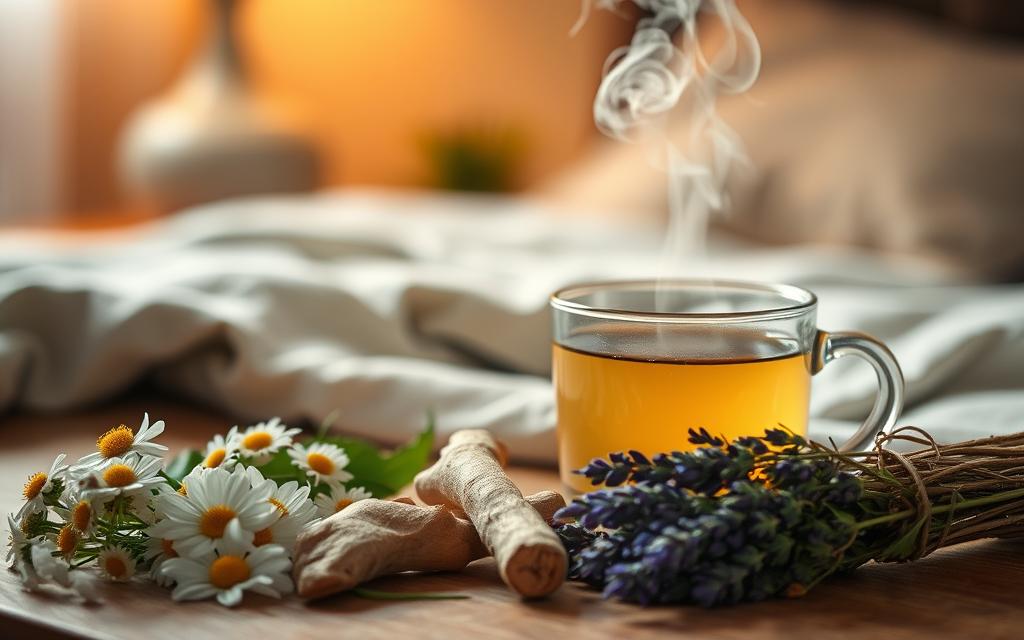
Looking into natural remedies for sleep can really help us sleep better. Many people use herbal supplements to fight insomnia. Herbs like chamomile and valerian root are popular for their sleep benefits.

Chamomile is known to be safe, but valerian root can have side effects and interact with medicines. Always talk to a doctor before adding herbal supplements to your routine.

Herbal Supplements: An Overview

Valerian root is a top choice for sleep supplements. It can improve sleep quality, with doses of 400 to 900 mg before bed7. Chamomile is also popular for its calming effects, helping older adults sleep better8.

Lavender oil is used in sprays and diffusers to help with sleep7. Each of these herbs has its own way of helping us sleep well.

Benefits and Risks of Valerian Root

Valerian root is seen as a good sleep aid, improving sleep quality8. But, we need to be careful because it might harm the liver. It’s crucial to get a doctor’s advice before using it8.

Adding herbal supplements to our sleep routine needs careful thought. We must weigh the benefits against the risks to make smart choices for better sleep.

natural remedies for sleeplessness

Exploring the Role of Melatonin in Sleep

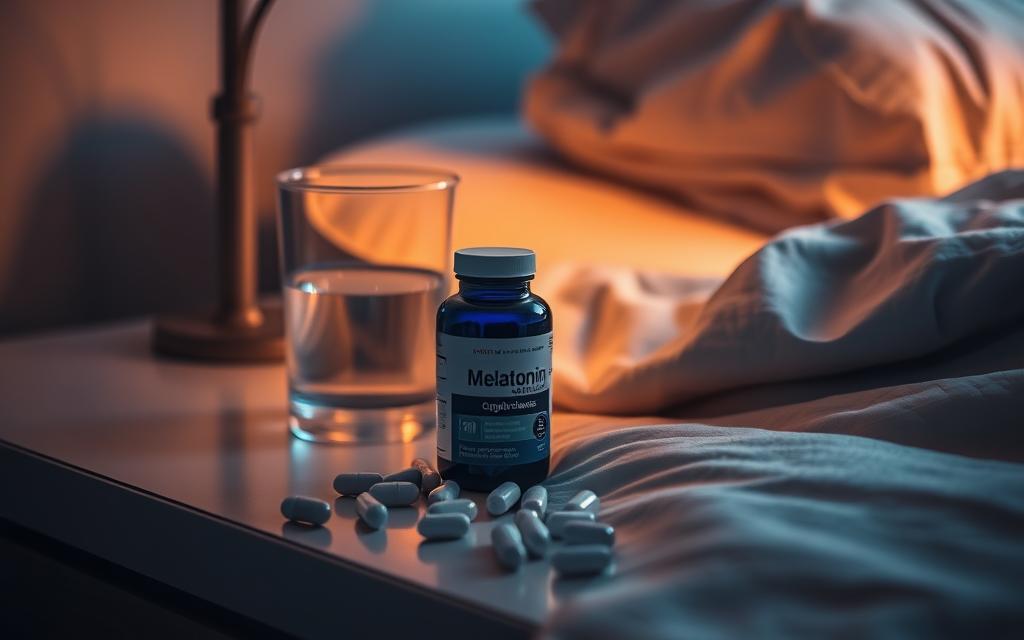
Melatonin is key in controlling our sleep patterns. It acts as a natural sleep hormone. As the sun sets, melatonin levels rise, telling our body it’s time to sleep9. Many turn to melatonin supplements for insomnia and other sleep issues like jet lag and shift work9.

Studies show melatonin helps those with delayed sleep phase syndrome sleep faster by 38.8 minutes on average10. It also helps those with general insomnia sleep a bit quicker, by about 4.3 minutes10. Plus, it boosts sleep quality by 1.9% in people with secondary sleep disorders10.

melatonin for insomnia

Melatonin supplements are usually safe, but some might feel drowsy, have headaches, or nausea10. Despite these side effects, melatonin is not sedating and doesn’t mess with sleep quality. This makes it a good choice for long-term use9. Exploring melatonin further reveals its role in sleep health and even in fighting neurodegenerative diseases9.

The Importance of Sleep Hygiene Practices

Improving our sleep hygiene is a big step towards better sleep. These habits not only help us sleep better at night but also make us feel better during the day. Making a few simple changes can greatly improve our sleep quality, making it crucial for everyone to try these strategies.

Creating a Sleep-Inducing Environment

A peaceful bedroom is key for a good night’s sleep. We should aim for a dark, quiet, and cool room, ideally at 65°F. Comfortable bedding that we like can also make a big difference.

Using an eye mask or heavy curtains can block out light. Earplugs or a white noise machine can help reduce noise1112. Adding calming scents, like lavender, can also help us relax and sleep better.

Establishing a Consistent Sleep Schedule

Having a regular sleep routine is important for better sleep. Going to bed and waking up at the same time every day helps our body clock1312. Try to avoid long naps and keep them early in the afternoon to not disrupt your night sleep.

Relaxation techniques, like mindfulness or light stretching, can help us relax before bed. Studies show that good sleep habits lead to less daytime sleepiness and better mental health13. By following these tips, we can enjoy better sleep every night.

sleep hygiene practices

Exercise as a Remedy for Insomnia

Regular physical activity is a strong way to fight insomnia. Choosing the right exercises can make our sleep better and help us fall asleep faster. Studies show that aerobic exercises improve sleep quality and duration, boosting our overall health14.

Types of Exercise Beneficial for Sleep

There are many exercises that can help us sleep better:

  • Aerobic exercises like jogging, cycling, and swimming raise our heart rate and release endorphins. This improves our mood and reduces anxiety.
  • Yoga and tai chi are great for those who want low-impact exercises. They help us relax and are perfect for before bed.

Moderate aerobic exercise can cut down the time it takes to fall asleep by 55% and increase total sleep time by 18%. This is great for people with chronic insomnia15. After four weeks of regular exercise, people with insomnia can fall asleep 13 minutes faster and sleep for 18 minutes longer16.

Timing Your Workouts for Better Sleep

When we exercise affects how well we sleep. Exercise makes our body temperature rise, keeping us awake. It’s best to wait 1 to 2 hours after exercising to sleep for the best results14.

Some people prefer morning workouts, while others like evening sessions. Both can work well. The most important thing is to be consistent with our workout times to improve our sleep16.

exercise for insomnia

Adding exercise to our daily routine can greatly improve our sleep. It’s important to choose the right exercises and consider when we work out for better sleep.

Mindfulness and Meditation Techniques for Better Sleep

Recent studies show that mindfulness meditation for insomnia is becoming a popular way to improve sleep. It includes practices like mindfulness-based stress reduction (MBSR) and mindfulness-based cognitive therapy (MBCT). These aim to reduce anxiety and stress, which often lead to insomnia. In fact, 18 studies with 1,654 participants found that mindfulness meditation greatly improved sleep quality17.

Also, relaxation techniques like guided meditation and deep breathing help calm racing thoughts. These thoughts often keep us awake. Practices like Qigong and tai chi are also effective in promoting relaxation and better sleep18.

Yoga nidra has shown great promise in improving sleep by reducing time spent awake at night. Combining meditation with healthy sleep habits like a regular sleep schedule can lead to significant benefits. Mindfulness practices are key in enhancing sleep quality and can be as effective as traditional treatments like cognitive-behavioral therapy for insomnia18.

mindfulness meditation for insomnia

Importance of Proper Nutrition and Herbal Teas

Nutrition plays a big role in how well we sleep. Eating foods that help sleep can make our nights better. These foods are tasty and full of nutrients that help us relax and sleep well.

Foods That Promote Sleep

Some foods can really help us sleep better. Almonds are full of magnesium, which helps us sleep faster and better19. Turkey has tryptophan, which boosts serotonin and helps us sleep19. Bananas give us potassium and vitamin B6, helping turn tryptophan into melatonin19.

The Benefits of Warm Milk and Chamomile Tea

Drinking warm milk before bed can be very calming. It has tryptophan, which helps us sleep19. Herbal teas like chamomile also help us relax and sleep better20. Valerian tea boosts GABA, reducing anxiety and improving sleep20. Lavender tea can also ease anxiety and depression, helping us sleep better20.

Aromatherapy and Essential Oils for Relaxation

Aromatherapy for insomnia is becoming more popular as a natural way to relax. It uses essential oils like lavender and chamomile, which help you unwind. Studies show that these oils can improve sleep and make it easier to fall asleep.

For instance, lavender oil is known to help with sleep and reduce anxiety. This is important because sleep disorders affect many people, including 10% to 20% of adults and 30% to 40% of the elderly21.

There are many ways to enjoy aromatherapy for relaxation. You can put a cotton ball with lavender oil near your pillow or add essential oils to a warm bath. These steps can make your bedtime routine more calming.

Inhaling essential oils is the best way to use them for sleep, according to research21. This method shows the power of lavender and other oils in improving sleep quality.

It’s important to use essential oils safely. Always mix them with a carrier oil before applying to the skin and do a patch test. Also, talking to a healthcare provider is key, whether you have health issues or are pregnant or breastfeeding22.

By following these tips, we can make aromatherapy a part of our bedtime routine. This can help us sleep better and feel more relaxed overall.

aromatherapy for insomnia

Acupuncture: An Ancient Solution for Modern Insomnia

In recent years, ancient therapies for sleep have seen a comeback. Acupuncture is now a top choice. It comes from traditional Chinese medicine and aims to fix Qi imbalances, mainly in the heart and liver, which often cause insomnia23. By using specific points, acupuncture helps balance Qi flow and Yin and Yang, key for health23.

It also boosts serotonin and endorphins, reducing stress and helping us relax23.

Acupuncture does more than just relax us; it improves blood flow and Qi, which helps with insomnia23. A 2020 review showed it helps people fall asleep quicker, stay asleep longer, and sleep better24. It’s suggested to get acupuncture 1-2 times a week for a few weeks to see results24.

Acupuncture is as good as medicine for insomnia, making it a great alternative25. A review of 21 studies found it greatly improves sleep quality. It works best when combined with other treatments like Cognitive Behavioral Therapy for Insomnia (CBT-I) and light therapy2425. Acupuncture fits well with herbal medicine and diet changes, offering a full plan for better sleep23.

acupuncture for insomnia

Understanding Sleep Hypnosis for Overcoming Insomnia

Many of us struggle with insomnia, longing for a good night’s sleep. Sleep hypnosis offers a new way to tackle this problem. It helps us relax and calm our minds, making it easier to fall asleep. Studies show it can change our sleep patterns by helping us relax at bedtime26.

Hypnotherapy is a way to tackle insomnia by reaching our subconscious mind. It changes negative thoughts and helps us feel emotionally balanced. This method is different from drugs because it deals with the cause of insomnia, like stress27. It’s a safe and drug-free way to get better sleep.

Using hypnotherapy with a regular sleep schedule and good sleep habits can make it even more effective. Many people have seen their sleep improve and feel more productive26. Adding these techniques to our daily routine could lead to better sleep and a fresh start every morning.

CBD and Cannabis for Improving Sleep Quality

CBD for insomnia is becoming a popular choice for those seeking better sleep. Studies show that about 70% of young adults who use cannabis for fun also use it to sleep better28. Around 85% of people who use medical cannabis say it helps them sleep better28. This shows a strong link between cannabis and better sleep.

THC in cannabis can help people fall asleep faster by increasing NREM sleep. This type of sleep is more restful28. CBD also looks promising in reducing symptoms of REM sleep behavior disorder and daytime sleepiness. It’s a good option for those wanting to sleep better28.

A study found that 60% of people with insomnia no longer had symptoms after using THC/CBD oil for two weeks29. Their sleep quality improved by up to 80% in the active treatment group29. These findings highlight the importance of cannabis in treating sleep issues.

Incorporating Relaxation Techniques into Daily Life

Adding relaxation techniques for better sleep to our daily life can change how we handle stress and sleep. Techniques like progressive muscle relaxation help us feel our body and control tension. This makes it easier to relax and sleep better30.

Daily mindfulness practices, like the 4-7-8 breathing, can also help. We breathe in for four seconds, hold for seven, and breathe out for eight. This lowers anxiety and heart rate, making it simpler to fall asleep31.

Having a calming bedtime routine is key. Reading or listening to sleep stories can slow our heart rate and calm our mind31. Also, avoiding screens and bright lights before bed helps our body get ready for sleep32.

It’s good to avoid activities that get us excited or active before bed. This helps our body relax naturally32.

Using techniques like visualization can help with insomnia. We imagine a peaceful place, which relaxes our mind and distracts us from insomnia thoughts31. Regular use of these methods can make our sleep better over time. They can also lower blood pressure and heart rate, improving our health and sleep30.

Conclusion

Looking into different ways to treat insomnia shows we don’t need just medicine. Cognitive Behavioral Therapy for Insomnia (CBT-i) is a top choice. It works as well as sleep meds but without side effects. A 2015 study found CBT-i cut sleep time by 19 minutes and improved sleep quality33.

We can also try other natural ways to sleep better. This includes mindfulness, eating right, and using things like valerian and acupuncture34.

Using these natural remedies can help us sleep better and feel better overall. But, not enough people know about CBT-i because of a lack of knowledge among doctors and patients33. By spreading the word, we can help more people get the sleep help they need without relying on meds.

By using these different methods, we can get better sleep. This can make our lives better in many ways. Let’s explore and find what works best for us.

FAQ

What are the alternative treatments for insomnia?

For insomnia, try natural remedies like herbal supplements and holistic therapies. Acupuncture and yoga are good options. Mindfulness practices and relaxation techniques also help. Making lifestyle changes is another way to tackle insomnia without medication.

How can herbal supplements help with sleeplessness?

Herbal supplements like chamomile and valerian root can help you relax and sleep better. But, valerian root might have side effects and interact with some medicines. Always talk to a healthcare provider before using them.

What role does melatonin play in sleep?

Melatonin is a hormone that helps control our sleep-wake cycle. Taking melatonin as a supplement can help those with sleep disorders. But, it’s important to use the right amount and at the right time.

What are some effective sleep hygiene practices?

Good sleep hygiene means having a dark, cool, quiet bedroom. Stick to a regular sleep schedule. Avoid screens before bed and use comfy bedding for better sleep.

How can exercise improve sleep quality?

Exercise boosts sleep quality by increasing slow-wave sleep. Yoga, tai chi, and aerobic exercises are great. But, avoid intense workouts before bed to stay relaxed.

What mindfulness techniques can help with insomnia?

Mindfulness helps with insomnia by reducing anxiety and stress. Try guided meditation, deep breathing, and focusing on the present. These can improve your sleep.

What foods are beneficial for sleep?

Foods like almonds, turkey, and bananas help with sleep. Warm milk and chamomile tea are also good for a relaxing evening routine. They can help you sleep better.

How does aromatherapy aid in achieving better sleep?

Aromatherapy uses essential oils like lavender and chamomile to relax and improve sleep. These scents can calm your mood and create a soothing bedtime atmosphere.

Can acupuncture be effective for insomnia?

Yes, acupuncture can help with insomnia. It involves fine needles in specific body points to relax and address sleep issues.

What is sleep hypnosis and how does it help with insomnia?

Sleep hypnosis guides you into a relaxed state to change sleep behaviors and mindset. It can reduce sleep anxiety and improve hygiene, leading to better sleep.

How might CBD help with sleep issues?

CBD may help with sleep by relaxing and improving onset without psychoactive effects. But, consider legality and side effects before trying CBD for insomnia.

How can we incorporate relaxation techniques into our daily lives for better sleep?

Add relaxation techniques like gentle yoga, breathing exercises, and mindfulness to your daily routine. They help manage stress and insomnia, improving your sleep.

Source Links

  1. Alternative Treatments for Insomnia – https://www.webmd.com/sleep-disorders/alternative-treatments-for-insomnia
  2. Insomnia: What It Is, Causes, Symptoms & Treatment – https://my.clevelandclinic.org/health/diseases/12119-insomnia
  3. Insomnia – https://www.nhs.uk/conditions/insomnia/
  4. Insomnia – Symptoms and causes – https://www.mayoclinic.org/diseases-conditions/insomnia/symptoms-causes/syc-20355167
  5. Insomnia treatment: Cognitive behavioral therapy instead of sleeping pills – https://www.mayoclinic.org/diseases-conditions/insomnia/in-depth/insomnia-treatment/art-20046677
  6. The Impact of Complementary and Alternative Medicine on Insomnia: A Systematic Review – https://pmc.ncbi.nlm.nih.gov/articles/PMC9509538/
  7. Home remedies for insomnia: 9 options – https://www.medicalnewstoday.com/articles/home-remedies-for-insomnia
  8. Natural Cures for Insomnia: From Acupressure to Yoga – https://www.sleepfoundation.org/insomnia/treatment/natural-cures-for-insomnia
  9. New perspectives on the role of melatonin in human sleep, circadian rhythms and their regulation – https://pmc.ncbi.nlm.nih.gov/articles/PMC6057895/
  10. Melatonin for Treatment of Sleep Disorders: Summary – AHRQ Evidence Report Summaries – https://www.ncbi.nlm.nih.gov/books/NBK11941/
  11. Mastering Sleep Hygiene: Your Path to Quality Sleep – https://www.sleepfoundation.org/sleep-hygiene
  12. Cognitive Behavioral Therapy for Insomnia (CBT-I): An Overview – https://www.sleepfoundation.org/insomnia/treatment/cognitive-behavioral-therapy-insomnia
  13. Sleep Hygiene Practices and Its Impact on Mental Health and Functional Performance Among Adults in Tabuk City: A Cross-Sectional Study – https://pmc.ncbi.nlm.nih.gov/articles/PMC10105495/
  14. Exercising for Better Sleep – https://www.hopkinsmedicine.org/health/wellness-and-prevention/exercising-for-better-sleep
  15. Is exercise an alternative treatment for chronic insomnia? – https://pmc.ncbi.nlm.nih.gov/articles/PMC3370319/
  16. Exercise and Insomnia – https://www.sleepfoundation.org/insomnia/exercise-and-insomnia
  17. The effect of mindfulness meditation on sleep quality: a systematic review and meta-analysis of randomized controlled trials – https://pmc.ncbi.nlm.nih.gov/articles/PMC6557693/
  18. Meditation for Sleep – https://www.sleepfoundation.org/meditation-for-sleep
  19. Herbal and Natural Supplements for Improving Sleep: A Literature Review – https://pmc.ncbi.nlm.nih.gov/articles/PMC11321869/
  20. The 6 Best Bedtime Teas That Help You Sleep – https://www.healthline.com/nutrition/teas-that-help-you-sleep
  21. Effects of aromatherapy on sleep disorders: A protocol for systematic review and meta-analysis – https://pmc.ncbi.nlm.nih.gov/articles/PMC8084014/
  22. Which Essential Oils Can Help You Sleep Better? – https://www.verywellhealth.com/aromatherapy-for-sleep-89673
  23. Acupuncture: An Ancient Remedy for Modern Insomnia – https://www.themassageclinic.ca/news/acupuncture-an-ancient-remedy-for-modern-insomnia/
  24. Acupuncture for Insomnia: Natural Path to Better Sleep – https://www.westendwellness.ca/blogs/acupuncture-treating-insomnia
  25. The Role of Acupuncture in the Management of Insomnia as a Major or Residual Symptom Among Patients With Active or Previous Depression: A Systematic Review and Meta-Analysis – https://pmc.ncbi.nlm.nih.gov/articles/PMC9051249/
  26. Hypnosis For Insomnia: Is Hypnotherapy Beneficial For Better Sleep? – https://solidpsychiatry.org/hypnosis-for-insomnia-is-hypnotherapy-beneficial-for-better-sleep/
  27. Hypnotherapy for Insomnia | Naturally Beat Sleeping Problems – https://www.hypnotoday.com/hypnosis-for-insomnia-and-sleep-disorders
  28. Cannabis for Sleep: Benefits and Risks – https://www.sleepfoundation.org/sleep-aids/cannabis-and-sleep
  29. Medicinal cannabis improves sleep in adults with insomnia: a randomised double-blind placebo-controlled crossover study – PubMed – https://pubmed.ncbi.nlm.nih.gov/36539991/
  30. Relaxation techniques: Try these steps to lower stress – https://www.mayoclinic.org/healthy-lifestyle/stress-management/in-depth/relaxation-technique/art-20045368
  31. 5 Relaxation Techniques for Sleep to Help People with Insomnia – https://sleepreviewmag.com/sleep-treatments/behavioral-sleep-medicine/cognitive-behavioral-therapy/5-relaxation-techniques-sleep-insomnia/
  32. Behavioral Strategies, Including Exercise, for Addressing Insomnia – https://pmc.ncbi.nlm.nih.gov/articles/PMC6715137/
  33. Cognitive-Behavioral Therapy for Insomnia: An Effective and Underutilized Treatment for Insomnia – https://pmc.ncbi.nlm.nih.gov/articles/PMC6796223/
  34. Frontiers | Identifying complementary and alternative medicine recommendations for insomnia treatment and care: a systematic review and critical assessment of comprehensive clinical practice guidelines – https://www.frontiersin.org/journals/public-health/articles/10.3389/fpubh.2023.1157419/full

How Sleep Affects Your Productivity and Performance

0

Ever wake up with a mind full of thoughts? You’re not alone. Many of us struggle to get out of bed in the morning. Sleep plays a big role in how we feel and perform, but we often ignore it until we’re tired.

Our sleep quality can impact our daily lives in many ways. It affects our mood and how well we do at work. Almost one-third of Americans don’t get enough sleep, leading to problems at work and in life1. Lack of sleep can make us less sharp and emotionally drained, hurting our work performance1.

In the U.S., 38% of workers feel tired at work, costing the economy billions1. It’s clear that good sleep is key to being productive and performing well.

Key Takeaways

  • Sleep deprivation can significantly hamper cognitive functions and emotional stability.
  • Over one-third of Americans don’t meet the recommended sleep guidelines.
  • Fatigue at work is prevalent and costly to both individuals and employers.
  • Quality sleep is essential for maintaining focus and productivity.
  • Understanding sleep patterns can help improve overall workplace performance.

The Importance of Sleep for Overall Well-being

Sleep is key for our health, helping with physical recovery, mental health, and brain function. We spend about a third of our lives sleeping, showing how vital it is for everyone2. Adults need at least seven hours of sleep each night for good health. School-age kids need nine hours3.

Sleep boosts our immune system, helps us remember things, and keeps our mood stable. Not getting enough sleep can make us tired, forgetful, and irritable. It affects how well we do our daily tasks and our overall happiness2.

Issues like anxiety and depression often cause sleep problems, showing we need to treat both together2. Studies show that cognitive-behavioral therapy (CBT) can help with insomnia, even for those who’ve had trouble sleeping for a long time2. It’s important to spread the word about sleep’s role in our health. As we get older, our sleep quality often gets worse, making it crucial to find ways to help older adults sleep better3.

importance of sleep

Understanding Sleep Quality and Its Impact

Sleep quality is key for staying healthy and productive. It includes how well you sleep, how refreshed you feel, and how your body cycles through sleep. Good sleep means spending enough time in different sleep stages, like REM and NREM cycles. Bad sleep can lead to memory loss and mood swings.

Defining Sleep Quality

Quality sleep is about how long you sleep and how deep it is. A global study found one in three people struggle with insomnia. In the U.S., over half of adults had sleep issues during the COVID-19 pandemic, more so among those 35-444.

The American Academy of Sleep Medicine says adults need at least 7 hours of sleep each night. Not getting enough sleep can cause many problems, like memory and mood issues4.

The Role of Sleep Cycle Stages

The sleep cycle is crucial for good sleep. People go through three NREM stages and one REM stage every 90 to 120 minutes5. Each stage helps with physical and mental recovery. Not getting enough sleep can make you feel tired and affect your mood and focus5.

So, it’s important to keep a balanced sleep cycle. This helps improve your overall health and brain function.

Understanding sleep quality and its impact

How Sleep Affects Your Cognitive Functions

Sleep is key for our brain’s functions like attention, memory, and making decisions. Studies show that not getting enough sleep can really hurt these areas. This is true for both a little sleep loss and a lot67.

People who don’t sleep well often have trouble remembering things and staying focused. They also make decisions more slowly. This makes their brain work less well overall7.

When we don’t sleep enough, our brain’s memory center can get damaged. This hurts our ability to learn and remember7. Also, not getting enough deep sleep messes with how our brain handles threats and affects how well we think6.

Not sleeping well also messes with how different parts of our brain talk to each other. This makes it harder to make good choices6. Studies using EEG show that our brain tries to make up for lack of sleep, but it doesn’t work6.

So, getting better sleep can really help our brain work better. It improves our memory, focus, and decision-making skills7.

Sleep Affects Productivity and Performance

Research shows sleep is key for work efficiency. Sadly, nearly 30% of American workers sleep less than six hours a day. This affects their work and wellbeing8. Around 7% of U.S. workers often don’t get enough sleep, costing companies about $44 billion a year9. People who sleep well tend to work better.

The Relationship Between Sleep and Work Efficiency

Sleep is crucial for top brain function and work efficiency. Those who don’t sleep well face many problems, like thinking issues and bad decisions. The CDC calls sleep disorders a big health problem, showing we need to tackle sleep issues at work8. Good sleep keeps energy up, helping people work better in many fields.

Long-term Effects of Sleep Deprivation on Performance

Not sleeping enough hurts work performance and team dynamics. It leads to more absences, stress, and accidents at work9. It also raises the risk of health problems like obesity and anxiety. People with sleep issues see a big drop in productivity and happiness, showing how important sleep is in a tough work world8.

sleep affects productivity and performance

Symptoms of Sleep Deprivation

Sleep deprivation shows up in many ways, affecting emotions, thoughts, and body. It can make work harder, leading to more mistakes and less done.

Emotional and Cognitive Symptoms

Feeling irritable and less motivated are common signs. These feelings can cause problems at work. Long-term sleep loss might lead to anxiety, depression, or even hallucinations10.

It also makes it hard to make good decisions and focus. Lack of sleep can hurt how well we pay attention and learn11. Many U.S. adults don’t get enough sleep, making this a big concern11.

Physical Symptoms and Their Impact on Work

Being tired is just the start. It can make moving clumsily, raising the chance of accidents. This is true for jobs that are very risky, like driving or using big machines11.

It also weakens the immune system, making us sicker longer10. Bad sleep can mess with insulin, raising the risk of diabetes and heart disease12. People who don’t sleep well might get sick more often and be less happy at work11.

sleep deprivation symptoms

The Economic Impact of Poor Sleep

Poor sleep affects work greatly, causing a big drop in productivity. Over a third of American adults don’t get enough sleep. This leads to lower work performance and higher healthcare costs for sleep issues13.

In the U.S., not getting enough sleep costs the economy between $280 billion and $411 billion each year13. People who sleep less than six hours a night lose 2.4 percentage points in productivity. This is compared to those who sleep seven to nine hours13.

The financial loss is huge. About 1.23 million working days are lost in the U.S. each year due to not enough sleep. This equals 9.9 million working hours lost13. Poor sleep is linked to seven of the fifteen leading causes of death in the U.S13..

This affects not just people’s health but also the health of companies. It lowers motivation and performance. So, good sleep habits are key for both personal health and business success14.

economic impact of sleep deprivation

Improving Sleep Habits for Better Productivity

Improving sleep habits is key to boosting productivity. Good sleep hygiene and a sleep-friendly environment are crucial. Consistent routines and organized sleep spaces help a lot. They are vital for quality sleep and better work performance.

Sleep Hygiene Practices

Good sleep hygiene is essential for quality sleep. It’s important to have a regular bedtime routine. Also, avoid screens for at least an hour before bed to reduce blue light’s effect on melatonin.

This can improve sleep quality by up to 20%15. Stay away from caffeine and nicotine before bed to sleep better.

Creating a Sleep-Friendly Environment

A good sleep environment is vital for better sleep. Room temperature, noise levels, and light control matter a lot. Keep your bedroom cool, quiet, and free from digital distractions for better sleep16.

Also, sticking to a regular sleep schedule helps regulate your body’s clock. This can lead to better sleep and more productivity15.

sleep hygiene tips for better productivity

The Role of Napping in Enhancing Performance

Napping has many napping benefits that help improve workplace productivity. Short naps of 5 to 15 minutes can make you feel more alert and sharp for 1 to 3 hours17. Longer naps, over 30 minutes, might make you feel groggy at first but then boost your thinking skills for hours17.

The best time for a power nap is between 1 PM and 3 PM. This matches when our energy naturally drops after lunch18. A 26-minute “NASA” nap was found to increase alertness by 54% and performance by 34% in pilots, showing short naps can be very effective18.

A study looked at 11 studies and found napping greatly improves thinking skills, with a big boost in alertness at 0.2919. People who nap regularly get more benefits than those who nap less often17. Napping can be a smart way for workers who often don’t get enough sleep; about one-third of Americans don’t sleep enough each night18.

Two 30-minute naps, one in the morning and one in the afternoon, can lower inflammation and protect against sleep loss18. Also, short naps can help with memory and learning, making napping a great way to boost workplace productivity and job performance18.

Napping Benefits

Strategies for Managing Sleep Deprivation at Work

Employees often struggle with sleep deprivation at work. Finding good strategies can help them stay alert and productive. Companies should focus on supporting their employees’ health.

Breaks and Downtime for Improved Alertness

Regular breaks and downtime help recharge energy during the workday. Short naps can boost alertness, focus, and memory. They also lower stress levels, making them a good choice for tired employees20.

Workplaces should value these brief rest periods, even in demanding roles. People with insomnia miss about five extra workdays a year. This leads to big productivity losses21.

Communication with Employers About Sleep Needs

Talking openly about sleep needs with employers is key. It helps create a supportive work environment. This open communication allows employees to share their sleep issues and find solutions.

Companies that talk about sleep can develop strategies that include rest. This improves work-life balance. Not getting enough sleep can lead to higher healthcare costs and lower productivity20managing sleep deprivation

Common Myths Surrounding Sleep

Sleep is often misunderstood, filled with myths and misconceptions. These can harm our health and productivity. Looking into these myths shows how far off public beliefs are from science.

Myths About Sleep Duration

Many think adults need less sleep as they age. But, experts say this is a big lie. They believe we still need plenty of sleep as we get older22.

About one-third of adults in the U.S. sleep less than seven hours a night22. The idea that some can get by with just five hours is seen as very harmful22 and23. Experts also say sleeping in on weekends doesn’t make up for lost sleep during the week22.

Misconceptions About Napping

Napping is often seen as bad, but research shows it’s good. Many think napping messes up nighttime sleep. But, short naps can make us more alert and perform better23.

Experts say napping can fight sleep deprivation and boost creativity23. Another myth is that naps make us groggy. But, a short nap can refresh us without making us feel disoriented23. Understanding these myths can help us sleep better and live better.

sleep myths

Scientific Studies on Sleep and Work Performance

Research shows a strong connection between sleep quality and work performance. A study found that athletes sleeping six hours a night face over a 70% chance of injury. Those sleeping nine hours have less than a 20% chance24. Also, 60% of adults say not getting enough sleep affects their work, with 70% mentioning it lowers their productivity25.

More than 50% of people say they work less efficiently when they don’t get enough sleep25. This is a big problem in jobs that require long hours, like management. In these roles, 40.5% of workers report not getting enough sleep26. The same issue is seen in manufacturing and transportation, where shift work leads to poor sleep26.

Between 15% and 30% of workers in developed countries have jobs with irregular hours. This can lead to poor sleep quality26. Good sleep is key for staying emotionally stable and thinking clearly. Without enough rest, people struggle with social interactions and making decisions25.

Aetna’s sleep program showed a 69-minute productivity boost per month for employees sleeping seven hours or more24. This highlights the importance of sleep for better work performance and employee health.

Improving Your Sleep Quality

Getting better sleep is key to feeling more productive and happy. Using good sleep techniques can really help how you do things when you’re awake. Many people don’t get enough sleep, which can hurt their work and health.

Techniques for Better Sleep

There are many ways to sleep better. Having a regular bedtime routine is important. Going to bed and waking up at the same time every day helps your body’s clock.

Writing down your thoughts can clear your mind and help you relax before bed. Doing deep breathing or muscle relaxation can also make you calm and sleep better.

Mindfulness and Relaxation Practices

Adding mindfulness to your evening can boost your mental health and sleep. Meditation or yoga before bed can lower stress and get your mind ready for sleep. The Philips SmartSleep Deep Sleep Headband has been shown to improve sleep by helping with slow wave sleep. This is important for brain function and feeling more awake27.

By using these relaxation methods, you might sleep better and be more productive during the day.

Link Between Sleep and Mental Health

The connection between sleep and mental health is intricate. It greatly impacts our emotional state and brain function. Not getting enough sleep can lead to more anxiety and depression, affecting our mental health.

Insufficient sleep harms the brain. It causes cognitive decline and makes daily tasks harder.

Cognitive Decline and Sleep

Studies show that not sleeping well can hurt our brain. Almost one-third of Americans don’t get enough sleep, leading to mental and physical tiredness1. About 38% of U.S. workers feel tired at work, which worsens their brain function and productivity1.

Anxiety, Depression, and Sleep Quality

People with anxiety often have trouble sleeping, making their anxiety worse28. Around 75% of those with depression have insomnia28. There’s a cycle where poor sleep worsens anxiety and vice versa.

Good sleep habits, like cognitive behavioral therapy, can help manage mental health issues28.

The Future of Sleep Research

The future of sleep research looks bright, with new discoveries about sleep and its effects on our minds and bodies. Technology is playing a big role in this field. Wearable devices help track our sleep, showing how our daily habits impact our rest.

AI is now analyzing brain waves and sleep logs to forecast insomnia risks. This is based on our lifestyle and health history29.

As more people struggle with sleep, finding effective treatments becomes crucial. New medicines and therapy methods are showing promise in treating chronic insomnia29. Studies also suggest that better sleep can lower the risk of diseases like diabetes and heart disease29.

Future studies will dive deeper into the effects of sleep disorders. The American Academy of Sleep Medicine suggests we aim for 7 to 9 hours of sleep each night30. This focus is key for research and public health efforts. It’s also vital for improving workplace performance.

Almost 30% of adults face serious insomnia, making it a pressing issue for sleep research30. By finding better ways to sleep and promoting healthy habits, we can look forward to a future with better health and productivity.

Final Thoughts on Sleep and Productivity

It’s vital for everyone to make sleep a priority. Understanding how sleep boosts productivity and health is key. Adults need 7 to 8 hours of sleep each night, but many get only 6. This leads to a big drop in work performance31.

Not getting enough sleep hurts creativity, decision-making, and memory. Just one night without enough sleep can cause problems32. Also, sleep-deprived workers are almost three times more likely to get sick, including colds31.

Improving sleep quality can greatly benefit both people and companies. For example, making your sleep space dark, quiet, and comfy can really help32. Well-rested employees are more alert and productive, which reduces stress33. Encouraging good sleep habits can make work more efficient and emotionally healthier.

In summary, focusing on sleep can greatly improve productivity, creativity, and workplace happiness. With the high rates of absenteeism and injuries due to poor sleep, it’s crucial to value rest in the workplace33.

Conclusion

Sleep is key to being productive and performing well. Sadly, about 35% of U.S. adults don’t get enough sleep, which is seven to nine hours a night. This lack of sleep causes big problems, like more accidents at work and a huge loss in productivity. It costs the U.S. economy about $44.6 billion every year341.

Sleep issues don’t just affect one person; they spread through the workplace. This shows how sleep problems can hurt job performance and mental health.

Getting enough sleep brings many benefits. For example, workers who sleep well are happier and make fewer mistakes. They also think more creatively and make better decisions35.

This leads to a positive cycle. Better thinking and memory mean better work, more engagement, and a healthier work place.

It’s time for everyone to see how sleep and productivity are linked. By understanding this, we can make work better and more rewarding. Creating a sleep-friendly work culture is crucial for everyone’s well-being and success.

FAQ

How does sleep affect overall productivity and performance?

Sleep is key for our brains, emotions, and health. Not getting enough sleep can hurt our focus, memory, and choices. This makes us less productive and creative at work.

What constitutes good sleep quality?

Good sleep means waking up feeling refreshed. It’s about the right mix of sleep stages. These stages help our brains and emotions recover.

What are the signs and symptoms of sleep deprivation?

Lack of sleep shows in many ways. You might feel moody or unmotivated. Your brain might struggle to make decisions or focus. It can also make you more accident-prone at work.

How does poor sleep impact an organization’s bottom line?

Bad sleep costs employers a lot. It’s estimated at 6.4 billion a year in the U.S. This loss comes from less work done and higher health costs.

What strategies can improve sleep habits for better workplace productivity?

To sleep better, stick to a routine and avoid caffeine before bed. Make your bedroom comfy and relax before sleeping. These steps can make you more efficient at work.

Is napping beneficial for workplace performance?

Yes, short naps can really help. They make you more alert and focused. This can counteract the effects of not sleeping well and improve your job skills.

What common myths about sleep should I be aware of?

Some myths say older people need less sleep and that napping is bad. But, adults usually need seven hours of sleep a night. Napping can actually help you do better at work.

How can mindfulness practices improve sleep quality?

Mindfulness can help you relax and sleep better. Try exercises, journaling, or a calming bedtime routine. These can reduce stress and improve your sleep and work performance.

What impact does sleep have on mental health?

Not enough sleep can make mental health problems worse. It can lead to a decline in thinking skills. Better sleep can greatly improve your mood and mental health.

What advancements can we expect in sleep research?

Sleep research will likely dive deeper into sleep disorders. New tech could help us understand and fix sleep issues better. This could lead to better sleep for everyone worldwide.

Source Links

  1. The Link Between Sleep and Job Performance – https://www.sleepfoundation.org/sleep-hygiene/good-sleep-and-job-performance
  2. Sleep Matters: The Impact Of Sleep On Health And Wellbeing – https://www.mentalhealth.org.uk/explore-mental-health/publications/sleep-matters-impact-sleep-health-and-wellbeing
  3. Good Sleep for Good Health – https://newsinhealth.nih.gov/2021/04/good-sleep-good-health
  4. How Sleep Deprivation Impacts Mental Health – https://www.columbiapsychiatry.org/news/how-sleep-deprivation-affects-your-mental-health
  5. How Lack of Sleep Impacts Cognitive Performance and Focus – https://www.sleepfoundation.org/sleep-deprivation/lack-of-sleep-and-cognitive-impairment
  6. The consequences of sleep deprivation on cognitive performance – https://pmc.ncbi.nlm.nih.gov/articles/PMC10155483/
  7. From Zzzs to memories: How sleep habits shape cognitive function – https://thedaily.case.edu/from-zzzs-to-memories-how-sleep-habits-shape-cognitive-function/
  8. The relationship between sleep quality and occupational well-being in employees: The mediating role of occupational self-efficacy – https://pmc.ncbi.nlm.nih.gov/articles/PMC9911531/
  9. Why Healthy Sleep and Productivity at Work Go Hand in Hand – https://www.wellright.com/resources/blog/why-healthy-sleep-and-productivity-at-work-go-hand-in-hand
  10. Sleep Deprived? Here Is What Lack of Sleep Does to Your Body – https://www.healthline.com/health/sleep-deprivation/effects-on-body
  11. Five eye-opening ways sleep impacts your employees – https://www.bighealth.com/blog/five-eye-opening-ways-sleep-impacts-employees
  12. How sleep deprivation affects work-related performance – Sleep Cycle – https://www.sleepcycle.com/sleep-deprivation/how-sleep-deprivation-affects-work-related-performance/
  13. Why Sleep Matters—The Economic Costs of Insufficient Sleep: A Cross-Country Comparative Analysis – https://pmc.ncbi.nlm.nih.gov/articles/PMC5627640/
  14. Functional and Economic Impact of Sleep Loss and Sleep-Related Disorders – Sleep Disorders and Sleep Deprivation – https://www.ncbi.nlm.nih.gov/books/NBK19958/
  15. The Impact of Sleep on Productivity and How to Improve It – https://www.linkedin.com/pulse/impact-sleep-productivity-how-improve-antoaneta-tsocheva-tsmnf
  16. Relationship between sleep and productivity: The ultimate guide – https://www.wellics.com/blog/sleep-and-productivity
  17. The effects of napping on cognitive functioning – PubMed – https://pubmed.ncbi.nlm.nih.gov/21075238/
  18. The science behind power napping and work productivity | Museâ„¢ EEG-Powered Meditation & Sleep Headband – https://choosemuse.com/blogs/news/the-science-behind-power-napping-and-work-productivity?srsltid=AfmBOopDhulJ82NQ6n0AhdyAEVfJzvr5Iwk3jX1S4xLy1Hvt6PcffECh
  19. Effects of a Short Daytime Nap on the Cognitive Performance: A Systematic Review and Meta-Analysis – https://pmc.ncbi.nlm.nih.gov/articles/PMC8507757/
  20. Sleep-deprived workforce? Boost productivity with better rest – https://www.bighealth.com/blog/sleep-deprived-workforce-boost-productivity-with-better-rest
  21. Workplace Interventions to Promote Sleep Health and an Alert, Healthy Workforce – https://pmc.ncbi.nlm.nih.gov/articles/PMC6457507/
  22. Sleep myths: An expert-led study to identify false beliefs about sleep that impinge upon population sleep health practices – https://pmc.ncbi.nlm.nih.gov/articles/PMC6689426/
  23. Myths and Facts About Sleep – https://www.sleepfoundation.org/how-sleep-works/myths-and-facts-about-sleep
  24. You snooze, you win – https://www2.deloitte.com/content/www/us/en/insights/focus/behavioral-economics/sleep-benefits-impact-employee-performance.html
  25. Poor Sleep Hurts Work Productivity, Survey Shows – https://www.healthday.com/health-news/general-health/poor-sleep-hurts-work-productivity-survey-shows
  26. Frontiers | Sleep and Organizational Behavior: Implications for Workplace Productivity and Safety – https://www.frontiersin.org/journals/psychology/articles/10.3389/fpsyg.2020.00045/full
  27. Sleep Smart: Sleeping your way to a productive day – https://www.philips.com/a-w/about/news/archive/standard/news/articles/2020/20200603-sleep-smart-sleeping-your-way-to-a-productive-day.html
  28. Mental Health and Sleep – https://www.sleepfoundation.org/mental-health
  29. The Future of Sleep Research: New Discoveries and Emerging Technologies | Kinnu – https://kinnu.xyz/kinnuverse/science/science-of-sleep/the-future-of-sleep-research-new-discoveries-and-emerging-technologies/
  30. The Cost of Sleep Lost: Implications for Health, Performance, and the Bottom Line – https://pmc.ncbi.nlm.nih.gov/articles/PMC6530553/
  31. Impact of Sleep Deprivation on Employee Productivity – https://www.truworthwellness.com/blog/impact-of-sleep-deprivation-on-employee-productivity/
  32. How Does Sleep Impact Productivity? | BetterSleep – https://www.bettersleep.com/blog/how-does-sleep-impact-productivity
  33. Poor Sleep Linked to $44 Billion in Lost Productivity – https://news.gallup.com/poll/390797/poor-sleep-linked-billion-lost-productivity.aspx
  34. The Link Between Work Productivity and Sleep | Shortlister – https://www.myshortlister.com/insights/sleep-and-productivity
  35. The Impact of Sleep on Productivity: What You Need to Know – https://snorelessnow.com/blogs/the-good-night-blog/the-impact-of-sleep-on-productivity?srsltid=AfmBOordU2fG768d9kZzciBgk5sUEt1DWuNbLZ44QvEJFdJ-5jNIsSi7

Exploring the Benefits of Traditional Chinese Medicine for Modern Health

In today’s fast world, we often face health challenges that leave us seeking balance. Many of us deal with chronic pain, stress, or anxiety. We might feel that modern health solutions don’t fully meet our needs.

That’s where Traditional Chinese Medicine (TCM) comes in. It offers a holistic approach that considers our physical, emotional, and environmental health. Studies show that TCM, like acupuncture, can help with chronic pain by improving blood flow and reducing inflammation1. It also supports our mental health, helping with anxiety, depression, and sleep issues through calming herbs1.

At its heart, TCM believes wellness is more than just not being sick. It’s about finding harmony between our body and mind. This allows us to improve our health together.

Key Takeaways

  • Traditional Chinese Medicine offers a holistic approach to health by addressing chronic pain, stress, and emotional well-being.
  • Acupuncture, a key technique in TCM, influences the central nervous system, proving effective for pain relief2.
  • Herbal remedies like ginseng and ginger support our digestive health and reduce inflammation1.
  • TCM emphasizes preventive care, helping us balance internal systems for overall longevity and vitality.
  • Integrating TCM with modern health techniques paves the way for a comprehensive understanding of healing.

What is Traditional Chinese Medicine?

Traditional Chinese Medicine (TCM) is a blend of biology and philosophy. It aims for natural balance and holistic health. It’s based on the flow of Qi, our vital life force, which nourishes and regulates our health.

Understanding Yin and Yang helps grasp TCM’s goal. These opposites need to be in harmony for our well-being. This shows how TCM works to restore our health.

Overview of TCM Principles

TCM sees humans as connected to nature. It stresses the need for balance in our bodies and the world around us. This includes our internal organs and the elements of earth, fire, water, wood, and metal.

TCM uses treatments like acupuncture, moxibustion, cupping, massage, and herbal remedies34.

Key Concepts: Qi, Yin, and Yang

Qi, Yin, and Yang are TCM’s core ideas. Qi flows through our bodies, keeping us alive. The balance of Yin and Yang affects our physical, mental, and emotional health.

TCM doesn’t just treat symptoms. It encourages a lifestyle that promotes health. It helps us live in harmony with these fundamental concepts54.

History of Traditional Chinese Medicine

We start by looking into the long history of Traditional Chinese Medicine (TCM). This system has grown a lot over thousands of years. The roots of TCM go back over 5,000 years, as seen in the Huangdi Neijing (The Yellow Emperor’s Inner Classic) from the 3rd century BCE. This text is key to TCM, teaching about yin and yang balance for health6.

Origins of TCM Practices

Early TCM included pulse diagnosis by Wang Shuhe and herb use by Zhang Zhongjing. Zhang focused on treating different diseases6. Li Shizhen, from the 16th century, listed many herbs and treatments in the Bencao gangmu. He greatly changed how medicine was practiced6.

Also, the idea of qi, or life force, is central to TCM. It helps us understand health and sickness in TCM.

Evolution Through the Centuries

TCM spread to Korea and Japan in the 6th century AD. Buddhist priests brought its teachings during the Tang dynasty7. Key figures like Emperor Huang Ti and Emperor Shen Nung shaped TCM. Shen Nung is even called the “Father of Chinese Medicine”7.

This growth shows TCM’s ability to adapt. It keeps its old wisdom while adding new ideas. The balance of yin and yang is still key to health7.

history of TCM

Core Practices of Traditional Chinese Medicine

Traditional Chinese Medicine (TCM) uses many practices to help us heal and find balance. An integrative approach often leads to significant health improvements. At the core are acupuncture and herbal medicine, key in treating various health issues.

Acupuncture: The Art of Needle Therapy

Acupuncture is a leading TCM practice. It involves inserting thin needles at specific body points to boost qi flow. This helps the body heal itself, easing chronic pain and stress.

Studies show acupuncture is a core TCM practice, along with herbal medicine and others. This approach is vital for health and harmony89.

Herbal Remedies and Formulations

Herbal medicine is also crucial in TCM. Practitioners use natural herbs to create custom remedies for health issues. These help balance the body, supporting digestion and energy.

The combination of acupuncture and herbal medicine shows TCM’s holistic nature. It allows for a health journey tailored to each person’s needs8.

acupuncture techniques

Traditional Chinese Medicine and Holistic Healing

We seek wellness through the TCM wellness approach, focusing on the mind-body-spirit connection. This view holds that our emotional state greatly affects our physical health. TCM sees the body as part of a larger whole, including our environment, leading to a more complete health plan10.

By linking our mind and body, we gain a better understanding of ourselves. This helps us recognize our emotional and physical health more clearly.

holistic healing

Integrating Mind, Body, and Spirit

Qigong and visualization are key to holistic healing. They help us notice tension and improve our energy flow11. TCM’s Zheng differentiation lets us choose treatments that fit our specific needs, making wellness more personal10.

TCM’s methods, like acupuncture and herbal medicine, offer a natural way to health. They have fewer side effects, making them attractive for our health journeys10.

Together, we can use TCM to prevent illness and boost our body’s health. This approach, combined with modern medicine, can greatly improve our health outcomes10.

The Benefits of Acupuncture in Modern Health

In today’s fast world, many look for ways to manage pain and feel better emotionally. Acupuncture is a proven method that offers many health benefits. It aims to balance the body’s energy, known as Qi, and is now widely accepted in healthcare.

benefits of acupuncture

Effective Pain Management Techniques

Acupuncture is great for managing pain. It helps with headaches, low back pain, and osteoarthritis, giving many people relief12. It works by stimulating points on the body, improving blood flow and reducing swelling13. This way, acupuncture helps our bodies fight pain naturally.

Stress Reduction and Emotional Balance

Acupuncture also helps with emotional well-being. Studies show it can reduce anxiety and depression, making us feel more relaxed and stable12. It balances Qi and uses our body’s healing powers to deal with stress. Acupuncture benefits us not just physically but also mentally and emotionally.

Herbal Remedies for Common Ailments

Traditional Chinese medicine uses many Chinese herbs to treat common problems. These plants help with stress, digestion, and more. Each herb has special benefits, making herbal formulas a strong way to improve health.

Top Herbs Used in Traditional Chinese Medicine

Some of the most valued Chinese herbs are:

  • Red Ginseng Root: It helps our bodies handle stress and improves skin by boosting collagen14.
  • Codonopsis Root: It helps with digestion and boosts energy, helping us feel more alive14.
  • Astragalus Root: It strengthens our immune system by fighting inflammation and oxidative stress14.
  • Turmeric and Ginger: They are known for reducing pain and inflammation at a cellular level15.
  • Corydalis: It helps manage pain, including menstrual and abdominal pain15.

How to Use Herbal Formulas Safely

Using herbal formulas can be beneficial, but we must be careful. Working with experts helps us pick the right mix for our health. This way, we avoid side effects and get the most out of these remedies.

herbal remedies

Traditional Chinese Medicine for Chronic Conditions

Traditional Chinese Medicine (TCM) offers valuable insights and effective strategies for managing chronic conditions. It takes a holistic approach, focusing on the body as a whole. This helps restore balance and harmony, addressing the root causes of chronic conditions like arthritis and mental health disorders.

Acupuncture is known for its remarkable efficacy in managing chronic pain. It’s effective for conditions like low back pain and arthritis. This natural option often has fewer side effects than conventional treatments1617.

Managing Chronic Pain with TCM

TCM’s approach to managing chronic pain is significant. Acupuncture can provide substantial pain relief for various conditions, including carpal tunnel syndrome and migraines. A TCM practitioner can create a personalized treatment plan based on your medical history and lifestyle17.

Many patients are open to trying TCM for chronic diseases. They recognize its multifaceted benefits18.

TCM’s Role in Treating Anxiety and Depression

TCM also understands the connection between physical and mental health. It emphasizes maintaining a balance of Qi, yin, and yang to prevent chronic conditions, including mental health issues like anxiety and depression17.

Herbal medicines, refined over thousands of years, are used to address these concerns. They offer a natural pathway to recovery. About two-thirds of patients acknowledge TCM’s various effects, showing its importance in anxiety treatment strategies18.

TCM for chronic conditions

The Role of Diet in Traditional Chinese Medicine

In Traditional Chinese Medicine (TCM), diet is key to our health. It sees food as medicine, helping us find balance. By eating right, we match our diet to the seasons and our health needs.

Principles of TCM Nutrition

TCM nutrition focuses on balance in food choices. It looks at body types, health patterns, and the environment. The diet aims to balance five flavors: sweet, sour, pungent, bitter, and salty, based on our needs and the seasons19.

It suggests eating non-glutinous grains like rice and quinoa. These grains help with digestion and reduce dampness19. Also, cooked veggies are better than raw ones, as they’re easier on our stomachs19.

Food as Medicine: Balancing the Body

Using food to treat health issues is a core idea in TCM. Research shows TCM diets can help with high blood pressure, diabetes, and cancer, improving patients’ lives20. It’s recommended to eat moderate amounts of animal protein and beans for their fiber and protein19.

It’s also best to avoid dairy, as it’s cold and can cause dampness19. Eating with the seasons helps us stay healthy. We eat warmer foods in winter and lighter ones in summer19.

TCM nutrition principles and food as medicine

By following TCM’s mindful eating, we can improve our health and balance. Combining TCM with modern nutrition is beneficial, but more research is needed to fully understand its benefits20.

Energy Work in TCM: Qi Gong and Tai Chi

In Traditional Chinese Medicine, Qi Gong and Tai Chi are key. They help manage our body’s energy, or Qi. These practices are not just physical; they aim to balance and improve our wellness through movement and breath.

Practicing Qi Gong and Tai Chi can greatly benefit our mental and emotional health.

Benefits of Movement Therapies

Qi Gong and Tai Chi improve our balance and lower fall risks. They build core strength and improve how we sense our body’s position21. The slow movements increase flexibility and muscle strength, enhancing our physical health21.

These practices also boost heart health by improving blood flow and lowering blood pressure21.

People with chronic pain, like arthritis and back pain, find relief in Tai Chi21. The mindfulness and breathing in these practices reduce stress and anxiety, improving our life quality21. Tai Chi’s specific movements, developed over centuries, help address health issues22.

Combining Qi Gong with Tai Chi enhances our health by effectively flowing chi in our body.

For beginners, start by finding a quiet space and practicing deep breathing. Try simple exercises like “Holding the Ball” or “Marching Qi”21. These practices not only improve physical fitness but also build emotional resilience against stress.

Research shows that Qi Gong and Tai Chi are crucial in TCM for managing health. Studies confirm their effectiveness in improving both psychological symptoms and physical functions23. Committing to these practices is more than exercise; it’s a journey toward holistic well-being.

Qi Gong and Tai Chi for energy work

Research and Evidence Supporting TCM

Exploring Traditional Chinese Medicine (TCM) shows its value in health. Clinical studies prove its benefits for many health issues. This makes TCM a key part of integrative medicine.

Clinical Studies on Efficacy

A 1998 study looked at treating Irritable Bowel Syndrome (IBS) with TCM. It found that standard TCM treatments worked better than custom ones. This shows the power of standardized TCM therapies24.

In 2011, a big trial compared TCM with Oseltamivir for H1N1 flu. The results showed both treatments were effective and safe24 and25. The CHIMES study in 2013 also found TCM helped stroke patients recover better24.

How TCM Interacts with Western Medicine

Studies show TCM and Western medicine can work well together. For example, TCM treatments helped patients with severe pneumonia25. Combining TCM with Western medicine can lead to better health outcomes. Research supports using TCM in a way that fits with modern medicine, despite its unique nature24.

TCM research

Challenges and Misconceptions about TCM

Understanding TCM is key as it gains popularity worldwide. Yet, we often face TCM misconceptions that block its acceptance. Many think TCM is unregulated, but this is wrong. For example, in Dubai, doctors must finish a five-year degree and pass a test to work legally26.

In Singapore, the Traditional Chinese Medicine Practitioners Board makes sure doctors meet high standards27.

Another myth is that TCM only uses acupuncture or herbs. But TCM is more than that. It includes cupping, tuina massage, diet changes, and exercise27. This myth makes people miss out on TCM’s wide range of practices.

Some think TCM is not as good as Western medicine. But TCM and Western medicine can work together. TCM focuses on the whole body, while Western medicine treats specific problems2627. This myth also says TCM is only for long-term problems. But TCM can also handle sudden issues like fever and asthma26.

Many worry about the pain from acupuncture. But most people say it feels like a mild sensation, not pain. They think this means the treatment is working well2728.

It’s important to tackle these challenges in traditional medicine. By learning more about TCM, we can show its true value. This helps us see how traditional practices can fit into modern healthcare.

Finding a Qualified TCM Practitioner

Looking for TCM practitioners means we need to check their qualifications. It’s important to verify their credentials and experience. A licensed acupuncturist has a master’s degree and lots of training29. They also pass national exams, ensuring they can treat us safely and effectively.

What to Look for in a TCM Practitioner

Look for practitioners who are licensed and board certified in acupuncture and Chinese herbs. Their qualifications show they know how to use TCM modalities like cupping and massage30. Board certification in Chinese Herbology is key, showing they know how to use herbs29. Use directories like Yes to Life or the NCCAOM to find good practitioners31.

Understanding Different Treatment Modalities

Choosing a practitioner depends on the TCM modalities they offer. Some work in private settings, while others are in community clinics29. It’s also important they can explain their treatment plans well and work with other doctors29. This makes our TCM experience better and more effective.

Personalizing Your TCM Experience

Getting a personalized TCM experience means treatments fit our unique health needs. Practitioners look at our physical symptoms, emotions, and lifestyle. This way, we get health plans that help us on our wellness path.

Creating a Tailored Health Plan

Specialists create treatment plans by grouping TCM into eight categories. They use 415 traditional Chinese medicines. This helps find the best treatments for diseases like acute myeloid leukemia (AML)32.

They use ideas like synthetic lethality to reduce side effects. This makes treatments more effective32.

Artificial intelligence is improving TCM diagnostics. It uses machine learning to create personalized treatment plans. This includes looking at tongue and facial features, key in TCM diagnostics33.

AI also helps analyze our health stories. It gives us advice on diet and exercise33.

AI can predict disease progress accurately. This means we get health plans that really meet our goals33. By being part of our health plans, we learn more about TCM and our health.

The Future of Traditional Chinese Medicine in Modern Healthcare

We’re excited about TCM’s future in modern healthcare. AI has improved drug discovery and diagnosis, making TCM better for patients34. More healthcare places are using TCM, with 10,617 in 2021, showing it’s gaining acceptance35.

Standardizing TCM practices is key. It helps TCM reach more people worldwide34.

TCM is becoming a big part of modern medicine. It’s helping treat more diseases, showing a holistic health approach34. The Yin-Yang and Five Elements theories help us understand TCM’s role today36.

More TCM practitioners are being licensed, giving patients more options35.

TCM is getting better thanks to sustainable practices and new technologies34. Studies proving TCM’s effectiveness are crucial for its acceptance in modern healthcare36.

TCM is becoming more popular, with 75,735,249 visits in 202135. It’s time for TCM to be a key part of wellness, offering complete healthcare solutions.

Conclusion

Looking back at our journey with Traditional Chinese Medicine (TCM), we see its benefits go beyond just treating symptoms. It focuses on the whole person, including physical, mental, and emotional health. This approach helps us live a more balanced and healthy life.

TCM offers real solutions for many health issues. It helps us understand our bodies better. For example, Chinese herbal medicine is better than some drugs for menstrual pain. It also helps with depression and colds3738.

Embracing TCM lets us use ancient wisdom to improve our health. It helps us find balance in body, mind, and spirit. This approach is becoming more popular as we look for natural ways to stay healthy3738.

FAQ

What is Traditional Chinese Medicine (TCM)?

Traditional Chinese Medicine (TCM) is an old healing system. It focuses on balance in the body through methods like acupuncture and herbal remedies. It aims to improve health by looking at the body, mind, and environment together.

How does acupuncture work?

Acupuncture uses fine needles at specific body points to help Qi flow. This helps with pain, stress, and emotional issues by balancing energy and starting the body’s healing.

What are herbal remedies in TCM?

Herbal remedies in TCM are special plant and root mixes for health. They boost immunity, aid digestion, and improve wellness. Always get them from qualified practitioners for safety and effectiveness.

Can TCM help with emotional health?

Yes, TCM treats emotional health as part of physical health. Acupuncture and herbal therapies can help with anxiety and depression by balancing the body and mind.

What role does diet play in TCM?

In TCM, diet is key to health. Food is seen as medicine. Practitioners suggest foods to balance the body, focusing on food’s qualities and energies.

How can we incorporate Qi Gong and Tai Chi into our routine?

Qi Gong and Tai Chi are gentle exercises for Qi cultivation. They involve slow movements and deep breathing. Adding them to daily life can boost fitness, reduce stress, and clear the mind, leading to better health.

What are the challenges associated with TCM?

TCM faces challenges like misconceptions and inconsistent practitioner qualifications. It’s important to learn and seek trained professionals for a safe TCM experience.

How do I find a qualified TCM practitioner?

Look for accredited certifications and professional affiliations when finding a TCM practitioner. Asking the right questions during consultations ensures a safe and effective treatment.

Is TCM suitable for everyone?

TCM can help many, but it’s crucial to consult with a qualified practitioner. They assess your health and create a personalized treatment plan, ensuring therapies match your needs.

What is the future of TCM in modern healthcare?

TCM’s future in modern healthcare looks bright. There’s growing interest in combining traditional and modern medicine. Research and better training for practitioners could make TCM more accepted and effective in healthcare.

Source Links

  1. Exploring the Benefits of Traditional Chinese Medicine Practices – https://pressbooks.umn.edu/umnblog/chapter/exploring-the-benefits-of-traditional-chinese-medicine-practices/
  2. The Relationship between Traditional Chinese Medicine and Modern Medicine – https://pmc.ncbi.nlm.nih.gov/articles/PMC3745867/
  3. Chinese Medicine – https://www.hopkinsmedicine.org/health/wellness-and-prevention/chinese-medicine
  4. What Is Traditional Chinese Medicine? – https://www.webmd.com/balance/what-is-traditional-chinese-medicine
  5. Traditional Chinese medicine – https://en.wikipedia.org/wiki/Traditional_Chinese_medicine
  6. Traditional Chinese medicine (TCM) | Description, History, & Facts | Britannica – https://www.britannica.com/science/traditional-Chinese-medicine
  7. Traditional Chinese Medicine – https://www.nlm.nih.gov/hmd/topics/chinese-traditional/index.html
  8. Traditional Chinese Medicine basics and how they support well-being – https://www.uclahealth.org/news/article/traditional-chinese-medicine-basics-and-how-they-support
  9. Traditional Chinese Medicine: Principles, Safety, Techniques – https://www.verywellhealth.com/traditional-chinese-medicine-overview-5496352
  10. Theory of traditional Chinese medicine and therapeutic method of diseases – https://pmc.ncbi.nlm.nih.gov/articles/PMC4572216/
  11. Holistic Healing: Integrating Principles from Traditional Chinese Medicine with Psychotherapy – https://medium.com/community-mental-health/holistic-healing-integrating-principles-from-traditional-chinese-medicine-with-psychotherapy-bf0d00a3dff
  12. Acupuncture – https://www.hopkinsmedicine.org/health/wellness-and-prevention/acupuncture
  13. Acupuncture – Mayo Clinic – https://www.mayoclinic.org/tests-procedures/acupuncture/about/pac-20392763
  14. Traditional Chinese Medicine Herbs List to Improve Overall Health – https://wthn.com/blogs/wthnside-out/traditional-chinese-medicine-herbs-list?srsltid=AfmBOop9XpsoXonyvA50PQS0msspLgr4z-zJxtKqIYGJYH8AswLkD0qu
  15. Herbal Medicine: A Deep Dive into Chinese Herbal Remedies – https://purehealthalliance.com/herbal-medicine-a-deep-dive-into-chinese-herbal-remedies/
  16. Benefits Of Traditional Chinese Medicine For Chronic Conditions – https://sunacupuncturemn.com/the-benefits-of-traditional-chinese-medicine-for-chronic-conditions/
  17. Traditional Chinese Medicine (TCM) – https://www.uchealth.org/services/traditional-chinese-medicine-tcm/
  18. Medical Conditions & Use of Traditional Chinese Medicine | PPA – https://www.dovepress.com/medical-conditions-and-preference-of-traditional-chinese-medicine-resu-peer-reviewed-fulltext-article-PPA
  19. The Chinese Medicine Diet – https://innerlight-wellness.net/the-chinese-medicine-diet/
  20. Nutrition and traditional Chinese medicine (TCM): a system’s theoretical perspective – European Journal of Clinical Nutrition – https://www.nature.com/articles/s41430-020-00737-w
  21. Tai Chi and Qigong: Traditional Chinese Medicine for Wellness – https://danuwellness.com/2025/01/30/tai-chi-and-qigong-traditional-chinese-medicine-for-wellness/
  22. Tai Chi and Traditional Chinese Medicine – Energy Arts – https://www.energyarts.com/tai-chi-traditional-chinese-medicine/
  23. A Comprehensive Review of Health Benefits of Qigong and Tai Chi – https://pmc.ncbi.nlm.nih.gov/articles/PMC3085832/
  24. Developing Traditional Chinese Medicine in the Era of Evidence-Based Medicine: Current Evidences and Challenges – https://pmc.ncbi.nlm.nih.gov/articles/PMC4407626/
  25. A brief discussion on evidence-based clinical research of traditional Chinese medicine – https://apm.amegroups.org/article/view/49903/html
  26. 5 Common Misconceptions About Traditional Chinese Medicine | Shanghai Medical Clinic – https://www.shanghaimedicalclinic.com/5-common-misconceptions-about-traditional-chinese-medicine/
  27. Misconceptions About Traditional Chinese Medicine – https://www.parkwayshenton.com.sg/health-plus/article/tcm-misconceptions
  28. Chinese Medicine: The Common Misconceptions – SITCM – Explore Your Future – https://www.sitcm.edu.au/blog/chinese-medicine-the-common-misconceptions/
  29. How to Find a Great Practitioner | The Yinova Center – https://www.yinovacenter.com/blog/how-to-find-a-great-chinese-medicine-practitioner/
  30. How To Find A Great Chinese Medicine Doctor | Further Food – https://www.furtherfood.com/blogs/articles/how-to-find-a-great-chinese-medicine-doctor?srsltid=AfmBOorvkTKPOusg1YGuXQMVqpFXVQjmL5WsLafsmvqz49Cg4_L3XQgn
  31. Traditional Chinese Medicine and Professionals in Cancer Care – CancerChoices – https://cancerchoices.org/resources/cancer-handbooks/how-to-integrate-your-choices/integrative-oncologists-and-other-practitioners/traditional-chinese-medicine/
  32. Personalizing Chinese medicine by integrating molecular features of diseases and herb ingredient information: application to acute myeloid leukemia – https://pmc.ncbi.nlm.nih.gov/articles/PMC5522171/
  33. AI: Bridging Ancient Wisdom and Modern Innovation in Traditional Chinese Medicine – https://pmc.ncbi.nlm.nih.gov/articles/PMC11245652/
  34. Possible opportunities and challenges for traditional Chinese medicine research in 2035 – https://pmc.ncbi.nlm.nih.gov/articles/PMC11224461/
  35. Frontiers | Progress and challenges in integrated traditional Chinese and western medicine in China from 2002 to 2021 – https://www.frontiersin.org/journals/pharmacology/articles/10.3389/fphar.2024.1425940/full
  36. The Role of Traditional Chinese Medicine (TCM) in Modern Healthcare Practices – https://aithor.com/essay-examples/the-role-of-traditional-chinese-medicine-tcm-in-modern-healthcare-practices
  37. Traditional Chinese Medicine (TCM) Spotlight – Global Wellness Institute – https://globalwellnessinstitute.org/wellnessevidence/traditional-chinese-medicine-tcm/traditional-chinese-medicine-tcm-spotlight/
  38. Understanding Traditional Chinese Medicine Therapeutics: An Overview of the Basics and Clinical Applications – https://pmc.ncbi.nlm.nih.gov/articles/PMC8000828/

What are the 10 types of mental disorders?

Understanding mental health is key in today’s fast world. Mental health issues can hit anyone, no matter their background or situation.

Mental disorders cover a wide range of conditions. They affect mood, thinking, and behavior. These issues can change daily life, relationships, and overall happiness.

The complexity of mental disorders means we need to understand their many types. Knowing the different kinds helps find the right support and treatment.

Key Takeaways

  • Understanding mental health is vital for overall well-being.
  • Mental disorders can affect anyone, regardless of background.
  • There are various types of mental disorders, each with distinct characteristics.
  • Recognizing the different categories can aid in seeking support.
  • A comprehensive understanding is crucial for effective treatment.

Understanding Mental Disorders and Their Impact

It’s important to understand mental disorders to tackle their effects. These disorders affect mood, thinking, and behavior. They can greatly reduce a person’s quality of life.

Definition and Global Prevalence

Mental disorders cause big problems with thinking, feeling, and acting. Mental disorders are common worldwide. Anxiety disorders, for example, affect many people, causing a lot of pain and trouble.

How Mental Disorders Affect Daily Functioning

Mental disorders can really mess up daily life. They can make it hard to work, keep friends, and do simple things. For example, anxiety disorders can make people avoid social situations and work. Knowing this helps us create better support and treatments.

The Classification System of Mental Disorders

Mental health experts use standardized systems to diagnose and treat mental disorders. These systems offer a common language and criteria for diagnosing mental health conditions. This is key for both clinical work and research.

Diagnostic and Statistical Manual (DSM-5)

The Diagnostic and Statistical Manual of Mental Disorders, Fifth Edition (DSM-5), is widely used in the United States. It outlines detailed criteria for diagnosing mental disorders, like depression and bipolar disorder. The DSM-5 is published by the American Psychiatric Association and is a vital tool for psychiatric diagnosis.

Key features of the DSM-5 include:

  • Standardized criteria for diagnosing mental disorders
  • Detailed descriptions of mental health conditions
  • Classification of disorders into various categories

International Classification of Diseases (ICD-11)

The International Classification of Diseases, Eleventh Revision (ICD-11), is another important system, published by the World Health Organization (WHO). It has a chapter on mental, behavioral, and neurodevelopmental disorders. This gives a global view on classifying mental health conditions.

Classification System Publisher Key Features
DSM-5 American Psychiatric Association Detailed diagnostic criteria, classification of disorders
ICD-11 World Health Organization Global perspective, classification of mental, behavioral, and neurodevelopmental disorders

classification of mental disorders

Both the DSM-5 and ICD-11 are crucial for diagnosing and treating mental disorders, including mood disorders. It’s vital for mental health professionals to know these systems. This helps them give accurate diagnoses and effective treatment plans.

Anxiety Disorders: Types and Characteristics

Anxiety disorders are a group of conditions that can really affect your daily life. They are more than just feeling stressed or worried. They are serious mental health issues that need the right treatment.

Common Types of Anxiety Disorders

There are several common types of anxiety disorders, each with its own set of characteristics.

Generalized Anxiety Disorder

Generalized Anxiety Disorder (GAD) is marked by constant and excessive worry about everyday things, even when there’s no reason to worry.

Social Anxiety Disorder

Social Anxiety Disorder makes you fear being judged or seen negatively by others in social situations. This fear can lead to avoiding such situations.

Panic Disorder

Panic Disorder is characterized by recurring panic attacks. These are intense episodes of fear or discomfort that reach their peak within minutes.

Recognizing Anxiety Symptoms

It’s important to recognize the symptoms of anxiety disorders early. Common signs include constant worry, fear, or anxiety that gets in the way of daily activities. Other symptoms include restlessness, feeling on edge, trouble concentrating, and sleep problems.

Evidence-Based Treatment Options

Treatment for anxiety disorders often combines psychotherapy, medication, and lifestyle changes. Cognitive-behavioral therapy (CBT) is a very effective form of psychotherapy for anxiety disorders.

anxiety disorders

  • Cognitive-behavioral therapy (CBT)
  • Medications such as SSRIs and SNRIs
  • Lifestyle changes including regular exercise and stress management techniques

Mood Disorders: Depression and Bipolar Conditions

Understanding mood disorders is key to tackling mental health issues. Mood disorders affect how we feel and manage our emotions.

Major Depressive Disorder

Major Depressive Disorder (MDD) is a mood disorder. It’s marked by constant sadness and a lack of interest in things.

Symptoms and Warning Signs

Symptoms include persistent sadness, changes in appetite, and sleep issues. Warning signs might be social withdrawal and feeling very tired.

Risk Factors

Risk factors for MDD include genetics, traumatic life events, and certain personality traits.

Bipolar Disorder

Bipolar Disorder is a mood disorder with extreme mood swings. It includes emotional highs (mania or hypomania) and lows (depression).

Manic and Depressive Episodes

Manic episodes are when you feel very happy and active. Depressive episodes are when you feel sad and lose interest in things.

Diagnosis Challenges

Diagnosing bipolar disorder is hard. It’s because of its complex nature and the need to tell it apart from other mood disorders.

Effective Treatment Approaches

Good treatment for mood disorders combines medication, psychotherapy, and lifestyle changes.

Treatment Approach Description Benefits
Medication Pharmacological interventions to stabilize mood Reduces symptoms, stabilizes mood
Psychotherapy Therapeutic techniques to address underlying issues Improves coping mechanisms, enhances well-being
Lifestyle Changes Adjustments in daily habits and routines Promotes overall mental health, reduces relapse risk

mood disorders

Psychotic Disorders: When Reality Perception Changes

Psychotic disorders are severe mental illnesses that make it hard for people to see reality. These conditions can really affect how someone lives their daily life. They can change how someone thinks, feels, and acts.

The symptoms of these disorders can vary a lot. But they often include seeing or hearing things that aren’t there, believing things that aren’t true, and having trouble organizing thoughts. It’s important to understand these disorders to help people get the right support and treatment.

psychotic disorders

Schizophrenia: Symptoms and Subtypes

Schizophrenia is a well-known psychotic disorder. It is marked by a pattern of symptoms that can last a long time. Symptoms can include hearing or seeing things that aren’t there, believing things that aren’t true, and having trouble speaking or moving.

Schizophrenia is divided into several subtypes. These subtypes are based on the main symptoms someone has. For example, paranoid schizophrenia is when someone mostly has hallucinations or delusions.

Other Psychotic Disorders

There are other psychotic disorders besides schizophrenia. These include schizoaffective disorder and brief psychotic disorder. They share some symptoms but have their own unique features.

Schizoaffective Disorder

Schizoaffective disorder combines symptoms of schizophrenia with mood disorder symptoms. This can include feeling very sad or feeling overly happy. Treating this condition requires a plan that addresses both the psychotic and mood symptoms.

Brief Psychotic Disorder

Brief psychotic disorder is when someone suddenly starts having psychotic symptoms for a short time. This usually lasts less than a month. It can be triggered by a lot of stress or trauma.

Management Strategies and Medications

Managing psychotic disorders often involves a few things. These include antipsychotic medications, therapy, and support from others. Antipsychotic medications are key in reducing the severity of symptoms.

Treatment Approach Description Benefits
Antipsychotic Medications Used to reduce the severity of psychotic symptoms such as hallucinations and delusions. Effective in managing symptoms, improving quality of life.
Psychotherapy Includes cognitive-behavioral therapy (CBT) and family therapy to support recovery. Helps individuals cope with the disorder, improves social functioning.
Social Support Provides a network of support through family, friends, and support groups. Enhances recovery, reduces feelings of isolation.

Personality Disorders: Patterns of Behavior and Thinking

Personality disorders are deep-seated patterns that cause a lot of distress or trouble. They affect many areas of life, like personal relationships and work. These disorders are complex and touch on many aspects of a person’s life.

The DSM-5 groups personality disorders into three clusters: A, B, and C. Each group has its own set of traits and symptoms.

Cluster A: Odd or Eccentric Disorders

Cluster A includes disorders like Paranoid Personality Disorder, Schizoid Personality Disorder, and Schizotypal Personality Disorder. People with these disorders often seem distant or suspicious.

Cluster B: Dramatic or Emotional Disorders

Cluster B disorders are known for their dramatic or erratic behavior. This group includes Borderline Personality Disorder, Histrionic Personality Disorder, Narcissistic Personality Disorder, and Antisocial Personality Disorder. These individuals often have intense mood swings and may act impulsively or manipulatively.

Cluster C: Anxious or Fearful Disorders

Cluster C disorders are marked by anxiety or fear. This group includes Avoidant Personality Disorder, Dependent Personality Disorder, and Obsessive-Compulsive Personality Disorder. People with these disorders often feel anxious or fearful, which affects their daily life.

Therapeutic Approaches and Challenges

Treating personality disorders often involves psychotherapy and sometimes medication. Cognitive-behavioral therapy (CBT) and dialectical behavior therapy (DBT) are common methods. But, treating these disorders is hard because of their deep roots and the difficulty in changing.

Cluster Disorders Characteristics
A Paranoid, Schizoid, Schizotypal Odd or eccentric behavior
B Borderline, Histrionic, Narcissistic, Antisocial Dramatic, emotional, or erratic behavior
C Avoidant, Dependent, Obsessive-Compulsive Anxious or fearful behavior

personality disorders

Eating Disorders: Beyond Food and Weight

Eating disorders are more than just about food and weight. They are a deep struggle with the mind and body. These conditions affect people in many ways, not just physically.

eating disorders

Anorexia Nervosa

Anorexia nervosa makes people see themselves as fat, even when they’re very thin. It leads to extreme weight loss because they don’t eat enough.

Warning Signs and Health Consequences

Signs include losing a lot of weight and being afraid of gaining more. Eating very little is another sign. The health risks are serious, like osteoporosis and heart problems.

Treatment Approaches

Treatment for anorexia includes therapy, nutrition advice, and medical care. Cognitive-behavioral therapy (CBT) helps change harmful thinking patterns.

Bulimia Nervosa

Bulimia nervosa is about eating a lot and then trying to get rid of it. This can cause a lot of physical and emotional pain.

Binge-Purge Cycle

The binge-purge cycle is a key part of bulimia. It makes people feel guilty and ashamed. It’s often triggered by stress and pressure from others.

Recovery Strategies

Getting better from bulimia needs therapy like CBT or IPT. Sometimes, medicine is used to help with feelings of sadness.

Binge Eating Disorder

Binge eating disorder means eating a lot of food quickly, without trying to get rid of it. It can cause obesity and other health problems.

Support Systems and Recovery

Having support from loved ones and groups is key to getting better. A treatment plan that covers medical, nutritional, and mental health is important for recovery.

Important steps for recovery include:

  • Early intervention
  • Comprehensive treatment plans
  • Ongoing support

Substance Use Disorders: Addiction and Dependency

Substance use disorders are a big problem in public health. They need a full approach to stop and treat them. These disorders happen when people misuse things like alcohol, opioids, and other drugs. This misuse causes a lot of trouble and makes daily life hard.

substance use disorders

Understanding Addiction Mechanisms

Addiction is a complex issue. It makes people keep using drugs even when it hurts them. It changes the brain, especially parts that deal with rewards, stress, and control. Knowing how it works helps us find better ways to treat it.

Common Substance Dependencies

Substance dependencies can be different based on the drug. Some common ones are related to alcohol, opioids, and stimulants.

Alcohol Use Disorder

Alcohol use disorder means someone can’t stop drinking alcohol, even when it causes problems. It’s a big issue with serious health effects.

Opioid Use Disorder

Opioid use disorder happens when people misuse opioid drugs. This leads to dependence and can cause severe withdrawal symptoms. Treatment usually includes medicine and behavioral help.

Treatment Programs and Recovery Paths

Good treatment for substance use disorders combines medicine and therapy. Important parts are:

  • Detox to handle withdrawal symptoms
  • Medicine to cut down cravings
  • Therapies like cognitive-behavioral therapy (CBT)
  • Support groups for community and support

Recovering from substance use disorders takes a long time. It needs constant support and care. By knowing about these disorders and treatment, people and families can find their way to recovery.

Neurodevelopmental Disorders: Lifelong Conditions

Neurodevelopmental disorders are a group of conditions that affect brain development. They often start early in life and impact many areas of a person’s life.

These disorders can greatly affect a person’s quality of life. They need comprehensive management and support.

Attention-Deficit/Hyperactivity Disorder (ADHD)

ADHD is marked by symptoms of inattention, hyperactivity, and impulsivity. These symptoms can vary in severity and impact daily life.

Symptoms Across Lifespan

Symptoms of ADHD change across different life stages. From childhood to adulthood, management strategies need to adapt.

Management Strategies

Managing ADHD often involves behavioral therapy, lifestyle changes, and medication. These help address symptoms and improve daily functioning.

Autism Spectrum Disorder

Autism spectrum disorder is a neurodevelopmental disorder. It affects social communication and interaction, and includes restricted and repetitive behaviors.

Signs and Diagnosis

Early signs of autism spectrum disorder appear in early childhood. Diagnosis comes from comprehensive assessments by multidisciplinary teams.

Support Approaches

Support for individuals with autism spectrum disorder includes behavioral therapies and educational support. These are tailored to their needs.

Educational and Social Interventions

Educational and social interventions are key for individuals with neurodevelopmental disorders. They help improve functioning and participation in society.

Interventions include individualized education plans, social skills training, and family support services.

neurodevelopmental disorders

Disorder Primary Symptoms Management Strategies
ADHD Inattention, Hyperactivity, Impulsivity Behavioral Therapy, Medication, Lifestyle Changes
Autism Spectrum Disorder Social Communication Challenges, Repetitive Behaviors Behavioral Therapies, Educational Support

Trauma and Stressor-Related Disorders: After Difficult Events

After tough times, people might face mental health issues. These problems fall under trauma and stressor-related disorders. They happen when someone goes through or sees a very stressful or scary event.

Post-Traumatic Stress Disorder (PTSD)

Post-Traumatic Stress Disorder (PTSD) is a common issue in this group. It shows up after someone has been through a very bad event.

Symptoms and Triggers

PTSD symptoms include flashbacks, feeling very anxious, and thinking a lot about the bad event. Things that remind them of the event can be triggers.

Coping Mechanisms

Dealing with PTSD needs different strategies. These include talking therapy, medicine, and joining support groups. These help people handle their symptoms and live better lives.

Adjustment Disorders

Adjustment disorders happen when someone finds it hard to deal with a stressful situation. They might feel very upset and have trouble doing everyday things.

Evidence-Based Therapeutic Approaches

There are proven ways to help with trauma and stressor-related disorders. These include trauma-focused CBT and EMDR. Studies show these methods really help people feel better.

The American Psychological Association says, “Trauma-focused CBT is a proven treatment for PTSD and other trauma-related issues.” This shows how important it is to use proven treatments for these problems.

Therapeutic Approach Description Benefits
Trauma-Focused CBT A type of therapy that focuses on the traumatic event Reduces symptoms of PTSD, improves coping mechanisms
EMDR A therapy approach that involves eye movement or other forms of stimulation Helps process traumatic memories, reduces distress

trauma and stressor-related disorders

Obsessive-Compulsive Disorders: Beyond Stereotypes

Obsessive-compulsive disorders are more than what people often think. They are complex mental health issues that affect many. These disorders include recurring thoughts and urges to do certain things over and over.

OCD: Obsessions and Compulsions

Obsessive-Compulsive Disorder (OCD) has two main parts: obsessions and compulsions. Obsessions are unwanted thoughts or images that cause worry. Compulsions are actions done to try and reduce that worry. For example, some people might clean too much or check things repeatedly.

Those with OCD know their thoughts and actions don’t make sense. Yet, they can’t stop them.

Related Conditions

There are other conditions like OCD, but they have their own special traits.

Body Dysmorphic Disorder

Body Dysmorphic Disorder (BDD) makes people worry too much about how they look. They might spend a lot of time checking themselves or trying to hide flaws. These flaws are usually not seen by others or are very small.

Hoarding Disorder

Hoarding Disorder makes it hard for people to get rid of things. They feel they need to keep everything. This leads to messy homes and a lot of clutter.

Treatment Strategies and Self-Help

Treatment for these disorders often includes therapy and medicine. CBT, especially Exposure and Response Prevention (ERP), works well. Keeping a diary, practicing relaxation, and joining support groups are also helpful.

Learning about these disorders and the treatments available helps people deal with them better. It’s a step towards recovery.

Dissociative Disorders: Disconnection and Identity

Dissociative disorders are a group of mental disorders that cause a break in identity, memory, or consciousness. These conditions can make it hard for people to live their daily lives. They can affect relationships, work, and overall happiness. Treating dissociative disorders needs a detailed and careful approach.

Types of Dissociative Disorders

Dissociative disorders include several specific conditions, each with its own traits.

Dissociative Identity Disorder

Dissociative Identity Disorder (DID) is when a person has two or more different identities. These identities control their behavior at different times. It was once called Multiple Personality Disorder.

Depersonalization/Derealization Disorder

Depersonalization/Derealization Disorder makes people feel detached from themselves or the world. They might feel like they are outside their body or that everything around them is not real.

Therapeutic Interventions and Support

Therapy for dissociative disorders combines psychotherapy, counseling, and education. The aim is to help people bring together their split parts and better handle life.

Support from family and friends is key for recovery. It helps create a stable place for healing. Treatment plans are made to fit each person’s needs. They might include ways to manage symptoms and improve daily life.

The Importance of Mental Health Awareness

Mental health awareness is more crucial today than ever. Mental health issues, like mental disorders and mood disorders, touch millions globally. They affect not just individuals but also communities and societies.

It’s vital to raise awareness about mental health. This helps create a space where people can talk openly about their struggles. Early intervention is key in managing and treating these conditions.

Combating Stigma and Misconceptions

Stigma and misconceptions are big barriers to seeking mental health help. Many see mental disorders as weakness, not health issues. We must share accurate info and personal stories to change this view.

“The stigma attached to mental illness is a major barrier to people seeking help. We need to create a culture where talking about mental health is as normal as talking about physical health.”

Education and open talks are essential. They help normalize mental health discussions and fight harmful stereotypes.

Promoting Early Intervention and Support

Early intervention is crucial in tackling mental health issues. Awareness and understanding encourage people to seek help early. Support from family, friends, and professionals is vital for recovery.

Strategies for Promoting Mental Health Awareness Description Impact
Education and Workshops Organizing educational programs to inform about mental health Increased understanding and empathy
Public Campaigns Using media to raise awareness and reduce stigma Broader reach and community engagement
Support Groups Creating safe spaces for individuals to share experiences Enhanced support networks

By using these strategies, we can build a more supportive society. This will greatly improve the lives of those with mental disorders.

How to Recognize Warning Signs of Mental Disorders

It’s important to spot the early signs of mental disorders to get help quickly. Mental health issues can happen to anyone, no matter their background. Knowing the common signs can help people get help sooner.

Common Red Flags Across Disorders

Many mental disorders share common warning signs. Look out for big mood swings, like feeling sad or angry all the time. Also, watch for changes in how you act, like pulling away from friends or mood swings.

Other signs include changes in sleep, eating, or energy. Paying attention to these changes is the first step to getting help.

People might also struggle to focus, make decisions, or remember things. A drop in personal care or an increase in substance use is another sign. Recognizing these signs early can greatly improve treatment outcomes.

When and How to Seek Professional Help

If you see several warning signs, it’s time to get professional help. Start by talking to a doctor or a mental health expert. They can help figure out what’s going on and suggest the best course of action.

Seeking help is a sign of strength, not weakness. Mental health professionals can offer treatments like therapy and medication. Support from loved ones is also key during this time.

By knowing the warning signs and acting early, people can get the help they need to manage their mental health.

Conclusion

Mental disorders cover many conditions that impact daily life and well-being. This article looked at different types, like psychotic and eating disorders. It also covered substance use, neurodevelopmental, and trauma-related disorders.

It’s key to understand these conditions to improve mental health awareness. Knowing the signs helps people get help and find effective treatments.

Improving mental health needs a broad approach. This includes education, support, and proven treatments. Together, we can create a society that cares about mental health and helps those affected.

FAQ

What are the main categories of mental disorders?

Mental disorders fall into several categories. These include anxiety, mood, and personality disorders. There are also psychotic, eating, and substance use disorders. Additionally, there are neurodevelopmental, trauma, obsessive-compulsive, and dissociative disorders.

How do mental disorders affect daily functioning?

Mental disorders can really disrupt daily life. They can make it hard to do everyday tasks. They also affect relationships and work or school activities.

What is the Diagnostic and Statistical Manual (DSM-5)?

The DSM-5 is a guide for diagnosing and treating mental disorders. It sets clear criteria for diagnosis and treatment.

What are the common symptoms of anxiety disorders?

Anxiety disorders show through excessive worry and fear. They also cause physical symptoms like a fast heartbeat and sweating. These symptoms can really interfere with daily life.

How are mood disorders diagnosed and treated?

Mood disorders, like depression and bipolar disorder, are diagnosed based on symptoms and medical history. Treatment includes medications, therapy, and lifestyle changes.

What are the characteristics of psychotic disorders?

Psychotic disorders, like schizophrenia, involve a disconnection from reality. They include hallucinations and delusions. These disorders can greatly affect daily functioning.

How can eating disorders be treated?

Eating disorders, such as anorexia and bulimia, are treated with therapy, nutrition counseling, and medical monitoring. This combination helps manage symptoms.

What are the signs and symptoms of substance use disorders?

Substance use disorders show through increased tolerance and withdrawal symptoms. They also involve compulsive use despite negative effects.

How can neurodevelopmental disorders be supported?

Neurodevelopmental disorders, like ADHD and autism, are supported with therapy, educational interventions, and accommodations. These help manage symptoms and improve functioning.

What are the effects of trauma and stressor-related disorders?

Disorders like PTSD can significantly impact daily life. They cause symptoms like flashbacks, avoidance, and hypervigilance. These symptoms can be very challenging.

How can mental health awareness be promoted?

Promoting mental health awareness involves reducing stigma and increasing education. It also means encouraging early intervention and support. This helps create a more understanding environment.

The Science Behind Naturopathy: Can Natural Medicine Replace Traditional Treatments?

We often look for better health, seeking more than just treatments. Traditional methods sometimes fail, leaving us wanting something more. Naturopathy offers a holistic approach that resonates with many.

It aims to heal our body naturally, using our body’s own healing powers. This natural medicine is gaining acceptance in the medical world. It’s time to see if it can meet our modern health needs1.

Key Takeaways

  • Naturopathy focuses on supporting the body’s natural healing abilities through non-invasive treatments.
  • It’s being taught in accredited institutions in the U.S. and gaining recognition in various countries.
  • A significant percentage of adults utilize complementary and alternative medicine (CAM) alongside traditional treatments.
  • Naturopathic care emphasizes a holistic approach to health, addressing the whole person rather than just symptoms.
  • Patients are increasingly drawn to naturopathy due to dissatisfaction with conventional medicine.

Introduction to Naturopathy

Naturopathy is a way of healthcare that uses nature’s power to heal. It combines old and new methods to help people feel better. We use food, herbs, and lifestyle changes to boost health and energy23.

At its core, naturopathy follows the rule “First, do no harm.” It treats the whole person, not just symptoms. This way, treatments are tailored to each person’s needs24. Doctors also suggest eating whole foods and seasonal fruits and veggies to help people heal themselves3.

Naturopathy is all about using nature’s healing power and preventing sickness. It’s seen as a cheaper option than traditional medicine, attracting more people looking for natural solutions3. In the U.S., about 729,000 adults and 237,000 kids use naturopathy, showing its importance in health today2.

Understanding Complementary and Alternative Medicine (CAM)

Complementary and Alternative Medicine, or CAM, includes many practices not found in traditional medicine. It has five main areas: alternative medical systems, mind-body therapies, biologically based practices, manipulative and body-based practices, and energy therapies5. Examples include massage, acupuncture, tai chi, and supplements like green tea5.

In the United States, about 38% of adults and 12% of children use CAM in their health care6. People might try acupuncture, homeopathy, or naturopathy for alternative medicine6. They also use dietary supplements, herbal medicine, and practices like meditation and yoga6.

Naturopathy is a CAM that focuses on natural healing methods, avoiding drugs and surgery5. It’s important to talk to healthcare providers before using CAM to make sure it’s safe and works well5. This way, we see how traditional and new healing methods work together in integrative medicine.

complementary medicine

The Historical Roots of Naturopathy

Naturopathy has deep roots in history, blending with natural healing traditions for centuries. The term “naturopathy” was first used in 1895 by John Scheel, a German doctor. It gained popularity in the U.S. thanks to Benedict Lust, known as the “Father of U.S. Naturopathy”7. In 1901, Lust opened the first naturopathic school in North America, teaching hydrotherapy, herbal medicine, and homeopathy7 and8naturopathy origin

In the 20th century, naturopathy grew, with 25 states recognizing it by the 1930s7. But, conventional medicine’s rise posed challenges. By the 1970s, the holistic health movement brought naturopathy back into focus7. It highlighted Hippocrates’ idea of nature’s healing power, a core of naturopathy8.

By 2019, about 8,000 Naturopathic Doctors were licensed in North America. There were seven colleges teaching this practice9. This growth shows naturopathy’s ability to adapt and stay relevant, proving its importance today just as it was over a century ago.

Naturopathy versus Traditional Treatments

The debate between naturopathy and traditional medicine centers on their different views. Traditional medicine focuses on treating symptoms with drugs. On the other hand, naturopathy looks at the whole person, including mind, body, and spirit10.

Naturopathic doctors use natural treatments like nutrition and herbal medicine. They aim to improve health and prevent chronic diseases10.

Naturopathic doctors use natural treatments like plants and nutrition. They suggest lifestyle changes before drugs11. This helps the body heal itself10.

They also create care plans that fit each patient’s needs. This makes treatments more effective10.

Research shows people are happier with naturopathy and have fewer side effects12. More people are choosing holistic health, with 40% of Americans trying it12. Knowing the difference helps us make better health choices.

naturopathy versus traditional medicine

Key Principles of Naturopathy

Naturopathy is based on several key principles. These guide our approach to health and wellness. They help us understand our health better and empower patients.

We believe in the body’s ability to heal itself. This is known as the healing power of nature. It shows that doctors should help the body heal by removing obstacles to health13.

Identifying and treating the cause of illness is crucial. This way, we can tackle the root issues, not just symptoms13. Our holistic view includes physical, emotional, and spiritual well-being14.

Holistic Approach to Health

We take a holistic approach, seeing the body, mind, and spirit as connected. This means true health can’t exist when things are out of balance14. We try to understand each patient’s unique situation, including their environment and lifestyle.

By treating the whole person, we aim to bring balance and harmony to their life.

Focus on Prevention and Wellness

Prevention is key in naturopathic medicine. We focus on health measures that prevent illness14. Our role is to educate patients, helping them make informed choices for their health.

We aim to create a culture of health literacy. This way, people can maintain their health and prevent disease.

key principles of naturopathy

Benefits of Naturopathy

Naturopathy is known for its focus on individual care. It tailors treatments to meet each patient’s unique needs. This approach helps address many health issues, boosting the healing potential for many.

Individualized Treatment Plans

At the heart of naturopathy is the creation of individualized treatment plans. These plans are designed to tackle specific health problems like digestive issues and chronic pain. Many people see improvements in conditions such as irritable bowel syndrome and arthritis thanks to naturopaths’ holistic, customized care1516.

Potential to Enhance Healing

Naturopathy uses natural remedies to boost healing. Techniques like acupuncture and therapeutic yoga help reduce stress and anxiety. They also improve sleep quality with natural supplements15.

Integration with Traditional Medicine

Combining naturopathy with traditional medicine is gaining traction. This blend offers the best of both worlds. Patients often see better health outcomes as they receive more comprehensive care1516.

benefits of naturopathy

Common Naturopathic Treatments

Naturopathy offers many treatments for different health issues. These include herbal medicine and lifestyle changes. For example, allergies can be treated with herbs and diet changes to boost immune and digestive health17. Headaches and migraines get personalized plans focusing on hormonal balance, hydration, and nutrition17.

Fertility issues can be helped with natural methods like diet, supplements, and lifestyle changes. This might reduce the need for IVF17. Digestive problems like IBS, GERD, and ulcers are treated with holistic and natural methods17. Obesity is tackled with personalized weight loss plans that focus on healthy eating and lifestyle changes17. Hormonal imbalances are treated with natural supplements, diet, and acupuncture to balance hormones17.

We manage chronic pain with non-drug therapies like exercise, diet, physical therapy, and yoga17. For chronic fatigue syndrome, herbal medicine and physical therapy reduce the need for drugs17. Diabetes is managed with nutrition, lifestyle changes, and sometimes botanical medicine and acupuncture17. Mental health is improved with diet, exercise, and therapies like yoga and homeopathy17.

We also use herbs, nutritional counseling, and spinal adjustments in our practice18. We see food as medicine, using diet and supplements to treat many conditions19. Hydrotherapy, mind-body medicine, and other therapies help improve circulation and healing. They are part of our holistic health approach19.

Scientific Evidence Supporting Naturopathy

Naturopathy is becoming more accepted in mainstream healthcare, backed by scientific studies. Research shows that natural remedies, like herbal medicine, are effective. Many studies prove that these treatments can greatly improve health.

Research on Herbal Medicine

Studies have shown herbal medicine’s benefits for chronic health issues. A review found strong evidence for naturopathy in treating heart disease, muscle pain, and diabetes20. For example, a 2016 study showed a 19.3 mg/dL drop in triglycerides with botanical treatments.

Naturopathy also uses dietary changes and supplements, which work well in clinical settings20.

Clinical Trials and Efficacy

Clinical trials are key to understanding naturopathy’s effectiveness. A 2013 study in the Canadian Medical Association Journal showed naturopathy reduced heart disease risks21. Another study found that patients with type 2 diabetes improved their blood sugar levels, with 31% reaching optimal levels22.

This evidence supports the benefits of naturopathic treatments for better health and wellness.

scientific evidence supporting naturopathy

The Role of Naturopathic Doctors

Naturopathic doctors are key in adding natural medicine to healthcare. They get a lot of training to give patients full care. They learn through ND programs that help them handle patient needs well.

Training and Education

Naturopathic doctors finish a four-year program at a naturopathic medical school. They get a Doctor of Naturopathy (ND) or Doctor of Naturopathic Medicine (NMD) degree23. Their studies focus on six main principles of naturopathy24.

In the U.S., they can do things like diet counseling and minor surgery. This shows how well they’re trained25.

They need at least 1,200 hours of patient contact, unlike regular doctors23. This training helps them deal with both mental and physical health25. But, there are only five accredited programs in the U.S., making education a challenge23. As more people want natural medicine, the way to become a naturopathic doctor is changing.

naturopathic doctors training and education

Integrative Approaches in Healthcare

Integrative healthcare combines conventional medicine with complementary practices. It offers a more complete way to care for patients. This approach values teamwork among healthcare providers to treat the whole person, not just symptoms.

Naturopathy fits well with conventional medicine’s goal of managing symptoms. It focuses on treating the root causes of chronic illnesses like cancer and diabetes. Studies show that integrative care can lessen fatigue and pain, improving overall health26 and27.

Adding services like acupuncture and massage therapy can help with pain and tension. The Mayo Clinic uses these methods to help patients facing health issues. They treat thousands each year with proven, evidence-based approaches26.

These services help naturopathic doctors and conventional practitioners work together. They make sure treatments are right for each patient.

Also, talking openly and teaching patients is key. It helps them make smart choices about their health. Integrative healthcare focuses on both physical and mental health. It includes lifestyle changes to improve health fully27.

integrative healthcare

Naturopathy for Chronic Conditions

Chronic conditions need a detailed and tailored approach for good management. Naturopathy is a standout because it focuses on non-drug methods. Many big medical groups suggest these methods as first-line treatments for many problems. This holistic method tackles a wide range of chronic illnesses like diabetes, heart disease, autoimmune disorders, and chronic pain. It offers many options for treating illnesses.

Effectiveness in Managing Pain and Illness

Naturopathic doctors follow the Therapeutic Order. This means they look for the root cause of symptoms and use the least intervention needed. This approach fits with the growing trend of integrative medicine. It focuses on patient-centered, multi-faceted treatment plans.

For example, diabetes might benefit from diet advice and herbal remedies like cinnamon and fenugreek. Stress reduction techniques also help improve overall health28.

There are many examples of how naturopathy helps with chronic conditions. For rheumatoid arthritis, doctors might suggest anti-inflammatory diets, acupuncture, and herbal supplements like turmeric and boswellia. Fibromyalgia can be managed with gentle exercises like yoga, mindfulness practices, and nutritional support2928.

Our experience with naturopathy shows it’s promising in managing pain and treating illnesses. For high blood pressure, patients can benefit from diet changes, herbal remedies like hawthorn, and stress management. Irritable Bowel Syndrome can be treated with elimination diets, probiotics, and mind-body therapies to reduce symptoms effectively28.

naturopathy for chronic conditions

Chronic Condition Naturopathic Approaches
Diabetes Nutritional counseling, herbal remedies, stress reduction techniques
Rheumatoid Arthritis Anti-inflammatory diets, acupuncture, herbal supplements
Fibromyalgia Gentle exercises, mindfulness practices, nutritional support
Hypertension Dietary changes, herbal remedies, stress management
Irritable Bowel Syndrome Elimination diets, probiotics, mind-body therapies

Potential Risks and Criticisms of Naturopathy

Naturopathy offers many benefits, but it also has risks. These risks are important to understand when considering its role in healthcare. Treatments like herbalism and homeopathy often lack solid evidence, sparking doubts and criticisms30. Also, there have been reports of adverse events.

From April 2020 to August 2022, 22 adverse events and 5 treatment errors were found. These incidents involved 27,237 patients who received naturopathic care31.

Challenges in Research and Testing

Research on naturopathy is facing big challenges. Detoxification therapies like fasting and colonic irrigation are common, but there’s no solid evidence they work30. Homeopathy, a key part of naturopathy, is often criticized for not being effective or scientifically proven.

Some treatments, like colonic irrigation, can be dangerous, even causing harm to the colon30. It’s worth noting that only 9 out of about 5,000 yoga and naturopathy hospitals in India are accredited by NABH. This shows a lack of quality control in the field31.

The Future of Naturopathy in Modern Medicine

Naturopathy is becoming more accepted by patients and healthcare workers. This growth shows the many benefits of naturopathic medicine in today’s healthcare32. People are now more focused on preventing health problems, which is a big trend in healthcare32. Naturopathy is expected to grow by about 10% each year, making it a rapidly expanding field, according to the Bureau of Labor Statistics33.

Research supports the use of naturopathy, making it more credible in healthcare32. This approach helps doctors and patients work together better, leading to more complete care32. More hospitals are adding naturopathic doctors, showing a move towards more holistic health34. With 30 million Americans with diabetes and 84 million pre-diabetic, naturopathy’s role in managing chronic diseases is clear34.

As healthcare trends change, more naturopathic education programs will be needed32. Better regulation and licensing will help ensure quality and safety in naturopathic care32. This could also save a lot of money by reducing the cost of treating chronic diseases, which make up 90% of health spending34.

Public Perception and Acceptance of Naturopathy

The way people view naturopathy is changing, with more folks choosing alternative health options. Acceptance of naturopathy differs between city and country folks. Studies show that rural folks are more open to trying new health approaches, like naturopathy3536. They also like the focus on preventing health problems, which is a big part of naturopathy35.

But, there are hurdles. The cost of naturopathic care can be a big barrier for rural patients. Many turn to cheaper self-care options instead of seeing a professional36. Still, the short visits from regular doctors make naturopathy seem more appealing35.

Naturopathy has deep roots in rural areas, which helps keep it popular. Rural communities often stick to natural healing methods, fitting well with naturopathy’s principles36. This cultural preference for natural health boosts demand for naturopathic services, helping it grow in acceptance36.

Research also shows that many cancer patients use complementary therapies, like naturopathy, to manage symptoms. Up to 65% of them use these methods37. This trend shows that naturopathy is becoming more accepted and is playing a bigger role in health choices.

How to Choose a Naturopathic Practitioner

Choosing a naturopathic doctor is a big decision. It’s important to find one who fits your health needs. Start by checking their qualifications and experience, focusing on your specific health concerns. A licensed naturopathic doctor (ND) has a four-year doctoral program from the Council on Naturopathic Medical Education (CNME)38. They can take the Naturopathic Physicians Licensing Examination (NPLEX) to get licensed38.

Ask about their specialties, like oncology, where they meet high standards39. It’s good to know if they work well with your regular doctor, if you’re on meds40. Feeling comfortable with your doctor is key for better results40.

We can improve our choice by asking the right questions:

  • What is your experience with my specific health condition?
  • Do you belong to any professional associations?
  • Do you accept insurance?
  • How do you approach treatment plans?

An initial visit can last an hour or more39. This gives us time to talk about our health and treatment options. It helps us make a good choice for our naturopathic practitioner.

Conclusion

Naturopathy brings a special view to healthcare. It focuses on natural healing and lifestyle changes. This is key for preventing illnesses and managing long-term health issues41.

This approach lets people find treatments that fit their health beliefs. It’s a big part of holistic healthcare.

But, naturopathy also has its limits. Some of its treatments lack strong scientific proof. For example, detox therapies are popular but not always backed by evidence30.

Still, naturopaths offer a personal touch. They spend more time with patients than regular doctors. This helps build a deeper understanding of each person’s health30.

In the end, naturopathy makes us think about mixing natural treatments with traditional medicine. Knowing its strengths and weaknesses helps us make better health choices. This leads to a balanced approach to health and happiness42.

FAQ

What is naturopathy?

Naturopathy is a way of healing that focuses on the body’s natural healing powers. It uses old healing methods and new science. It includes nutrition, physical therapies, herbal medicine, and lifestyle changes to help people feel better.

How does naturopathy differ from traditional medicine?

Traditional medicine often just treats symptoms. Naturopathy tries to fix the body’s natural healing ways by finding and fixing imbalances. It looks at health as a whole, including mind, body, and spirit.

What types of treatments can I expect from a naturopathic doctor?

Naturopathic doctors use many treatments like nutrition, herbal medicine, physical therapies, and lifestyle changes. They tailor these to each patient’s health needs. This helps improve overall health and solve specific health problems.

Is there scientific evidence supporting naturopathy?

Yes, there’s growing evidence that naturopathy works, like in herbal medicine. Many studies have shown its effectiveness. This makes naturopathy more accepted in the medical world.

How do I choose a qualified naturopathic practitioner?

Look for a naturopathic doctor’s qualifications, training, and specialty areas. It’s also key to see if you feel comfortable talking about your health with them. This ensures they’re a good fit for your health journey.

Can naturopathy help with chronic conditions?

Naturopathy can help with chronic conditions by offering a wide range of health solutions. It can reduce chronic pain and improve life quality for those with long-term illnesses.

What are the potential risks associated with naturopathy?

Naturopathy has many benefits but also some criticism. Some treatments lack full scientific proof. Always talk to a qualified practitioner before starting any new health approach.

How is naturopathy viewed by the public?

More people are seeing naturopathy as a good alternative to traditional medicine. This is due to personal health experiences, growing interest in holistic medicine, and the desire for care that’s tailored to them.

Source Links

  1. Complementary and Alternative Healthcare: Is it Evidence-based? – https://pmc.ncbi.nlm.nih.gov/articles/PMC3068720/
  2. Naturopathy: An Introduction – https://www.govinfo.gov/content/pkg/GOVPUB-HE20-PURL-gpo29583/pdf/GOVPUB-HE20-PURL-gpo29583.pdf
  3. Naturopathy: Definition, uses, and benefits – https://www.medicalnewstoday.com/articles/naturopathy
  4. Naturopathy and the Primary Care Practice – https://pmc.ncbi.nlm.nih.gov/articles/PMC2883816/
  5. Complementary and Alternative Medicine (CAM) – https://www.cancer.gov/about-cancer/treatment/cam
  6. Types of Complementary and Alternative Medicine – https://www.hopkinsmedicine.org/health/wellness-and-prevention/types-of-complementary-and-alternative-medicine
  7. Naturopathy – https://en.wikipedia.org/wiki/Naturopathy
  8. The History of Naturopathy – https://www.souladvisor.com/your-sanctuary/article/the-history-of-naturopathy
  9. Unifying Principles of Naturopathic Medicine Origins and Definitions – https://pmc.ncbi.nlm.nih.gov/articles/PMC7219457/
  10. Conventional vs. Naturopathic Medicine: Choosing What’s Best – https://www.nesaz.com/conventional-medicine-vs-naturopathic-treatment/
  11. The Differences Between Naturopathic Medicine and Conventional Medicine – https://www.rupahealth.com/post/the-differences-between-naturopathic-medicine-and-conventional-medicine
  12. Uncover the Power of Naturopathy: When Regular Medicine Isn’t Enough – https://www.mitchellmedicalgroup.com/blog/uncovering-the-power-of-naturopathy-when-conventional-medicine-isnt-enough/
  13. Naturopathic Principles of Healing – National University of Natural Medicine – NUNM – https://nunm.edu/academics/college-of-naturopathic-medicine/naturopathic-principles-of-healing/
  14. The Six Principles of Naturopathic Medicine | AANMC – https://aanmc.org/6-principles/
  15. Naturopathy: Exploring the Benefits and Effectiveness of Natural Remedies – https://pillarsofwellness.ca/naturopathy/naturopathy-exploring-the-benefits-and-effectiveness-of-natural-remedies/
  16. Integrating Naturopathy: Can We Move Forward? – https://pmc.ncbi.nlm.nih.gov/articles/PMC3854814/
  17. 10 Conditions Naturopathic Doctors Treat | Pillars of Wellness – https://pillarsofwellness.ca/naturopathy/10-health-conditions-naturopathic-doctor-can-help-with/
  18. Naturopathic Medicine: What You Need to Know – https://www.webmd.com/balance/what-is-naturopathic-medicine
  19. Naturopathic Modalities – National University of Natural Medicine – NUNM – https://nunm.edu/programs/nd/naturopathic-modalities/
  20. Naturopathy: the evidence is clear – https://www.hospitalhealth.com.au/content/aged-allied-health/news/naturopathy-the-evidence-is-clear-186394127
  21. Dispelling Myths: Naturopathy Is Not Pseudoscience, It Is Evidence-Based Healing – https://scholistico.com/dispelling-myths-naturopathy-is-not-pseudoscience-it-is-evidence-based-healing/?srsltid=AfmBOop3ozyxdtMS9WdWZmhI8naP9Yytx1kfySESVA–TYgEItTVQkxT
  22. The State of the Evidence for Whole-System, Multi-Modality Naturopathic Medicine: A Systematic Scoping Review – https://pmc.ncbi.nlm.nih.gov/articles/PMC6389764/
  23. What’s the difference between physicians and naturopaths? – https://www.ama-assn.org/practice-management/scope-practice/whats-difference-between-physicians-and-naturopaths
  24. About Naturopathic Medicine – National University of Natural Medicine – NUNM – https://nunm.edu/about-naturopathic-medicine/
  25. Naturopathic Doctors: An Underutilized Resource of Whole Health Delivery in Primary Care – https://pmc.ncbi.nlm.nih.gov/articles/PMC8874159/
  26. Integrative Medicine and Health – Overview – https://www.mayoclinic.org/departments-centers/integrative-medicine-health/sections/overview/ovc-20464567
  27. The Art of Integrating Naturopathy and Conventional Medicine – https://scholistico.com/integrating-naturopathy-conventional-medicine/?srsltid=AfmBOoqTc5ugoZEPt3MSoIJZidHWeAq44W-EYcLU64uQO4OOrK6uad8Z
  28. Exploring Naturopathic Treatments for Chronic Illnesses — Integrative Recovery Medicine – https://www.integrativerecoverymedicine.com/articles/exploring-naturopathic-treatments-for-chronic-illnesses
  29. Paradigm Shift in Medicine: Integrating Naturopathic Care in the Treatment of Chronic Disease: Want to follow best practices in chronic disease treatment? Look to naturopathic physicians – PubMed – https://pubmed.ncbi.nlm.nih.gov/37507288/
  30. Naturopathic medicine:  Nine parts negative, one part positive – https://f1000research.com/articles/4-169
  31. Adverse events reporting at naturopathy clinical settings: importance of accreditation systems in improving quality of care and patient safety – https://pmc.ncbi.nlm.nih.gov/articles/PMC9764612/
  32. Innovations in Naturopathic Medicine: Emerging Trends to Watch – https://experience.bastyr.edu/admissions-blog/innovations-in-naturopathic-medicine-emerging-trends-to-watch
  33. The Future is Bright for Naturopathic Medicine | AANMC – https://aanmc.org/featured-articles/future-bright-for-nat-med/
  34. 5 Reasons Naturopathy is the Future of Medicine — Balance Into Health – https://www.balanceintohealth.com/blog/5-reasons-naturopathic-medicine-is-the-future-of-medicine
  35. A qualitative study of naturopathy in rural practice: A focus upon naturopaths’ experiences and perceptions of rural patients and demands for their services – https://pmc.ncbi.nlm.nih.gov/articles/PMC2908615/
  36. A qualitative study of naturopathy in rural practice: A focus upon naturopaths’ experiences and perceptions of rural patients and demands for their services – BMC Health Services Research – https://bmchealthservres.biomedcentral.com/articles/10.1186/1472-6963-10-185
  37. Perception of naturopathy for female patients with metastatic gynecological cancer: A qualitative study | Palliative & Supportive Care | Cambridge Core – https://www.cambridge.org/core/journals/palliative-and-supportive-care/article/perception-of-naturopathy-for-female-patients-with-metastatic-gynecological-cancer-a-qualitative-study/3FE4AB52C90545832DF1CBA962DB52A7
  38. Is a Traditional Naturopath the Same Thing as an ND? | AANMC – https://aanmc.org/featured-articles/difference-between-traditional-naturopath-and-licensed-naturopathic-doctor/
  39. How Should I Choose a Naturopathic Doctor? – Institute for Natural Medicine – https://naturemed.org/how-should-i-choose-a-naturopathic-doctor/
  40. How To Choose A Naturopathic Doctor – https://caringhandsphysio.com/blog/how-to-choose-a-naturopathic-doctor/
  41. Naturopathy Vs. Allopathy: A Comprehensive Comparison – https://iimtu.edu.in/blog/naturopathy-vs-allopathy-a-comprehensive-comparison/
  42. Naturopathy Is Not Primary Care—Conclusion – https://www.forbes.com/sites/peterlipson/2013/09/16/naturopathy-is-not-primary-care-conclusion/

7 Best Berries You Should Eat Every Day

Imagine biting into a juicy, vibrant berry that not only tantalizes your taste buds but also nourishes your body at the same time. Berries like blueberries, strawberries, and raspberries pack a nutritional punch that feels almost magical. These nutritious berries are not just delicious; they offer an impressive range of health benefits that can help you feel your best every day.

With their powerful antioxidant properties, they may reduce the risk of chronic diseases, improve heart health, and even elevate your mood. Incorporating healthy berries into your daily diet is a simple yet effective way to embrace self-care and cultivate a healthier lifestyle. In fact, research suggests that including a variety of antioxidant-rich berries can greatly enhance your overall well-being, making it easier to navigate the stresses of daily life1.

Whether you add them to your morning smoothie or enjoy them as a mid-afternoon snack, these little gems can provide the nourishment you need to thrive.

Key Takeaways

  • Berries are packed with antioxidants, essential vitamins, and minerals.
  • Incorporating different types of berries can enhance overall health.
  • They support heart health, improve gut function, and reduce disease risk.
  • Enjoying a variety of berries daily can boost your mood and vitality.
  • Simple ways to add them to your diet include smoothies, salads, and snacks.

Introduction to Berries and Their Nutritional Benefits

Berries are a colorful group of fruits known for their nutritional value. They are packed with vitamins, minerals, and antioxidants. This makes them a key part of healthy diets.

Blueberries have 84 calories per cup and are full of fiber and vitamin C. They also have anthocyanins, which may help your heart and brain2. Raspberries are another great choice, with 64 calories per cup and lots of fiber and vitamin C2. They contain ellagitannins, which can boost your immune system and gut health3.

Goji berries have 98 calories per ounce and are rich in vitamin A, good for your heart2. Strawberries are packed with 46 calories per cup and 94% of your daily vitamin C. They are sweet and good for your heart and blood sugar2. Bilberries have 48 calories per 100 grams and lots of manganese, which may fight inflammation and help with blood sugar2.

Adding berries to your diet is fun and healthy. You can put them in smoothies, salads, or desserts. Berries offer many nutrients that are good for your health.

Blueberries: Nature’s Antioxidant Powerhouse

Blueberries are known for their nutritional profile, making them a favorite in healthy diets. These antioxidant-rich berries are loved for their taste and health perks. They have more antioxidants than 40 common fruits and veggies, showing they’re a nutritional powerhouse4.

A cup of wild blueberries has 13,427 antioxidants, way more than the USDA’s daily goal4.

Nutritional Profile of Blueberries

Blueberries are low in sodium but high in vitamins and fiber. One cup has 82 calories, 4 grams of fiber, and 30% of vitamin C’s RDA4. They also have anthocyanins, which help fight cancer, heart disease, dementia, and type 2 diabetes4 and5.

Health Benefits of Blueberries

Eating blueberries regularly can improve your health. Studies show eating more anthocyanins, found in blueberries, lowers heart disease risk by 11% for every 16.5 mg5. Blueberries also lower type 2 diabetes risk by 26% and improve insulin sensitivity5.

Recent studies show they boost memory and brain function in older adults after 12 weeks5.

Raspberries: High Fiber and Vitamin C Champion

Raspberries are a nutritional powerhouse, offering many health benefits. They have about 8 grams of dietary fiber per cup. This is about 29% of what adults need daily6. They also have 26.2 mg of vitamin C per 100 grams, making them a top source of this nutrient6. Plus, their fiber helps keep your digestive system healthy.

Nutritional Composition of Raspberries

Raspberries are not just high in fiber but also in manganese, helping your body work well. They have only 4.4 grams of sugar per 100 grams, making them a better choice than many fruits6. They also have antioxidants like quercetin and ellagic acid. These fight inflammation and boost heart health7.

Impact of Raspberries on Gut Health

The fiber in raspberries is key for a healthy digestive system. It helps with digestion and keeps blood sugar levels in check. This is good for people with diabetes7. Eating raspberries regularly supports gut health and boosts the immune system, making them great for overall health8.

Goji Berries: The Traditional Superfood

Goji berries, also known as wolfberries, are packed with health benefits and nutrients. They come from Asia and taste sweet and slightly sour. A 28-gram serving has only 98 calories but is rich in protein, fiber, and sugar9.

They are full of antioxidants, like zeaxanthin, which helps your eyes and fights age-related diseases10.

Health Benefits of Goji Berries

Goji berries are great for your immune system, thanks to vitamins A and C10. They also fight oxidative stress and might stop cancer by slowing tumor growth10.

These berries keep your skin healthy by fighting aging and protecting against UV rays10. They can also help control blood sugar and improve mood and brain function10.

How to Include Goji Berries in Your Diet

It’s simple to add goji berries to your meals. Try them in cereals, yogurt, or smoothies. Mixing dried goji berries into trail mixes adds flavor and nutrition9.

Use them in baked goods or soups for a nutritional boost. Always talk to a doctor if you’re worried about allergies or drug interactions9.

goji berries

Strawberries: Sweet and Nutrient-Dense

Strawberries are not only tasty but also packed with nutrients. They have only 45 calories per 1-cup serving and are full of important vitamins and minerals. Strawberries are rich in vitamin C, which is more than an orange and boosts your immune system11.

They also contain antioxidants like anthocyanins. These help fight inflammation and may protect against serious diseases11.

Strawberries are a great source of manganese and potassium. These minerals are key for many body functions12. They also have folate (vitamin B9) for cell growth and 3.32 grams of fiber for digestion11. Their low glycemic index of 40 helps keep blood sugar stable, which is good for those watching their sugar intake11.

strawberries

Eating strawberries regularly can help your heart by improving insulin sensitivity and lowering cholesterol11. They also support good gut bacteria, which is good for your overall health11. With a variety of antioxidants, strawberries are a great addition to a healthy diet12.

Bilberries: The European Blueberry

Bilberries, also known as European blueberries, are small, dark blue berries. They have a sweet yet slightly acidic taste. These berries grow well in acidic, poor soils in Europe, mainly in cool and cold areas13.

The Vaccinium myrtillus species is the most common. It has a deep blue color. This color is not just pretty but also shows its high nutritional value13.

Nutritional Value of Bilberries

Bilberries are packed with anthocyanins, which are strong antioxidants14. A 100-gram serving of bilberries has only 48 calories and 2.8 grams of fiber13. This fiber, along with vitamins C and manganese, helps with digestion and boosts the immune system15.

Potential Health Benefits of Bilberries

Bilberries offer more than just nutrition. Their anthocyanins help keep the heart healthy by reducing stress and inflammation14. They are also used in herbal medicine for skin issues and to improve vision in dim light15.

Early studies suggest they might help control blood sugar. This makes them a good choice for those watching their blood sugar13.

bilberries

Açaí Berries: Amazonian Nutrition

Açaí berries come from the Amazon rainforest and are becoming more popular. They are packed with healthy fats, fiber, and minerals like calcium, iron, and zinc. This makes them a great choice for any diet16. Their deep purple color shows they are full of anthocyanins, powerful antioxidants that help fight free radicals and boost the immune system17.

What Makes Açaí Berries Unique

The açaí berry has a very high ORAC score of 15,405 per 100 grams of frozen pulp. This shows it’s full of antioxidants16. These antioxidants can help lower cholesterol and might even fight cancer, making açaí berries very special16. They also have healthy fats like omega 3, 6, and 9, which are good for the heart, brain, and skin, just like olive oil and walnuts17.

Açaí berries are usually eaten as frozen purées, powders, or juices. Purées are the best way to keep their nutrients16. They have very little sugar, making them a good choice for those watching their sugar intake but still want a tasty treat17. With these benefits, açaí berries are a key part of Amazonian nutrition.

açaí berries nutrition

Cranberries: Tart and Terrific for Urinary Health

Cranberries are not just tasty; they’re also great for your urinary health. These small, tart berries are full of antioxidants and nutrients. They help prevent urinary tract infections (UTIs) thanks to special compounds called proanthocyanidins1819.

Benefits of Raw Cranberries

Raw cranberries are low in calories, with about 25 calories per half-cup. They’re rich in vitamin C and fiber20. They boost your immune system and help your heart by improving cholesterol and blood pressure2019.

Their anti-inflammatory properties may also lower the risk of chronic diseases like cancer and diabetes19.

How Cranberries Help Prevent UTIs

Research shows cranberry extract can cut down UTI cases. This is thanks to compounds that stop bacteria from sticking to the urinary tract walls1820. You can add them to salads, smoothies, or baked goods to get more health benefits.

To get the most out of them, choose raw or lightly processed cranberries. Avoid sugary versions that can reduce their health benefits20.

cranberries urinary health benefits

Berries as a Part of a Healthy Diet

Berries are a great addition to a healthy diet. They are full of nutrients and add color and sweetness to meals. Adding them to breakfast can make it more flavorful and nutritious.

How to Incorporate Berries into Your Daily Meals

It’s easy and fun to add berries to your meals. Blend them into smoothies for a boost or mix them into salads for a fresh taste. Berries like blueberries and wild strawberries are packed with vitamins and fiber, helping keep you healthy21.

Berries as Snacks: Tasty and Healthy Alternatives

Berries are perfect for snacks because they’re both tasty and healthy. Fresh raspberries and blackberries are full of antioxidants and fiber. They’re great for quick snacks or desserts.

Cranberries can help prevent urinary tract infections and are rich in vitamin C22. Mixing berries with yogurt makes a snack that’s good for your digestion23.

incorporate berries in healthy diet

The Antioxidant-Rich Nature of Berries

Berries are known for their high nutritional value, mainly because of their antioxidants. These substances help protect our bodies from damage caused by free radicals. Eating foods rich in antioxidants is key to staying healthy.

The Role of Antioxidants in Health

Berries are top sources of antioxidants. Wild blueberries have 13,427 antioxidants per cup, meeting nearly ten times the USDA’s daily recommendation24. Cultivated blueberries also have 9,019 antioxidants per cup24. Other berries like cranberries, blackberries, raspberries, and strawberries add to the antioxidant count, with values ranging from 8,983 to 5,938 per cup24.

Why Antioxidant-Rich Foods Matter

The health benefits of antioxidants in berries go beyond just numbers. Aronia berries have an antioxidant capacity of 159.2 μmol of Trolox equivalents per gram, showing their high potency25. Blueberries, though less in quantity, have 525 mg/100g of phenolic compounds, including anthocyanins, which are good for our health25. These berries are essential for a healthy diet, helping our hearts, brains, and overall well-being.

antioxidant-rich foods

Seasonal Berries: Enjoying Freshness Year-Round

Seasonal berries offer the best taste and nutrition. Learning to pick fresh berries ensures they are tasty and healthy. Knowing when berries are in season lets you enjoy them all year.

How to Choose Seasonal Berries

Choose berries that are bright in color and firm. Avoid any that are bruised or moldy. Buying from wholesale suppliers ensures you get the freshest berries26. This can also save you money since bulk purchases are often cheaper26.

There are many types of berries, each with its own taste and uses. Strawberries add sweetness to cakes and muffins27. Blueberries, rich in antioxidants, are great in pancakes and crumbles, boosting heart and brain health27.

To keep berries fresh, wash them in a vinegar solution and dry them well28. Store them on a tray lined with paper towels to prevent damage28. Freezing berries is another way to enjoy them year-round. Simply freeze them on a baking sheet, then move them to a container28.

seasonal berries

Organic Berries: Are They Worth It?

Many people wonder if they should choose organic berries or go for conventional ones. The main concern is the benefits of organic produce, like avoiding pesticide residues. Organic berries are often free from synthetic chemicals, which could be better for your health.

Benefits of Choosing Organic Berries

Organic berries have less pesticide residue than conventional ones. For example, strawberries, blueberries, and raspberries are often on the “Dirty Dozen” list. This means they have high pesticide levels.

Strawberries, for instance, had 99% of samples showing pesticide residue. Some even had up to 22 different types29. Blueberries and raspberries also had high contamination rates, with 90% and 58% of samples showing pesticide residues, respectively29.

Organic farming is better for the environment. It uses natural methods to control pests and fertilize, which is good for both people and the planet30.

Comparing Organic vs. Conventional Berries

Conventional berries can pose health risks due to pesticides. These chemicals have been linked to serious health problems, like cancer and hormone issues29. Organic berries might cost more, but they offer lower pesticide exposure and safety benefits30.

Even though organic berries might not be more nutritious, some studies suggest they could have more nutrients30. Choosing organic berries can help avoid pesticide risks, making it a smart choice.

organic berries

Tasty Berries Recipes to Try

Berries are super versatile in cooking, making many tasty and healthy dishes. You can whip up refreshing drinks, hearty breakfasts, or sweet desserts with them. Adding berries to your meals not only makes food taste better but also adds nutrients. Here are some berry-packed breakfast ideas and smoothie recipes to try.

Healthy Smoothie Ideas with Berries

Starting your day with a berry smoothie is a great idea. Mix frozen strawberries, blueberries, and raspberries with yogurt or plant-based milk for a creamy drink. Adding spinach or kale boosts health benefits. You can also add banana or orange juice for different flavors. This smoothie is perfect for breakfast or a quick snack.

Berry-Infused Breakfast Options

Adding berries to your breakfast can make it unforgettable. Try overnight oats with rolled oats, almond milk, chia seeds, and fresh berries on top. Blueberry pancakes are another tasty option, served warm with maple syrup or honey. For a special treat, make a mixed berry crisp with pears and cranberries. It’s baked until golden and bubbly, topped with a crumbly crust.

A homemade mixed berry pie is also a must-try. It combines flavors from fresh berries31. This pie is great for dessert or even breakfast!

Berries Nutrition: A Closer Look at Their Micro Nutrients

Berries are full of tiny nutrients that are key to staying healthy. They have vitamin C and antioxidants that help our bodies work right. Knowing what’s in berries shows why they’re good for us.

Essential Vitamins and Minerals Found in Berries

Many berries are rich in vitamins, like vitamin C. Strawberries give us 150% of what we need in just one cup32. This helps our immune system and skin. Blueberries and blackberries also have lots of vitamin C, with blackberries giving us 35% of what we need32.

They’re also full of manganese, which is good for our bones and how our body works. Blackberries have 32% of what we need in just 3.5 ounces32. Berries are not just vitamins; they also have plant compounds like anthocyanins and quercetin. These fight off stress and inflammation in our bodies33.

How Berries Support Overall Health

Berries do more than just taste good. They’re low in calories but full of nutrients, making them great for weight control. A 3.5-ounce serving of blueberries has only 57 calories and lots of fiber33.

The antioxidants in berries, like anthocyanins, help our hearts and brains. Plus, frozen berries keep their nutrients, making them a good choice all year34. Eating different kinds of berries can make us healthier and more energetic.

Combining Different Berries for Maximum Health Impact

Adding different berries to your meals can greatly improve your health. These fruits are full of vitamins, minerals, and antioxidants. Mixing berries like blueberries, blackberries, and strawberries adds variety in taste and nutrients.

Research shows that mixing berries can help your body absorb more health benefits. This is because each berry type has its own special nutrients. For example, blueberries are rich in antioxidants, while blackberries are good for your immune system.

Benefits of Mixing Berries in Your Diet

Each berry type has its own health perks. Blueberries are packed with antioxidants, while blackberries are high in fiber and vitamin C.

A table below shows why mixing berries is good for you.

Berry Anthocyanidins (mg) Fiber (g) Vitamin C (mg) Calories
Blueberry 163.52 2.4 9.7 57
Blackberry 90.46 5.3 21 43
Strawberry 33.63 2.0 58.5 32
Red Raspberry 38.68 6.5 26.2 52

Mixing berries not only makes food taste better but also increases nutrient intake. Berries work well together, enhancing their health benefits. This mix can help you get the daily recommended amount of flavanols, which is good for your heart and brain.

By mixing berries, you add a tasty and nutritious element to your diet. This can lead to a healthier lifestyle and better overall well-being35.

Conclusion

Eating a variety of berries every day is fun and good for your health. You get vitamins like C and iron, and antioxidants too. These fruits make your meals taste better and add important nutrients with each bite3637.

Berries are more than tasty. They help your digestion with 3 to 10 grams of fiber per serving. They also fight inflammation and ease joint pain with their polyphenols37.

Berries are easy to add to many foods like smoothies, salads, and snacks. Making them a part of your meals leads to a healthier lifestyle. You’ll enjoy a more balanced life with their nourishing benefits36.

FAQ

What are the health benefits of consuming berries?

Berries are full of antioxidants that fight chronic diseases. They boost heart health, support digestion, and strengthen the immune system. Their vitamins, minerals, and fiber are key to feeling good.

How can I incorporate berries into my daily diet?

Adding fresh berries to smoothies, salads, pancakes, or desserts is easy. They’re also great as snacks or blended into yogurt or sauces for extra nutrition.

Are organic berries better than conventional berries?

Yes, organic berries have more antioxidants and less pesticides. They offer health benefits and support green farming. Choosing organic is good for you and the planet.

What are some easy recipes using berries?

Try berry smoothies with yogurt, berry-infused oats, or salads with fresh berries. Berry muffins or toppings for pancakes or desserts are tasty too.

What nutrients are found in berries?

Berries are rich in vitamin C, manganese, and antioxidants like anthocyanins. These nutrients boost immunity, heart health, and fight inflammation.

How do seasonal berries differ from others?

Seasonal berries are fresher and taste better than out-of-season ones. Eating them when in season means more flavor and nutrients. Choose berries that are vibrant and firm.

Can berries help with weight management?

Yes, berries are low in calories but high in fiber. This can help you feel full. Adding them to your meals or snacks can aid in weight control and improve your diet.

Are there any specific benefits for brain health from berries?

Research shows that berries, like blueberries, can improve brain function and protect against cognitive decline. Their antioxidants may reduce brain stress, supporting cognitive health.

Source Links

  1. 7 Super-Berries That You Should Be Eating Every Day – https://www.onlymyhealth.com/7-super-berries-that-you-should-be-eating-every-day-1566800452
  2. The 8 Healthiest Berries You Can Eat – https://www.healthline.com/nutrition/8-healthy-berries
  3. Health Benefits of Berries – https://www.webmd.com/diet/health-benefits-berries
  4. Blueberries Full of Antioxidants – https://www.uaex.uada.edu/counties/miller/news/fcs/fruits-veggies/Blueberries_Full_of_Antioxidants.aspx
  5. Recent Research on the Health Benefits of Blueberries and Their Anthocyanins – https://pmc.ncbi.nlm.nih.gov/articles/PMC7442370/
  6. Blueberries vs raspberries: Nutritional differences – https://www.january.ai/blog/blueberries-vs-raspberries
  7. Is there a healthiest berry? Benefits and nutrients of 7 types including strawberries, blueberries and acai – https://www.yahoo.com/lifestyle/is-there-a-healthiest-berry-benefits-and-nutrients-of-7-types-including-strawberries-blueberries-and-acai-100024884.html
  8. The Berry Trinity: The Power of Strawberries, Raspberries, and Blueberries – https://www.bigfridgeboy.com/en/blog/7715/the-berry-trinity-the-power-of-strawberries-raspberries-and-blueberries
  9. Goji Berries: Nutrition, Benefits, and Side Effects – https://www.healthline.com/nutrition/goji-berry
  10. 7 goji berry benefits backed by science – https://www.medicalnewstoday.com/articles/322693
  11. Health Benefits of Strawberry – https://www.webmd.com/diet/health-benefits-strawberry
  12. Strawberries 101: Nutrition Facts and Health Benefits – https://www.healthline.com/nutrition/foods/strawberries
  13. Bilberry – https://en.wikipedia.org/wiki/Bilberry
  14. Bilberry or European blueberry (Vaccinium myrtillus L.) – https://www.nordgen.org/projects/crop-wild-relatives/plant-portraits/bilberry-or-european-blueberry-vaccinium-myrtillus-l/
  15. Vaccinium myrtillus – https://en.wikipedia.org/wiki/Vaccinium_myrtillus
  16. 5 Impressive Health Benefits of Acai Berries – https://www.healthline.com/nutrition/benefits-of-acai-berries
  17. What is Acai? Health & Nutritional Benefits of Acai Berries | SAMBAZON – https://www.sambazon.com/pages/discover-acai
  18. Health Benefits of Cranberries – https://www.webmd.com/food-recipes/health-benefits-cranberries
  19. Are Cranberries Healthy? 6 Surprising Benefits – https://health.clevelandclinic.org/benefits-of-cranberries
  20. Cranberries: Benefits, nutrition, and risks – https://www.medicalnewstoday.com/articles/269142
  21. Berries | Health and Social Services – https://www.hss.gov.nt.ca/en/services/nutritional-food-fact-sheet-series/berries
  22. Berries for Inflammation and Osteoarthritis Treatment – https://nutritionfacts.org/topics/berries/
  23. Discover the sweet health benefits of berries and an easy recipe – https://www.nuvancehealth.org/health-tips-and-news/discover-the-sweet-health-benefits-of-berries-and-an-easy-recipe
  24. Antioxidants in Fruits – https://www.webmd.com/diet/features/antioxidants-in-fruits
  25. Berry Phenolic Antioxidants – Implications for Human Health? – https://pmc.ncbi.nlm.nih.gov/articles/PMC5890122/
  26. Berries in Season 2024 | Fresh Berries Guide | Riviera – https://www.rivieraproduce.com/the-complete-guide-to-berries-season-2024/
  27. Taste the Seasons With Our Seasonal Fruit Guide | Krusteaz – https://www.krusteaz.com/tips-and-tricks/krusteaz-seasonal-fruit-guide/
  28. The Scoop on the Best Berries of the Season – https://www.cominghomemag.com/featured-articles/best-berries-of-the-season
  29. Why Eat Organic Berries? | Organic Voices – https://www.organicvoices.org/why-eat-organic-berries/
  30. Is Organic Produce Worth the Price? – https://www.scripps.org/news_items/4160-is-organic-produce-worth-it
  31. 40 Blackberry Recipes Bursting with Juicy Flavor – https://www.tasteofhome.com/collection/blackberry-recipes/?srsltid=AfmBOoorEDSMLV555Jqt1DIvlM97WdprIFdMSnYPLjdBT5jZybQdYR1q
  32. 11 Reasons Why Berries Are Among the Healthiest Foods on Earth – https://www.healthline.com/nutrition/11-reasons-to-eat-berries
  33. Blueberries 101: Nutrition Facts and Health Benefits – https://www.healthline.com/nutrition/foods/blueberries
  34. Frozen Berries Nutrition Facts and Health Benefits – https://www.verywellfit.com/frozen-berries-nutrition-facts-and-health-benefits-5075040
  35. Berries: emerging impact on cardiovascular health – https://pmc.ncbi.nlm.nih.gov/articles/PMC3068482/
  36. What makes a berry a berry? | UC Agriculture and Natural Resources – https://ucanr.edu/blogs/blogcore/postdetail.cfm?postnum=60537
  37. Berry Best Berries for Women – https://www.linkedin.com/pulse/berry-best-berries-women-stephanie-k-turkel-ms-rdn-cpt-frs8c

The Importance of Sleep for Mental and Physical Health

8

Ever hit that wall in the late afternoon, fighting to stay awake? Many of us know the fatigue that comes when we don’t get enough sleep. Sleep is more than just rest; it’s vital for our mental and physical health.

Without enough sleep, we face problems like irritability, poor concentration, and fatigue. These issues affect our mood and energy levels1. Up to one third of people struggle with insomnia, making anxiety and depression worse2. It’s crucial to understand how important sleep is for our well-being and society’s health.

Key Takeaways

  • Sleep constitutes roughly one third of our lives.
  • Healthy sleep is crucial for emotional balance and cognitive function.
  • Insomnia affects up to one third of the population, exacerbating mental health issues.
  • Adults generally require 7-9 hours of sleep each night.
  • Poor sleep can lead to serious health concerns, including weight gain and increased risk of chronic diseases.
  • Understanding sleep benefits is key to improving overall health.

Understanding the Importance of Sleep

Sleep is key for our health, affecting both our minds and bodies. Infants need 14-17 hours of sleep each day. Adults should aim for 7-9 hours for the best health34. Knowing how sleep works can greatly improve our emotional and physical health.

Even one bad night’s sleep can make us feel more tired and grumpy5. Sleep also helps us think clearly. A full sleep cycle lasts 90 to 120 minutes, with different stages like NREM and REM sleep.

Stage 1 NREM sleep is just 5% of our total sleep. Stage 2 NREM sleep is about 45%3. Stage 3 NREM sleep, which is 25% of our sleep, is very important for kids3. REM sleep, which is also 25% of our sleep, helps us learn and remember things3.

Not getting enough sleep can make us more likely to get sick. It can lead to problems like diabetes and heart disease. Good sleep helps us stay healthy and feel better4. It’s crucial for our physical health, and ignoring it can harm us.

importance for sleep

How Sleep Affects Mental Health

Sleep has a big impact on our mental health, affecting how we feel and our overall well-being. It helps us manage our mood and emotions. Not getting enough sleep can make us more irritable and increase the chance of mood disorders like depression.

Studies show that over 300 million people worldwide suffer from depression. About 75% of them also have insomnia6. In the U.S., nearly one in five adults have mental illness. Many of them don’t get enough sleep, showing how crucial it is7.

Impact on Mood and Emotion Regulation

There’s a strong link between sleep quality and mood. Not sleeping well can make us feel sad and hopeless, making depression worse. Poor sleep can also make mental health issues worse6.

People who sleep less than six hours a night are 2.5 times more likely to feel mentally distressed7. This highlights the importance of sleep for our emotional health.

Connection Between Sleep and Anxiety

Anxiety disorders affect about 20% of U.S. adults and 25% of teenagers6. Poor sleep can trigger anxiety, mainly in those already prone to it. Many U.S. veterans with PTSD also struggle with insomnia6.

Improving sleep can help reduce anxiety. This shows how vital it is to include sleep health in mental health care plans.

importance for sleep

Physical Health: The Role of Sleep

Sleep is key for our physical health, affecting many body functions. It’s not just about resting. Good sleep boosts our immune system. Not getting enough sleep can weaken our immune system, making us more likely to get sick8.

Those who sleep less than six hours a night are more likely to catch a cold than those who sleep seven or more9.

Effects on Immune Function

Not sleeping enough can make us more prone to infections10. Long-term sleep loss can also increase the risk of serious health issues like obesity, heart disease, and diabetes10.
Deep sleep helps repair tissues and produce hormones, which boosts our immune system9.

Sleep’s Influence on Hormonal Balance

Good sleep is crucial for keeping our hormones in balance. Poor sleep can disrupt hormones like cortisol, ghrelin, and leptin9. For example, not sleeping enough can make us hungrier by increasing ghrelin and decreasing leptin9.

This can lead to more cravings and affect our health. Also, quality sleep helps regulate insulin, which is important for managing energy and metabolism10.

importance for sleep

Sleep Deprivation: A Growing Concern

Sleep deprivation is a big problem for many people. Almost 40% of adults say they fall asleep during the day at least once a month. This shows how sleep issues affect our society11. Many adults struggle to get enough sleep, which is key for staying healthy12.

Common Symptoms of Sleep Deficiency

Sleep deprivation can cause many symptoms. People often feel tired, have mood swings, and react slower. They also find it hard to focus12. Those who don’t sleep well are more likely to feel anxious or depressed, making life harder12.

About 20% of U.S. adults sleep less than five hours a night. This shows how crucial sleep is for our health12.

Causes of Sleep Deprivation in Modern Society

Today’s fast life makes it hard to sleep well. Using technology too much and stress from work and personal life can mess up our sleep. About 50 to 70 million Americans have chronic sleep disorders, making it even tougher11.

This lack of sleep can cause serious health issues. It can lead to heart disease and weaken our immune system1312.

sleep deprivation

The Importance for Sleep in Daily Life

Understanding the role of sleep in daily life is key to better well-being. Most adults need at least seven hours of sleep each night for good health14. Not getting enough sleep can harm health and daily activities.

It can also affect relationships and emotional stability. A lack of sleep can cause anxiety, depression, and irritability. This shows how important sleep is for mental health14. Even one night without sleep can reduce brain function, showing sleep’s impact on daily tasks15.

In the U.S., about one in three adults don’t get enough sleep15. This can weaken the immune system and raise the risk of heart disease and diabetes1514. Getting enough sleep helps people do better at work and in social situations.

importance for sleep

Sleep Quality vs. Sleep Quantity

It’s important to know the difference between sleep quality and quantity for good sleep. Sleep cycles have stages like REM and deep sleep, which help us rest. Getting enough sleep time and quality is key for our mind and body health.

Understanding Sleep Cycles and Stages

Today, people sleep about 6.8 hours on average, down from 9 hours a century ago16. Babies need 14-17 hours of sleep, and kids aged 6-12 need 9-12 hours17. Good sleep means going through sleep cycles, each lasting 90 minutes. These cycles help us move from light to deep sleep and REM sleep.

Not getting enough deep sleep can hurt our thinking skills. Less REM sleep can also affect how we feel emotionally.

Factors That Affect Sleep Quality

Many things can change how well we sleep. Things like noise and light, and our diet and exercise, can all play a part. About 50 to 70 million Americans have sleep disorders, leading to problems like poor thinking, stress, and health issues17.

Keeping a regular sleep schedule and having a quiet, dark sleep space are key to better sleep.

sleep quality

Common Sleep Disorders

Sleep disorders affect millions, with over 80 types identified. Insomnia is common, impacting one-third of adults. It makes it hard to fall or stay asleep, affecting sleep health and life quality1819.

Insomnia: Symptoms and Treatments

Insomnia symptoms include trouble falling asleep and waking up often. It also causes daytime tiredness20. About 10-15% of people with insomnia struggle during the day19.

Cognitive behavioral therapy helps manage sleep anxiety18. Some use sleeping pills or melatonin, but only after talking to doctors20.

Other Sleep Disorders to Be Aware Of

Other disorders include sleep apnea and restless leg syndrome. Sleep apnea affects 22 million Americans, with many cases undiagnosed1820. It causes breathing stops during sleep.

Restless leg syndrome affects 7-10% of Americans. It causes leg tingling that stops with movement20. Knowing about these disorders helps find the right treatment, as they often link to mental health issues19.

sleep disorders

Good Sleep Habits for Better Health

Good sleep habits are key to better sleep and health. A cozy sleep environment is crucial. This section will guide you on how to create such an environment and keep a consistent sleep schedule.

Creating a Sleep-Friendly Environment

For a sleep-friendly room, keep it dark, quiet, and cool. The best temperature is between 65 to 68 degrees Fahrenheit. Light at night can mess with your sleep, making it less deep21.

Comfortable mattresses are vital for a good night’s sleep21. Reducing noise and light helps you fall asleep easier. Calming scents, like lavender, can also help relax you.

Limiting screen time before bed is important. It helps your mind relax and get ready for sleep22. Using your bed only for sleep and intimacy helps your mind associate it with rest23.

Establishing a Consistent Sleep Schedule

Keeping a regular sleep schedule is very effective. Going to bed and waking up at the same time helps your body’s clock21. Adults need at least seven hours of sleep each night for good health23.

Avoid caffeine for 3 to 7 hours before bed to sleep better22. A calming pre-sleep routine, like reading or a warm bath, signals it’s time to sleep22. If you can’t sleep after 20 minutes, try relaxing activities23.

good sleep habits

Sleep and Cognitive Function

Sleep is key for our brain’s health, helping with memory and learning. Not getting enough sleep can make us feel like we’ve been awake for days. It affects our ability to focus and pay attention, just like sleep disorders do24sleep and cognitive function

How Sleep Affects Memory and Learning

Both NREM and REM sleep help solidify memories. Sleeping after learning makes us better at remembering things than staying awake. Sleep also helps us recognize emotional pictures better, showing how important it is for our brain2526.

Short naps help us learn new things, and sleep after learning keeps those memories safe for a long time. This shows how sleep is linked to keeping memories strong.

Impact on Attention and Focus

Not sleeping enough makes it hard to focus and think clearly. People who don’t sleep well react slower and make more mistakes. It also hurts their ability to plan and make smart choices242526.

Aging and Sleep: What to Expect

Aging changes sleep patterns, often leading to shorter, lighter sleep. Older adults need 7 to 9 hours of sleep each night, just like younger people. But, they often wake up more during the night27.

Insomnia is common among those aged 60 and older, affecting them at least three nights a week27. Sleep disorders like sleep apnea and restless legs syndrome also increase with age. These can make sleep worse2728.

Changes in Sleep Patterns with Age

As we age, our body clocks change, affecting sleep. About 40% to 70% of older adults face chronic sleep problems, many of which go unnoticed28. They spend more time in light sleep and less in deep, restorative sleep, leading to more night awakenings28.

Also, 20% of older adults feel very sleepy during the day. This could signal a health issue28.

Tips for Maintaining Sleep Health in Older Adults

Older adults can improve their sleep by following a few tips. Keeping a regular sleep schedule helps regulate their body’s clock. A comfortable sleep environment, like soft bedding and quiet, also helps27.

Regular exercise and avoiding caffeine in the afternoon can also help sleep27. Trying cognitive behavioral therapy or keeping a sleep diary can be effective too27.

Strategies for Improving Sleep Health

Getting better sleep is key to feeling good. Using natural remedies and making lifestyle changes can really help. Solving sleep issues often needs quick fixes and long-term plans.

Natural Remedies and Lifestyle Changes

Natural remedies are great for better sleep. Avoiding caffeine and nicotine in the evening helps a lot. Research shows that drinking caffeine late at night cuts sleep time by 45 minutes and makes sleep less efficient by 7%29.

Drinking alcohol can mess with sleep, even if it makes you fall asleep fast. Keeping your bedroom cool, around 65°F, is best for sleep30. Also, making your bedroom calm can help you sleep better30.

The Role of CBT in Enhancing Sleep

Cognitive Behavioral Therapy (CBT) is good for insomnia and sleep problems. It helps change bad sleep thoughts and habits. Studies show CBT can really improve sleep31.

Keeping a sleep diary can help find what’s keeping you awake. It helps make positive changes. Also, regular exercise, 150 minutes a week, can lead to better sleep31.

Factor Impact on Sleep
Caffeine Reduces total sleep time and efficiency, particulary when consumed late in the day.
Alcohol Disrupts sleep quality despite initial ease of falling asleep.
Tobacco Associated with various sleep problems, including difficulty in falling asleep.
Bedroom Environment Optimal temperature around 65°F enhances sleep quality.
Exercise Promotes better sleep quality but should be timed appropriately.

Adding these tips to your daily routine can greatly improve sleep. Every step towards better sleep is important.

The Importance of Rest from a Public Health Perspective

Understanding the value of sleep is key in public health. It affects both physical and mental health, leading to better health outcomes. Many adults face sleep problems, which can cause serious health issues. Teaching the community and healthcare providers about the need for enough sleep is crucial.

Implications for Healthcare Providers

Healthcare providers must focus on teaching patients about sleep. Research shows that over 80% of older adults with sleep issues also have mental or physical health problems32. About 35% of adults don’t get the 7 hours of sleep they need, as the CDC reports32. Not getting enough sleep can make health problems worse, increasing the risk of diseases like obesity and diabetes33.

Healthcare providers need to create sleep wellness programs. These should highlight the importance of both getting enough sleep and sleeping well.

National Recommendations for Sleep Awareness

There’s a need for national efforts to raise sleep awareness. The National Sleep Foundation says teenagers need 8-10 hours of sleep for their health33. Not getting enough sleep can lead to serious health problems, making it important to promote better sleep habits at all ages33.

Between 30% and 35% of adults worldwide have insomnia symptoms, showing the need for strong public health actions32. Governments and health groups should work together. They should aim to improve sleep habits and create sleep-friendly environments for all.

Conclusion

Sleep is key for both mental and physical health. It’s the base for feeling good, thinking clearly, and staying healthy. Adults need at least seven hours of sleep each night for the best health34.

Poor sleep can cause problems like hormonal issues and raise the risk of diseases like diabetes and heart problems35.

Also, sleep issues affect about one-third of adults, and many don’t get help36. Lack of sleep makes it hard to work and can make mental health problems worse. Making small changes, like sleeping at the same time every night, can greatly improve sleep and health35.

Putting sleep first can lead to better health and a better life. It shows how important good sleep is for overall well-being.

FAQ

Why is sleep important for overall health?

Sleep is key for both mental and physical health. It boosts brain function, memory, and mood. It also helps our immune system and hormones. Getting enough sleep is vital for feeling our best.

How does sleep affect mental health?

Poor sleep is linked to mood issues like anxiety and depression. Lack of sleep can make us feel irritable and emotional. Mental health problems can also make it hard to sleep, showing how sleep and mental health are connected.

What are the signs of sleep deprivation?

Symptoms of not getting enough sleep include feeling tired, having trouble focusing, and being easily upset. Spotting these signs is important for fixing sleep problems and getting better sleep.

What factors contribute to poor sleep quality?

Many things can affect how well we sleep. This includes our environment, lifestyle choices, and our emotional state. Changing these can help us sleep better.

What is insomnia, and how can it be treated?

Insomnia makes it hard to fall or stay asleep, affecting our daily life. Treatment includes therapy, lifestyle changes, and sometimes medication. These aim to improve our sleep health.

Can developing good sleep habits improve my sleep?

Yes, good sleep habits can make a big difference. Creating a sleep-friendly environment and sticking to a sleep schedule can improve your sleep. These habits are key to better sleep and fighting sleep deprivation.

How does aging affect sleep patterns?

As we age, our sleep changes. We might sleep less and wake up more. Older adults need strategies to get better sleep.

What role does cognitive behavioral therapy (CBT) play in improving sleep health?

CBT is effective in treating sleep issues. It helps change negative sleep thoughts and behaviors. This can lead to healthier sleep habits and better rest.

Why should public health initiatives focus on sleep awareness?

Understanding the importance of sleep is crucial for health. Healthcare should include sleep education. National efforts can promote better sleep and highlight its importance.

Source Links

  1. Sleep Matters: The Impact Of Sleep On Health And Wellbeing – https://www.mentalhealth.org.uk/explore-mental-health/publications/sleep-matters-impact-sleep-health-and-wellbeing
  2. How Sleep Deprivation Impacts Mental Health – https://www.columbiapsychiatry.org/news/how-sleep-deprivation-affects-your-mental-health
  3. Controlled ZZZs – https://my.clevelandclinic.org/health/body/12148-sleep-basics
  4. About Sleep – https://www.cdc.gov/sleep/about/index.html
  5. Sleep 101: Why Sleep Is So Important to Your Health | The Pursuit | University of Michigan School of Public Health | Adolescent Health | Child Health | Chronic Disease | Epidemic | Mental Health | Obesity – https://sph.umich.edu/pursuit/2020posts/why-sleep-is-so-important-to-your-health.html
  6. Mental Health and Sleep – https://www.sleepfoundation.org/mental-health
  7. Effect of Inadequate Sleep on Frequent Mental Distress – https://www.cdc.gov/pcd/issues/2021/20_0573.htm
  8. The Science of Sleep: Understanding What Happens When You Sleep – https://www.hopkinsmedicine.org/health/wellness-and-prevention/the-science-of-sleep-understanding-what-happens-when-you-sleep
  9. Improve Health with the Psychology of Sleep – https://insightspsychology.org/psychology-of-sleep-mental-and-physical-benefits/
  10. Importance of Sleep for Physical & Mental Health Sanrai Med – https://sanraimed.com/blog/importance-of-sleep-for-physical-and-mental-health
  11. What Are Sleep Deprivation and Deficiency? – https://www.nhlbi.nih.gov/health/sleep-deprivation
  12. Sleep Deprivation: Symptoms, Treatment, & Effects – https://www.sleepfoundation.org/sleep-deprivation
  13. Sleep Deprivation: What It Is, Symptoms, Treatment & Stages – https://my.clevelandclinic.org/health/diseases/23970-sleep-deprivation
  14. 8 Health Benefits of Sleep – https://www.sleepfoundation.org/how-sleep-works/benefits-of-sleep
  15. Why Do We Need Sleep? – https://www.sleepfoundation.org/how-sleep-works/why-do-we-need-sleep
  16. Which Is More Important for Health: Sleep Quantity or Sleep Quality? – https://pmc.ncbi.nlm.nih.gov/articles/PMC8304732/
  17. Sleep Quality vs. Sleep Quantity – https://sleepdoctor.com/how-sleep-works/sleep-quality
  18. Sleep Disorders | MedlinePlus – https://medlineplus.gov/sleepdisorders.html
  19. What are Sleep Disorders? – https://www.psychiatry.org/patients-families/sleep-disorders/what-are-sleep-disorders
  20. Sleep disorders – Symptoms and causes – https://www.mayoclinic.org/diseases-conditions/sleep-disorders/symptoms-causes/syc-20354018
  21. Healthy Sleep Habits – https://www.sleepfoundation.org/sleep-habits
  22. Sleep Hygiene: Good Sleep Habits – https://www.sleephealthfoundation.org.au/sleep-topics/sleep-hygiene-good-sleep-habits
  23. 6 steps to better sleep – https://www.mayoclinic.org/healthy-lifestyle/adult-health/in-depth/sleep/art-20048379
  24. How Lack of Sleep Impacts Cognitive Performance and Focus – https://www.sleepfoundation.org/sleep-deprivation/lack-of-sleep-and-cognitive-impairment
  25. Sleep and Cognition – PMC – https://pmc.ncbi.nlm.nih.gov/articles/PMC5831725/
  26. Sleep for cognitive enhancement – PMC – https://pmc.ncbi.nlm.nih.gov/articles/PMC3980112/
  27. Sleep and Older Adults – https://www.nia.nih.gov/health/sleep/sleep-and-older-adults
  28. Aging and Sleep – https://www.sleepfoundation.org/aging-and-sleep
  29. 15 Proven Tips to Sleep Better at Night – https://www.healthline.com/nutrition/17-tips-to-sleep-better
  30. Mastering Sleep Hygiene: Your Path to Quality Sleep – https://www.sleepfoundation.org/sleep-hygiene
  31. 20 Tips for How to Sleep Better – https://www.sleepfoundation.org/sleep-hygiene/healthy-sleep-tips
  32. Sleep Health: An Opportunity for Public Health to Address Health Equity – https://pmc.ncbi.nlm.nih.gov/articles/PMC7944938/
  33. The Importance of Sleep for Health and Stress – https://aihcp.net/2024/03/20/the-importance-of-sleep-for-health-and-stress/
  34. The Importance of Sleep – https://www.verywellhealth.com/why-you-should-never-regret-a-good-night-s-sleep-5088198
  35. Sleep 101: Why Good Sleep Is So Important to Your Health – https://www.brownandtoland.com/blog/sleep-101-why-good-sleep-is-so-important-to-your-health/
  36. The Extraordinary Importance of Sleep: The Detrimental Effects of Inadequate Sleep on Health and Public Safety Drive an Explosion of Sleep Research – https://pmc.ncbi.nlm.nih.gov/articles/PMC6281147/

The Role of Nutrition in Alternative Medicine: Food as Medicine

In our world, we often see health through the lens of pills and prescriptions. Yet, a profound truth is overlooked—food has the power to heal. When we share meals with loved ones, we do more than just eat. We engage in a powerful ritual of wellness.

The link between nutrition and health is not just scientific; it’s deeply emotional. Many of us have felt the impact of food on our health. It can boost energy, manage chronic illnesses, or simply nourish our bodies. The idea of food as medicine touches us all.

In the realm of alternative medicine, nutrition is becoming a key part of healing. This shift opens up new ways to improve health through diet. Medically tailored meals and groceries are crucial in these programs. They help bridge the gap between knowing what to eat and actually doing it.

A study with 1,020 participants showed a 16% drop in healthcare costs and fewer hospital visits. Yet, less than 1% of medical education in the U.S. focuses on nutrition. This leaves a big gap in healthcare providers’ knowledge1.

As we explore nutrition’s power in alternative medicine, we invite you to rethink how food affects our health. Our plates can lead to healthier lives, stronger communities, and lower healthcare costs. The journey of food medicine impacts not just our health but also society’s challenges, like food insecurity1.

Together, let’s discover the full potential of nutrition in our quest for better health and well-being.

Key Takeaways

  • The notion of food as medicine emphasizes the healing potential of nutrition.
  • Nutrition plays a pivotal role in alternative medicine approaches.
  • Medically tailored meals can significantly decrease healthcare costs and improve health outcomes.
  • A lack of focus on nutrition in medical education presents challenges in healthcare.
  • Food insecurity is a pressing issue that impacts health and healthcare expenditures.

Introduction to Alternative Medicine and Nutrition

In recent years, we’ve seen a big move towards alternative medicine. It’s about treating the whole person, not just symptoms. Nutrition is key in this approach, helping with overall wellness2.

By eating whole, unprocessed foods, we get more nutrients and avoid harmful additives3.

Looking back, nutrition has always been part of alternative medicine. Ancient traditions like Ayurveda and traditional Chinese medicine used diet to help health. They believed in eating foods that match your body’s needs, making treatments more effective3.

Exploring alternative medicine, we find it combines many practices. These include acupuncture, herbal medicine, and energy healing. They all work together with nutrition to help us heal4.

This shows our dedication to living a balanced life. It’s about keeping our body and mind in harmony.

Defining Food as Medicine

The term food as medicine is about using nutrition to improve health. It shows how food can prevent diseases and keep us healthy. It also focuses on making sure everyone has access to safe and nutritious food5.

This idea tells us to eat whole foods and avoid foods high in sugar, salt, and unhealthy fats6.

Studies show that eating lots of fruits, veggies, whole grains, and lean proteins is good for our hearts and overall health6. For example, diets like the Mediterranean and DASH diets have many health benefits. They can even lower healthcare costs, which is important since chronic diseases cost a lot in the U.S6..

food as medicine

Using food as medicine in healthcare can lead to big health wins. Meals made by Registered Dietitian Nutritionists can help people with specific health issues. These meals have shown to improve quality of life and help manage diseases better7.

These special meals have also been linked to lower healthcare costs and fewer emergency visits. This shows they are effective in managing health7.

The Link Between Nutrition and Chronic Disease

Chronic disease rates are rising fast. Poor nutrition is linked to heart disease, high blood pressure, type 2 diabetes, and obesity. These conditions affect nearly half of American adults8. Our food choices are key, as plant-based foods help prevent and manage these diseases8.

Following dietary guidelines is a challenge, with less than 50% of people doing so. But, medically tailored meals could boost this to 90%. This could lead to big health gains9.

Choosing healthier foods can help kids lose weight. But, eating too much of ultra-processed foods can increase stroke risk and harm brain function8. Programs like “Food is Medicine” at Mass General Brigham are working to make healthy food more accessible. They offer mobile markets and partner with community kitchens8.

The cost of managing chronic diseases is huge, with U.S. spending hitting $3.3 trillion in 2016. Most of this, 86%, is for chronic conditions9. Better nutrition could save a lot of money. For example, diabetes management could save $75 billion a year. Healthcare costs could drop by $27 to $48 billion9.

nutrition impact on chronic disease

Understanding the Impact of Diet on Health

Diet is key to our health and wellness. We must know how not getting enough nutrients can harm us. Eating whole foods, full of nutrients, helps prevent chronic diseases. Adding nutrient-rich foods to our diet boosts our health.

How Nutritional Deficiencies Affect Wellness

Nutritional gaps can cause many health problems. They can make us tired, weaken our immune system, and slow healing. People lacking nutrients are at higher risk for heart disease and diabetes. Eating nutrient-dense foods is crucial for a balanced life.

The Role of Whole Foods in Preventing Disease

Whole foods are vital for preventing diseases. They are full of antioxidants and beneficial compounds. For example, berries may protect against some cancers10. Broccoli and kale can lower heart disease risk10.

Fatty fish like salmon and sardines fight inflammation10. A Mediterranean diet, rich in olive oil or nuts, cuts down heart disease risk by 30%11. Eating whole foods boosts wellness and lowers chronic disease risk.

whole foods wellness impact

The Principles of Holistic Nutrition

We focus on whole foods in holistic nutrition. This ensures each person gets a diet that fits their health needs. It’s a key part of alternative medicine and leads to better health.

Whole Foods Emphasis

Whole foods are the heart of holistic nutrition. They give us the nutrients we need without extra additives. Eating real, unprocessed foods helps keep our bodies balanced and healthy.

This idea has been around for thousands of years. It shows how food has always been seen as a way to heal12. Choosing whole foods is good for us and the planet.

Individualized Nutrition Plans

Creating plans that fit each person is a big part of holistic nutrition. Everyone’s body is different, needing a diet that considers their whole self13. We look at their lifestyle and eating habits to give advice that boosts their health.

These plans teach people how to eat well and manage stress12. They help us live better and feel more energetic. It’s all about improving our overall health and well-being.

holistic nutrition principles

Traditional Practices: Ayurveda and Nutrition

Ayurveda is a deep system that mixes traditional nutrition with holistic methods. It’s called the “science of life” and focuses on a diet that fits each person’s body type, or dosha. Each dosha—Vata, Pitta, and Kapha—has its own food tips based on its traits14.

Vata folks do well with warm, cooked foods like sweet potatoes and nuts. Pitta types should eat cool foods like ripe bananas and leafy greens1516. Kapha dosha does best with light foods, like apples and legumes, to keep things balanced16.

Ayurveda values whole foods full of nutrients. This helps avoid chronic diseases and boosts overall health. Research shows an Ayurvedic diet can lead to weight loss in three months15. It also teaches mindful eating, which improves self-control and food relationships15.

Ayurveda uses fresh, unprocessed foods and plants like Turmeric and Ashwagandha for health benefits. These plants help with inflammation and boosting the immune system14. It also has food types—sattvic, rajasic, and tamasic—that guide lifestyle choices for calmness or energy16. This shows how Ayurveda’s nutrition helps with holistic health and lasting wellness.

Ayurveda and Nutrition

Nutrition in Traditional Chinese Medicine

In Traditional Chinese Medicine (TCM), nutrition is key. It helps us choose foods that match the principles of Qi and balance Yin and Yang. This ancient system sees diet therapy as a crucial part of staying healthy. It aims to bring our bodies into harmony and help with different health problems.

Foods are sorted by their energy types: warming, cooling, drying, and dampening. For example, onions, garlic, and ginger warm us up and fight cold. On the other hand, watermelon and leafy greens cool us down and help with heat17.

The Huang Di Nei Jing talks about a balanced diet. It says food and medicine come from the same source. Foods are divided into four groups: han (cold), re (hot), wen (neutral), and bu (strengthening). Kelp and veggies are han, while ginger and mutton are re18.

Each food has its own role in our diet. They help us stay healthy and prevent illnesses.

Too much of any energy type can cause health problems. For example, too much dryness can lead to arthritis and dry skin. Too much dampness can cause fluid retention and weight gain. Knowing this helps us make better food choices for our health and mood. Eating foods with different energies helps us stay well through TCM1718.

Traditional Chinese Medicine and Nutrition

Food Medicine Interventions

Food medicine interventions, like medically tailored meals and produce prescriptions, are key for at-risk groups. They meet the dietary needs of those with chronic conditions. For example, meals made by Registered Dietitian Nutritionists (RDNs) are crucial for patients with complex health issues. They often need insurance to cover these meals19.

Community resources, like supportive groceries and produce prescriptions, help people get healthy food. They empower individuals to manage their health through better nutrition.

food medicine interventions

Medically Tailored Meals

Medically tailored meals meet specific dietary needs to improve patient health. These meals help manage chronic diseases and are backed by medical evidence. They are part of healthcare plans to help patients achieve better health, even when food access is a challenge20.

Produce Prescriptions and Grocery Programs

Produce prescriptions give people fresh fruits and veggies to fight food insecurity. They encourage healthier eating through nutritional education and grocery programs. Working with community partners ensures these programs reach those who need them most, helping to reduce health disparities20.

Functional Foods and Their Benefits

Functional foods are key for our health. They offer more than just basic nutrition. They help prevent nutrient deficiencies and provide essential vitamins and minerals21. Foods like fruits, vegetables, nuts, seeds, and whole grains are great examples. So are fortified products like cereals and juices21.

These foods protect us from chronic diseases like heart disease, cancer, and diabetes. This is thanks to their natural antioxidants and anti-inflammatory properties21.

Functional foods are vital for growth and development, mainly in children and infants. They provide important nutrients like omega-3 fatty acids, iron, and calcium21. For example, oats help heart health with beta-glucan. Fermented foods like yogurt and kefir boost gut health with probiotics22.

Whole grains, such as brown rice and quinoa, are packed with bioactive components. These include dietary fiber, vitamins, and antioxidants. They help our heart health and lower cancer risks23.

functional foods benefits

Choosing foods like calcium-fortified orange juice and probiotic yogurts can greatly impact our health22. Plant stanols in fortified foods lower bad cholesterol. This reduces heart disease risk22.

As we learn more about nutrition science, it’s clear. Adding more functional foods to our diets improves our health and well-being23.

Integrative Health Solutions through Nutrition

We see that integrative health solutions are a great way to boost overall wellness through food. This method focuses on creating personalized diets for each person. It considers lifestyle, food likes, genetics, and environment to help the whole person, body and mind24.

By knowing how food affects our health, we work towards the best results. This is key to our goal.

Functional nutritionists are crucial in this approach. They use tests like organic acids and stool tests to make diet plans that fit each person’s needs25. This tailored method improves health at all ages and with various health issues.

Nutrition is at the heart of integrative health, affecting our immune system, how long we live, and our mental health26. Diets like the Elimination Diet and Low Inflammatory Diet help with chronic diseases like heart problems, diabetes, and obesity26. Foods rich in phytonutrients, like plants, offer thousands of health-boosting compounds.

integrative health solutions through nutrition

Integrative dietitians offer care that focuses on the patient, using whole foods for health24. They tackle both short-term health issues and long-term goals. This shows how food can lead to a healthier, more vibrant population.

Plant-Based Medicine: Diets for Healing

Plant-based diets are powerful for healing and improving health. Studies show they lead to weight loss and better health markers like blood pressure and cholesterol27. For example, a 63-year-old with type 2 diabetes saw a 1.23-point drop in HbA1C and cholesterol improvements in 16 weeks27.

This matches findings from Barnard et al. (2006), which showed a low-fat vegan diet can lower HbA1C by 1.23 points, more than a standard diabetes diet27.

Our experience with healing foods in daily meals shows plant-based diets manage chronic diseases and boost wellness. The Lifestyle Heart Trial found 82% of participants on a plant-based diet saw atherosclerosis regression27. A meta-analysis also showed vegetarians had a 29% lower risk of heart disease mortality27.

To get the most from plant-based nutrition, knowing what’s in these diets is key. Soy, legumes, nuts, and seeds are good protein sources, with a daily need of 0.8 grams per kg of body weight28. Plant sources like bok choy and broccoli offer more calcium than dairy28. Fruits, vegetables, and whole grains are rich in fiber, vital for gut health and disease prevention28.

It’s also important to get vitamins and minerals. Vitamin D comes from fortified foods and sun, and vitamin B12 from fortified foods or supplements28. Foods like spinach and seeds are rich in magnesium, which helps with muscle and nerve function28. A plant-based diet not only improves health but also promotes a sustainable lifestyle.

Nutritional Supplements and Alternative Medicine

Nutritional supplements are key in alternative medicine, boosting our health and wellness. As more people add dietary supplements to their routine, knowing their pros and cons is crucial. Supplements like vitamins, minerals, and probiotics help meet our daily nutrient needs29.

In 2002, the dietary supplements market was worth $18.7 billion, showing a rise in their use in America30. About 40% of Americans take vitamin or mineral supplements regularly30. This is because many believe supplements are safe, with 53% of users seeing them as rarely harmful30.

Choosing the right supplements is important for our health. It’s wise to talk to healthcare experts to avoid side effects and interactions29. The FDA checks the safety of supplements, giving us confidence in their quality29.

Using the right supplements can greatly improve our health, making our nutrition therapy more effective.

Implementing Nutrition in Healthcare Systems

Adding nutrition to healthcare systems comes with its own set of challenges and chances. It’s key to have leaders who are committed to making it work. They can really help get Food as Medicine (FIM) programs up and running in clinics31.

It’s also important to make sure the organization’s goals and nutrition goals match. Having the right setup is crucial for success31. Keeping an eye on quality and making sure everyone is on the same page is vital. This includes using electronic records and keeping everyone informed31.

Having enough staff and clear roles helps support these efforts well31. In the U.S., more people are seeing the value of using food to help health. This approach can make mental health better and make doctors happier32.

For example, the Gus Schumacher Nutrition Incentive Program has shown it can help people eat better and feel better32.

It’s also good for the wallet, as it can save money on health costs32. The World Health Organization says adding nutrition to health plans is key, mainly for diseases that aren’t spread from person to person32.

For over 20 years, the American College of Lifestyle Medicine (ACLM) has been teaching doctors about food as medicine. Now, almost 200,000 healthcare providers have this knowledge33.

Also, 1,400 health centers are getting training to use food to treat diseases like Type 2 diabetes33. These changes show how important nutrition is for better healthcare and health for everyone.

Key Factors for Successful FIM Programs Description
Leadership Commitment Essential for driving adoption and fostering an environment supportive of nutrition implementation.
Organizational Alignment Mission-driven focus aligned with nutritional goals enhances program success.
Quality Monitoring Use of EMRs and communication to maintain program fidelity.
Adequate Staffing Clear roles and adequate personnel support FIM initiatives effectively.
Training Opportunities Widespread availability of training for healthcare providers boosts knowledge and buy-in.

Challenges and Barriers to Accessing Nutrition Interventions

Getting to nutrition help is hard because of many obstacles. High workloads and low commitment from healthcare staff are big problems. Not having the right tools to measure body size makes it tough to help people eat better. Also, some health centers are closed, making it hard to get the help we need34.

Not wanting to change or being too busy can stop people from joining nutrition programs. Life gets in the way, and health issues like tiredness or sadness can make it hard to stick with plans. Not having friends or family to support us also makes it harder to keep up with healthy habits35.

Where we live can also affect our access to healthy food. In 2015, the average distance to a supermarket was 2.19 miles. About 23.5 million people live far from big grocery stores, making it hard to buy healthy food36. Black and Hispanic areas often have fewer big grocery stores than White areas, leading to unequal access to healthy food. To fix this, we need more grocery stores in poor areas and ways to make healthy food cheaper36.

Breaking Down Food Insecurity Issues

Food insecurity is a big public health problem. It’s linked to how much money people have and where they live. Many families struggle to get enough good food because of money and other barriers.

This struggle can lead to health problems. It creates a cycle of bad nutrition and chronic diseases.

The Role of Socioeconomic Status in Nutrition Access

How much money a family has affects their food choices. People with less money often can’t get the food they need. This can lead to expensive health problems and bad health outcomes37.

It’s hard for families to buy fresh, healthy food when they’re struggling financially. This keeps them in a cycle of poor nutrition.

But, there are programs that help. For example, “Food FARMacia” gives fresh, healthy food to families in need. After six months, these families have better food security38.

This program also helps kids under six avoid obesity. It shows that improving nutrition access can save money for the U.S. healthcare system. Hunger costs the U.S. $130.5 billion each year37.

Fixing the money and living situation problems is key to solving food insecurity. With the right help and support, we can make everyone’s health better. This way, everyone can live a healthier life.

Benefits of Nutrition in Conventional versus Alternative Medicine

Nutrition is key in both traditional and alternative medicine, but they use it differently. Traditional medicine aims to manage diseases. On the other hand, alternative methods like functional nutrition focus on improving health and boosting well-being. This comparison shows how nutrition can change treatment results in both areas.

Traditional medicine, like Ayurveda and traditional Chinese medicine, uses natural remedies and diets to keep health and fight off illnesses. Eating a balanced diet with the right nutrients helps the body work better39. Foods high in good fats are also good for conditions like arthritis and inflammatory bowel disease, showing nutrition’s role in health40.

There are also specific diets and products that offer benefits. Some unusual nutritional treatments, like lots of vitamin C and zinc, work for some but not all40. Functional nutrition uses special diets and tests to create plans tailored to each person, focusing on the quality of food41. Following traditional diets that are mostly plant-based can help avoid too much nutrition while keeping us healthy39.

In the end, using nutrition in both traditional and alternative medicine makes treatments better and patients happier. By looking at both sides, we see that a broad view of nutrition can lead to better health and more treatment choices.

Conclusion

Incorporating nutrition into our daily lives is key for holistic health and well-being. It’s not just a suggestion; it’s essential. By understanding how our diet affects our health, we can prevent diseases and boost our quality of life.

This commitment can lead to fewer health problems. For example, studies show a 42% drop in hospital visits for heart failure. This is thanks to better access to healthy foods and fewer symptoms42.

Specific nutrients also offer great benefits. Carbohydrates help keep us physically fit. Caffeine and tyrosine boost our brain power, even when we’re stressed43. These facts highlight the importance of food in our healthcare.

We should focus on balanced, plant-based diets and nutrition plans that fit our needs. This way, we can improve our health and the health of our communities.

Let’s use food medicine to enhance our nutrition and well-being. We invite everyone to see how these practices can be part of our lives and healthcare systems. This approach benefits our health and helps our communities by cutting healthcare costs and improving access to resources42.

Together, we can create a healthier future. By making informed dietary choices and focusing on nutrition, we can make a big difference.

FAQ

What is food medicine?

Food medicine uses certain foods to help improve health and manage diseases. It sees food as a natural way to heal and maintain health. This approach is part of integrative health.

How does nutrition impact chronic diseases?

Nutrition is key in preventing and managing diseases like obesity, diabetes, and heart disease. Studies show that better food choices can lower the risk of these conditions.
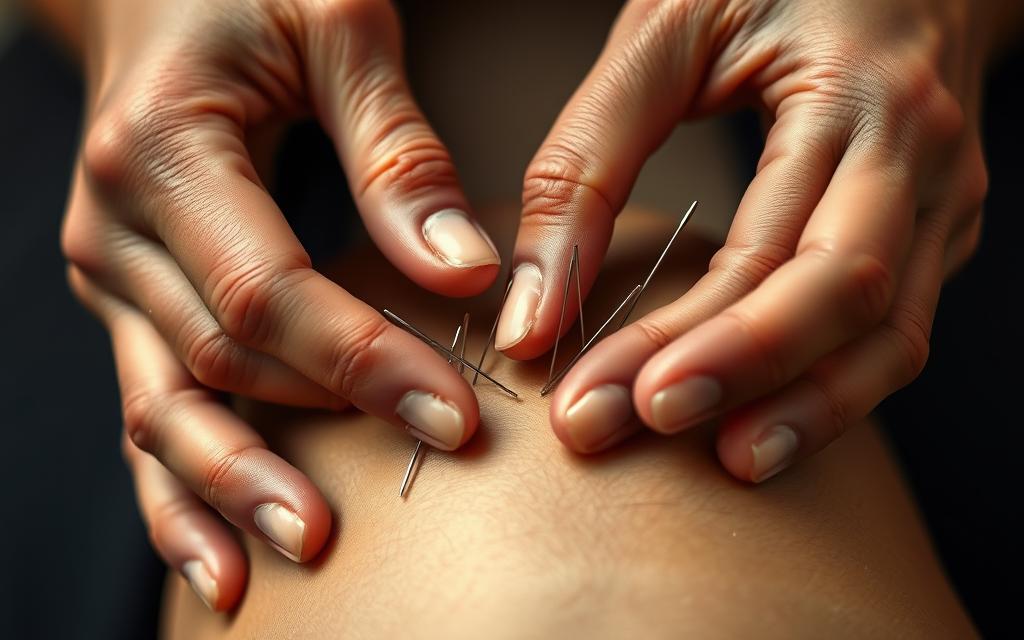
What are the principles of holistic nutrition?

Holistic nutrition focuses on whole foods that meet individual health needs. It’s based on the idea of balancing the body through tailored diets.

How are dietary interventions applied in healthcare settings?

In healthcare, dietary interventions use proven methods. They include medically tailored meals and programs that help patients and save costs.

What is the significance of functional foods?

Functional foods have health benefits beyond basic nutrition. They contain nutrients like probiotics and antioxidants that help prevent diseases and improve health.

How do plant-based diets support healing?

Plant-based diets are powerful for healing and managing chronic illnesses. Research shows they work well. They add whole foods to our diets.

What role do supplements play in alternative medicine?

Supplements help in alternative medicine by filling nutritional gaps. They offer benefits but also have risks based on health conditions.

What are some barriers to accessing nutrition interventions in healthcare?

Barriers include socioeconomic issues, education gaps, and resistance in institutions. Overcoming these is crucial for equal access to food medicine.

How does food insecurity affect public health?

Food insecurity limits nutritional access, harming health outcomes. Policy changes can help fight food insecurity and boost public health.

How can we integrate nutrition into conventional healthcare?

Integrating nutrition means combining diets with traditional medicine. This holistic method can lead to better health outcomes, showing nutrition’s key role in treatment.

Source Links

  1. Food is medicine: actions to integrate food and nutrition into healthcare – https://pmc.ncbi.nlm.nih.gov/articles/PMC7322667/
  2. Introduction – Complementary and Alternative Medicine in the United States – https://www.ncbi.nlm.nih.gov/books/NBK83804/
  3. Integrative Behavioral Health & Medicine – https://www.integrativebehavioral.com/blog/nutrition-in-alternative-medicine
  4. Alternative Medicine – StatPearls – NCBI Bookshelf – https://www.ncbi.nlm.nih.gov/books/NBK538520/
  5. Food as Medicine – Academy of Nutrition and Dietetics Foundation – https://www.eatrightfoundation.org/resources/food-as-medicine
  6. Food as medicine: A debated concept – https://www.medicalnewstoday.com/articles/can-food-be-medicine-pros-and-cons
  7. PDF – https://chlpi.org/wp-content/uploads/2013/12/Food-is-Medicine_Peer-Reviewed-Research-in-the-U.S.1.pdf
  8. Food Is Medicine | Mass General Brigham – https://www.massgeneralbrigham.org/en/about/newsroom/articles/food-is-medicine
  9. Food as medicine? Exploring the impact of providing healthy foods on adherence and clinical and economic outcomes – https://pmc.ncbi.nlm.nih.gov/articles/PMC9032066/
  10. Food as Medicine: Does What You Eat Influence Your Health? – https://www.healthline.com/nutrition/food-as-medicine
  11. An Evidence-based Look at the Effects of Diet on Health – https://pmc.ncbi.nlm.nih.gov/articles/PMC6650179/
  12. Food as Medicine | KCC – https://kootenaycolumbiacollege.com/food-as-medicine-holistic-nutrition-for-whole-health-and-wellness/
  13. What is Holistic Nutrition? | National Association of Nutrition Professionals – https://nanp.org/what-is-holistic-nutrition/
  14. Indian Traditional Ayurvedic System of Medicine and Nutritional Supplementation – https://pmc.ncbi.nlm.nih.gov/articles/PMC3705899/
  15. What Is the Ayurvedic Diet? Benefits, Downsides, and More – https://www.healthline.com/nutrition/ayurvedic-diet
  16. Traditional methods of food habits and dietary preparations in Ayurveda—the Indian system of medicine – Journal of Ethnic Foods – https://journalofethnicfoods.biomedcentral.com/articles/10.1186/s42779-019-0016-4
  17. The Energy of Foods in Chinese Medicine – CNM College of Naturopathic Medicine – https://www.naturopathy-uk.com/news/news-cnm-blog/blog/2020/07/16/the-energy-of-foods-in-chinese-medicine/
  18. Food & Nutrition Information – https://apjcn.nhri.org.tw/server/apjcn/2/2/91.htm
  19. Types of Interventions | odphp.health.gov – https://odphp.health.gov/foodismedicine/understanding-food-medicine/types-interventions
  20. Food is medicine intervention shows promise for engaging patients attending a safety-net hospital in the Southeast United States – https://pmc.ncbi.nlm.nih.gov/articles/PMC10613492/
  21. Functional Foods: Definition, Benefits, and Uses – https://www.healthline.com/nutrition/functional-foods
  22. Functional Foods and Their Benefits – https://www.webmd.com/diet/video/functional-foods
  23. Functional Foods for Health – 9.391 – Extension – https://extension.colostate.edu/topic-areas/nutrition-food-safety-health/functional-foods-for-health-9-391/
  24. The Role of Nutrition and Integrative Medicine – https://fullscript.com/blog/nutrition-and-integrative-medicine
  25. Integrative and Functional Nutrition’s Role in Your Health – Saybrook University – https://www.saybrook.edu/unbound/integrative-and-functional-nutrition-benefits/
  26. No title found – https://www.rupahealth.com/post/the-role-of-nutrition-in-integrative-medicine
  27. Nutritional Update for Physicians: Plant-Based Diets – https://pmc.ncbi.nlm.nih.gov/articles/PMC3662288/
  28. The Benefits of Plant-Based Nutrition – https://lifestylemedicine.org/articles/benefits-plant-based-nutrition/
  29. FDA 101: Dietary Supplements – https://www.fda.gov/consumers/consumer-updates/fda-101-dietary-supplements
  30. Dietary Supplements – Complementary and Alternative Medicine in the United States – https://www.ncbi.nlm.nih.gov/books/NBK83789/
  31. Implementation of Food is Medicine Programs in Healthcare Settings: A Narrative Review – https://pmc.ncbi.nlm.nih.gov/articles/PMC11535093/
  32. ‘Food is Medicine’ to advance mental health and build resilient food systems globally – Nature Food – https://www.nature.com/articles/s43016-025-01145-8
  33. Food as Medicine – https://lifestylemedicine.org/nutrition-as-medicine/
  34. Barriers and facilitators to the implementation of nutrition interventions at primary health care units of Ethiopia: A consolidated framework for implementation research – https://pmc.ncbi.nlm.nih.gov/articles/PMC9749594/
  35. Barriers and facilitators to diet, physical activity and lifestyle behavior intervention adherence: a qualitative systematic review of the literature – International Journal of Behavioral Nutrition and Physical Activity – https://ijbnpa.biomedcentral.com/articles/10.1186/s12966-023-01424-2
  36. Access to Foods That Support Healthy Dietary Patterns – Healthy People 2030 – https://odphp.health.gov/healthypeople/priority-areas/social-determinants-health/literature-summaries/access-foods-support-healthy-dietary-patterns
  37. Hunger & Poverty in America – Food Research & Action Center – https://frac.org/hunger-poverty-america
  38. Food FARMacia Breaks the Link Between Food Insecurity and Obesity in Children | NYP – https://www.nyp.org/news/food-farmacia-breaks-the-link-between-food-insecurity-and-obesity-in-children
  39. The synergy of nutrition and traditional medicine for holistic health and wellbeing – https://www.news-medical.net/news/20241113/The-synergy-of-nutrition-and-traditional-medicine-for-holistic-health-and-wellbeing.aspx
  40. Unconventional approaches to nutritional medicine – https://pmc.ncbi.nlm.nih.gov/articles/PMC1275978/
  41. Conventional vs. Functional Nutrition Care: What’s the Difference? – https://www.ccfmed.com/blog/conventional-vs.-functional-nutrition-care-whats-the-difference
  42. Mom’s Meals®, Inland Empire Health Plan food as medicine pilot demonstrates long-term benefits beyond conclusion | Mom’s Meals – https://www.momsmeals.com/our-newsroom/moms-meals-inland-empire-health-plan-food-as-medicine-pilot-demonstrates-long-term-benefits-beyond-conclusion-/
  43. Conclusions and Recommendations – Food Components to Enhance Performance – https://www.ncbi.nlm.nih.gov/books/NBK209055/

Natural Remedies for Better Sleep: What Really Works

20

As the sun sets, your head hits the pillow, and the day’s weight feels like a heavy blanket. You’re not alone; over 60 million Americans struggle with poor sleep quality. This can harm your emotional and physical health1.

Getting quality sleep is crucial. It affects your memory, focus, mood, and even your risk for diseases like depression and heart disease1. Luckily, natural remedies for better sleep offer hope. They help many find relief without the side effects of drugs. This article explores holistic strategies for a better night’s sleep.

Key Takeaways

  • Over 60 million Americans experience poor sleep quality.
  • Quality sleep is essential for mental and physical health.
  • Natural remedies may alleviate sleep issues without side effects.
  • Holistic strategies often incorporate lifestyle and dietary changes.
  • Effective sleep aids include herbs, supplements, and relaxation techniques.

Understanding the Importance of Quality Sleep

Quality sleep is key to staying healthy and feeling good. Adults need at least seven hours of sleep2. Not getting enough sleep can cause big health problems like obesity, diabetes, and heart disease2.

Good sleep helps our brains work better. It improves memory, decision-making, and creativity. This shows how sleep is crucial for our brain health.

Adults need 7-9 hours of sleep each night3. Teenagers need about 9.5 hours to grow well3. Stress can make it hard to sleep, but a good sleep environment helps2.

Some people struggle to sleep well. Around 30% of adults have trouble sleeping2. This shows how common sleep problems are.

Knowing how much sleep we need helps us value it more. Even things like evening light can mess with our sleep. This shows how important it is to have a good bedtime routine2.

importance of sleep

Common Causes of Sleep Disturbances

It’s important to know the causes of insomnia to tackle sleep disorders. About one-third of people struggle with sleep at some point4. Stressful events can cause short-term insomnia, while long-term stress can lead to chronic insomnia5.

Hormonal changes in women, like during the menstrual cycle and menopause, can make it hard to sleep5. People over 60 often face sleep challenges due to natural aging and health changes5.

Poor sleep hygiene is a big factor in sleep problems. Doing stimulating activities before bed and having irregular sleep times are common mistakes5. Caffeine and nicotine in the evening can mess with sleep4. Alcohol can also disrupt sleep, making it less restful6.

Medical issues like sleep apnea, restless legs syndrome, and chronic pain can also cause insomnia5.

Good habits can help with sleep. Practicing good sleep hygiene can cut down insomnia symptoms by about 30%6. Regular exercise also improves sleep quality a lot6. Knowing these factors helps us spot our own habits and areas for betterment.

causes of insomnia

Natural Remedies for Better Sleep

Looking for ways to improve sleep can greatly benefit your health. Melatonin, valerian root, and chamomile are popular for helping with insomnia. Each has unique benefits for better sleep.

Melatonin: The Sleep Hormone

Melatonin is a hormone our bodies make to help us sleep. It helps our bodies know when it’s time to sleep and wake up. Studies show melatonin can help people fall asleep faster and sleep longer7. It’s also good for jet lag8.

Valerian Root: A Traditional Herbal Aid

Valerian root has been used for centuries to help with sleep. It’s known for its calming effects, which can help you fall asleep quicker. But, how well it works can vary, and more research is needed7. It’s also important to be careful because it can have side effects8.

Chamomile: The Calming Tea

Chamomile is a calming tea that many people drink before bed. It’s thought to help relax and improve sleep. People often use it as a natural way to sleep better, finding it gentle and safe. While many swear by its benefits, more scientific studies are needed to fully understand its effects7.

natural sleep aids

Herbal Remedies for Insomnia

Looking for natural ways to sleep better? Passionflower and lavender are great options. They have special properties that help you sleep well.

Passionflower: Calming the Mind

Passionflower helps calm your mind and body. It can increase GABA levels in your brain, making you feel relaxed. Studies show valerian, like passionflower, can help you fall asleep faster and sleep better9.

But, valerian’s benefits aren’t the same for everyone. Some studies found it doesn’t really help9.

Lavender: Aromatherapy Benefits

Lavender is a favorite for improving sleep. Its scent can make you sleep longer and wake up less at night. It’s great for those who want natural sleep help10.

Lavender comes in many forms, like essential oils and dried flowers. This makes it easy to find a way to use it that you like10.

herbal remedies for insomnia

Herb Potential Benefits Recommended Use
Passionflower Enhances relaxation, may increase GABA levels Tea or tincture before bedtime
Lavender Improves sleep quality, reduces awakenings Aromatherapy or teas

Adding these herbs to your bedtime routine can make you sleep better. You’ll wake up feeling refreshed and ready for the day.

Sleep Improvement Techniques

Improving your sleep is key to feeling rested. Going to bed and waking up at the same time every day helps a lot. This includes weekends, to keep your sleep patterns regular11. Also, cut down on caffeine and alcohol before bed to sleep better1213.

Don’t eat big meals or smoke before bedtime. These habits can make it harder to sleep well11.

Make your bedroom a sleep haven. It should be quiet, dark, and cool for the best sleep. Some people use earplugs or blackout curtains to help11. The right mattress, like a medium-firm one, can also reduce back pain12. Plus, wool or linen bedding can make your sleep even better12.

Try relaxation techniques like guided meditation to relax before bed. It helps calm your mind and makes falling asleep easier11. Regular exercise is good for sleep, but avoid intense workouts close to bedtime1211.

Keeping a sleep diary can help you spot problems with your sleep. It lets you track your sleep and make changes if needed13. Using these tips can greatly improve your sleep and overall health.

Bedtime Rituals for Better Sleep

Creating effective bedtime rituals is key to better sleep. A pre-sleep routine that includes relaxation techniques tells your body it’s time to relax. Adults usually spend 30 minutes to 1 hour on these rituals. Kids need about 20 to 45 minutes14.

By sticking to these rituals, you can train your brain to feel sleepy at night. This improves your sleep hygiene15.

Creating a Relaxing Pre-Sleep Routine

Activities like reading, gentle yoga, or meditation can lower bedtime anxiety14. A warm bath an hour before bed helps your body feel sleepy15. Herbal teas, like chamomile or lavender, also help relax you15.

Avoid eating heavy meals or drinking alcohol before bed to keep your sleep quality good15. Keep your bedroom cool, between 65 to 68 degrees Fahrenheit, for better sleep15. A consistent sleep routine reduces anxiety and helps you sleep better14.

bedtime rituals

Sleep Hygiene Tips for a Restful Night

Good sleep hygiene is key for a great night’s sleep. Adults need 7–9 hours of sleep each night for health16. Regular exercise can cut sleep problems by 30%, helping you sleep better16.

A cool bedroom, around 65°F, improves sleep16. Avoid caffeine and alcohol in the evening to keep sleep smooth17. Caffeine can mess with sleep for 3–7 hours after drinking17.

Start a calming bedtime routine 30–60 minutes before bed to relax17. For anxiety, a weighted blanket can offer comfort and better sleep17. A dark, quiet bedroom is essential; heavy curtains or eye masks can block 70% of light16.

sleep hygiene tips

Short naps, under 20 minutes, won’t ruin your night sleep17. Good sleep habits boost health and satisfaction16. Adjusting your daily routine can greatly improve your sleep and mornings.

Stress-Relief Techniques for Better Sleep

Managing stress is key to getting good sleep. Stress can lead to insomnia, with 44 percent of adults saying it has kept them awake at least once a month18. Mindfulness and meditation can help reduce anxiety and make it easier to fall asleep. These practices have been shown to improve emotional health and lower stress19.

Regular use of these techniques can lower stress and improve sleep quality.

Meditation and Mindfulness Practices

Adding mindfulness to your daily routine can help you relax before bed. Yoga and deep breathing can activate your body’s relaxation response, making it easier to sleep20. For example, doing relaxation techniques like gentle breathing and muscle relaxation for 20 to 25 minutes a day can help reduce stress and improve sleep18.

Mindfulness meditation can also improve sleep quality and reduce daytime tiredness, which is good for older adults who struggle with sleep20.

stress-relief for better sleep

Using these stress-relief techniques can help you relax and prepare for a peaceful night. Keeping a regular sleep schedule and using relaxation practices can improve sleep quality and mental health19. By adopting these methods, you can aim for a restful and refreshing sleep.

Sleep-Promoting Foods to Consider

Adding certain foods to your diet can help you sleep better. Foods like turkey, dairy, and nuts boost serotonin levels, which is key for sleep. A study found that drinking tart cherry juice improved sleep time and quality2122.

Salmon is also good for sleep. Eating it three times a week can lead to better sleep and more energy during the day21. To get the most sleep benefits, eat these foods with carbs. This helps your body absorb tryptophan, making you feel sleepy.

Incorporating Tryptophan-Rich Foods

Dairy products can improve sleep quality, best when paired with light exercise22. Kiwis, rich in serotonin, may also help with sleep, though more research is needed22. Oatmeal, full of carbs, not only makes you tired but also has melatonin to help you fall asleep23.

Insomnia affects about 35% of American adults, showing the importance of diet in sleep21.

sleep-promoting foods

Exercise and Sleep: Finding the Right Balance

Regular exercise and sleep are closely linked. Studies show that moderate exercise can improve deep sleep and reduce sleep apnea symptoms24. Adults who exercise for 30 minutes a day sleep 15 minutes longer than those who don’t25. Lack of sleep can also lead to weight gain and obesity, showing the importance of balance26.

Timing and intensity of exercise are key to good sleep. Exercising too close to bedtime can disrupt sleep due to high heart rates and body temperatures. But exercising earlier in the day can improve sleep. Moderate exercise three times a week is best, improving sleep quality, even for older adults2524.

There’s a two-way link between sleep and exercise. Better fitness can lead to better sleep, which helps with exercise. Regular workouts can also reduce anxiety before bed, making it easier to sleep2625. Younger people might need more exercise to see sleep benefits than older adults25. A consistent exercise routine can create a positive cycle, where better sleep means more energy for workouts, improving health24.

exercise and sleep

Using Supplements Wisely for Sleep

Using sleep supplements can help improve your sleep. In 2012, about 3 million Americans used melatonin sleep aids, a CDC survey found27. Melatonin helps your body get ready for sleep by increasing levels two hours before bedtime27. Experts suggest taking 1 to 3 milligrams two hours before bed for best results27.

Research shows that supplements like GABA can also help. A study found that taking 300 mg of GABA one hour before bed can make falling asleep easier28. While side effects from GABA are rare, it’s important to watch for them. This is because FDA rules for dietary supplements are not strict28.

It’s important to use natural sleep aids safely. About 8% of adults use sleep aids often, and many feel groggy from them29. Always talk to a healthcare provider before starting any new supplement, even if you’re healthy29.

Potential Risks of Natural Sleep Remedies

Natural sleep remedies are popular for those looking for alternatives to prescription drugs. Almost two-thirds of American adults have tried melatonin, showing a big shift in what people prefer30. Melatonin is usually safe for short use, but it can cause headaches, dizziness, nausea, and feeling tired during the day31. It’s important to be careful with sleep supplements because some, like valerian, can cause side effects like irregular heartbeat and stomach upset30

The safety of natural sleep aids is a big concern. The FDA doesn’t check dietary supplements as closely as it does drugs. This means we might not know how safe or effective they are31. Some sleep aids, like cannabinoids, can react badly with other medicines and have different side effects depending on the product and how much you take32. Also, while magnesium supplements are rare in causing side effects, too much can lead to diarrhea30. It’s key to talk to a doctor before using sleep supplements to avoid bad reactions and use them right31.

With sleep disorders affecting 50–70 million adults in the U.S., it’s important to use natural sleep remedies wisely32. Making lifestyle changes and using supplements together might be the best way to get good sleep. It’s important to know the risks of sleep remedies and be careful to get the most benefits while avoiding side effects.

Conclusion

Addressing sleep disturbances offers many natural ways to improve. Options like melatonin, valerian root, and changing what we eat are key. For example, melatonin helps set our body clocks right, which is great for those who can’t sleep at night. Valerian root might take some time to work well33.

Adding stress-reducing activities and good sleep habits is also important. Exercise helps relax muscles and lowers anxiety, making sleep better33. Knowing how sleep and natural remedies help us can lead to better health and happiness.

Remember, always talk to a doctor before trying new supplements or changing your routine. They can give advice that fits your specific needs. This ensures a safe way to get a good night’s sleep34.

FAQ

What are some effective natural remedies for better sleep?

Natural sleep aids include melatonin, valerian root, and chamomile. Passionflower and lavender also help. These herbs relax you and improve sleep without the usual medicine side effects.

How can sleep hygiene practices improve my sleep quality?

Good sleep habits are key. Stick to a sleep schedule and keep your room dark and cool. Avoid caffeine and alcohol before bed to sleep better.

What stress-relief techniques can aid in achieving better sleep?

Meditation, mindfulness, and deep breathing help calm your mind. They make it easier to fall asleep and improve sleep quality.

Are there specific foods that promote better sleep?

Yes, foods like turkey, dairy, nuts, and beans have tryptophan. This makes you feel sleepy. Carbs help your body use tryptophan better for sleep.

How can I create a calming bedtime ritual for better sleep?

Start a calming routine like reading or gentle yoga before bed. This tells your body it’s time to sleep, helping you fall asleep faster.

What role does exercise play in sleep improvement?

Exercise helps you sleep better by making it easier to fall asleep and improving deep sleep. But, finish workouts a few hours before bed.

What should I know about using supplements for sleep?

Supplements like melatonin and valerian root can help sleep. But, talk to a doctor first. They can ensure safety and avoid side effects.

Can natural sleep remedies have side effects?

Yes, natural sleep aids can have side effects. Melatonin might make you dizzy, and valerian could cause headaches. Always check with a doctor before trying them.

Source Links

  1. Natural Sleep Aids: Home Remedies to Help You Sleep – https://www.hopkinsmedicine.org/health/wellness-and-prevention/natural-sleep-aids-home-remedies-to-help-you-sleep
  2. 6 steps to better sleep – https://www.mayoclinic.org/healthy-lifestyle/adult-health/in-depth/sleep/art-20048379
  3. Brain Basics: Understanding Sleep – https://www.ninds.nih.gov/health-information/public-education/brain-basics/brain-basics-understanding-sleep
  4. Sleep disorders and problems (insomnia): Learn More – What can you do if you have trouble sleeping? – InformedHealth.org – https://www.ncbi.nlm.nih.gov/books/NBK279320/
  5. Insomnia – Symptoms and causes – https://www.mayoclinic.org/diseases-conditions/insomnia/symptoms-causes/syc-20355167
  6. Remedies for Insomnia – https://www.webmd.com/sleep-disorders/remedies-for-insomnia
  7. Natural Cures for Insomnia: From Acupressure to Yoga – https://www.sleepfoundation.org/insomnia/treatment/natural-cures-for-insomnia
  8. 8 Insomnia Home Remedies: Exercises, Oils, and More – https://www.healthline.com/health/healthy-sleep/insomnia-home-remedies
  9. Valerian for insomnia? Maybe – https://www.mayoclinic.org/diseases-conditions/insomnia/expert-answers/valerian/faq-20057875
  10. 10 Herbs for Sleep and Sleep-Related Struggles | Zzzquil – https://www.zzzquil.com/en-us/article/herbs-for-sleep-struggles
  11. Fall asleep faster and sleep better – Every Mind Matters – https://www.nhs.uk/every-mind-matters/mental-wellbeing-tips/how-to-fall-asleep-faster-and-sleep-better/
  12. 15 Proven Tips to Sleep Better at Night – https://www.healthline.com/nutrition/17-tips-to-sleep-better
  13. Insomnia treatment: Cognitive behavioral therapy instead of sleeping pills – https://www.mayoclinic.org/diseases-conditions/insomnia/in-depth/insomnia-treatment/art-20046677
  14. Bedtime Rituals to Help You Sleep – https://sleepdoctor.com/sleep-hygiene/bedtime-rituals
  15. Bedtime Routines for Adults – https://www.sleepfoundation.org/sleep-hygiene/bedtime-routine-for-adults
  16. Mastering Sleep Hygiene: Your Path to Quality Sleep – https://www.sleepfoundation.org/sleep-hygiene
  17. 12 Tips for Better Sleep Hygiene – https://www.healthline.com/health/sleep-hygiene
  18. Sleepless Nights? Try Stress Relief Techniques – https://www.hopkinsmedicine.org/health/wellness-and-prevention/sleepless-nights-try-stress-relief-techniques
  19. 12 tips to tame stress – https://www.mayoclinic.org/healthy-lifestyle/stress-management/in-depth/stress-relievers/art-20047257
  20. How To Relieve Stress for Bedtime – https://www.sleepfoundation.org/sleep-hygiene/how-to-relieve-stress-for-bedtime
  21. The Best Foods To Help You Sleep – https://www.sleepfoundation.org/nutrition/food-and-drink-promote-good-nights-sleep
  22. 9 Foods and Drinks to Promote Better Sleep – https://www.healthline.com/nutrition/9-foods-to-help-you-sleep
  23. Can’t Sleep? Check What’s on Your Plate – https://health.clevelandclinic.org/foods-that-help-you-sleep
  24. Exercises for Better Sleep – https://www.webmd.com/sleep-disorders/ss/exercises-better-sleep
  25. The Effect of Physical Activity on Sleep Quality and Sleep Disorder: A Systematic Review – https://pmc.ncbi.nlm.nih.gov/articles/PMC10503965/
  26. The Connection Between Diet, Exercise, and Sleep – https://www.sleepfoundation.org/physical-health/diet-exercise-sleep
  27. Melatonin for Sleep: Does It Work? – https://www.hopkinsmedicine.org/health/wellness-and-prevention/melatonin-for-sleep-does-it-work
  28. Gaba for Sleep – https://www.sleepfoundation.org/sleep-aids/gaba-for-sleep
  29. Sleep Aids: Know the Types, Benefits, & Risks – https://www.sleepfoundation.org/sleep-aids
  30. Natural Sleep Aids: Which Are the Most Effective? – https://www.sleepfoundation.org/sleep-aids/natural-sleep-aids
  31. Pros and cons of melatonin – https://www.mayoclinic.org/healthy-lifestyle/adult-health/expert-answers/melatonin-side-effects/faq-20057874
  32. Herbal and Natural Supplements for Improving Sleep: A Literature Review – https://pmc.ncbi.nlm.nih.gov/articles/PMC11321869/
  33. Health Benefits of Natural Sleep Treatments for Insomnia – https://www.scitechnol.com/peer-review/health-benefits-of-natural-sleep–treatments-for-insomnia-aRqM.php?article_id=22472
  34. How to Improve Sleep, Based on The Science – Consensus: AI Search Engine for Research – https://consensus.app/home/blog/how-to-improve-sleep-based-on-the-science/