Monday, June 1, 2026
spot_img
Home Blog Page 9

“Staying Healthy with Diabetes: Common Challenges and How to Overcome Them

Living with diabetes can feel overwhelming and isolating. We face many challenges, from managing blood sugar to dealing with emotions and daily routines. It’s frustrating to follow dietary restrictions and worrying about complications.

But, we can overcome these challenges with the right strategies and support. Research shows that a healthy lifestyle can help control blood pressure, cholesterol, and blood glucose levels1. Let’s work together to tackle these obstacles and improve our health and well-being.

Key Takeaways

  • Understanding diabetes management is crucial for a healthy life.
  • Effective strategies include regular physical activity and a balanced diet.
  • Emotional challenges are common, but support systems can help.
  • Monitoring blood sugar levels is essential for effective diabetes control.
  • Preventing complications involves adhering to medical advice and lifestyle changes.

Understanding Diabetes: The Basics

Diabetes is a long-term condition that makes it hard to control blood sugar levels. It mainly comes from problems with insulin, a hormone that helps glucose in the blood. Without enough insulin, glucose builds up, causing serious health problems over time.

In the United States, about 38 million adults have diabetes. Sadly, 1 in 5 people don’t know they have it2. Also, type 2 diabetes makes up about 90% to 95% of all diabetes cases, showing how common it is2.

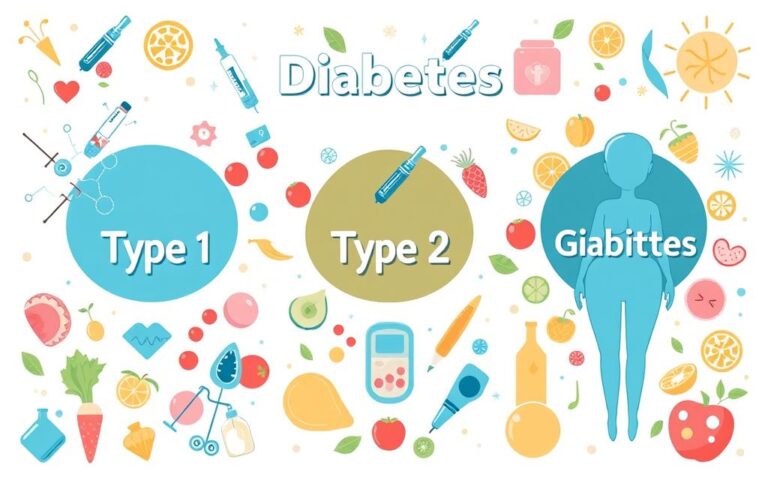
It’s important to know the difference between type 1 and type 2 diabetes. Type 1 diabetes happens when the body attacks its insulin-making cells. Type 2 diabetes, on the other hand, often starts later in life and is linked to being overweight and not active. More than 1 in 4 people over 65 have diabetes, which highlights the need for awareness and care among older adults3.

Managing diabetes well means keeping blood sugar levels in check. This can be done through healthy eating and regular exercise. Catching diabetes early is key; people with prediabetes have blood sugar levels that are too high, which means they’re at risk for type 2 diabetes. Living a healthy lifestyle can greatly lower the risk of diabetes-related problems like heart disease, kidney failure, and vision loss4.

In the United States, diabetes costs about $413 billion a year. This shows how big of a health and economic problem it is. By understanding diabetes and its effects, we can work to prevent and manage it better2.

Recognizing the Symptoms of Diabetes

Keeping our health in check is important. Spotting early diabetes symptoms is key. Type 2 diabetes symptoms often sneak up on us, making them hard to notice at first. Knowing these signs helps us act fast and manage the condition better.

Common Symptoms of Type 2 Diabetes

Here are some common signs of type 2 diabetes:

  • Increased thirst
  • Frequent urination
  • Persistent fatigue
  • Blurred vision
  • Slow-healing sores

These symptoms can sneak up on us. Up to 50% of people with type 2 diabetes don’t realize they have it until it’s too late5. If you notice any of these signs, it’s time to take action. It could mean you’re at risk for diabetes.

When to Seek Medical Advice

If you’re worried about diabetes symptoms, don’t hesitate to see a doctor. Noticing frequent urination or feeling really thirsty is a good reason to visit your healthcare provider6. Feeling off or tired for no reason is another sign to seek help. Catching diabetes early can make a big difference in your life. It can help prevent serious problems like heart disease and nerve damage7.

The Importance of Diabetes Management

Managing diabetes well is key to avoiding serious health issues and feeling good overall. With over 346 million people worldwide living with diabetes, it’s vital to use effective health strategies. These strategies help keep diabetes under control and prevent other health problems8.

For those with diabetes, aiming for an A1C blood glucose test below 7% is important. Blood pressure should be kept below 130/80 mm Hg9. It’s also crucial to check cholesterol levels and follow specific targets based on individual needs9.

Regular exercise is a big part of managing diabetes. Aim for at least 150 minutes of moderate exercise and muscle-strengthening activities two days a week9.

Keeping track of blood glucose levels is essential. Try to keep levels between 80 and 130 mg/dL before meals and under 180 mg/dL two hours after eating9. The goal is to stay within 70 to 180 mg/dL most of the time.

Getting enough sleep is also important for managing diabetes. Adults should aim for 7 to 8 hours of sleep each night to help control blood glucose9.

Diabetes affects 1 in 3 Americans, and the costs are staggering at $413 billion a year10. So, managing diabetes is crucial for personal health and public health efforts.

diabetes management strategies

Using effective health strategies helps manage diabetes and lowers the risk of serious complications. This allows for a healthier lifestyle. By working together, we can improve diabetes control and create a healthier future for everyone.

Navigating a Diabetic Diet

Creating a balanced diabetic diet is key to staying healthy and controlling blood sugar. We can do this by choosing healthy foods, controlling portions, and learning about carbohydrate counting. The American Diabetes Association says to eat a variety of nutritious foods, keeping our own needs in mind11.

Healthy Food Choices for Diabetes Management

Choosing healthy foods is crucial for managing diabetes. A good diet includes non-starchy veggies, whole grains, and lean proteins. Foods rich in fiber, like fruits, veggies, nuts, and whole grains, help control blood sugar12.

We should also limit saturated fats. Avoiding high-fat dairy and certain meats can lower heart disease risks12. Eating heart-healthy fish at least twice a week can also help12.

The Role of Portion Control

Portion control is a key part of our diabetic diet. It helps us manage calorie intake and blood sugar. The American Diabetes Association suggests eating at regular times to improve insulin use12.

A sample meal plan for 1,200 to 1,600 calories includes specific portions. For example, 1 medium slice of whole-wheat bread and 1 medium apple. This shows the importance of balanced meals and the right portions12.

Understanding Carbohydrate Counting

Carbohydrate counting is a useful tool for managing blood glucose. It helps us track carbs in our meals, which is key for people with diabetes. Foods like starch, fruits, and milk usually have 12 to 15 grams of carbs12.

Health care professionals also stress the importance of personalized food choices. They say to choose foods that fit our cultural backgrounds and personal tastes for better nutrition11.

Physical Activity and Diabetes Control

Regular physical activity is key for managing diabetes. It’s important to mix aerobic exercises and strength training to better control blood sugar. Exercise can lower A1C levels and offer many health benefits.

Adults should aim for 150 minutes of moderate-intensity activity weekly13. Sadly, 34.3% of Americans with diabetes don’t meet this goal, doing less than 10 minutes of activity a week14.

Aerobic Exercises Beneficial for Diabetes

Aerobic activities like walking, cycling, and swimming help lower blood sugar. These activities can improve blood sugar levels, with big drops seen after walking13. Physical activity can also keep blood sugar low for up to 24 hours after15.

Doing 30 minutes of activity daily can meet the weekly goal, making it easier for many to stay active13.

Strength Training for Better Blood Sugar Levels

Strength training is also vital for managing diabetes. It builds muscle and makes insulin work better. Research shows regular exercise can lower diabetes risk by 64% in middle-aged men14.

Enjoying workouts makes sticking to them easier, which is why group or partner activities are great13.

Type of Exercise Benefits for Diabetes Recommended Duration
Aerobic Exercises Reduces blood sugar levels, enhances cardiovascular health At least 150 minutes per week
Strength Training Builds muscle mass, improves insulin sensitivity 2-3 times per week, with focus on major muscle groups

By adding these exercises to our routine, we can improve diabetes control and overall health. It’s important to track our activity to see how it affects our health141315.

Weight Management Strategies for Diabetics

Managing weight is key for people with diabetes. It affects blood sugar levels and health. We aim to find good ways to manage weight to improve our health while living with diabetes.

Studies show losing 5% to 10% of body weight can greatly improve health. This is true for people with diabetes, helping with insulin sensitivity and lowering disease risks1617.

The Connection between Weight and Blood Sugar

Carrying extra weight, mainly around the waist, makes it harder to control blood sugar. Women with a waist over 35 inches and men over 40 inches face higher diabetes risks16. Losing weight is not just about looks; it’s crucial for our health, showing the importance of effective weight loss plans.

Healthy Eating Tips for Weight Loss

Healthy eating is vital for managing weight and blood sugar. Here are some tips:

  • Choose high-fiber, low-sugar carbs to control blood sugar and calorie intake.
  • Go for a diet rich in protein and low in carbs to reduce insulin needs and hunger.
  • Drink more water and cut down on sugary drinks to lose calories and manage blood sugar.
  • Keep track of what you eat; studies show writing it down helps with weight loss1617.
  • Try Mediterranean or vegan diets for better weight control and diabetes management, leading to weight loss and less medication use18.

By sticking to these tips, we can reach our weight loss goals and boost our health.

Diet Type Avg. Weight Loss Impact on Medications
Mediterranean Diet 1.5 kg (3.3 lbs) Negative
Vegan Diet 6.5 kg (14.3 lbs) 43% Reduced Medications
ADA Diet 3.1 kg (6.8 lbs) 26% Reduced Medications

Overcoming Emotional Challenges Related to Diabetes

Living with diabetes is tough, both physically and emotionally. Studies show that many people with diabetes feel stressed and anxious. Almost one-third say they feel overwhelmed by diabetes19.

Stress can make blood sugar levels go up, making diabetes harder to manage20. About 40% of people with diabetes struggle with depression and anxiety. This is because managing diabetes every day is very demanding19.

The Impact of Stress on Blood Sugar Levels

Stress affects our bodies in many ways, including our blood sugar levels. People with diabetes are more likely to feel depressed than others20. Also, 20% of diabetes patients hide their condition from loved ones. This can make them feel even more stressed and alone19.

Managing stress well is key to keeping blood sugar stable. Mindfulness, exercise, and hobbies can help reduce stress and anxiety.

Finding Support Through Diabetes Care Teams

Having a strong support team is vital for emotional well-being. Support groups can make people feel less isolated, with a 30% drop in stress levels19. Also, 70% of diabetic patients want regular psychological support to cope19.

Professionals in the diabetes team can help with both physical and emotional aspects of diabetes. With the right support, people can feel more in control of their health journey.

It’s crucial to focus on emotional health for effective diabetes management. This can greatly improve our physical health. By addressing emotional challenges and diabetes management, we can all achieve better outcomes20.

The Risks of Smoking with Diabetes

It’s vital to know the dangers of smoking with diabetes. Smoking makes diabetes problems worse and harms our health. Studies show smokers are 30% to 40% more likely to get type 2 diabetes than non-smokers2122. Quitting smoking is key to avoiding more health issues.

Why Quitting Smoking is Essential for Diabetics

Smoking raises blood sugar levels, needing more insulin to control it22. This can cause serious diabetes problems like heart disease and kidney issues. Sadly, smoking leads to about 9,000 deaths in the U.S. each year because of diabetes21.

Smoking also makes insulin less effective, but quitting can improve this in just eight weeks21.

Smoking also messes with our cholesterol, increasing bad cholesterol and lowering good cholesterol21. This raises heart disease risk. Diabetics who smoke face more blood vessel damage and high blood pressure because of inflammation21.

Smoking can also harm our eyes, increasing the risk of vision loss or blindness21.

Quitting smoking brings quick benefits like better circulation and lung function22. Carbon monoxide levels drop within 12 hours of quitting, helping our bodies recover22. While quitting can take many tries, using nicotine replacement products can double our chances of success22.

Health Risks Smokers with Diabetes Non-Smokers
Risk of heart disease Higher Lower
Kidney disease More likely Less likely
Vision loss Increased risk Lower risk
Amputations Higher likelihood Lower likelihood
Blood vessel damage Increased risk Lower risk

Quitting smoking can greatly improve our health. Knowing the risks of smoking with diabetes helps us make better choices for a healthier life2122.

Managing Diabetes Complications

It’s key to manage diabetes complications to stay healthy. Regular health checkups help us keep an eye on important signs. They guide us in making lifestyle changes to prevent heart disease and stroke.

Preventing Heart Disease and Stroke

People with diabetes are at higher risk for heart disease and stroke. It’s vital to take steps to prevent these issues23. Regular exercise, like 150 minutes a week, helps manage diabetes23.

Keeping blood pressure under 140/90 mm Hg is crucial for heart health23. It’s also important to watch cholesterol levels. Healthy HDL and LDL cholesterol and triglycerides are key for our heart.

Regular Health Checkups and Monitoring

Regular health checkups are essential for catching diabetes complications early. About 50% of adults with diabetes have high blood pressure, which needs to be controlled24. Around 33% of adults with diabetes have chronic kidney disease, making kidney health monitoring critical23.

Diabetes also increases the risk of gum disease, which can cause more health problems23. We should get checkups to watch for these issues. This helps us stay on track for better health.

diabetes complications

The Role of Medication in Diabetes Management

Understanding the role of medication is key to managing diabetes well. There are many diabetes medications that help keep blood sugar levels stable. A good approach includes lifestyle changes like diet and exercise, along with the right medications. We will look at the different types of diabetes medications and insulin therapy.

Types of Diabetes Medications

There are several classes of diabetes medications. Each works in a unique way to lower blood sugar. For Type 2 diabetes, Metformin is often the first choice, given to about 70% of new patients25. Other common ones include:

  • Sulfonylureas (e.g., Glipizide, Glyburide) – They help lower blood sugar but can cause hypoglycemia and weight gain.
  • DPP-4 inhibitors (e.g., Sitagliptin) – They don’t usually cause weight gain or hypoglycemia when used alone.
  • SGLT2 inhibitors (e.g., Canagliflozin) – They may help with weight loss and lower blood pressure but can cause urinary tract infections.
  • Incretin mimetics – They can reduce hunger and help with weight loss but may cause nausea and stomach pain.

Using different medications together can be helpful for many people with diabetes. Choosing the right medication is a personal decision that requires working closely with a healthcare provider26.

Understanding Insulin Therapy

Insulin therapy is crucial for managing Type 1 diabetes, where the body doesn’t make insulin25. Up to 40% of people with Type 2 diabetes may need insulin as their condition worsens. There are different types of insulin, based on how fast they start working and how long they last:

Type of Insulin Onset Time Duration
Rapid-acting insulin Within 15 minutes 2-4 hours
Long-acting insulin No peak, steady Up to 24 hours
Premixed insulin 15-60 minutes 10-16 hours

Continuous glucose monitors (CGMs) are often used with insulin pumps. They provide quick feedback on blood sugar levels, helping make timely adjustments to insulin therapy26. Taking medications as prescribed is key to controlling blood sugar. Studies show that only 50% of people with diabetes reach their blood sugar goals as set by hemoglobin A1C tests27.

Monitoring Your Blood Sugar Levels

Keeping an eye on blood sugar monitoring is key for those with diabetes. A glucose meter lets us easily check our sugar levels. This helps us adjust our lifestyle and treatment plans.

Knowing the right blood sugar targets is vital. It helps keep us healthy and avoids serious problems.

How to Use a Glucose Meter

First, learn how to use a glucose meter correctly. Here’s how:

  1. Wash your hands with soap and water to keep them clean.
  2. Get your glucose meter ready for use.
  3. Use a sterile lancet to prick your finger.
  4. Put a drop of blood on the test strip in the meter.
  5. Wait for the meter to show your blood sugar reading.

The American Diabetes Association (ADA) says test your blood sugar at least 4 times a day28. Testing often helps manage diabetes better and work well with your healthcare team.

Understanding Blood Sugar Targets

Knowing your blood sugar targets is crucial for managing diabetes. Here are the targets to aim for:

When to Test Blood Sugar Target (mg/dL)
Before meals 80 to 130
1-2 hours after meals Below 180

Staying within these target ranges can lower the risk of diabetes problems. Regular monitoring can cut risks by up to 30%28. If you’re on insulin or find it hard to hit your targets, you might need to test more often and adjust your plan29.

In short, understanding the importance of blood sugar monitoring and using a glucose meter is beneficial. It helps us reach our blood sugar targets consistently.

Diabetes Prevention Tips

To fight diabetes, we need to learn and spread the word about risks and how to stay healthy. Type 2 diabetes often comes from our lifestyle choices. So, we can lower our risk by adopting healthy habits.

The Importance of Education and Awareness

Learning is key in preventing diabetes. About 1 in 3 Americans has prediabetes, showing we need to know more about it30. Knowing that being overweight increases our diabetes risk, it’s crucial to keep a healthy weight31. Simple steps like regular check-ups and knowing our body metrics help us stay informed.

Healthy Lifestyle Habits to Lower Risk

Healthy habits are essential for diabetes prevention. Research shows that 90% of prediabetes and type 2 diabetes cases can be prevented with lifestyle changes31. For example, doing 150 minutes of moderate exercise weekly, like brisk walking, can greatly reduce our risk32. Losing 5-7% of our body weight also helps a lot for those at risk30.

  • Prioritize regular physical activity—aim for at least 30 minutes on most days.
  • Focus on balanced eating patterns, including plenty of fruits, vegetables, and whole grains.
  • Maintain regular health screenings, specially if over 45 or if there’s a family history of diabetes.
  • Avoid prolonged periods of inactivity, as spending two hours watching television can increase diabetes risk by 20%31.

diabetes prevention

Exploring Clinical Trials for Diabetes Management

Joining clinical trials is key to improving diabetes care. It helps us find new ways to manage the disease. For example, over 300 trials are working on type 1 diabetes and its complications33. But, many trials are slow because not enough people join, showing how crucial our role is33.

The DESIGNATE study is a 52-week trial with 12 weeks of treatment and 12 visits34. It offers travel reimbursement, making it easier for people to join. This helps more people help in diabetes research.

Studies like TrialNet aim to stop or slow type 1 diabetes35. The GRADE and RISE studies give us insights into new treatments and how to control blood sugar better35.

By joining these trials, we can help improve diabetes care. We get to try new treatments and help find better ways to manage the disease. This benefits everyone with diabetes.

Clinical Trial Description Status
TrialNet Focuses on preventing, delaying, and reversing type 1 diabetes progression. Ongoing
GRADE Study Analyzes medication efficacy for blood sugar management in newly diagnosed patients. Ongoing
RISE Study Investigates aggressive glucose lowering for recovery of pancreatic function. Ongoing
D2d Study Aims to understand the impact of vitamin D on type 2 diabetes onset. Ongoing

Staying Healthy While Traveling with Diabetes

Traveling with diabetes needs careful planning. We must plan meals and manage blood sugar while on the move. Packing the right items and sticking to our routine are key for a smooth trip.

Planning Meals and Snacks On-the-Go

It’s important to keep a meal and snack schedule, even in new places. Ask for low-sugar, low-fat meals at least 48 hours before flying. Also, pack more medication and supplies than you think you’ll need36.

Keep half of your medical supplies in your carry-on37.

Managing Blood Sugar During Travel

Checking blood sugar levels often is vital while traveling. Not checking blood sugar enough can lead to serious problems36. Use an alarm to remember to take your meds, as time can slip away.

After crossing time zones, you might need to adjust your insulin doses. Eastbound trips might need less insulin, while westbound trips might need more36. Also, over 90% of traveling diabetics don’t carry a medical ID. Having one is very important in emergencies37.

Utilizing Technology for Diabetes Management

Technology has changed how we manage diabetes. Health apps and advanced blood sugar devices give us more control over our health. The smart insulin pen market is growing fast, thanks to its affordability and ease of use38. Continuous glucose monitoring (CGM) offers real-time blood glucose readings every five minutes, which is crucial for maintaining good health38.

Apps and Devices for Blood Sugar Monitoring

Many of us use health apps and CGMs to alert us to high or low blood sugar levels. This is very helpful for those with hypoglycemia unawareness, affecting up to 30% of people with diabetes38. CGMs can lower HbA1c levels by 0.5% to 1%, benefiting both type 1 and type 2 diabetes patients39. Insulin pumps also offer better glycemic control than multiple daily injections, reducing A1c levels by up to 0.7%39. It’s important to check with insurance providers before buying insulin pumps, as costs can vary38.

The Future of Diabetes Management Technology

Closed-loop systems combining CGMs with insulin pumps are promising for the future. They can adjust insulin delivery automatically based on glucose levels, aiming for a 70% Time in Range (TIR) for type 1 diabetes patients39. With the market expected to hit over $32 billion by 2026, innovation is transforming healthcare39. AI voice recognition technology is also improving data transmission for visually impaired patients, making devices more accessible39.

diabetes technology

Conclusion

Managing diabetes is tough, but it also opens doors for better health through smart choices and support. We learn how diabetes affects us by understanding its many causes. This way, we see why it’s key to involve those with diabetes, their families, and a team of experts in care40.

Checking for eye diseases often is also vital. It helps catch problems early and treat them quickly, avoiding serious issues40.

Living a healthy lifestyle is also crucial. Eating right and staying active are key. Studies show that following good diets can greatly reduce the chance of getting Type 2 diabetes41.

As diabetes cases grow worldwide, we must spread awareness and teach people about it. This helps those with diabetes feel empowered and in control41 and42.

By keeping an eye on our health and supporting each other, we can handle diabetes better. Together, we can build a community that values health and well-being through knowledge and shared experiences.

FAQ

What is the difference between Type 1 and Type 2 diabetes?

Type 1 diabetes is when your body can’t make insulin. Type 2 diabetes is when your body can’t use insulin well. Both lead to high blood sugar but need different treatments.

What are common symptoms of Type 2 diabetes?

Signs include feeling very thirsty, needing to pee a lot, feeling tired, blurry vision, slow-healing sores, and losing weight without trying. Spotting these signs early is key to getting a quick diagnosis.

Why is it important to control blood sugar levels?

Keeping blood sugar levels normal is crucial to avoid serious problems like heart disease, nerve damage, and kidney issues. Good diabetes care improves your health overall.

How can diet affect diabetes management?

Eating a balanced diet with non-starchy veggies, whole grains, and lean proteins helps control blood sugar. Proper nutrition, along with watching portion sizes and counting carbs, is key to managing diabetes.

What types of physical activity are recommended for managing diabetes?

Activities like walking and cycling can lower blood sugar. Strength training helps muscles work better with insulin. Regular exercise is important for managing diabetes.

How does stress impact diabetes?

Stress can raise blood sugar levels. It’s important to manage stress well. Getting support from healthcare teams and community groups can help.

What are the risks associated with smoking for individuals with diabetes?

Smoking worsens diabetes complications and heart disease risks. It also makes controlling blood sugar harder. Quitting smoking is crucial for better health and diabetes care.

What medications are commonly prescribed for diabetes?

Oral meds improve insulin sensitivity, and insulin therapy directly helps regulate blood sugar. Each medication helps keep glucose levels stable.

How can I effectively monitor my blood sugar levels?

Using a glucose meter helps track blood sugar. Healthcare experts set target ranges based on your health to help control diabetes.

What preventive measures can be taken to lower the risk of developing diabetes?

Learning about diabetes and living a healthy lifestyle are key. This includes eating well and exercising regularly to prevent diabetes.

Source Links

  1. Healthy Living with Diabetes – NIDDK – https://www.niddk.nih.gov/health-information/diabetes/overview/healthy-living-with-diabetes
  2. Diabetes Basics – https://www.cdc.gov/diabetes/about/index.html
  3. What Is Diabetes? – NIDDK – https://www.niddk.nih.gov/health-information/diabetes/overview/what-is-diabetes
  4. About diabetes – https://www.diabetes.org.uk/about-diabetes
  5. 9 early warning signs and symptoms of type 2 diabetes – https://www.medicalnewstoday.com/articles/323185
  6. Early Signs and Symptoms of Diabetes – https://www.webmd.com/diabetes/understanding-diabetes-symptoms
  7. Symptoms, Diagnosis and Monitoring of Diabetes – https://www.heart.org/en/health-topics/diabetes/symptoms-diagnosis–monitoring-of-diabetes
  8. Self-Care Practices and Their Role in the Control of Diabetes: A Narrative Review – https://pmc.ncbi.nlm.nih.gov/articles/PMC10402910/
  9. Managing Diabetes – NIDDK – https://www.niddk.nih.gov/health-information/diabetes/overview/managing-diabetes
  10. Health and Economic Benefits of Diabetes Interventions – https://www.cdc.gov/nccdphp/priorities/diabetes-interventions.html
  11. Eating for Diabetes Management | American Diabetes Association – https://diabetes.org/food-nutrition/eating-for-diabetes-management
  12. Diabetes diet: Create your healthy-eating plan – https://www.mayoclinic.org/diseases-conditions/diabetes/in-depth/diabetes-diet/art-20044295
  13. Get Active – https://www.cdc.gov/diabetes/living-with/physical-activity.html
  14. The Role of Exercise in Diabetes – Endotext – https://www.ncbi.nlm.nih.gov/books/NBK549946/
  15. Understanding Blood Glucose and Exercise – https://diabetes.org/health-wellness/fitness/blood-glucose-and-exercise
  16. Healthy Weight – https://www.cdc.gov/diabetes/living-with/healthy-weight.html
  17. Weight Management: Obesity to Diabetes – https://pmc.ncbi.nlm.nih.gov/articles/PMC5556579/
  18. Best diets to lose weight if you have diabetes – https://www.medicalnewstoday.com/articles/325146
  19. 10 Tips for Coping with Diabetes Distress – https://www.cdc.gov/diabetes/articles/10-tips-coping-diabetes-distress.html
  20. Diabetes and Mental Health – https://www.cdc.gov/diabetes/living-with/mental-health.html
  21. How Smoking Can Increase Risk for and Affect Diabetes – https://www.fda.gov/tobacco-products/health-effects-tobacco-use/how-smoking-can-increase-risk-and-affect-diabetes
  22. Diabetes and Smoking – https://www.cdc.gov/diabetes/risk-factors/diabetes-and-smoking.html
  23. Put the Brakes on Diabetes Complications – https://www.cdc.gov/diabetes/prevention-type-2/stop-diabetes-complications.html
  24. Diabetes care: 10 ways to avoid complications – https://www.mayoclinic.org/diseases-conditions/diabetes/in-depth/diabetes-management/art-20045803
  25. Insulin, Medicines, & Other Diabetes Treatments – NIDDK – https://www.niddk.nih.gov/health-information/diabetes/overview/insulin-medicines-treatments
  26. Diabetes treatment: Medications for type 2 diabetes – https://www.mayoclinic.org/diseases-conditions/type-2-diabetes/in-depth/diabetes-treatment/art-20051004
  27. Promoting Medication Management – https://www.cdc.gov/diabetes/hcp/clinical-guidance/promote-medication-management.html
  28. Monitoring Your Blood Sugar – https://www.cdc.gov/diabetes/diabetes-testing/monitoring-blood-sugar.html
  29. Diabetes Tests | ADA – https://diabetes.org/living-with-diabetes/treatment-care/checking-your-blood-sugar
  30. Preventing Type 2 Diabetes – NIDDK – https://www.niddk.nih.gov/health-information/diabetes/overview/preventing-type-2-diabetes
  31. Simple Steps to Preventing Diabetes – https://nutritionsource.hsph.harvard.edu/disease-prevention/diabetes-prevention/preventing-diabetes-full-story/
  32. Take Steps to Prevent Type 2 Diabetes – MyHealthfinder – https://odphp.health.gov/myhealthfinder/health-conditions/diabetes/take-steps-prevent-type-2-diabetes
  33. Type 1 Diabetes Clinical Trials – Breakthrough T1D – https://www.breakthrought1d.org/clinical-trials/
  34. Clinical Trials – https://www.columbiadoctors.org/specialties/endocrinology-diabetes-metabolism/naomi-berrie-diabetes-center/clinical-trials
  35. Clinical Trials | American Diabetes Association – https://diabetes.org/tools-resources/clinical-trials
  36. Traveling With Diabetes – https://www.hopkinsmedicine.org/health/conditions-and-diseases/diabetes/traveling-with-diabetes
  37. Tips for Traveling With Diabetes – https://www.cdc.gov/diabetes/about/tips-for-traveling-with-diabetes.html
  38. Diabetes Devices & Technology | ADA – https://diabetes.org/about-diabetes/devices-technology
  39. Telehealth technology for diabetes care – https://telehealth.hhs.gov/providers/best-practice-guides/telehealth-diabetes-care/telehealth-technology-diabetes-care
  40. Summary and Conclusion – A Practical Guide to Diabetes-Related Eye Care – https://www.ncbi.nlm.nih.gov/books/NBK582430/
  41. The prevention and control the type-2 diabetes by changing lifestyle and dietary pattern – https://pmc.ncbi.nlm.nih.gov/articles/PMC3977406/
  42. Diabetes awareness – East Basildon Primary Care Network – https://www.eastbasildonpcn.nhs.uk/news/diabetes-awareness/


10 Tips for Living Well with Diabetes

Living with diabetes can feel like trying to find your way through a maze. Each turn brings both challenges and chances for growth. Managing our health is a big task, but with the right tools and knowledge, we can turn our daily struggles into a path to a vibrant life.

Knowing that good diabetes management can boost our energy and healing is key. This is backed by the National Institutes of Health (NIH)1. With the right practices, we can lower the risk of serious problems. This lets us take back our quality of life.

In this guide, we’ll look at practical tips backed by evidence and expert advice. These tips are for living well with diabetes. Let’s start this journey of strength and resilience together.

Key Takeaways

  • Effective diabetes management can significantly improve energy levels and healing abilities1.
  • Maintaining healthy blood sugar levels is essential for preventing complications related to diabetes.
  • Incorporating stress management techniques can greatly benefit blood sugar control.
  • Understanding our dietary needs helps in curbing added sugar intake while maintaining balanced nutrition.
  • Encouraging community support enhances our self-management abilities.

Understanding Diabetes and Its Impact on Life

Diabetes changes our daily lives and health a lot. In the United States, about 34.2 million people have diabetes, which is 10.5% of the population2. If not managed well, it can cause heart disease and kidney failure3. Knowing the symptoms early is key, as the CDC says 7.3 million adults with diabetes are not diagnosed2.

Type 2 diabetes has grown a lot in recent years. From 200 million in 1990 to 830 million in 2022, the numbers are staggering3. We need to treat it early and make lifestyle changes. People with diabetes should do at least 150 minutes of moderate exercise each week to control blood sugar2.

Diabetes also affects our emotions and mind. Stress can change blood sugar levels, so finding ways to cope is important. More than 65% of adults with diabetes are overweight or obese, showing the role of diet and exercise in managing it2.

Managing type 2 diabetes is more than just treatment. We need a whole approach, combining medical care with lifestyle changes. This can improve health and quality of life for those with diabetes3.

The Importance of a Balanced Diabetic Diet

A balanced diabetic diet is key to managing our health and keeping glucose levels stable. Studies show that a good eating plan can cut the risk of serious health problems by up to 70%4. Eating whole foods like fruits, veggies, whole grains, and lean proteins is vital for managing diabetes5. Using the Diabetes Plate method can help with portion control, making sure half our plate is filled with non-starchy veggies6.

The American Diabetes Association recommends that carbs should make up 45-60% of our daily calories4. Foods high in fiber can lower blood sugar by 5-10%, which is great for glucose control6. Keeping an eye on carb intake can also reduce blood sugar swings by up to 25%4.

Eating healthy fats, like those in fish with omega-3s, at least twice a week can prevent heart disease, which is important for people with diabetes5. Following a meal plan can also lower our A1C levels by up to 1%, helping with diabetes management6. Knowing what we eat and planning our meals well can help avoid diabetes-related health risks.

diabetic diet and healthy eating

Food Type Recommended Serving Benefits
Non-Starchy Vegetables Fill half your plate Low in calories, rich in nutrients
Whole Grains 1 serving = 15g carbs Supports stable blood glucose levels
Lean Proteins 1 serving = about 3 oz Helps retain muscle mass
Healthy Fats Daily intake of healthy oils Reduces bad cholesterol
Fruits At least 2 servings daily Provides essential nutrients and fiber

Regular Physical Activity for Blood Sugar Control

Regular physical activity is key for managing diabetes. We should aim for 150 minutes of moderate exercise each week. This is about 30 minutes a day. Activities like walking, swimming, or dancing make staying active fun and healthy7.

Studies show that regular exercise can help control blood sugar. It can lower glucose levels for up to 24 hours or more after exercising8.

Walking after meals is great for lowering blood sugar. It’s a simple habit to start8. To keep up with exercise, don’t miss more than two days in a row. This helps make exercise a lasting habit7.

Tracking our exercise can boost motivation. It lets us see our progress and celebrate our successes.

Exercise not only helps with blood sugar but also improves mood and sleep7. It’s important to check blood sugar levels before and after working out. If levels drop below 90 mg/dL, eat a snack with carbs before exercising. This keeps us safe while we reach our fitness goals9.

Regular exercise and careful monitoring are essential for managing diabetes.

Monitoring Your Blood Sugar Levels

Managing diabetes well means checking your blood sugar often. By doing this, you learn how diet and exercise affect your blood sugar. A blood sugar monitor gives you key data to keep your levels in check.

Using a Blood Sugar Monitor Effectively

To monitor blood sugar well, follow these tips:

  • Test at the right times, like before meals and 1-2 hours after, to see how your levels change.
  • Use your blood glucose meter right, as it keeps your results for your doctor to review.
  • Remember, cold hands can affect your test results. Warming them up can make your readings more accurate.

Understanding Normal Blood Sugar Ranges

Knowing what normal blood sugar levels are is key. For adults with diabetes, aim for 80 to 130 mg/dL before meals. After meals, try to keep it below 180 mg/dL101112. Also, get your A1C tested every 6 months, aiming for under 7%11.

Logging your blood sugar results is crucial. It helps spot patterns that guide your diabetes care.

blood sugar monitoring

The Role of Medications in Diabetes Management

Medications are key in managing diabetes, helping those who need more than just lifestyle changes. For Type 1 diabetes, insulin is essential since the pancreas can’t make it. People with Type 1 diabetes usually take 2 to 4 insulin shots a day to keep blood sugar in check13.

Type 2 diabetes has different medication options, like pills and injections. Metformin is often the first choice for new patients1415.

Insulin comes in various types, based on how fast it works. Rapid-acting insulin starts working in about 15 minutes and lasts 2 to 4 hours. It’s great for managing blood sugar spikes after meals13. Long-acting insulin, on the other hand, works steadily for about 24 hours. It helps keep blood sugar stable all day15.

It’s important to stick to your diabetes medication plan, even if you feel fine. Up to 30% of patients might find it hard to reach their A1C goals with medication alone14. Regular check-ups with your doctor can help adjust your treatment plan. This way, you can better manage your diabetes and improve your health.

Managing Stress for Better Diabetes Control

Managing stress is key to controlling diabetes and keeping good mental health. Stress can affect how we handle diabetes, leading to serious issues if not managed. Knowing what stresses us helps us find ways to cope.

Identifying Stress Triggers

Knowing what stresses us helps us deal with tough times. A study found that 36% of people with diabetes say stress makes their condition worse16. When stressed, we might skip meals or forget our meds, which can mess up blood sugar levels16.

Stress can also cause high blood sugar levels17.

Stress-Relief Techniques

Using stress-relief methods can help us manage diabetes better. Exercise can cut stress by up to 50% and help us lose 5-10% of our weight, improving insulin use16. Deep breathing and meditation can lower stress hormones by 40%16.

Listening to calming music can reduce anxiety by 61%16. Yoga and mindfulness can help 75% of people feel less anxious and improve their mental health16.

Doing hobbies can distract us from stress, improving our mental health and stress levels for 80% of people16. Health care experts suggest stress management programs, which can lower stress in diabetes patients by 45%16. Getting enough sleep is also vital, as not sleeping enough can raise blood sugar levels by up to 30%16.

stress management diabetes control

Emotional Well-Being and Diabetes

Emotional health is key but often ignored in diabetes care. Knowing the link between diabetes and depression can change our lives. People with diabetes are more likely to feel depressed, up to three times more than others1819.

Feeling stressed, frustrated, or anxious is common. These feelings can harm both our mental and physical health1819.

Recognizing Signs of Depression

We must spot depression signs that come with diabetes. Symptoms include sadness, losing interest in things, and sleep problems19. Sadly, only 25% to 50% of those with both conditions get the help they need19.

Getting help early can make a big difference in our life and diabetes care.

Seeking Emotional Support

Getting support is crucial for our emotional health. Resources like therapy and support groups can help manage diabetes-related stress20. Therapy for anxiety works better than medicine alone, but together they’re the best19.

By using these resources, we can improve our mental health and support our physical health efforts.

Aspect Impact on Diabetes
Emotional Health Significantly affects diabetes management and overall well-being.
Depression Rates Individuals with diabetes are 2-3 times more likely to experience depression.
Delayed Treatment 25% to 50% of those with diabetes and depression may not receive treatment.
Stress and Blood Sugar Stress hormones can unpredictably affect blood sugar levels.
Seeking Support Access to psychological support is crucial for better outcomes.

Working with Your Healthcare Team

Managing diabetes well means working closely with our healthcare team. This can greatly lower the risk of serious problems. In the U.S., over 34 million people have diabetes, which is about 10.5% of the population. Without good care, the risk of serious issues can grow a lot2122.

Being part of a full diabetes care team can cut this risk by up to 80%2122.

Seeing our doctor regularly is key to keeping track of our health. The American Diabetes Association says we should get care from a team. This team should include an endocrinologist, a registered dietitian, and a mental health expert21.

Seeing a registered dietitian can really help with our diet. It can lead to a 20% drop in diabetes-related problems22.

We should write down our questions and goals before each doctor’s visit. This helps make our time with the healthcare team more useful. It also lets us take a big role in managing our diabetes. It’s also important to work with mental health professionals, as mental health issues affect 20-30% of people with diabetes22.

Also, getting regular foot and eye checks is crucial. About 50% of people with diabetes will get some eye disease2123. Working with different specialists helps us stay healthy while managing our diabetes well.

healthcare team in diabetes management

Healthcare Team Roles Key Contributions
Endocrinologist Manages insulin and medication therapy
Registered Dietitian Nutritionist Guides dietary choices and meal planning
Mental Health Professional Addresses emotional well-being
Podiatrist Prevents foot complications through regular check-ups
Ophthalmologist Conducts eye exams to prevent vision loss

Creating a Personalized Diabetes Care Plan

Creating a detailed diabetes care plan is key to managing our health. Each plan should fit our unique needs, including diet, medicine, and exercise. This ensures we get the best care for our diabetes.

Recent studies show only 3.3% of primary care patients in Great Britain have a diabetes care plan. In Finland, 16% of those with type 2 diabetes do. This shows how important it is to have a plan that fits us well.

Working with doctors and nurses is crucial to make a good care plan. They help set goals that are achievable. This is vital, given the 8–10 million people with diabetes in Germany, and the expected rise to 20 million by 202024.

A good diabetes care plan includes:

  • Regular checks of blood sugar levels.
  • A diet that suits our tastes and needs.
  • Exercise that matches our lifestyle and abilities.
  • Medicine changes based on blood sugar results.

It’s important to understand our needs and challenges, like cost or getting to appointments25. Regular meetings with healthcare teams help adjust our plan as needed. This keeps it effective over time.

A personalized diabetes care plan is more than just medicine. It includes emotional and mental support too. This whole approach is essential for managing diabetes well.

Education and Resources for Diabetes Management

Learning how to manage diabetes is key for our health. Getting ongoing education is crucial for self-care. Studies show that diabetes education improves health and quality of life for those with diabetes26. Medicare also covers up to 10 hours of diabetes education for new patients, showing its value26.

The Importance of Diabetes Self-Management Education

Diabetes education teaches us important skills for a healthier life. It focuses on healthy eating, staying active, and checking blood sugar levels26. This education lowers the risk of heart disease and kidney problems26. We can find over 170 free resources on diabetes in the Patient Education Library27.

Finding Local Support Groups

Local support groups are great for connecting with others and sharing experiences. They follow national standards for diabetes support, offering ongoing help27. The Diabetes Support Plan highlights the role of community in managing diabetes27. For more help, programs like Living with Type 2 Diabetes provide resources and support in English and Spanish27.

Traveling with Diabetes: Tips and Preparations

Planning a trip is exciting, but for those with diabetes, it needs extra care. We must plan our vacations with travel tips that make our journey smooth and fun. It’s important to pack our diabetes tools; the TSA lets us bring these items through security if they’re checked properly28. We should get to the airport early, 2-3 hours before our flight, for a stress-free start28.

Packing enough medicine and supplies is key; we should bring twice as much as we think we’ll need29. At least half of our supplies should be in our carry-on for easy access29. Insulin can go through X-ray machines, but we can ask for a hand check if we prefer28.

Adjusting our diabetes care while traveling is crucial. We might need to change our insulin timing when we cross time zones29. Testing our blood sugar often is also important, as it can change due to food and drink30.

Talking to airlines before we fly can also help. Asking for special meals ahead of time can make managing our diet easier29. Keeping track of carbs, including fruits and sweet drinks, helps keep our blood sugar stable30.

When we’re outdoors or exploring new places, wearing comfy shoes and checking our feet daily is important29. Higher altitudes can affect our blood sugar, so we should check it more often as we go up30. By following these travel tips and managing our diabetes well, we can have a great trip.

Incorporating Healthy Habits into Everyday Life

Living a fulfilling life with diabetes means adding healthy habits to our daily routine. A consistent routine helps manage blood sugar and boosts mental health. Making small changes and setting goals helps us build lasting habits that improve our life quality.

Building a Routine for Success

A daily routine focused on healthy habits is key for diabetes management. Regular exercise, like 150 minutes of moderate activity weekly, boosts insulin sensitivity and controls blood sugar31. Eating at the same times each day also helps keep blood sugar stable.

Adding stress-relief activities like meditation can help keep blood sugar steady32. Using technology, like phone alarms for meds, helps us stick to our treatment plans32.

Setting Realistic Goals

Setting goals is crucial for managing diabetes. We should aim for specific, measurable goals that we can reach in a certain time. For instance, starting with 15 minutes of light exercise daily and increasing it is a good goal.

Mindful eating can also help control calories, aiding in weight and blood sugar management31. Monitoring blood sugar and understanding how stress affects us helps us make better lifestyle choices32. This approach improves our health and empowers us to manage our diabetes.

Conclusion

Effective diabetes management is more than just diet and exercise. It also includes emotional support. Diabetes is a complex disease that needs a team of healthcare experts to manage well33. With over 400 million adults living with diabetes in 2021, it’s a big issue, with type 2 diabetes being the most common34.

By taking care of ourselves, eating right, and staying active, we can live better with diabetes. But, many people with diabetes don’t get checked for eye problems early enough33. It’s also important to look after our mental health, as it’s key to our journey.

Let’s keep these tips in mind and adjust them as we go. Working together with our healthcare team is key to better health33. By doing so, we can help make a healthier future for everyone with diabetes.

FAQ

What is diabetes and how does it affect daily life?

Diabetes is a long-term condition that changes how our bodies handle blood sugar (glucose). If not managed well, it can cause serious problems like heart disease, nerve damage, and kidney failure. Knowing about diabetes and its symptoms is key to managing it and living well.

What are the best dietary practices for managing diabetes?

Eating a balanced diet is key for controlling blood sugar. Focus on whole foods, lots of veggies, and lean proteins. Avoid processed foods. Meal planning and using fresh ingredients are important for a good diabetic diet.

How important is regular physical activity in diabetes management?

Exercise is a great way to manage diabetes. Aim for 30 minutes of activity most days. It helps keep blood sugar stable, reduces stress, and boosts energy. Try walking, swimming, or dancing to make exercise fun.

How can we effectively monitor our blood sugar levels?

Checking blood sugar regularly is crucial for managing diabetes. Use a blood sugar monitor correctly and know when to check your levels. Understanding normal blood sugar ranges is also important for managing your condition.

What role do medications, including insulin, play in diabetes management?

Medications are important for managing diabetes. They help control blood sugar levels. Stick to your medication plan, talk to your doctor about changes, and know when you might need insulin or other medications.

How can stress impact diabetes management?

Stress can greatly affect blood sugar levels and diabetes management. Find what stresses you and use yoga, meditation, or walks to reduce it. This helps control glucose better.

Why is emotional well-being important in managing diabetes?

Emotional health is often overlooked in diabetes care. Recognizing depression signs is important, as they can affect diabetes management. Seek support from counselors or groups to improve your mental health.

How can we effectively communicate with our healthcare team about diabetes management?

Working closely with your healthcare team is key for managing diabetes. Keep a list of questions and goals for your appointments. This ensures all your concerns are addressed during check-ups.

What should our personalized diabetes care plan include?

A personalized care plan should include medications, diet, and exercise tailored to you. Work with your healthcare team to set specific goals and strategies for better glucose control.

How can local education and support resources aid in diabetes management?

Continuous learning is crucial for diabetes management. Diabetes education provides essential tools and knowledge. Local support groups offer valuable resources and community support for better self-care.

What preparations should we make when traveling with diabetes?

Traveling with diabetes requires planning. Pack your medications, check meal options, and stick to your monitoring routine. Make sure your care plan works in different places for good glucose control.

How can we establish healthy habits for long-term diabetes management?

Creating healthy habits is essential for long-term success. Develop daily routines that include nutritious meals and exercise. Set realistic goals to help manage diabetes over time.

Source Links

  1. 10 Tips for How to Manage Diabetes | Abbott Newsroom – https://www.abbott.com/corpnewsroom/nutrition-health-and-wellness/10-tips-for-how-to-manage-diabetes.html
  2. Diabetes management: How lifestyle, daily routine affect blood sugar – https://www.mayoclinic.org/diseases-conditions/diabetes/in-depth/diabetes-management/art-20047963
  3. Diabetes – https://www.who.int/news-room/fact-sheets/detail/diabetes
  4. Diabetic Diet | MedlinePlus – https://medlineplus.gov/diabeticdiet.html
  5. Diabetes diet: Create your healthy-eating plan – https://www.mayoclinic.org/diseases-conditions/diabetes/in-depth/diabetes-diet/art-20044295
  6. Eating Well & Managing Diabetes – https://diabetes.org/food-nutrition/eating-healthy
  7. Get Active – https://www.cdc.gov/diabetes/living-with/physical-activity.html
  8. Understanding Blood Glucose and Exercise – https://diabetes.org/health-wellness/fitness/blood-glucose-and-exercise
  9. Diabetes and exercise: When to monitor your blood sugar – https://www.mayoclinic.org/diseases-conditions/diabetes/in-depth/diabetes-and-exercise/art-20045697
  10. Monitoring Your Blood Sugar – https://www.cdc.gov/diabetes/diabetes-testing/monitoring-blood-sugar.html
  11. Diabetes Tests | ADA – https://diabetes.org/living-with-diabetes/treatment-care/checking-your-blood-sugar
  12. Blood sugar testing: Why, when and how – https://www.mayoclinic.org/diseases-conditions/diabetes/in-depth/blood-sugar/art-20046628
  13. Insulin, Medicines, & Other Diabetes Treatments – NIDDK – https://www.niddk.nih.gov/health-information/diabetes/overview/insulin-medicines-treatments
  14. Diabetes treatment: Medications for type 2 diabetes – https://www.mayoclinic.org/diseases-conditions/type-2-diabetes/in-depth/diabetes-treatment/art-20051004
  15. Diabetes Medications – https://www.heart.org/en/health-topics/diabetes/prevention–treatment-of-diabetes/diabetes-medications
  16. Managing Stress When You Have Diabetes – https://www.webmd.com/diabetes/managing-stress
  17. Stress and diabetes – https://www.diabetes.org.uk/living-with-diabetes/emotional-wellbeing/stress
  18. Diabetes and your emotions – https://www.diabetes.org.uk/living-with-diabetes/emotional-wellbeing
  19. Diabetes and Mental Health – https://www.cdc.gov/diabetes/living-with/mental-health.html
  20. Emotional and Psychological Needs of People with Diabetes – https://pmc.ncbi.nlm.nih.gov/articles/PMC6166557/
  21. Your Health Care Team| ADA – https://diabetes.org/health-wellness/diabetes-and-your-health/your-healthcare-team
  22. Your Diabetes Care Team – https://www.cdc.gov/diabetes/treatment/diabetes-doctors.html
  23. Working with Your Diabetes Health Care Team – https://www.heart.org/en/health-topics/diabetes/prevention–treatment-of-diabetes/work-with-your-health-care-team
  24. Personalized diabetes management: what do patients with diabetes mellitus prefer? A discrete choice experiment – https://pmc.ncbi.nlm.nih.gov/articles/PMC7954752/
  25. PDF – https://professional.diabetes.org/sites/default/files/media/your_diabetescareandmanagementplan_final_3_29_22.pdf
  26. About Diabetes Self-Management Education and Support – https://www.cdc.gov/diabetes/education-support-programs/index.html
  27. Diabetes Support Resources | American Diabetes Association – https://professional.diabetes.org/diabetes-support-resources
  28. What Can I Bring With Me on the Plane – https://diabetes.org/tools-support/know-your-rights/what-can-i-bring-with-me-on-plane
  29. Traveling With Diabetes – https://www.hopkinsmedicine.org/health/conditions-and-diseases/diabetes/traveling-with-diabetes
  30. Traveling with diabetes: Tips for packing, snacking, monitoring, and more | Diet and Nutrition | Prevention | UT Southwestern Medical Center – https://utswmed.org/medblog/diabetes-travel-safety/
  31. Simple Lifestyle Habits for Managing Diabetes Every Day – https://mydiabeteshq.org/simple-lifestyle-habits-managing-diabetes/
  32. Shape Your Habits for Type 2 Diabetes – https://cabincreekhealth.com/type-2-diabetes-shape-your-habits/
  33. Summary and Conclusion – A Practical Guide to Diabetes-Related Eye Care – https://www.ncbi.nlm.nih.gov/books/NBK582430/
  34. Diabetes, its causes, its symptoms and conclusion – https://www.thcjbp.com/blog/diabetes-its-causes-its-symptoms-and-conclusion

The Emotional Side of Diabetes: Coping with Diagnosis and Daily Life

Getting a diabetes diagnosis can change everything. At first, we might feel shocked, unsure, and overwhelmed. We might feel alone and scared. We could feel angry, sad, guilty, or frustrated.

This isn’t just about keeping blood sugar levels right. It’s also about our mental health. People with diabetes might feel depressed up to three times more than others. It’s important to understand and deal with these feelings12.

As we go through this, we see the daily challenges more clearly. These challenges make up a big part of diabetes distress. We need empathy, support, and strength to get through it.

Key Takeaways

  • The emotional impact of diabetes includes a heightened risk of depression and anxiety.
  • Common responses to diagnosis can include shock, anger, and feelings of being overwhelmed.
  • Factors such as stress and diabetes distress can significantly affect blood sugar management.
  • Emotional challenges may lead to unhealthy coping mechanisms, including disordered eating.
  • Support systems play a crucial role in helping individuals cope with the emotional toll of diabetes.

Understanding the Emotional Impact of Diabetes

Diabetes affects our physical and emotional health a lot. It can make us feel anxious, scared, and frustrated. Up to 30% of people with diabetes get depressed at some point3. Also, they are twice as likely to feel anxious as others3.

Many of us struggle with serious emotional challenges. For example, 1 in 4 with type 1 diabetes feel overwhelmed. And 1 in 5 with insulin-dependent type 2 diabetes share these feelings4. Even those with non-insulin-dependent type 2 diabetes face similar issues, with 1 in 6 feeling distressed4. This emotional burden can make depression more common, with diabetes sufferers being 2 to 3 times more likely4.

Managing diabetes can be very stressful. This stress can lead to anxiety in 1 in 5 people with type 1 diabetes and in those with both types of type 2 diabetes4. It’s crucial to address these emotional needs. They play a big role in our overall health and how well we follow our treatment plans5.

Initial Reactions to a Diabetes Diagnosis

Getting a diabetes diagnosis can be very tough emotionally. At first, we often feel shock and disbelief. This is because diabetes affects about 10.5% of Americans, or 34.2 million people6.

Shock and Disbelief

Many people feel shock and disbelief when they hear they have diabetes. Research shows reactions can vary a lot, from denial to acceptance7. This shows how different we all are in how we deal with this news.

Common Emotional Responses

After the initial shock, we might feel scared, confused, and overwhelmed. About 50% of adults with type 2 diabetes say they felt confused after finding out6. It’s crucial to have support from doctors and family during these tough times.

Emotional Response Percentage of Patients Affected
Confusion 50%
Fear Varies widely
Denial Some patients exhibit denial
Acceptance Gradually increases over time

Knowing these common feelings helps us support each other after a diabetes diagnosis6.

The Daily Struggles of Managing Diabetes

Living with diabetes means a strict daily routine. It’s not just about managing blood sugar levels. It’s about watching what we eat, taking our meds, and staying active. Adults need at least 150 minutes of moderate exercise each week to manage diabetes well. That’s about 30 minutes every day8.

This routine can be emotionally draining, making insulin injections even harder. It’s a constant battle to keep everything in balance.

Routine Management of Blood Sugar

Managing blood sugar is a daily challenge. We must keep our levels stable and know when they’re too low. Levels below 90 mg/dL (5.0 mmol/L) need attention8. If levels drop too low, we might need to eat carbs to avoid hypoglycemia.

Our blood sugar affects our ability to do physical activities. This makes managing it feel like a never-ending juggling act. Diabetes distress affects nearly 33% of people, making it harder to manage9.

Insulin Injections and Their Emotional Toll

Insulin injections add to the emotional burden of diabetes. Many of us rely on insulin to control our blood sugar. Over time, we might feel anxious or frustrated about daily injections. About 48% of type 2 diabetes patients use insulin, showing its importance in our lives10.

Having social support can help, improving health outcomes by 25% for those in support groups9. Recognizing these challenges helps us cope better with diabetes.

Managing diabetes and insulin injections

Aspect Recommendation
Moderate Aerobic Activity 150 minutes per week (30 minutes daily)
Blood Sugar Levels Aim for levels above 90 mg/dL (5.0 mmol/L)
Insulin Use 48% of individuals with type 2 diabetes
Social Support Impact 25% improvement in health outcomes

By facing these daily challenges, we can create a more supportive environment for ourselves and others with diabetes8910.

Stress: A Common Companion in Diabetes Care

Living with diabetes means always watching over our health, which can make us feel stressed. It’s key to manage stress because it affects our mind and body. People with diabetes often feel overwhelmed by tasks like taking medicine, giving insulin shots, and checking blood sugar levels.

These tasks can make us feel anxious, frustrated, and disappointed. This can make managing diabetes even harder1112.

Stress can also raise our blood pressure and heart rate, making health problems worse. When we’re stressed, our liver might release more sugar into our blood. This can make our blood sugar levels go up, making diabetes harder to manage11.

About 60% of people with diabetes feel emotionally distressed because of their condition. This can make it hard to take care of themselves properly12.

Stress can also show up in our bodies, like fast breathing or upset stomach. This can make it tough to keep our blood sugar levels steady. Stress can make our blood sugar go up and down, making us feel tired or irritable. Using relaxation techniques and staying active can help manage stress and improve our health11.

To feel better emotionally, we need to understand how stress affects diabetes care. Talking to others who understand can help us feel less alone and find better ways to cope. By focusing on stress management, we can improve our diabetes care and emotional health.

Recognizing Diabetes Distress

It’s key to know and spot diabetes distress for those with diabetes and their doctors. This emotional struggle shows in many ways, affecting daily life. Spotting emotional signs of diabetes distress helps people deal with frustration and stress better. This makes it easier to find ways to cope.

Signs of Diabetes Distress

Studies show up to 20% of people with diabetes face severe distress13. This is more common in certain groups. For example, 25% of those with type 1 diabetes, 20% with insulin-treated type 2, and 10% not on insulin for type 2 diabetes13.

High distress can cause problems like:

  • Reduced physical activity
  • Unhealthy eating habits
  • Medication non-adherence
  • Increased episodes of severe hypoglycemia
  • Impaired overall quality of life

Symptoms can look like depression, as both share similar emotional signs14. It’s important to recognize these signs to support emotional health.

Dealing with Feelings of Frustration

Frustration grows with diabetes distress. It can lead to burnout, making people disengage from self-care. This might mean skipping insulin, not checking blood sugar, or missing doctor’s visits13.

Distress can get worse in hard times, like a new diagnosis or treatment changes14. Tackling these feelings early helps find better ways to manage diabetes.

Addressing Depression and Diabetes

Understanding the emotional side of diabetes is key to our health. Depression and diabetes are closely linked, affecting nearly 30 million people in the US. About 10% to 15% of those with diabetes also have depression, making it harder to manage their health1516. It’s important to know the signs of depression to take care of our emotional well-being.

Understanding the Link Between Diabetes and Depression

Depression is a big concern for people with diabetes. Studies show that 20% of adults with type 2 diabetes have depression. Also, nearly one-third of them face diabetes distress15. This can lead to serious health issues and even death, making it crucial to tackle emotional health early on.

Depression and diabetes distress can feel the same, making it hard to manage diabetes16.

Symptoms of Depression in Diabetic Patients

Spotting depression symptoms is a step towards better diabetes and emotional health management. Signs include feeling hopeless, not following medication, and lacking motivation for exercise. About 29% of adults with type 2 diabetes show signs of depression, but only 50% of doctors screen for it1517. This shows we need better education and screening for depression in diabetes patients.

depression in diabetes management

Characteristic Prevalence
Individuals with diabetes 30 million (12.2% of the US population)
Adult Type 2 Diabetes Depression Rate 20%
Diabetes Distress in Type 2 Diabetes 33%
Patients Screening Positive for Both 4.5%

Coping Mechanisms for Diabetes Management

Managing diabetes well means using practical coping mechanisms to boost our health. Eating right and staying active are key. Studies show that a good plan includes healthy food, exercise, medical care, and emotional support18. These steps help keep blood sugar in check and improve our life quality.

Creating a Healthy Diabetic Diet

It’s important to have a balanced diabetic diet. Eating a variety of whole foods like fruits, veggies, lean proteins, and grains helps keep blood sugar stable. Research shows that diabetes education and support can lower A1C levels and improve blood pressure and cholesterol18. These services also cut down on diabetes complications and hospital stays18.

Incorporating Regular Exercise

Regular exercise is also crucial for diabetes control. Exercise boosts health by improving sleep, helping with weight loss, reducing stress, and bettering blood pressure and cholesterol18. Even small actions, like choosing stairs over elevators, can greatly benefit our health. Emotional support and connections with others with type 2 diabetes are also key for managing the condition18. By using all these strategies, we can build a supportive environment for diabetes management.

The Role of Support Systems in Diabetes Care

Managing diabetes is more than just taking medicine and eating right. It’s also about having a strong support system. Family, friends, and community members are key in keeping our spirits up and helping us stick to our diabetes care plans.

Family and Friends as Emotional Pillars

Family support is crucial for diabetes management. People with strong family support tend to follow diet and care plans better. Studies show that emotional and social support boost self-care and health outcomes19.

More family help with diet and exercise leads to better blood sugar control20. This shows how important family support is in managing diabetes.

Joining Support Groups

Support groups add another layer of care for those with diabetes. They offer a place to share stories, get tips, and feel part of a community. For those in lower- and middle-income areas, support groups are vital since they may not have access to professional healthcare.

Being part of these groups can make managing diabetes easier. It gives us the confidence and strategies we need to handle our condition better19.

Maintaining a Positive Mindset

A positive mindset is vital for managing diabetes and staying emotionally strong. Many of us deal with negative thoughts when managing diabetes. These feelings vary from person to person21. Experts say most anxiety comes from worries about the future, not what’s happening now21.

Doing things we enjoy can greatly help our mental health. Just 15 minutes a day of something we love can make a big difference22.

Exercise is also key to feeling better. Even 10 minutes of physical activity can lift our mood and energy21. Celebrating small wins in diabetes management boosts our confidence and keeps us positive22.

Repeating positive affirmations about ourselves can greatly improve our mood and confidence21. A positive self-view can reduce negative emotions by nearly 30% for those with chronic health issues21. Journaling helps about 65% of people identify and change negative thought patterns21.

Remember, staying emotionally resilient is crucial for managing diabetes. By facing our challenges and using positive mindset techniques, we can succeed.

Understanding Diabetes Complications and Their Psychological Effects

Diabetes complications affect us not just physically but also mentally. The fear of high or low blood sugar can cause a lot of emotional pain. It’s important to understand how these issues impact our mental health to manage them better.

Fear of Hyperglycemia and Hypoglycemia

Many people with diabetes live in fear of blood sugar swings. This fear comes from bad experiences with high or low blood sugar. Research shows that people with diabetes are twice as likely to feel depressed23.

This fear can make managing diabetes even harder. It leads to more anxiety, making it tough to control blood sugar levels.

Managing Anxiety Related to Complications

Anxiety is a common emotional response to diabetes complications. It’s believed that 33% to 50% of those with diabetes feel anxious about managing their blood sugar23. Without the right support, this anxiety can lead to poor self-care and worse blood sugar control.

This creates a vicious cycle that worsens both diabetes and mental health24. It’s crucial to recognize the importance of mental health in managing diabetes.

The Mind-Body Connection in Diabetes Care

The mind-body connection is key in diabetes care. It shows we must look at both our physical and emotional health. Stress, anxiety, and depression can make it hard to manage diabetes well. Studies show people with diabetes are more likely to feel anxious and depressed, making this connection very important25.

About 66% of Americans with type 2 diabetes use mind-body practices to control their blood sugar26. These practices, like yoga and mindfulness, can lower blood sugar levels. They help us manage diabetes better26. Yoga is the most studied, and it can lower blood sugar by about 1%26.

Chronic stress and how we think about it also matter. Stress can make blood sugar harder to control, leading to diabetes complications27. Mind-body therapies, like mindfulness, are key. They help with weight, blood sugar, and blood pressure in people with diabetes27.

Knowing how diabetes affects our emotions helps us care for ourselves better. Depression is more common in people with diabetes, making it harder to manage25. By using mind-body techniques, we can improve our physical health and feel better emotionally. This shows how important the mind-body connection is in diabetes care.

Mind-Body Practice Average Reduction in A1c (%) Potential Benefits
Yoga ~1.0 Stress reduction, improved flexibility
Mindfulness Meditation ~0.84 Enhanced focus, lower anxiety
Relaxation Techniques Varies Decreased stress levels, improved sleep quality

Effective Communication with Healthcare Professionals

Good communication is key in diabetes care. It helps patients manage their condition and stay healthy. Sadly, only 25% of people with diabetes say their doctors ask about their feelings. This is different from 50% of doctors who admit to asking28.

This shows we need better talks between patients and doctors.

In doctor visits, patients’ concerns are considered in just 36% of cases. This number goes up to 49% in primary care but drops to 20% in specialized care28. This means patients might not feel heard, which can make sharing their health issues harder.

Doctors often cut off patients after just 11 seconds. This makes it hard for patients to share all they need to about their health28.

Good talks with doctors can help a lot. Patients learn more, take better care of themselves, and stick to their meds2829. In fact, 81% of people with diabetes want to talk to their doctors online, like through apps or emails29.

Also, 62% of patients like emailing their doctors, and 56% find reminders on their phones helpful29. Being kind and understanding can build trust and a strong bond between patients and doctors.

Good communication can really help manage diseases. People who feel heard and understood are happier and more satisfied30. On the other hand, bad communication is a big complaint from patients. It shows that better talks can make patients feel valued and build trust30.

effective communication in diabetes care

Practical Strategies to Reduce Stress

Managing diabetes is not just about physical health. It also involves emotional well-being. Using stress reduction strategies can greatly improve our emotional health. We can use relaxation techniques, mindfulness, and meditation to handle the emotional challenges of diabetes.

Relaxation Techniques

Relaxation techniques can help a lot with stress. Simple things like deep breathing can change how we handle stress. Studies show that these techniques can lower stress by 20% in adults31.

Adding meditation to our routine can also boost our well-being. Research shows it can cut stress by 25%32.

Mindfulness and Meditation

Mindfulness and meditation are great for managing diabetes’ emotional side. They help us stay present and connect with our feelings. Mindfulness can lead to better stress management, with a big drop in diabetes-related stress33.

Regular practice also builds a positive mindset. This can reduce stress by 10%31.

Technique Benefits
Deep Breathing 20% decrease in stress levels31
Meditation 25% improvement in well-being32
Yoga 40% reduction in stress-related symptoms31
Regular Exercise 30% improvement in stress-related symptoms31
Mindfulness Decreased diabetes-related distress33

Empowering Yourself through Education

Managing diabetes starts with knowledge. Learning about diabetes helps us manage our health better. This can lead to better blood sugar control and lower risks of serious problems34. The American Diabetes Association (ADA) says everyone with diabetes should get involved in learning how to manage their condition35.

Knowing more about diabetes boosts our confidence in taking care of ourselves. Research shows that learning about diabetes improves our health habits and quality of life34. Certified diabetes educators (CDEs) help us learn how to manage diabetes34.

Empowerment programs use different models to help us feel in control of our health. For instance, learning about self-efficacy can motivate us to manage our diabetes better. Educational materials like booklets are affordable and can reach many people35.

Regular visits to CDEs are key to managing diabetes well. They help us keep up with our health and improve our self-care habits. This shows that ongoing education is essential for managing diabetes effectively34.

Being part of diabetes education does more than just teach us. It also reduces stress from managing our condition. By learning and growing, we can lead a healthier and more confident life with diabetes3534.

How Emotions Affect Blood Sugar Levels

It’s key to understand how our emotions and blood sugar levels are connected. This knowledge helps us manage diabetes better. Our feelings can change how our body works, affecting how we handle glucose.

Understanding the Biochemical Link

About 25% of people with diabetes also have depression36. This affects how well they manage their blood sugar. People with diabetes are two to three times more likely to feel depressed than others37.

Feeling angry or sad can make blood sugar levels go up. This creates a cycle where emotional stress makes it harder to control blood sugar36. Also, when blood sugar drops, we might feel nervous. This makes managing diabetes even tougher36.

A study found that feeling down one day can lead to higher blood sugar the next37. So, keeping our mood stable is as important as what we eat. Eating foods with protein and fiber can help our mood and blood sugar, because they have a lower GI36.

Emotion Impact on Blood Sugar
Anger or Sadness Higher blood glucose levels
Nervousness Lower blood sugar levels
Stress Unstable blood sugar regulation
Depression Two-three times greater risk in diabetes

In summary, knowing how our emotions affect blood sugar levels helps us make better choices. It guides us to eat right and manage our feelings better. This improves our life and diabetes control.

Emotions and Blood Sugar Levels

Making Lifestyle Changes: A Long-Term Commitment

Managing diabetes well means making big lifestyle changes that last. Studies show that making certain lifestyle changes can cut the risk of type 2 diabetes by 50%38. Programs like the National Diabetes Prevention Program (DPP) teach us to keep up these changes for a whole year38.

Many people in these programs feel more energetic and happy, which is great for our mental health38. By making these changes, we help make our communities and workplaces healthier38.

Changes are seen in diet, exercise, and sticking to medication39. Family and healthcare team support is key to keeping up these habits39. Yet, keeping up these changes long-term is hard for many39.

In conclusion, sticking to lifestyle changes is crucial for managing diabetes. It improves our health and lowers the risk of diabetes-related problems.

Conclusion

Our journey through the emotional side of diabetes has shown us its depth. We’ve learned that emotional well-being is just as important as physical health for those with diabetes. The shock of a diagnosis and the daily fight to manage blood sugar can deeply affect a person.

We’ve talked about ways to cope with these emotional challenges. With over 400 million adults worldwide living with diabetes, it’s crucial to help them build psychological strength40. The link between diabetes and health problems also highlights the need for strong support and education4142.

Managing diabetes is about more than just health; it’s about emotional well-being too. By building strong relationships with healthcare providers and finding community support, we can help those with diabetes live better lives. Let’s keep working to improve care, education, and support for all affected by diabetes.

FAQ

What are the common emotional responses after a diabetes diagnosis?

Many feel shocked, disbelief, and fear after a diabetes diagnosis. These feelings can change but often stay. It’s important to get support from doctors and loved ones.

How does stress affect diabetes management?

Stress can make it hard to control blood sugar levels. It can also raise blood sugar. Managing stress is key for health.

What are the signs of diabetes distress?

Feeling frustrated, tired, and overwhelmed are signs of diabetes distress. Knowing these signs helps find ways to cope.

Is there a link between diabetes and depression?

Yes, diabetes and depression are linked. Managing diabetes can lead to depression. It’s important to recognize these symptoms for better care.

How can a diabetic diet help with emotional well-being?

Eating right helps both body and mind. It keeps blood sugar stable, making you feel more in control. This can ease emotional stress.

What role do support systems play in managing diabetes?

Family, friends, and groups offer emotional support and help. They make managing diabetes easier and build resilience.

How can we maintain a positive mindset while managing diabetes?

A positive mindset helps with diabetes and emotional health. Self-compassion and positive thoughts help face daily challenges with strength.

What are the fears associated with diabetes complications?

People worry about high and low blood sugar. Knowing how to handle these changes helps manage these fears.

How do emotions affect blood sugar levels?

Emotions can change blood sugar levels. Understanding this helps manage emotions better and improve diabetes care.

What practical strategies can help reduce stress related to diabetes?

Mindfulness, meditation, and relaxation help reduce stress. These tools improve emotional health and stress management.

Why is education important in diabetes management?

Learning about diabetes empowers individuals. It builds confidence in managing health and reduces emotional stress.

Source Links

  1. Diabetes and your emotions – https://www.diabetes.org.uk/living-with-diabetes/emotional-wellbeing
  2. Diabetes and Mental Health – https://www.cdc.gov/diabetes/living-with/mental-health.html
  3. How Diabetes Can Affect Your Emotional Health | Banner Health – https://www.bannerhealth.com/healthcareblog/teach-me/the-impact-diabetes-can-make-on-your-emotional-health
  4. Diabetes and mood swings: Effects on relationships and lifestyle tips – https://www.medicalnewstoday.com/articles/317458
  5. Emotional and Psychological Needs of People with Diabetes – https://pmc.ncbi.nlm.nih.gov/articles/PMC6166557/
  6. Newly Diagnosed with Diabetes | ADA – https://diabetes.org/living-with-diabetes/newly-diagnosed
  7. “I have got diabetes!” – interviews of patients newly diagnosed with type 2 diabetes – https://pmc.ncbi.nlm.nih.gov/articles/PMC6534850/
  8. Diabetes management: How lifestyle, daily routine affect blood sugar – https://www.mayoclinic.org/diseases-conditions/diabetes/in-depth/diabetes-management/art-20047963
  9. 10 Tips for Coping with Diabetes Distress – https://www.cdc.gov/diabetes/articles/10-tips-coping-diabetes-distress.html
  10. How Does Diabetes Affect Daily Life? A Beyond-A1C Perspective on Unmet Needs – https://pmc.ncbi.nlm.nih.gov/articles/PMC5898173/
  11. Stress, Depression and Diabetes: What To Know – https://health.clevelandclinic.org/stress-and-diabetes
  12. Diabetes Care Management Tips to Maximize Health – https://www.compassionatecaremi.com/minimize-stress-maximize-health-diabetes-care-management-tips/
  13. PDF – https://professional.diabetes.org/sites/default/files/media/ada_mental_health_workbook_chapter_3.pdf
  14. Chapter 3 – Diabetes distress – https://www.diabetes.org.uk/for-professionals/improving-care/good-practice/psychological-care/emotional-health-professionals-guide/chapter-3-diabetes-distress
  15. The Importance of Addressing Depression and Diabetes Distress in Adults with Type 2 Diabetes – https://pmc.ncbi.nlm.nih.gov/articles/PMC6374277/
  16. What to Know About Depression and Diabetes – https://www.webmd.com/diabetes/what-to-know-about-depression-and-diabetes
  17. Depression and diabetes distress in adults with type 2 diabetes: results from the Australian National Diabetes Audit (ANDA) 2016 – Scientific Reports – https://www.nature.com/articles/s41598-018-26138-5
  18. Coping With a Type 2 Diabetes Diagnosis – https://www.cdc.gov/diabetes/signs-symptoms/coping-with-type-2-diagnosis.html
  19. The role of social support and the built environment on diabetes management among structurally exposed populations in three regions in Ghana – BMC Public Health – https://bmcpublichealth.biomedcentral.com/articles/10.1186/s12889-023-17376-y
  20. Social support in type II diabetes care: a case of too little, too late – https://pmc.ncbi.nlm.nih.gov/articles/PMC3514066/
  21. Staying Positive With Type 2 Diabetes – https://www.webmd.com/diabetes/stay-positive-type-2-diabetes
  22. Long life with diabetes? Don’t forget: Stay positive | Abbott Newsroom – https://www.abbott.com/corpnewsroom/diabetes-care/long-life-with-diabetes–don-t-forget–stay-positive.html
  23. Diabetes and Mental Health – https://www.mhanational.org/diabetes-and-mental-health
  24. The Mental Health Comorbidities of Diabetes – https://pmc.ncbi.nlm.nih.gov/articles/PMC4439400/
  25. Effects of Mind-Body Training as a Mental Health Therapy in Adults with Diabetes Mellitus Type II: A Systematic Review – https://pmc.ncbi.nlm.nih.gov/articles/PMC9917865/
  26. Mind-body practices lower blood sugar levels in people with type 2 diabetes – https://keck.usc.edu/news/mind-body-practices-lower-blood-sugar-levels-in-people-with-type-2-diabetes/
  27. Mind–Body Interactions and Mindfulness Meditation in Diabetes – https://pmc.ncbi.nlm.nih.gov/articles/PMC5954593/
  28. PDF – https://professional.diabetes.org/sites/default/files/media/ada_mental_health_workbook_chapter_1.pdf
  29. Mechanisms for improving diabetes patient–provider communication through optimal use of e-clinical technologies – https://pmc.ncbi.nlm.nih.gov/articles/PMC6600756/
  30. Patient‐centered communication in type 2 diabetes: The facilitating and constraining factors in clinical encounters – https://pmc.ncbi.nlm.nih.gov/articles/PMC6505418/
  31. Managing Stress When You Have Diabetes – https://www.webmd.com/diabetes/managing-stress
  32. Helping Patients with Diabetes Manage Stress – Blog – NIDDK – https://www.niddk.nih.gov/health-information/professionals/diabetes-discoveries-practice/helping-patients-with-diabetes-manage-stress
  33. 6 simple ways to calm diabetes stress | Blue Shield of CA – https://www.blueshieldca.com/es/home/get-more/your-health-and-well-being/six-ways-calm-diabetes-stress
  34. Empowering Yourself with Diabetes Education: What You Need to Know – https://www.brownandtoland.com/blog/empowering-yourself-with-diabetes-education-what-you-need-to-know/
  35. Empowerment of patients with type 2 diabetes: current perspectives – https://pmc.ncbi.nlm.nih.gov/articles/PMC6689555/
  36. Is Your Mood Disorder a Symptom of Unstable Blood Sugar? – The Pursuit – U-M School of Public Health – https://sph.umich.edu/pursuit/2019posts/mood-blood-sugar-kujawski.html
  37. Daily Negative Mood Affects Fasting Glucose in Type 2 Diabetes – https://pmc.ncbi.nlm.nih.gov/articles/PMC2810194/
  38. Preventing Type 2 Diabetes with the Lifestyle Change Program – https://www.cdc.gov/diabetes-prevention/lifestyle-change-program/index.html
  39. Making and Maintaining Lifestyle Changes after Participating in Group Based Type 2 Diabetes Self-Management Educations: A Qualitative Study – https://pmc.ncbi.nlm.nih.gov/articles/PMC3650057/
  40. Diabetes, its causes, its symptoms and conclusion – https://www.thcjbp.com/blog/diabetes-its-causes-its-symptoms-and-conclusion
  41. Summary and Conclusion – A Practical Guide to Diabetes-Related Eye Care – https://www.ncbi.nlm.nih.gov/books/NBK582430/
  42. The prevention and control the type-2 diabetes by changing lifestyle and dietary pattern – https://pmc.ncbi.nlm.nih.gov/articles/PMC3977406/

Innovations in Diabetes Care: What’s New in Treatment and Technology

Living with chronic conditions can be tough. Diabetes affects about 34.2 million Americans, or 10.5% of the U.S. population1. But, new technologies and treatments are changing lives. They’re making managing diabetes easier and improving health.

New tools like continuous glucose monitors and telehealth services are key. They help people with diabetes live better lives. These advancements are making a big difference in health outcomes.

Despite progress, challenges persist. Only about half of those with diabetes reach their blood sugar goals2. We need more support and better technology. As we look at new innovations, we see a brighter future for diabetes care.

Key Takeaways

  • The innovations in diabetes care can significantly improve the daily management of the disease.
  • Approximately 500 million people are affected by diabetes globally.
  • Continuous Glucose Monitors (CGMs) play a vital role in blood glucose control.
  • Telehealth has demonstrated effectiveness in managing diabetes through remote consultations.
  • Collaborative care models are essential for reducing hospitalizations and improving patient outcomes.
  • New mobile applications are enhancing patient engagement and management of diabetes.
  • The evolving landscape of diabetes care technology provides hope for better health outcomes.

The Current Diabetes Landscape

We are in a critical time for diabetes, with 537 million people worldwide affected in 2021. This number is expected to hit 580 million by 20303. In the U.S., about 37 million people, or 10.5% of the population, have diabetes. This number is set to rise to 14% by 20303.

Diabetes has led to huge healthcare costs, reaching around $327 billion a year4. It’s linked to about 6.7 million deaths globally in 2021, making effective management urgent4.

The healthcare world is working hard to use new diabetes technology. We need everyone to work together to improve care and education. New tools like continuous glucose monitoring are key to better control and fewer complications3.

We must tackle the diabetes crisis head-on. It’s not just about numbers; it’s about the lives touched. As diabetes numbers grow, we aim for innovative solutions and care that puts patients first.

Understanding Diabetes and Its Types

Diabetes is a complex health condition affecting millions of Americans. As of 2019, about 37.3 million people, or 11.3% of the U.S. population, had diabetes5. Type 2 diabetes makes up about 90% to 95% of all cases6. It happens when the body’s cells don’t respond well to insulin, causing blood sugar levels to rise.

Type 1 diabetes is an autoimmune disorder where the body doesn’t make insulin. It makes up 5% to 10% of diabetes cases6. Knowing the difference is key, as nearly 25% of adults with diabetes don’t know they have it5. Also, about 96 million adults in the U.S., or 38% of the adult population, have prediabetes6. More than 80% of these people don’t know they have it.

Prediabetes is a warning sign, as it raises the risk of type 2 diabetes and heart disease5. Understanding diabetes types is vital for managing and preventing it. Knowing about type 1, type 2, and prediabetes helps healthcare providers and patients create better plans. This improves health outcomes and reduces healthcare costs.

understanding diabetes types

Telehealth in Diabetes Management

Telehealth is changing how we manage diabetes. It makes it easier for people to get care from home. This means better access to doctors and tracking blood sugar levels without going to the doctor’s office.

Benefits of Telehealth for Individuals with Diabetes

Telehealth offers many benefits for diabetes care. Studies show it can lower blood sugar levels by 0.6% on average7. It also helps prevent heart problems by improving blood sugar control7.

People with type 2 diabetes see big improvements with lifestyle changes. A program showed a 2.2% drop in blood sugar levels after six months8.

Barriers to Telehealth Adoption

But, there are challenges to using telehealth for diabetes. Things like technology issues, doctor doubts, and security worries slow it down. People with less money or from certain groups use it less7.

The American Diabetes Association says telemedicine is helpful but needs to work with in-person visits for best results7. We need to solve these problems to make telehealth a big part of diabetes care.

The Role of Continuous Glucose Monitoring (CGM)

In recent years, continuous glucose monitoring has changed how people with diabetes manage their blood sugar. These devices give real-time insights into glucose levels. This has a big impact on both clinical outcomes and daily life. The latest in CGM technology lets us track glucose levels more accurately, making diabetes technology more effective.

Advancements in CGM Technology

Continuous glucose monitors can check glucose levels every few minutes. This lets users stay informed about their blood sugar levels all day9. The sensors need to be replaced every 7 to 14 days. Some implantable sensors can last up to 180 days9.

CGMs are designed to be easy to use. Some models are even safe for children as young as 2 years old9. They can send real-time glucose data to smartphones or dedicated receivers. This makes it easy for users to get the information they need9.

Patient Experiences with CGM Devices

Many people using CGMs say they have fewer low blood glucose emergencies than those with traditional glucose meters9. Studies show that using CGMs leads to better blood sugar control. This is key to preventing diabetes-related complications10.

These devices also make it less uncomfortable to check blood sugar levels often9. As technology improves, researchers aim to make CGMs even better. They want to improve sensitivity, reliability, and comfort9.

continuous glucose monitoring

CGM Device Wearing Time Calibration Frequency Real-Time Data
Dexcom G7 Up to 10 days None Yes
FreeStyle Libre 3 Up to 14 days None Yes
Medtronic Guardian Up to 7 days Every 12 hours Yes
GlucoWatch Biographer 10-minute intervals Every 2 hours Partial

Exploring the role of continuous glucose monitoring shows these devices are a game-changer. They help us manage diabetes better. Real-time tracking and patient engagement lead to better health outcomes in the long run9.

Insulin Delivery Innovations

Diabetes management technology is changing fast, thanks to new insulin delivery systems. These include advanced insulin pumps and automated systems. They are making treatment more effective for people with diabetes.

New Insulin Pumps and Automated Systems

The bionic pancreas is a big step forward in insulin delivery. In a study, it helped 326 people with type 1 diabetes lower their blood sugar levels. Their blood sugar stayed in a healthy range more often than usual11.

The Insulet SmartAdjust technology is also making a difference. It helps adults with type 2 diabetes control their blood sugar better. A study showed it worked well for many people12.

Smart Insulin Pens and Their Benefits

Smart insulin pens are a big improvement in diabetes care. They help users figure out the right amount of insulin to take. This makes it easier to follow treatment plans and feel more in control of diabetes.

Using these pens with continuous glucose monitors (CGMs) can lead to even better results. Studies show that CGMs can lower blood sugar levels by 1% over 12 months13. Together, they help people manage their diabetes more effectively.

Artificial Intelligence Applications in Diabetes Care

Artificial intelligence (AI) and predictive analytics are changing diabetes care. They offer tools for analyzing data. This leads to better health outcomes and personalized treatment plans for patients.

Healthcare professionals use big data to make better decisions. This improves patient care overall.

Data Analysis for Improved Blood Sugar Control

AI-driven data analysis is key for better blood sugar control. A study by Mohsen et al. looked at 40 studies on AI in diabetes risk prediction. Only 5 studies talked about model calibration and validation14.

Among these, 30 studies used single AI models, and 10 used multiple models. One model predicted type 2 diabetes with 96% accuracy14. This shows how using all data can improve diabetes care.

Having lots of diverse data is important. It helps make these models more accurate and fair.

Predictive Analytics Benefits

Predictive analytics brings big benefits to diabetes care. AI helps find complex patterns in diabetes data. This improves how doctors make decisions15.

Diabetes is becoming more common, and it costs a lot. We need better care models15. AI can help save money and improve health outcomes.

AI is also getting better at monitoring glucose levels in real-time. This could prevent serious problems16.

artificial intelligence in diabetes management

Incorporating Digital Health Data into EHRs

Adding digital health data to electronic health records (EHRs) is changing diabetes care for the better. Laws like the American Recovery and Reinvestment Act pushed for EHR adoption by January 1, 2014. This move is making health systems work better together17.

With real-time health data, doctors can plan care better. This leads to more involved patients18.

Benefits of Enhanced Interoperability

Being able to share health info easily is key. It lets doctors give treatments that fit each patient’s needs. Yet, only about 50% of people with diabetes meet treatment goals18.

Using EHRs and digital data helps doctors keep track of health issues better.

Impact on Patient Care Coordination

Good care coordination needs all health data. But, more research is needed to see how EHRs really help17. Programs like the Montana Diabetes Program show digital tools can help more people manage diabetes18.

As tech grows in diabetes care, our work to improve patient care will shape healthcare’s future.

Emerging Models of Care During COVID-19

The COVID-19 pandemic has changed how we treat diabetes. Telemedicine has become key, letting patients see doctors safely. It helps stop the virus from spreading. About 500 million people worldwide have diabetes, but only half control their blood sugar well19.

Adaptations in Diabetes Treatment

During the pandemic, we had to change how we treat diabetes. Doctors started using telemedicine to care for patients without risking their health. About 71% of people hospitalized with COVID-19 had diabetes or other health issues20.

New ways to manage diabetes came up. These helped us keep an eye on patients and treat them from a distance.

Telemedicine Success Stories

Telemedicine has led to better health outcomes. The Endocrine Society has shown how telehealth improved diabetes care during the pandemic19. Virtual visits helped patients stick to their treatment plans and manage their diabetes better.

But, we also know we need some in-person care. This is mainly for high-risk diabetes patients. It ensures they get the care they need, even when doctors are short-staffed20.

COVID-19 telemedicine adaptations for diabetes treatment

Collaborative Care Models in Diabetes

In the world of diabetes care, teamwork is key. We bring together doctors, pharmacists, dieticians, and diabetes educators. This team effort helps patients get better care and improves our way of managing diabetes.

Team-Based Approaches to Management

Team-based diabetes care is showing great results. Studies show it can lower blood sugar levels by about 0.5%21. People in these teams stick to their meds better and manage their diabetes more effectively.

But, not all patients get the education they need right away. About 5-10% miss out on diabetes education in their first year21. That’s why working together is so important. It makes sure more patients get the help they need.

Pharmacist Integrations in Diabetes Care

Pharmacists are a big part of these teams. They help manage medications, making care better and patients happier. Research shows teams with pharmacists do better in lowering blood sugar and hospital visits22.

Pharmacists do more than just meds. They teach patients how to manage their diabetes. This teamwork leads to better blood sugar control and health outcomes. It shows how crucial pharmacists are in diabetes care.

Collaborative Care Outcomes A1C Reduction (%) Patient Satisfaction (%) Cost Comparison
Traditional Care 0.0 Variable Higher Healthcare Costs
Collaborative Care 0.5 High Satisfaction Comparable

Addressing Diabetic Complications with New Technology

Recently, technology has made big strides in fighting diabetic complications. This includes better care for diabetic feet and monitoring heart health. It’s crucial to find ways to help those with diabetes, as about one in ten Americans have it23. With so many people at risk, new solutions are more vital than ever.

Technological Interventions for Diabetic Foot Care

Technology for diabetic foot care has really improved. Now, there are automated systems that watch for problems early. These systems can warn both patients and doctors about issues like ulcers. Using these tools can lead to healthier feet and save money on healthcare24.

Monitoring for Retinopathy and Cardiovascular Health

New imaging tech helps spot retinopathy early. This is a big win for managing diabetes. Also, tech for watching heart health gives doctors key info for acting fast. These tools help patients do better and stay healthy23.

Technology Purpose Impact on Diabetic Complications
Automated Foot Monitoring Systems Alerting for potential foot issues Reduces risk of ulcers and amputations
Advanced Retinal Imaging Early detection of retinopathy Improves management and outcomes
CVD Monitoring Devices Track cardiovascular health Enables early intervention for heart health

By using these new technologies, we can fight diabetes better. This means a better life for millions of people with diabetes.

Future Prospects for Diabetes Treatments

We are on the brink of big changes in diabetes treatments. New therapies are being developed, which could change how we manage diabetes. By 2050, over 1.31 billion people might have diabetes worldwide25. This shows how urgent it is to find effective treatments.

Type 2 diabetes, which makes up 90% of cases, is expected to grow due to lifestyle choices26.

Innovative Drug Therapies on the Horizon

In 2023, the FDA approved new insulin biosimilars like Admelog, making treatment more affordable25. Teplizumab was also approved, marking a big step in treating type 1 diabetes25. Evotec is working on a stem cell therapy for type 1 diabetes, showing promise for the future27.

Potential Breakthroughs in Type 1 and Type 2 Diabetes Care

New advancements in diabetes care are coming. Automated insulin systems and artificial pancreas technology could improve glucose control for type 1 diabetes27. Research on β-cell regeneration and immunotherapy could lead to new treatments for diabetes25.

Studies show the power of personalized and automated diabetes management26. The use of advanced technology in diabetes treatments is a big step forward. With diabetes expected to affect 783 million by 2045, finding new treatments is more important than ever27.

Diabetes Registries and Their Importance

Diabetes registries are key in the battle against diabetes. They help us collect and analyze data on how well patients are doing. This data gives us insights into how to manage and treat diabetes better.

There are 12 national clinical diabetes registries worldwide. Over 7 million diabetic patients are registered on these platforms28. The data collected, like weights and HbA1c levels, helps us track health outcomes28.

Utilizing Data for Research and Treatment Improvements

Researchers use data from diabetes registries to improve treatments. Almost all registries track important health outcomes. This lets us compare results with international standards28.

In places like the Rio Grande Valley, local registries are crucial. They aim to tackle diabetes with programs like Surveillance, Intervention, Research, and Education (SIRE)29.

Impact on Healthcare Policy and Funding

The data from registries also shapes healthcare policy and funding. It helps policymakers understand community needs and allocate resources wisely28. For example, more countries are setting up diabetes registries, showing growing awareness of the issue28.

As diabetes costs rise, funding for research becomes more critical. This ensures we develop the best care plans for the future28.

Security in Diabetes Technology

Advanced diabetes technologies are becoming more common. But, we must not forget the importance of keeping these devices secure. Cybersecurity is key to protecting patient data, as more devices connect to the internet. This ensures we can trust the technology we use.

Cybersecurity Concerns with Diabetes Devices

Connected diabetes devices, like Continuous Glucose Monitors (CGMs), need strong security. The DTSEC standard requires these devices to have secure software and communication channels30. Bluetooth Low Energy (BLE) technology is used in these devices, offering efficiency and connectivity31.

BLE can connect to many devices, but in practice, it usually connects to just a few to ten31. Also, BLE’s use in medical devices has raised concerns about vulnerabilities. There are known issues that could let unauthorized access to communications30.

Best Practices for Protecting Patient Data

To reduce risks, it’s vital to focus on cybersecurity during device design. We suggest regular security checks, including vulnerability analysis and penetration testing. Device makers should also create detailed Security Target (ST) documents to show they meet security standards30.

Following HIPAA regulations is also crucial to keep patient data safe and private30. Teaching patients about data privacy helps them protect their information. This way, they can enjoy the benefits of technology while managing their diabetes.

Conclusion

Diabetes management is changing thanks to new technology and care methods. Over 400 million adults have diabetes, and type 2 makes up most cases32. New tools like continuous glucose monitoring and telehealth help us manage it better.

These tools help us catch problems early and work together as a team. This teamwork is key to better care for people with diabetes.

Diabetes can also harm your eyes, and many people don’t get checked often enough33. It’s crucial for doctors and eye care teams to talk more. This way, we can catch eye problems early and treat them well.

With more people getting diabetes, we need better ways to manage it34. We must keep learning, researching, and using new technology. This will help us give better care to those with diabetes.

Working together and using new tech is the way forward. It will help us improve health for everyone, now and in the future33.

FAQ

What are the main types of diabetes?

There are three main types of diabetes. Type 1 diabetes is an autoimmune condition. Type 2 diabetes is caused by insulin resistance. Prediabetes is a stage before Type 2 diabetes.

How can telehealth benefit individuals with diabetes?

Telehealth offers more access to specialists. It helps monitor blood sugar levels better. It also makes managing diabetes easier without needing to see a doctor in person.

What are continuous glucose monitors (CGMs) and their advantages?

CGMs, like the Dexcom G7 and FreeStyle Libre 3, track blood sugar levels in real-time. They don’t need fingersticks. This helps patients control their blood sugar better with the data they get.

How have insulin delivery systems improved?

New systems, like the t:slim X2 insulin pump, adjust insulin based on blood sugar levels. Smart pens, like the InPen, do the same. These advancements make treatment more effective.

What role does artificial intelligence play in diabetes care?

Artificial intelligence helps manage diabetes by analyzing patient data. It improves decision-making and helps control blood sugar levels better.

How does integrating digital health data into electronic health records (EHRs) enhance diabetes care?

Adding diabetes data to EHRs helps healthcare providers make better decisions. It leads to more personalized care and better patient involvement.

What adaptations in diabetes care have emerged during the COVID-19 pandemic?

The pandemic made telemedicine and eConsults more common. This improved access to specialists while keeping patients safe. It has led to better health outcomes and patient satisfaction.

How does a collaborative care model improve diabetes management?

Working together with healthcare teams, like pharmacists and dieticians, leads to better results. Patients see improved blood sugar levels and stick to their treatment plans better.

What innovative technologies help address diabetic complications?

New technologies, like automated foot care systems and advanced eye scans, help catch and manage complications early. This reduces healthcare costs.

What are the future prospects for diabetes treatments?

Future treatments might include new drugs that target insulin resistance and protect beta cells. This could lead to better management of both Type 1 and Type 2 diabetes.

How important are diabetes registries for research?

Diabetes registries are key for collecting data to improve treatments and understand the disease. They help policymakers make better decisions about healthcare resources.

What are the cybersecurity concerns related to diabetes technology?

As diabetes technology grows, so do concerns about keeping patient data safe. Protecting this data is crucial to keep patients trusting in digital health solutions.

What best practices can be followed to protect patient data in diabetes technology?

To keep patient data safe, use strong cybersecurity, update systems regularly, and teach patients about data privacy. This ensures their information is protected.

Source Links

  1. Six Digital Health Technologies That Will Transform Diabetes – https://pmc.ncbi.nlm.nih.gov/articles/PMC9846384/
  2. Innovations in Diabetes Care for a Better “New Normal” Beyond COVID-19 – https://pmc.ncbi.nlm.nih.gov/articles/PMC7665547/
  3. From screening to treatment: the new landscape of diabetic kidney disease – BMC Medicine – https://bmcmedicine.biomedcentral.com/articles/10.1186/s12916-022-02537-4
  4. Advances in the management of type 2 diabetes in adults – https://bmjmedicine.bmj.com/content/2/1/e000372
  5. What Is Diabetes? – NIDDK – https://www.niddk.nih.gov/health-information/diabetes/overview/what-is-diabetes
  6. Diabetes Basics – https://www.cdc.gov/diabetes/about/index.html
  7. Telemedicine in Diabetes Care – https://www.aafp.org/pubs/afp/issues/2022/0300/p281.html
  8. Role of Telemedicine in Diabetes Management – https://pmc.ncbi.nlm.nih.gov/articles/PMC10210114/
  9. Continuous Glucose Monitoring – NIDDK – https://www.niddk.nih.gov/health-information/diabetes/overview/managing-diabetes/continuous-glucose-monitoring
  10. Role of continuous glucose monitoring in diabetes management – https://www.elsevier.es/es-revista-avances-diabetologia-326-articulo-role-continuous-glucose-monitoring-in-S1134323010620029
  11. Bionic pancreas improves type 1 diabetes management compared to standard insulin delivery methods – https://www.nih.gov/news-events/news-releases/bionic-pancreas-improves-type-1-diabetes-management-compared-standard-insulin-delivery-methods
  12. FDA Clears First Device to Enable Automated Insulin Dosing for Individuals with Type 2 Diabetes – https://www.fda.gov/news-events/press-announcements/fda-clears-first-device-enable-automated-insulin-dosing-individuals-type-2-diabetes
  13. Breakthrough Studies on Automated Insulin Delivery and CGM for Type 2 Diabetes Unveiled at ADA Scientific Sessions – https://diabetes.org/newsroom/press-releases/breakthrough-studies-automated-insulin-delivery-and-cgm-type-2-diabetes
  14. AI-based diabetes care: risk prediction models and implementation concerns – npj Digital Medicine – https://www.nature.com/articles/s41746-024-01034-7
  15. Artificial intelligence in diabetes management: Advancements, opportunities, and challenges – https://pmc.ncbi.nlm.nih.gov/articles/PMC10591058/
  16. Artificial Intelligence/Machine Learning in Diabetes Care – https://pmc.ncbi.nlm.nih.gov/articles/PMC6844177/
  17. Diabetes Care and Management Using Electronic Medical Records: A Systematic Review – https://pmc.ncbi.nlm.nih.gov/articles/PMC6610600/
  18. Frontiers | The critical elements of digital health in diabetes and cardiometabolic care – https://www.frontiersin.org/journals/endocrinology/articles/10.3389/fendo.2024.1469471/full
  19. COVID-19 pandemic drives innovation in diabetes care – https://www.endocrine.org/news-and-advocacy/news-room/2020/covid19-pandemic-drives-innovation-in-diabetes-care
  20. ENDOCRINOLOGY IN THE TIME OF COVID-19: Remodelling diabetes services and emerging innovation – https://pmc.ncbi.nlm.nih.gov/articles/PMC7938018/
  21. Collaborative Care for Patients with Diabetes – Blog – NIDDK – https://www.niddk.nih.gov/health-information/professionals/diabetes-discoveries-practice/collaborative-care
  22. Collaborative care model for diabetes in primary care settings in Qatar: a qualitative exploration among healthcare professionals and patients who experienced the service – BMC Health Services Research – https://bmchealthservres.biomedcentral.com/articles/10.1186/s12913-021-06183-z
  23. Diabetes technology: the future is today, UAB expert says – https://www.uab.edu/reporter/patient-care/advances/item/10135-diabetes-technology-the-future-is-today
  24. The Use of Diabetes Technology to Address Inequity in Health Outcomes: Limitations and Opportunities – https://pmc.ncbi.nlm.nih.gov/articles/PMC9157044/
  25. Trailblazing Discoveries: The Top 5 Diabetes Research Breakthroughs of 2023 – https://www.news-medical.net/health/Trailblazing-Discoveries-The-Top-5-Diabetes-Research-Breakthroughs-of-2023.aspx
  26. Diabetes treatment in 2025: can scientific advances keep pace with prevalence? – https://pmc.ncbi.nlm.nih.gov/articles/PMC3498849/
  27. The future of diabetes treatment: Is a cure possible? – https://www.labiotech.eu/in-depth/diabetes-treatment-cure-review/
  28. National diabetes registries: do they make a difference? – https://pmc.ncbi.nlm.nih.gov/articles/PMC7907019/
  29. Diabetes Registry | UTRGV – https://www.utrgv.edu/bho/diabetes-registry/index.htm
  30. Assessing the Security of Connected Diabetes Devices – https://pmc.ncbi.nlm.nih.gov/articles/PMC5478036/
  31. Bluetooth Wireless Technology Cybersecurity and Diabetes Technology Devices – https://pmc.ncbi.nlm.nih.gov/articles/PMC7645127/
  32. Diabetes, its causes, its symptoms and conclusion – https://www.thcjbp.com/blog/diabetes-its-causes-its-symptoms-and-conclusion
  33. Summary and Conclusion – A Practical Guide to Diabetes-Related Eye Care – https://www.ncbi.nlm.nih.gov/books/NBK582430/
  34. The prevention and control the type-2 diabetes by changing lifestyle and dietary pattern – https://pmc.ncbi.nlm.nih.gov/articles/PMC3977406/

The Link Between Diabetes and Heart Health: What You Need to Know

When we hear “diabetes,” we often think of fear and determination. It might remind us of a family member’s battle or our own. Dealing with diabetes is more than just controlling blood sugar. It’s a journey that affects our heart health too.

Statistics show a scary truth: people with diabetes are almost twice as likely to get heart disease as those without it1. This link is serious, but it shows how important it is to take care of our health. By understanding how diabetes and heart disease are connected, we can take better care of our hearts and lives.

Key Takeaways

  • Heart disease is a leading cause of death among individuals with diabetes.
  • Maintaining blood pressure below 140/90 mm Hg is vital for reducing heart disease risk.
  • Diabetes dramatically increases the likelihood of developing cardiovascular complications.
  • Managing obesity through lifestyle changes is crucial for diabetes management and heart health.
  • Regular monitoring of blood sugar levels can help protect overall heart health.
  • A healthy diet plays a significant role in both diabetes and heart disease management.

Understanding the Connection Between Diabetes and Heart Disease

The link between diabetes and heart disease is deep and important. People with diabetes are about twice as likely to get heart disease as those without it2. Conditions like high blood pressure and high cholesterol add to the risk, making heart health worse3. High blood sugar can damage blood vessels and nerves needed for heart function, raising the risk of heart attack or stroke3.

Heart disease is the top killer for those with type 2 diabetes4. The CDC says people with diabetes face a 70% higher risk of dying from heart disease than those without it4. About 32% of type 2 diabetes patients also have heart disease4. Keeping blood sugar and blood pressure in check is key to reducing these risks2.

Changing our lifestyle to better manage diabetes is crucial to prevent heart disease. Eating too much sugar and unhealthy fats can worsen these risks, harming our health3. Regular exercise, at least 150 minutes a week, helps lower heart disease risks for diabetics3. By grasping these connections, we can make choices that help our heart health despite diabetes challenges.

The Statistics: Diabetes and Heart Health Risks

Recent diabetes statistics show a worrying trend. In 2022, about 38.4 million people in the U.S. had diabetes, which is 11.6% of the population. This is a big jump from previous years5. Adults with diabetes face a higher risk of heart health risks and cardiovascular disease, being 2 to 4 times more likely than those without diabetes6.

The number of people with diabetes has grown from 200 million in 1990 to 830 million by 2022. This is a concerning increase in global prevalence7. High blood glucose levels also caused around 11% of cardiovascular disease deaths7. Diagnoses are happening at younger ages, making diabetes-related health issues more complex.

In 2021, diabetes led to 1.6 million deaths directly, affecting mostly those under 70 years old7. About 29% of adults aged 65 and older have diabetes. This highlights the need for urgent action to lower heart health risks linked to diabetes5. It’s crucial to raise awareness and educate people about the strong connection between diabetes and heart conditions.

Statistic Data
Adults with diabetes in the U.S. 38.4 million (11.6% of the population)
Increase in diabetes prevalence (2001-2020) From 10.3% to 13.2%
Diabetes-related deaths (2021) 1.6 million direct deaths
Cardiovascular disease risk increase 2 to 4 times higher for diabetics
Adults with diabetes aged 65+ 29%

diabetes statistics and heart health risks

How Insulin Resistance Influences Heart Health

It’s important to know how insulin resistance affects our heart. This condition makes our cells less responsive to insulin, causing blood sugar levels to rise. This can lead to inflammation and oxidative stress, which harm our heart.

Being overweight or having high triglycerides increases the risk of heart disease8. High blood pressure, often linked to insulin resistance, can also cause heart problems8. People with insulin resistance may have blood that clots more easily, raising the risk of heart attacks8.

The Insulin Resistance Atherosclerosis Study (IRAS) found a strong link between insulin resistance and heart disease8. Even a small increase in blood sugar levels can increase heart disease risk by 18%9. People with diabetes often have high cholesterol, which is bad for the heart9.

Making lifestyle changes can help. Regular exercise and managing weight can lower blood pressure and blood sugar, improving heart health9. By focusing on diet and exercise, we can fight insulin resistance and protect our heart.

Type 2 Diabetes: A Major Risk Factor

Type 2 diabetes is a big risk for heart disease. It’s linked to obesity, high blood pressure, and bad cholesterol. The number of people with type 2 diabetes is going up, affecting more older adults and even kids as obesity grows10.

People over 35 face a higher risk of getting this disease, which hurts their heart health10. About 80% of those with type 2 diabetes are overweight or obese. This shows how important weight is in diabetes risk11.

Having a waist over 40 inches for men or 35 inches for women raises diabetes risk. This is key for checking heart health1011. It’s important to be active, aiming for 150 minutes of exercise a week to lower this risk10. Family history also plays a big role, making early action crucial if diabetes runs in your family11.

Knowing these risks helps us take steps to prevent them. Losing weight can greatly reduce the risk of getting type 2 diabetes10. By focusing on our health, we can protect our hearts from disease.

type 2 diabetes and heart disease

Managing Blood Sugar Levels for Heart Protection

Keeping blood sugar in check is key for heart health in people with diabetes. It’s important to watch glucose levels closely to lower heart risks. People with diabetes are more likely to get heart disease than those without it12.

Checking blood sugar often helps control diabetes and prevent heart problems.

Importance of Regular Monitoring

Checking glucose levels regularly helps adjust treatment plans on time. Studies show managing diabetes well can cut heart disease risk by 30-40%12. It’s crucial to keep blood sugar under 180 mg/dL after meals to protect the heart12.

Checking blood sugar before and after meals and during exercise is also important for heart health.

Strategies to Maintain Healthy Glucose Levels

There are many ways to keep glucose levels healthy. Regular exercise, like a 30-minute walk daily, can lower heart disease risks13. The American Diabetes Association suggests 150 minutes of moderate exercise weekly12.

Even light exercise helps control diabetes. Eating a diet full of whole foods and low in refined carbs can also reduce heart risks by 25-30%12. Taking medications as prescribed is also key, as 30% of type 2 diabetes patients need insulin12.

Strategy Description Benefit
Regular Monitoring Frequent checking of blood sugar levels. Helps in timely adjustments to treatment and lifestyle.
Consistent Exercise At least 150 minutes of moderate aerobic activity weekly. Improves blood sugar control and cardiovascular health.
Balanced Diet A diet low in refined carbohydrates and high in whole foods. Stabilizes blood sugar and reduces heart disease risk.
Medication Adherence Following prescriptions for blood sugar management. Effective control of diabetes, preventing heart complications.

By combining these strategies, we can greatly improve heart health and manage blood sugar levels1213.

Impact of High Blood Pressure on Heart Health

High blood pressure, or hypertension, is a big health risk, even more so for those with diabetes. People with diabetes are twice as likely to have high blood pressure as those without14. High blood pressure can harm the heart, leading to heart disease and stroke.

Having both diabetes and high blood pressure makes heart disease four times more likely14. About two-thirds of adults with diabetes have high blood pressure or take medication for it14. High blood pressure in adults is defined as a systolic pressure of 140 mm Hg or higher or a diastolic pressure of 90 mm Hg or higher15.

High blood pressure can cause serious problems like coronary artery disease. This disease damages the arteries that supply blood to the heart. It can lead to angina, heart failure, or an enlarged left ventricle, increasing the risk of heart attacks15. Diabetes and high blood pressure together can also cause kidney damage and retinopathy, common in diabetic patients15.

high blood pressure and heart health

Cholesterol Levels and Their Role in Diabetes Management

Knowing our cholesterol levels is key to managing diabetes well. People with diabetes often have high LDL cholesterol and low HDL cholesterol. This mix raises the risk of heart disease, so it’s important to keep an eye on these levels.

Understanding LDL and HDL Cholesterol

LDL cholesterol, or “bad” cholesterol, can clog arteries and increase heart disease risk. On the other hand, HDL cholesterol, or “good” cholesterol, helps clear LDL from the blood. The National Library of Medicine suggests that adults should aim for LDL under 100 mg/dl and HDL of 40 mg/dl or higher for men, and 50 mg/dl or higher for women16. Knowing our cholesterol levels is crucial, even more so with diabetes.

Ways to Improve Cholesterol Levels

We can improve our cholesterol and heart health in several ways. Eating a diet full of fruits, veggies, whole grains, and healthy fats is key. Also, limit saturated fats and cholesterol to 200 mg a day16. Exercise is also vital; the CDC recommends 2 hours and 30 minutes of moderate activity weekly17. Activities like brisk walking can boost HDL and lower LDL.

Managing cholesterol is an ongoing effort that includes regular check-ups. People with diabetes need to have their cholesterol checked more often because of their higher risks. Even with controlled blood sugar, cholesterol levels may not be normal. Studies show that a controlled diet can cut LDL cholesterol by 22-33% in a month16. Also, getting dietary advice can lead to a 15% reduction in LDL over six months17.

The Role of Lifestyle Choices in Preventing Heart Disease

Lifestyle choices are key in preventing heart disease, which is a big challenge for those with diabetes. A healthy lifestyle can greatly lower our risk of heart disease and heart attacks. It’s a crucial focus18. Adults should do at least 2 hours and 30 minutes of moderate exercise each week18. Kids and teens should aim for 1 hour of activity daily.

Eating right is also vital for heart health. Diets high in sodium, sugar, and meats increase heart disease risk19. Quitting smoking is another important step, as it greatly lowers heart disease risk18.

Let’s look at some numbers: heart disease causes over 37% of deaths in the U.S. each year20. Making lifestyle changes can significantly reduce these risks. For example, losing 7% of body weight can cut diabetes risk by 58% compared to a placebo19.

We can summarize the importance of these lifestyle choices through the following table:

Lifestyle Choice Impact on Heart Disease Recommendations
Regular Physical Activity Reduces risk of CVD 150 min/week moderate-intensity20
Healthy Eating Supports weight management and reduces morbidity Limit sodium and sugar-sweetened beverages19
Smoking Cessation Decreases overall heart disease risk Any effort to quit is beneficial18
Regular Health Checkups Monitors cholesterol and blood pressure levels Check every 4 to 6 years18

Nutrition and the Diabetic Diet’s Influence on Heart Health

A well-planned diabetic diet is key for heart health and managing blood sugar. Choosing the right foods boosts our nutrition and well-being. Knowing which foods to pick and avoid helps us eat better for our hearts and diabetes.

Foods to Embrace for Heart Health

We should include these heart-healthy foods in our diet:

  • Non-starchy vegetables: Half our plate should be these, like broccoli and spinach, for nutrients and weight control21.
  • Lean proteins: Foods like fish and chicken should be 25% of our meals, supporting muscle health without extra fats22.
  • Whole grains and fruits: Quality carbs, also 25% of our plate, keep blood sugar steady21.
  • Healthy fats: Adding nuts and omega-3 fish twice a week lowers cholesterol, good for the heart21;23.

Foods to Avoid When Managing Diabetes

To manage diabetes and heart health, we must avoid certain foods:

  • Processed foods: They have lots of sugars and unhealthy fats, raising heart disease risk and blood sugar issues.
  • High-sodium items: Keep sodium intake under 2,300 mg daily to control blood pressure23.
  • Saturated fats: Switching to healthier fats can cut heart disease risk by 25%21.
  • Added sugars: Limit them to less than 10% of daily calories, as the American Diabetes Association suggests21.

By focusing on the right nutrition, we can greatly improve our heart health and manage blood sugar. A balanced diet can improve blood glucose control by 30-60%21. This reduces risks for diabetes and heart disease.

Challenges: Diabetic Neuropathy and Heart Health

Diabetic neuropathy is a big challenge for those with diabetes. It affects not just our daily lives but also our heart health. Up to 50% of people with diabetes face this issue, showing how widespread it is24.

This condition happens when high blood sugar damages nerves. It can harm the heart too25. The nerves controlling the heart and blood vessels may get damaged, raising our risk for heart disease.

Dealing with diabetic neuropathy means understanding its link to heart problems. Cardiovascular autonomic neuropathy (CAN) is a big risk factor for heart issues and sudden death, mainly in type 2 diabetes patients26. CAN affects 25% to 75% of type 2 diabetes patients, showing a strong connection25. The longer we have diabetes, the higher our chance of getting CAN, making regular checks and management key.

diabetic neuropathy and heart health

Managing diabetic neuropathy means keeping blood sugar levels in check. The American Diabetes Association (ADA) suggests yearly checks to catch problems early and protect our hearts24. Inflammation in diabetic patients is linked to nerve problems and heart issues26.

Keeping A1C levels under 7.0% is important to lower neuropathy risks24. To improve our health, it’s vital to grasp how diabetic neuropathy, heart health, and managing diabetes are connected.

The Link Between Diabetes and Chronic Kidney Disease

Chronic kidney disease (CKD) is a big worry for people with diabetes. It harms their heart health a lot. In the U.S., diabetes causes CKD in almost 15% of the population. People with diabetes are more than twice as likely to get kidney disease than those without it27.

Nearly 40 percent of people with diabetes will face kidney issues in their lives27. Also, kidney disease in people with diabetes greatly increases the risk for heart disease. This makes a scary link between these chronic conditions27.

CKD often starts slowly, with no symptoms for a long time. This is a key time for action, showing how important regular check-ups and good diabetes care are28. Keeping blood sugar levels in check is key for both avoiding diabetes complications and keeping kidneys and hearts healthy. It’s crucial to regularly check kidney health, including urine albumin and GFR tests, for those with diabetes27.

Making smart lifestyle choices and eating right can help prevent diabetes and CKD from getting worse. The American Kidney Health initiative is working towards this goal. It aims to lower kidney failure rates and encourage more home dialysis and kidney donations27. As we look ahead, staying alert and taking action is key to managing these health issues together.

Innovations in Clinical Trials for Diabetes and Heart Disease

We are at a key moment in diabetes research. Ongoing clinical trials are crucial in finding new ways to manage diabetes and lower heart disease risks. The Glycemia Reduction Approaches in Diabetes (GRADE) study is watching over 5,000 people with type 2 diabetes. They are testing different diabetes medicines29.

This study is changing how we treat diabetes. It helps make treatment plans better and improves health outcomes for patients.

The Look AHEAD study shows that people with obesity and type 2 diabetes can lose weight. They do this through healthy eating and more exercise29. The study found big improvements in how well people move and in their blood sugar, blood pressure, and cholesterol levels. This shows how important a healthy lifestyle is for heart disease innovations29.

Long-term studies like the Diabetes Control and Complications Trial (DCCT) and its follow-up, the Epidemiology of Diabetes Interventions and Complications (EDIC) study, have changed how we understand diabetes. They found that tight blood sugar control can prevent serious diabetes complications like eye, nerve, and kidney diseases29. The Diabetes Prevention Program (DPP) also showed that lifestyle changes can stop or delay type 2 diabetes in high-risk people29.

New medicines are also showing promise. The SURPASS trials are looking at tirzepatide. They found it lowers HbA1c, fasting serum glucose, and body weight compared to a placebo30. These studies offer hope for effective treatments and long-term heart health benefits30.

In our effort to link diabetes research with heart disease innovations, we see more evidence of weight loss with new medicines like tirzepatide30. This shows the importance of working together and keeping up with new research in healthcare.

Clinical Trial Focus/Outcome Participants Key Findings
GRADE Assessing diabetes medications 5,000+ Effectiveness of various treatment options
Look AHEAD Weight loss and diabetes management Participants with obesity and type 2 diabetes Improvements in physical mobility and reductions in glucose, blood pressure, and cholesterol
DCCT/EDIC Intensive insulin treatment Multiple cohorts Reduces risk of diabetes-related complications
DPP Preventing type 2 diabetes High-risk individuals Lifestyle modifications can prevent or delay onset
SURPASS Trials Tirzepatide efficacy Varied (478 to 1,995) Significant reductions in HbA1c and body weight vs. placebo

Conclusion

The link between diabetes and heart health is very important. It shows we need good ways to lower risks and improve our health. About 65% of adults with diabetes get heart disease or stroke31.

So, it’s key to watch our blood sugar, cholesterol, and blood pressure closely. These things can really affect our risk of serious problems from diabetes32.

Also, making healthy lifestyle choices can help a lot. Eating well and staying active can reduce our risk of diabetes and heart disease. People who are healthy and active do better with diabetes and heart health33.

Regular health checks and watching our conditions closely help us make smart choices. By taking care of our health in a complete way, we can aim for a future without diabetes and its dangers323133.

FAQ

What is the relationship between diabetes and heart disease?

People with diabetes, mainly type 2, face a higher risk of heart disease. High blood sugar harms blood vessels and nerves that control the heart. Managing diabetes well can improve heart health.

How does insulin resistance affect heart health?

Insulin resistance makes cells less responsive to insulin, leading to high blood sugar. This causes inflammation and oxidative stress, which can harm the heart. Diet and exercise can help manage insulin resistance and protect the heart.

What strategies can help manage blood sugar levels?

Keeping an eye on blood sugar, planning meals, staying active, and following medication are key. These steps help maintain healthy glucose levels, which is good for the heart.

Why is it important to monitor cholesterol levels in diabetes?

Checking cholesterol levels is crucial because high LDL (“bad”) cholesterol can cause atherosclerosis. HDL (“good”) cholesterol protects the heart. Better cholesterol levels lower the risk of heart disease in diabetics.

What lifestyle changes can help prevent heart disease in individuals with diabetes?

Regular exercise, balanced diet, and quitting smoking are key lifestyle changes. They can significantly lower the risk of heart disease, even for those with diabetes.

How does a well-planned diabetic diet influence heart health?

A well-planned diet for diabetes includes lean proteins, whole grains, fruits, and vegetables. It limits processed foods high in sugars and fats. This diet helps control blood sugar and supports heart health, making it crucial for managing diabetes.

What complications can diabetic neuropathy bring to heart health?

Diabetic neuropathy damages nerves due to high blood sugar, affecting heart and blood vessel control. This increases heart disease risk. Managing neuropathy and heart health together is essential.

What link exists between diabetes and chronic kidney disease?

About 40% of diabetes patients develop chronic kidney disease (CKD), which raises heart disease risk. Effective diabetes management is key to protecting both kidneys and heart.

How are clinical trials advancing the understanding of diabetes and heart health?

Ongoing clinical trials are vital for finding new ways to manage diabetes and heart risks. They explore new medications and lifestyle changes to reduce heart complications.

Source Links

  1. Diabetes, Heart Disease, & Stroke – NIDDK – https://www.niddk.nih.gov/health-information/diabetes/overview/preventing-problems/heart-disease-stroke
  2. Diabetes and heart disease | Heart Foundation – https://www.heartfoundation.org.au/your-heart/diabetes-and-heart-disease
  3. Diabetes and heart disease: What is the connection? – https://www.medicalnewstoday.com/articles/diabetes-heart-disease-connection
  4. What’s the Relationship Between Heart Disease and Diabetes? – https://www.healthline.com/health/type-2-diabetes/understanding-cv-disease-diabetes
  5. National Diabetes Statistics Report – https://www.cdc.gov/diabetes/php/data-research/index.html
  6. Diabetes and Heart Disease – https://www.hopkinsmedicine.org/health/conditions-and-diseases/diabetes/diabetes-and-heart-disease
  7. Diabetes – https://www.who.int/news-room/fact-sheets/detail/diabetes
  8. Insulin resistance and cardiovascular disease – https://pmc.ncbi.nlm.nih.gov/articles/PMC380256/
  9. Insulin Resistance and Your Heart – https://www.webmd.com/diabetes/insulin-resistance-heart
  10. Type 2 diabetes – Symptoms and causes – https://www.mayoclinic.org/diseases-conditions/type-2-diabetes/symptoms-causes/syc-20351193
  11. Risk Factors for Type 2 Diabetes – NIDDK – https://www.niddk.nih.gov/health-information/diabetes/overview/risk-factors-type-2-diabetes
  12. Diabetes management: How lifestyle, daily routine affect blood sugar – https://www.mayoclinic.org/diseases-conditions/diabetes/in-depth/diabetes-management/art-20047963
  13. Diabetes – preventing heart attack and stroke: MedlinePlus Medical Encyclopedia – https://medlineplus.gov/ency/patientinstructions/000080.htm
  14. Diabetes and High Blood Pressure – https://www.hopkinsmedicine.org/health/conditions-and-diseases/diabetes/diabetes-and-high-blood-pressure
  15. How high blood pressure can affect the body – https://www.mayoclinic.org/diseases-conditions/high-blood-pressure/in-depth/high-blood-pressure/art-20045868
  16. Cholesterol and diabetes: Relationship, levels, tips, and more – https://www.medicalnewstoday.com/articles/cholesterol-and-diabetes
  17. Cholesterol and Diabetes – https://www.heart.org/en/health-topics/diabetes/diabetes-complications-and-risks/cholesterol-abnormalities–diabetes
  18. Preventing Heart Disease – https://www.cdc.gov/heart-disease/prevention/index.html
  19. Lifestyle Modification for Diabetes and Heart Disease Prevention – StatPearls – https://www.ncbi.nlm.nih.gov/books/NBK585052/
  20. Lifestyle Strategies for Risk Factor Reduction, Prevention, and Treatment of Cardiovascular Disease – https://pmc.ncbi.nlm.nih.gov/articles/PMC6378495/
  21. Eating Well & Managing Diabetes – https://diabetes.org/food-nutrition/eating-healthy
  22. Diabetic diet: Dos, don’ts and meal plans to try – https://www.nebraskamed.com/diabetes/diabetic-diet-dos-donts-and-meal-plans-to-try
  23. Diabetes diet: Create your healthy-eating plan – https://www.mayoclinic.org/diseases-conditions/diabetes/in-depth/diabetes-diet/art-20044295
  24. An often preventable complication of diabetes-Diabetic neuropathy – Symptoms & causes – Mayo Clinic – https://www.mayoclinic.org/diseases-conditions/diabetic-neuropathy/symptoms-causes/syc-20371580
  25. Cardiac Autonomic Neuropathy in Diabetes Mellitus – https://pmc.ncbi.nlm.nih.gov/articles/PMC6369622/
  26. Diabetic cardiac autonomic neuropathy, inflammation and cardiovascular disease – https://pmc.ncbi.nlm.nih.gov/articles/PMC3580884/
  27. The Link Between Diabetes and Kidney Disease – Blog – NIDDK – https://www.niddk.nih.gov/health-information/professionals/diabetes-discoveries-practice/the-link-between-diabetes-and-kidney-disease
  28. The Bidirectional Link Between Diabetes and Kidney Disease: Mechanisms and Management – https://pmc.ncbi.nlm.nih.gov/articles/PMC10588295/
  29. Clinical Trials for Diabetes – NIDDK – https://www.niddk.nih.gov/health-information/diabetes/overview/clinical-trials
  30. Frontiers | Tirzepatide’s innovative applications in the management of type 2 diabetes and its future prospects in cardiovascular health – https://www.frontiersin.org/journals/pharmacology/articles/10.3389/fphar.2024.1453825/full
  31. Diabetes, its causes, its symptoms and conclusion – https://www.thcjbp.com/blog/diabetes-its-causes-its-symptoms-and-conclusion
  32. Summary and Conclusion – A Practical Guide to Diabetes-Related Eye Care – https://www.ncbi.nlm.nih.gov/books/NBK582430/
  33. The prevention and control the type-2 diabetes by changing lifestyle and dietary pattern – https://pmc.ncbi.nlm.nih.gov/articles/PMC3977406/

Diabetes Myths vs. Facts: Separating Truth from Fiction

Living with diabetes is more than just managing blood sugar levels. It’s also about dealing with many misconceptions that can harm us. Over 37 million people in the United States alone live with diabetes1. It’s vital to know the difference between diabetes myths and facts.

Every day, many people struggle with these misunderstandings. This leads to stigma and fear around diabetes. Learning about diabetes is the first step to fight these myths and live healthier.

With 382 million people worldwide facing diabetes2, it’s alarming. Nearly 1 in 5 of those living with diabetes don’t know they have it1. Diet, genetics, and lifestyle are often wrongly linked to diabetes. This leads to myths that can mislead even the most well-meaning people.

By examining these misconceptions, we aim to help people understand diabetes better. This understanding will help us take steps towards better health and wellness.

Key Takeaways

  • Over 37 million people in the U.S. are living with diabetes.
  • Many with diabetes remain unaware of their condition.
  • Myths can contribute to the stigma around diabetes.
  • Understanding diabetes is crucial for better management.
  • Diet, genetics, and lifestyle play significant roles in diabetes risk.

Understanding Diabetes: An Overview

Diabetes affects over 133 million Americans. It’s a chronic condition that changes how our bodies turn food into energy. This happens because of insulin, a hormone made by the pancreas that helps use sugars for energy.

In diabetes, either not enough insulin is made or the body can’t use it well. This leads to high blood sugar levels3.

By 2019, about 37.3 million people, or 11.3% of the U.S. population, had diabetes. Sadly, over 1 in 4 adults over 65 got diagnosed that year3. It’s also important to know that nearly 1 in 4 adults with diabetes don’t know they have it3.

Type 2 diabetes makes up about 90% to 95% of all diabetes cases4. The number of people with prediabetes is also rising. Today, 96 million adults, or 38% of U.S. adults, are considered prediabetic3.

Managing diabetes well means knowing these numbers and understanding the basics. If left untreated, diabetes can cause serious problems like heart disease, kidney failure, and blindness.

Common Myths About Diabetes

Many diabetes myths still confuse people, even with more education. These myths can change how we manage our health and live our lives. For example, not everyone who is overweight gets diabetes. In fact, about 30% of people with type 2 diabetes are at a normal weight5.

Some think diabetes is contagious, but it’s not. It affects nearly 34 million people in the U.S5.

Another myth is that eating sugar causes diabetes. Drinking sugary drinks can increase the risk of type 2 diabetes. So, it’s smart to cut down on them5. Eating well, with lots of veggies, whole grains, and healthy fats, is key for everyone, including those with diabetes5.

It’s important to fight these diabetes myths to help manage the disease better. Regular exercise, like 150 minutes a week, helps a lot6. By learning the truth, we can overcome these myths and build a healthier community.

Myth: Type 1 Diabetes Only Affects Kids

Many think type 1 diabetes only hits kids. But, it’s not true. It can strike anyone, at any age, including adults. About 5% of people with diabetes have type 1, showing it’s not just for kids7.

This disease happens when the body can’t make insulin. It needs constant care and treatment8.

type 1 diabetes demographics

Clarifying the Demographics of Type 1 Diabetes

Nearly 30 million Americans live with diabetes, and one in four don’t know they have it9. It doesn’t pick favorites based on age, race, or background. Symptoms can come on fast, and it’s key to know it affects adults too7.

Spreading the word about who type 1 diabetes can affect helps fight off myths.

Myth: Eating Sugar Causes Diabetes

Many believe that eating sugar directly causes diabetes. But, sugar itself doesn’t cause diabetes. It’s important to know how sugar, diet, and diabetes risk factors are connected. For people with diabetes, too much sugar can raise blood sugar levels.

A diet high in sugar often means a diet high in calories. This can lead to weight gain, a big risk factor for diabetes10. In the United States, about 30 million people have type 2 diabetes. Two out of five adults will get this condition at some point in their lives11.

The Role of Sugar and Diet in Diabetes Risks

Eating too much sugar can lead to weight gain. But, it’s the overall diet imbalance that’s the biggest threat. We should eat more fruits, vegetables, and lean proteins. Foods like cakes and sweets should be eaten less, even if they have natural sugars10.

Type 1 diabetes is caused by the immune system attacking insulin-producing cells in the pancreas, not by what we eat10.

Being overweight or obese increases the risk of type 2 diabetes10. Controlling sugar and calorie intake helps keep a healthy weight. This reduces diabetes risk factors. So, being aware and moderate in our diet is key to preventing diabetes.

Food Type Recommended Quantity Notes
Fruits 2-4 servings daily Include various types for more nutrients
Vegetables 3-5 servings daily Focus on leafy greens and colorful varieties
Whole Grains 3-6 servings daily Opt for whole wheat, brown rice, quinoa
Lean Proteins 5-6 servings weekly Include poultry, fish, beans, tofu
Dairy (Low-Fat) 2-3 servings daily Prefer low-fat options to limit calories
Cakes/Sweets Limit! Natural sugar sources are better alternatives

By making conscious food choices and understanding the impact of sugar and diet, we can manage our health. This helps lower the risk of getting diabetes1011.

Understanding the Types of Diabetes

There are mainly two types of diabetes: type 1 and type 2. Knowing the differences is key to managing these conditions.

Differences Between Type 1 and Type 2 Diabetes

Type 1 diabetes is rare, affecting 5-10% of people with diabetes. It often starts in childhood or young adulthood12. On the other hand, type 2 diabetes is more common, making up 90-95% of cases. It usually starts in people over 45, but is also seen in younger people due to obesity13.

About 38 million Americans have type 2 diabetes, and 1.6 million have type 112. Type 2 diabetes is linked to insulin resistance and excess body fat. Over 80% of those with type 2 are overweight or obese12.

Genetics play a big role in type 2 diabetes, with 30-40% of cases linked to family history12. Both types of diabetes can lead to serious health issues, like kidney failure, amputations, and blindness13.

Criteria Type 1 Diabetes Type 2 Diabetes
Prevalence 5-10% of cases 90-95% of cases
Typical Age of Diagnosis Children, teens, young adults Adults over 45
Associated Risk Factors Autoimmune response Insulin resistance, obesity
Prevalence of Complications Higher risk of ketoacidosis Higher risk of cardiovascular diseases
Family History Less significant 30-40% attributed to family

Knowing about these diabetes types helps us tackle their unique challenges. This knowledge is vital for effective management and awareness.

Myth: A Healthy Weight Means You Can’t Get Diabetes

Many people think that being at a healthy weight means they can’t get diabetes. But, diabetes risk factors go beyond just weight. Things like age, genetics, and lifestyle choices also play a big role. Understanding all these factors is key to grasping the connection between health and diabetes.

Other Risk Factors Beyond Weight

Being overweight or obese does increase the risk of type 2 diabetes. Yet, about 12.5 percent of U.S. adults with this condition have healthy BMIs14. Conditions like polycystic ovary syndrome (PCOS) can also raise diabetes risk, even if someone is not overweight15. This shows that diabetes affects blood sugar management, impacting many people, regardless of their weight14.

Family history is also important. Having one affected parent raises your lifetime risk of type 2 diabetes to 40 percent. If both parents are diabetic, this risk jumps to 70 percent14. A sedentary lifestyle, with little physical activity, almost doubles the risk of developing type 2 diabetes. This shows that weight is not the only factor in health and diabetes14.

health and diabetes

Genetics and Family History in Diabetes Risk

Understanding how genetics and diabetes are linked is key to knowing our risk. If diabetes runs in your family, your chances of getting it go up. People with a first-degree relative with diabetes are 14.3% likely to get it, compared to 3.2% without such a history16. Those with a family history are 2 to 6 times more likely to get diabetes than those without16.

Type 2 diabetes is more linked to family history than Type 1. Family history’s impact on Type 2 diabetes is 2.72 times higher17. If both parents have diabetes, the risk jumps to 5.14 times higher17. Also, if a parent gets diabetes before 50, the risk is 4.69 times higher17.

Genetics play a big role in identical twins. If one twin gets type 1 diabetes, the other has a 50% chance too. For type 2, this chance goes up to 75%18. If your parents have diabetes, your risk varies. For example, a child has a 1 in 17 chance of type 1 diabetes if the father has it18.

Our lifestyle choices affect our genetic predispositions. Regular check-ups are a good idea for those with a family history of diabetes, starting at 45. Being aware of our genetics and making healthy choices can help manage our diabetes risk.

Myth: People with Diabetes Can’t Eat Carbohydrates

Many think people with diabetes can’t eat carbs. But carbs are key to a balanced diet. The American Diabetes Association says to eat 45 to 60 grams of carbs per meal19. This helps keep blood sugar in check.

It’s important to know the difference between carbs. Complex carbs, like whole-grain bread and beans, help keep blood sugar steady. Simple carbs, like sugar, can raise it too fast20.

Managing Carbohydrate Intake for People with Diabetes

We can manage diabetes by eating carbs wisely. Use the plate method to control portions. Starchy foods like potatoes and beans should be a quarter of our meal19.

Planning our carb intake lets us enjoy many foods. Some fruits, like berries and apples, can even help with blood sugar because of their fiber19. It’s not about cutting out carbs; it’s about eating them in the right amounts.

We can even have sweets as part of our carb intake if we plan it right21. Exercise also helps by lowering blood sugar. Working with healthcare pros helps us make a diet plan that’s good for both taste and health.

Carbohydrate Types Examples Impact on Blood Sugar
Complex Carbohydrates Whole grains, beans Stabilizes blood sugar
Simple Carbohydrates Sugar, white bread Spikes blood sugar
Fruits Berries, apples Can improve insulin levels

In managing diabetes, carbs can still be part of our diet with smart choices and planning19.

Diabetes Management: What Are Your Options?

Managing diabetes well is key to staying healthy and enjoying life. We need to make lifestyle changes, get regular care, and use the right treatments. Keeping an eye on blood sugar levels is crucial. People with diabetes should aim for levels their doctor recommends22.

Regular exercise is also vital. The American Diabetes Association says we should do at least 150 minutes of moderate activity weekly. This is about 30 minutes a day, most days22. Adding strength exercises 2 to 3 times a week can help too22. Getting 7 to 8 hours of sleep each night is also important for our health23.

It’s important to know the signs of low and high blood sugar. Low blood sugar is when it’s below 90 mg/dL. High blood sugar is when it’s over 180 mg/dL after eating22. If blood sugar is low before exercising, eating 15 to 30 grams of carbs can help22.

We should also change how we eat and know how much to eat. For example, a serving of meat or poultry is like a deck of cards. A serving of cheese is like six grapes. Keeping insulin cool and away from freezing temperatures is important22.

diabetes management options

Knowing our A1C levels and blood pressure is important. Most people with diabetes try to keep their A1C below 7% and blood pressure under 130/80 mm Hg23. Checking cholesterol levels and seeing our doctors regularly helps us manage diabetes better.

Don’t forget about our mental health. People with diabetes often feel anxious or stressed. This can affect how well we manage our diabetes, so getting help when we need it is important23.

Common Concerns: Living with Diabetes

Living with diabetes means facing many diabetes concerns and myths. People often fear their life will change after a diagnosis. But, diabetes is about how our bodies use blood sugar, a key energy source for cells24. With the right care and lifestyle changes, we can still live a full life.

Addressing Fears and Misconceptions About Diabetes

Knowing the truth about diabetes can ease worries. There are different types, like type 1 and type 2, and even reversible forms like prediabetes and gestational diabetes24. Also, more kids are getting type 2 diabetes, showing we need to be aware, as it usually hits people over 4024.

It’s important to clear up myths that cause stress. Many think diabetes means severe problems. But, while diabetes increases heart disease risk, many manage it well. Joining support groups helps understand and debunk diabetes myths.

Diabetic neuropathy affects 60%-70% of people with diabetes, causing numbness or tingling24. Yet, regular health checks are crucial for catching and managing problems early25. By focusing on our health and tackling these issues, we can aim for a better, more informed future.

Diabetes Myths Facts
Diabetes is a debilitating condition. With proper management, individuals can lead fulfilling lives.
Only older people get type 2 diabetes. Type 2 diabetes is increasingly common among children.
Individuals with diabetes can’t eat carbohydrates. Carbohydrate management is key; it is not forbidden.

By tackling these diabetes myths, we help create a supportive space for those with diabetes. It’s crucial to face our fears as we live with this condition24.

Diabetes Prevention Strategies

Preventing type 2 diabetes is possible with simple lifestyle changes. Eating a balanced diet, staying active, and keeping a healthy weight are key. Regular health screenings are also important for those at risk.

Losing about 7% of our body weight can cut the risk of type 2 diabetes by nearly 60%26. The American Diabetes Association advises those with prediabetes to lose 7% to 10% of their weight. This can help prevent the disease from getting worse26.

Regular exercise is crucial. We should aim for 150 minutes of moderate to vigorous aerobic exercise each week. Adding resistance exercises 2 to 3 times a week can also boost strength and support an active lifestyle27. It’s also important to stand, walk, or do light activities every 30 minutes to stay healthy26.

Eating foods high in fiber can help manage weight and lower diabetes risk. These foods slow down sugar absorption and are good for the heart26. Knowing that about 1 in 3 Americans has prediabetes is a wake-up call to focus on our health27.

Regular health screenings are essential. The American Diabetes Association suggests screening all adults aged 45 or older. They also recommend screening younger people who are overweight or obese and have risk factors like a family history of diabetes28. By taking these steps, we can prevent diabetes and live healthier lives.

Diabetes Complications: What You Need to Know

Diabetes can lead to serious long-term problems if not managed well. People with diabetes are at a higher risk of kidney disease, with a 25-40% chance29. High blood sugar can damage kidneys, leading to dialysis or transplants in severe cases30.

Diabetes also increases the risk of heart disease and stroke by 200% compared to non-diabetics29. About 60-70% of people with diabetes suffer from nerve damage, causing severe symptoms3029.

Eye problems are another big concern. Around 30% of diabetics will get eye disease29. Poor blood sugar control can lead to serious eye issues like glaucoma and cataracts, even blindness30.

Diabetes can also harm foot health. Up to 25% of diabetics face foot problems, leading to infections and amputations29. Even small injuries can become serious due to nerve and blood vessel damage30. Skin and gum infections are common, affecting nearly 22% of diabetics29.

Diabetes can also affect mental health, increasing depression risk by 50%29. It’s crucial to work with healthcare professionals to manage diabetes. Understanding these risks helps us take steps to improve our health and quality of life.

diabetes complications

Common Symptoms of Diabetes to Watch For

It’s important to recognize diabetes early for better health. Many people miss the signs, thinking they’re something else. Signs include being very thirsty, needing to pee a lot, feeling tired, seeing things blurry, and wounds that won’t heal.

For example, needing to pee more than usual, like 8-10 times a day, can be a sign of high blood sugar31.

In kids, type 2 diabetes is becoming more common, linked to obesity. Kids aged 5 to 6 and 11 to 13 often get type 1 diabetes during their growth spurts31. Symptoms can sneak up on you, making it hard to catch diabetes until it’s too late32.

Adults might feel very thirsty and tired, showing the body can’t turn food into energy well, making them hungry all the time31.

Also, sores that won’t heal and frequent infections, like yeast infections in women or numbness in hands and feet, are warning signs. If ignored, these can lead to serious health problems32. It’s crucial to act fast and get medical help to prevent serious issues.

Importance of Early Diagnosis in Diabetes

Spotting diabetes early is key to managing it well and avoiding serious problems. Working together to catch diabetes early can change its course. Chatterjee et al33 found that up to 24.4% of people might need help because of pre-diabetes or diabetes.

It’s important to screen for diabetes regularly. This is true for people aged 45 and older, or those with a BMI of ≥25 kg/m² and other risk factors, as the American Diabetes Association says33

Waiting too long to find out you have diabetes can harm your health. Early screening and diagnosis can cut the risk of diabetes by 4.9% over six years34. It also reduces the risk of heart problems by 38%34. Without early action, HbA1c levels rise by about 0.4% each year, showing why early detection matters34.

We need to spread the word and set up better screening plans. Every step towards early diagnosis means better treatment and a better life for us all.

Conclusion

Understanding diabetes is key, as it affects about 190 million people worldwide. This number is expected to double to 325 million in 25 years. This shows how important it is to know the facts and manage diabetes well35.

By clearing up myths about diabetes, we can help people understand it better. This leads to better health for everyone.

Managing diabetes well needs effort from patients, families, and doctors. No single way works for everyone. Education and teamwork are crucial, as many with diabetes don’t get checked for eye problems36.

It’s vital for those with diabetes to make healthy choices. This includes eating right and staying active.

Eating the right foods, like unsaturated fats and whole grains, can help prevent type 2 diabetes. It also makes life better for those with it37. With knowledge and support, we can face diabetes together and aim for a healthier future.

FAQ

What are the common symptoms of diabetes?

Symptoms of diabetes include being very thirsty and needing to pee a lot. You might also feel tired, see things blurry, and have slow-healing cuts. Spotting these signs early is key to getting help and managing the condition well.

Is type 1 diabetes only diagnosed in children?

No, type 1 diabetes can happen at any age, not just in kids. It’s when your body can’t make insulin, and you need to get treatment right away.

Can eating sugar cause diabetes?

Eating too much sugar can make you gain weight, which might raise your risk for type 2 diabetes. But sugar alone doesn’t cause diabetes. Eating a balanced diet with the right carbs is important for managing diabetes.

How can we prevent type 2 diabetes?

To prevent type 2 diabetes, eat well, stay active, and keep a healthy weight. Also, get checked regularly, if you’re at risk because of your family history or weight.

What are the types of diabetes?

There are two main types of diabetes. Type 1 is when your body can’t make insulin. Type 2 is when your body can’t use insulin well. Knowing the difference helps in managing it better.

Do people with diabetes need to eliminate carbohydrates from their diet?

No, people with diabetes can eat carbs as part of a balanced diet. It’s all about knowing which carbs to eat and how much to manage diabetes well.

What role does family history play in diabetes risk?

Family history is a big factor in diabetes risk, mainly for type 2. If your relatives have diabetes, you should know you’re at higher risk. Start getting checked for diabetes at age 45.

What are the complications of untreated diabetes?

Untreated diabetes can cause serious problems like heart disease, kidney damage, nerve damage, and vision loss. Managing diabetes well is key to avoiding these issues.

What does diabetes management typically involve?

Managing diabetes means making lifestyle changes, taking medicine if needed, and checking your blood sugar often. A good plan includes eating right and staying active.

How important is early diagnosis of diabetes?

Finding out you have diabetes early is very important. It helps you manage it better and avoid serious problems. Regular checks can catch diabetes or prediabetes early, so you can start making changes right away.

Source Links

  1. 5 common diabetes myths busted – https://www.siumed.edu/blog/5-common-diabetes-myths-busted
  2. Diabetes, Defined: Separating Fact from Fiction – https://www.hawaiipacifichealth.org/healthier-hawaii/be-healthy/diabetes-defined-separating-fact-from-fiction/
  3. What Is Diabetes? – NIDDK – https://www.niddk.nih.gov/health-information/diabetes/overview/what-is-diabetes
  4. An Overview of Diabetes – https://www.webmd.com/diabetes/diabetes-basics
  5. Know Your Facts About Diabetes – https://diabetes.org/about-diabetes/diabetes-myths
  6. Diabetes myths and facts Information | Mount Sinai – https://www.mountsinai.org/health-library/special-topic/diabetes-myths-and-facts
  7. 7 Diabetes Myths Busted | UT Health East Texas – https://uthealtheasttexas.com/news/7-diabetes-myths-busted
  8. Myth Buster: Dishing the Details on Diabetes – https://www.urmc.rochester.edu/news/publications/health-matters/myth-buster-dishing-the-details-on-diabetes
  9. 6 Busted Diabetes Myths – https://setonharkerheights.net/6-busted-diabetes-myths/
  10. 8 diabetes myths you shouldn’t believe – https://www.bhf.org.uk/informationsupport/heart-matters-magazine/nutrition/myths-about-diet-and-diabetes
  11. 5 Common Myths About Type 2 Diabetes: Know the Facts – https://www.dukehealth.org/blog/5-common-myths-about-type-2-diabetes
  12. Type 1 vs Type 2 Diabetes – https://uvahealth.com/services/diabetes-care/types
  13. Diabetes Basics – https://www.cdc.gov/diabetes/about/index.html
  14. Can Skinny People Get Diabetes? Risk Factors, Prevention, and More – https://www.healthline.com/health/diabetes/can-skinny-people-get-diabetes
  15. 5 Diabetes Myths — Debunked – https://www.dulyhealthandcare.com/health-topic/5-diabetes-myths-debunked
  16. Family History, Diabetes, and Other Demographic and Risk Factors Among Participants of the National Health and Nutrition Examination Survey 1999–2002 – https://pmc.ncbi.nlm.nih.gov/articles/PMC1327713/
  17. The link between Family History and risk of Type 2 Diabetes is Not Explained by Anthropometric, Lifestyle or Genetic Risk Factors: the EPIC-InterAct Study – https://pmc.ncbi.nlm.nih.gov/articles/PMC4038917/
  18. Genetics of Diabetes | American Diabetes Association – https://diabetes.org/about-diabetes/genetics-diabetes
  19. The Biggest Diabetes Diet Myths – https://www.healthline.com/health/diabetes/diet-myths
  20. Top 5 myths about eating with diabetes – https://wexnermedical.osu.edu/blog/myths-about-eating-with-diabetes
  21. The Truth About Living With Diabetes – https://www.bluecrossvt.org/health-community/blog/listing/truth-about-living-diabetes
  22. Diabetes management: How lifestyle, daily routine affect blood sugar – https://www.mayoclinic.org/diseases-conditions/diabetes/in-depth/diabetes-management/art-20047963
  23. Managing Diabetes – NIDDK – https://www.niddk.nih.gov/health-information/diabetes/overview/managing-diabetes
  24. Diabetes – Symptoms and causes – https://www.mayoclinic.org/diseases-conditions/diabetes/symptoms-causes/syc-20371444
  25. Complications of diabetes – https://www.diabetes.org.uk/about-diabetes/complications
  26. Diabetes prevention: 5 tips for taking control – https://www.mayoclinic.org/diseases-conditions/type-2-diabetes/in-depth/diabetes-prevention/art-20047639
  27. Preventing Type 2 Diabetes – NIDDK – https://www.niddk.nih.gov/health-information/diabetes/overview/preventing-type-2-diabetes
  28. Take Steps to Prevent Type 2 Diabetes – MyHealthfinder – https://odphp.health.gov/myhealthfinder/health-conditions/diabetes/take-steps-prevent-type-2-diabetes
  29. Diabetes Complications | MedlinePlus – https://medlineplus.gov/diabetescomplications.html
  30. Diabetes Complications and Risks – https://www.heart.org/en/health-topics/diabetes/diabetes-complications-and-risks
  31. Early Signs and Symptoms of Diabetes – https://www.webmd.com/diabetes/understanding-diabetes-symptoms
  32. Diabetes symptoms: When diabetes symptoms are a concern – https://www.mayoclinic.org/diseases-conditions/diabetes/in-depth/diabetes-symptoms/art-20044248
  33. The Growing Importance of Diabetes Screening – https://pmc.ncbi.nlm.nih.gov/articles/PMC2890385/
  34. Early Detection and Treatment of Type 2 Diabetes Reduce Cardiovascular Morbidity and Mortality: A Simulation of the Results of the Anglo-Danish-Dutch Study of Intensive Treatment in People With Screen-Detected Diabetes in Primary Care (ADDITION-Europe) – https://pmc.ncbi.nlm.nih.gov/articles/PMC4512138/
  35. The prevention and control the type-2 diabetes by changing lifestyle and dietary pattern – https://pmc.ncbi.nlm.nih.gov/articles/PMC3977406/
  36. Summary and Conclusion – A Practical Guide to Diabetes-Related Eye Care – https://www.ncbi.nlm.nih.gov/books/NBK582430/
  37. 100 YEARS OF INSULIN: Arresting or curing type 1 diabetes: an elusive goal, but closing the gap – https://joe.bioscientifica.com/view/journals/joe/249/2/JOE-20-0552.xml

Diabetic-Friendly Recipes: Delicious Meals for Every Type of Diabetes

Food plays a big role in our health, and managing diabetes can feel like a big challenge. We’ve been there, unsure about what to eat while still wanting to enjoy our meals. The good news is, you don’t have to give up on tasty food to keep your blood sugar in check.

There are many healthy food options that can make mealtime enjoyable. This collection of recipes aims to make your kitchen exciting again. It offers meals that are good for your health and taste great, no matter your diabetes type. With over 10 different themes, from Asian to Mediterranean, you can explore new flavors without sacrificing health.

By trying these recipes, you’re taking a positive step toward managing your diabetes. You can see food as a source of happiness, not just a necessary part of your diet1

Key Takeaways

  • Balancing flavor and health is essential in managing diabetes.
  • Versatile recipes can cater to varying dietary needs and preferences.
  • Meal preparation can be both quick and rewarding, with many recipes needing just 10 to 30 minutes.
  • Incorporating lean proteins and whole grains can enhance overall meal quality.
  • Our choices can inspire a broader approach to healthy eating and diabetes management.

Understanding Diabetes and Its Impact on Diet

Diabetes comes in several types, like Type 1, Type 2, and prediabetes. Each type affects our diet, mainly how we manage blood sugar. Knowing the symptoms of diabetes helps us spot health problems early and prevent them.

Insulin resistance is key in managing blood sugar for Type 2 diabetes. Our bodies might not use insulin well, causing blood sugar to rise. This happens when we eat more calories and carbs without managing them right. About 34.2 million Americans, or 10.5% of the population, have diabetes. Around 7.3 million adults don’t know they have it2.

Eating a balanced diet is crucial for controlling glucose. Using the plate method helps us portion food right. Half the plate should be non-starchy veggies, a quarter lean protein, and the last quarter carbs. This method helps keep blood sugar stable and reduces diabetic symptoms3.

Not managing blood sugar well can lead to serious problems. These include nerve damage, kidney issues, and heart disease. About 50% of people with diabetes die from heart-related issues4. It’s vital to know how to manage diabetes. For example, in Saudi Arabia, most diabetes patients don’t check their blood sugar levels4.

By following healthy eating guidelines and monitoring our health, we can lower the risk of complications. This helps us stay healthier for longer.

Importance of a Diabetic Diet

Keeping to a diabetic diet is key to avoiding health problems and staying healthy. Studies show that eating right can cut the risk of getting type 2 diabetes by up to 58% in people at risk5. This highlights the importance of managing diabetes with what we eat. Our diet should mix carbs, proteins, and fats for the best blood sugar control.

The American Diabetes Association says we should eat lots of non-starchy veggies, aiming for 2-3 servings a day5. We should also eat lean proteins and plant-based options, making up 15-20% of our daily calories5. Carbs should make up 45-60% of our calories, focusing on quality carbs5. It’s good to limit fruit servings to one small piece or half a cup, which is about 15 grams of carbs5.

Adding healthy fats like monounsaturated and polyunsaturated fats can also lower heart disease risk. This is crucial since people with diabetes are more likely to get heart disease5. So, it’s important to cut down on added sugars. Eating less sugar can improve blood glucose levels by 10-15% over time5.

Healthy Meal Planning Tips for Diabetes Management

Planning meals is key to managing diabetes and eating healthy. We can use a simple plate guideline to make balanced meals. Half the plate should be non-starchy veggies, a quarter for lean protein, and the last quarter for starchy foods. This helps keep blood sugar levels stable all day67.

It’s important to eat at regular times to avoid blood sugar spikes. Eating three meals a day and having one or two snacks can help keep sugar levels steady. Drinking water is also crucial, as it helps manage blood sugar better8.

Mixing up our foods ensures we get all the nutrients we need. For breakfast, fill half the plate with fruits and veggies, a quarter with starchy foods, and the last quarter with proteins like eggs or Greek yogurt6.

Avoiding saturated fats in foods like chicken skin, butter, and cheese is important6. Watching portion sizes is also key, as restaurant servings are often too big7. Choosing whole grains over refined ones improves our diet and helps manage diabetes better7.

Switching to fresh or frozen foods instead of canned or processed ones is a good idea. These have less sugar and sodium. Working with a healthcare professional or a registered dietitian can help create a meal plan that fits our needs and tastes8.

Meal planning for diabetes management

Food Type Recommended Serving Size Example Foods
Non-starchy Vegetables ½ plate Spinach, carrots, broccoli
Lean Protein ¼ plate Grilled chicken, beans, tofu
Starchy Foods ¼ plate Brown rice, quinoa, sweet potatoes
Snacks 1-2 servings Nuts, yogurt, celery with peanut butter

By following these meal planning tips, we can manage our diabetes well and still enjoy our favorite foods.

Breakfast Ideas for Diabetics

Starting our day with a good breakfast is key to managing blood sugar. We can enjoy tasty, healthy meals that meet our dietary needs. Here are two great breakfast ideas that are both delicious and nutritious.

Nutritious Smoothies to Kickstart Your Day

Making a smoothie is a quick way to have a diabetic-friendly breakfast. We can mix greens, low-sugar fruits, and healthy fats for a refreshing drink. Chia seeds add 10 grams of fiber and 5 grams of omega-3 fatty acids per serving, making our smoothies satisfying and good for blood sugar9. These smoothies are perfect for busy mornings, taking just a few minutes to make.

Whole Grain Pancakes with a Twist

Whole grain pancakes are a hearty choice, great with fresh fruit or Greek yogurt. We can adjust these pancakes to fit a diabetic diet, ensuring they have the right carbs and protein10. A serving has about 30 grams of carbohydrates, 18 grams of protein, and 6 grams of fiber10. We can even make a batch ahead for a quick breakfast all week.

Breakfast Option Carbohydrates (grams) Protein (grams) Fiber (grams)
Nutritious Smoothie Varies based on ingredients Varies based on ingredients 10
Whole Grain Pancakes 30 18 6

With these breakfast ideas, we can enjoy tasty meals that are low in sugar but high in fiber and protein. Eating food that supports our health is a great way to start our day.

Delicious Diabetic-Friendly Lunch Recipes

We can make many tasty and healthy lunch options. These are great for keeping blood sugar levels in check and pleasing our taste buds. You can choose from light salads or hearty wraps. These healthy recipes are made with diabetic lunch needs in mind.

Quinoa Salad with Fresh Vegetables

This vibrant quinoa salad is full of fresh veggies. It’s a colorful, nutritious meal. Quinoa is a great base because it’s high in protein and fiber. These are key for managing blood sugar.

Adding leafy greens and crisp veggies boosts the meal’s nutrition. This ensures a satisfying lunch that’s also low in carbs.

Chickpea and Avocado Wraps

Chickpea and avocado wraps are a great diabetic lunch choice. Whole grain tortillas add nearly 10 grams of fiber per large tortilla. This helps keep blood sugar stable11.

These wraps are tasty and simple to make and take on the go. Avocado adds healthy fats, while chickpeas provide protein. Together, they make a balanced meal that meets our dietary needs.

Healthy Dinner Recipes for Every Palate

Preparing a diabetic dinner can be easy with many options. We have 57 recipes that fit different tastes and needs. These include dishes from Asian, Mexican, and Italian cuisines12. Each recipe is made with whole grains and low-calorie ingredients for balanced nutrition13.

Meal prep doesn’t have to be hard. Many of our recipes can be ready in 30 minutes or less. For example, the beef stir fry and Healthy BBQ Shrimp are quick1213. The White Bean and Tomato Bruschetta Salad is ready in just 10 minutes, making healthy eating easy for all14.

Our recipes use few ingredients, making cooking simple12. Fresh produce is a big part of our recipes, like Tuna Niçoise in lettuce cups and massaged kale salad. These dishes help us eat more veggies14. We believe healthy eating can be tasty and fun, making every dinner a pleasure.

diabetic dinner

Snacks That Are Kind to Blood Sugar Levels

Finding the right snacks is key, even more so when managing blood sugar. Healthy snacks not only stop hunger but also keep blood sugar stable. Let’s look at two tasty and healthy snack options that aid in diabetes management.

Fresh Veggie Sticks with Hummus

Fresh veggie sticks with hummus are a low-calorie, fiber-rich snack. Carrots, celery, and bell peppers are full of nutrients. They keep us hydrated and nourished. This snack supports healthy eating and keeps blood sugar stable.

It also helps meet our daily fiber needs. Women aged 19–30 should eat at least 28 grams of fiber daily. Men should aim for 34 grams15.

Roasted Chickpeas with Spices

Roasted chickpeas are a crunchy, protein-rich snack. They’re great for our taste buds and our diet. Legumes like chickpeas are a good source of protein.

Adults need at least 46 grams of protein daily for females and 56 grams for males15. Studies show that snacks like roasted chickpeas can improve our triglycerides and blood sugar levels16. Adding them to our diet is a tasty way to support our health goals.

Choosing the right snacks is crucial for our diet. With most U.S. adults snacking daily, picking better options is important for health16. Healthy snacks can control cravings, increase fullness, and help manage blood sugar16.

Creative Diabetic Desserts to Satisfy Your Sweet Tooth

Finding tasty *diabetic desserts* is both fun and rewarding. We can enjoy sweet treats without harming our blood sugar levels. This is done by using healthy ingredients. Here are two yummy recipes that show healthy treats can be very satisfying.

Fruit and Nut Bars

These bars are full of fiber and important nutrients, making them great for a healthy snack. They mix different fruits and nuts. This mix uses complex carbs for lasting energy, which helps those with diabetes a lot. Each recipe makes about 10.9 servings and keeps sodium low for a healthy heart1718.

Low-Sugar Chocolate Mousse

This dessert is a beloved classic that can be made diabetic-friendly. Using whipped egg whites gives it a creamy texture without extra sugar. It’s also fast to make, taking just 40.4 minutes on average. This lets us enjoy it without too much work1718.

Dessert Preparation Time Servings Key Ingredients
Fruit and Nut Bars 20 minutes 10-12 Nuts, dried fruits, oats
Low-Sugar Chocolate Mousse 15 minutes 4 Egg whites, cocoa powder

These recipes show we can meet our sweet cravings while following diabetic-friendly rules. By choosing our food wisely, we improve our health and wellbeing1718.

Quick and Easy One-Pot Meals for Diabetes

Managing diabetes can be tough, but cooking meals doesn’t have to be. We focus on quick, easy one-pot meals. They save time and are healthy. These meals have less than 15 grams of carbs, perfect for diabetes diets19.

For example, cooking chicken tenderloins takes just 25 minutes. This makes for a tasty dinner fast19. Most recipes take 25 to 30 minutes, ideal for busy nights20. They serve 4 to 8 people, great for families or leftovers20.

Our favorite is a chicken and asparagus bake. It uses one baking sheet, saving time and cleaning up19. Another favorite is the one-pan skillet-roasted lemon chicken. It’s easy to make with chicken, potatoes, and kale19.

When cooking pasta, we can mix chicken and veggies with the pasta. This method keeps it creamy. Diabetic-friendly recipes often use whole grains like whole-wheat couscous for a healthier meal19.

These recipes have different calorie counts, from 135 to 329 calories per serving20. Sodium levels vary, but low-sodium canned chicken noodle soup is a good choice19. Using rotisserie chickens helps make quick meals without a lot of prep time.

one-pot meals for diabetes

Exploring International Cuisines: Diabetes-Friendly Options

We know how important it is to enjoy different flavors while managing diabetes. Exploring international cuisine helps us find tasty, diabetes-friendly recipes. This section focuses on two styles: Mediterranean-inspired chicken dishes and vibrant Asian vegan stir-fries.

Mediterranean-Inspired Chicken Dishes

Mediterranean food is all about fresh ingredients and healthy fats. Chicken dishes often include olive oil, veggies, and herbs. These make great choices for controlling blood sugar.

We can make meals like grilled lemon-herb chicken with a quinoa salad. This mix of protein and grains helps manage carbs.

Asian Vegan Stir-Fry Recipes

Asian food offers many healthy meal options. Stir-fried tofu with veggies is a great vegan choice. It’s packed with protein and fiber.

Tofu has about 8 grams of protein per 3-ounce serving. It’s a great choice for staying healthy21. Brown rice, with more fiber than white rice, also helps control blood sugar22.

We can also try Japanese dishes like miso soup. It’s low in carbs but high in protein21. Starting with miso soup, then enjoying soba noodles with sugar snap peas, balances protein and carbs well21.

Dish Main Ingredients Health Benefits
Grilled Lemon-Herb Chicken Chicken, olive oil, lemon, herbs High protein, heart-healthy fats
Miso Soup Miso paste, tofu, seaweed Low-carb, probiotic-rich
Soba Noodle Stir-Fry Soba noodles, mixed vegetables Higher protein and fiber content

By exploring these international flavors, we add to our collection of diabetes-friendly recipes. This opens up a world of diverse, healthy meals23.

Cooking Techniques That Benefit Diabetic Health

Cooking techniques are key in managing diabetes. They help us make tasty, healthy meals. Grilling, baking, and steaming boost food’s nutritional value. These methods cut down on added fats, which is good for health.

Cooking at home lets us control what we eat. This is vital for a balanced diet, crucial for people with diabetes24.

Adding whole grains to our meals is also important. They lower heart disease risk and help control blood sugar25. We should eat at least three whole grain servings a day to meet our fiber goal of 30g25. Whole grains have a lower GI, which means they don’t raise blood sugar as much as refined carbs25.

To improve our cooking for diabetes, we can reduce sugar in recipes. Cutting sugar in half in baked goods can cut calories by 30%24. Using dried fruit instead of sugar can cut sugar content by up to 50%24. Choosing lean meats and low-fat dairy also lowers fat content, which is good for our diet24.

Using herbs and spices instead of salt reduces sodium intake, which is good for the heart24. Checking food labels helps us keep an eye on carbs, which is key for blood sugar control26. Eating healthier meals with family at least once a week can improve eating habits24.

Whole Grain Serving Equivalents Weight
Porridge oats 25g
Muesli 34g
Toasted wholegrain oat cereal 30g
Bowls of wheat-based breakfast cereal 1 bowl
Wholegrain bread 40g
Brown rice (uncooked weight) 23g
Wholewheat pasta (uncooked weight) 23g
Rye crackers 3 pieces
Oatcakes 3 pieces
Rye bread 1 slice
Wholemeal pitta bread 1 piece

Popular Ingredients to Include in Your Diabetic Meals

Exploring diabetic-friendly meals, we find key ingredients. Healthy foods are crucial for managing nutrition and enjoying flavors. Whole grains and lean proteins are essential for a balanced diet.

Health Benefits of Whole Grains

Whole grains are key for diabetes management. They help keep blood sugar levels steady. Adding brown rice, quinoa, and whole wheat bread to meals boosts fiber.

This supports better digestion and slows down carb absorption. Dietary guidelines suggest filling 50% of our plates with non-starchy veggies and 25% with whole grains2728. This balance ensures we get nutrients while controlling carbs.

Incorporating Lean Proteins in Your Diet

Lean proteins like skinless chicken, turkey breast, and fatty fish are must-haves. They help maintain muscle without adding extra fats or calories. Eating fatty fish at least twice a week is beneficial, along with nuts and legumes for healthy fats and fiber28.

Pairing cottage cheese with fruits or tomatoes makes for a nutritious snack. It ensures our meals are packed with nutrients.

Healthy foods for diabetic meals

Understanding Glucose Levels and Food Choices

Our food choices greatly affect our glucose levels and diabetes management. About 90-95% of diabetes cases are Type 2, impacting over 37 million Americans as of 202329. Knowing how different foods affect our glucose is key to making good meal plans.

Carbs, like those in mashed potatoes and sugary snacks, raise blood glucose a lot29. The glycemic index shows how fast a food raises blood sugar. Choosing low-GI foods helps keep glucose levels stable.

For a balanced diet, half your plate should be non-starchy veggies30. These veggies are low in carbs and help manage glucose. Eating low-GI foods like whole grains and veggies is also beneficial. Regular meal times help keep glucose stable, which is important for those on medication29.

Using food labels to keep added sugars under 10% of daily calories is helpful29. Testing blood glucose after meals shows how food affects levels. Most people with diabetes aim for 80-130 mg/dL before meals29. Making smart food choices helps manage diabetes and keeps glucose levels healthy.

Food Type Effect on Glucose Levels
Non-Starchy Vegetables Low impact, beneficial for glucose management
Whole Grains Moderate impact, preferable over refined grains
Starchy Carbohydrates Higher impact, should comprise about 25% of the plate
Sugary Snacks High impact, should be minimized in diet
Processed Foods High impact, often lead to rapid glucose spikes

Seasonal Recipes to Enjoy Throughout the Year

We love using fresh ingredients in our meals. Each season offers new flavors and nutrients. Summer brings us citrus, cilantro, avocado, and chickpeas, perfect for our summer dinners31.

In fall, we add fiber-rich quinoa and sweet potatoes to our dishes. These choices are good for our health and taste great31. Plus, many of these recipes are quick to make, ideal for any meal31.

Quick-cooking grains like instant brown rice and riced cauliflower are great for low-carb meals. Chicken cooked with low-sodium soy sauce adds flavor without too much salt. Using rotisserie chicken or precooked farro makes cooking even faster31.

Winter is the time for hearty dishes like crab cakes. They’re made with real crab and little filler, ensuring quality31. Many of our favorite winter dishes can be ready in 20 to 30 minutes, saving us time in the kitchen31.

Vegetable salads are a hit, packed with chickpeas and edamame for extra nutrition. Whether it’s a one-skillet meal or a picnic recipe, our seasonal dishes are always tasty and healthy31.

Air-fryer recipes are a time-saver for busy weeknights. Fish tacos, for example, are fresh and tasty, making them a great choice31. With the right ingredients, our meals are both satisfying and healthy.

Conclusion

Our journey into understanding diabetes management shows how crucial it is to make smart food choices. With over 400 million adults diagnosed with diabetes in 2021, the need for healthy recipes is greater than ever32. We aim to offer delicious recipes that help people enjoy different flavors without harming their health.

Diabetes is a complex disease that requires everyone involved for the best care33. It’s important to know that many people still face challenges in getting timely screenings. Better communication between doctors and patients can improve health outcomes and ensure no one is left behind.

By applying these insights to our daily lives, we can improve health and quality of life for those with diabetes. Let’s keep exploring new and nutritious meal options. We encourage everyone to enjoy a wide range of flavors while staying committed to their health and well-being.

FAQ

What is the difference between Type 1 and Type 2 diabetes?

Type 1 diabetes is when your body can’t make insulin. You need insulin shots for life. Type 2 diabetes is when your body doesn’t use insulin well. You might need to change your diet, take medicine, or use insulin too.

How can I manage my blood sugar levels effectively?

To manage blood sugar, eat a balanced diet, exercise regularly, and check your sugar levels. Also, take your medicines as told. Eating foods high in fiber, controlling portions, and drinking water helps too.

What are the symptoms of diabetes I should look out for?

Look out for signs like being very thirsty, needing to pee a lot, feeling very tired, blurry vision, and sores that won’t heal. If you see these, see a doctor right away.

Can I eat sweets if I have diabetes?

Yes, you can have sweets in small amounts. Choose desserts with natural sweeteners or fruits. This way, you can enjoy treats without hurting your blood sugar.

How do I create a balanced meal for diabetes management?

For a balanced meal, include lean proteins, healthy fats, and whole grains. Add lots of veggies too. Pick foods that give you energy without raising your blood sugar too fast.

What role do carbohydrates play in managing diabetes?

Carbs affect your blood sugar a lot. Choose complex carbs like whole grains and legumes. They digest slowly, keeping your sugar stable. Watch your portion sizes to manage your diabetes well.

What are some examples of healthy snacks for diabetics?

Good snacks are veggie sticks with hummus, roasted chickpeas, nuts, or Greek yogurt with berries. They’re full of fiber and protein, helping keep your sugar levels steady.

How can I incorporate more whole grains into my diet?

Add whole grains by choosing brown rice, quinoa, whole grain breads, and oats. They’re full of fiber and nutrients, helping control your blood sugar and improve your health.

What cooking methods are best for diabetes-friendly meals?

Grilling, baking, and steaming are great for diabetes-friendly meals. They keep nutrients in, reduce fats, and make food tasty without harming your health.

How can I use seasonal ingredients in my meals?

Use seasonal ingredients by planning meals with what’s in your local market. Fresh produce makes meals taste better and keeps them nutritious all year.

Source Links

  1. 58 Delicious Diabetic-Friendly Dinner Recipes – https://www.tasteofhome.com/collection/delicious-diabetic-friendly-dinner-recipes/?srsltid=AfmBOorwh2W9biId7CFkfLfzW-H5jCwGNIVrWvnAZI7GWUUrJ1jZ9t8h
  2. Diabetic Diet | MedlinePlus – https://medlineplus.gov/diabeticdiet.html
  3. Diabetes diet: Create your healthy-eating plan – https://www.mayoclinic.org/diseases-conditions/diabetes/in-depth/diabetes-diet/art-20044295
  4. Effect of diet on type 2 diabetes mellitus: A review – https://pmc.ncbi.nlm.nih.gov/articles/PMC5426415/
  5. Eating Well & Managing Diabetes – https://diabetes.org/food-nutrition/eating-healthy
  6. Meal Planning for Diabetes | University Hospitals – https://www.uhhospitals.org/services/clinical-nutrition-services/patient-resources/diet-information/meal-planning-for-diabetes
  7. Diabetes Meal Planning – https://www.cdc.gov/diabetes/healthy-eating/diabetes-meal-planning.html
  8. Diabetes Meal Plan for Beginners, Created by a Dietitian – https://www.eatingwell.com/article/7886108/diabetes-meal-plan-for-beginners/
  9. 26 Diabetes-Friendly Breakfasts You’ll Want to Make Forever – https://www.eatingwell.com/diabetes-friendly-breakfasts-make-forever-8653006
  10. Quick and Healthy Meals for People With Diabetes – https://www.webmd.com/diabetes/diabetes-healthy-quick-meals
  11. 23 Healthy Lunch Ideas for People with Diabetes – https://www.healthline.com/nutrition/lunch-for-diabetics
  12. 58 Delicious Diabetic-Friendly Dinner Recipes – https://www.tasteofhome.com/collection/delicious-diabetic-friendly-dinner-recipes/?srsltid=AfmBOoqDnmKPmiEtEtbIgVvwvh7ab2ob4Yne8Wm6seyGlDIz03M7Jh8O
  13. Our 40 Best Diabetes-Friendly Recipes – https://www.eatingwell.com/gallery/7945585/best-diabetes-friendly-recipes/
  14. 12 Diabetes-Friendly Recipes That Will Please Your Palate – https://my.hadassah.org/health-medicine-in-us/heart-health/every-bite-counts/recipes/diabetes-friendly-recipes.html
  15. 28 snacks for type 2 diabetes: Fiber, protein, and more – https://www.medicalnewstoday.com/articles/317094
  16. Here’s How to Snack for Better Blood Sugar Control, According to New Research – https://www.health.com/snacking-blood-sugar-control-7564172
  17. 23 Diabetes-Friendly Desserts You’ll Want to Make Forever – https://www.eatingwell.com/gallery/7933746/diabetes-friendly-desserts-to-make-forever/
  18. 81 Diabetic-Friendly Desserts – https://www.tasteofhome.com/collection/diabetic-desserts/?srsltid=AfmBOorl20Ts5h8KcCx1T0JgTN2sGDE3s_Zo4_NGFXI3ab3OeXBTgj8f
  19. Low-Carb, One-Pot, Diabetes-Friendly Recipes to Help You Get Dinner on the Table – https://www.eatingwell.com/gallery/2061144/low-carb-one-pot-diabetes-friendly-recipes-dinner/
  20. 65 Easy Diabetic Dinner Recipes Ready in 30 Minutes – https://www.tasteofhome.com/collection/easy-diabetic-recipes/?srsltid=AfmBOorvYA9sE2btBm8G1JcRRvsmLb6ZME_4pFfkmr3IKuQ1Uz4JkciL
  21. How to Make Diabetes-Friendly Japanese Dishes – https://diabetesfoodhub.org/blog/how-make-diabetes-friendly-japanese-dishes
  22. Enjoy Thai Food with Diabetes | Bumrungrad Hospital Thailand – https://www.bumrungrad.com/en/health-blog/august-2019/enjoy-thai-food-with-diabetes
  23. Exploring Food Preferences as a Pre-Step for Developing Diabetes-Friendly Options in Adults with Diabetes and Prediabetes – https://pmc.ncbi.nlm.nih.gov/articles/PMC11507961/
  24. Cooking at home with diabetes – https://www.diabetes.org.uk/guide-to-diabetes/enjoy-food/cooking-for-people-with-diabetes/getting-started
  25. Carbohydrates and diabetes: What you need to know – https://www.diabetes.org.uk/guide-to-diabetes/enjoy-food/carbohydrates-and-diabetes/carbs-and-cooking
  26. Cooking for a diabetic? Here’s how to shop and make meals – https://hub.jhu.edu/at-work/2019/11/14/cooking-for-a-diabetic/
  27. Lunch ideas for type 2 diabetes: Ingredients, recipes, eating out – https://www.medicalnewstoday.com/articles/317154
  28. What superstar foods are good for diabetes? – https://diabetes.org/food-nutrition/food-and-blood-sugar/diabetes-superstar-foods
  29. Type 2 Diabetes and Food Choices – https://www.urmc.rochester.edu/encyclopedia/content?contenttypeid=56&contentid=DM113
  30. Carbs and Diabetes | ADA – https://diabetes.org/food-nutrition/understanding-carbs
  31. 25 Easy Diabetes-Friendly Dinners You’ll Want to Make This Summer – https://www.eatingwell.com/gallery/7968046/easy-summer-diabetes-friendly-dinners/
  32. Diabetes, its causes, its symptoms and conclusion – https://www.thcjbp.com/blog/diabetes-its-causes-its-symptoms-and-conclusion
  33. Summary and Conclusion – A Practical Guide to Diabetes-Related Eye Care – https://www.ncbi.nlm.nih.gov/books/NBK582430/

Understanding Diabetes: A Beginner’s Guide to Managing Your Health”

Diabetes can feel overwhelming, full of confusion and uncertainty. Many of us have felt the weight of new responsibilities with managing blood sugar and making lifestyle changes. This guide aims to help, offering clear and actionable health tips to empower us in managing diabetes. It’s important for everyone, whether newly diagnosed or living with diabetes for years, to understand the condition to maintain our health.

We will explore diabetes types, symptoms, and the importance of diet and exercise. With the right knowledge, we can start a journey toward a healthier life. We can reduce complications and enjoy life with clarity and confidence. Let’s explore diabetes together and learn to manage it, not let it manage us12.

Key Takeaways

  • Diabetes affects millions and requires ongoing management and understanding.
  • Type 1 diabetes can develop at any age, mainly in children or young adults.
  • About 90-95% of diabetes cases are classified as type 2 diabetes.
  • Developing a balanced diet and regular exercise routine is essential for effective diabetes management.
  • Monitoring blood sugar levels daily can help prevent complications and guide dietary choices.
  • Incorporating healthy meal planning strategies, such as the plate method, can simplify nutrition management.
  • Staying informed and proactive is key to living well with diabetes.

What is Diabetes?

Diabetes is a disease that makes blood sugar levels too high for a long time. It happens when our body can’t make enough insulin or use it well. Insulin helps sugar (glucose) get into our cells for energy. Without enough insulin, sugar builds up in the blood, causing health problems.

Managing diabetes is a lifelong condition once you’re diagnosed.

Diabetes has grown from 200 million people in 1990 to 830 million in 2022. This shows how urgent it is to manage diabetes well3. In 2022, 14% of adults aged 18 and older had diabetes, up from 7% in 19903.

Type 2 diabetes is becoming more common in teens and young adults. This is mainly because of more obesity and less activity4. Also, insulin resistance increases the risk of getting prediabetes and Type 2 diabetes4. It’s important to understand these facts to see how serious diabetes is and its long-term health effects.

Types of Diabetes

There are different types of diabetes that affect our health. The main ones are type 1, type 2, and gestational diabetes. Knowing about these helps us manage them better.

Type 1 diabetes often starts in kids or young adults. It happens when the body doesn’t make enough insulin. This type makes up about 5% to 10% of diabetes cases5. People with it need insulin their whole lives to handle sugar.

Type 2 diabetes is the most common, making up 90% to 95% of cases. It’s caused by insulin resistance and is linked to obesity, lack of exercise, and family history6. Almost 1 in 4 adults with diabetes don’t know they have it, showing why regular health checks are key7. It can lead to heart disease, kidney failure, and other serious problems.

Gestational diabetes happens during pregnancy and usually goes away after the baby is born. Even though it’s temporary, it raises the risk of getting type 2 diabetes later7. It’s important for pregnant women to be aware of this to make healthy choices.

Understanding Type 1 Diabetes

Type 1 diabetes is a serious condition where the immune system attacks insulin-making cells in the pancreas. This leads to a complete lack of insulin, requiring daily insulin injections or an insulin pump to control blood sugar. About 5-10% of diabetes cases are type 1, affecting people of all ages, but mostly kids and young adults89.

In the U.S., around 1.6 million people have type 1 diabetes, with 200,000 being under 20. The number of kids getting type 1 diabetes is going up by 3% each year in some areas89. Symptoms can take weeks or months to show, making quick diagnosis key. Up to 30% of kids with type 1 diabetes have diabetic ketoacidosis (DKA) at diagnosis, showing the need for early action9.

People with type 1 diabetes need to check their blood sugar often. The right frequency depends on their health and what their doctor says. Managing hypoglycemia and DKA is crucial for a balanced life with this condition8.

Type 1 diabetes management

Understanding Type 2 Diabetes

Type 2 diabetes is the most common form of diabetes, making up about 90-95% of cases1011. It mainly comes from insulin resistance, where our bodies can’t use insulin well. This can lead to the pancreas not making enough insulin, causing high blood sugar levels12.

The risk of getting type 2 diabetes goes up with age, more so after 451210. Lifestyle choices like not moving enough and eating poorly can trigger it. People of African American, Hispanic/Latino, and Native American descent are at higher risk1210.

Knowing the risk factors is key. Those with prediabetes are at a 70% higher risk of getting type 2 diabetes if not managed1011. Symptoms often start slowly, so it’s important to check our health often.

Complications from type 2 diabetes can be serious, like heart disease, stroke, and kidney damage1211. Many also face nonalcoholic fatty liver disease (NAFLD) and high blood pressure1211. This shows how complex managing type 2 diabetes can be.

Doing at least 150 minutes of moderate exercise a week can lower our risk of type 2 diabetes1011. Lifestyle changes can cut this risk by up to 58% in high-risk groups, showing the value of taking care of ourselves11.

Gestational Diabetes and Its Implications

Gestational diabetes is a condition that happens for the first time during pregnancy. It causes blood sugar levels to rise, affecting both mom and baby. In the United States, about 3 to 8 percent of pregnant women get gestational diabetes13.

This condition often starts between 20 to 24 weeks of pregnancy due to insulin resistance13.

Understanding gestational diabetes is key, as it can lead to type 2 diabetes later. Women with gestational diabetes have a 50% chance of getting type 2 diabetes within 5 to 10 years after giving birth14. Several factors increase the risk, like being overweight, not being active, having prediabetes, or a family history of diabetes15.

Expecting mothers need to check their blood sugar levels often. The American College of Obstetricians and Gynecologists suggests keeping levels below 95 mg/dL before meals and under 140 mg/dL an hour after15. Also, women who had gestational diabetes in one pregnancy are at a 30-70% risk of getting it again in future pregnancies14.

Women over 25 and certain ethnic groups, like African-American, Hispanic, and American Indian women, are at higher risk13. If gestational diabetes is not controlled, it can lead to babies being born too big, called macrosomia14. High blood sugar can also cause more cesarean deliveries and increase the risk of preeclampsia, a serious condition14.

gestational diabetes

Symptoms of Diabetes

It’s important to know the signs of diabetes early. This helps in getting the right treatment quickly. Many symptoms start slowly and are easy to miss. Catching them early can make a big difference in our health.

Recognizing Early Signs

Type 1 diabetes symptoms can show up fast, mainly in kids and young adults. Look out for:

  • Increased thirst and dry mouth
  • Frequent urination, more than 4 to 7 times a day16
  • Extreme hunger or unexplained weight loss
  • General fatigue and lack of energy
  • Blurry vision or changes in eyesight

Spotting these signs early is key. If not treated, diabetes can lead to serious problems. Catching it early means we can avoid bigger issues.

Long-term Symptoms to Monitor

If diabetes isn’t managed, serious problems can develop. These can include nerve damage, heart disease, and vision loss. About 30% of people with diabetes get nerve damage17. Other big issues are:

  • Heart disease and stroke, showing a higher risk17
  • Diabetic retinopathy, affecting 28% and leading to blindness17
  • Diabetic nephropathy, found in 35% with diabetes over 20 years17
  • Higher risk of losing limbs, with over 60% of amputations in diabetics17

Staying alert to these symptoms is key to managing our health. Regular doctor visits and monitoring can help avoid these complications. This way, we can live healthier lives.

Managing Blood Sugar Levels

Keeping blood sugar levels in check is key for managing diabetes. Fluctuations can cause serious health issues. For example, blood sugar should be between 80 to 130 mg/dL before eating and less than 180 mg/dL two hours after18.

It’s important to know how these levels impact our health. Low blood sugar, or hypoglycemia, is below 70 mg/dL. High blood sugar, or hyperglycemia, is 240 mg/dL or higher, often during illness18. Managing these levels can lower the risk of diabetes complications. Understanding diet and stress effects on blood sugar is crucial for better health.

How Blood Sugar Affects Your Health

Knowing the health risks of blood sugar levels is vital for diabetes care. High blood sugar can harm our heart, eyes, nerves, and kidneys, leading to serious conditions like heart attacks and strokes19. Blood sugar swings can also affect our mood and increase anxiety, common in those with chronic illnesses19.

Keeping blood sugar levels stable involves regular meals. Skipping meals can cause big swings and low blood sugar risks18. So, knowing what affects our blood sugar helps us live healthier.

Daily Monitoring Techniques

Using daily monitoring techniques is crucial for keeping blood sugar in check. Blood glucose meters help track readings, guiding food and activity choices. People with type 1 or type 2 diabetes needing insulin should check their blood sugar often, before and after exercise18.

Monitoring carbs is also key, as they raise blood sugar more than proteins or fats18. Adults should aim for 7 to 8 hours of sleep each night, which helps manage blood glucose levels19.

blood sugar levels

Diabetic Diet and Nutrition Guidelines

Managing diabetes means knowing how important a good diet is. We need to follow certain nutrition rules to keep our blood sugar levels healthy. Counting carbs helps us see how food affects our blood sugar. Eating foods rich in nutrients and fiber is key in our diet.

Importance of Carbohydrate Counting

Carb counting is key in managing diabetes. It shows us how different foods affect our blood sugar. About 50% of U.S. adults with diabetes don’t meet care goals20.

Losing 5-10% of body weight can improve blood sugar control for type 2 diabetes21. For those on insulin, counting carbs accurately is crucial. This is because carbs most affect glucose levels21.

The Plate Method Explained

The Plate Method is a simple way to plan meals in our diet. It helps us see the right portion sizes. We should fill half our plate with veggies, a quarter with lean protein, and the last quarter with whole grains22.

This approach supports balanced meals and helps keep blood sugar levels in check22. It also helps us eat less, as restaurant portions are often too big22.

Exercise and Its Role in Diabetes Management

Regular exercise is crucial for managing diabetes. It makes our bodies more responsive to insulin, helps with weight control, and boosts heart health. Doing enough exercise can lower the chance of getting type 2 diabetes and improve our health overall.

Recommended Types of Exercise

There are many exercises that can help with diabetes. Here are some of the best ones:

  • Aerobic Activities: Walking, swimming, jogging, and cycling are great. They help us meet the goal of 150 minutes of moderate activity each week.
  • Strength Training: Lifting weights or using resistance bands builds muscle. This makes our bodies more sensitive to insulin.
  • Flexibility and Balance Exercises: Yoga or tai chi can improve our physical health and reduce stress. Both are important for managing diabetes.

Creating a Balanced Exercise Routine

Having a balanced exercise plan is essential for managing diabetes. Experts say we should do at least 150 minutes of aerobic exercise each week. This should be spread over three to seven days23. Sadly, only 23.8% of Americans with diabetes do this, showing a big chance for improvement24.

Adding both aerobic and resistance training to our routines can be very beneficial. It can lead to better weight management, heart health, and blood sugar control.

Benefit Description Impact on Diabetes
Weight Management Regular exercise helps regulate body weight, reducing stress on insulin processing. Improved insulin sensitivity
Cardiovascular Health Engaging in physical activity lowers blood pressure and improves cholesterol levels. Reduced risk of heart disease
Lower Blood Sugar Levels A structured exercise regime can decrease fasting plasma glucose levels. Improved glycemic control
Mental Well-being Physical activity is linked to reduced stress and improved mood. Enhanced overall quality of life

By following these guidelines, we can take control of our health. This leads to a lifestyle that effectively manages diabetes2423.

Diabetes Treatment: Medications and Insulin

Managing blood sugar levels is key to treating diabetes. A mix of lifestyle changes and the right medications is often needed. We need to know about the different meds and when insulin therapy is needed.

Overview of Common Medications

For Type 2 diabetes, many medications help control blood sugar. Metformin is a top choice because it’s effective, affordable, and used in over 21 million cases in the U.S. in 202125. Other types include:

  • Meglitinides
  • Sulfonylureas
  • Dipeptidyl-peptidase 4 (DPP-4) inhibitors
  • Biguanides (e.g., metformin)
  • Thiazolidinediones
  • Alpha-glucosidase inhibitors
  • Sodium-glucose transporter 2 (SGLT2) inhibitors
  • Amylin mimetics
  • Incretin mimetics (GLP-1 receptor agonists)

Side effects differ by medication type. For example, meglitinides and sulfonylureas can cause low blood sugar. But DPP-4 inhibitors usually don’t cause weight gain or low blood sugar alone26. Often, mixing meds works better for each person’s needs27.

When to Consider Insulin Therapy

Insulin is a must for Type 1 diabetes because the pancreas can’t make insulin25. For Type 2 diabetes, insulin might be needed if other meds don’t work well, like during serious infections or surgery27. About 30% of Type 2 diabetes patients will need insulin25.

Insulin types work differently. Fast-acting insulin starts quickly and lasts 2 to 4 hours. Long-acting insulin takes longer to start but lasts up to 24 hours25. Insulin pumps offer a steady glucose supply and lower risk of severe low blood sugar25.

Medication Type Common Uses Side Effects
Metformin First-line for Type 2 diabetes Minor weight loss, gastrointestinal issues
SGLT2 inhibitors Blood sugar control and heart/kidney conditions Urinary tract infections, dehydration
GLP-1 receptor agonists Weight loss, lowering blood glucose Nausea, gastrointestinal discomfort
DPP-4 inhibitors Control A1C without hypoglycemia Rare, but can include joint pain

Understanding Insulin Resistance

Insulin resistance is a serious health issue, closely tied to type 2 diabetes and metabolic syndrome. It happens when our body’s cells don’t respond well to insulin, leading to high blood sugar. About 88 million American adults have prediabetes, which is linked to insulin resistance28.

People with type 2 diabetes often face insulin resistance, needing more medication to control blood sugar29. Lifestyle factors like being inactive and overweight play a big role in this condition28. Having a family history of type 2 diabetes also increases the risk by 30-50%30.

Being sedentary and having too much weight raise the risk of insulin resistance, more so for older adults29. To fight insulin resistance, we can start by being active for at least 150 minutes a week28. Losing 5-10% of body weight can also improve insulin sensitivity for those who are overweight or obese28.

Eating a balanced diet with non-starchy vegetables and whole grains can lower fasting blood sugar by 10-15%28.

insulin resistance

Insulin resistance is also linked to metabolic syndrome, a group of conditions that raise the risk of heart disease and type 2 diabetes. People with metabolic syndrome often have high blood pressure, abnormal cholesterol, and a big waist size. These factors can make insulin resistance worse30.

By tackling these risk factors together, we can improve our metabolic health and lower the risk of type 2 diabetes.

Complications of Diabetes and How to Prevent Them

Diabetes can cause serious health problems, like nerve damage in the feet and legs. This is called diabetic neuropathy. Knowing about it helps us manage and prevent it.

Diabetic Neuropathy: What You Need to Know

Diabetic neuropathy is a serious problem from diabetes. It causes pain, numbness, and loss of feeling in some areas. If not treated, it can lead to ulcers and amputations.

Many people with diabetes face nerve damage. This affects their quality of life. About 1 in 3 adults with diabetes also get chronic kidney disease. This shows how diabetes can cause many health issues31. It’s important to watch our health closely and take action early.

How to Reduce Risks of Complications

To lower the risks of diabetes complications, we should follow some steps. These include:

  • Keeping blood sugar levels in check with a healthy diet and exercise.
  • Doing at least 150 minutes of physical activity each week to manage diabetes well31.
  • Going to the doctor two to four times a year to check our health32.
  • Getting vaccinated every year, like the flu shot, to avoid getting sick32.
  • Keeping our teeth clean and visiting the dentist twice a year to avoid gum infections32.
  • Using stress management techniques to help with diabetes-related problems32.

By following these steps, we can manage our health better and avoid diabetes complications. It’s key to be informed and take care of our health32.

Healthy Coping Strategies for Living with Diabetes

Living with diabetes can feel overwhelming, leading to diabetes distress in nearly 30% of people33. It’s important to use healthy coping strategies like stress management, joining support groups, or getting professional help when needed. About 50% of people with diabetes feel stressed or overwhelmed while managing their condition33. Knowing these feelings can affect our emotional health helps us find better ways to deal with diabetes every day.

Doing hobbies, going to social events, and being more active can boost our emotional health. Studies show a 20% better stress management when we enjoy activities like hobbies or social events33. Also, having family and friends involved in our diabetes care can help us stick to our treatment plans by about 60%33. These support systems are key in managing our lifestyle and coping with diabetes’s demands.

We should recognize our feelings and seek help if they last more than a couple of weeks33. Talking to healthcare professionals and support networks can improve our diabetes management, reducing distress by up to 40%33. Diabetes support groups can also improve our quality of life by 30%, showing the value of community and encouragement in facing diabetes challenges33.

Strategy Impact on Emotional Health Percentage Improvement
Engaging in Hobbies Reduced feelings of stress 20%
Family and Friends Involvement Better adherence to treatment 60%
Diabetes Support Groups Improved quality of life 30%
Sharing Feelings Reduction in distress 40%

Setting gradual goals, like slowly increasing physical activity, can lead to big health improvements. Participants see a 25% increase in activity levels over twelve weeks33. By focusing on these strategies, we build a stronger foundation for our emotional health and lifestyle management.

Conclusion

Understanding diabetes is key to managing it well. This disease affects millions, with over 400 million adults diagnosed in 2021. Most of these cases are Type 2 diabetes3435. By knowing the symptoms and following good diets, we can improve our health.

Many people miss out on eye disease screenings. This can lead to serious problems. It’s important to catch these issues early34. Working with a team of healthcare professionals helps us manage diabetes better.

Let’s keep learning and adjusting our health plans. Being aware and educated helps us deal with diabetes. This improves our life quality and lowers risks35.

FAQ

What are the common symptoms of diabetes?

Symptoms of diabetes include feeling very thirsty and needing to pee a lot. You might also feel tired, see things blurry, and lose weight without trying. Catching these signs early helps manage the disease better.

How can we manage our blood sugar levels?

To control blood sugar, watch what you eat, exercise often, and take your meds. Use a blood glucose meter to keep track. Eating balanced meals and knowing how carbs affect you is key.

What dietary choices are best for diabetes management?

Eat whole grains, lean proteins, and veggies. Choose healthy fats too. Counting carbs and using the Plate Method helps with portion control and food pairing.

What is insulin resistance and how does it relate to Type 2 diabetes?

Insulin resistance means your body’s cells don’t use insulin well. This can raise blood sugar levels. It’s linked to Type 2 diabetes and can be affected by being overweight or inactive.

What are the potential complications of untreated diabetes?

Untreated diabetes can cause heart disease, nerve damage, kidney issues, and eye problems. Regular check-ups and good management can lower these risks.

How important is exercise for diabetes management?

Exercise is vital for managing diabetes. It boosts insulin use, helps keep weight in check, and improves heart health. Aim for 150 minutes of moderate activity weekly.

What kind of medications are commonly prescribed for diabetes?

For Type 2, oral meds are common. Type 1 and advanced Type 2 cases might need insulin. Your doctor will choose the best treatment for you.

What should pregnant women know about gestational diabetes?

Gestational diabetes is a pregnancy condition that needs blood sugar monitoring. It usually goes away after birth but raises Type 2 diabetes risk. Healthy eating and exercise are essential during pregnancy.

What coping strategies can help manage the emotional aspects of living with diabetes?

Use stress management, join support groups, or see a therapist. Hobbies and regular exercise also help with emotional health while managing diabetes.

Source Links

  1. PDF – https://www.mercy.net/content/dam/mercy/en/pdf/a-guide-to-understanding-diabetes-self-management.pdf
  2. Diabetes management: How lifestyle, daily routine affect blood sugar – https://www.mayoclinic.org/diseases-conditions/diabetes/in-depth/diabetes-management/art-20047963
  3. Diabetes – https://www.who.int/news-room/fact-sheets/detail/diabetes
  4. What is Diabetes? – https://www.heart.org/en/health-topics/diabetes/about-diabetes
  5. Diabetes Basics – https://www.cdc.gov/diabetes/about/index.html
  6. Types of diabetes – https://www.diabetes.org.uk/about-diabetes/types-of-diabetes
  7. What Is Diabetes? – NIDDK – https://www.niddk.nih.gov/health-information/diabetes/overview/what-is-diabetes
  8. Type 1 Diabetes – https://www.cdc.gov/diabetes/about/about-type-1-diabetes.html
  9. Understanding Type 1 Diabetes | ADA – https://diabetes.org/about-diabetes/type-1
  10. Type 2 diabetes – Symptoms and causes – https://www.mayoclinic.org/diseases-conditions/type-2-diabetes/symptoms-causes/syc-20351193
  11. Type 2 Diabetes – https://my.clevelandclinic.org/health/diseases/21501-type-2-diabetes
  12. Type 2 Diabetes – NIDDK – https://www.niddk.nih.gov/health-information/diabetes/overview/what-is-diabetes/type-2-diabetes
  13. Gestational Diabetes Mellitus (GDM) – https://www.hopkinsmedicine.org/health/conditions-and-diseases/diabetes/gestational-diabetes
  14. High blood sugar during pregnancy: What to do-Gestational diabetes – Symptoms & causes – Mayo Clinic – https://www.mayoclinic.org/diseases-conditions/gestational-diabetes/symptoms-causes/syc-20355339
  15. What Is Gestational Diabetes? – https://my.clevelandclinic.org/health/diseases/9012-gestational-diabetes
  16. Early Signs and Symptoms of Diabetes – https://www.webmd.com/diabetes/understanding-diabetes-symptoms
  17. Diabetes – Symptoms and causes – https://www.mayoclinic.org/diseases-conditions/diabetes/symptoms-causes/syc-20371444
  18. Manage Blood Sugar – https://www.cdc.gov/diabetes/treatment/index.html
  19. Managing Diabetes – NIDDK – https://www.niddk.nih.gov/health-information/diabetes/overview/managing-diabetes
  20. Dietary Advice For Individuals with Diabetes – Endotext – https://www.ncbi.nlm.nih.gov/books/NBK279012/
  21. Diabetes diet: Create your healthy-eating plan – https://www.mayoclinic.org/diseases-conditions/diabetes/in-depth/diabetes-diet/art-20044295
  22. Diabetes Meal Planning – https://www.cdc.gov/diabetes/healthy-eating/diabetes-meal-planning.html
  23. The essential role of exercise in the management of type 2 diabetes – https://pmc.ncbi.nlm.nih.gov/articles/PMC5846677/
  24. The Role of Exercise in Diabetes – Endotext – https://www.ncbi.nlm.nih.gov/books/NBK549946/
  25. Insulin, Medicines, & Other Diabetes Treatments – NIDDK – https://www.niddk.nih.gov/health-information/diabetes/overview/insulin-medicines-treatments
  26. Diabetes treatment: Medications for type 2 diabetes – https://www.mayoclinic.org/diseases-conditions/type-2-diabetes/in-depth/diabetes-treatment/art-20051004
  27. What Are My Options for Type 2 Diabetes Medications? – https://diabetes.org/health-wellness/medication/oral-other-injectable-diabetes-medications
  28. About Insulin Resistance and Type 2 Diabetes – https://www.cdc.gov/diabetes/about/insulin-resistance-type-2-diabetes.html
  29. Insulin Resistance and Diabetes | ADA – https://diabetes.org/health-wellness/insulin-resistance
  30. Insulin Resistance & Prediabetes – NIDDK – https://www.niddk.nih.gov/health-information/diabetes/overview/what-is-diabetes/prediabetes-insulin-resistance
  31. Put the Brakes on Diabetes Complications – https://www.cdc.gov/diabetes/prevention-type-2/stop-diabetes-complications.html
  32. Diabetes care: 10 ways to avoid complications – https://www.mayoclinic.org/diseases-conditions/diabetes/in-depth/diabetes-management/art-20045803
  33. 10 Tips for Coping with Diabetes Distress – https://www.cdc.gov/diabetes/articles/10-tips-coping-diabetes-distress.html
  34. Summary and Conclusion – A Practical Guide to Diabetes-Related Eye Care – https://www.ncbi.nlm.nih.gov/books/NBK582430/
  35. Diabetes, its causes, its symptoms and conclusion – https://www.thcjbp.com/blog/diabetes-its-causes-its-symptoms-and-conclusion

Breaking Down the Different Types of Diabetes: What You Should Know

Diabetes is more than just a number on a meter; it’s a journey for millions. In our nation, about 34.2 million Americans live with diabetes. This condition deeply affects our communities1.

Managing blood sugar levels is a daily struggle. Making choices about food and activity is tough. Knowing about the different types of diabetes is key for those diagnosed and their loved ones.

Diabetes doesn’t pick favorites; it affects people of all ages and backgrounds. More than 80% of those with prediabetes don’t know they have it. This means nearly 1 in 3 adults in the U.S. is at risk2.

Type 2 diabetes makes up about 90% to 95% of cases1. But type 1 diabetes also affects 1.25 million Americans1. With diabetes being the eighth leading cause of death, it’s urgent to understand these types2.

Let’s learn about the different types of diabetes. We’ll explore symptoms, treatments, and management strategies. This knowledge can help us live healthier lives.

Key Takeaways

  • Diabetes affects approximately 34.2 million Americans, with high prevalence rates.
  • Type 2 diabetes accounts for about 90-95% of all diagnosed diabetes cases.
  • Awareness is critical, as over 80% of individuals with prediabetes are unaware of their condition.
  • Type 1 diabetes impacts about 1.25 million Americans, demonstrating its significance.
  • Understanding the various types of diabetes is essential for better management and treatment approaches.

Understanding Diabetes: An Overview

Diabetes affects millions in the United States. Over 133 million Americans have diabetes or prediabetes, making it crucial to understand the condition3. By 2019, 37.3 million people, or 11.3% of the U.S. population, had diabetes3.

Diabetes mainly comes in two types: type 1 and type 2. Type 2 diabetes is more common, linked to lifestyle choices. Gestational diabetes affects up to 9% of pregnancies, adding to the complexity4.

Diabetes happens when the body can’t make or use insulin well. Type 1 diabetes often starts in young people, when insulin-making cells are destroyed4. About 25% of adults with diabetes don’t know they have it, showing the importance of health screenings3 and4.

Diabetes poses serious health risks. Type 2 diabetes can cause blindness, amputations, and kidney failure4. With 97.6 million adults in the U.S. having prediabetes, the risks are high for those unaware of their health4.

Knowing the risk factors for diabetes is key. Adults over 65 face a high risk, making regular check-ups essential3. People with prediabetes are at risk for type 2 diabetes and heart disease, highlighting the need for early action3.

By learning more about diabetes, we can fight its effects through education and prevention.

Type 1 Diabetes: Causes and Symptoms

Type 1 diabetes happens when the immune system attacks the insulin-making cells in the pancreas. About 1.25 million Americans have it, leading to too little insulin and high blood sugar5. It often starts in kids and young adults, so knowing the signs is key.

What Happens in the Body

People with type 1 diabetes need insulin every day to keep their blood sugar right. Without insulin, they can’t control their blood sugar levels6. They see doctors often to manage their insulin and diabetes6.

Managing type 1 diabetes is complex. It involves watching many things like age, weight, diet, and exercise.

Common Symptoms of Type 1 Diabetes

The symptoms of type 1 diabetes can show up fast, mainly in kids. The main signs are:

  • Increased thirst
  • Frequent urination
  • Unintended weight loss
  • Extreme hunger
  • Fatigue
  • Weakness
  • Blurred vision
  • Mood changes

Spotting these signs early is vital for managing the disease. If blood sugar gets too low, it’s called hypoglycemia. To fix it, eat 15 grams of carbs and check your sugar after 15 minutes6.

Living with type 1 diabetes means ongoing treatment. There’s no cure yet, but research is working to make treatments better5.

type 1 diabetes symptoms

Type 2 Diabetes: The Most Common Form

Type 2 diabetes is a common disease that affects many people. It happens when our bodies don’t use insulin well or make enough of it. This leads to too much glucose in the blood, known as hyperglycemia. Often, people with type 2 diabetes don’t show symptoms at first. So, it’s important to know the risk factors for this disease.

Defining Type 2 Diabetes

More than 38 million Americans have type 2 diabetes, which is about 1 in 10 people7. Most, 90% to 95%, of those with diabetes have type 27. It usually starts in people over 45, but it’s also seen in children and teens7. Risk factors include being overweight, not being active, and having a family history of diabetes8.

Risk Factors for Type 2 Diabetes

Knowing the risk factors for type 2 diabetes helps manage it better. People over 45, and certain ethnic groups, are at higher risk8. These groups include African Americans, Hispanics or Latinos, American Indians, and Pacific Islanders8. Being overweight or having a family history also increases risk. Not being active enough also raises the risk7.

Making simple lifestyle changes can help. Eating healthy and being active most days can lower these risks8.

Risk Factor Description
Age Individuals over 45 years old are at higher risk.
Family History A history of diabetes in the family increases the likelihood of developing the condition.
Ethnicity African Americans, Hispanics/Latinos, American Indians, and Pacific Islanders are at increased risk.
Obesity Being overweight significantly contributes to developing type 2 diabetes.
Lack of Physical Activity Inactivity is a major risk factor for this disease.

Regular health check-ups and screenings are key to catching diabetes early. This leads to better health outcomes and managing diabetes well. Making lifestyle changes can greatly improve our health and reduce the risk of type 2 diabetes9.

Diagnosing Diabetes: Tests and Procedures

Accurate diagnosing of diabetes is key for effective management and treatment. Various tests help determine blood sugar levels and identify diabetes. Regular testing is crucial, as it catches potential issues early, mainly in those at risk of type 2 diabetes.

Blood Sugar Tests Explained

There are several blood sugar tests, each with a specific purpose in diagnosing diabetes:

Test Type Normal Level Prediabetes Level Diabetes Level
A1C Test Less than 5.7% 5.7% to 6.4% 6.5% or above
Fasting Plasma Glucose (FPG) 99 mg/dL or below 100–125 mg/dL 126 mg/dL or above
Oral Glucose Tolerance Test (OGTT) 140 mg/dL or below 140–199 mg/dL 200 mg/dL or above
Random Plasma Glucose N/A N/A 200 mg/dL or above

We suggest routine testing for those aged 35 or older, with risk factors like being American Indian, Black or African American, Asian American, Hispanic/Latino, or Pacific Islander10. Testing is also advised for children and teens aged 10 to 18 who are overweight or have obesity and at least one additional risk factor10. It’s important to retest regularly; adults and children with normal results should be tested every three years, while those with prediabetes should be tested annually10.

Gestational diabetes screening happens between 24 and 28 weeks of pregnancy. Women with risk factors should be tested earlier11. If diagnosed with gestational diabetes, testing for type 2 diabetes is recommended within 12 weeks postpartum10.

Monitoring diabetes through these tests helps us understand blood sugar levels. It also helps prevent complications by detecting issues early12.

blood sugar tests

Gestational Diabetes: Risks During Pregnancy

Gestational diabetes happens in pregnancy to women without a diabetes diagnosis before. It often shows up between the 24th and 28th weeks. About 8% of women with a live birth get gestational diabetes. This risk is higher in Asian women1314.

It’s key to check blood sugar levels to avoid problems for mom and baby.

Symptoms to Watch Out For

Some women might not show symptoms, but there are signs to look out for. Increased thirst and needing to pee a lot are common. Women with diabetes during pregnancy might need a cesarean and have bigger babies, over 9 pounds1314.

Women who had gestational diabetes are at high risk for type 2 diabetes later. About 50% might get it within 5 to 10 years after giving birth1314. They should get tested for diabetes 4 to 12 weeks after having a baby to manage risks.

Rare Types of Diabetes: An Overview

Diabetes is more than just the common types. It also includes rare diabetes types that need our attention. Maturity Onset Diabetes of the Young (MODY) and neonatal diabetes are unique. They come with their own challenges in treatment.

Maturity Onset Diabetes of the Young (MODY)

MODY is a genetic diabetes that starts before age 25. It makes up about 1%–2% of diabetes cases. In the UK, it affects around 108 people per million.

The most common causes are HNF1α, GCK, and HNF4α mutations. People with HNF1α MODY might face complications like those with Type 1 diabetes. But, those with GCK mutations have a lower risk of these problems15.

Managing MODY often involves sulphonylureas. This helps keep blood sugar levels in check. Some might need insulin therapy later on.

Neonatal Diabetes Explained

Neonatal diabetes is diagnosed in infants under six months. It affects about 3.5% of boys with diabetes, often due to genetic mutations. The symptoms can vary a lot, sometimes including immune issues or skin rashes.

IPEX syndrome, for example, is linked to early diabetes. It causes severe autoimmune problems. It needs careful management16.

Early detection and genetic testing are key. They help improve the life of affected infants.

rare diabetes types related image

Understanding maturity onset diabetes and neonatal diabetes shows the wide range of diabetes management. These rare types need a detailed healthcare approach. Genetics play a big role in diagnosis and treatment17.

Type 3c Diabetes: What You Should Know

Type 3c diabetes is a special kind of diabetes that is often missed and wrongly called type 2. This mistake can lead to treatments that don’t really help. It’s caused by problems with the pancreas, like pancreatitis, cancer, or cystic fibrosis18. Most cases of type 3c diabetes come from chronic pancreatitis, showing how pancreas issues are key19.

People with type 3c diabetes usually need insulin sooner than those with type 2. This is because their pancreas is badly damaged or gone. Symptoms include weight loss, stomach pain, and diarrhea18.

Doctors usually start with metformin for type 3c diabetes. If that doesn’t work, insulin is needed, often sooner than in type 2 diabetes18. It’s important to see a doctor every six months to check if treatment is working18.

Insulin and Its Role in Diabetes Management

Insulin is key to diabetes management, helping control blood sugar levels. About 34.2 million people in the U.S. have diabetes, which is 10.5% of the population20. After meals, the body might not make enough insulin or use it well. This can cause high blood sugar, a big problem in type 2 diabetes21.

How Insulin Works

Insulin helps glucose get into cells, giving energy for the body. But, in diabetes, not enough insulin is made. This leads to high glucose levels, raising the risk of heart disease and kidney problems20. About 30-40% of people with diabetes get kidney disease. Over time, insulin’s function drops due to insulin resistance, harming the pancreas and insulin making21.

Types of Insulin Treatments

There are many insulin treatments to manage diabetes well:

  • Rapid-acting insulin: Works for 2-3 hours, great for mealtime blood sugar control.
  • Long-acting insulin: Lasts up to 24 hours or more, for steady insulin release.
  • Ultralong-acting insulin: Lasts up to 36 hours or longer, for long coverage.
  • Pre-mixed insulin: Mixes rapid and long-acting insulin, lasts 10 to 16 hours.

Insulin pumps give insulin all day, for better control. Inhaled insulin, like Afrezza, is quick but not for those with lung issues20. These options meet different needs, helping manage diabetes better and improve life quality20.

insulin and diabetes management

Healthy Diet Choices for Diabetes Management

Diet plays a big role in managing diabetes. A diabetes diet focuses on healthy eating to control blood sugar and health. It emphasizes balanced meals to keep blood glucose stable and prevent diabetes complications.

What is a Diabetes Diet?

A diabetes diet is about making nutritional choices to manage blood sugar. It includes whole foods like fruits, veggies, lean proteins, and whole grains. Healthy fats can also help lower bad cholesterol levels22.

We usually suggest that carbs make up 45% to 60% of our daily calories22.

Foods to Lower Blood Sugar Levels

There are many foods that can help lower blood sugar. Non-starchy veggies should fill half our plate for meals. Foods high in fiber, like legumes, are great for managing blood glucose2223.

It’s also important to watch carb intake during meals. Aim for 45-60 grams per meal for better diabetes management24.

Regular meal patterns, like eating smaller portions often, are key in our diabetes diet. They help avoid blood sugar spikes. By focusing on nutrient-dense foods and avoiding high-calorie and sugary foods, we manage blood sugar better and improve our life quality.

Food Type Benefits Recommended Portion
Leafy Greens Low in carbohydrates and high in fiber Fill half of your plate
Whole Grains Rich in fiber, assist in blood sugar control 1/4 of your plate
Legumes High in protein and fiber, low in fat 1/4 of your plate
Healthy Fats Support heart health, lower cholesterol levels In moderation as a side

By choosing healthy foods, we can manage diabetes well and improve our health242223.

Diabetes Treatment Options: Beyond Insulin

Managing diabetes means looking at more than just insulin. While insulin is key for many, like those with type 1, we have other options. These alternatives can help us meet our diabetes treatment goals.

Oral Medications for Diabetes

Oral medications are a common way to manage diabetes, mainly type 2. They work in different ways to lower blood sugar. Let’s look at some types:

Medication Class Examples Action
Biguanides Metformin Lowers glucose production and improves insulin sensitivity
DPP-4 Inhibitors Alogliptin, Linagliptin, Saxagliptin, Sitagliptin Enhances incretin hormones to lower blood sugar without causing hypoglycemia
GLP-1 Receptor Agonists Dulaglutide, Exenatide, Liraglutide, Semaglutide Reduces appetite and lowers glucose levels significantly
SGLT2 Inhibitors Canagliflozin, Dapagliflozin, Empagliflozin Increases urinary glucose excretion, aiding weight loss and lowering blood pressure
Sulfonylureas Glimepiride, Glipizide, Glyburide Stimulates insulin secretion, often leading to potential weight gain
Thiazolidinediones (TZDs) Rosiglitazone, Pioglitazone Enhances insulin action, but with risks of heart failure increases

Combining these oral medications often works better than one alone. For example, Metformin paired with a DPP-4 inhibitor can lead to better results25.

Alternative Therapies

Alternative therapies can add to traditional treatments, making our management plans more complete. These might include lifestyle changes, nutritional supplements, and non-insulin medications. Studies show that regular exercise and a balanced diet can greatly help control blood sugar.

We might also consider supplements like Omega-3 fatty acids and chromium, which support metabolic health. Always talk to a healthcare professional before adding any alternative therapies to our regimen. This ensures safe and effective management.

Diabetes Prevention: Tips for a Healthier Life

Keeping our health in check is key. Making small lifestyle changes can greatly reduce diabetes risk. Eating right and staying active not only helps prevent diabetes but also boosts our overall health.

Lifestyle Changes to Reduce Risk

  • Try to lose 5 to 10 percent of your weight to lower diabetes risk. For example, if you weigh 200 pounds, aim to lose 10 to 20 pounds26.
  • Do at least 150 minutes of moderate to vigorous exercise each week27.
  • Do resistance exercises 2 to 3 times a week to get fitter27.
  • Eat healthy by filling half your plate with fruits and veggies, one-quarter with whole grains, and one-quarter with protein26.
  • Choose water over sugary drinks to help with weight loss26.

Regular fiber intake can slow down sugar absorption and lower blood sugar levels. This is vital for managing diabetes risk27. People under 45 who are overweight or obese should get diabetes screenings if they have risk factors27. By adopting these habits, we can lead a healthier life and prevent diabetes.

The Impact of Diabetes on Daily Life

Diabetes brings many challenges that change our daily lives. People with diabetes and their caregivers face the daily struggle of managing it. Studies show that diabetes affects about 34.2 million people in the U.S., or 10.5% of the population28. About 7.4% of them find it hard to do daily activities because of their condition28.

Managing Diabetes in Everyday Situations

Diabetes affects many areas of life, like social interactions, work, and personal relationships. For example, 73% of those with diabetes have type 129. This adds more complexity to managing it. Almost 62% of type 1 diabetes patients have an A1C over 7.0%, making daily management tough29.

Here are some common ways to manage diabetes in daily life:

  • Regularly checking blood sugar levels: 91% of type 1 diabetes patients and 98% of type 2 use a blood glucose meter29
  • Planning meals for proper nutrition: People with diabetes often track carbs and avoid sugary foods.
  • Staying active: Exercise can help use less insulin, up to 50% less28.
  • Talking to friends and family: Sharing our condition can help us get support, which is crucial during emergencies.

The emotional side also matters. Stress is a big barrier for 23% of type 1 diabetes patients29. So, having a support system is key for both physical and mental health.

Aspect of Daily Life Challenges Experienced Impact
Work Performance Difficulty concentrating due to blood sugar fluctuations 67% of type 1 respondents noted a negative impact on success at work or school29.
Social Interactions Fear of low blood sugar episodes during events 66% of individuals with type 1 reported negative effects on self-confidence29.
Family Relationships Strain due to medication costs and management responsibilities 43% of type 1 respondents indicated negative effects on family relationships29.

These numbers show the daily struggles of diabetes. They highlight the need to understand and tackle the effects of diabetes on our lives.

Support Systems: Living Well with Diabetes

Having a good support system is key to managing diabetes well. We get a lot of help from both medical care and community resources. The American Diabetes Association (ADA) says Diabetes Self-Management Education and Support (DSMES) programs are very important30.

These programs help us learn how to manage our diabetes better. They also make us feel part of a community. This can lead to better health for people with diabetes31.

Medical Support and Community

Working with healthcare providers gives us personalized advice and support. Regular visits and educational resources are crucial for our diabetes care. The ADA’s Diabetes Support Toolkit, based on National Standards for DSMES30, helps a lot.

Structured support programs can improve our diabetes management by over 30%. This means we can control our diabetes better31.

Community support, like local groups, is also very important. Sharing experiences and tips with others facing similar challenges is helpful. The Living with Type 2 Diabetes Program, for example, offers support for a year in English and Spanish30.

There are also resources like the Patient Education Library, with over 170 free materials in many languages. These help us make better health choices30. Family support is also crucial, as it leads to better health outcomes for people with diabetes32.

We can work together with our support systems to manage diabetes better. This approach is very effective.

Conclusion

Understanding diabetes is key to managing and preventing this complex disease. Over 400 million adults were diagnosed in 2021, with many having type 2 diabetes33. Learning about diabetes is vital for individuals and families to stay healthy33.

Working closely with healthcare providers can greatly improve our lives. This is because eye diseases are often missed34. Taking charge of diabetes means we can live better, thanks to better eye care34.

Knowing the signs of diabetes, like thirst and needing to pee a lot, is important33. Making healthy lifestyle choices can also help prevent serious problems33. Healthcare teams should teach patients about risks like being overweight and not moving enough35.

These steps can help avoid heart disease and blindness, which are costly and affect many35.

Getting the right info and support helps us make better choices for our health34. By tackling diabetes management head-on, we can avoid serious issues and improve our lives34.

FAQ

What are the main types of diabetes?

There are mainly three types of diabetes: type 1, type 2, and gestational diabetes. Each type has its own causes and ways to manage it.

What are the symptoms of diabetes?

Symptoms of diabetes include feeling very thirsty and needing to urinate a lot. You might also feel tired, see things less clearly, and have sores that don’t heal quickly. Spotting these signs early is key.

How is diabetes diagnosed?

Doctors use tests like fasting blood sugar tests and HbA1c tests to find diabetes. These tests check your blood sugar levels over time.

What lifestyle changes can help prevent type 2 diabetes?

To avoid type 2 diabetes, keep a healthy weight and exercise regularly. Eating a diet full of whole foods is also important.

What is the role of insulin in diabetes management?

Insulin helps control blood sugar by letting glucose into cells. Knowing how insulin works is crucial for managing diabetes.

Are there dietary recommendations for managing diabetes?

Yes, a good diet for diabetes includes whole foods and careful carb intake. Foods like leafy greens and legumes help keep blood sugar stable.

What alternative therapies are available for diabetes treatment?

Treatments include insulin, oral meds like metformin, and lifestyle changes. These can include diet changes and more exercise.

Can gestational diabetes lead to further complications?

Yes, gestational diabetes can raise the risk of type 2 diabetes later for mom and baby. Keeping blood sugar in check during pregnancy is crucial.

What is type 3c diabetes?

Type 3c diabetes happens when diseases like pancreatic cancer damage the pancreas. This makes it hard for the pancreas to make insulin.

How can family and friends support someone with diabetes?

Family and friends can offer emotional support and help with meal planning. They can also encourage healthy habits, which are key for managing diabetes.

Source Links

  1. Type 1 vs Type 2 Diabetes – https://uvahealth.com/services/diabetes-care/types
  2. Diabetes Basics – https://www.cdc.gov/diabetes/about/index.html
  3. What Is Diabetes? – NIDDK – https://www.niddk.nih.gov/health-information/diabetes/overview/what-is-diabetes
  4. An Overview of Diabetes – https://www.webmd.com/diabetes/diabetes-basics
  5. Type 1 diabetes – Symptoms and causes – https://www.mayoclinic.org/diseases-conditions/type-1-diabetes/symptoms-causes/syc-20353011
  6. Type 1 Diabetes: Causes, Symptoms, Complications & Treatment – https://my.clevelandclinic.org/health/diseases/21500-type-1-diabetes
  7. Type 2 Diabetes – https://www.cdc.gov/diabetes/about/about-type-2-diabetes.html
  8. Type 2 Diabetes – NIDDK – https://www.niddk.nih.gov/health-information/diabetes/overview/what-is-diabetes/type-2-diabetes
  9. Type 2 diabetes: MedlinePlus Medical Encyclopedia – https://medlineplus.gov/ency/article/000313.htm
  10. Diabetes Tests & Diagnosis – NIDDK – https://www.niddk.nih.gov/health-information/diabetes/overview/tests-diagnosis
  11. Diabetes Testing – https://www.cdc.gov/diabetes/diabetes-testing/index.html
  12. Diabetes Diagnosis & Tests | ADA – https://diabetes.org/about-diabetes/diagnosis
  13. Diabetes During Pregnancy – https://www.cdc.gov/maternal-infant-health/pregnancy-diabetes/index.html
  14. High blood sugar during pregnancy: What to do-Gestational diabetes – Symptoms & causes – Mayo Clinic – https://www.mayoclinic.org/diseases-conditions/gestational-diabetes/symptoms-causes/syc-20355339
  15. Uncommon forms of diabetes – PMC – https://pmc.ncbi.nlm.nih.gov/articles/PMC8313202/
  16. Rare Types of Diabetes // Diabetes Genes – https://www.diabetesgenes.org/rare-types-of-diabetes/
  17. Pathophysiology of diabetes: An overview – https://pmc.ncbi.nlm.nih.gov/articles/PMC7791288/
  18. What is type 3c diabetes? – https://www.diabetes.org.uk/about-diabetes/other-types-of-diabetes/type3c-diabetes
  19. Type 3c Diabetes – https://my.clevelandclinic.org/health/diseases/24953-type-3c-diabetes
  20. Diabetes treatment: Using insulin to manage blood sugar – https://www.mayoclinic.org/diseases-conditions/diabetes/in-depth/diabetes-treatment/art-20044084
  21. Insulin Resistance and Diabetes | ADA – https://diabetes.org/health-wellness/insulin-resistance
  22. Eating Well & Managing Diabetes – https://diabetes.org/food-nutrition/eating-healthy
  23. Healthy Living with Diabetes – NIDDK – https://www.niddk.nih.gov/health-information/diabetes/overview/healthy-living-with-diabetes
  24. Diabetic Diet | MedlinePlus – https://medlineplus.gov/diabeticdiet.html
  25. What Are My Options for Type 2 Diabetes Medications? – https://diabetes.org/health-wellness/medication/oral-other-injectable-diabetes-medications
  26. Your Game Plan to Prevent Type 2 Diabetes – NIDDK – https://www.niddk.nih.gov/health-information/diabetes/overview/preventing-type-2-diabetes/game-plan
  27. Diabetes prevention: 5 tips for taking control – https://www.mayoclinic.org/diseases-conditions/type-2-diabetes/in-depth/diabetes-prevention/art-20047639
  28. PDF – https://www.hopkinsmedicine.org/-/media/general-internal-medicine/documents/faculty-resource/diabetes-and-your-lifestyle.pdf
  29. How Does Diabetes Affect Daily Life? A Beyond-A1C Perspective on Unmet Needs – https://pmc.ncbi.nlm.nih.gov/articles/PMC5898173/
  30. Diabetes Support Resources | American Diabetes Association – https://professional.diabetes.org/diabetes-support-resources
  31. Living with Diabetes – https://www.cdc.gov/diabetes/living-with/index.html
  32. New Beginnings Module 1: Living Well With Diabetes – https://www.cdc.gov/diabetes/php/toolkits/new-beginnings-living-with-diabetes.html
  33. Diabetes, its causes, its symptoms and conclusion – https://www.thcjbp.com/blog/diabetes-its-causes-its-symptoms-and-conclusion
  34. Summary and Conclusion – A Practical Guide to Diabetes-Related Eye Care – https://www.ncbi.nlm.nih.gov/books/NBK582430/
  35. The prevention and control the type-2 diabetes by changing lifestyle and dietary pattern – https://pmc.ncbi.nlm.nih.gov/articles/PMC3977406/

Managing Blood Sugar Levels: Simple Strategies for Daily Control

Feeling our best can sometimes seem far away, linked to our blood sugar levels. The tiredness after a big meal or the worry from unpredictable readings can be tough. But, we’re not alone in this fight.

Millions face the same hurdles, looking for easy ways to manage their diabetes. Keeping our blood sugar stable is key to feeling good and staying healthy. By adding simple steps to our daily life, we can take charge of our health and lower diabetes risks. Let’s discover these easy ways together, putting our health first1.

Key Takeaways

  • Understanding blood sugar levels is vital for effective diabetes management.
  • Implementing dietary strategies can significantly affect insulin resistance.
  • Regular physical activity enhances insulin sensitivity, making glucose usage more efficient.
  • Tracking carbohydrate intake improves our ability to manage blood sugar levels.
  • Maintaining hydration can lower the risk of elevated blood sugar.
  • Consistent monitoring of our blood glucose helps in making necessary dietary adjustments.

Understanding Blood Sugar Levels

Blood sugar levels change due to what we eat. For people without diabetes, a good fasting blood sugar is between 70 to 99 mg/dL (3.9 to 5.5 mmol/L)2. They can also be considered normal if it’s between 50 and 70 mg/dL (2.8 to 3.9 mmol/L)2. It’s key to keep these levels in check, as high levels often mean insulin resistance, a big problem for those with Type 2 diabetes.

The American Diabetes Association says adults with Type 2 diabetes should aim for a fasting blood sugar of 80–130 mg/dL3. Also, keeping glucose levels under 180 mg/dL two hours after eating is important3. It’s crucial to watch these levels closely because high readings can mean our bodies aren’t making enough insulin or using it well, leading to diabetes.

To diagnose diabetes, a fasting blood glucose level of 126 mg/dL (7.0 mmol/L) or higher, checked several times, confirms it2. Even a random blood sugar level of 200 mg/dL or higher can suggest diabetes4. It’s vital to get diagnosed early and monitor regularly, as our lifestyle affects insulin sensitivity and blood sugar control.

Knowing how much time we spend in certain glucose ranges is key to managing diabetes. We should aim to spend at least 70% of our day with glucose levels between 70 and 180 mg/dL4. Regular monitoring, if we have risk factors, can greatly improve our diabetes management and overall health.

Importance of Managing Blood Sugar

Managing blood sugar is key to avoiding diabetes complications and improving health. Keeping blood sugar in check helps prevent heart disease, kidney issues, and nerve damage. We should aim for an A1C level under 7% to better control diabetes5.

Regular monitoring helps us understand our body’s responses. This knowledge guides our lifestyle and food choices.

To avoid complications, we need to keep blood pressure under 130/80 mm Hg5. Regular exercise is crucial, aiming for 150 minutes of moderate activity weekly. This improves blood sugar control and helps prevent diabetes6.

Strengthening muscles through activities at least two days a week also supports this goal6.

Knowing target blood glucose levels is essential. We should aim for 80 to 130 mg/dL before meals and under 180 mg/dL two hours after eating7. Staying within 70 to 180 mg/dL for at least 70% of the time reduces severe hypoglycemia risks5.

Tracking blood sugar levels helps us spot patterns and changes. This knowledge empowers us to act quickly when needed7.

blood sugar management

How Food Affects Blood Sugar

The foods we choose are key to managing our blood sugar. Knowing how to pick the right foods is important. We use strategies like counting carbs, the Plate Method, and portion control to keep our blood sugar stable.

Understanding Carbohydrate Counting

Carbs have the biggest effect on blood sugar, causing it to rise after eating8. Simple carbs can make blood sugar spike, needing quick insulin9. Counting carbs helps us track what we eat, with each serving being about 12 to 15 grams10.

Choosing healthier carbs like whole-wheat bread, oatmeal, and veggies helps control blood sugar better8.

The Plate Method for Balanced Meals

The Plate Method suggests filling half our plates with veggies, a quarter with protein, and a quarter with carbs. This method supports a balanced diet for diabetics10. A meal plan with food types, sizes, and times helps manage blood sugar well8.

Portion Control and Its Significance

Controlling portions is key to avoiding blood sugar spikes. Knowing portion sizes is crucial for diabetes management10. For example, a meat serving should be like a deck of cards8.

Following these guidelines helps prevent complications like heart disease and kidney problems9.

Carbohydrate Source Glycemic Load Category
Bran Cereals Low Low Glycemic
Brown Rice Medium Medium Glycemic
Baked Potatoes High High Glycemic
Sugar-Sweetened Beverages High High Glycemic
Kidney Beans Low Low Glycemic

By using these strategies in our meals, we can effectively manage our blood sugar.

Exercise and Its Impact on Blood Sugar Control

Regular exercise is key in managing diabetes. It boosts insulin sensitivity, helping our bodies use glucose better. Different physical activities help control blood sugar, improve mood, and enhance health. Let’s look at good exercises and how to stick to a routine that helps our blood sugar.

Types of Exercises Beneficial for Diabetes Management

There are many exercises that help control blood sugar levels. Here are some effective ones:

  • Aerobic Exercises: Walking, cycling, and swimming improve heart health and lower blood sugar.
  • Resistance Training: Lifting weights and doing resistance activities build muscle, making insulin work better.
  • Flexibility and Balance: Yoga or stretching improve physical performance and lower injury risk.

Adults should do at least 150 minutes of moderate to vigorous aerobic activity weekly. Kids and teens need 60 minutes daily11. We should also do resistance training 2 to 3 times a week for the best results11.

Creating a Consistent Exercise Routine

Having a regular exercise plan is essential for managing diabetes. Being consistent helps us manage blood sugar better. Here are some tips:

  1. Set clear goals: Mix aerobic and strength-training exercises.
  2. Schedule workouts: Pick specific days and times to stay on track.
  3. Monitor blood sugar: Check levels before and after exercise to adjust as needed1213.

It’s important to know our blood glucose levels before exercising to avoid low blood sugar. We should aim for a level of 100 mg/dL or higher for safety during exercise12. If our level is too low, eating 15 grams of carbs can help raise it quickly11.

exercise and insulin sensitivity

Regular exercise helps us manage diabetes better. It improves our physical health and overall well-being.

Role of Medication in Blood Sugar Management

Medication is key in managing blood sugar levels, often needed when lifestyle changes aren’t enough. For example, about 1.9 million people in the U.S. are diagnosed with diabetes each year. Those with type 1 diabetes need insulin to live14. For type 2 diabetes, insulin or other injectables are often needed as the disease gets worse, affecting 50-75% of people14.

Diabetes medications like Metformin are a mainstay, prescribed to 80% of new patients15. It works by making the body more responsive to insulin and keeping blood sugar in check. Oral meds are used in 90-95% of type 2 diabetes cases, showing their importance15.

It’s important to know that different diabetes meds work in different ways. There are Meglitinides, DPP-4 inhibitors, Sulfonylureas, and SGLT2 inhibitors, among others16. Each type has its own way of helping control blood sugar. For example, Meglitinides help insulin release, while DPP-4 inhibitors manage blood sugar without causing weight gain16.

Side effects are a big deal; 40-70% of insulin users face challenges14. It’s vital to talk regularly with healthcare providers about the pros and cons of each medication. Finding the right mix and dosage is crucial for keeping blood sugar in check.

Recognizing Diabetes Symptoms

It’s crucial to know the signs of diabetes to manage it well and catch it early. Common signs include feeling very thirsty, needing to pee a lot, feeling tired all the time, and blurry vision. These signs mean your blood sugar might be too high1718.

If you pee more than usual, you might get dehydrated. This is because your body loses water and calories when you pee a lot17. Losing weight quickly is also a red flag, as it can be a sign of Type 1 diabetes18.

Many people don’t know they have diabetes because the symptoms come on slowly, mainly in Type 2. These symptoms can sneak up on you over years18. Kids aged 5 to 6 and 11 to 13 are often diagnosed with Type 1 diabetes17. Younger kids might also feel very hungry or thirsty, and they might get tired easily or have darker skin in some spots17.

Gestational diabetes often doesn’t show symptoms, but you might notice you’re drinking more water and peeing more, which is common during pregnancy1718. If you’re over 45 or have other risk factors, get tested for diabetes. Early detection can make a big difference in managing the disease and avoiding serious problems18.

diabetes symptoms

Strategies for Diabetes Management

Effective diabetes management involves several key strategies. These include healthy eating, managing stress, and keeping a healthy weight. By adopting these practices, we can better control our blood sugar levels.

Healthy Eating Practices

Eating a balanced diet is essential. Focus on fruits, vegetables, whole grains, and lean proteins. Avoid processed foods and added sugars. This approach can greatly reduce the risk of diabetes complications19.

Knowing how food affects blood sugar helps us make better choices. This knowledge is key to improving our health every day.

Managing Stress Effectively

Stress management is critical for diabetes care. Mindfulness, meditation, and exercise can help lower stress. Studies show that managing stress well can improve diabetes control20.

By focusing on these strategies, we can better handle the emotional and psychological aspects of diabetes.

Maintaining a Healthy Weight

Keeping a healthy weight is vital for blood sugar control. Regular physical activity, like 150 minutes of moderate exercise weekly, can lower blood sugar by 15-20%20. A healthy weight supports both physical and emotional health, making diabetes management easier.

The Connection Between Sleep and Blood Sugar Levels

Quality sleep is key to keeping blood sugar levels in check and improving how well our bodies use insulin. Research shows that those sleeping less than 6 hours a night are more likely to have trouble with insulin or even diabetes21. Lack of sleep makes our bodies less responsive to insulin, which can cause blood sugar to rise22.

A study with over 4,000 people found a strong link between not enough sleep and a higher diabetes risk. Those with pre-diabetes were more likely to have poor sleep than those with normal blood sugar levels2122.

The “dawn effect” makes blood sugar levels jump between 4 to 8 a.m., adding to the problem. Sleeping more than 9 hours a night might also raise diabetes risk, but the reasons are not clear21. People who have trouble sleeping often eat unhealthy snacks, which can hurt diabetes control21.

Disruptions in our body’s natural sleep-wake cycle can mess with insulin function, worse when we eat at night after not sleeping well21.

Symptoms of nighttime low blood sugar include nightmares, lots of sweating, and feeling grumpy or confused in the morning22. Sleep apnea, which stops breathing during sleep, is also linked to poor glucose control, showing a direct link to high blood sugar22.

To keep blood sugar balanced, it’s crucial to get at least 7 hours of uninterrupted sleep each night. This helps lower the risk of diabetes and its complications.

Hydration and Blood Sugar Control

Keeping well-hydrated is key for managing blood sugar levels. People with diabetes often pee a lot because of high blood sugar, which can cause dehydration23. Drinking enough water helps the kidneys get rid of extra glucose, which can help keep blood sugar levels stable24. Dehydration is not just uncomfortable; it can also lead to serious health problems and make managing diabetes harder.

Women with diabetes should drink about 1.6 liters (or 6.5 cups) of water each day. Men should aim for 2 liters (or 8.5 cups)25. Also, 20% of our daily water needs can come from food like fruits and veggies, which are good for both hydration and nutrition24. Signs of dehydration include dark yellow urine and symptoms like dry mouth and feeling tired25. It’s also important to avoid sugary drinks, as they can raise blood sugar levels.

  • Monitor symptoms such as:
    • Excessive thirst
    • Dry mouth
    • Dizziness
    • Fatigue
  • If symptoms worsen, we must seek immediate medical advice.

Having a plan for staying hydrated can help prevent problems caused by high blood sugar levels25. We should drink lots of water and avoid alcohol and caffeine, as they can make dehydration worse25. Let’s keep an eye on how much water we drink, as it’s crucial for our health and managing diabetes.

Hydration Recommendations Fluid Sources Signs of Dehydration
Women: 1.6L Fruits and Vegetables: 20% Dark Yellow Urine
Men: 2L Water: Essential Dry Mouth
Avoid Sugary Drinks Dizziness and Fatigue

Staying hydrated helps our kidneys control blood sugar and improves our overall health. By focusing on drinking enough water, we can better manage diabetes and keep our blood sugar levels stable.

How Illness Impacts Blood Sugar Levels

When we get sick, our body releases stress hormones. This can make our blood sugar levels go up. Our body does this to fight off the infection26. People with diabetes might get sick more often, like colds or bladder infections, because their immune system is weaker27.

Sickness can also make our blood sugar levels drop. This happens if we vomit or have diarrhea because our body can’t absorb food well. If we get very dehydrated and our blood sugar is too high, we might need to go to the hospital. This shows how important it is to manage our blood sugar when we’re sick26.

We should check our blood sugar every four hours when we’re not feeling well. Or, we should follow what our healthcare team tells us. People with type 1 diabetes need to test for ketones if their blood sugar is above 14 mmol/l26. If we take SGLT2 inhibitors, we should stop taking them when we’re sick to avoid DKA26.

Using steroids can also raise our blood sugar levels. This is because steroids make our body less responsive to insulin. Steroids like dexamethasone, used for severe COVID-19, can make blood sugar levels even higher26.

It’s also important to know how diabetes can affect us when we’re sick. High blood sugar can happen as our body fights off infections. But, taking cold and flu meds can make it harder to manage our blood sugar, which is a problem for people with diabetes27.

To keep our blood sugar in check when we’re sick, we should get vaccinated against common illnesses like the flu. Not getting enough sleep, less than 7 hours, can weaken our immune system and make managing diabetes harder. So, it’s crucial to get enough rest27.

blood sugar management during illness

Illness Complications Effects on Blood Sugar
Vomiting/Diarrhea Low blood sugar due to reduced food absorption
Serious Dehydration Potentially necessitates hospitalization
Respiratory Infections Possibly higher blood sugar from stress hormones
SGLT2 Inhibitors Medication should be paused to avoid DKA
Steroid Use May lead to elevated blood sugar levels

Using Technology to Monitor Blood Sugar

Technology is key in managing blood sugar levels, which is crucial for those with diabetes. Continuous glucose monitors (CGMs) give us real-time data on blood sugar. This lets us make quick changes to our diet and activities2829.

CGMs check glucose levels every few minutes. This helps us adjust our lifestyle based on the data they provide28. They also cut down on the need for finger sticks, making life easier for those with diabetes28.

For people who don’t feel low blood sugar, CGMs are a lifesaver29. Studies show they help manage blood sugar better every day28. Even though CGMs cost more than regular meters, many insurance plans help cover the cost29. Some CGMs are even safe for kids as young as two28.

The market for smart insulin pens is growing fast, showing a move towards easier and cheaper insulin management29. When CGM data is linked with insulin pumps, it creates a system that adjusts insulin automatically29. This not only controls blood sugar better but also fits our unique lifestyle and needs29.

Adjusting Diabetes Treatment Plans

It’s important to regularly update our diabetes treatment plans to keep blood sugar levels in check. Diabetes is a disease that gets worse over time30. Changes in our lifestyle, like diet and exercise, can help improve how well insulin works30.

Working closely with healthcare providers is key to keeping our treatment plans effective. They help us deal with the challenges of managing diabetes. This might include starting new medications, like insulin, as the disease progresses30.

Keeping an eye on blood sugar levels is also vital to avoid serious health problems. Eating right and staying active can greatly improve our health31. A good diabetes treatment plan helps us now and protects us from future health issues.

Aspect Description
Assessment Regular review of blood sugar levels and symptoms
Collaboration Working with healthcare providers for customized plans
Lifestyle Changes Incorporating diet modifications and exercise
Medication Adjustment Increasing or switching medications as needed
Monitoring Tracking progress and adjusting strategies

Long-term Planning for Diabetes Prevention

Planning for a healthy future means understanding how to prevent diabetes. Knowing our risk factors, like family history and obesity, helps us make changes. A healthy lifestyle can greatly lower our risk of Type 2 diabetes.

Recognizing Risk Factors

It’s key to know our risk factors for diabetes. Losing about 7% of body weight can cut diabetes risk by almost 60%32. If you weigh 200 pounds, aim to lose 10 to 20 pounds in six months. This is about 1 to 2 pounds a week33.

Regular exercise is a big part of preventing diabetes. We should do at least 150 minutes of moderate to vigorous exercise weekly. This helps keep a healthy weight32. Also, doing resistance training 2 to 3 times a week keeps our muscles strong and active32.

Good nutrition is also crucial. Eating foods high in fiber helps us feel full and manage blood sugar32. Changing how we eat, like using smaller plates, helps control portion sizes. It takes about 20 minutes for our stomachs to tell our brains we’re full33.

When looking at our diet, we should focus on healthy foods. The 2020-2025 Dietary Guidelines for Americans suggest eating more plant foods, fiber, and unsaturated fats to fight diabetes risk32.

Conclusion

Managing diabetes well means keeping blood sugar levels in check. A healthy lifestyle, with balanced eating and exercise, is key. It helps avoid diabetes complications. With diabetes affecting 463 million adults worldwide, and expected to rise to 700 million by 204534, we must act.

Many people miss out on important health screenings. This shows we need a team effort in diabetes care35. Working with doctors to tailor our care plans is crucial. This approach helps us stay healthy and live better lives.

By focusing on blood sugar control and talking to our healthcare teams, we can lower diabetes risks. Making these changes together will lead to a brighter future. It shows diabetes management is about being proactive and preventing problems36.

FAQ

What are the common symptoms of diabetes?

Symptoms include feeling very thirsty and needing to pee a lot. You might also feel tired, see things blurry, and have slow-healing cuts. Spotting these signs early helps manage and treat diabetes better.

How can I effectively manage my blood sugar levels?

Managing blood sugar means knowing how food, exercise, meds, and lifestyle affect it. Using the Plate Method and eating whole foods helps. Regular exercise and checking your sugar levels often are also key.

What dietary changes should I consider for diabetes management?

Eat more fruits, veggies, whole grains, and lean proteins. Cut down on processed and sugary foods. Counting carbs and controlling portions helps keep your sugar stable.

What role does exercise play in diabetes management?

Exercise makes your body use glucose better. Aim for 150 minutes of aerobic and strength training a week. This improves how well you control your blood sugar.

How do medications affect blood sugar levels?

For some, meds like insulin are needed to keep sugar levels stable. Always follow your doctor’s advice on dosage and timing to avoid problems.

Why is it important to monitor blood sugar levels regularly?

Monitoring helps you see how your body reacts to food and activity. This info guides better choices for managing diabetes and preventing complications.

How can stress affect my blood sugar levels?

Stress hormones can raise your blood sugar. Stress management like mindfulness and exercise can help control this effect.

What impact does sleep have on blood sugar management?

Good sleep helps regulate blood sugar and improves insulin use. Lack of sleep can lead to insulin resistance. Aim for 7 to 8 hours of sleep to manage diabetes better.

Can hydration influence my blood sugar levels?

Yes, drinking water helps your kidneys remove excess sugar. This can prevent high blood sugar. Choose water over sugary drinks for better control.

How can technology assist in diabetes management?

Tools like continuous glucose monitors and apps track your sugar levels. They give real-time feedback for quick adjustments to food and activity.

What should I do if I experience symptoms of high blood sugar?

If you have symptoms like too much thirst or pee, check your sugar levels. Talk to your doctor to discuss symptoms and treatment to avoid serious issues.

What are the important considerations for diabetes prevention?

Preventing diabetes long-term means knowing your risk factors and making healthy choices. Eat well, stay active, and get regular check-ups to lower your risk of Type 2 diabetes.

Source Links

  1. 14 Natural Strategies to Lower Blood Sugar Levels – https://www.healthline.com/nutrition/14-ways-to-lower-blood-sugar
  2. Blood Glucose (Sugar) Test: Levels & What They Mean – https://my.clevelandclinic.org/health/diagnostics/12363-blood-glucose-test
  3. Understanding Blood Glucose (Sugar): Levels, Tests, Management – https://www.healthline.com/health/type-2-diabetes/understanding-glucose-levels
  4. Diabetes – Diagnosis and treatment – https://www.mayoclinic.org/diseases-conditions/diabetes/diagnosis-treatment/drc-20371451
  5. Managing Diabetes – NIDDK – https://www.niddk.nih.gov/health-information/diabetes/overview/managing-diabetes
  6. Diabetes management: How lifestyle, daily routine affect blood sugar – https://www.mayoclinic.org/diseases-conditions/diabetes/in-depth/diabetes-management/art-20047963
  7. Manage Blood Sugar – https://www.cdc.gov/diabetes/treatment/index.html
  8. Type 2 Diabetes and Food Choices – https://www.urmc.rochester.edu/encyclopedia/content?contenttypeid=56&contentid=DM113
  9. Carbohydrates and Blood Sugar – https://nutritionsource.hsph.harvard.edu/carbohydrates/carbohydrates-and-blood-sugar/
  10. Diabetes diet: Create your healthy-eating plan – https://www.mayoclinic.org/diseases-conditions/diabetes/in-depth/diabetes-diet/art-20044295
  11. Diabetes and exercise: When to monitor your blood sugar – https://www.mayoclinic.org/diseases-conditions/diabetes/in-depth/diabetes-and-exercise/art-20045697
  12. Understanding Blood Glucose and Exercise – https://diabetes.org/health-wellness/fitness/blood-glucose-and-exercise
  13. How You Can Use Exercise to Lower Blood Sugar – https://www.bmhsc.org/blog/how-you-can-use-exercise-to-lower-blood-sugar
  14. Insulin, Medicines, & Other Diabetes Treatments – NIDDK – https://www.niddk.nih.gov/health-information/diabetes/overview/insulin-medicines-treatments
  15. Diabetes & Oral Medication: Types & How They Work – https://my.clevelandclinic.org/health/articles/12070-oral-diabetes-medications
  16. Diabetes treatment: Medications for type 2 diabetes – https://www.mayoclinic.org/diseases-conditions/type-2-diabetes/in-depth/diabetes-treatment/art-20051004
  17. Early Signs and Symptoms of Diabetes – https://www.webmd.com/diabetes/understanding-diabetes-symptoms
  18. Diabetes symptoms: When diabetes symptoms are a concern – https://www.mayoclinic.org/diseases-conditions/diabetes/in-depth/diabetes-symptoms/art-20044248
  19. Diabetes care: 10 ways to avoid complications – https://www.mayoclinic.org/diseases-conditions/diabetes/in-depth/diabetes-management/art-20045803
  20. 10 Tips for Coping with Diabetes Distress – https://www.cdc.gov/diabetes/articles/10-tips-coping-diabetes-distress.html
  21. How Sleep Affects Blood Sugar – https://www.webmd.com/diabetes/sleep-affects-blood-sugar
  22. Sleep and Blood Glucose Levels – https://www.sleepfoundation.org/physical-health/sleep-and-blood-glucose-levels
  23. Staying Hydrated with Diabetes: A Balancing Act | Abbott Newsroom – https://www.abbott.com/corpnewsroom/diabetes-care/staying-hydrated-with-diabetes–a-balancing-act.html
  24. Why You Should Drink More Water – https://diabetes.org/food-nutrition/eating-healthy/why-drink-more-water
  25. Diabetes and Dehydration: Symptoms and Causes – https://www.healthline.com/health/diabetes/diabetes-and-dehydration
  26. Diabetes when you’re unwell – https://www.diabetes.org.uk/living-with-diabetes/life-with-diabetes/illness
  27. Your Immune System and Diabetes – https://www.cdc.gov/diabetes/diabetes-complications/diabetes-immune-system.html
  28. Continuous Glucose Monitoring – NIDDK – https://www.niddk.nih.gov/health-information/diabetes/overview/managing-diabetes/continuous-glucose-monitoring
  29. Diabetes Devices & Technology | ADA – https://diabetes.org/about-diabetes/devices-technology
  30. How Type 2 Diabetes Progresses – https://diabetes.org/living-with-diabetes/type-2/how-type-2-diabetes-progresses
  31. Patient education: Type 2 diabetes: Treatment (Beyond the Basics) – https://www.uptodate.com/contents/type-2-diabetes-treatment-beyond-the-basics/print
  32. Diabetes prevention: 5 tips for taking control – https://www.mayoclinic.org/diseases-conditions/type-2-diabetes/in-depth/diabetes-prevention/art-20047639
  33. Your Game Plan to Prevent Type 2 Diabetes – NIDDK – https://www.niddk.nih.gov/health-information/diabetes/overview/preventing-type-2-diabetes/game-plan
  34. Diabetes awareness – East Basildon Primary Care Network – https://www.eastbasildonpcn.nhs.uk/news/diabetes-awareness/

  35. Summary and Conclusion – A Practical Guide to Diabetes-Related Eye Care – https://www.ncbi.nlm.nih.gov/books/NBK582430/
  36. The prevention and control the type-2 diabetes by changing lifestyle and dietary pattern – https://pmc.ncbi.nlm.nih.gov/articles/PMC3977406/